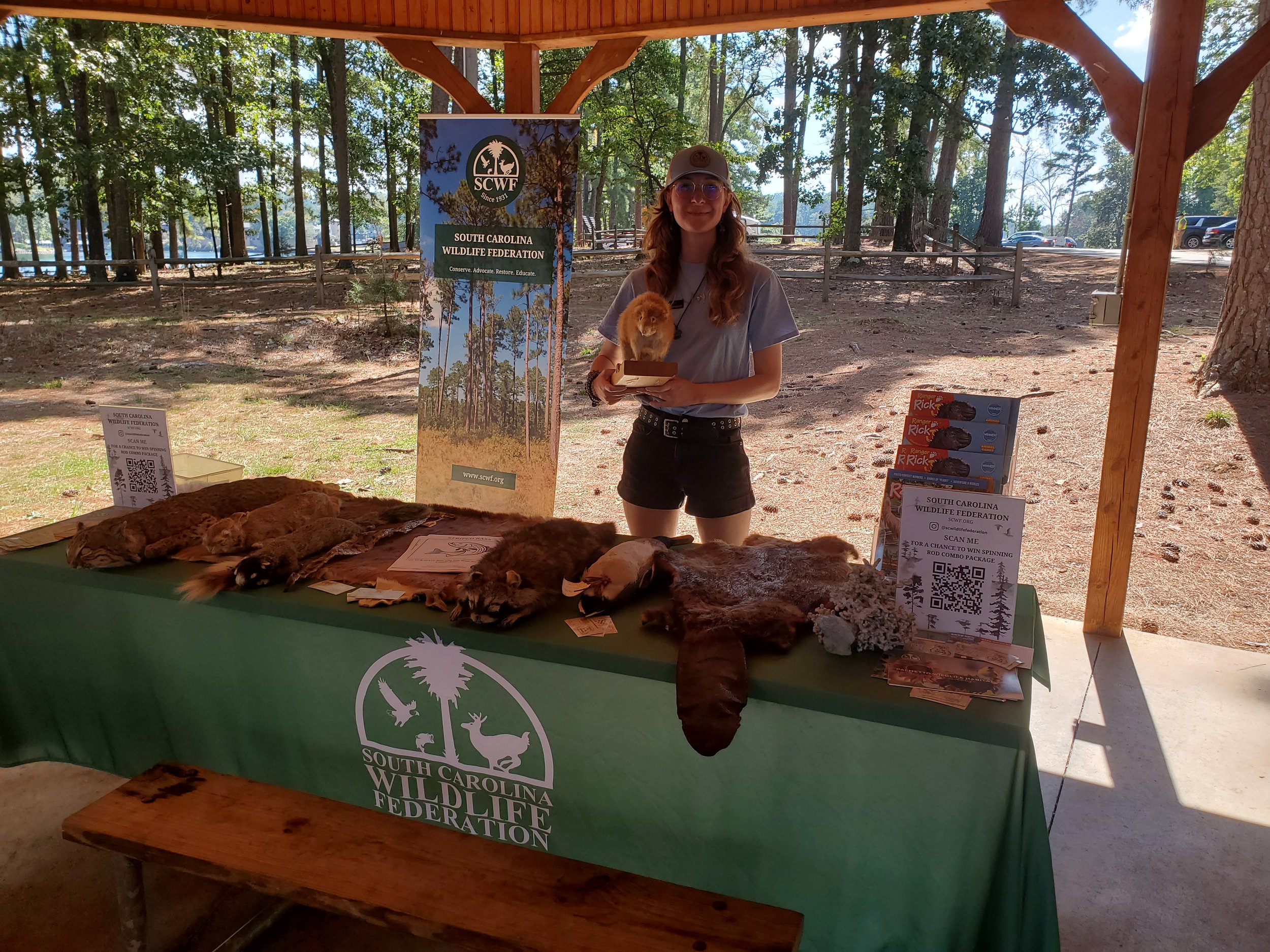
“I loved working at this event. Coming back to my home in the upstate of SC and getting to talk to kids about the nature and animals around them was really meaningful to me.” Ari Hippensteal.
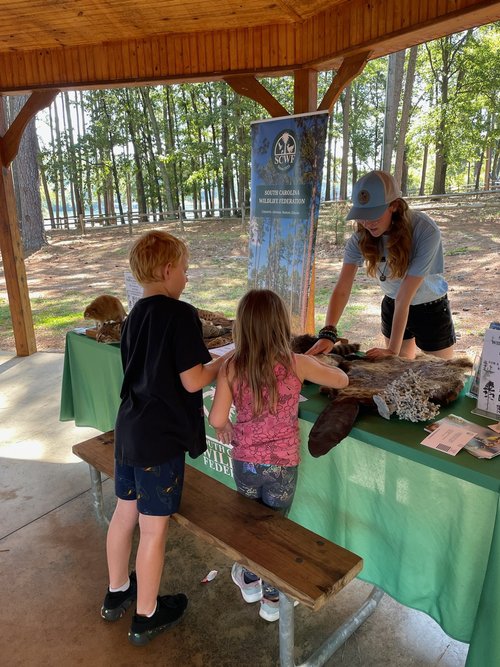
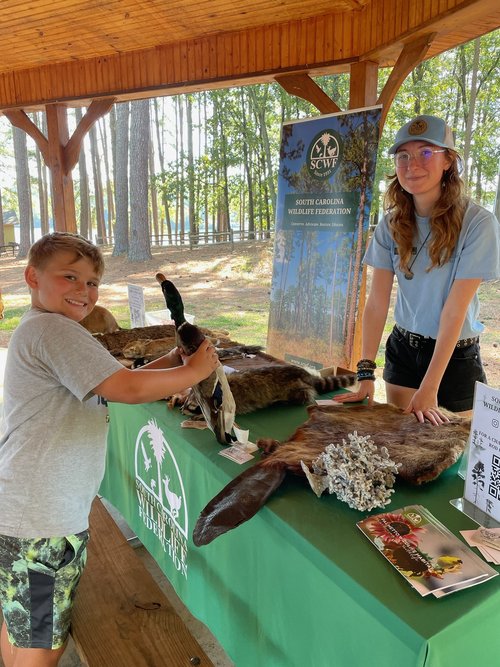
On Saturday, September 30, an estimated 2,000 youth and adults attended the annual National Hunting & Fishing Day event at Oconee County’s South Cove County Park near Seneca. This free event offers many hands-on opportunities to learn the basics of outdoor skills like fishing, archery, and shooting with an air-rifle. Traditionally celebrated the fourth Saturday in September, this day also promotes the contribution of hunters and anglers to conservation and connects hunters and anglers to programs in their state. SCWF has been a proud partner in this event for many years!
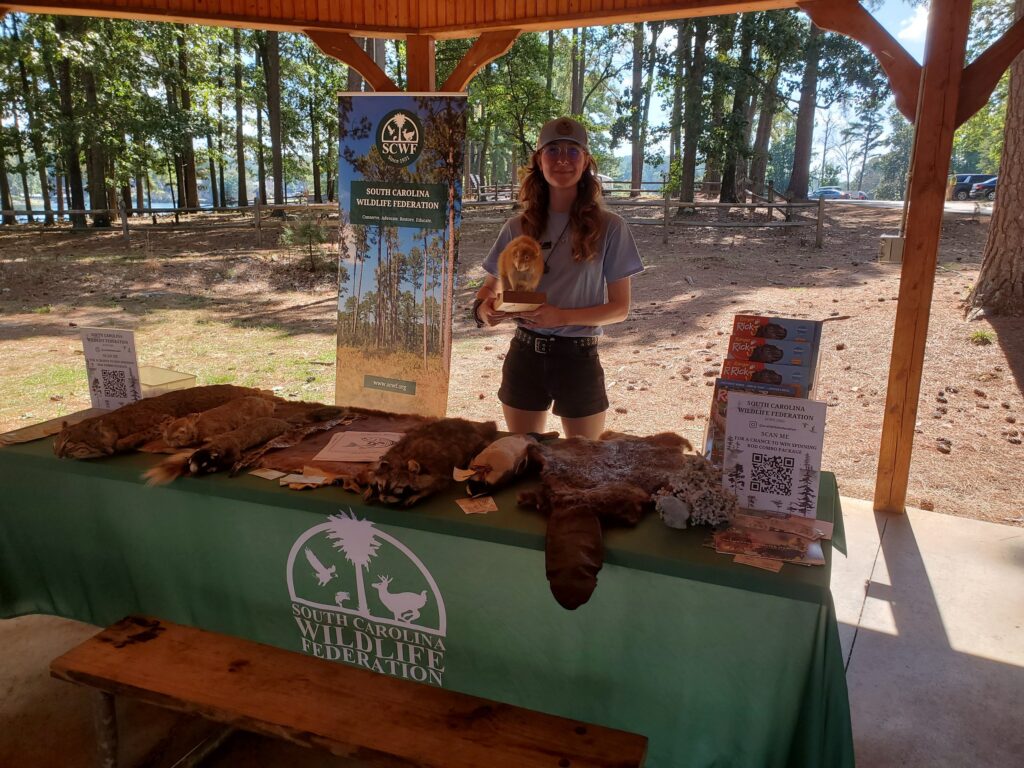
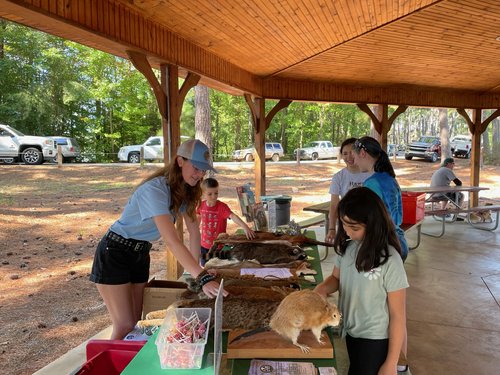
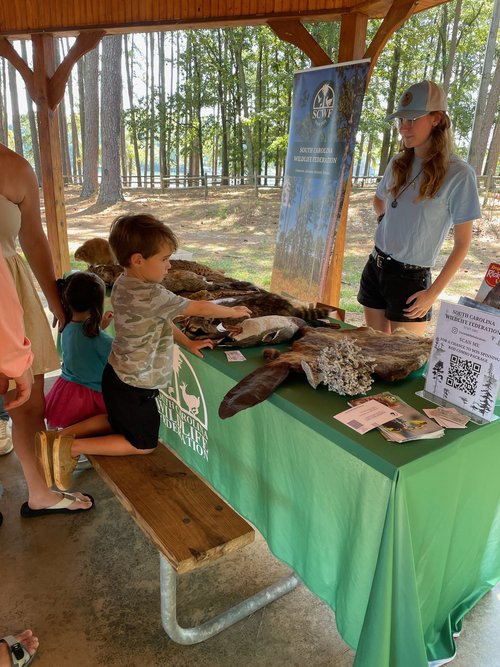
SCWF’s booth featured educational animal pelts, Ranger Rick magazines, and an art activity about wildlife! The education animals were a big draw, especially our muskrat. Ari Hippensteal, our Community Outreach Manager, talked to kids and adults who wanted to know more about the native South Carolina wildlife which might be difficult to see up close otherwise. Feeling the fur of the bobcat or the waterproof plumage of the mallard duck gave the visitors a hands-on experience that was a new experience for many. We were also grateful to the hunters who stopped by to share personal stories about the importance of habitat conservation for the future of wildlife in our state.
Fireflies are in decline, but you can help them by skipping the yard waste bags this year.
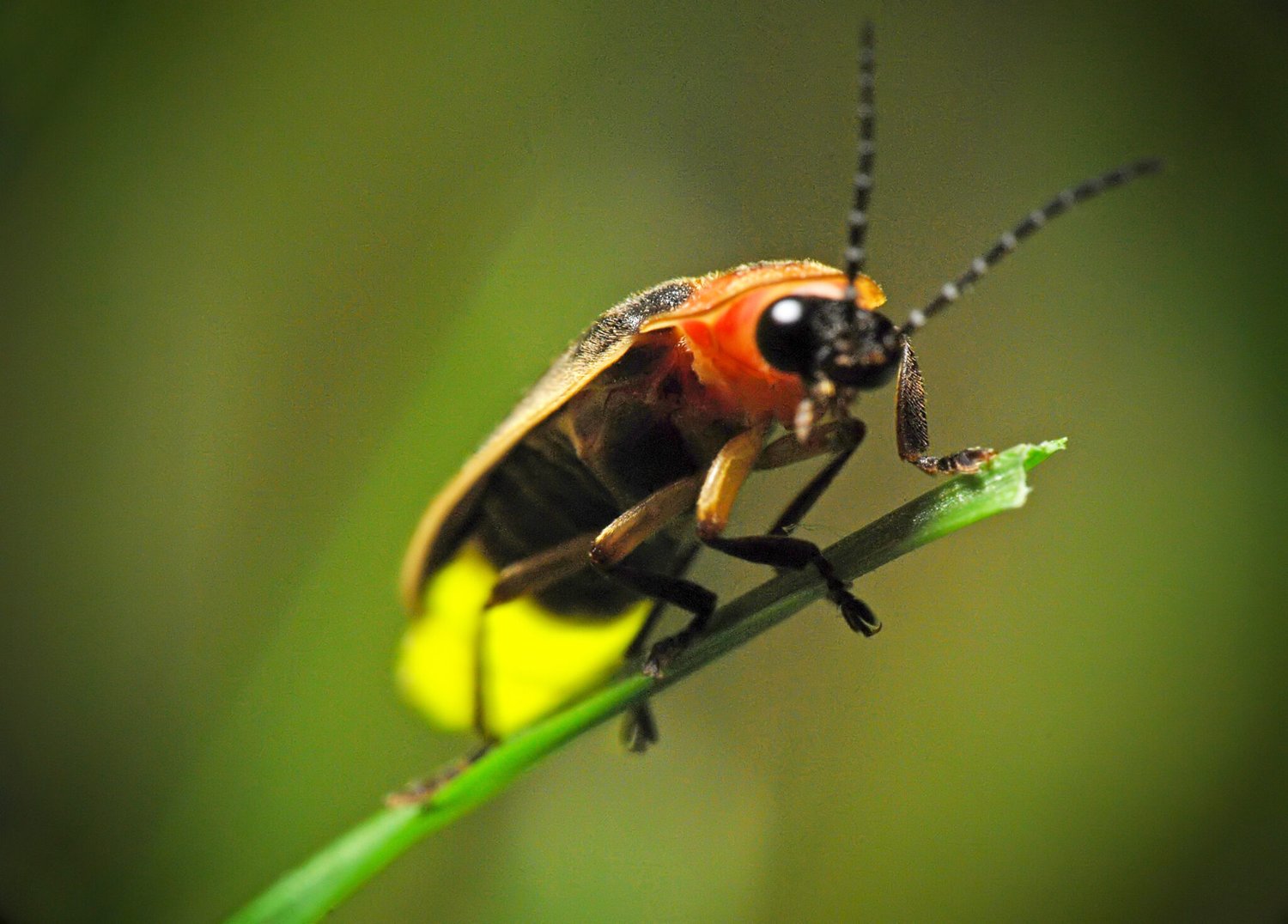
If you’ve ever lived in a region with fireflies, you’re probably most familiar with them as flying insects that light up the sky with their rhythmic blinking. But did you know that most of a firefly’s life can be spent under the leaves?
Fireflies as Larva
Like many insects, fireflies go through multiple life stages. The flying bugs we see are their adult form, but before they reach adulthood they first pass through their larval and pupal stages. In fact, for most species of fireflies, the larval stage makes up most of their life! For one species, Photinus pyralis, they spend 1-2 years as a larva, and only 30 days as an adult!
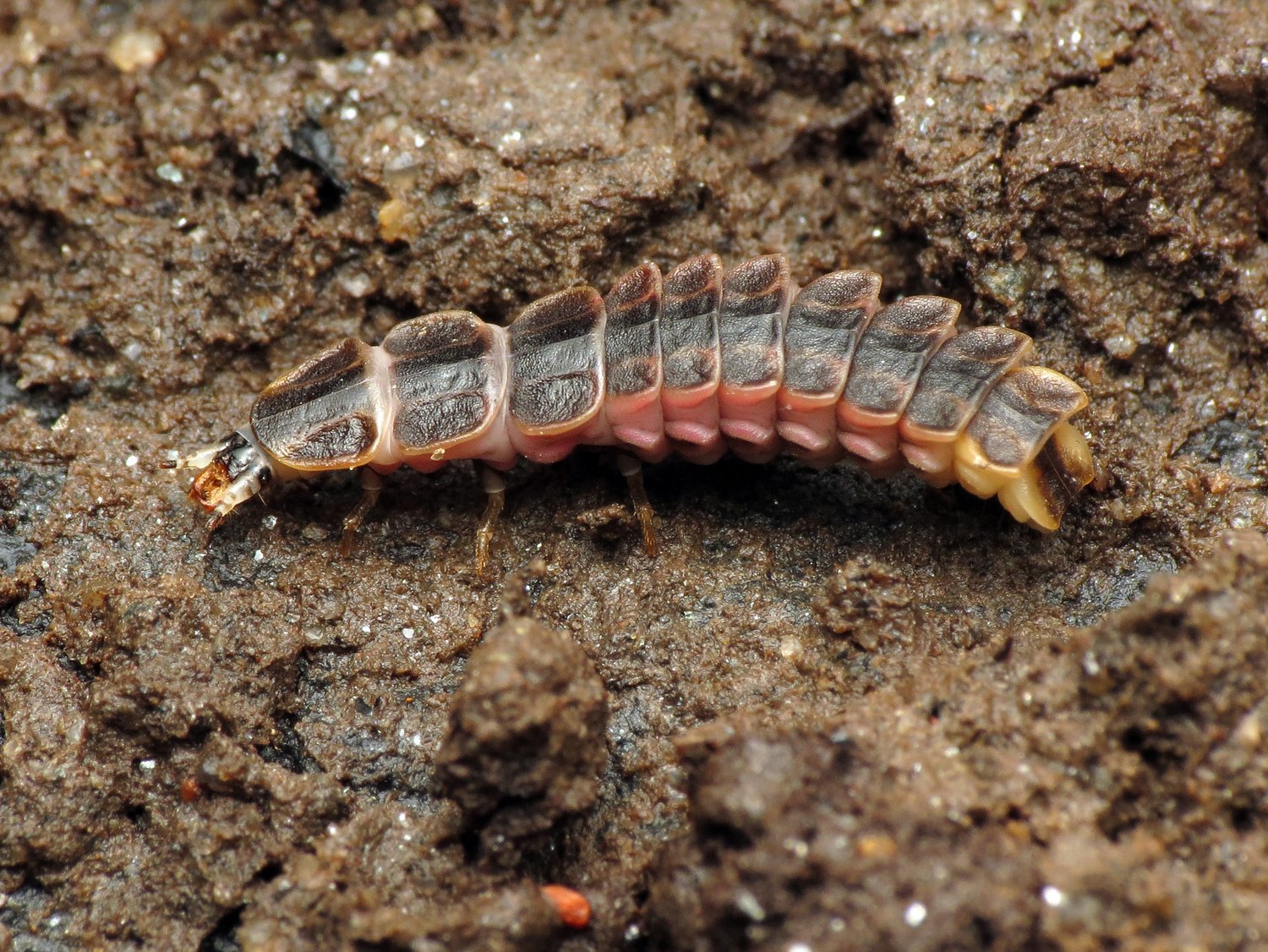
But most people have never even seen a firefly in its larval stage, or if they have, they haven’t realized what they were looking at. Firefly larvae look almost nothing like their adult forms. They often have a long, almost worm-like, body and most do not have any wings or have short wings that they cannot use for flying.
So if they don’t fly, where do these insects live for years on end? The answer lies beneath our feet.
Many firefly larvae are carnivorous, eating snails and worms they find in the moist soil! Credit: Katja Schulz/Flickr
A Life in the Leaves
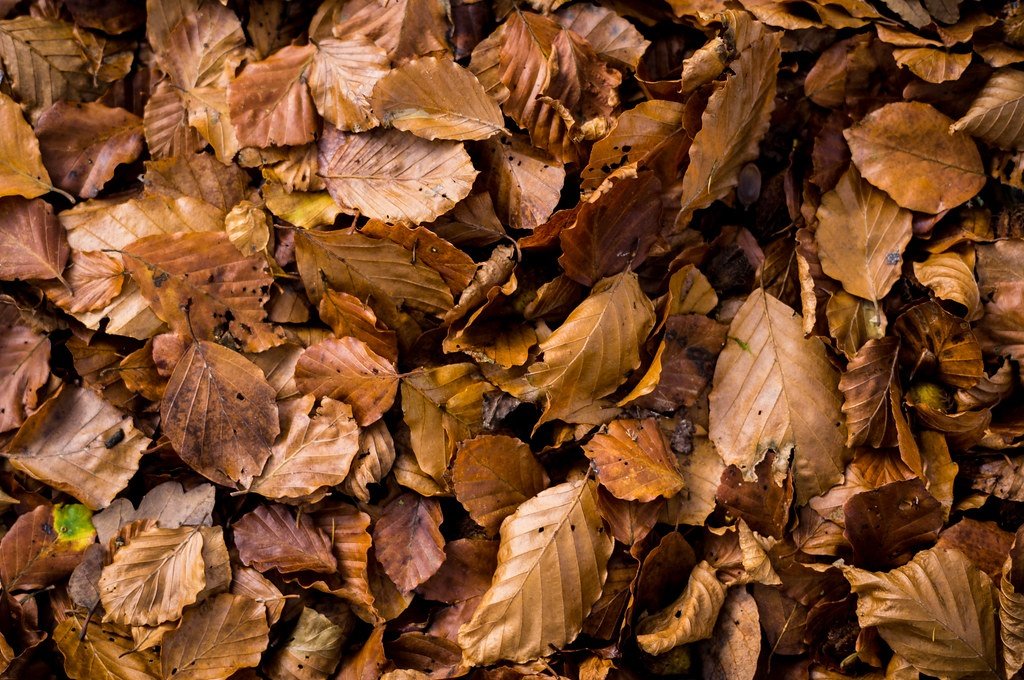
While each firefly species is different, many fireflies spend their larval stage beneath a layer of fallen leaves or even under the soil. The moist environment that the leaf layer creates is a must for many firefly larvae, since some even depend on gills to breathe! The leaf layer is also helpful for many other insects and small creatures, like snails. Since many firefly larvae are carnivores, these other small animals in the leaf layer are a vital food source!
Not only does the leaf layer provide a moist environment and support a healthy food web for fireflies, but it is also essential for protecting them overwinter. Since many fireflies spend years as larvae, the leaves keep them warm, hidden and protected while they hibernate.
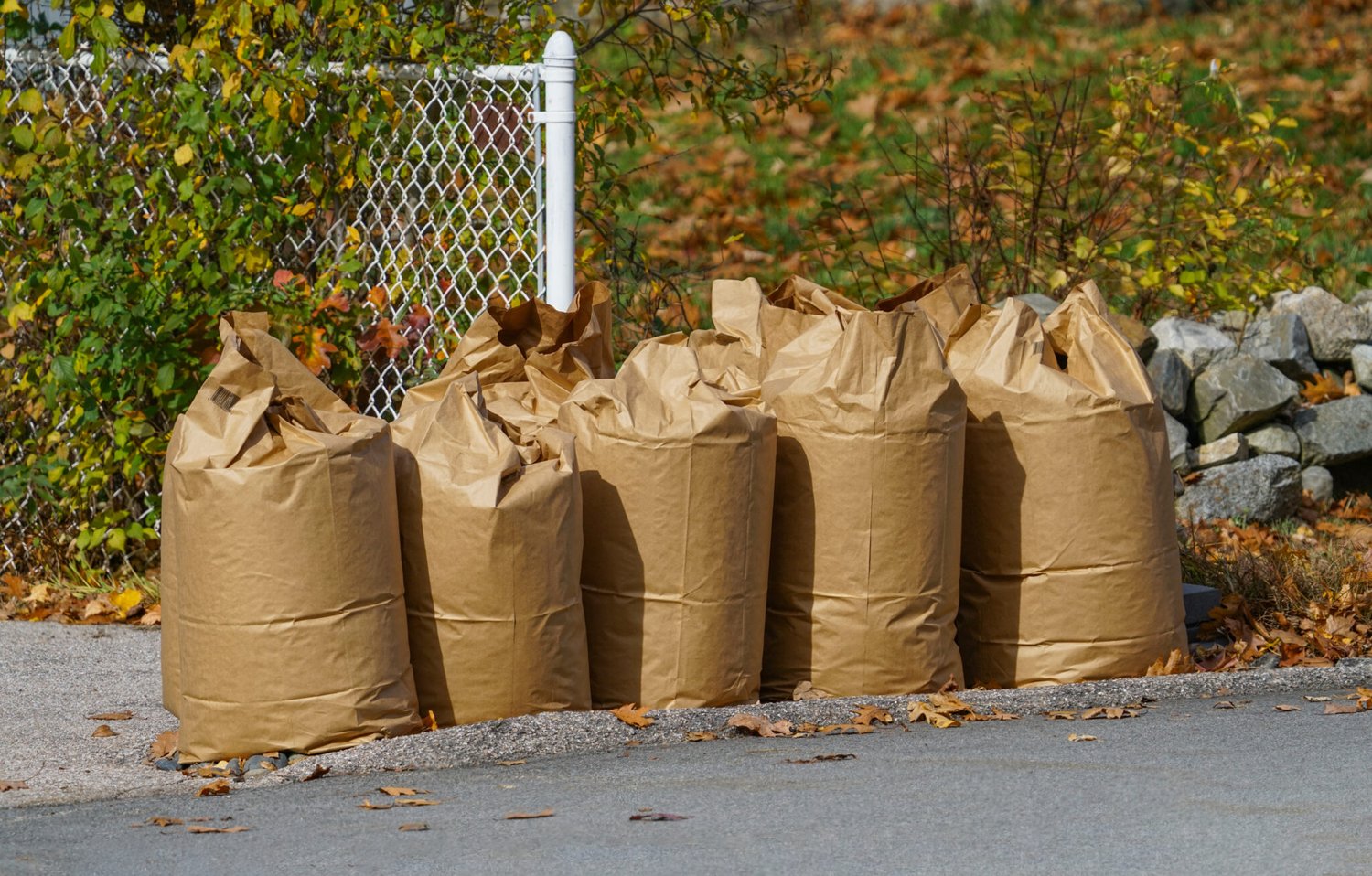
Roughly 30% of yard waste bags go to the landfill where they will produce methane, a greenhouse gas contributing to climate change. Credit: xphotoz
Leave the Leaves for Fireflies
Fireflies are disappearing in America, and how we maintain our yards and gardens is a huge reason why. When homeowners and gardeners fill up yard waste bags with leaves, sticks, and other organic matter, they’re getting rid of the leaf layer that these firefly larvae need.
Not only that, but oftentimes the firefly larvae themselves get put into those yard waste bags and get carted away! About 30% of these yard waste bags end up going straight to the landfill. Some get composted, but others are incinerated– which releases carbon dioxide greenhouse gasses. Wherever these yard waste bags end up, it’s not good news for the fireflies.
To help save the fireflies, you can avoid the yard-waste bags. Instead, opt to intentionally use the fallen leaves in your yard. You can rake the leaves off your paths and lawn and move them to create a beneficial leaf layer in your garden beds and around the base of trees. Leaving the leaves doesn’t just benefit fireflies, but dozens of other wildlife species that depend on it to survive!
Amid the crunch of autumn leaves underfoot lies a hidden ecosystem where moths and butterflies find shelter and sustenance. While it might seem like clutter to some, this layer of fallen foliage is a lifeline for various species—including these important pollinators. Fallen leaves are more than just remnants of summer; they are essential components of ecosystems. They enrich the soil, provide habitats, and play a pivotal role in the life cycles of many insects. Let’s take a look at some of the species that depend on the leaf layer for survival.
Mourning Cloak
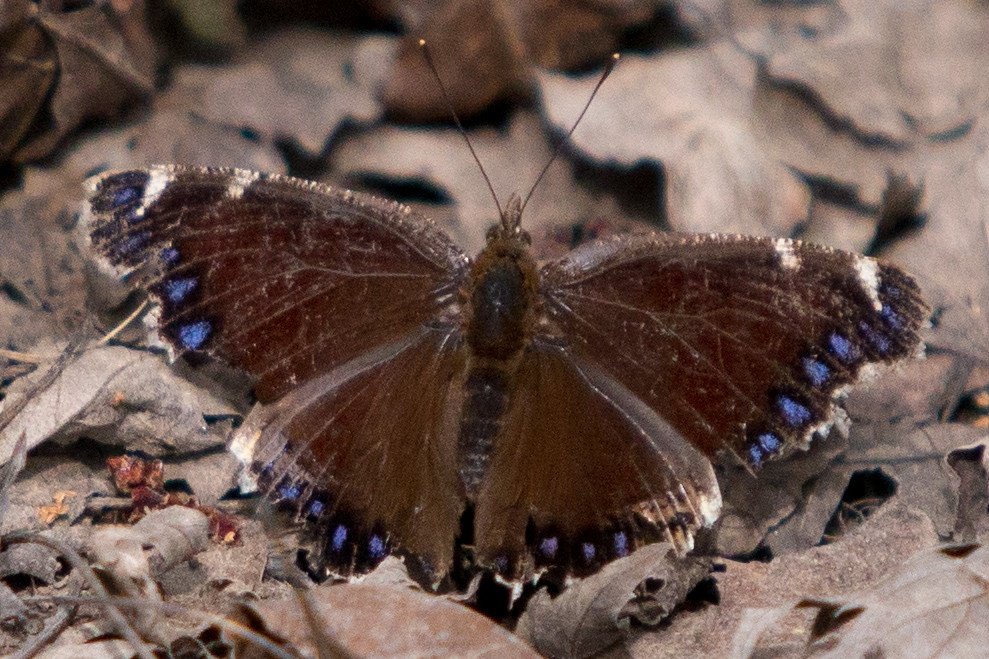
Mourning cloak butterflies avoid spending energy on migration by hibernating under the leaves for winter. Credit: Popo.uw23/Flickr
The mourning cloak butterfly is a remarkable species known for its longevity and unique hibernation habits. Unlike many butterflies that migrate or overwinter in other life stages, the mourning cloak spends the winter as an adult. As temperatures drop, these butterflies seek refuge in the natural crevices provided by tree bark, logs, and importantly, within piles of fallen leaves.
Fallen leaves offers a protective blanket that insulates the butterflies against harsh winter conditions. The layers of leaves help maintain a stable microclimate, shielding them from freezing temperatures and fluctuations that could otherwise be fatal. This insulation is crucial for their survival, allowing them to conserve energy throughout the dormant season. By hibernating in leaves, they can face temperatures as low as -76°F (-60°C)!
When spring arrives, the mourning cloaks emerge, often one of the first butterflies to be seen, as they take advantage of early sap flows and mate before competition arrives. Despite braving the winter, mourning cloaks are the longest living butterflies in North America, often surviving up to 10 months.
Red-banded Hairstreak
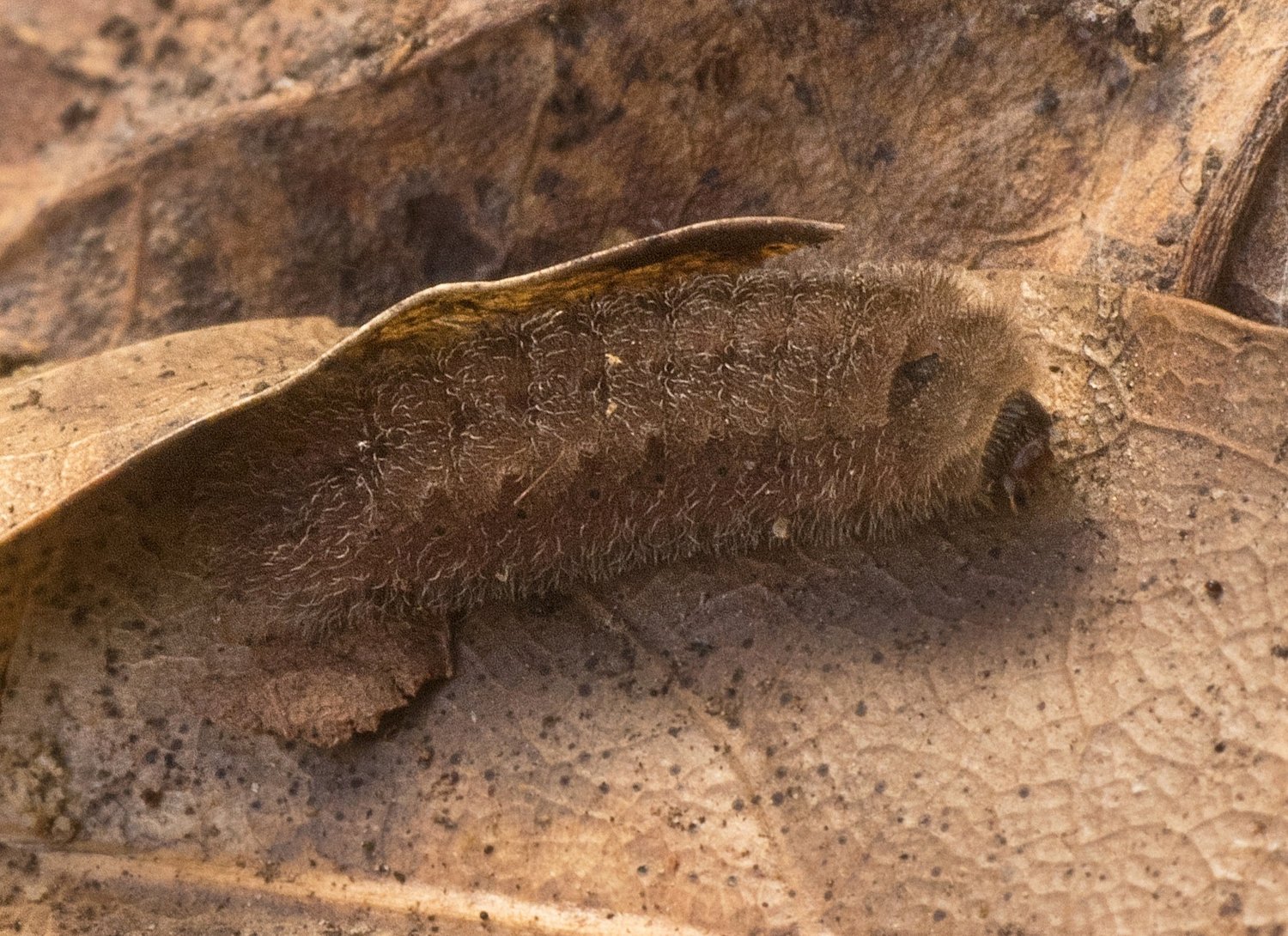
Red-banded hairstreak caterpillars camouflage well against dead leaves. Credit: Sara Bright/Alabama Butterfly Atlas
The red-banded hairstreak butterfly exhibits a fascinating life cycle intricately tied to fallen leaves. Unlike most butterfly caterpillars, which feed on living plant tissues, the larvae of this species primarily consume decaying leaf material, especially from sumac and oak trees. The caterpillars of this species look like fuzzy leaves to camouflage against their environment.
The leaf layer serves as both a pantry and a protective environment. The layers of leaves conceal the caterpillars from predators and harsh weather, offering a safe space for growth and development. This reliance on decaying matter places the red-banded hairstreak in a unique ecological niche, contributing to nutrient cycling and the breakdown of organic material in forest ecosystems.
Io Moth
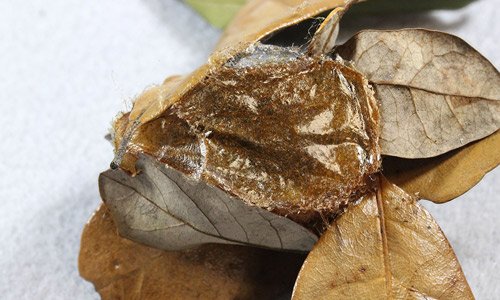
The silky underside of an Io moth cocoon made from fallen leaves. Credit: Don Hall
Io moths are renowned for their vivid coloration and striking eyespots, which serve as a defense mechanism against predators. After a period of feeding on the leaves of various trees and shrubs as caterpillars, they prepare for metamorphosis by spinning cocoons. This critical stage occurs within the leaf litter on the ground.
The fallen leaves provide essential camouflage for the cocoons, blending seamlessly with the environment to avoid detection by predators. Moreover, the microhabitat within the leaf litter maintains optimal humidity and temperature levels necessary for the delicate process of metamorphosis. The structural complexity of the leaf layers protects the cocoons from physical disturbances and environmental stressors, ensuring that the moths can successfully emerge as adults.
As adults, Io moths do not have functional mouths and do not feed. They live solely to reproduce, with a short adult lifespan of about a week. This means that every stage of their life cycle prior to adulthood is crucial for accumulating the energy reserves needed for reproduction. The protection provided by a leaf cocoon during metamorphosis is vital to their survival and ability to continue the species.
Luna Moth
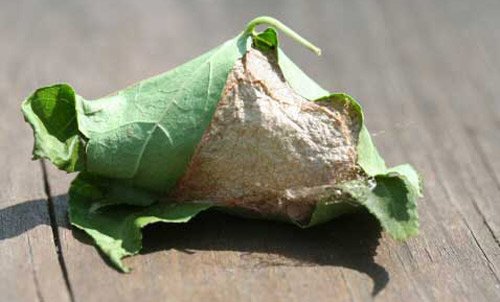
A fully completed Luna moth cocoon made from freshly fallen leaves. Credit: Don Hall
The Luna moth captivates with its ethereal beauty, showcasing pale green wings and elongated tails. Similar to the Io moth, the Luna moth’s life cycle is deeply connected to the leaf litter. After the caterpillars have fed and grown on the leaves of hardwood trees like hickory, walnut, and birch, they descend to the forest floor to pupate.
Within the leaf layer, the Luna moth caterpillars spin silken cocoons interwoven with leaves, creating a secure environment for transformation. The developing moth may spend anywhere from three weeks to several months overwintering in this cocoon, while they only live as adults for about a week.
Like Io moths, adult Luna moths they do not have functional mouths to feed. This brief window of adulthood is dedicated entirely to reproduction. Because of their short lifespan and inability to feed, conserving energy under the leaves during winter ensures they emerge as healthy adults capable of finding a mate and laying the eggs quickly.
Dead Leaves, Living Habitat
Supporting the life cycles of moths and butterflies has broader implications for both wildlife and human communities. These species play significant roles in ecosystems as pollinators, prey, and indicators of environmental health.
By understanding and preserving the natural processes that sustain these species, such as the availability of leaf layers, we contribute to the resilience and functionality of ecosystems. Healthy ecosystems provide essential services, including clean air and water, pollination of crops, and natural beauty that enhances our quality of life.
So this autumn, as the leaves create a mosaic on the ground, consider the unseen wonders they support. Embracing the natural accumulation of leaves supports the intricate life cycles of species like these moths and butterflies. In doing so, you can help nurture the ecosystems that ultimately sustain both wildlife and human communities.
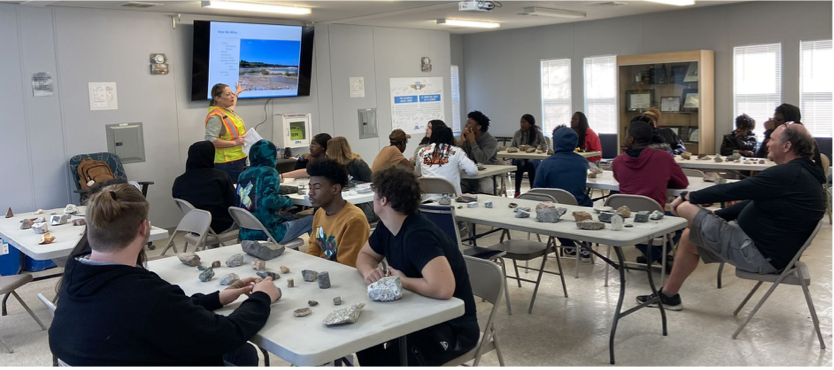
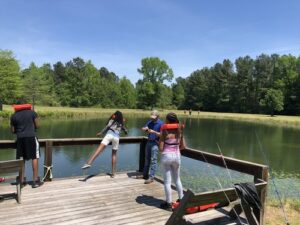
The team at Martin Marietta’s Berkeley Quarry goes above and beyond to educate local students and the community about the natural history of the Cross, South Carolina area, and how the quarry functions while respecting our natural resources.
Combined with numerous field trips, which include visits with local schools, gem and mineral clubs and community organizations, Berkeley Quarry’s crew educates close to 1,000 people annually, sharing information about a little known underground world that is normally hidden from view. Fossil collecting, geode breaking stations, a child mining area, quarry tours and geology lessons are among the activities that visitors enjoy while learning from the site’s knowledgeable and talented team members.
In addition to the geological interests of the area, habitat creation and preservation is important to Martin Marietta as well. Working with the South Carolina Department of Natural Resources and American Forest Management, the Berkeley Quarry team has set aside several hundred acres of forested land that is intended to preserve habitat for both birds and animals. Wood duck boxes have also been installed on the grounds, and the area is regularly patrolled by a bald eagle that glides through the skies in search of prey.
Through community education, wildlife habitat creation and sustainable practices, Martin Marietta exemplifies how a large corporation should operate in an ecologically responsible way.
We hope this approach continues for years to come!
Why WAIT?
SCWF partners with conservation-minded businesses throughout the state who want to help wildlife thrive by enhancing their properties and providing educational opportunities for their employees and communities. Read more about the WAIT Program, and how to join here.
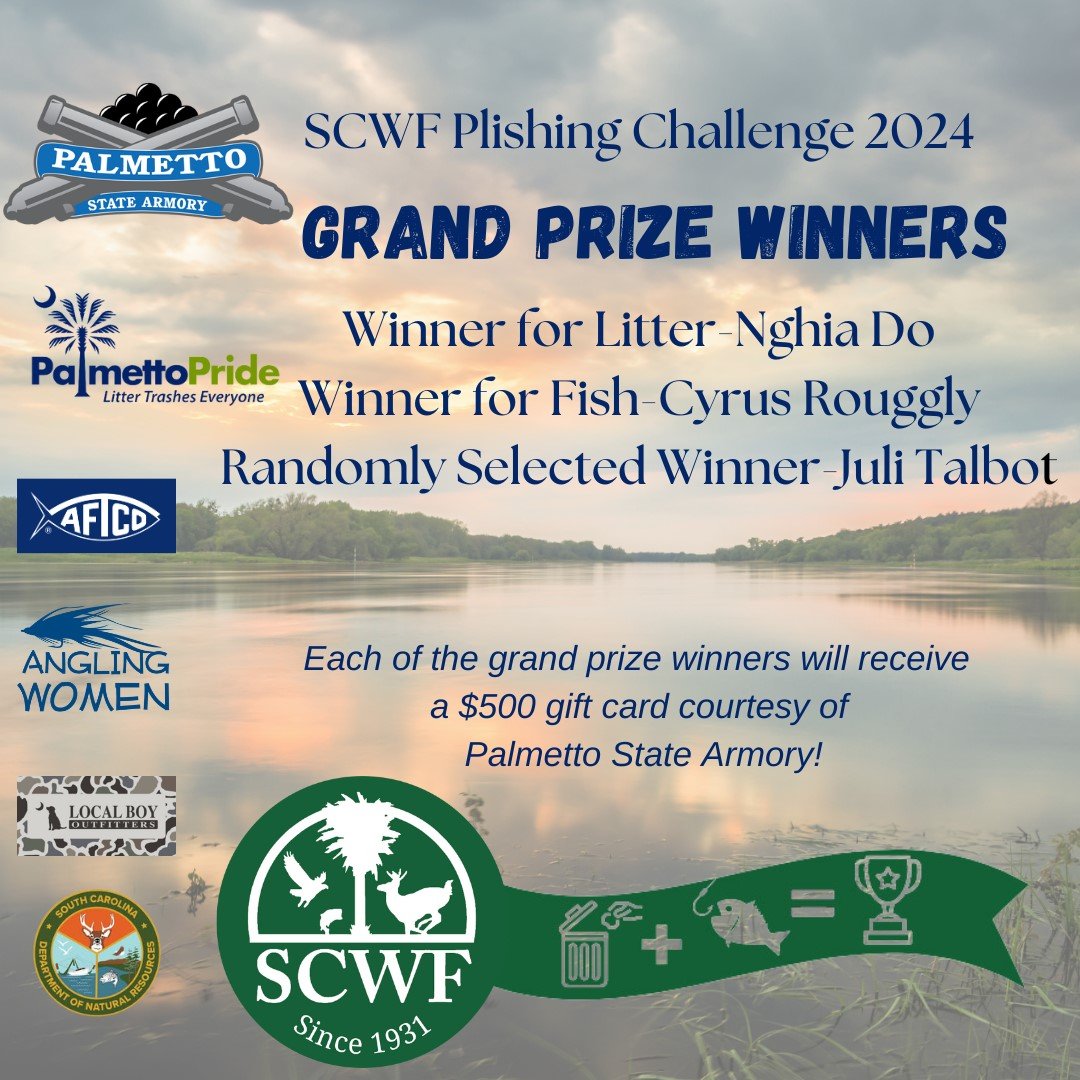
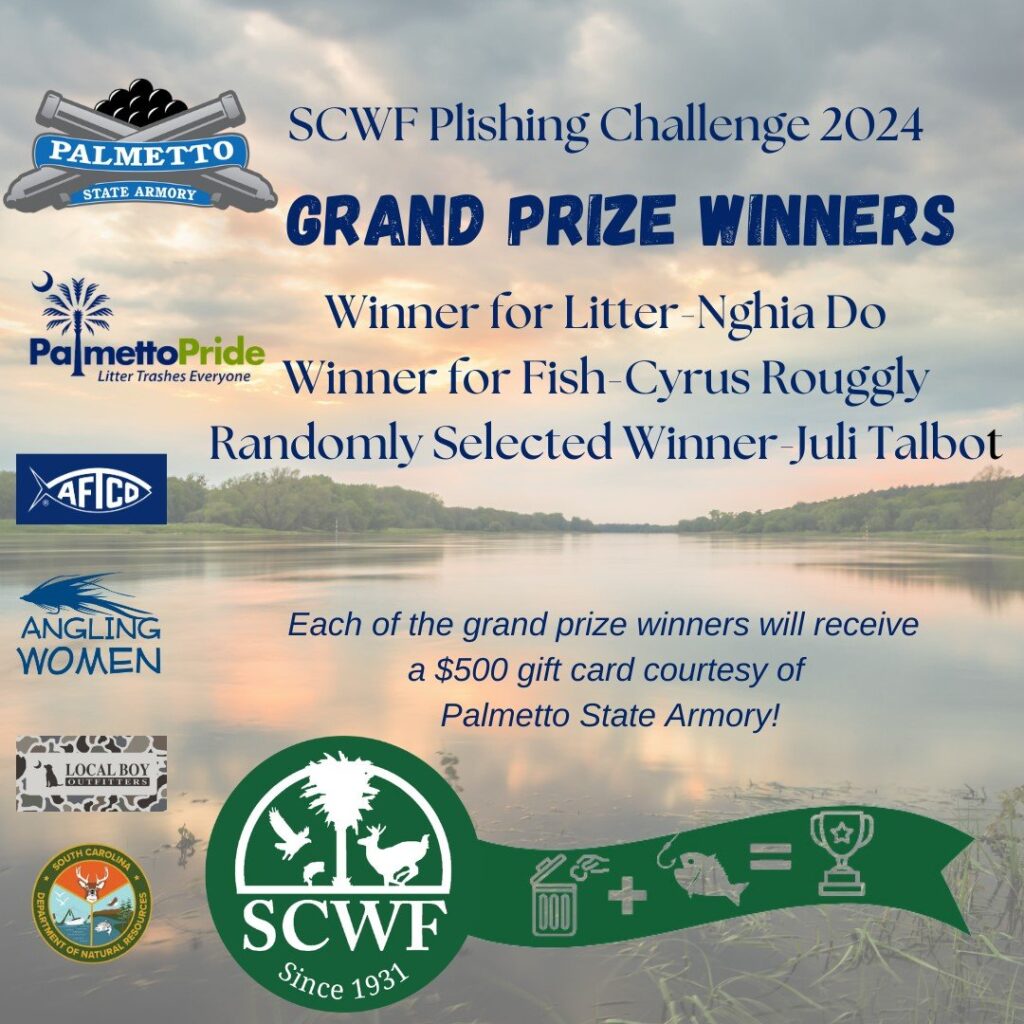
Congratulations to everyone who participated in the 2024 SCWF Plishing Challenge! Everyone who entered something into the challenge, either litter they collected from their local waterways or a fish they caught, will receive a small token of our appreciation.
We are thrilled at the amount of litter that was collected this year totaling 1080 grocery sized bags of litter. And approximately 700 fish were entered with the majority of those being released for extra points in the challenge.
A huge thanks to our amazing sponsors for making this happen for our third year-Palmetto State Armory, Palmetto Pride, Angling Women, Local Boy Outfitters, AFTCO, and the South Carolina Department of Natural Resources. And thanks again to all who participated in this incredible event promoting clean waterways, conservation, and fishing fun!
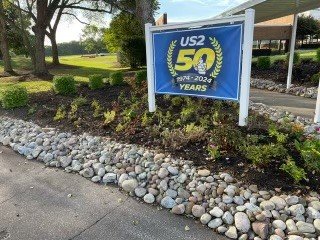
With the goal of increasing biodiversity on their property, Michelin US-2, located right outside of Anderson, SC, is happy to announce they are no longer using pesticides, fertilizers, or chemical weed treatment on their property. They are working towards removing all invasive Callery (Bradford) pear trees, which will allow native vegetation to replace this ecologically destructive tree species.
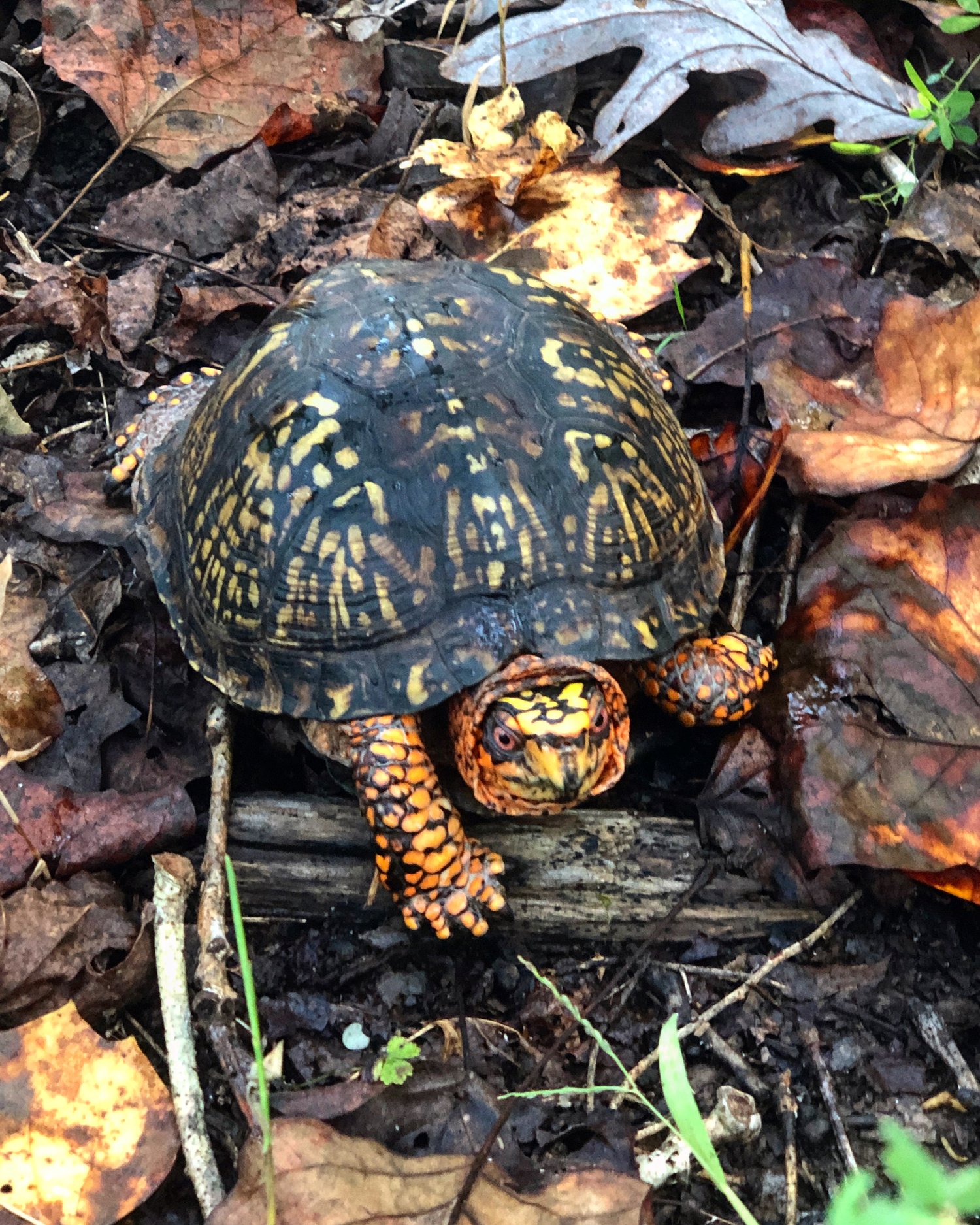
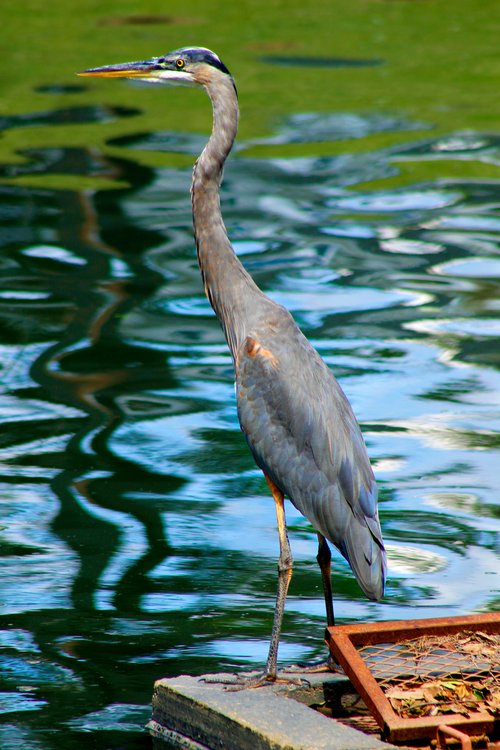
Michelin recently partnered with Furman University and Dr. John Quinn, professor of Biology, to perform multiple species inventories to record what kind of flora and fauna is present on their property. In addition to seven turtle species found on the property, great blue herons, bald eagles, and a variety of frog species were recorded too.
Species like the ones pictured above are thriving at US-2’s property. Image Credits L to R: Eastern Box Turtle Strolling in the Leaves by Jenna Plating and Greer’s Great Blue Heron by Katie Derhay.
With the good work being done on US-2’s property, the nature trail, which was established for employees and their families to enjoy, should be teaming with a healthy variety of wildlife for years to come. Thank you, Michelin, for providing yet another example of your company working to improve habitat conditions for wildlife throughout SC. And congratulations on celebrating 50 years at this site!
Why WAIT?
SCWF Partners with conservation-minded businesses throughout the state who want to help wildlife thrive by enhancing their properties and providing educational opportunities for their employees and communities. Read more about the WAIT Program , and how to join here.
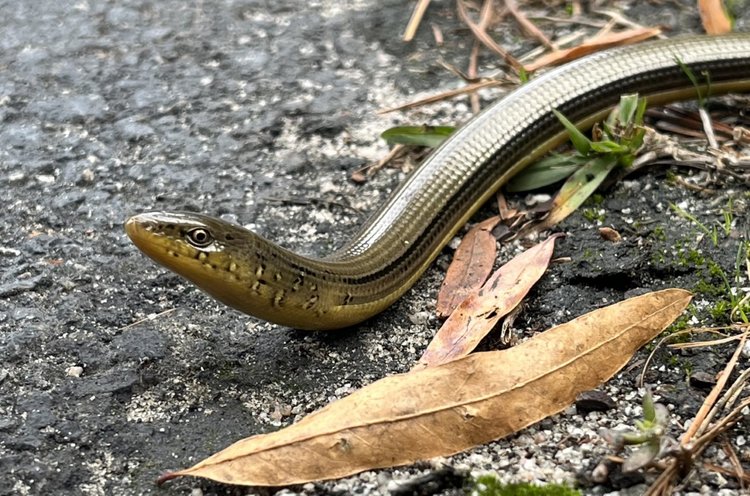
U.S. Silica, in Lexington county, SC, is one of our more recent additions to the Wildlife And Industry Together Program, or WAIT program. U.S. Silica provides excellent habitat for sandhills species. Open areas on the property provide nesting and hunting opportunities for birds like the American kestrel, painted bunting, and many owl species, including the Eastern screech owl – a declining species. Discussions were had about providing nest boxes for barn owls on the property due to giant swaths of land that would be ideal for this open-habitat specialist. Besides beautiful birds, reptiles like the Eastern glass lizard and Eastern fence lizard can be observed, sometimes quite abundantly, in sandhill habitat similar to what is found on US Silica’s property.
Image Captions L to R: Eastern fence lizard and Eastern glass lizard by Jay Keck.
Shorebirds find food on large shallow ponds on the property during migration to and from their breeding grounds. Industry Habitat Manager, Jay Keck, will be joining a group of bird experts this month to take a survey of what shorebird species are being supported on the property during fall migration. The data will be recorded and could be used to enhance the property’s habitat to help more species in the future.
Finally, during a recent field trip focused on the environment and sustainability, environmental and engineering majors from SC State University visited the plant to learn about the resources utilized for their processes and how they are managed. They also learned how US Silica reuses the water, how they recycle products such as oils and chemicals used on machinery, and how they work with DHEC on environmental reporting and testing. Thank you, U.S. Silica, for providing critical habitat for many of SC’s species in this unique part of our state, and thank you for teaching the next generation of environmentalists and engineers how a corporation can reach its production and sustainability goals through leadership and vision.
SC State University enviromental and engineering majors visting US Silica.
Why WAIT?
SCWF Partners with conservation-minded businesses throughout the state who want to help wildlife thrive by enhancing their properties and providing educational opportunities for their employees and communities. Read more about the WAIT Program, and how to join here.
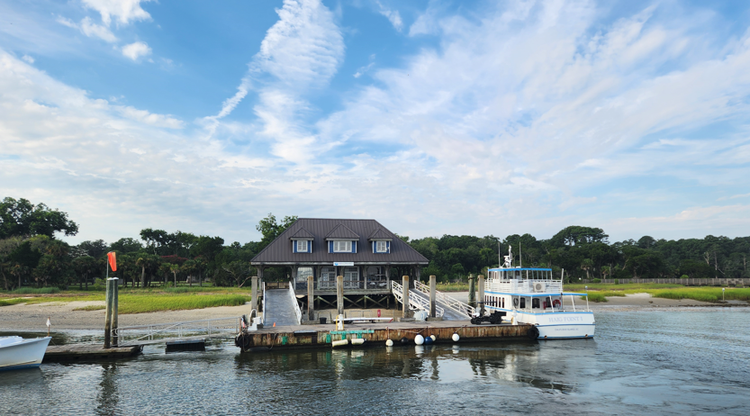
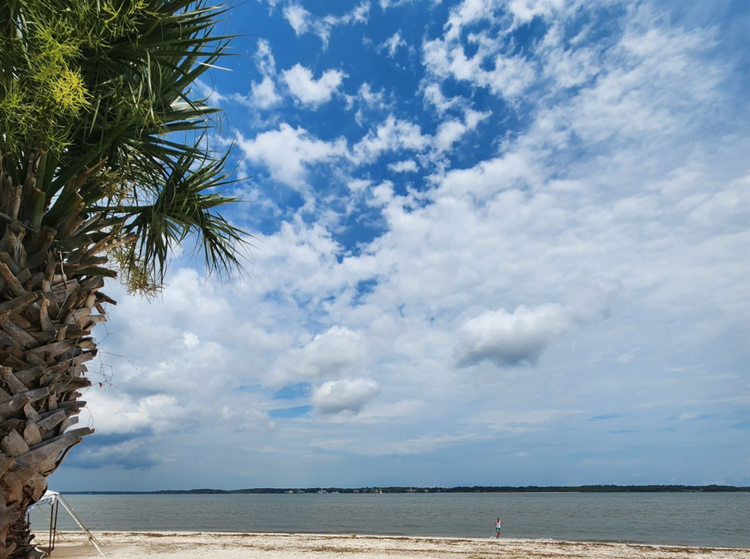
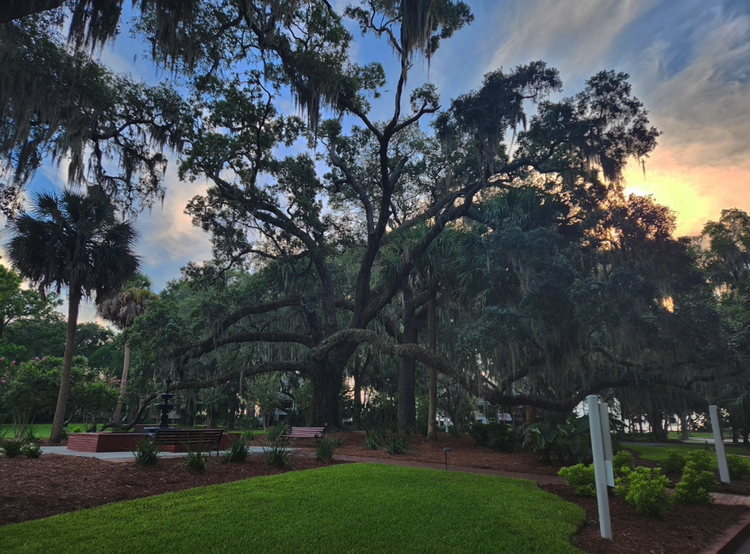
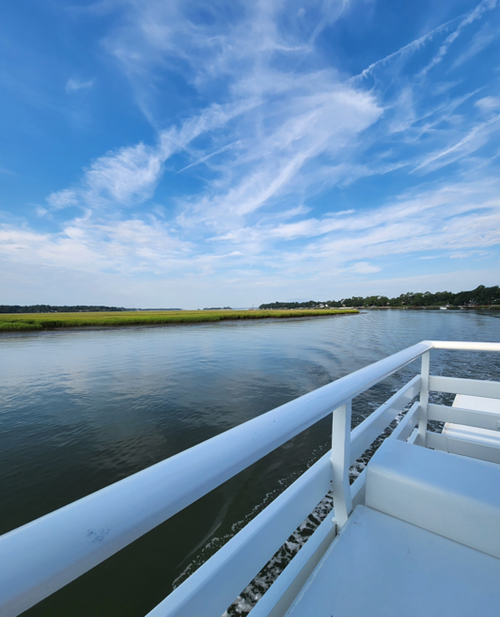
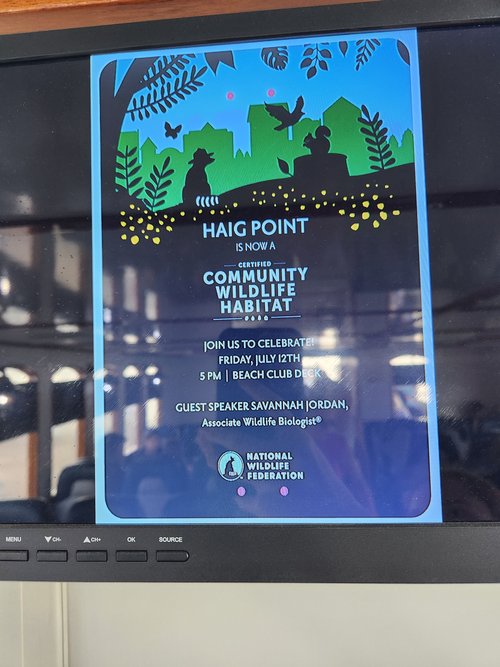
Haig Point was recently certified as a Community Wildlife Habitat! As the 15th Certified Community Wildlife Habitat in our state, Haig Point has joined over 300 other communities across the nation making a difference for wildlife. Located on the southernmost sea island of South Carolina, the Haig Point Community is set amongst the majestic moss-draped live oaks and pristine beaches of Daufuskie Island. Residents and visitors enjoy the uninterrupted sounds of nature as they travel around the island by electric golf-carts instead of cars, far from the noise of motors, horns, and traffic. This bridgeless island is a unique coastal ecosystem, and once you arrive by boat or ferry, you instantly find out why.
The island is home to a large rookery of nesting egrets and wood storks, and you can spot fox squirrels and white-tailed deer munching on acorns. As a threatened species, loggerhead sea turtles nest along the shores during the summer months. Supporting an abundant diversity of wildlife, insects, plants, and marine life, the wooded areas, lush marshes, and beaches are critical habitats that residents of the island are dedicated to protecting.
Oyster Reef Restoration
Volunteers and community members joined together with the South Carolina Department of Natural Resources SCORE (South Carolina Oyster Recycling Enhancement Program) to complete the island’s first oyster reef build in 2017. These living reefs protect the salt marsh and estuaries, while also helping to naturally reverse beach erosion, improve water quality, and create habitat for marine life. After a second build in 2022, healthy waves of spartina grass have established and become a living shoreline, supporting hundreds of species from small invertebrates to blue crabs and redfish.
South Carolina contains half a million acres of salt marsh, more than any of the other Atlantic states, but many coastal residents are concerned about the heavy amount of erosion as tides rise higher with more intense storms. Oyster reefs act as natural barriers against these threats, reducing the amount of shoreline that gets washed away and creating a more resilient coast. The community of Haig Point has constructed three oyster reefs on the island and plans to install more.
Daufuskie Island Turtle Team
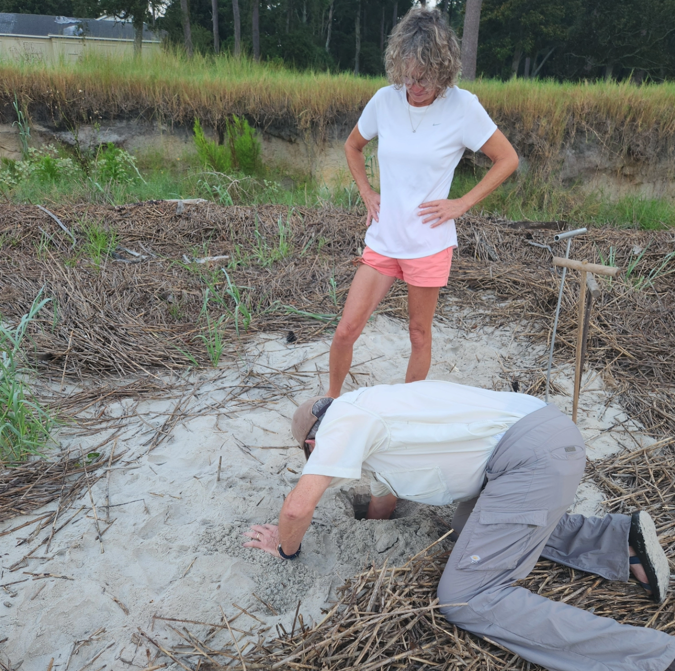
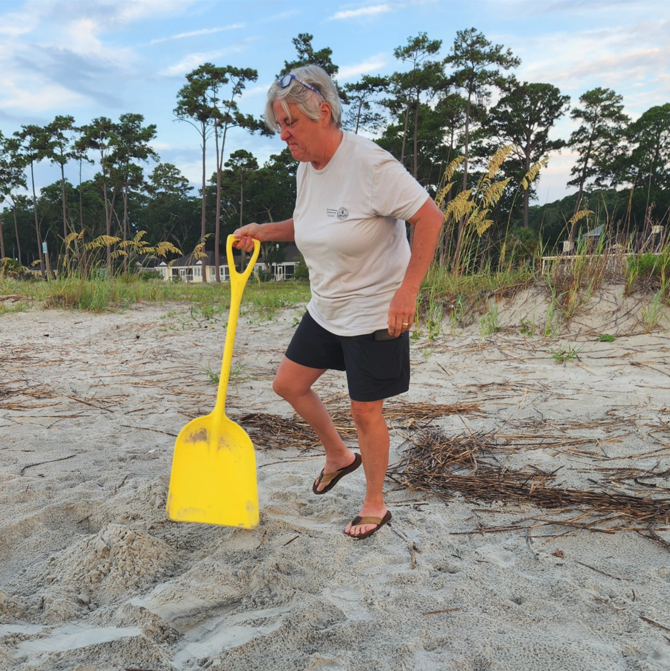
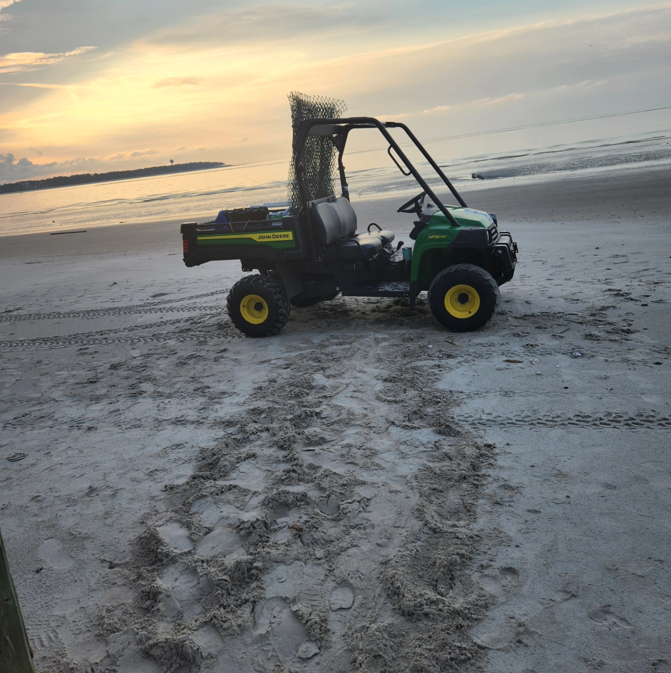
About 4 miles long, Daufuskie Island’s beach provides nesting habitat for loggerhead sea turtles. The Daufuskie Turtle Patrol staff must check the tide each morning before venturing onto the beach because at high tide, some areas are impassable. Having experienced heavy erosion, many nesting areas have washed away. Abandoned beach homes have succumbed to the rising tides, and exposed roots from large, dead oak trees make navigating the beach difficult.
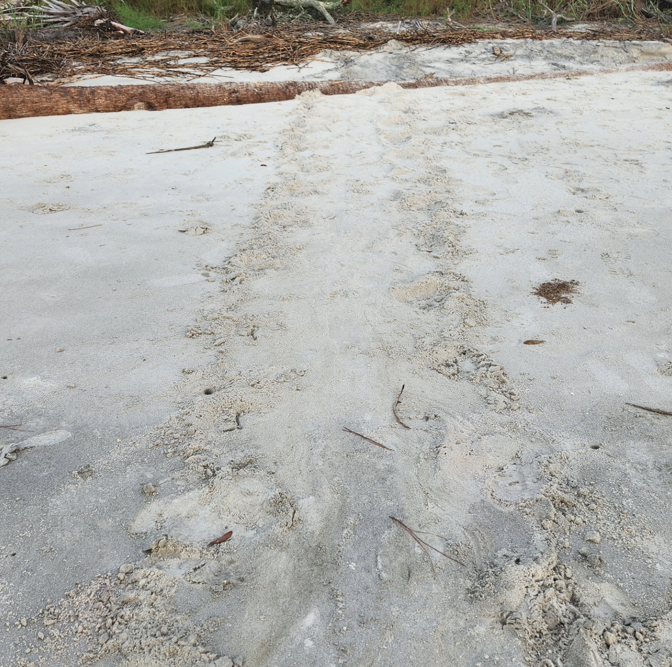
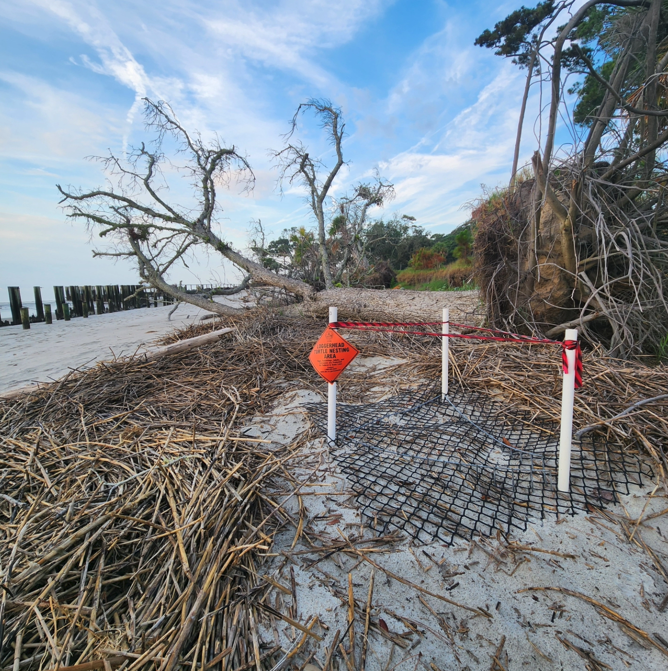
The island currently has around 60 nests and several of them started hatching in July. Led by volunteers, the many tasks of the turtle patrol team include documenting turtle tracks seen in the sand, marking nests, and placing protective covering over nests to prevent predators like ghost crabs, racoons, and armadillos from eating the eggs.
An Ocean-front Celebration
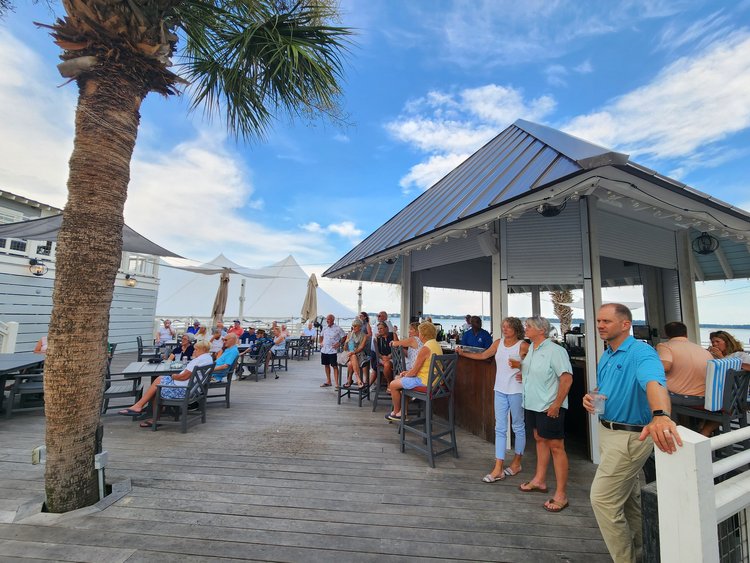
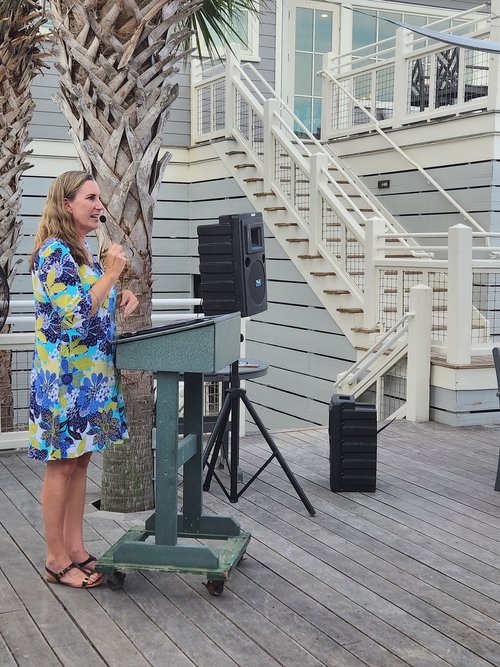
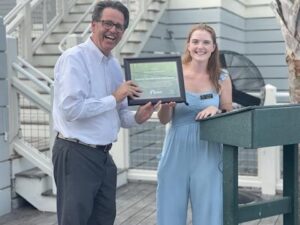
The community held a celebration at the Haig Point Beach Club on July 12th with residents and many other stakeholders who were involved with the certification process. Haig Point earned this impressive certification by certifying properties including homes, parks, farms, businesses, and government buildings on the island as Certified Wildlife Habitats. SCWF staff were honored to be a part of the ceremony, and Sara Green, SCWF Executive Director, spoke at the reception. SCWF’s Habitat Education Manager, Savannah Jordan, also spoke and presented the community’s certificate to Don Hunter, CEO of Haig Point. Lauren Hunt, the Brand Manager for Haig Point, oversees communication to its residents through the publishing of community newsletters and posting to social media. Lauren has been integral in the community’s certification, having digitized huge stacks of paper notes written by former habitat team members and promoting events that bring the whole community together to help wildlife. In partnership with the Daufuskie Island Conservancy, Haig Point hosts a biannual Beach Sweep in the spring and fall to help keep litter under control. Free educational events are available to the island’s residents and visitors that engage the community in creating wildlife habitat and protecting special species, including recent presentations on loggerhead sea turtles, salt marsh habitats, manatees, and butterflies.
Haig Point earned the name “Guardian of the Sea” by the Palmetto Ocean Conservancy in 2018 due to the Beach Club’s efforts to eliminate plastic straws, incorporate recyclable and reusable cups, change lights on buildings to LED lighting, and these other “Green Initiatives”:
Wood duck and Eastern bluebird boxes placed throughout the community, with annual maintenance and monitoring of bluebird boxes
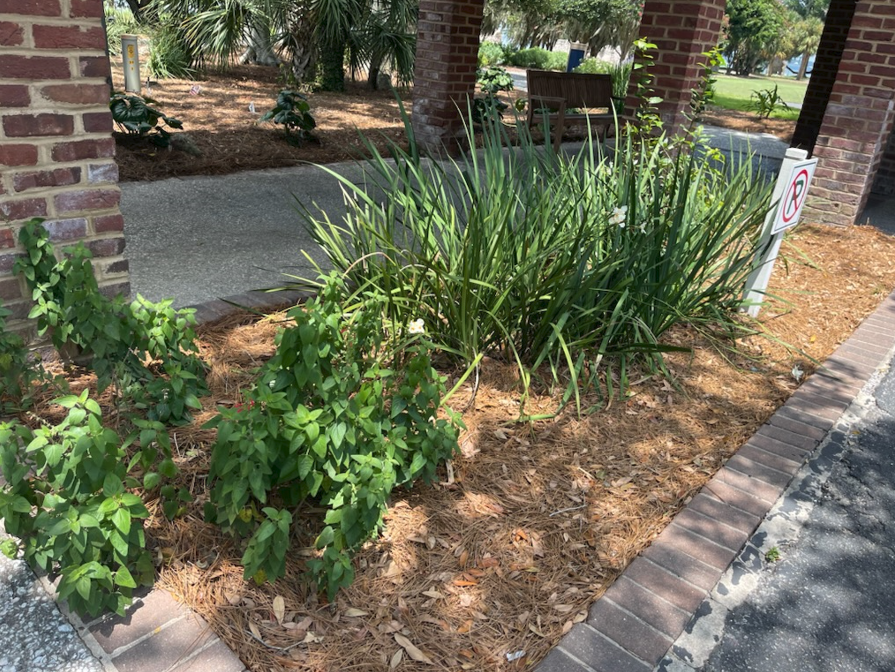
Installation of a demonstration rain garden to encourage the use of native plants in our landscapes and water conservation
Nature Trail educational signage throughout in several key areas throughout the property
Butterfly gardens and the Welcome Center, Mansion, Beach Club, and Clubhouse
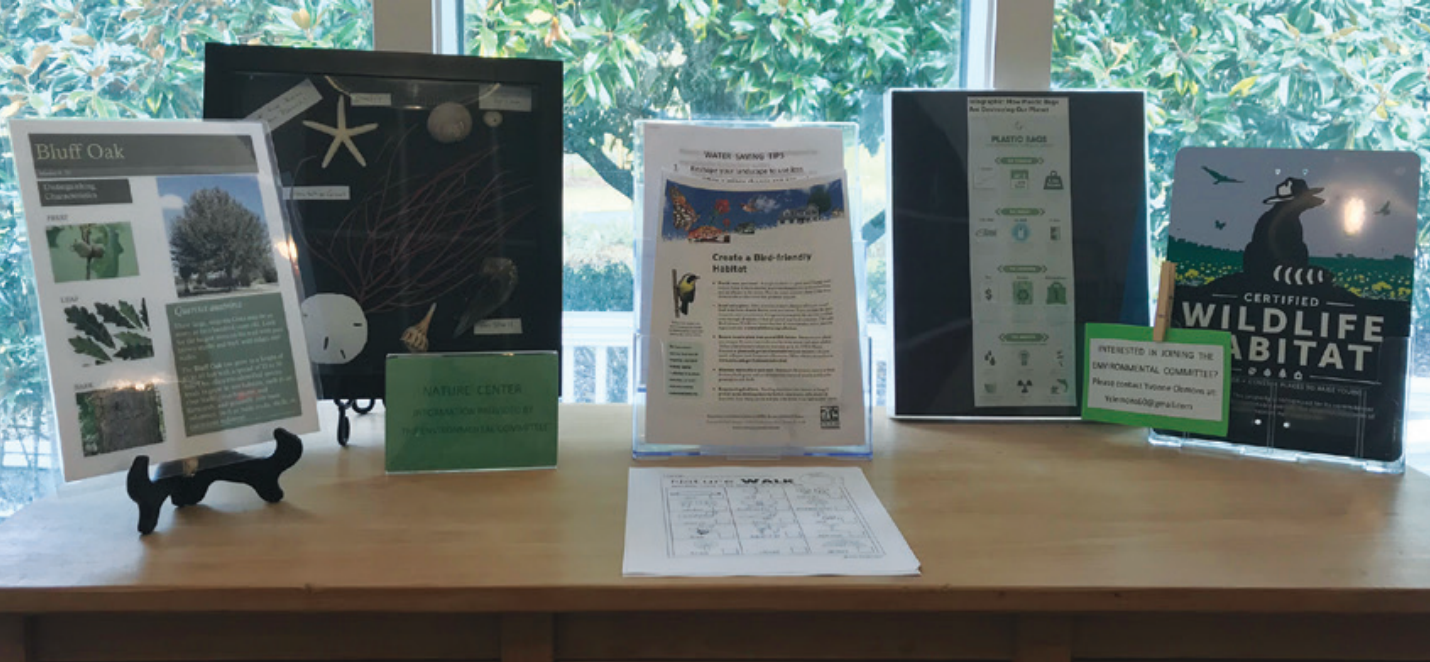
Educational table in the Mansion to promote Environmental Committee events as well as educating Members on green practices
Recycling receptacles in all areas of property
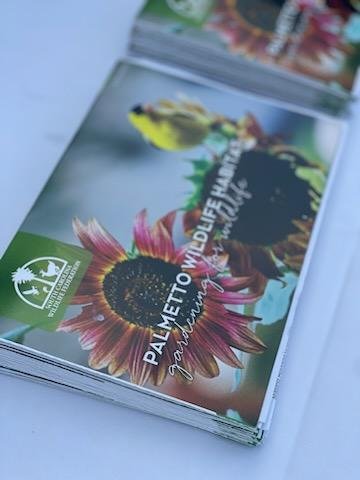
To learn more about the Community Habitat Program, click here or contact Savannah Jordan at mail@scwf.org.
By Ari Hippensteal, SCWF Community Outreach Manager
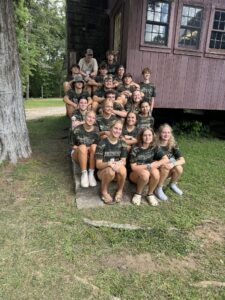
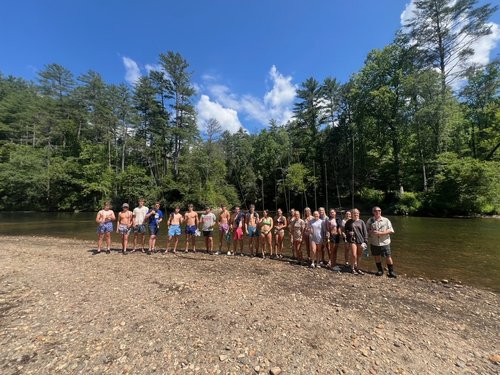
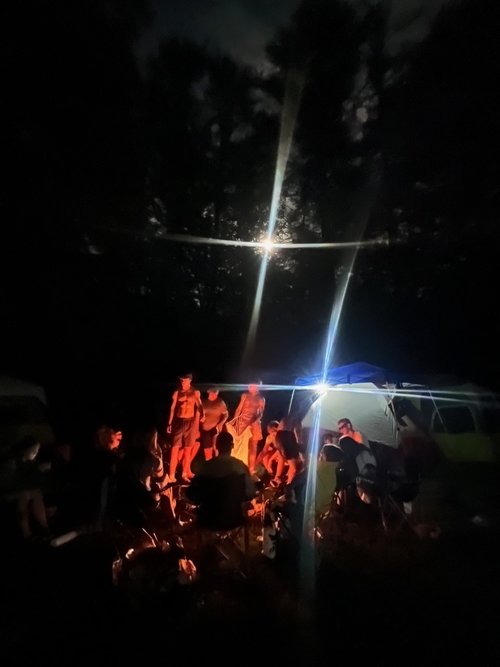
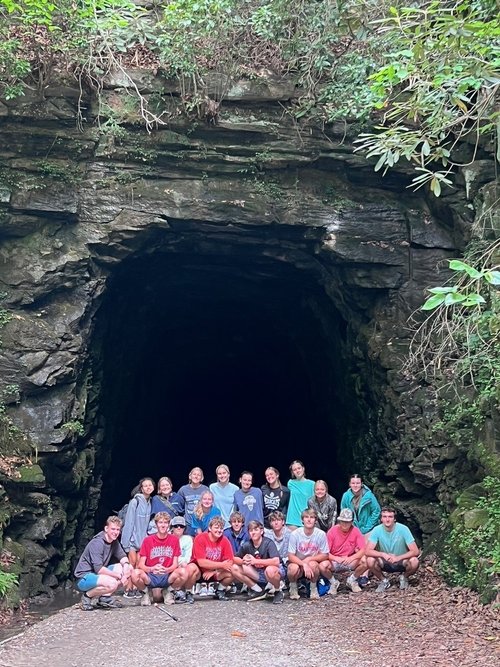
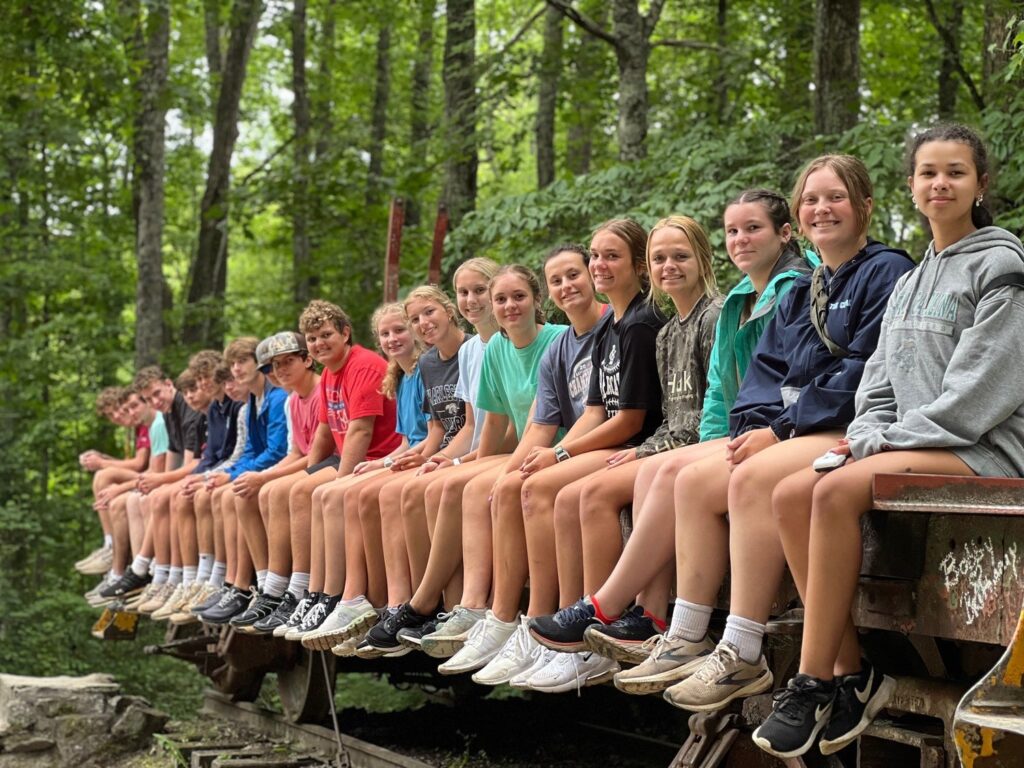
Camp Wildwood, a conservation camp founded in 1954, continues through another year of inspiring the next generation of environmental stewards with its steadfast legacy in conservation and associated jobs. This resident-camp provides a vast variety of ways high school students can learn how to engage with the environment- whether that is continuing on with a job through affiliates of the camp such as SCDNR and the South Carolina Wildlife Federation, or simply becoming an advocate for nature in their everyday lives.
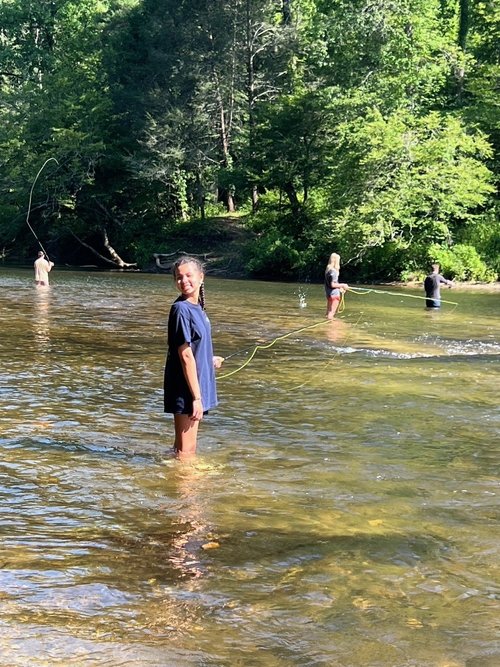
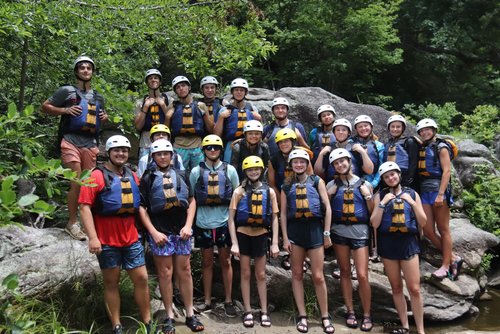
Camp Wildwood employs the best staff and counselors and allows its campers to experience a wide range of activities and career roles in ways that inspire an adventurous spirit as they explore the outdoors. From shooting to boating to wildlife, navigation and fisheries, this is a week that serves as a treasured and memorable experience. The activities, while still being incredibly fun to participate in, demonstrate real-life skills and knowledge in topics like Wildlife, Fisheries, Forestry, and Hunter Education.
The camp can be somewhat daunting in the beginning, especially for the first year campers who are in an unfamiliar setting, meeting new people, learning new skills, and navigating some of the longstanding traditions of the camp like singing Taps and kitchen duty for the first time. Campers are assigned to Niches- or assigned groups that become like families, and the bonds and friendships that are made here often carry far beyond the camp. Regardless of whether you are attending as a camper, counselor, or staff; excellence, teamwork, and a passion to be here drives actions.
“It was a privilege to be able to attend this camp and to personally get to know the next generation of environmental advocates as someone that is currently in the field. It was an opportunity I will always appreciate and will continue to hold close to my heart and gather inspiration from as I continue working. There is so much hope for the future. Places like Camp Wildwood show me that things are going to get better, and that there are so many more people across different generations who all care and are working for the same thing.
— Ari Hippensteal, SCWF Community Outreach Manager
The South Carolina Wildlife Federation (SCWF) is a proud sponsor of Camp Wildwood. In addition to SCWF, other sponsors include the South Carolina Department of Natural Resources, the Garden Club of South Carolina, the Harry Hampton Memorial Wildlife Fund, and South Carolina Parks and Recreation. Camp Wildwood is held annually in June at Kings Mountain State Park and you can find out more information about it by visiting https://www.campwildwoodsc.com/.
SCWF joined this lawsuit in accordance with our mission to: conserve and restore South Carolina’s wildlife and wildlife habitat through education and advocacy. Help us continue this important work by donating today:
Groups sue DES over illegal rules for major water withdrawals
Loophole allows removal of all water from rivers
CHARLESTON, S.C. — Today, the Southern Environmental Law Center filed a lawsuit in South Carolina state court against the South Carolina Department of Environmental Services challenging the agency’s “safe yield” rules for large water withdrawals. The DES rules allow major agricultural corporations to remove all the water from rivers and streams across South Carolina. Other state and federal agencies have criticized this loophole.
In the complaint filed on behalf of Friends of the Edisto, American Rivers, and the South Carolina Wildlife Federation, SELC asked the court to strike down the “safe yield” rules because they violate the Surface Water Withdrawal, Permitting, Use, and Reporting Act. This statute requires DES to protect river flows for the people, business, small farms, and endangered wildlife that rely on abundant clean water.
“We asked DES to change its illegal rules and follow the law passed by our elected representatives to protect families, businesses, and wildlife that rely on this water downstream,” said Frank Holleman, Senior Attorney at SELC. “Instead of obeying the law and requiring that our rivers and communities get at least the protections that our state law requires, DES has stuck with illegal rules that allow the complete dewatering of our rivers and streams.”
After SELC filed a petition with DES in November challenging the rules, DES refused to change the rules, resulting in today’s lawsuit.
“There is nothing ‘safe’ about the ‘safe yield’ rules. Just the opposite: they are a blank check for mega farms to completely de-water rivers,” said Hugo Krispyn, the Edisto Riverkeeper. “We are overdue for sensible, sustainable rules that balance everyone’s right to use our rivers and conserve our river ecosystems.”
“DES’s lax water protections draw interstate agriculture operations to South Carolina, where they can drain our rivers for free to the detriment of people and wildlife,” said Sara Green, Executive Director of the South Carolina Wildlife Federation. “The harms will only get worse as population growth and drier, hotter summers further strain our water resources in the coming years.”
“There are ways to sustainably draw from our rivers and leave enough water for swimming, fishing, drinking, farming, and the health of communities and wildlife,” said Peter Raabe, Southeast Regional Director at American Rivers. “Unfortunately, these DES rules put the profit of major agricultural corporations above this greater good.”