Keep South Carolina Wild

Commentary: The Tragedy of Cainhoy Plantation

SCWF and other conservation groups are working to ensure that new housing developments conserve critical wildlife habitat and protect residents from increased flooding. The commentary below by Coastal Conservation League founder, Dana Beach, describes the almost 10,000-acre proposed Cainhoy development in Charleston, near the Francis Marion National Forest. Not only will it significantly increase traffic headaches, it will destroy nearly 200 acres of wetlands which offer critical habitat as well as protection from flooding.


Commentary posted by the Post & Courier, November 25, 2025 


One of my first experiences visiting the Cainhoy community was in the mid-1980s when I drove out to eat supper at a Cajun restaurant called La Tasha’s. The trip took more than an hour from downtown Charleston — across the old Cooper River Bridge, through Mount Pleasant, up Highway 41, across the Wando River, and then down Cainhoy Road to a modest white building beside a peaceful road in the forest.

At the time, I could not have imagined that within a few decades the Cainhoy peninsula would be practically destroyed — paved over by sprawling development enabled by the city of Charleston.

Thirty-five years ago, this peninsula, just to the northeast of historic Charleston, was a remote, authentic and beautiful place: Its people and culture were carefully documented by Charleston journalist and author Herb Frazier in “Behind God’s Back,” a collection of historical notes and personal interviews. Picture majestic live oaks and longleaf pine forests, farm fields, marshes and creeks, interspersed with historic Gullah communities such as Yellow House, St. Thomas and Jack Primus.

For more than a century, Cainhoy residents had made their living mostly from the land and water, farming and raising livestock, or fishing and oystering in the creeks and marshes of the Cooper and Wando rivers. Despite the challenges of life in those days, Cainhoy residents built strong families and resilient communities that have contributed to the Charleston area in countless ways.

Sadly, Charleston has not repaid the favor. Today’s Cainhoy peninsula would be unrecognizable to anyone whose last visit was in 1990. The historic Clements Ferry Road is now a five-lane highway lined with strip malls, gas stations and subdivisions.

Instead of navigating rivers, creeks and familiar roads, residents wade through immobilizing traffic congestion every weekday morning and afternoon.

If today’s traffic problems on the Cainhoy peninsula seem almost intolerable, they don’t begin to approximate the disruption that will plague the area in the coming years. As development progresses on Cainhoy Plantation — now called Point Hope — it will add 9,000 more houses to the peninsula. Clements Ferry Road and Highway 41 will be further burdened by 45,000 to 60,000 additional vehicle trips daily, tripling the number of cars on these roads now.

The Berkeley-Charleston-Dorchester Council of Governments transportation model of the road system is bleak and unequivocal: When Point Hope is built out, these roads will operate at what transportation planners call “Level of Service F.” In lay terms, this means gridlock.

It didn’t have to turn out this way.

In 1991, Charleston Mayor Joe Riley moved to annex Daniel Island into the city. Five years later, the owners agreed to let the city annex the considerably larger Cainhoy Plantation, extending to the border of the Francis Marion National Forest.

The owners were enticed with lavish public subsidies. According to a spokesperson from Daniel Island, “In excess of $250 million has been committed (in the area) by city, county and the state in terms of schools here, the roads, the bridges, water and sewer, public safety and all of those things.”

Perhaps most importantly, Charleston signed a contract with the Guggenheims that restricted the city from substantially modifying the Cainhoy Plantation plan for 50 years. The agreement included the right to build 18,000 houses and condominiums on the property. Thus, the stage was set for the wholesale transformation of one of the most beautiful and historic places in the Southeast.

While the future of Daniel Island was the subject of years of public hearings and benefited from the expertise of some of the nation’s most talented land planners, Cainhoy was afforded no such careful attention. Unlike Daniel Island, the Cainhoy owners began dismembering the property, selling it piecemeal to national tract homebuilders such as Pulte Homes.

For more than two decades conservation groups, along with courageous residents of the Cainhoy community, have advocated for improvements to the development plan that would reduce the crush of traffic and lessen some of the environmental and cultural damage.

The recent protection of Blessing plantation, just up the river, provides an inspirational example of land owners working collaboratively with the community, local government and environmental groups to secure a beautiful destination for centuries to come. In contrast, the Guggenheim family and their development company have consistently rejected virtually every conservation proposal.

It is critical that citizens understand that the unfolding Cainhoy catastrophe was not inevitable nor is it irreversible. There is still time for City Council to make substantial changes to the Cainhoy-Point Hope project — changes that are justified by the threat the development poses to public health, safety and welfare.

But time is of the essence. The fate of the Cainhoy peninsula hangs in the balance.

Dana Beach is a longtime conservation leader who lives in Charleston.

Commentary posted by the Post & Courier, November 25, 2025 

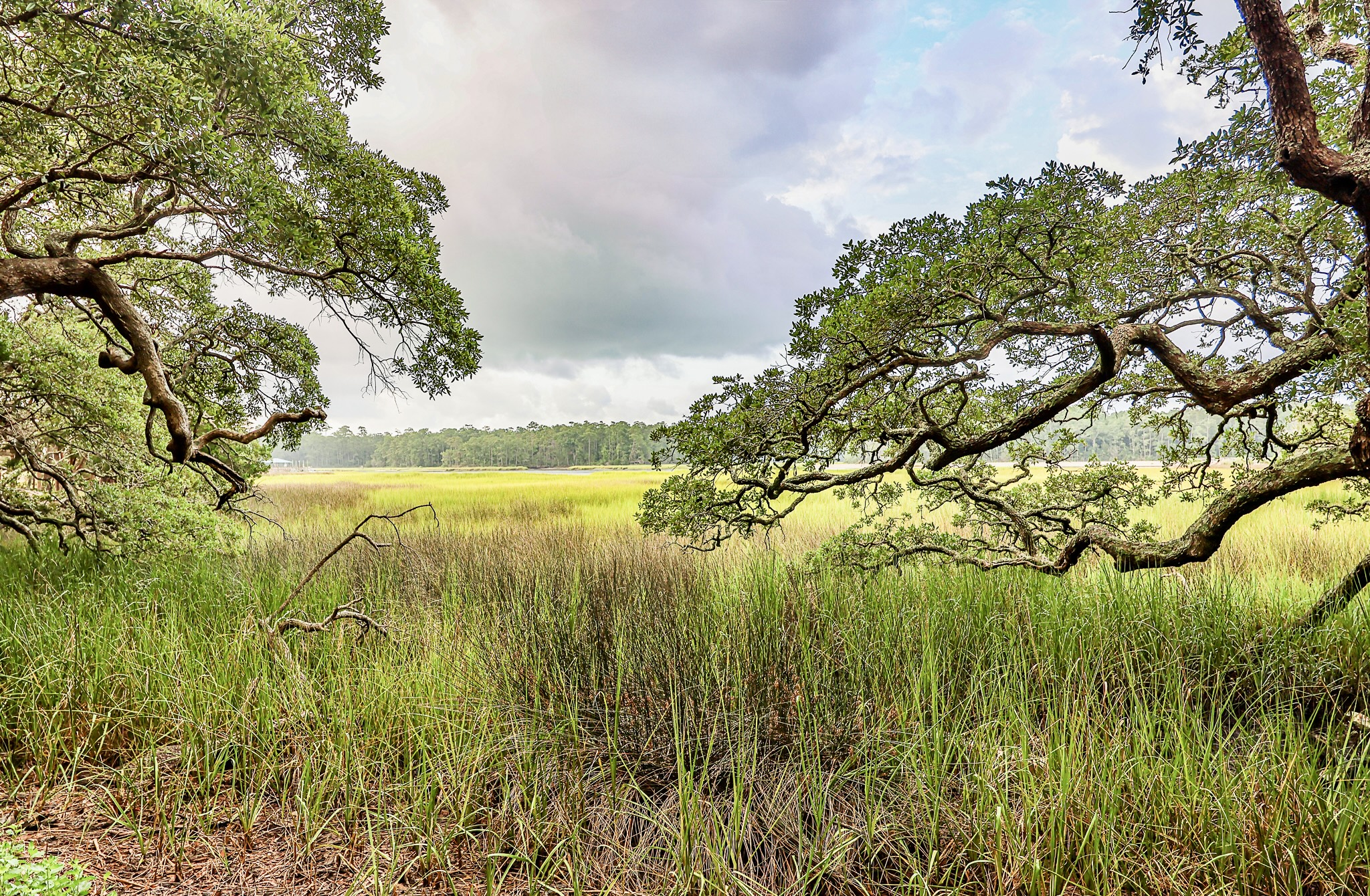
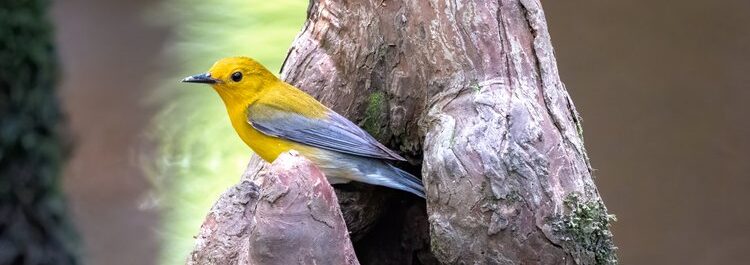
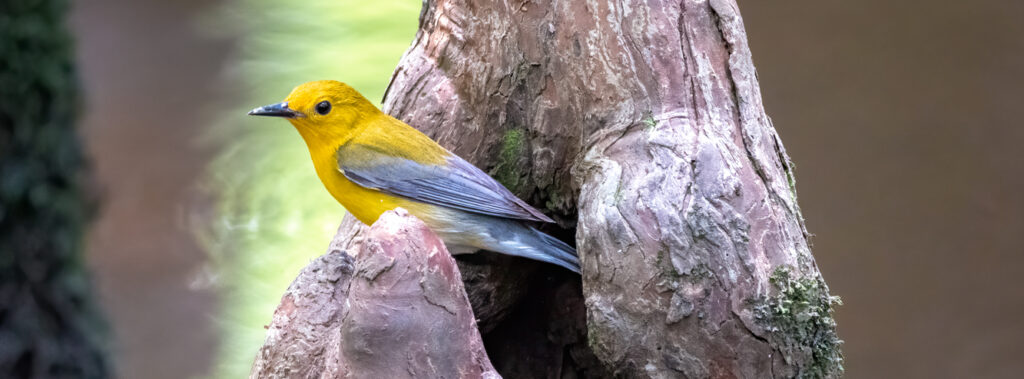
Banner image by Peggy Copley.

In rapidly developing SC, a planned change to the Endangered Species Act raises alarms

2025-06-15 Posted by Post & Courier

The Trump administration is seeking to rescind the definition of “harm” as it’s currently applied under the Endangered Species Act. Conservation groups worry the move could spell trouble for endangered species near Charleston and across South Carolina’s rapidly developing coast.

The debate focuses on a central question: Does the term “take” in the Act mean a direct, intentional effort to injure or kill a specific animal, or does it also refer to activities that might indirectly affect wildlife populations?

Under the Endangered Species Act as it currently stands, “taking” includes killing, harassing, hunting, pursuing or harming a listed species. The Act’s current definition of “harm” includes habitat destruction or modification. As such, the law essentially forces developers and local governments building in a protected habitat area to look before they leap, and places restrictions on projects that could hurt federally threatened or endangered species.

The proposed revision would remove that prohibition from the federal law. Several federal wildlife agencies — including the U.S. Fish and Wildlife Service and National Oceanic and Atmospheric Administration — said that previous rule changes have improperly expanded the meanings of “take” and “harm” outside of their original, congressionally approved scope.

The rationale for the change, according to NOAA, is to clarify the definition of “take” and align it with “the plain text of the (Endangered Species Act), as informed by historical and legal interpretations as an affirmative act directly affecting wildlife.”

Catherine Wannamaker, a senior attorney with the Southern Environmental Law Center’s Charleston office, called the proposal a “sweeping change” that would turn the act “on its head.”

“In any area where endangered species overlap with rapid development this is going to have a big impact,” Wannamaker said. While some parts of the state are seeing rapid depopulation, many areas of South Carolina are seeing their population skyrocket.

South Carolina is adding about 90,000 new people every year, The Post and Courier previously reported. But the state still has a negative birth rate (more deaths than births), meaning all of the growth comes from transplants. As those new residents arrive, construction is booming to meet housing and commercial demand.

“South Carolina is one of the fastest growing states, and the new development is really just changing the landscape of our beautiful state — which is the reason a lot of people move here,” said Sara Green, the executive director of the South Carolina Wildlife Federation. “The habitat protections that the Endangered Species Act currently provides are really critical to preserving that landscape.”

The Palmetto State is home to 43 federally threatened or endangered species, according to the U.S. Fish and Wildlife Service — including migratory birds, flowers, amphibians, reptiles and mammals. Charleston County is home to many of those vulnerable species.

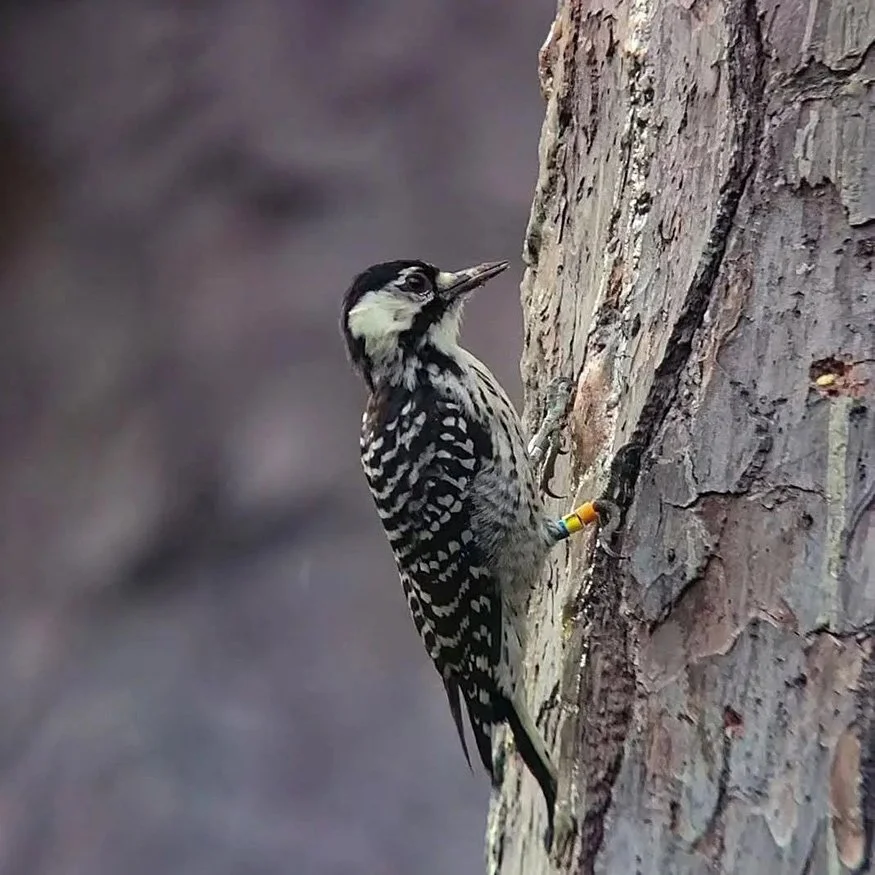
Northern long-eared bats and red-cockaded woodpeckers sail through the canopy of the Francis Marion National Forest. The woodpeckers were downgraded from “endangered” to “threatened” last October, after decades of concerted habitat restoration work. Across the region’s barrier islands, three distinct species of sea turtles — all either threatened or endangered — arrive each spring to nest. Rufa red knots depend on the South Carolina coast as a critical stop-over point on their 19,000 mile voyage to the arctic circle.

Without the permitting process that comes with the harm rule, it’s possible that vulnerable habitats could be cleared and destroyed without the public ever receiving a full assessment of how a project could harm locally listed species, Wannamaker said.

“From woodpeckers and bats to turtles to red knots, keeping a space for these critters is really the only hope that they have of recovery,” she said. “This proposal is just a complete death knell to the Endangered Species Act as we know it.”

Many of those species are facing additional pressures from a changing climate. Sea turtle nesting sites are eroding away because of higher tides, more frequent severe weather events like hurricanes are threatening the coastal woodland habitats of bats and woodpeckers, and more turbulent winds could be throwing off the red knots’ epic migration.

The public comment period on the harm revision proposal rule change closed in May. But Green said South Carolina residents still can get involved in the process by sharing concerns with their representatives in Congress. The red-cockaded woodpecker is a resident of the nearby Francis Marion Forest.

If the proposed rule goes through, harming or killing federally listed species through hunting, trapping or other intentional pursuit methods still would be illegal.

2025-06-15 Posted by Post & Courier: https://www.postandcourier.com/rising-waters/south-carolina-endangered-species-trump-harm/article_baa

Native Plant Resolution Passes!

South Carolina takes a huge step forward for wildlife habitat enhancement

Native plants have formed symbiotic relationships with native wildlife over thousands of years, and therefore offer the most sustainable habitat for wildlife. The South Carolina Wildlife Federation (SCWF) and several of our conservation partners drafted a concurrent resolution to “recognize the essential value and importance of South Carolina native plants to the state’s environment, landscape, agriculture, history, and economy, and to encourage State agencies, local governments, and private landowners to use native plants for landscaping, erosion control, and vegetation management whenever possible to promote the viability of migratory and nonmigratory pollinators and to help to preserve South Carolina’s unique flora and fauna.” This Resolution passed the SC Legislature on April 23, 2025.

“Passage of this resolution shows that SC leaders value the natural beauty of our state, and have a desire to preserve the essential habitats on which our wildlife depend,” said Sara Green, SCWF executive director. “This is a critical time to enhance habitat for wildlife – our state has more than twice as many species of concern as we did only 10 years ago. Our organization stands ready to assist anyone who needs additional information about native plants valuable to wildlife.”

A plant is considered native if it has occurred naturally in a particular region, ecosystem, or habitat without human introduction. Exotic plants that evolved in other parts of the world or were cultivated by humans into forms that don’t exist in nature do not support wildlife as well as native plants. Occasionally, they can even escape into the wild and become invasive exotics that destroy natural habitat. Native plants help the environment the most when planted in places that match their growing requirements.

They will thrive in the soils, moisture and weather of your region. That means less supplemental watering, which can be wasteful, and less pest problems that require toxic chemicals. Native plants also assist in managing rainwater runoff and maintain healthy soil as their root systems are deep and keep soil from being compacted. Discovering the native plants where you live can also define a unique sense of place and heritage for your garden habitat while preserving the natural history of the flora and fauna of your region.

Native plants often provide food for wildlife in the form of berries, seeds, nuts or nectar. Some wildlife will eat the leaves too, including caterpillars. Native plants also provide shelter and nesting sites for wildlife.

There are a wide variety of native options for any landscaping need. To assist in using native plants for landscaping, the SCWF website’s Native Plant page has a long list of native plants which are valuable to wildlife, as well as a list of local plant nurseries which sell natives: https://www.scwf.org/native-plants/

SCWF also has a partnership with Gardening for Wildlife where you can mail order native plants: https://fundraising.gardenforwildlife.com/1i2qgt

Native oaks and maples are great options for large trees, as well as smaller trees like dogwoods, red bud, paw paw, and sassafras. Examples of native garden plants which are beautiful and also have value for wildlife include: coreopsis, black-eyed susans, joe-pye weed, yarrow, bee balm, columbine, and milkweeds.

To recognize the efforts of landowners who incorporate native plants for habitat, properties can become Certified Wildlife Habitats through the SCWF and the National Wildlife Federation. This designation ensures valuable habitat while also helping to educate neighbors and community members about the needs of wildlife. Even larger properties such as industrial sites can be certified through SCWF’s Wildlife And Industry Together (WAIT) program. Companies like BMW, Honda, Michelin, Duke Energy, and others have already converted their unused lands to wildlife habitat. If homeowners, business owners and local governments work together, the whole neighborhood or town can be certified through the Community Wildlife Habitat program. All of these programs focus on native plants and other habitat elements and sustainable gardening practices.

South Carolina’s new Native Plant Resolution furthers efforts by the General Assembly in the past. In 2017, a bill designated the third week of every October as Native Plant Week in SC. In 2018, the “Solar Habitat Bill” created guidelines for using native plants at large scale solar installations.


Here is the full text of the new Native Plant Resolution:

Whereas, South Carolina’s native plants provide iconic, economic, artistic, historical, and environmental values, unparalleled for beauty and unique to the history of the State and its future; and

Whereas, native plants are those which occur naturally in the specific regions in which they evolved, including our estuarine and tidal freshwater, maritime strand, freshwater wetlands, river and palustrine forested wetlands, and associated coastal uplands; and

Whereas, South Carolina contains over four thousand native plant species, subspecies, and varieties, making South Carolina home to a tremendously rich and diverse plant life, and twenty-one of those species are considered to be threatened or endangered; and

Whereas, maintaining and restoring the native plant habitat in South Carolina is vital to preserving South Carolina’s present and future biodiversity amid a changing environment; and

Whereas, native plants are more drought-tolerant, provide essential food sources for insects, birds, and wildlife, and require less water. They also act as natural pollinators and help filter out fertilizers and chemicals, promoting water conservation and improving the quality of stormwater runoff. Additionally, native plants enhance the resilience of ecosystems in South Carolina; and

Whereas, native plants provide high-quality food and shelter for more than three hundred resident and migratory bird species in South Carolina, one hundred sixty-one of which are species of greatest conservation need; and

Whereas, South Carolina currently contends with over ninety invasive and exotic plants, many of which compete with native plant species, degrade soil, facilitate erosion, require more fertilizers and chemicals, provide fewer food sources to native birds and other wildlife, and alter the state’s natural landscapes; and

Whereas, the state’s original Native American residents lived and thrived by knowledge of native plants which provided generations with food, clothing, shelter, dyes, tools, medicines, and fuel; and

Whereas, from the state’s earliest time, native flora and fauna have provided a rich landscape, inspiring and influencing notable literary and artistic works by internationally recognized figures and thereby securing South Carolina’s legacy in natural heritage; and

Whereas, South Carolina’s native plants and their derivatives have provided essential foods, medicines, and other products of global import since the colonial period, while native plants, such as sweet grass and Carolina yellow jessamine, play an important role in the state’s cultural heritage; and

Whereas, native plant horticulture contributes significantly to the state’s economy and employs thousands of South Carolinians, providing a thriving, vital, and ever-expanding industry, who do their part to preserve, protect, and restore precious native habitats by using South Carolina native plants whenever possible for landscaping, erosion control, and vegetation management; and

Whereas, the state’s native plants provide essential watershed protection, helping natural aquifers recharge, serving to filter water naturally flowing into rivers and estuaries, lessening erosion and flooding, and supporting rich biodiversity in birds and wildlife; and

Whereas, gardens and landscapes comprised of South Carolina’s native plants require far fewer fertilizers, soil amendments, or pesticides, and use significantly less water compared to nonnative plants; and

Whereas, pollinators such as birds, bees, and insects, including migratory butterflies, hummingbirds, and other threatened species, depend on the biodiversity of native plants for their survival; and

Whereas, many native South Carolina plants have played a vital role in state and national history, compelling the United States Congress, the State of South Carolina, and many local communities throughout the State to protect the beauty, power, and grandeur of our wild spaces; and

Whereas, planting, restoration, preservation, and cultivation of the state’s indigenous plants provides a natural link to wild land areas present and past, while presenting beauty and benefit and instilling a greater appreciation for South Carolina’s natural heritage; and

Whereas, this resolution is not state law. It is merely intended to encourage the people of South Carolina to plant and foster the growth of plants native to South Carolina.

Now, therefore,

Be it resolved by the House of Representatives, the Senate concurring:

That the members of the South Carolina General Assembly, by this resolution, recognize the essential value and importance of South Carolina’s native plants to the state’s environment, landscape, agriculture, history, and economy and encourage all state agencies, local governments, and private landowners to use native plants for landscaping, erosion, and vegetation management whenever possible to promote the viability of migratory and nonmigratory pollinators and to help to preserve South Carolina’s unique flora and fauna.

Be it further resolved, that the Department of Administration is urged to circulate this concurrent resolution to all state agencies and state governmental units engaged in or overseeing the landscaping or grounds maintenance of properties so that they are made aware of the General Assembly’s interest in this matter.

Photo by Robert Carter.

Press release picked up by Post & Courier, June 18, 2025

Legislative Update

The South Carolina Legislature convened on January 14, 2025 for the first session of the two-year session of the 126th General Assembly. The General Assembly will adjourn sine die on Thursday, May 8 at 5:00 pm.

The House has passed a budget, and sent it over to the Senate for review.  SCWF is strongly supporting more funding for land protection and acquisition in the Conservation Bank’s and the Department of Natural Resources’ budget requests. Additionally, SCWF is supporting the Forestry Commission budget request for more personnel and equipment.

Outside of state budget issues, most of our efforts this early in the session pick up familiar issues that we have supported in the past as well as some new areas of focus.  A few of those issues are listed below – check the links for detailed descriptions and current status of the bills.

Our website HERE has a complete list of wildlife-related bills, updated daily


Current Legislation:

  • S.0363 Joint Resolution on Shorebird Habitat Protection – PASSED!!Brown Pelican by Jennifer Plunket.
    The SC Department of Natural Resources submitted these regulations that would close Deveaux Bank to all human traffic from March 15 through October 15.  The closure timeframe is significant for successful seabird nesting as disturbances from human interaction has proven to be detrimental to this important resting and nesting period.
  • S.0339/H.3991 SC Lights Out Program – PASSED!! This resolution declares the nights of March through May and August through October as “Lights Out Nights in South Carolina Season” and urges South Carolina residents to turn out non-essential lights at night during these critical periods in the spring and fall for the protection of birds in South Carolina.
  • H.3872 Hunting Heritage Protect Act – ensures that there is no net loss of Department-managed land for hunting and fishing (excludes leased land). This bill has passed the House and now in the Senate.
  • H.4211 SC Native Plantsencourages State agencies, local governments, and private landowners to use native plants for landscaping, erosion control, and vegetation management whenever possible to promote the viability of migratory and nonmigratory pollinators and to help to preserve South Carolina’s unique flora and fauna. This bill passed the House unanimously and is now in the Senate.
  • H.3409/S.0252 Conservation Tax Creditamends South Carolina’s tax code to increase the tax credit available for qualified conservation contributions of real property. The per-acre tax credit cap remains at $251,000 per acre, which applies to various types of land including uplands, wetlands, ponds, hardwood bottomlands, and Carolina Bays, but would exclude property within the intertidal zone.  The bill also increases the total credit a taxpayer may use in a single tax year from $52,500 to $105,000.
  • S.0288 Transfer of Development Rights – these tools for local governments can be customized to local needs — protecting areas that are of local value and promoting development where local governments see the best prospects for smart and efficient growth. This promotes efficient land use, which protects natural resources and can lead to savings on public expenditures like infrastructure.
  • H.4050/S.0227 Concurrency bills – Concurrency is a policy tool that empowers local governments to synchronize development and population growth. Concurrency can promote more efficient land use by optimizing the use of existing infrastructure and preventing sprawl.
  • S.0165 Conservation Education Act – establishes the South Carolina Conservation Education Fund to support youth environmental and natural resource education programs.
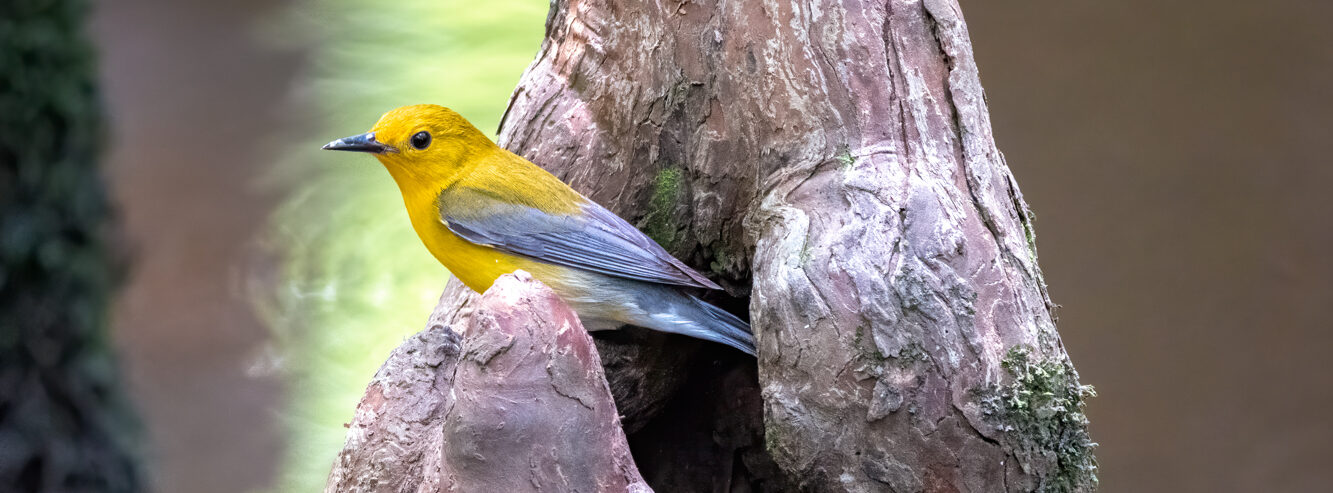
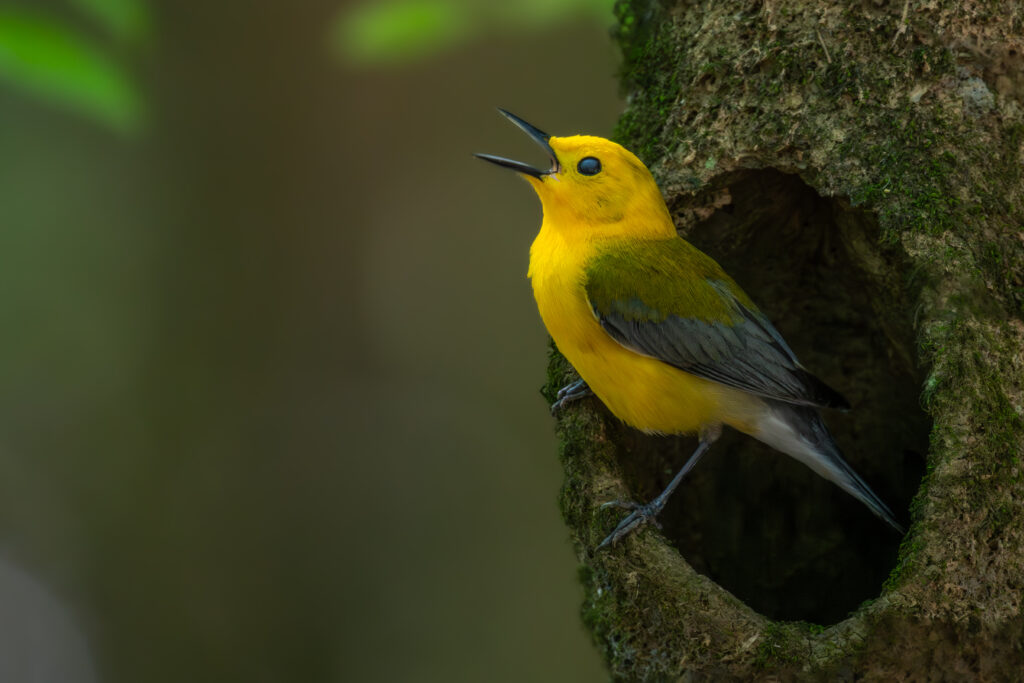
  • S.0383 State Migratory Bird – This bill would designate the Prothonotary Warbler (Protonotaria citrea) as the official state migratory bird of South Carolina, recognizing the species’ significant ecological and cultural importance.


Stay tuned to our website HERE for updates on these bills and others!


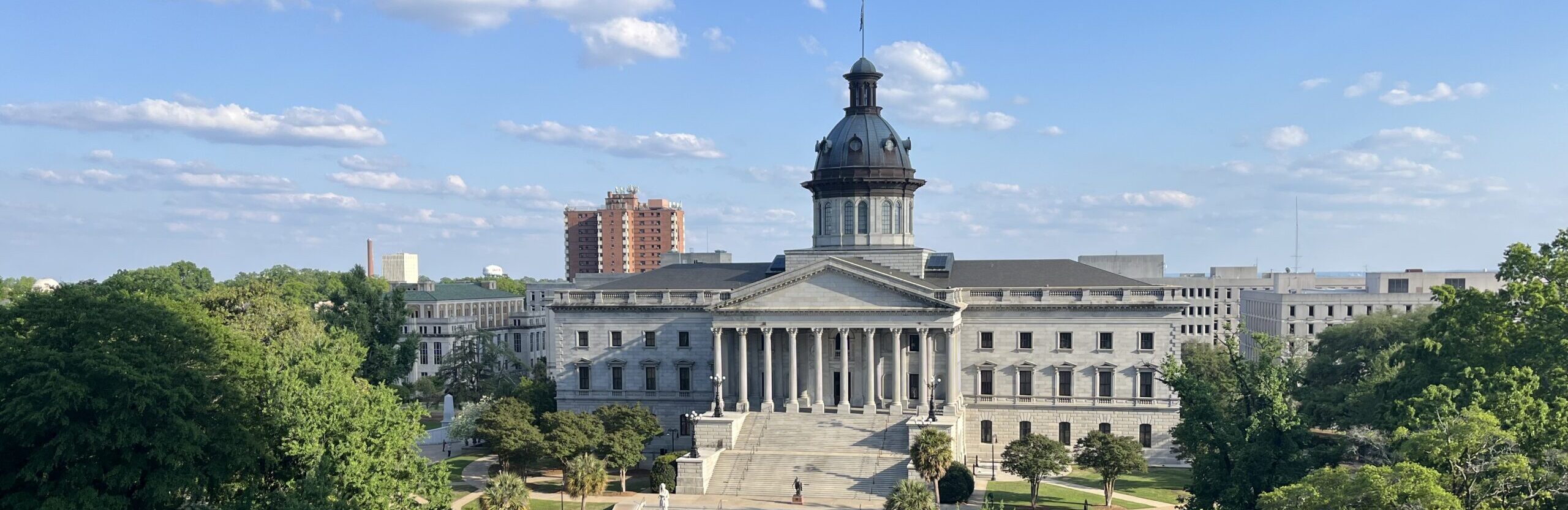
Photo credits: SC State House by Sara Green, Brown Pelican by Jennifer Plunket, and Native Plants by Savannah Jordan.

Environmental Groups Denied

03/05/2025 – Posted by Daniel Island News

Attempt to halt Point Hope construction stalls
BY: ELIZABETH BUSH, BETH@THEDANIELISLANDNEWS.COM

A panel of federal judges has denied an appeal from environmental groups to temporarily halt development in the new Point Hope community off Clements Ferry Road while their primary lawsuit is pending.

The environmental groups – the South Carolina Coastal Conservation League, Charleston Waterkeeper, and the South Carolina Wildlife Federation – were appealing a ruling issued by U.S. District Court Judge Richard Gergel in September 2024.

The plaintiffs asked the district court to temporarily stop construction in Point Hope while their primary lawsuit contesting a wetlands permit issued by the U.S. Army Corps of Engineers played out, arguing that not stopping land disturbance activities would result in “irreparable” environmental harm.

The groups also contended that the USACE and other defendants acted in an “arbitrary and capricious manner” by failing to publish an Environmental Impact Statement on the project and failing to comply with the Endangered Species Act, relating to two endangered species with suitable habitats on the property.

Judge Gergel denied the motion, noting in part that the plaintiffs did not “carry their burden to demonstrate an imminent threat” and that stopping development “would not serve the public interest.”

Oral arguments on the appeal were heard in December 2024 at the U.S. Fourth Circuit Court of Appeals in Richmond, Virginia, by Judges G. Steven Agee, Stephanie D. Thacker, and Nicole Berner.

The panel issued its decision on January 31, siding with the lower court’s ruling.

“Because we conclude that appellants do not have a sufficient likelihood of success on the merits of their claims, we affirm the district court,” wrote Judge Thacker in the ruling.

Court documents stated that “though Cainhoy totals over 9,000 acres, including over 2,500 acres of wetlands, the proposed Cainhoy development will develop only 3,906 acres, including 181.5 acres of wetlands. The remaining acres are to be placed in conservation easements and/or restrictive covenants to permanently protect the property.”

A final decision on the main legal case, filed by the environmental groups in 2022 against the USACE, the Environmental Protection Agency, and the U.S. Fish and Wildlife Service, is expected later this year.

Turn Out the Lights for the Birds at Night!

A recent resolution was passed by the S.C. General Assembly that officially declared the nights of March through May and August through October as “Lights Out Nights in South Carolina Season” and urges South Carolina residents to turn out non-essential lights at night during these critical periods in the spring and fall for the protection of birds in South Carolina.

The Cornell Lab of Ornithology uses BirdCast to track and forecast bird migration across the U.S., and has reported during peak migration periods, over a billion birds can migrate across the country in a single night! Every year, billions of birds migrate north in the spring and south in the fall, the majority of them flying at night, navigating the night sky.

The dark skies allow the migrating birds to avoid predators, take advantage of calmer air, and utilize the moon and stars for navigation. However, as birds pass over communities and cities on their way, they can become disoriented by bright artificial lights and skyglow. Some birds become casualties of nighttime collisions with windows and walls. Others circle in confusion until dawn, when they land exhausted and are subject to other urban threats. This issue impacts hundreds of species, including priority species such as the wood thrush and the seaside sparrow.

Thanks to the work of Audubon South Carolina, in collaboration with SCWF, the passing of this resolution is an important step towards a binding lights out ordinance that will require certain buildings in cities and towns across South Carolina to adopt bird-friendly lighting practices. The Charleston City Council passed a similar “Lights Out” proclamation on March 11th , which will hopefully lead to other cities and towns in South Carolina to follow suit. It was great to see the City of Charleston recognize lights out as a way to protect migratory birds passing through our skies. Special thanks to council member Ross Appel for working on this important initiative for our birds!

Jennifer Tyrrell with Audubon South Carolina stated, “It was great to see the City of Charleston recognize lights out as a way to protect migratory birds passing through our skies. Special thanks to council member Ross Appel for working on this important initiative for our birds!”

Join individuals and businesses across South Carolina to help our feathered friends on their long journeys with Lights Out South Carolina! Through taking collective action, we can help ensure that South Carolina skies provide safe passage.


See the full Senate Resolution at the link below:

https://www.scstatehouse.gov/sess126_2025-2026/bills/339.htm

Check out this webinar on the dangers that birds face during migration, issues of light pollution for wildlife, and the steps we can all take to protect birds and wildlife.

https://www.youtube.com/watch?v=BsS2n9yY1DU

Want to monitor bird migration for South Carolina or your city? Check out Cornell’s BirdCast Migration Dashboard.

Conservation Lobby Day

Conservation Lobby Day was a huge success last week, and SCWF staff were proud to be joined by several high school students and their parents at the State House. The students were members of the Salt Marsh Pony Club, Aiken County Pony Club, Palmetto Pony Club, Aiken Hounds and Camden Hunt, all of whom place a strong emphasis on land conservation.

After SCWF prepared them to speak with state lawmakers regarding several conservation-related bills, the students were eager to show up and meet their senators and representatives. Students were from all around the state, and all of them were able to speak with lawmakers from their districts to express their support of conservation in our state.

This was a great way to introduce them to the lawmaking process and they were able to observe activity in both the Senate and the House chambers. They even had the opportunity to visit Senator Campsen’s office to hear about the Conservation Education Bill (S.165).  SCWF was happy to help train and encourage these future wildlife advocates!

Image Caption: SC Conservation Lobby Day Group by CrushRush Photography LLC.

How Hurricanes Affect Wildlife and How We Can Help

Hurricane Helene showed us that whether we live on the coast or in the mountains, anywhere can be vulnerable to the devastating effects of major storms. To a degree, humans can prepare for these types of storms that continue to become stronger and more frequent, but what about wildlife? How do they respond to extreme weather events and what we can do to help them? Read the article below, adapted from the National Wildlife Federation’s blog post Seven Things to Know About How Hurricanes Affect Wildlife.

GOES-16 GeoColor satellite loop from September 26 to 27, 2024 showing Helene moving through the Southeast U.S. NOAA National Weather Service

Wind Dislocation

Powerful winds from hurricanes and tropical storms can blow birds off course and push them hundreds of miles away from their home habitat. Last year, a North Carolina brown pelican was found on the roof of a night club in Halifax, Nova Scotia. The news often covers the appearance of rare species after a major storm. Sometimes younger or weaker birds become separated from their flock and many can take weeks to return home — if they can find the right foods on their way back.

During major storms, sea birds and waterfowl are most exposed. Songbirds and woodland birds, however, are specially adapted to hold on and ride things out. Their toes automatically tighten around their perch. This holds them in place during high winds or when they sleep. Woodpeckers and other cavity nesters will, barring the destruction of the tree itself, ride out storms in tree holes. Shorebirds often move to inland areas. In a unique effect of cyclonic hurricanes, the eye of the storm with its fast-moving walls of intense wind can form a massive “bird cage” holding birds inside the eye until the storm dissipates. It is often the eye of the storm that displaces birds, more than its strong winds.

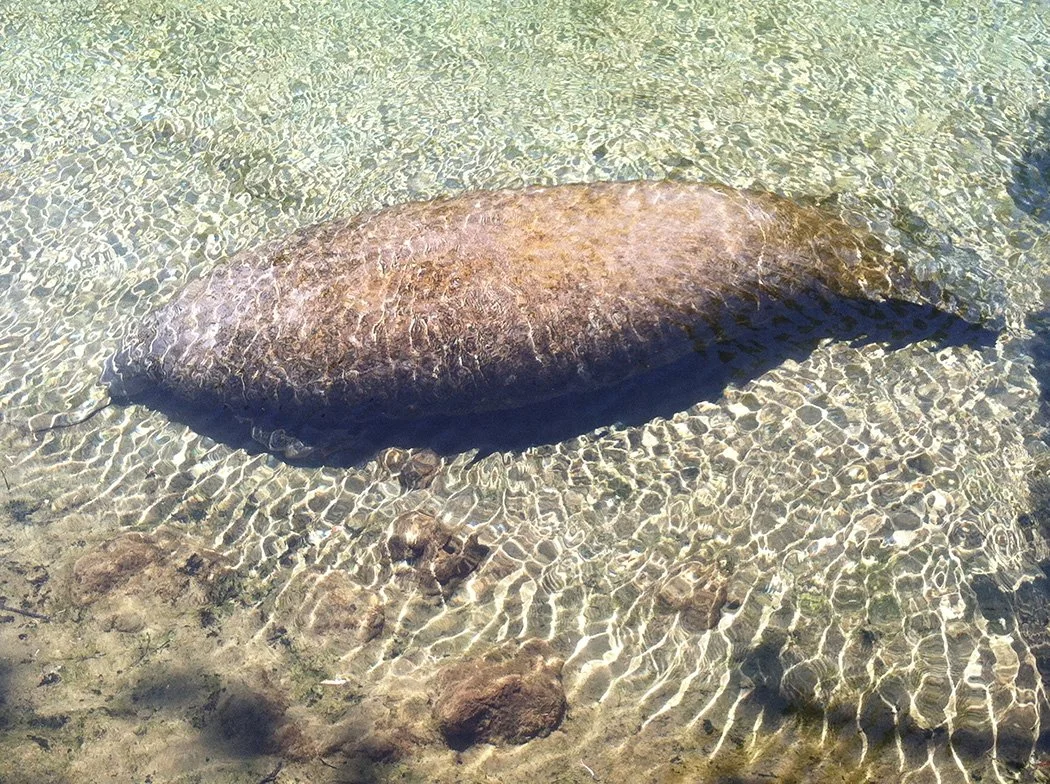
Birds are not the only species affected by the winds. Sea mammals can be harmed too. While many can seek shelter in open water or in near shore shelter, some dolphins and manatees have actually been blown ashore during major storms.

Tree Loss

In 1992, Hurricane Andrew brought incredible wind velocities onshore and knocked down as many as 80% of the trees on several coastal Louisiana basins, such as the Atchafalaya. Tree loss during Hurricane Katrina in 2005 caused even more extensive damage. Loss of coastal forests and trees can be devastating to dependent wildlife species and migratory species. Many wildlife species have very specialized niches in these forests that are lost to heavy winds. Specific foods can be taken away too. High winds will often strip fruits, seeds and berries from bushes and trees.

Dune and Beach Loss

Storm surges, wave action, and winds can cause beach and dune erosion and that can have severe effects of species. Many wildlife species live in ecological niches in the sandy areas and dunes of coastal barrier island. In some cases the storm can cause a beach area to disappear. Sea turtle nests, for example, can be washed out, or a water surge, called a “wash over” can submerge these nests or tern and plover nesting areas.

Saltwater Intrusion

The sustained and powerful winds of a hurricane will cause salty ocean water to pile up and surge onshore. These “storm surges” can be huge. Hurricane Irene’s surges brought water levels that were as much as 8 feet above normal high tide and Katrina pushed a 30 foot high surge onto the coast. In addition to the physical damage this causes, the salt contained in sea water dramatically shifts the delicate balance of freshwater and brackish wetland areas. Creatures and vegetation that are less salt-tolerant will be harmed and many will not survive this influx of sea water. Marsh grasses, crabs, minnows, fish hatchlings, insects, and myriad creatures of freshwater and estuarine environments are harmed. The salt water intrusion in these some of these areas does not drain off very quickly and can even harm or kill off bottomland forests and other coastal trees.

Freshwater Flooding

The reverse is true too. The heavy rains generated by hurricanes will dump water in coastal area river basins (called watersheds) and this, in turn, can send vast amounts of fresh water surging downstream into coastal bays and estuaries. This upsets the delicate and finely tuned freshwater/salt water balance that can be so vital for the health of these ecosystems. In 1972, Hurricane Agnes sent such massive amounts of freshwater into the Chesapeake Bay. The normally brackish (partially salty) water was fresh for months placing great pressure on the species living there.

Turbidity

Heavy rainfall in upstream areas also washes soil, sediment and many pollutants into coastal and marine environments. After Hurricane Agnes, the turbidly or cloudiness of the water became so severe in the Chesapeake Bay that the native grasses growing on the bottom of Bay died off in huge quantities. These grasses provided critical habitat from crabs, fish spawning and many species. It took the Bay years to recover. Similarly, sediment can wash over coral reefs, blocking needed sunlight and even causing algae to grow.

Marine and Aquatic Species

Hurricane Irene, like other hurricanes, generated massive waves and violent action on the surface. When hurricane Andrew hit Louisiana the government estimated that more than 9 million fish were killed offshore. Similarly, an assessment of the effect of that same storm on the Everglades Basin in Florida showed that 182 million fish were killed. Hurricane Katrina also had a huge effect on dolphin species. Many dolphins were hurt during the storm and were rescued and underwent rehabilitation.

What Can You Do?

The forces of hurricanes, such as Helene, are so immense that they deserve tremendous respect. So the first thing you can do is to stay safe yourself. Heed public safety warmings, prepare your property by collecting and storing lose items outside, be prepared for power outages and use common sense. Following a storm, birders and wildlife enthusiasts can help by keeping their eyes peeled for unusual or rare species that turn up. It is useful for wildlife agencies to hear about rare appearances. Wildlife rescue organizations should be contacted if someone sees a creature that was injured in a storm. It always recommended to avoid trying to handle and injured animal on your own unless you have had specific training. If you usually feed birds at your home, the post storm calm is a good time to fill up those feeders. Your pals will probably be hungry and tired after waiting out the storm.

Bipartisan Grasslands Conservation Effort Will Help Reverse Wildlife Crisis, Restore Endangered Landscapes

WASHINGTON, D.C. (October 9, 2024) — The bipartisan North American Grasslands Conservation Act will catalyze a concerted, collaborative effort to save one of the country’s most important and imperiled landscapes, which support wildlife, communities, livelihoods, and the outdoor recreation economy. The bill, introduced by U.S. Reps. Nancy Mace (R-S.C.), Sharice Davids (D-Kan.), Brian Fitzpatrick (R-Penn.), and Mike Thompson (D-Calif.) will help counter and reverse the staggering and ongoing loss of grasslands from conversion to croplands and other drivers, which have exacerbated the wildlife and climate crises.

“Healthy grasslands and shrublands are essential to reducing flooding and wildfires, sustaining robust wildlife populations, and supporting local communities. Building upon the lessons learned over three decades from the highly effective North American Wetlands Conservation Act, the bipartisan North American Grasslands Conservation Act will leverage unprecedented investment to save some of our most imperiled ecosystem,” said Collin O’Mara, president and CEO of the National Wildlife Federation. “This bipartisan proposal will bring long-overdue resources to restore iconic landscapes based upon priorities established through the first-ever North American Grasslands Conservation Strategy, while mobilizing a movement to conserve, restore, and revitalize our prairies for ranchers, hunters, and wildlife alike.”

Eastern meadowlark, by Teresa Kopec

“South Carolina’s grasslands are home to some of our state’s most important and iconic wildlife like Northern Bobwhites and the Eastern meadowlark,” said Sara Green, executive director of the South Carolina Wildlife Federation. “The bipartisan North American Grasslands Conservation Act will help drive science-based, voluntary efforts to conserve this important landscape and ensure it endures for future generations. Thank you to Representative Nancy Mace and her colleagues for leading this important, bipartisan effort to restore one of South Carolina and the nation’s most threatened ecosystems.”

“As the Kansas Wildlife Federation approaches its 75th anniversary, we are committed to contributing to the conversation about grassland conservation in our state,” said Alfonso Leyva, president of the Kansas Wildlife Federation. “Protecting North America’s grasslands is essential for Kansas’ wildlife, ranchers, and environment. The North American Grasslands Conservation Act provides the tools and support needed to restore these vital ecosystems while empowering land stewards to lead the way.”

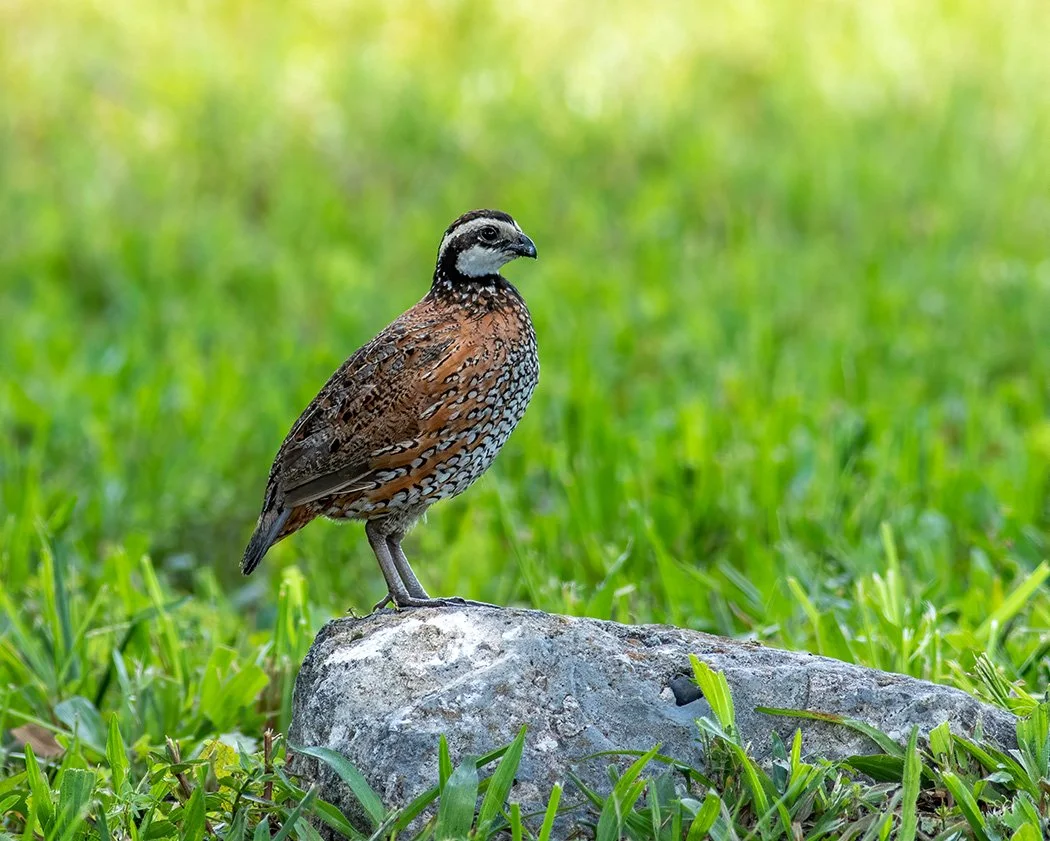
Northern bobwhite, by James Edwards

“We know that a huge barrier to protecting Native lands and resources is a lack of sustainable funding,” said Shaun Grassel, CEO of Buffalo Nations Grasslands Alliance and a member of the Tribal Advisory Council for the National Wildlife Federation. “The North American Grassland Conservation Act provides much-needed grants to Tribes and Tribal organizations to carry out Indigenous-led conservation of culturally and ecologically important wildlife species. Together, we can protect an ecosystem that not only mitigates the effects of climate change, but has significance to Native peoples.”

Grasslands and sagebrush shrub-steppe are some of the most threatened ecosystems in the world. According to recent research, the United States lost 1.1 million acres of grasslands every year from 2008 through 2016. An average of roughly 1.2 million acres of sagebrush burn each year due to invasive annual grasses, which contribute to and fuel catastrophic wildfires. This habitat loss has caused total grassland bird populations to decline by more than 40 percent since 1966. Some species, such as the Western meadowlark, are at heightened risk of extinction. Species like the bobwhite quail have seen declines of nearly 85 percent over the past several decades.

The North American Grasslands Conservation Act authorizes $60 million in grants to support voluntary grassland and sagebrush restoration and conservation projects, such as incentivizing prescribed burns, managing invasive species, grazing management training and grassland conservation easements. Additionally, the bill’s funding opportunities also will help Tribal nations to engage in grasslands conservation and include Tribal representation on the program’s governing council. The legislation also would promote the application of Indigenous traditional ecological knowledge in restoring and sustaining grasslands.

Longleaf pine savanna, by Steve Moore

How Hurricanes Affect Wildlife and How We Can Help

Last week, Hurricane Helene showed us that whether we live on the coast or in the mountains, anywhere can be vulnerable to the devastating effects of major storms. To a degree, humans can prepare for these types of storms that continue to become stronger and more frequent, but what about wildlife? How do they respond to extreme weather events and what we can do to help them? Read the article below, adapted from the National Wildlife Federation’s blog post Seven Things to Know About How Hurricanes Affect Wildlife.

GOES-16 GeoColor satellite loop from September 26 to 27, 2024 showing Helene moving through the Southeast U.S. NOAA National Weather Service

Wind Dislocation

Powerful winds from hurricanes and tropical storms can blow birds off course and push them hundreds of miles away from their home habitat. Last year, a North Carolina brown pelican was found on the roof of a night club in Halifax, Nova Scotia. The news often covers the appearance of rare species after a major storm. Sometimes younger or weaker birds become separated from their flock and many can take weeks to return home — if they can find the right foods on their way back.

During major storms, sea birds and waterfowl are most exposed. Songbirds and woodland birds, however, are specially adapted to hold on and ride things out. Their toes automatically tighten around their perch. This holds them in place during high winds or when they sleep. Woodpeckers and other cavity nesters will, barring the destruction of the tree itself, ride out storms in tree holes. Shorebirds often move to inland areas. In a unique effect of cyclonic hurricanes, the eye of the storm with its fast-moving walls of intense wind can form a massive “bird cage” holding birds inside the eye until the storm dissipates. It is often the eye of the storm that displaces birds, more than its strong winds.

Birds are not the only species affected by the winds. Sea mammals can be harmed too. While many can seek shelter in open water or in near shore shelter, some dolphins and manatees have actually been blown ashore during major storms.

Tree Loss

In 1992, Hurricane Andrew brought incredible wind velocities onshore and knocked down as many as 80% of the trees on several coastal Louisiana basins, such as the Atchafalaya. Tree loss during Hurricane Katrina in 2005 caused even more extensive damage. Loss of coastal forests and trees can be devastating to dependent wildlife species and migratory species. Many wildlife species have very specialized niches in these forests that are lost to heavy winds. Specific foods can be taken away too. High winds will often strip fruits, seeds and berries from bushes and trees.

Dune and Beach Loss

Storm surges, wave action, and winds can cause beach and dune erosion and that can have severe effects of species. Many wildlife species live in ecological niches in the sandy areas and dunes of coastal barrier island. In some cases the storm can cause a beach area to disappear. Sea turtle nests, for example, can be washed out, or a water surge, called a “wash over” can submerge these nests or tern and plover nesting areas.

Saltwater Intrusion

The sustained and powerful winds of a hurricane will cause salty ocean water to pile up and surge onshore. These “storm surges” can be huge. Hurricane Irene’s surges brought water levels that were as much as 8 feet above normal high tide and Katrina pushed a 30 foot high surge onto the coast. In addition to the physical damage this causes, the salt contained in sea water dramatically shifts the delicate balance of freshwater and brackish wetland areas. Creatures and vegetation that are less salt-tolerant will be harmed and many will not survive this influx of sea water. Marsh grasses, crabs, minnows, fish hatchlings, insects, and myriad creatures of freshwater and estuarine environments are harmed. The salt water intrusion in these some of these areas does not drain off very quickly and can even harm or kill off bottomland forests and other coastal trees.

Freshwater Flooding

The reverse is true too. The heavy rains generated by hurricanes will dump water in coastal area river basins (called watersheds) and this, in turn, can send vast amounts of fresh water surging downstream into coastal bays and estuaries. This upsets the delicate and finely tuned freshwater/salt water balance that can be so vital for the health of these ecosystems. In 1972, Hurricane Agnes sent such massive amounts of freshwater into the Chesapeake Bay. The normally brackish (partially salty) water was fresh for months placing great pressure on the species living there.

Turbidity

Heavy rainfall in upstream areas also washes soil, sediment and many pollutants into coastal and marine environments. After Hurricane Agnes, the turbidly or cloudiness of the water became so severe in the Chesapeake Bay that the native grasses growing on the bottom of Bay died off in huge quantities. These grasses provided critical habitat from crabs, fish spawning and many species. It took the Bay years to recover. Similarly, sediment can wash over coral reefs, blocking needed sunlight and even causing algae to grow.

Marine and Aquatic Species

Hurricane Irene, like other hurricanes, generated massive waves and violent action on the surface. When hurricane Andrew hit Louisiana the government estimated that more than 9 million fish were killed offshore. Similarly, an assessment of the effect of that same storm on the Everglades Basin in Florida showed that 182 million fish were killed. Hurricane Katrina also had a huge effect on dolphin species. Many dolphins were hurt during the storm and were rescued and underwent rehabilitation.

What Can You Do?

The forces of hurricanes, such as Helene, are so immense that they deserve tremendous respect. So the first thing you can do is to stay safe yourself. Heed public safety warmings, prepare your property by collecting and storing lose items outside, be prepared for power outages and use common sense. Following a storm, birders and wildlife enthusiasts can help by keeping their eyes peeled for unusual or rare species that turn up. It is useful for wildlife agencies to hear about rare appearances. Wildlife rescue organizations should be contacted if someone sees a creature that was injured in a storm. It always recommended to avoid trying to handle and injured animal on your own unless you have had specific training. If you usually feed birds at your home, the post storm calm is a good time to fill up those feeders. Your pals will probably be hungry and tired after waiting out the storm.

Create a Certified Wildlife Habitat

And help wildlife survive in all kinds of weather