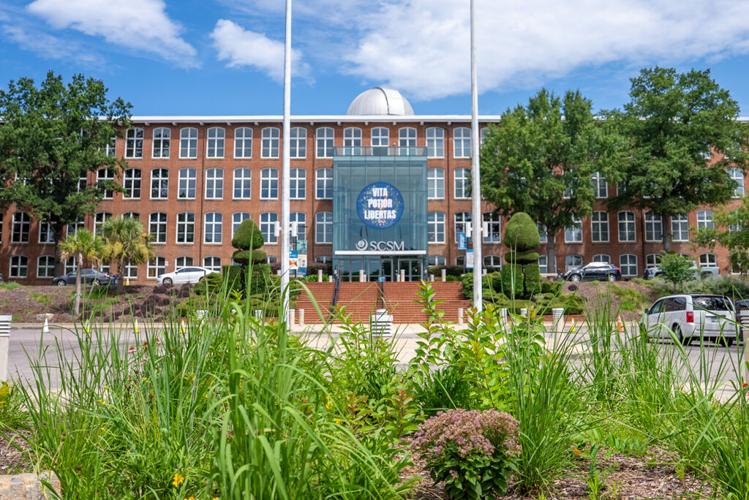
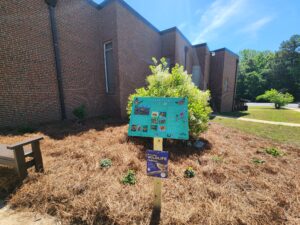
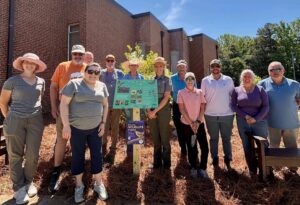
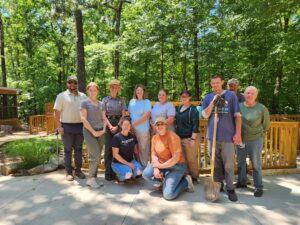
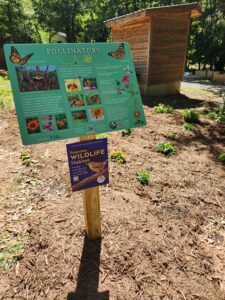
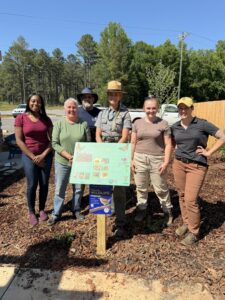
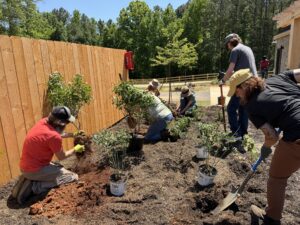
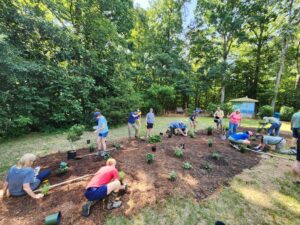
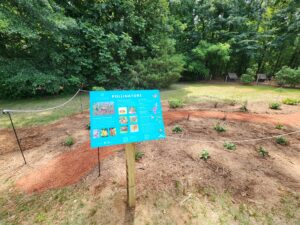
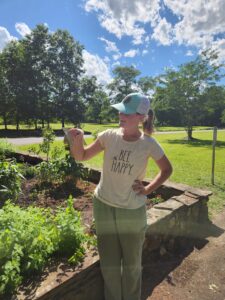
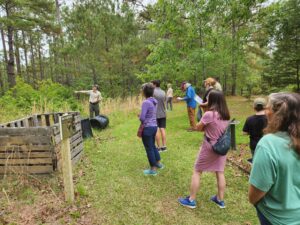
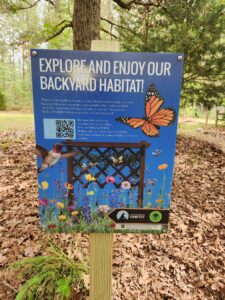
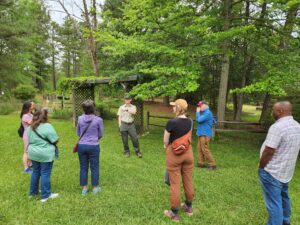
A Carolina Wildlife Garden featuring South Carolina natural and cultural history is now officially open at the South Carolina State Museum.
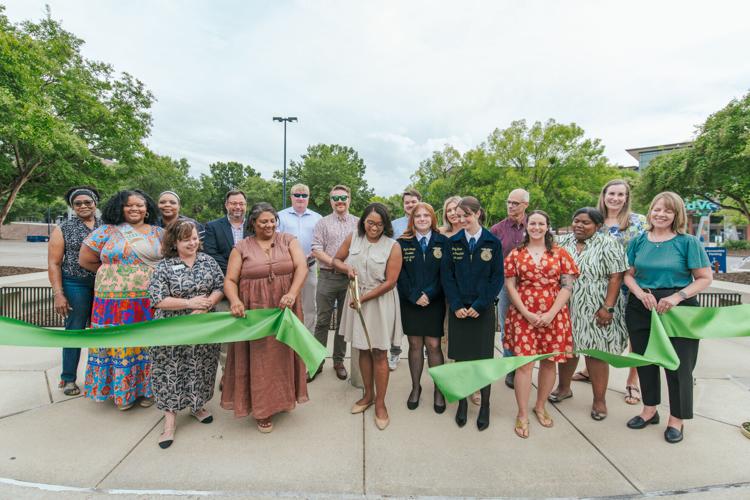
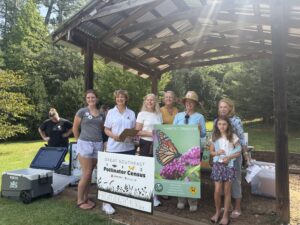
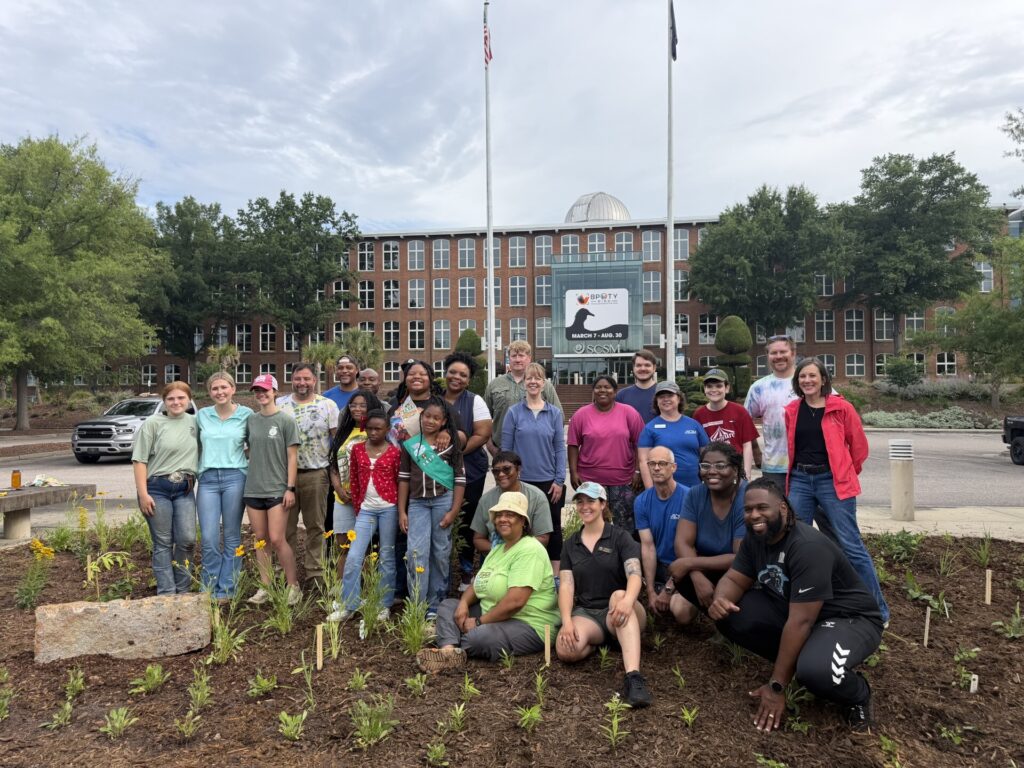
The museum hosted a ribbon cutting August 29 to publicly launch the new educational garden, envisioned and brought to life by Planting South Carolina’s Roots, an initiative of a Riley Institute Diversity Leaders Initiative (DLI) Spring 2026 Class cohort in partnership with the State Museum and the South Carolina Wildlife Federation.
“This garden grew out of our desire to create a permanent native habitat that would welcome visitors to the State Museum and educate them about plants native to South Carolina that support pollination and wildlife,” said Amy Bartow-Melia, South Carolina State Museum executive director and member of the Riley Institute DLI Planting South Carolina Roots cohort. “We hope the garden inspires visitors to cultivate a greater diversity of native plants in their own gardens.”
Photo courtesy of South Carolina State Museum
To help young gardeners start their own native gardens, the Planting South Carolina’s Roots also provided seeds and planting kits to the 300 participants in the State Museum’s summer camps. With ongoing financial support, school groups visiting the museum will continue to receive seeds and planting kits to encourage curiosity, responsibility and a lasting appreciation of South Carolina’s unique natural heritage.
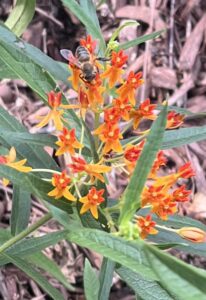
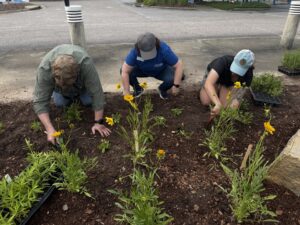
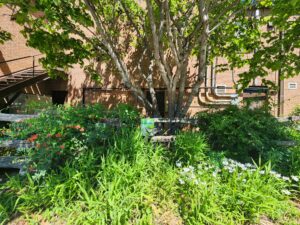
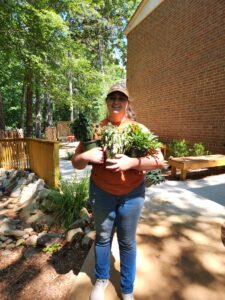
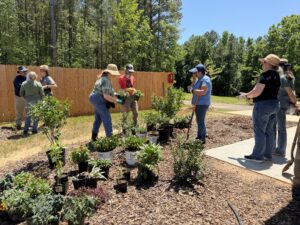
For inspiration, visitors can see native plants like Yellow Jessamine, Frog Fruit, Phlox, and Butterfly Weed in the Carolina Wildlife Garden just as they enter the South Carolina State Museum parking lot from Gervais Street. The garden was planted in May 2026 with the help of Girl Scout Troop 1630 and the Future Farmers of America Chapter at Lexington-Richland 5 using a design developed by landscape gardener Dr. Lisa Kershaw and with financial support from Skyla Credit Union and Elrod Pope Law Firm.
“This Carolina Wildlife Garden embodies the spirit of the community coming together to plant living and lasting roots that will continue to grow and flourish for all of us to enjoy and learn from for many years to come,” said Richland County Council Chair Jesica Mackey, who helped cut the ribbon officially opening the garden.
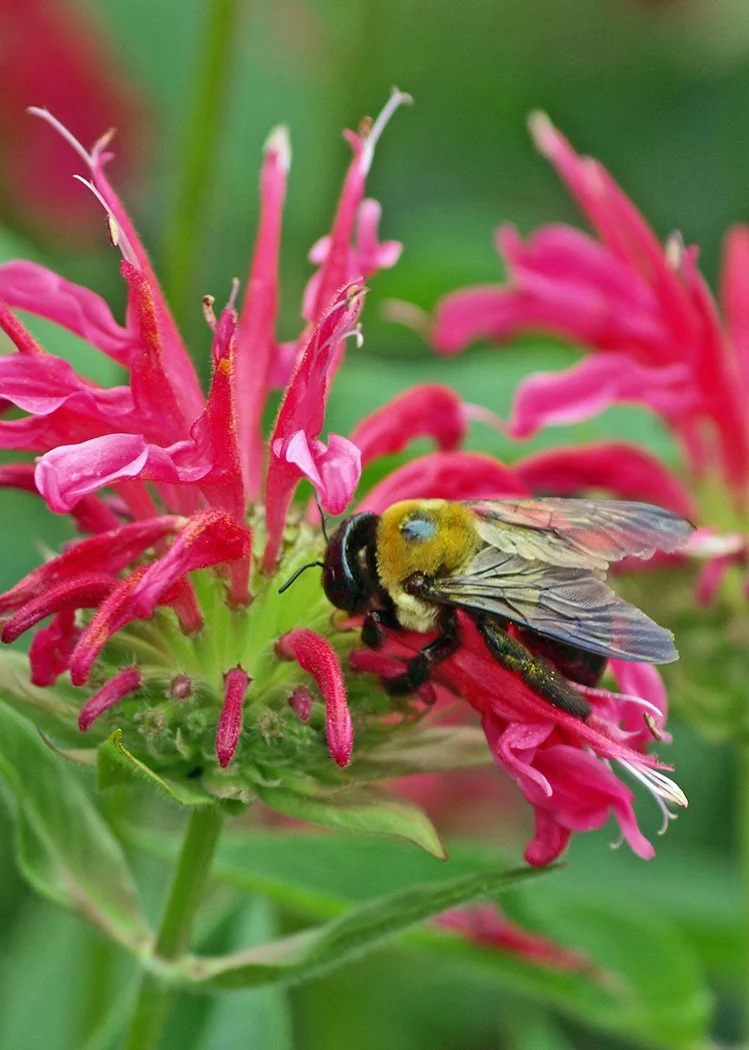
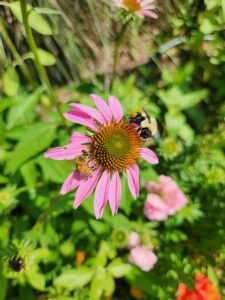
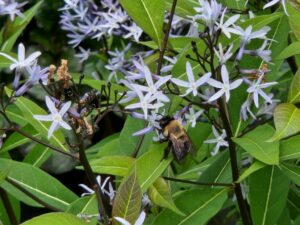
The garden is already actively attracting wildlife. Since the May planting, museum staff have documented 22 species of insects visiting the garden including beetles, butterflies, dragonflies and bees. Last year, the City of Columbia affiliated with Bee City USA to encourage improving local landscapes for pollinators, and this Carolina Wildlife Garden is doing just that.
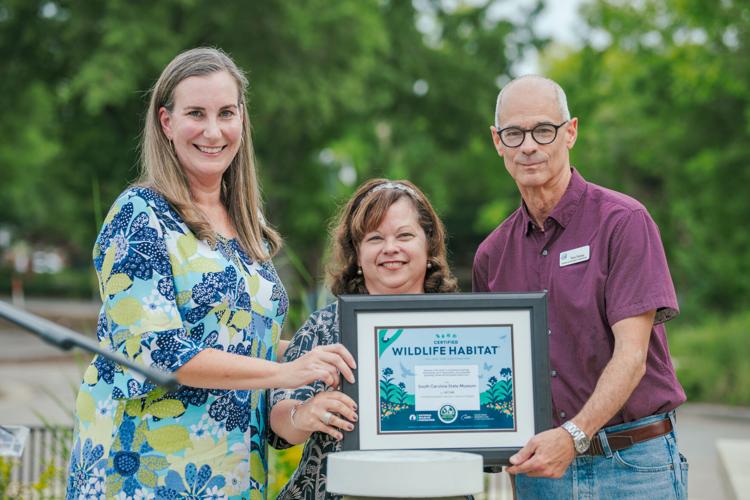
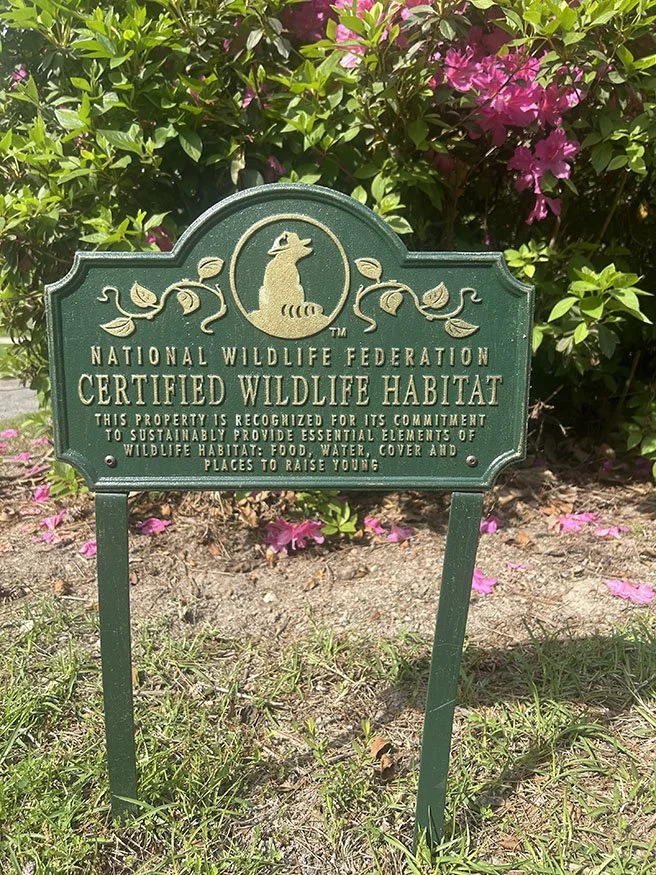
The South Carolina Wildlife Federation also recognized the project during the ribbon cutting ceremony, designating the garden as a Certified Wildlife Habitat.
Photo courtesy of South Carolina State Museum
“We are excited that the State Museum is now home to a wildlife garden that is already a habitat for a variety of creatures,” said Sara Green, executive director of the South Carolina Wildlife Federation. “The location of this garden is ideal to help thousands of visitors who come to the museum each year learn more about how they can foster similar wildlife gardens at home.”
The Carolina Wildlife Garden will serve as a living classroom and a statewide resource to provide students, educators, families and community organizations with opportunities to engage in the exploration of conservation, biodiversity, and environmental stewardship.
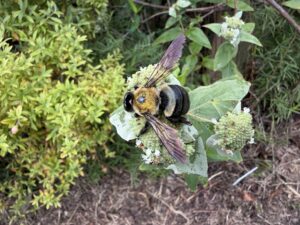
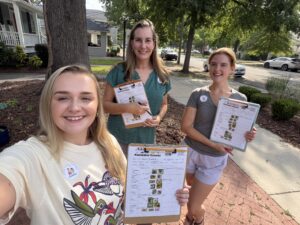
For 15 minutes in August, South Carolinians slowed down and paid attention to the flowers around them. Instead of simply passing by a blooming plant, participants watched closely, counting bees, butterflies, flies, beetles, and other insects as they visited flowers. Those observations may have only lasted a short time, but together they contributed to something much bigger: a regional snapshot of pollinator activity across the Southeast.
On August 21st and 22nd, SCWF participated in and hosted community counts for the Great Southeast Pollinator Census, a citizen science project created by the University of Georgia. The annual effort invites people of all ages and experience levels to observe pollinators visiting a single blooming plant and record what they see.
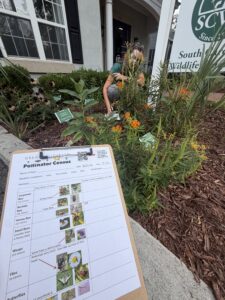
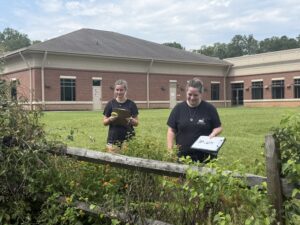
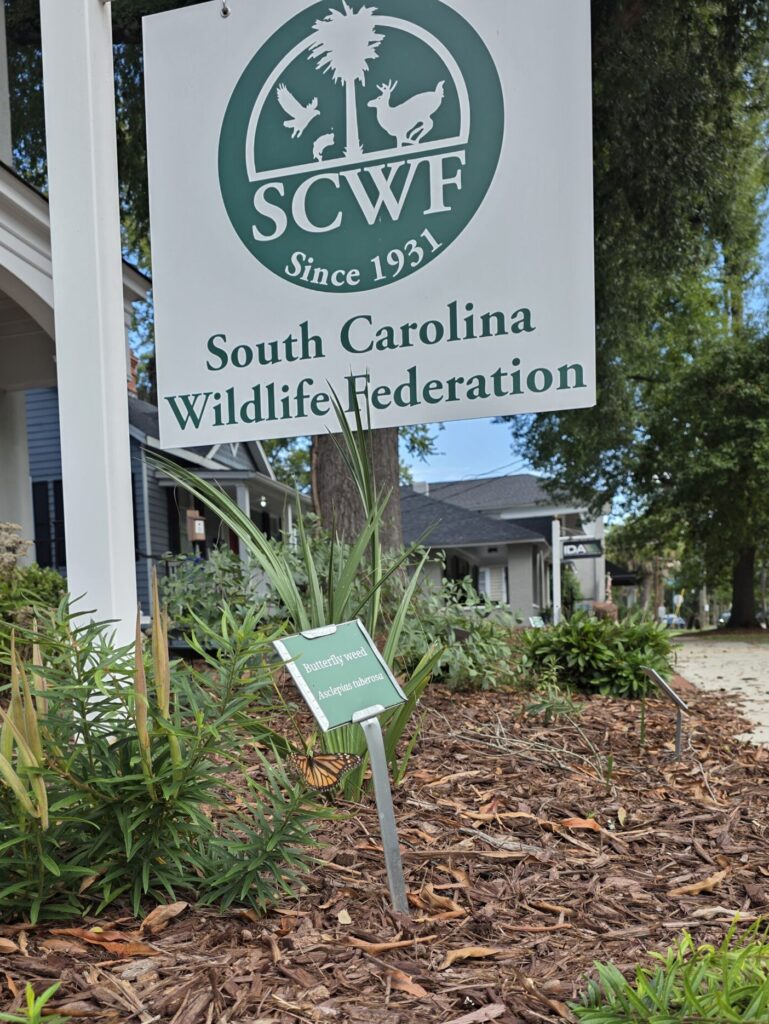
The first count of the day started at the SCWF office in Columbia at 1519 Richland Street. Two years ago, we installed a pollinator garden outside of our office. We got to observe our native plants in action as we counted the pollinators that visited our plants like butterfly weed and baptisia. Our staff observed a lot of small bees, honey bees, and flies as we participated in the count.
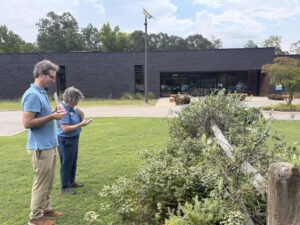
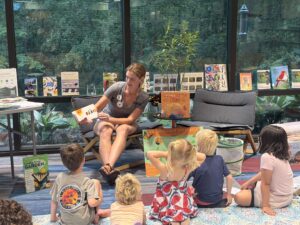
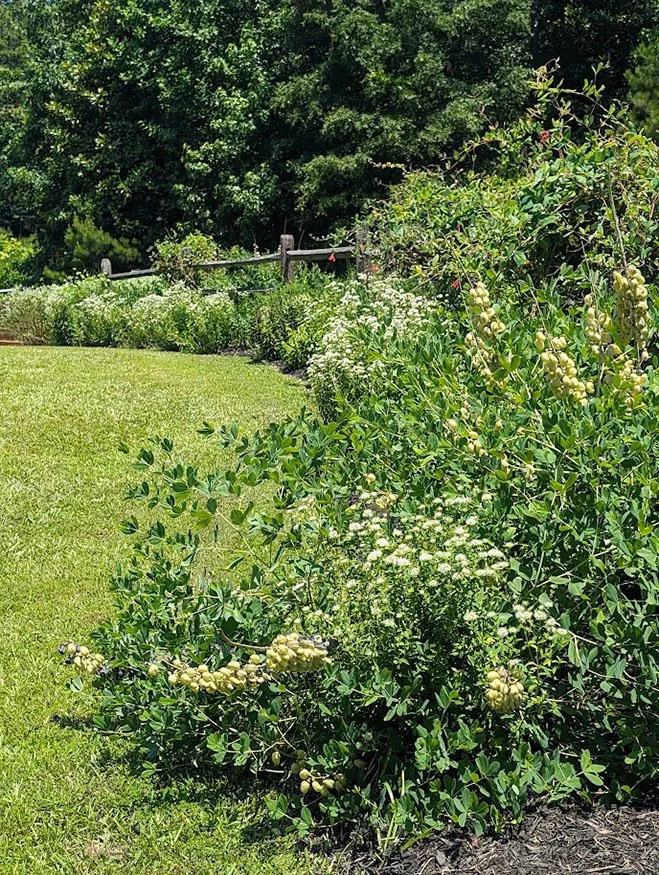
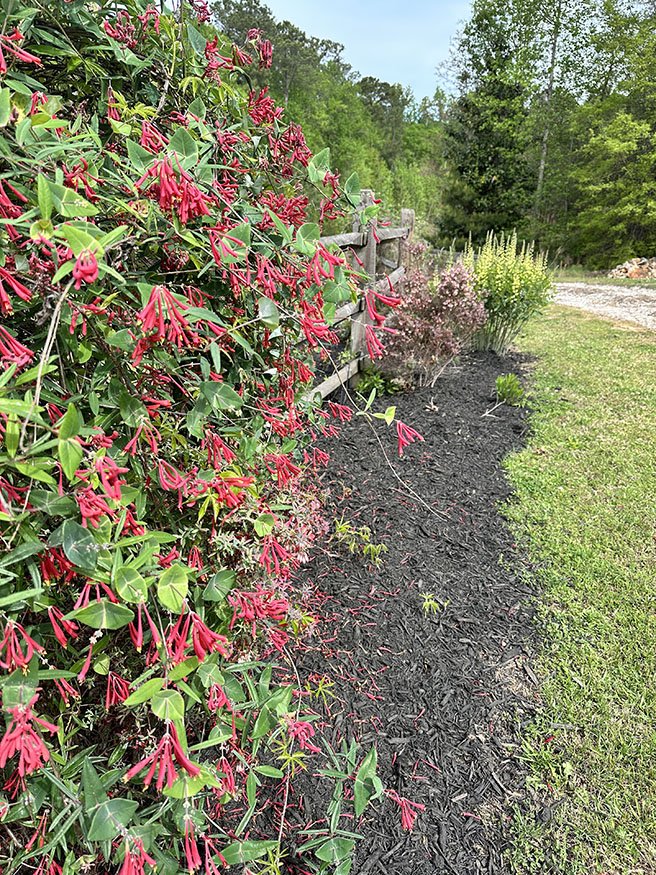
The next stop of the day was at Chapin Town Hall in Chapin. In partnership with our friends with the Chapin Garden Club, a beautiful 70ft long Carolina Fence Garden has been installed at Chapin Town Hall. This garden was buzzing full of pollinators and insects. We welcomed the public to come out and join the count, and were also joined by the Chapin Garden Club and Snug Harbor Wildlife Rescue. During this count, we observed a lot of different species of wasps, small bees, months, and even some butterflies! Families also enjoyed a special garden story time and pollinator education from our Conservation Program Manager Savannah Jordan, and left with a fun prize and a free packet of native flower seeds to continue supporting pollinators at home.
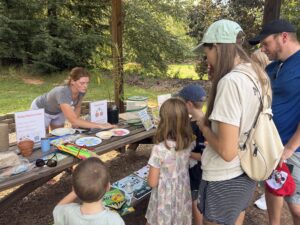
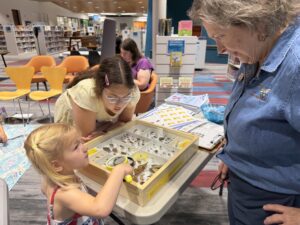
The last count of the day was at the Richland Library in Ballentine. The community was invited to come out to the library’s pollinator garden to join Master Naturalist Tami Kyre, SCWF Conservation Project Manager Savannah Jordan, and Richland Library staff member Melissa Sprenne for an afternoon of pollinator discovery and education. Families searched the garden for pollinators while learning how to identify the many buzzing visitors that call the space home. The day also featured a special story time, interactive educational activities, and free, native seeds to take home. It was a fun and engaging celebration of pollinators that brought together people of all ages and an opportunity to learn more about the important role we all can play in creating habitat for them!
Participating in the Great Southeast Pollinator Census was a wonderful reminder to slow down, take a closer look at the flowers around us, and appreciate the pollinators that play such an essential role in our ecosystems and food systems. Every observation made contributed valuable community science data that helps researchers better understand pollinator populations, identify trends, and inform conservation efforts to protect these essential species and their habitats. We are grateful to everyone who joined us at one of our events, participated in the census, and helped make a difference for pollinators!
Museum of York County Opens New Garden and Trail Features
Press release courtesy of Museum of York County & Main Street Children’s Museum
ROCK HILL, S.C. – Exploring Carolina Piedmont plants and animals extends beyond Museum of York County’s hallways and galleries. Outside the museum are a variety of gardens, an observational beehive, plus a quarter-mile trail loop that wanders through a Piedmont forest and along Big Dutchman Creek. Recent upgrades to these spaces make them more engaging than ever before.
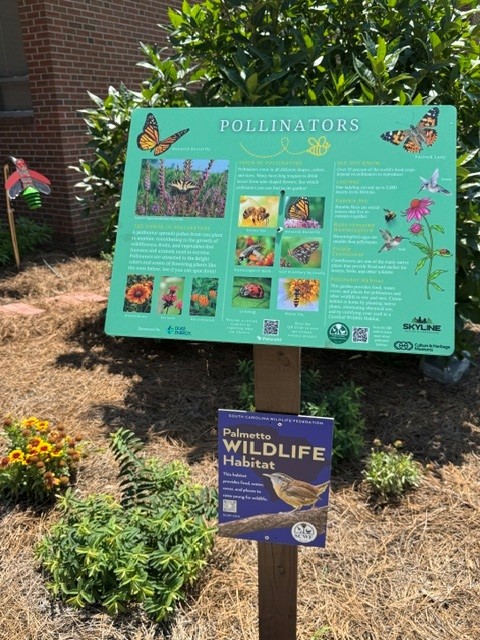
A Pollinator Garden has been added to complement the existing Monarch Way Station and Carolina Fence Garden. The Pollinator Garden was generously provided and installed by South Carolina Wildlife Federation, and features native plants and educational signage that helps visitors learn about these helpful insects.
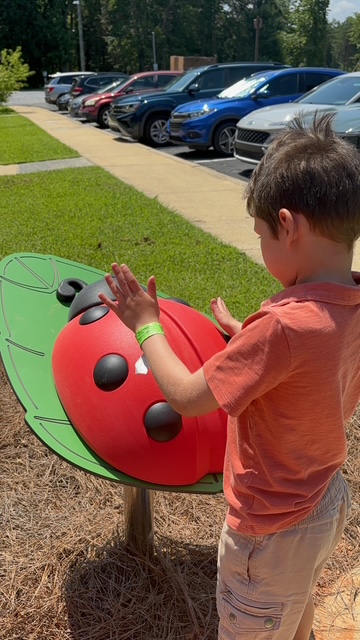
Outdoor musical instruments, shaped like larger-than-life insects and handcrafted by UK based company Percussion Play, are located throughout the new Pollinator Garden. Visitors will find a ladybug, bumble bee, butterfly, dragonfly and firefly to interact with, bringing music and rhythms to life. The purchase and installation of these instruments was made possible by a gift from an anonymous donor and grant funding from the York County Community Foundation.
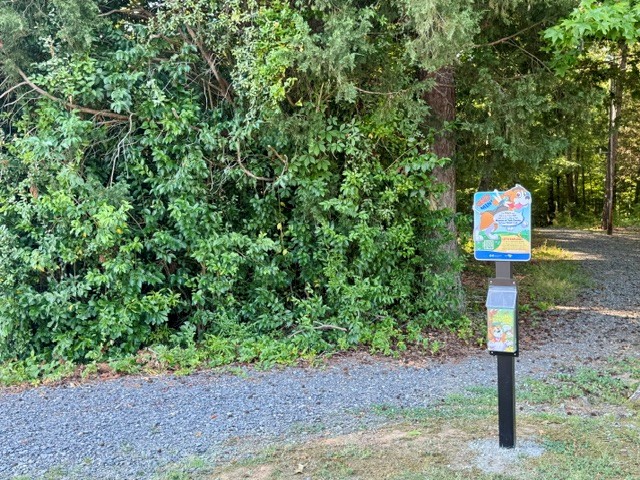
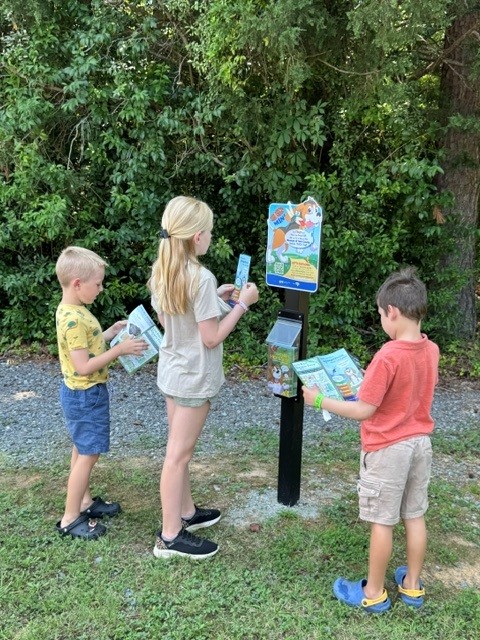
The Museum’s Nature Trail now has more to offer as well through the Kids in Parks’ TRACK Trail program, a nation-wide network of trails that aims for families and kids to unplug and connect with nature on outdoor adventures. Trail users are encouraged to pick up an activity booklet and scan the QR code at the TRACK Trail Mini kiosk found at Museum of York County’s trail head. From there, they can track their adventure and start earning prizes through the Kids in Parks website, such as free interactive e-adventures, badges, stickers, prizes and more all guided by the TRACK Trails beagle mascot.
The addition of Museum of York County to the TRACK Trails network comes just in time for National TRACK Trails Day on Aug. 15 and is one of 25 new TRACK Trails opened this year, the 96th trail in South Carolina and the 376th one nationwide. Join us on Aug. 15th at 2 p.m. for a ribbon cutting and trail walk to celebrate the launch of Museum of York County’s TRACK Trail Mini.
Images courtesy of Culture & Heritage Museums. Contact omitchell@chmuseums.org for high resolution images.
About Museum of York County:
Museum of York County highlights the world of natural history in the Carolina Piedmont through award-winning exhibits, planetarium shows, and special programs. “Before the Ice Ages: Miocene and Pliocene Beasts of the Southeast” is Museum of York County’s newest permanent exhibit that looks at the strange and bizarre creatures that roamed the southeast before the Ice Ages of the Pleistocene. “Ice Age Carolinas: Exploring Our Pleistocene Past” is a journey-back-in-time experience that features the gigantic and fantastic beasts that once roamed the Carolinas. The Naturalist Center, with over 2,500 natural history specimens, provides hands-on opportunities for self-guided discovery and educational programs. The Settlemyre Planetarium presents a changing array of full-dome digital planetarium shows. The Museum Store has a selection of local handmade pottery and goods, locally produced food products, and nature-themed gifts. Outside, the museum has a picnic facility and a three-quarter mile nature trail.
Museum Membership:
Become a Culture & Heritage Museums member and enjoy one year of exclusive benefits including free general admission to all CHM museum sites: Historic Brattonsville, Museum of York County and Main Street Children’s Museum. Membership helps support the work of preserving and communicating the cultural and natural history of the Carolina Piedmont. Consider becoming a CHM member and/or give the gift of CHM membership. Details at chmuseums.org/membership.
Museums for All:
As part of the Museums for All initiative, all Culture & Heritage Museum sites provide reduced admission for low-income families; visit museums4all.org for more information. Culture & Heritage Museum sites are also KultureCity® Certified and Sensory InclusiveTM.
Chapin Garden Club Strives to turn Chapin into
South Carolina’s Largest Per Capita Community Wildlife Habitat
In 2000, Chapin Garden Club launched two initiatives supported by the Garden Club of South Carolina: a Carolina Fence Garden at the Chamber of Commerce and participation in the Backyard Habitat program. Both programs were a success… So Chapin Garden Club did what anyone in their position would typically do: moved the goal posts and upped the ante. Twenty six years later, they aim to turn Chapin into the largest per capita Community Wildlife Habitat in the state by 2030. But this time, they need your help…
How It Started
From the outset in 2000, CGC’s members embraced the challenges wholeheartedly—every member achieved certified habitat status to do their part in the Backyard Habitat program. The efforts established an enduring club tradition: membership meant maintaining a certified backyard. But what exactly is a “certified” backyard, and why does it matter? A Certified Wildlife Habitat® through the South Carolina Wildlife Federation (SCWF) is a greenspace that provides essential elements for local wildlife: food, water, cover, and places to raise young, while also utilizing sustainable practices such as reduced usage of chemical pesticides, the conservation of water, and a reduction in lawn area. Having these conditions in place helps combat habitat loss by supporting birds, butterflies, and pollinators with native plants.
For members of the Chapin Garden Club in the year 2000, the decision to get their yards certified was an easy one. By 2013, an influx of new members shifted focus temporarily; the yard certification tradition had begun to subside. To reignite interest, Bonnie Porter presented a refresher on habitat certification at the October meeting. Then-president Cindy Chin challenged members to certify their own yards and recruit others to do the same. The effort gained traction through flyers, local media, and community outreach.
Photo by Cindy Chin
The club’s commitment aligned with a broader goal—supporting South Carolina’s national leadership in wildlife habitats per capita. With guidance from Sarah Green of the South Carolina Wildlife Federation, Chapin added 32 new certified habitats by summer 2014. They celebrated with a gathering at Timberlake Country Club.
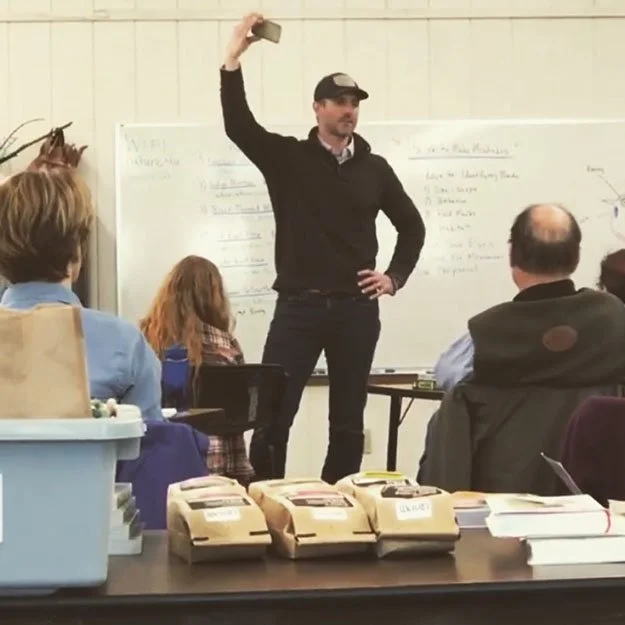
A pivotal moment came in 2019 when Jay Keck delivered a program on attracting birds and butterflies. His presentation sparked a lasting partnership with the South Carolina Wildlife Federation and deepened the club’s focus on conservation education.
Chapin Goes Green
In May 2021, Keck introduced the idea of designating Chapin (ZIP code 29036) as a Certified Community Wildlife Habitat. Recognizing the opportunity, the club launched “Chapin Goes Green” and registered with the National Wildlife Federation in June 2021.
Certification required community education, media engagement, and achieving 225 habitat points through certified properties. The club undertook a coordinated effort that included:
Publishing articles on wildlife, native plants, and habitat gardening
Hosting workshops, presentations, and an annual Wildlife Trivia Night
Partnering with local organizations, schools, churches, and civic groups
Securing official support from the mayor, town council, and community associations
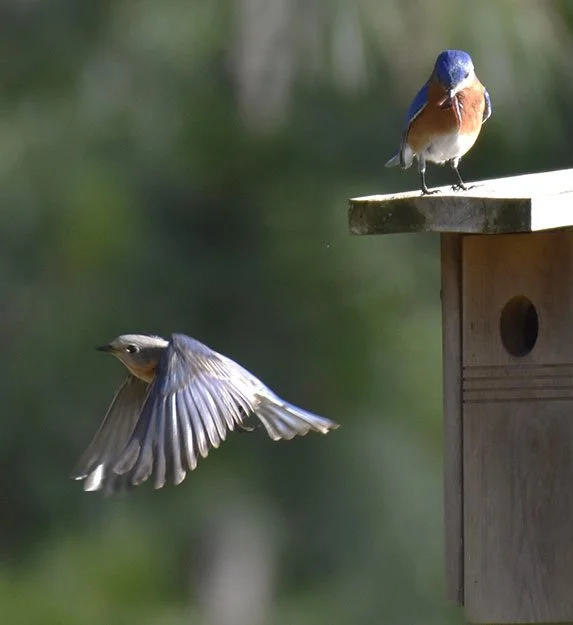
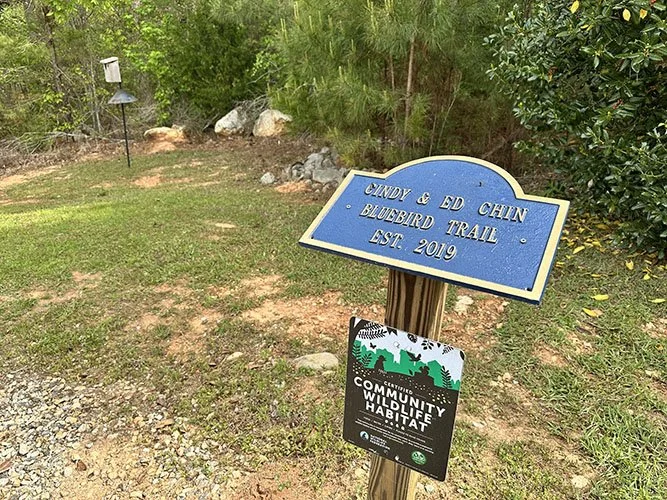
A major achievement was the creation of a 70-by-8-foot pollinator garden at Chapin Town Hall, developed in collaboration with multiple partners and supported by a Dominion Energy grant. The club also worked with the South Carolina Bluebird Society to establish a bluebird trail at Town Hall. Since 2021, the Cindy and Ed Chin Bluebird Trail and participating backyards have documented 153 successful fledglings. Additional enhancements included installing an outdoor message center and a bluestone seating wall at Town Hall, offering educational materials and trail maps to visitors.
“We are proud to work with our community to protect and connect critical habitats for wildlife.”
— Cindy Chin
Reaching the required number of certified properties proved the most challenging step. Engaging more than 200 property owners, businesses, and institutions required sustained outreach—but the effort succeeded. On February 15, 2024, Chapin was officially designated a Certified Community Wildlife Habitat by the National Wildlife Federation.
The community celebrated on June 18, 2024, with a ceremony at Town Hall featuring tours of the pollinator garden and bluebird trail. Mayor Al Koon issued a proclamation recognizing the project’s impact, and state leaders and conservation partners attended. Local students also contributed, creating a video to promote habitat certification.
The project drew inspiration from other successful communities. Kelly Long of the Camellia Garden Club in Greer shared insights from their five-year certification journey, highlighting initiatives such as distributing milkweed seeds to support Monarch butterflies and engaging residents of all ages in conservation.
Today, Chapin has 208 certified properties, including parks, schools, places of worship, government buildings, and private homes. Maintaining certification requires annual renewal, and the Chapin Garden Club remains committed to education, outreach, and expanding participation.
Cindy Chin, who chaired Chapin Goes Green, describes the multi-year effort as a labor of love: “It is an honor and privilege to have Chapin recognized by the National Wildlife Federation. Chapin is now the 161st Community Wildlife Habitat in the U.S., the 14th in South Carolina, and the first in Lexington County. We are proud to work with our community to protect and connect critical habitats for wildlife.”
Through sustained collaboration and grassroots engagement, Chapin Garden Club has created a model for how communities can preserve natural beauty while fostering meaningful connections between people and wildlife. Today they ask: Will you help them?
What is a Community Wildlife Habitat?
It’s Community
The Community Wildlife Habitat is a NWF program that helps communities create sustainable wildlife friendly spaces while engaging residents in conservation and education. They partner with cities, towns, and neighborhoods in urban and suburban areas to incorporate wildlife practice and promote biodiversity in communities across the United States. These practices include using native plants, reducing pesticides, conserving water, and integrating wildlife considerations that support insects, moths, butterflies, caterpillars, birds, etc.. Communities are recognized when property owners such as individual homeowners and businesses, churches, schools, parks, government properties, etc. certify their properties as Certified Wildlife Habitats.
What is a Certified Wildlife Habitat?
It’s Personal
The South Carolina Wildlife Federation (SCWF) was South Carolina’s first conservation group. Established in 1931, it has been safeguarding our state’s wildlife for nearly a century and relies on proven scientific methods to protect and preserve the health of delicate ecosystems. It is the SCWF that administers the Wildlife Habitat program to assist homeowners, businesses, churches, schools, parks, etc. to individually certify habitat. This requires providing 4 essential elements for wildlife: food, water, cover, and places to raise young plus incorporating some (not all) sustainable gardening practices. These practices can be very small changes that make a big difference and save time and money. Per the SCWF:
Stop Using Pesticides
Yes, they kill the bad critters, but also poison bees and butterflies, birds and other animals whose diet consists of insects. Without pesticides, your flowers and vegetables will pollinate more aggressively -that means more flowers and fruits.
Plant Native Plants and Trees
These plants are already adapted to our climate, and the native wildlife has adapted to these plants. Keystones native trees such as oaks support over 500 species of insects, moths, and butterflies. Native flowers such as goldenrod and asters also support over 100 species of the same. And, we have individual natives such as milk weed which is the only food for our beautiful monarch butterflies. Lastly, natives are generally more drought resistant and easier to grow.
Reduce Fertilizer Use
If you must use fertilizers, be sure to closely follow the directions. Excessive chemical fertilizer will not help your plants any more and will pollute our waterways. You can create your own organic fertilizer by beginning a compost pile.
Let One Tenth of Your Yard Grow Wild
Untouched areas left to their own devices support much healthier ecosystems allowing insects, moth, butterflies, fireflies, bird, etc. to proliferate and thrive.
Reduce the Amount of Turf
Grass is time consuming and expensive, and has no benefit to any wildlife whatsoever. Instead, increase the size and diversity of your flower beds which attracts a diversity of wildlife.
How to Certify Your Yard
Certifying one’s habitat is extremely easy and takes less than 20 minutes. Sign on to the South Carolina Wildlife Federation site and follow the link to certified wildlife habitat.
Certification is a one-time event; there’s no annual renewal. The cost is $25.00 and you can also purchase a sign which identifies your property as a wildlife habitat. Proudly display it where all your friends and neighbors will see it and ask –
“What is this about?” And you can answer, “Well, it’s about:
enhancing livability and health in our communities
saving wildlife
creating beautiful environments for our children and grandchildren
educating the public on wildlife conservation and sustainable practices
and increasing the economic value of our homes and neighborhoods… “
A Bold New Goal – 2030 Vision
There’s so much to gain, and little to lose by certifying your yard. Every individual habitat is the key to maintaining Chapin as a Community Wildlife Habitat. Chapin Garden Club President, Shawn Grover explains, “If Chapin residents do not continue to certify their properties, Chapin will lose this extremely valuable and important designation. That would just be so heartbreaking for our community. But our goal, be it lofty, is to build Chapin into the largest per capita Community Wildlife Habitat in the state by 2030!
Please help the Chapin Garden Club and the whole town by certifying your yard today. For more information about certification, what to plant with purpose, questions, or technical assistance, go to SCWF.org or contact:
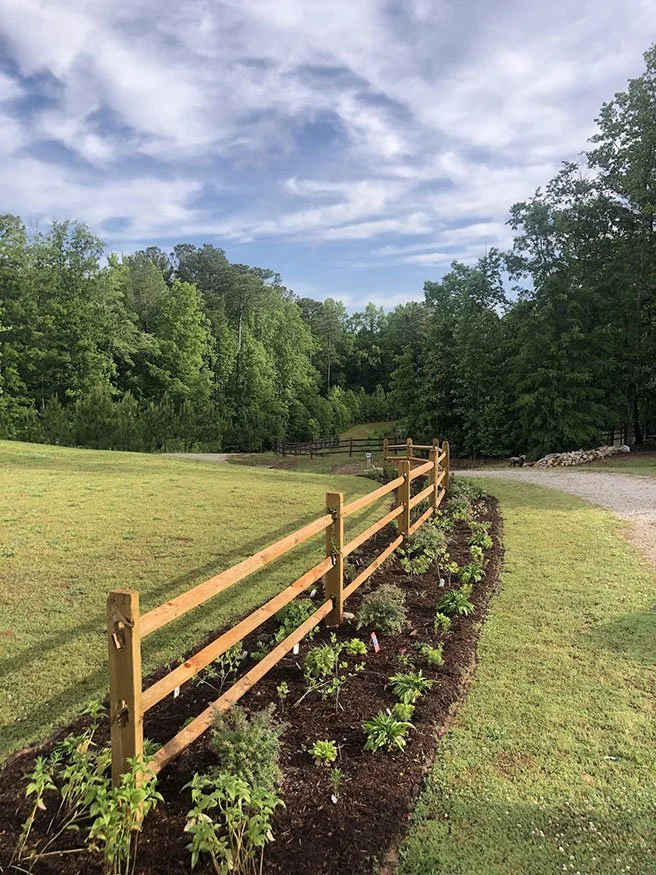
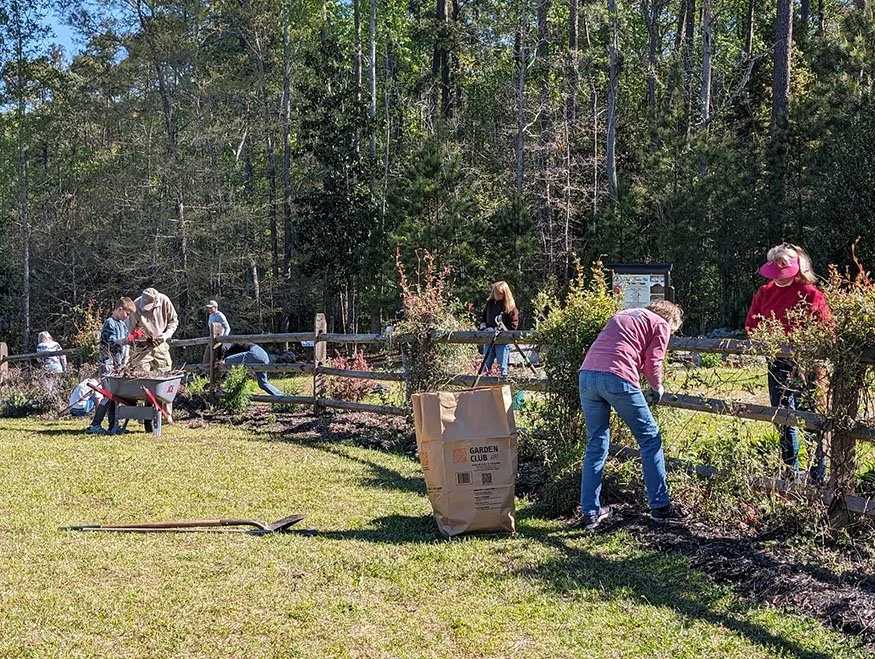
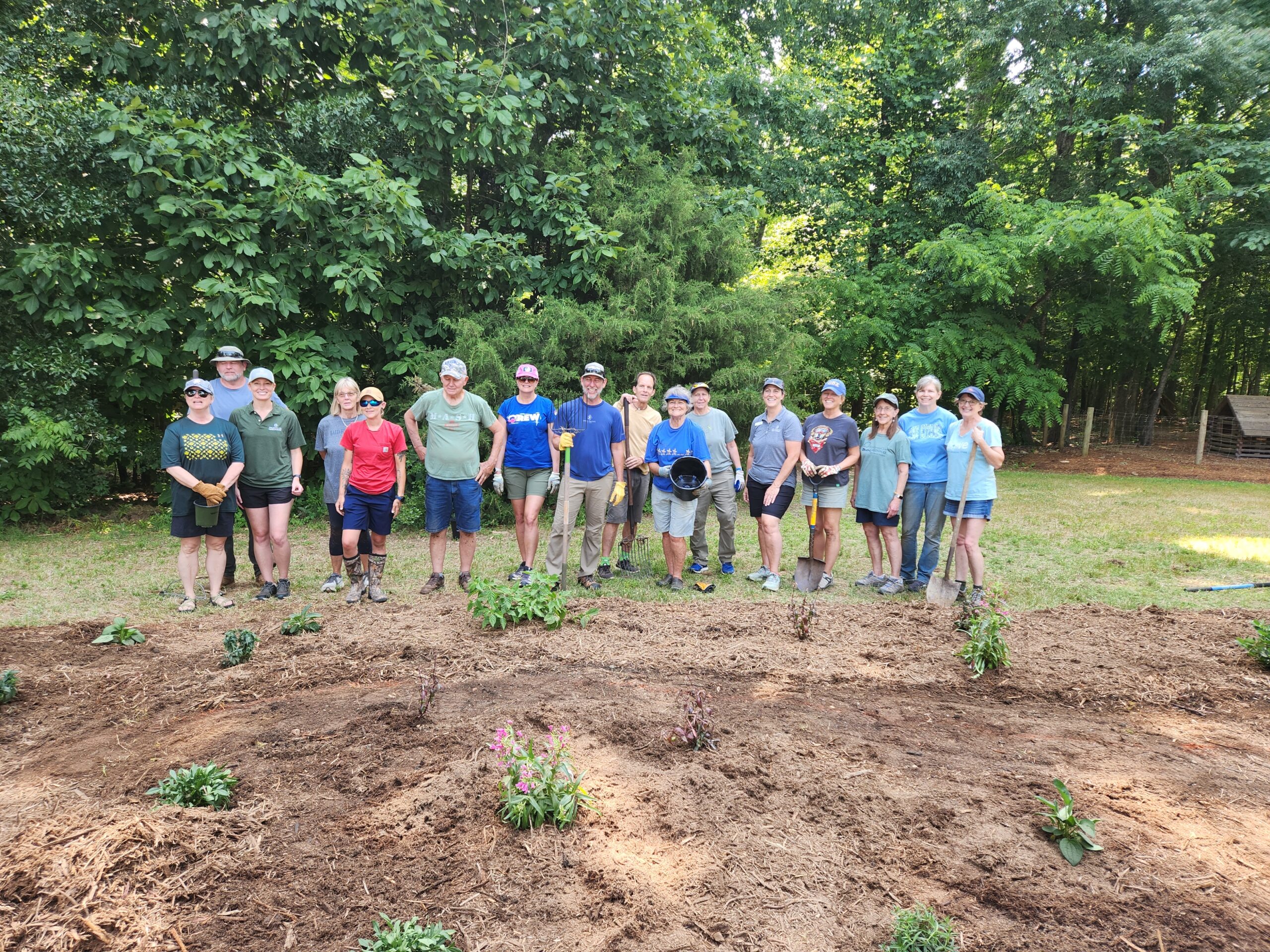
On May 30th, 2026, SCWF helped the South Carolina State Museum install a new Carolina Fence Garden in Columbia, South Carolina. This native garden educates visitors on local wildlife habitats and supports native pollinators. Visitors can find the new Carolina Fence Garden at the museum’s entrance at 301 Gervais St, Columbia, SC.
The garden features native plants like goldenrod and wild indigo that will support pollinators, birds, and other wildlife while also connecting visitors to South Carolina’s natural heritage. The Carolina Fence Garden concept is an initiative promoted by SCWF to attract native animals and celebrate the state’s natural history. It incorporates several specific cultural and natural elements such as:
A Fence: A traditional split-rail fence serves as the structural anchor.
State Symbols: Gardens typically feature the Yellow Jessamine (state flower) and a display of Blue Granite (state stone), both of which create ideal basking and foraging spots for butterflies and bees.
Native Plants: The garden utilizes native, local plants that provide food and nesting material for birds, pollinators, and small mammals.
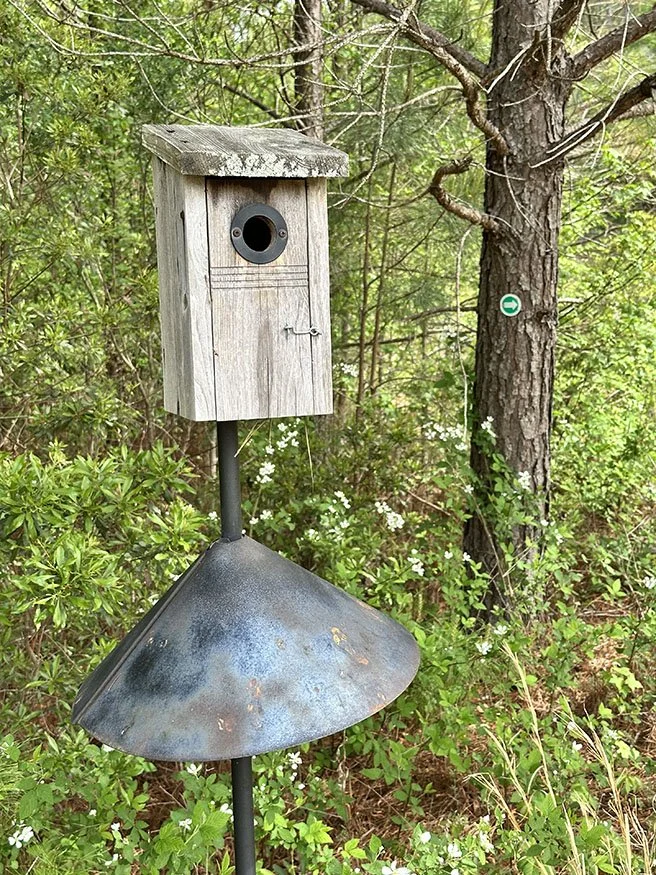
Wildlife Housing: A mounted Carolina Wren House often provides dedicated shelter for South Carolina’s state bird.
Thank you to the South Carolina State Museum for partnering with us on their Planting South Carolina Rootsinitiative and to all of the volunteers who spent their Saturday morning with us to make this possible! We can’t wait to watch this garden grow! Learn more about how to support pollinators and built your own Carolina Fence Garden at: https://www.scwf.org/carolina-fence-gardens/
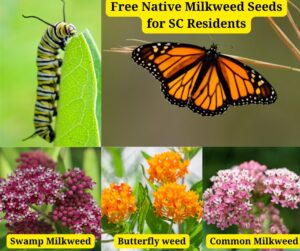
We are thrilled to announce the successful mailing of 5,000 packets of native milkweed seeds to residents across South Carolina, marking the eleventh year of the Milkweed for Monarch’s Program! This program allows residents of our state to sign up to receive packets of free native milkweed seeds (Common, Swamp, & Butterfly Milkweed).
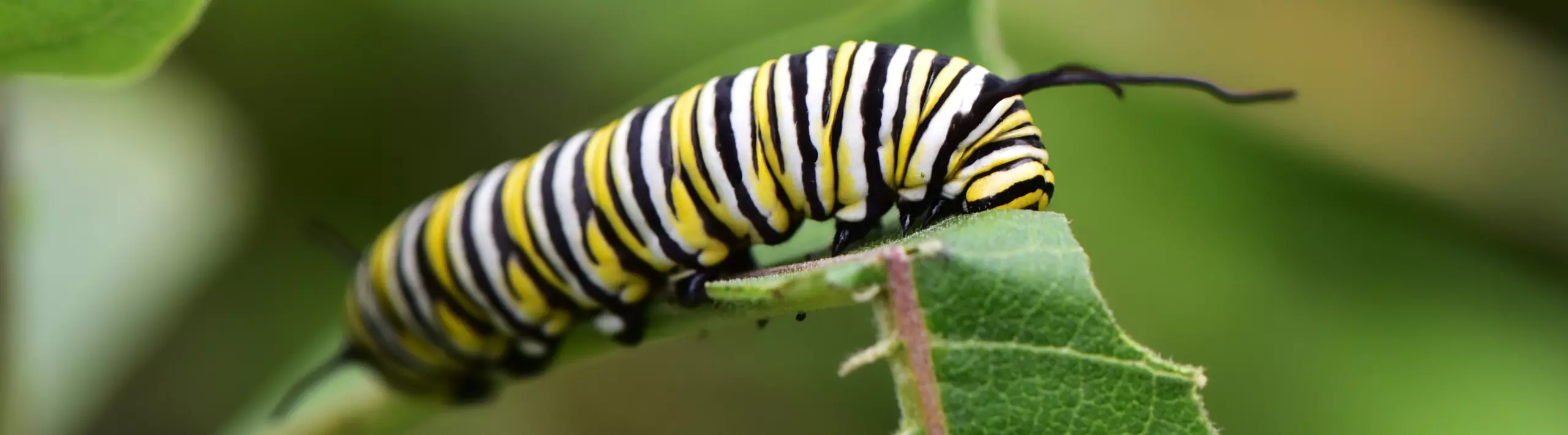
Because monarchs only lay eggs on milkweed plants, they must have native milkweed along their 3,000-mile journey to survive. Over the past twenty years, there has been a sharp decline in the monarch butterfly population along their normal migration routes from Canada to Mexico. During this time, these important pollinators have dwindled by almost 97 percent. Native milkweed plants, however, are the key to helping these iconic pollinators thrive.
This program helps SCWF make a statewide impact for monarchs, and we are so grateful to every single person who signs up to receive a seed packet. We recently received some photos from our milkweed seed recipients, and that is one of our favorite parts of this project! If you have any photos of monarchs that you would like to share with us, you can email us at mail@scwf.org.
We hosted 20 volunteer days dedicated to hand-mixing and packaging milkweed seeds this year! We are incredibly grateful to the many volunteers who generously donated their time to support this important effort. Thanks to their hard work, SCWF can continue providing milkweed seeds that help create habitat for monarch butterflies and other pollinators across South Carolina.
Thank you to Comporium for sponsoring the 2026 Milkweed for Monarchs Project!
Published in the Columbia Star on May 28, 2026 – https://www.thecolumbiastar.com/articles/columbias-downtown-pollinator-garden/
Volunteers with the South Carolina Wildlife Federation (SCWF) planted a native plant pollinator garden in their wildlife habitat in front of their downtown office at 1519 Richland Street. As spring transitions to summer, the plants are flowering and fruiting. In a relatively small space there are over 20 species attracting bees, butterflies, and hummingbirds. The garden also features the four basic wildlife habitat elements: food, water, cover, and places to raise young.
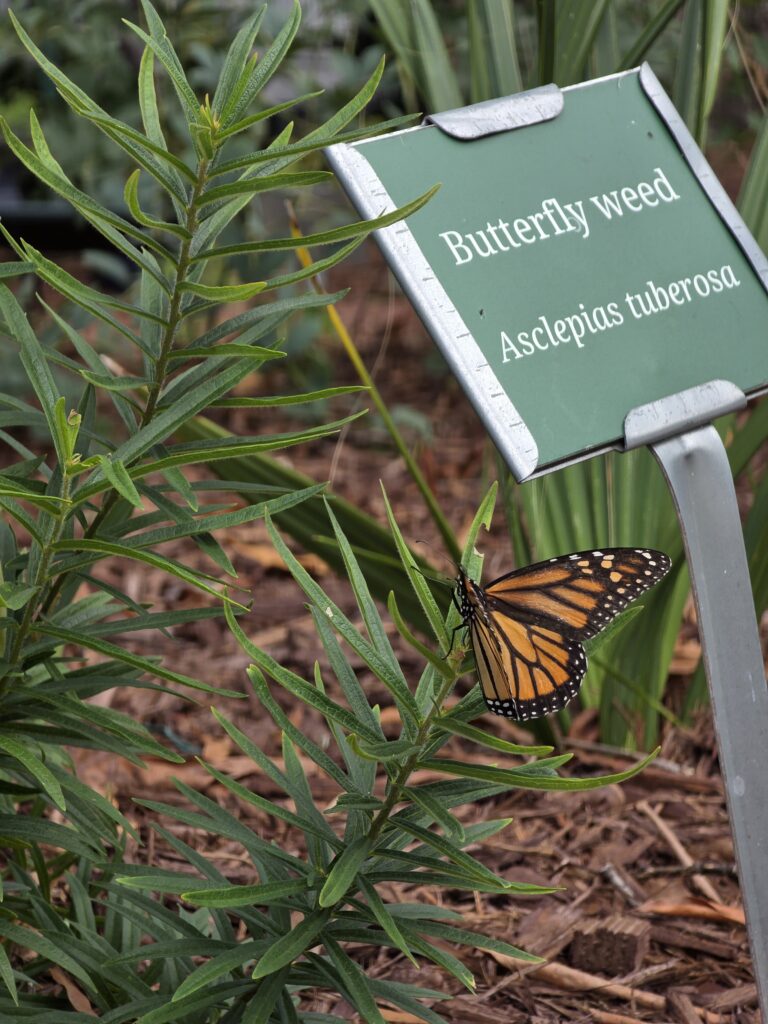
Three natives planted for monarch larvae are swamp milkweed, Asclepias incarnata; common milkweed, A. syriaca; and butterfly weed, A. tuberosa.
Passionvine, Passiflora incarnata, is deliberately planted in containers to keep it from spreading across the landscape via its underground rhizomatous roots and taking over the garden. The vine hosts the eggs and larvae of gulf fritillary and variegated fritillary butterflies.
A striking blue flowering perennial plant is false indigo, Baptisia australis. Native Americans and early colonists used the flower to produce a blue dye before the Asian indigo, aka true indigo, Indigofera tinctoria, was introduced to America.
False indigo is a host plant to many butterflies such as orange sulphur, clouded sulphur, frosted elfin, eastern tailed blue, hoary edge, and wild indigo duskywing.
Common yarrow, Achillea millefolium, is a flower attracting an incredible number of pollinators because of the design of the flower face. The nectar that bees and butterflies need is easy to access on the broad flat flower face making for perfect landing and feeding platforms. Insects can stay still and sip from the many tiny florets. American lady, checkerspots, fritillaries, hairstreaks, skippers, and sulphurs visit yarrow for nectar.
Common St. John’s Wort, Hypericum perforatum, is a host plant to the larvae of the gray hairstreak butterfly. Female azure butterflies lay their eggs on the flower buds and the caterpillars eat the flower parts and developing fruits. The plant also hosts moths like the wavylined emerald, scallop moth, and gray half-spot moth.
Coreopsis ‘Moonbeam,’ Coreopsis verticillata, will start blooming from mid-summer all the way until the first hard frost. Something to consider when planting a pollinator garden is to select a palette of plants for spring, summer, and autumn bloom.
Two varieties of blueberries grow in the pollinator garden: Vacinnium darrowii ‘Rosa’s Blush’ and Vacinnium x Perpetua. Planting blueberries in the garden creates a mutually beneficial relationship between the plants and pollinators. Blueberry flowers provide spring nectar for native bees and the bees perform “buzz pollination” to ensure a large, healthy harvest.
Visit the SCWF downtown pollinator garden to view the entire garden and take home ideas for your landscape.
Published in the Columbia Star on May 28, 2026 – https://www.thecolumbiastar.com/articles/columbias-downtown-pollinator-garden/
SCWF staff, partners, and volunteers recently joined together to install five pollinator gardens throughout the state – talk about busy bees!
As development increases, the resulting habitat loss is a major challenge that affects many pollinator species in South Carolina. Pollinator gardens provide pollinators and other wildlife with critical habitat that can beautify any space, increase native biodiversity, increase pollination services and biological control of pest insects, and provide community engagement and learning opportunities.
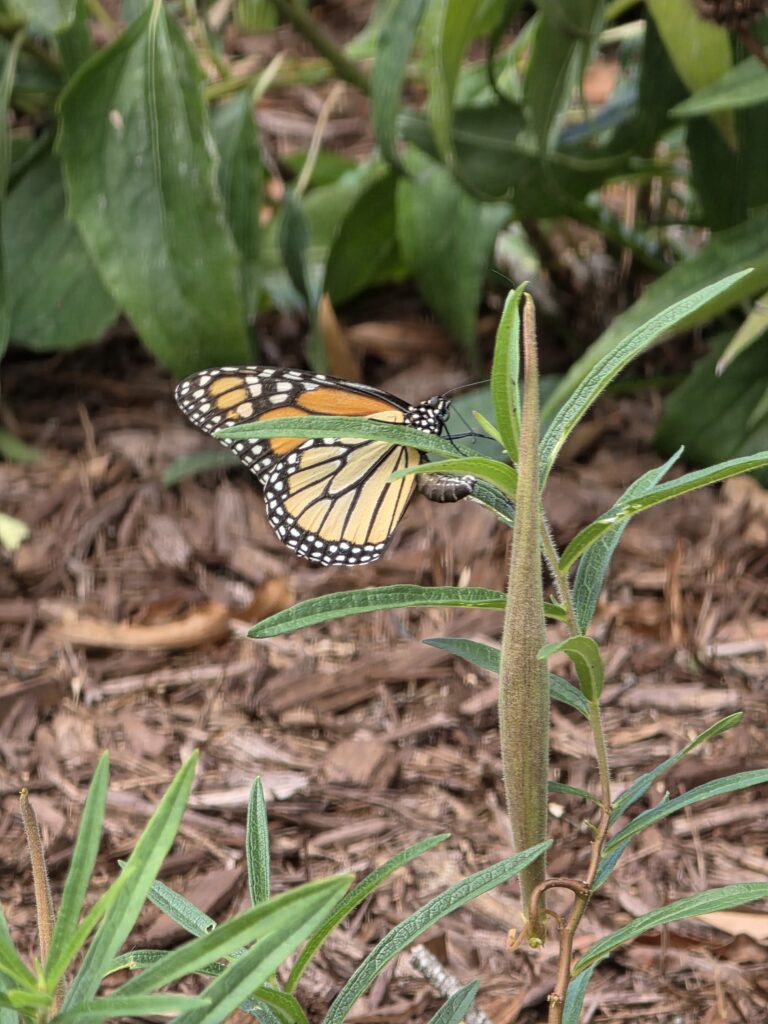
These gardens create and enhance habitat for pollinators and other wildlife by incorporating native flowering plants, which are important sources of food and shelter for bees, butterflies, and countless other species. Native plants are adapted to the region’s climate and require less watering, fertilizer, and use of pesticides. Pollinators also require specific native host plants which provide nutrition and habitat to their larval and adult stages. Milkweed, the host plant for monarch butterflies, was planted in each garden to give the adult females a place to lay their eggs and to provide the caterpillars with a source of food.
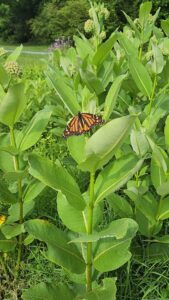
Monarch butterfly
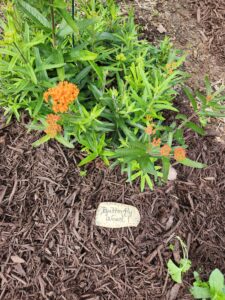
Butterfly weed
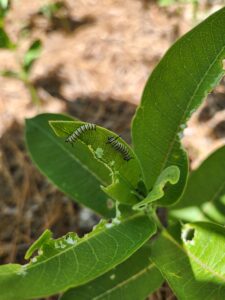
Monarch caterpillars on milkweed
By installing the gardens in public areas, they also serve as demonstration sites to allow community members to connect with imperiled pollinator species and play a part in conservation efforts by replicating the gardens at their own homes. Educational signage was also installed with each garden that displays information about pollinator species, their importance, and how native plant gardens help them.
The first garden installation took place at the Museum of York County, where museum staff and volunteers joined to plant a variety of native plant pathways that lead to spaces where nature-themed outdoor musical instruments will be installed late this summer, including a bumblebee, butterfly, firefly, dragonfly, and ladybug.The museum’s garden is also a Certified Wildlife Habitat, which provides natural sources of food, water, cover and places to raise young and is maintained in a sustainable way that incorporates native plants, conserves water, and does not rely on the use of pesticides. The museum received its certification in 2005 and also has created a Carolina Fence Garden.
The Catawba Nation is the only federally recognized tribe in South Carolina, and SCWF is honored to partner with the reservation’s Wildlife and Habitat Program on multiple conservation projects, including Project Prothonotary and the Pollinator Garden Project. At the Catawba Nation, reservation staff and volunteers helped to plant a variety of native plants for pollinators at the Cultural Center and at the preschool on the reservation.
The Catawba Bend Preserve is York County’s newest park, a 1,900-acre preserve in Rock Hill, spanning nearly five miles along the Catawba River. Operated by York County, the preserve offers a serene, natural escape focused on passive outdoor recreation and wildlife conservation. While the preserve is open and walkable, it is designed to be an evolving outdoor destination. Future amenities in various stages of development include mountain biking and disc golf courses, stocked fishing ponds and rebuilt earthen dams, the first mile of a paved, riverfront greenway, primitive tent camping, event spaces, and a motor coach park.
Anne Springs Close Greenway is a 2,100-acre nature preserve in Fort Mill, South Carolina. Dedicated in 1995, it protects native forests, lakes, and pastures from urban development, offering the public a natural escape for outdoor recreation and environmental education. The pollinator garden was installed with the help of staff from the Greenway and volunteers with the Catawba Master Naturalist Program, and it is located next to the Greenway’s Forest Playground. Bluestar (Amsonia) was chosen as one of the focal plants to honor the Greenway’s founder, Anne Springs, who was also a prominent South Carolina conservationist, philanthropist, and outdoor advocate.
To learn more about how to create your own pollinator garden, see our webpage for Enhancing Pollinator Habitat and be sure to follow along with us during the month of June, which is National Pollinator Month!
Savannah Jordan, SCWF’s Habitat Education Manager who led the project stated, “Each garden plays such an important role in providing and connecting habitat for pollinators. No matter how large or how small their size, each one makes a difference. To see pollinators like bees and butterflies checking out the plants right after we put them in the ground goes to show that if you plant them, they will come!”
Savannah Jordan, SCWF’s Habitat Education Manager, stands still as a butterfly lands on her hand, almost as if to say “thank you”!
SCWF would like to thank Skyline Design and Landscape for their assistance in the design and installation of the garden, as well as providing all the native plants and materials. SCWF is also grateful for the following partners and volunteers for their involvement: Anne Springs Close Greenway, Catawba Master Naturalist & Alumni group, Museum of York County, Catawba Bend Preserve, York County Parks & Rec, Catawba Indian Nation, and Landsford Canal State Park.
This project was made possible by Duke Energy’s Catawba-Wateree Habitat Enhancement Program.
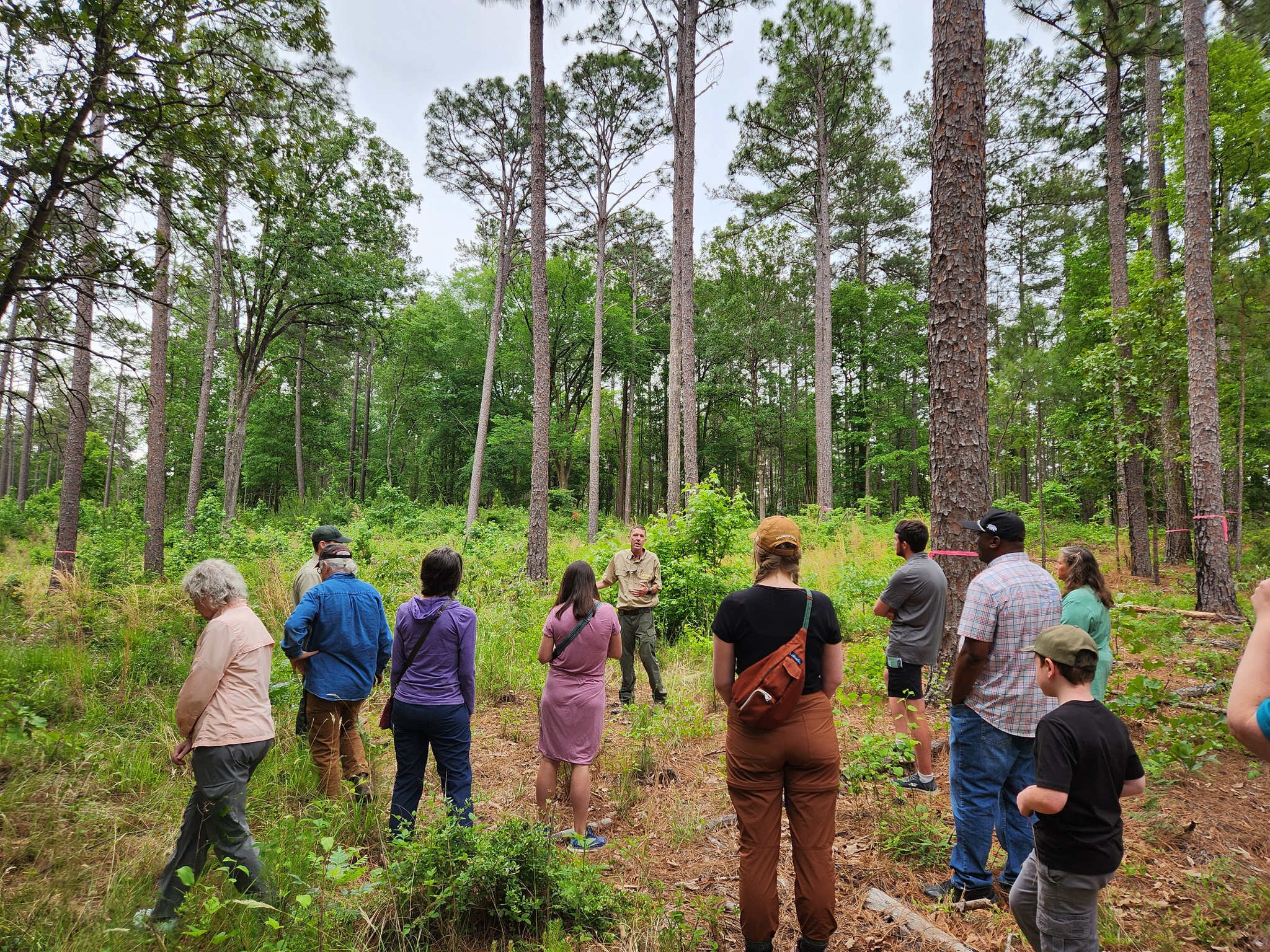
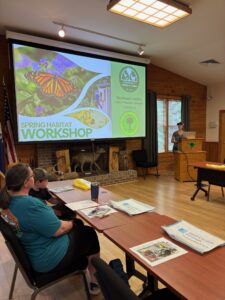
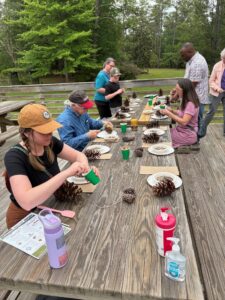
SCWF and the South Carolina Forestry Commission (SCFC) hosted a Spring Habitat Workshop on May 6th at Harbison State Forest. During this interactive workshop, participants learned how to create and enhance wildlife habitats by planting native plants, providing a water source, and adding feeders and nest boxes from SCWF Habitat Education Manager Savannah Jordan.
SCFC Environmental Program Manager Matt Schnabel led everyone on a tour of Harbison State Forest’s certified wildlife habitat garden and gave an overview presentation about SCFC. The event ended with a short hike, led by Manchester State Forest Director Daniel Tew, that included stops at three forested stands that show different management objectives and practices to teach people how forestry practices can affect and benefit wildlife populations. Learn more about how to certify your yard here!
Homeowners and NWF affiliates are fighting to change restrictive local landscaping laws in favor of native plants
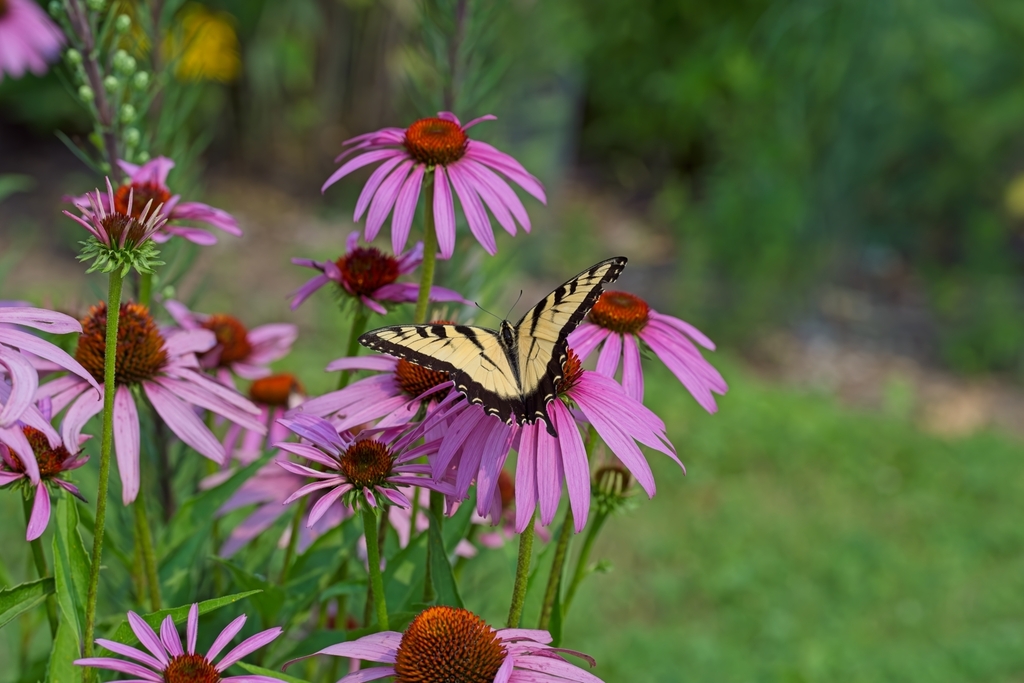
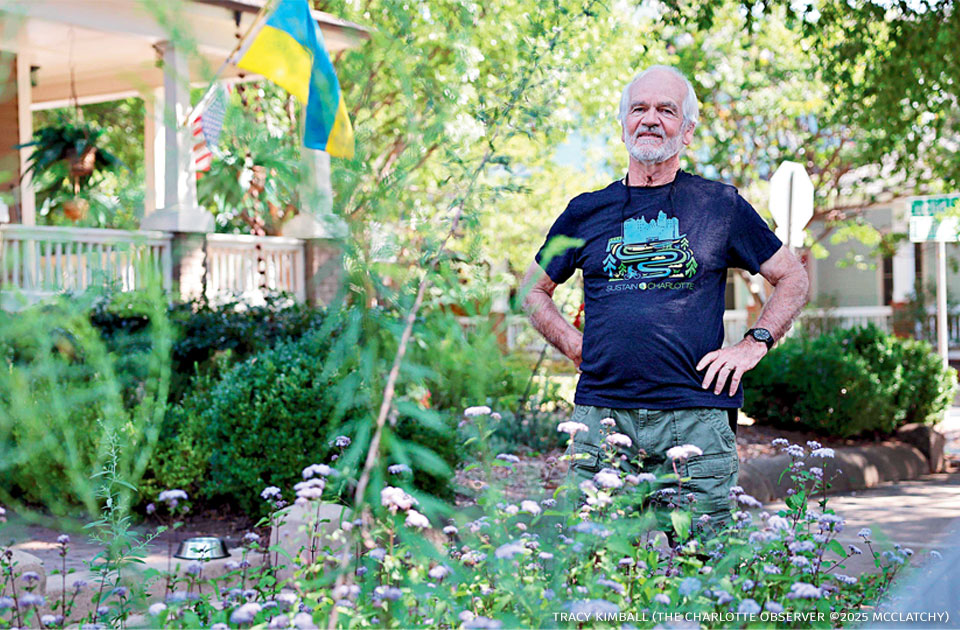
Lou Lesesne stands in his Charlotte, North Carolina, front yard (above), which brims with sundrops, coneflowers and other nectar-rich plants that support pollinators such as sweat bees.
FIVE YEARS AGO, when Lou Lesesne moved to a new house in Charlotte, North Carolina, he decided to “get rid of the grass and bring in the pollinators.” Today, his yard boasts expansive beds of ironweed, purple and cutleaf coneflower and other native plants that support native wildlife. “I like to do my part to help the birds and the insects find habitat,” Lesesne says.
This past June, however, Lesesne received a letter from the city of Charlotte warning him he was in violation of a property-maintenance code requiring homeowners to keep nonwoody plants shorter than 12 inches. The city told him to mow down his natural garden or pay a fine of up to $500.
His experience is hardly unique. Across the country, wildlife-friendly gardeners are running afoul of local laws that prioritize “nice, tidy green lawns that are mowed low to the ground,” says Patrick Fitzgerald, the National Wildlife Federation’s senior director of community habitat.
But thanks to advocacy efforts by homeowners like Lesesne—often in collaboration with NWF affiliates—such rules increasingly are being challenged and subsequently repealed or revised. “We’re seeing a lot of momentum to change local landscaping ordinances, especially as more people bump up against rules that don’t allow them to grow native plants,” Fitzgerald says.
Dating back to the early 1900s, municipal property maintenance ordinances are intended to keep neighborhoods looking cared for and neat. The rules often prohibit homeowners from growing nonwoody plants above a certain height, typically 10 to 12 inches. But that requirement stymies the efforts of gardeners who choose natural landscaping. Native plants can grow several feet high—and need to before they can flower and reseed. When mature, some of the ironweeds adorning Lesesne’s yard, for example, can stretch up to 10 feet tall. Allowing such plants to reach their full height provides the pollen, nectar, seeds and other food wildlife need, as well as vertical structure that creates habitat for a variety of species, from insects and birds to reptiles and amphibians.
When Lesesne received his citation, he contacted the North Carolina Wildlife Federation (NCWF), an NWF affiliate, for advice on how to save his native plants. He wasn’t the only one, and NCWF has been happy to help. Changing municipal ordinances to encourage natural landscaping is “commonsense conservation,” says Alden Picard, NCWF’s conservation coordinator, who has fielded dozens of calls, emails and visits from concerned native gardeners like Lesesne. “This is something everyone can get behind. It’s a gardening for wildlife campaign. It’s a campaign to let our milkweed, ironweed and joe-pye weed grow tall, flower and go to seed,” he says.
In July 2025, NCWF joined forces with six other local and state conservation groups to create the Coalition to Protect Our Urban Nature. The coalition successfully rallied residents of Charlotte to submit several hundred comments as well as attend public forums to lobby for exempting native gardens from the city’s vegetation-height requirement
Ed Murray, a Charlotte homeowner with more than 100 native plants in his yard, testified on behalf of the proposed change at a city council meeting in fall 2025. He framed native landscaping as a family issue that benefits children. “We live in a very urban area, so it’s not like you can drive 10 minutes and get a lot of biodiversity. But you can still have a place where your kids go out into the yard and see interesting things,” he says. Murray believes that interacting with the native plants, insects and birds in their yard gives his 4-year-old daughter “a significant leg up in understanding the way the world works.”
Charlotte Mayor Vi Lyles found such testimonies so convincing that, last October, she pledged to exempt native plant gardens from the vegetation-height requirement. This February, the city council approved the change, paving the way for homeowners in the nation’s 14th largest city to create more wildlife-friendly gardens.
Another North Carolina city, Winston-Salem, passed a similar ordinance in 2025. Next up, Murray hopes the Charlotte coalition sets its sights on requiring native plants—and prohibiting the planting of invasive species—on city-owned properties, a policy adopted by Greensboro, North Carolina, in 2024.
In South Carolina, another NWF affiliate, the South Carolina Wildlife Federation (SCWF), also is helping reshape rules in the state capital, Columbia, to help homeowners grow—not mow—native gardens. After hearing complaints that residents were being penalized for growing native plants, SCWF teamed up with the Gills Creek Watershed Association and the South Carolina Native Plant Society Midlands Chapter to lobby the city to change its property maintenance ordinance. In May 2025, Columbia amended its rules so that homeowners certified through a recognized program, such as NWF’s Certified Wildlife Habitat® program, can register their yard with the city to avoid fines.
“South Carolina is one of the fastest-growing states. It’s more important than ever that we are able to replace some of the habitat that’s removed when new neighborhoods are built,” says Sara Green, SCWF’s executive director. When homeowners re-create lost habitat by planting native gardens, she adds, it benefits at-risk wildlife, including songbirds and native pollinators. Green has received requests from several other NWF affiliates seeking to change their local landscaping rules.
To support such efforts, NWF published the Guide to Passing Wildlife-Friendly Property Maintenance Ordinances in 2021. “The National Wildlife Federation prioritizes landscaping ordinances because they represent a key lever for increasing native plant habitat in communities,” Fitzgerald says, adding that “there’s been a recent groundswell of interest in advancing local policy changes to benefit wildlife.” In the coming year, he says, NWF will survey its affiliates to assess local advocacy efforts underway, including which of them can be replicated elsewhere.
Legalizing protections for wildlife-friendly gardens at the city level “is a much better return on investment than trying to change rules one homeowners association at a time,” Picard says. “It’s time for local government to wake up, to move forward, so that we have monarchs and bumble bees and songbirds in our yards 50 years from now.”