
Keep South Carolina Wild
July 10, 2026
COLUMBIA, S.C. – As South Carolina continues to grow, wildlife experts say more people are likely to cross paths with the state’s largest land mammals, the black bear.
New neighborhoods and expanding developments are pushing farther into natural habitats, increasing the chances of bears wandering through residential areas in search of food.
While seeing a bear in your neighborhood can be startling, experts say there’s usually no reason to panic.
“Generally speaking, for what it’s worth, bear sightings are actually pretty rare,” said Howard Morrison, a park ranger with Sumter National Forest.
South Carolina is home to a healthy population of black bears. According to the South Carolina Department of Natural Resources, current sustaining populations exist in the Mountains/Upper Piedmont and Northern Coastal Counties.
But as more people move into the state, wildlife habitat continues to shrink, bringing humans and bears into closer contact.
“As new folks move into South Carolina, there’s new housing developments being built and that kind of thing. And that’s encroaching on habitat for all kinds of wildlife, but bears also,” said Sarah Green, Executive Director of the South Carolina Wildlife Federation.
Wildlife experts say bears wandering through neighborhoods are often just passing through. The biggest factor that keeps them returning is easy access to food.
“The bears that happen to be around developed areas, that’s where people have food. That’s where they may be cooking. That’s where they may be camping. There are a lot of things that smell like items that a bear might want to try to eat,” said Morrison.
Morrison says that’s because bears living near developed areas can begin associating people with an easy meal if they’re repeatedly rewarded with access to food or garbage.
“A lot of folks are scared of bears. We see a bear coming into our campground. A lot of folks, their first inclination is to run away and abandon everything that you’ve got sitting there. That’s what the bears are there for in the first place, because they’re not there for us. They’re there for our stuff. And if we allow them that access and that kind of reward, that’s when they get conditioned,” said Morrison.
He says if bears are not able to reach food left behind by people, they’re less likely to develop that association.
Experts say homeowners can reduce the chances of attracting bears by removing food sources around their property. They recommend:
“Bears have an incredible sense of smell. And so, they can smell your backyard grilling and things like that. And will come into areas looking for food,” Green said.
If you encounter a black bear, experts recommend:
Black bear attacks in South Carolina are extremely rare, and experts say the animals generally want to avoid people.
“Be respectful of the wildlife in their home and just enjoy seeing them when you get the opportunity.” Morrison said.
Morrison recommends heading to bearwise.org for more information. He says it’s not an agency site, but it is one that he often refers people to when they inquire about home and outdoor safety.
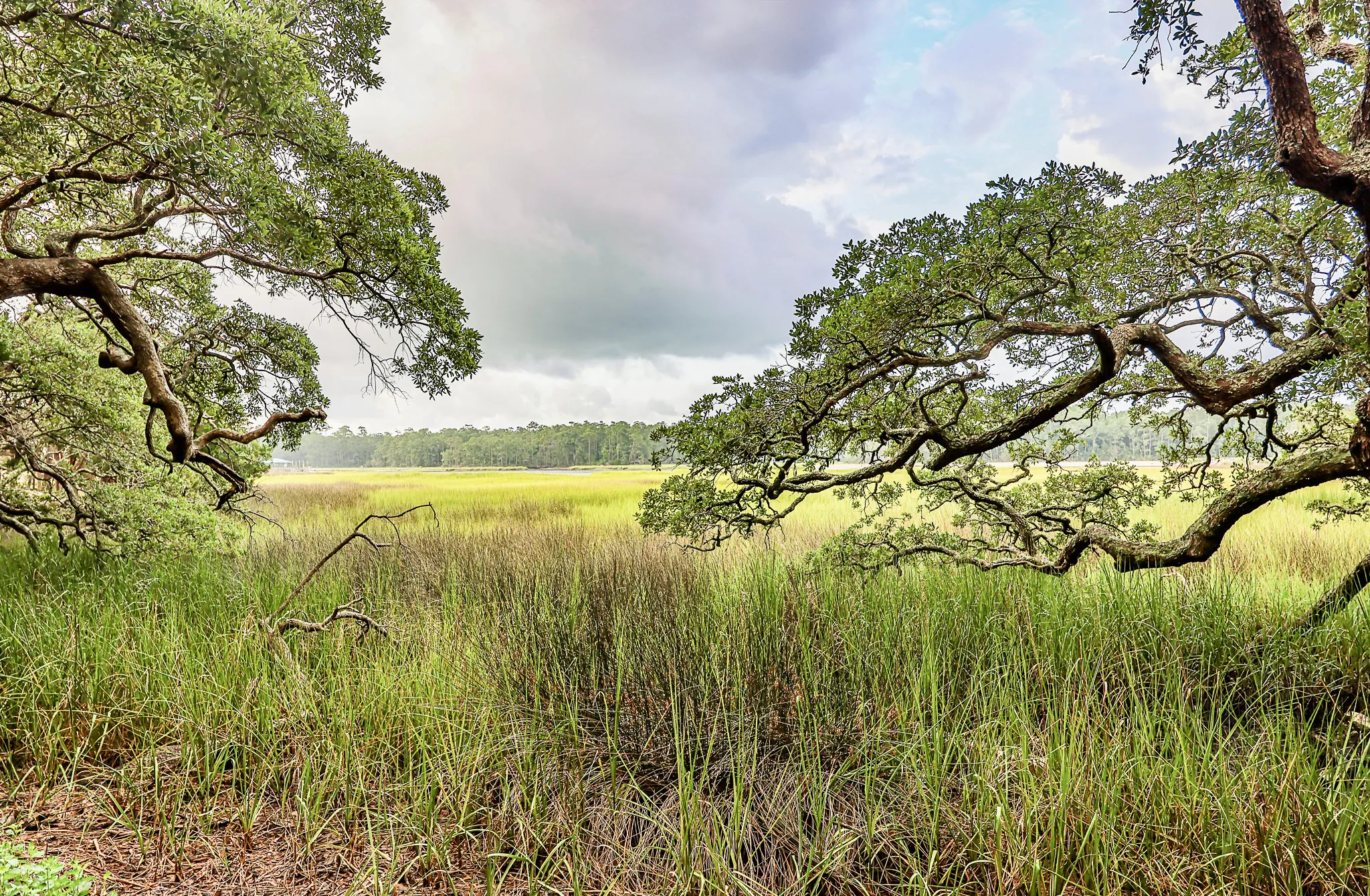
Check out the South Carolina Conservation Coalition's second webinar all about wetlands, their benefits, and how we can help preserve them as they face new threats. Wetlands play crucial roles...
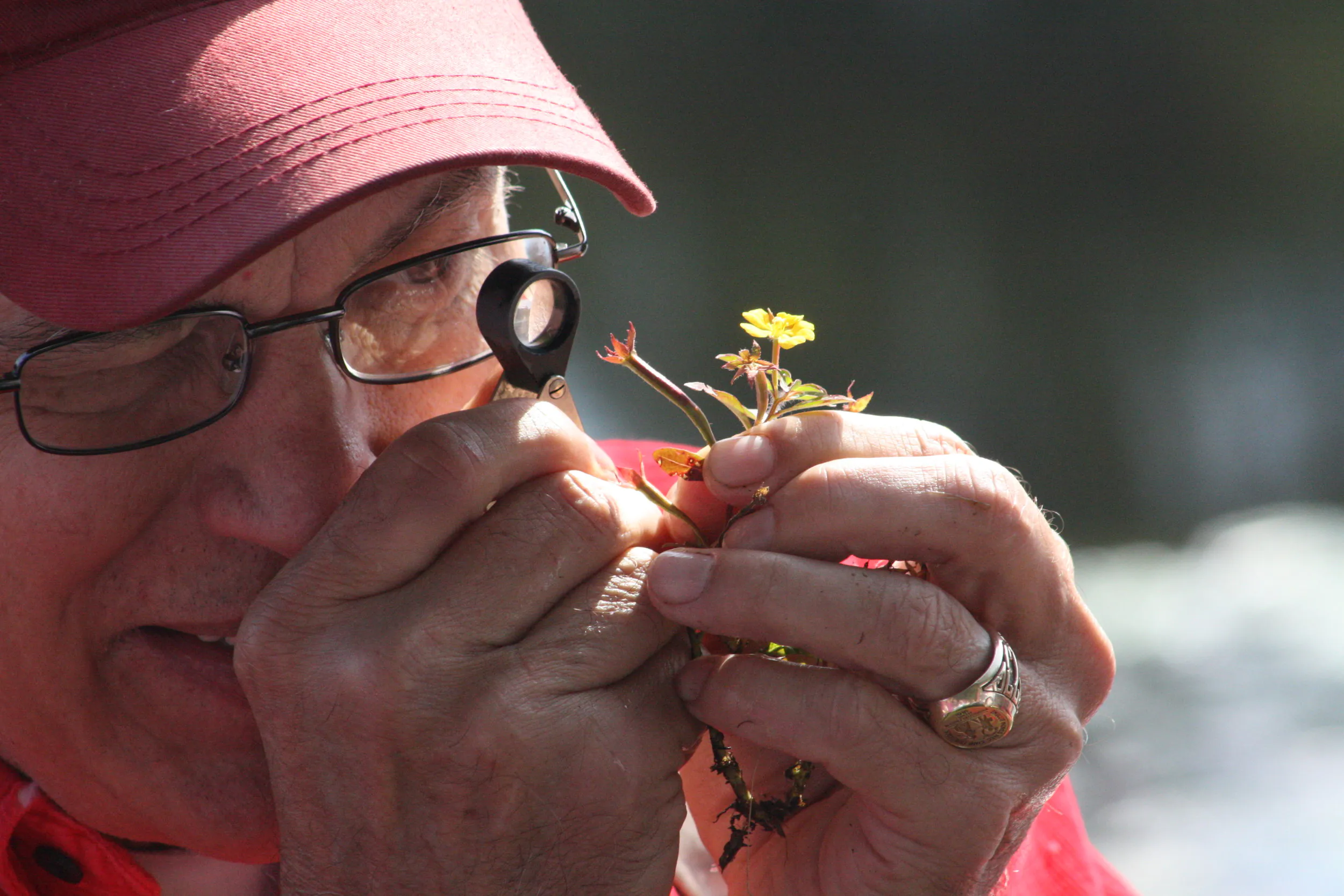
Our Autumn Botany class at Sesqui was a great success! SCWF's newest instructor, Dr. John Nelson of the USC Herbarium, shared his expertise and his passion with our group of...
August News & Updates from SCWF Our August is off to a strong start! We had a successful online summer auction, our free education classes continue to serve the masses,...