Blog post by Allison Bugarin, SCWF Education and Outreach Manager.
We had an incredible day exploring Huntington Beach State Park together! Winter birding along South Carolina’s coast never disappoints, but this trip delivered something truly special.
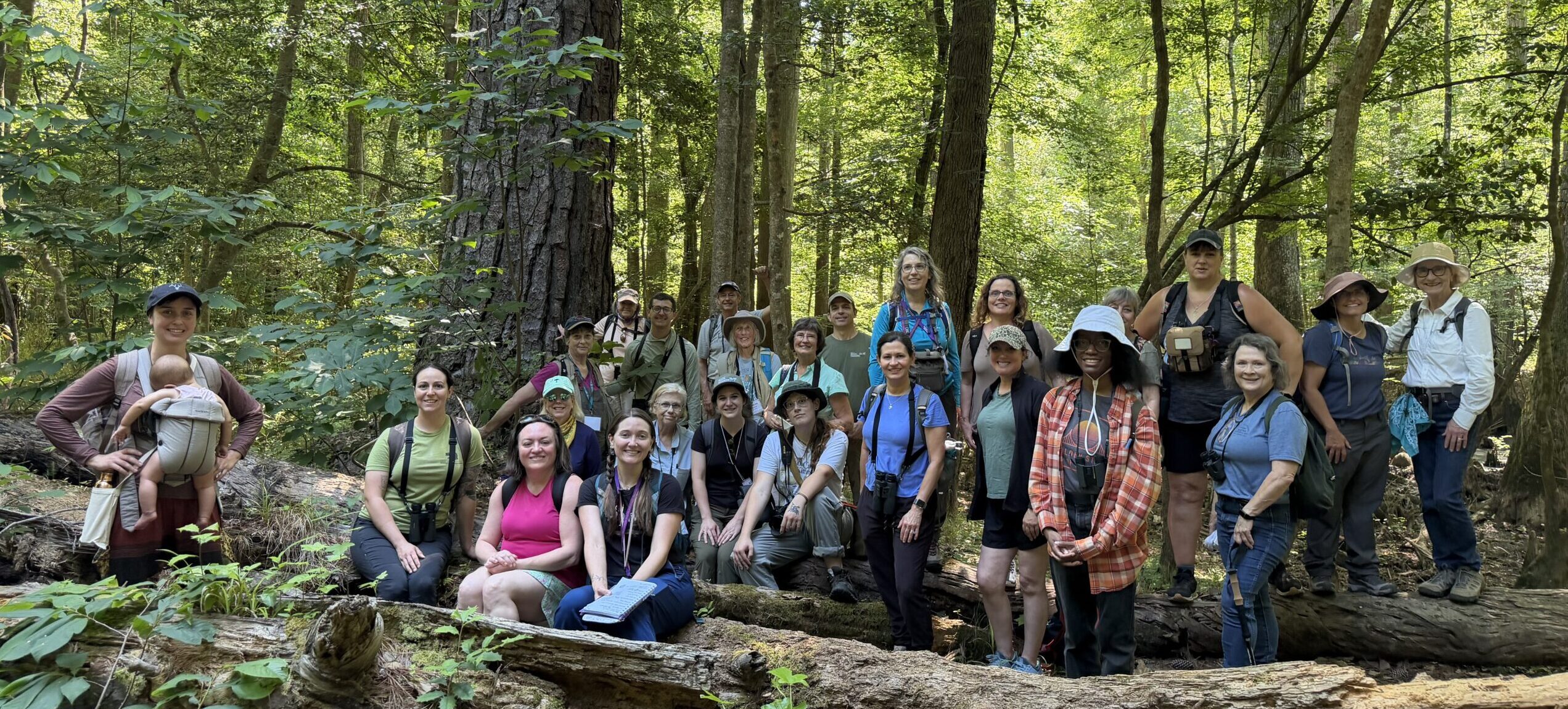
From the moment we stepped onto the woods to the last views leaving the park, we were surrounded by nonstop wildlife activity and unforgettable moments. Birds may have been our focus, but the park treated us to an outstanding mix of species—both feathered and not. We enjoyed amazing looks at saltmarsh sparrows! Some other species that we got great looks at were common loons, American white pelicans, green-winged teal, and a beautifully camouflaged Wilson’s snipe.
Image caption: Saltmarsh sparrow taken by a class participant.
Image caption: American white pelican taken by a class participant.
Beyond the birds, we were also lucky to encounter several fantastic non-bird species. A green sea turtle surfaced near the jetty, offering an unforgettable moment for everyone watching. A couple of minks darted in and out of the rocks along the jetty, and one of the largest Atlantic ghost crabs I’ve seen made an appearance on the beach on our walk back from the jetty.
Image Caption: Wood stork by John Martin.
Image caption: Great blue heron photo taken by a class participant.
As if the day needed anything more, a few participants even caught a glimpse of a roosting Eastern Screech-Owl on their way out of the park! This was a perfect ending to an already magical outing.
Thanks to everyone’s sharp eyes and enthusiasm, we wrapped up the day with 79 species for the day. From waterfowl to songbirds, the diversity of habitats at Huntington Beach State Park gave us an incredible variety to enjoy.
Image caption: Wilson’s snipe by John Martin.
SCWF would like to say special thank you to Irvin Pitts for sharing his expertise and guidance throughout the trip. Birding alongside him was a rare treat, and we were incredibly fortunate to have his knowledge and sharp eyes with us for the day. Thank you to everyone who joined this trip. Your energy, curiosity, and camaraderie made the day truly memorable. I hope you enjoyed the experience as much as I did, and I can’t wait to see you again on our next adventure!
Image Credit: Atlantic ghost crab by Allison Bugarin.
This trip is part of our Palmetto ProBirder Program, which is at the heart of what we do at the South Carolina Wildlife Federation. By combining outdoor adventure, connection with others, and hands-on learning, we hope to inspire more people to become advocates for healthy wildlife habitats. Each time someone logs a bird sighting, plants a native plant, or supports conservation through a Duck Stamp or donation, it adds up to real and lasting change for the landscapes and species we love.
On the hunt: South Carolina is wild about game by Becky Lacy was published in the Charleston City Paper on November 13, 2025.
Be it deer, duck or quail, hundreds of thousands of South Carolinians hunt annually. It’s a way of life for many. And the vast majority of those who hunt do so for the meat.
Whether preparing duck in a restaurant kitchen or raising birds at the country’s largest quail farm, hunting is intrinsic for many in South Carolina.
A lifelong love of duck
River Hill, executive chef at Charleston’s Honeysuckle Rose, grew up in Florence where he spent a lot of time outside. Whether exploring the woods behind his house or fishing and camping at one of the area’s rivers, he loves the land.
“Connecting with nature has always been an integral part of my life,” he said. “My love of duck hunting started at a very young age as it was something that my dad and I did together. It almost felt like a special event.”
Image Credit: Early Teachings by Donna Brookshire.
Since duck season in South Carolina only lasts for about two months each year, he recalls spending most of the year looking forward to the next season. He and his dad would wake up at 4 a.m. and be in the woods an hour later, waiting for the ducks to fly over. Sometimes they would bring home ducks and prepare them for breakfast with bacon and cheddar grits. And sometimes they wouldn’t see a single bird fly. But the outcome didn’t matter.
“There’s something truly humbling about being immersed in nature, especially when everything is dark and quiet around you,” Hill said. “Even more so when you’re experiencing the moment with people you love. I learned it’s more important to appreciate the time spent together than what you’re trying to hunt.”
Image Credit: Minding our Business by Tammie Miller.
Now at the helm of the Honeysuckle Rose kitchen, he said he feels a great responsibility serving duck.
“I think, if you are going to take an animal’s life, you should pay it the respect it deserves by using every part of it,” Hill shared. “Since I started cooking, butchery has always interested me. Using technique and knowledge of anatomy, you can turn every part of an animal into an ingredient in a recipe that not only feeds people, but makes them happy.”
While breast and leg meat are the most frequently used parts of a duck, Hill said he finds creative ways to use the whole animal to make sure nothing goes to waste. One of his favorite parts of being a chef is getting imaginative with parts that people aren’t really used to eating.
He takes the liver and sweats it down with aromatics like shallot, garlic and thyme. He emulsifies it with cream and butter for a duck liver mousse. He then serves the mousse with a watermelon rind mostarda, grilled sourdough and fresh herbs. He also uses the neck to make a roulade and the feet and wings as the base of a flavorful stock in his duck confit and buttermilk dumplings dish.
While Hill can make magic out of any part of a duck, it is duck breast that he loves cooking most. He starts it in a cold cast iron pan and slowly renders the fat. Once the fat is mostly out and the skin starts to brown, he turns the heat up to crisp the skin before basting the duck in its own fat.
“Cooking duck breast is similar to cooking fish,” Hill said. “You want to do about 90% of the cooking on one side then flip it right at the end. After flipping, I throw in a good knob of butter, some thyme and a couple of smashed garlic cloves. As the butter browns and gets foamy, I keep basting. It adds so much flavor.”
Hill’s love of game is lifelong, both in the woods and in the kitchen. “I absolutely love working with wild game,” he said. “You can really taste the terroir and what the animal’s diet consisted of. A lot of people have certain preconceived notions about what wild game animals are going to taste like, and I love the challenge of presenting a wild game dish in a way that is approachable and delicious.”
Quail yeah
Manchester Farms outside of Columbia was founded in 1974 by Bill Odom. It was the first quail farm in the United States and today remains one of the largest quail producers in the country. The second-generation, family-owned farm is now owned and operated by Odom’s daughter and her husband, Brittney and Matt Miller.
Manchester raises Pharaoh quail, a breed that originated in Asia. These birds are adaptable to a farm environment and are less susceptible to disease. They grow from chick to full-sized adult in just five weeks, and the females can produce up to 300 eggs per year. Manchester breeds, hatches, raises and harvests around 3 million birds annually.
Image Credit: Someone Call Bobwhite by James Edwards.
“When my dad was asked to interview with a company in the early 1970s, they flew him to New Jersey,” said Brittney. “At the end of the interview, he asked ‘how long is your hunting season?’ They responded, ‘two weeks’ and he replied, ‘Thank you for your time and flew home.’
“That’s when my dad started Manchester Farms. He is an avid quail hunter and started dressing quail in our backyard for neighbors almost 55 years ago. Game and South Carolina are yin and yang. Much of South Carolina’s population is largely hunters or their family members hunt.
“Protecting the land from being overdeveloped to protect the nature and game of South Carolina is critical. Manchester Farms is deeply rooted with game as that is our heritage and our love for hunters and DNR (the S.C.Department of Natural Resources).”
Today, food service companies are big buyers of quail meat. Top-tier distributors like Sysco, US Foods, Shamrock and smaller specialty businesses carry Manchester Farms quail.
Due to the health benefits of quail eggs, there has been huge mainstream growth for the product. Quail eggs are rich in protein, vitamins (A, B12 and D) and minerals like iron, selenium and zinc. They also have antioxidants and essential fatty acids. All these components help boost immunity, strengthen bone health, regulate blood sugar and improve brain function and eye health. Quail eggs and meat truly are superfoods.
Quail season in South Carolina lasts from late fall and into winter, starting the Monday before Thanksgiving and running until March 1. While people still hunt wild quail, there are very few wild birds in the state. Manchester often ships frozen quail to hunting camps to serve to guests so hunters can take home any wild birds they shoot.
Quail is versatile in the kitchen. While fried quail is very popular, you can also grill, bake and sauté it, similar to how you would treat other poultry. And if cooking quail at home isn’t for you, Manchester Farms product can be found at some of Charleston’s best restaurants including The Glass Onion, Halls Chophouse, Husk and Lowland.
Conservation, education and licensing
Sara Green is the executive director of the South Carolina Wildlife Federation (SCWF), founded in 1931 by hunters and anglers who were concerned about the impact that humans were having on wildlife habitat. It’s the state’s oldest conservation group. Green worries that that the decline of any wildlife population is habitat loss. The clear-cutting of land as well as air and water pollution contribute to habitat loss, and SCWF actively works to conserve land and enhance wildlife habitat.
Photo of Sara Green by Ashley Medlin.
“In South Carolina, and across the country, sportsmen were responsible for starting the conservation movement and pressing for hunting regulations based on science to protect game species from over-harvest,” Green said. “Ensuring that future generations would also be able to hunt and fish was a major motivating factor.”
Green noted hunters still play a significant role in conservation efforts. They buy hunting licenses and tags, and pay taxes on related equipment, which means considerable funding for state wildlife management. This, in turn, supports habitat restoration, research and land acquisition for wildlife preservation. The impact from conservation dollars from hunters for habitat management far outweighs the harvests of individual animals, she said.
“Most South Carolina hunters are hunting for game species to use the meat to feed their families,” she said. “Deer, turkey and ducks are the main species hunted. [Hunters] greatly appreciate the opportunity to carry on a tradition that often goes back several generations, and also to connect with the land, notice the birds, squirrels and plants, observe the mist on the lake as the sun rises, and just experience the peace and serenity of nature.”
Duck and dumplings
Recipe by River Hill, executive chef, Honeysuckle Rose
Yield: 4 to 6 servings
3 cloves garlic, minced (reserve scrapes for stock)
In a cold, dry cast iron pan, add the duck breasts and place over medium-low heat, allowing the fat to render slowly.
When the skin begins to crisp, turn the heat up to medium high. Using a spoon, baste the breast in its own fat.
Flip the breast. Add butter and fresh herbs and baste until the internal temperature of the duck is around 135 degrees Fahrenheit, or until the skin is golden brown and crispy to
the touch.
Remove the duck from heat. Allow to rest until internal temperature reaches
145 degrees Fahrenheit. While the breast is resting, make the dumplings.
Chef’s note: 90% of the cooking will be done on the skin side. Once flipped, pay careful attention as to not overcook.
To make the dumplings
1 cup self-rising flour
¾ cups buttermilk
2 tablespoons fresh chives, finely chopped
1 tablespoon salt
1 teaspoon ground black pepper
In a large mixing bowl, add flour, buttermilk, chives, salt and pepper. Mix until all ingredients are fully incorporated.
To finish the dish
2 tablespoons Canola oil
2 Vidalia sweet onions, small diced
3 large carrots, peeled and small diced
3 ribs celery, small diced (reserve celery leaves for garnish)
In a stock pot or Dutch oven, add oil and put over medium heat.
Add diced onion, carrots and celery and sweat until onions are translucent,
but not browned.
Add garlic and sweat until soft, add chicken stock and bring to a simmer.
Using 2 spoons, scoop a spoon full of the dumpling dough and carefully place it into the simmering duck stock. Repeat this step, one dumpling at a time, until the surface of the pot is full and there’s no more space to drop the dumplings in.
Cover the pot and let the dumplings simmer for about 8 mins or until the dumplings are slightly firm but still pillowy.
Using a spoon, push dumplings to the side and make a hole to add pulled duck confit meat into the duck stock.
Remove pot from heat. Add salt and pepper, hot sauce and fresh lemon juice to taste.
To plate and serve
Using a ladle, spoon out some of the dumplings and duck confit from the pot into desired serving bowls.
Thinly slice the duck breasts. Layer four to five slices on one side of each bowl.
To finish, roughly chop the fine herbs and celery leaves and garnish your bowl of duck and dumplings to your liking.
We are happy to welcome four new members to the SCWF Board of Directors! Jim Lee, Rebecca Dominici, Brandon Dodson and Chris Heintze gathered recently with our staff and board leadership at the SCWF office in Columbia for Board Orientation. We are excited about the passion, experience, and skills that this group brings to our Board!
More details about our newest board members (pictured, left to right):
Jim Lee, Georgetown – recently retired from the South Carolina Department of Natural Resources after 42 years of service, most recently as the Education and Outreach Coordinator at the Tom Yawkey Wildlife Center in Georgetown.
Rebecca Dominici, Kingstree – Former Director of Marketing and Foundation Director at Williamsburg Regional Hospital, with years of experience in fundraising, marketing and community relations.
Brandon Dodson, Charleston – healthcare executive and strategic leader with experience in business development, stakeholder engagement, and operational growth.
Chris Heintze – District Extension Director for the Clemson University Cooperative Extension Service, oversees the Piedmont District staff and 9 county offices and has experience in both public and private industry throughout his career.
This past Sunday, we gathered at Bowens Island for our annual Oyster Roast Fundraiser, and it was a wonderful afternoon! Thank you to everyone who joined us to eat fresh, delicious oysters, have good conversations, and to support our mission to conserve and restore South Carolina’s wildlife and their habitat through education and advocacy. Because Bowen’s participates in SCDNR’s oyster shell recycling program, our used oyster shells will be returned to the environment to build new reefs.
Our staff was delighted to get to meet new friends of all ages and connect with long-time supporters who all came together for this important cause: wildlife conservation in our state.
Since Bowens Island is right on the marsh, our guests were treated to a beautiful backdrop filled with wildlife. During the afternoon, guests were able to see a bevy of birds including wood storks, boat-tailed grackles, ring-billed gulls, brown pelicans, snowy egrets, little blue herons, and white ibis, while anglers were fishing in the background. A few lucky attendees even spotted a family of dolphins! This picturesque day was a great reminder of the need to keep working together to protect South Carolina’s 350,000 acres of marsh because of its incredible biodiversity and the opportunities it provides for recreation and connection to nature.
We are grateful to our sponsors for helping us increase our impact for wildlife. All donations made to SCWF, including the proceeds from this event, stay right here in the state to help our local wildlife. We hope to see everyone again next year!
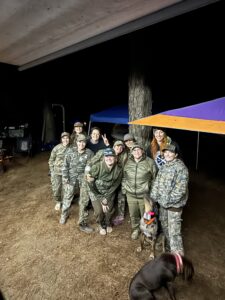
On Monday, October 13, fifteen women gathered at the Wateree Range for the POWR+ Handgun Orientation, a full day of learning and hands-on experience. This one-day workshop is part of the expanded Palmetto Outdoors Women’s Retreat (POWR) program, whose mission is to offer programs that provide women of all ages with the skills needed to participate in outdoor recreation. This class fits right into that mission to help women feel confident, capable, and connected to the outdoors. Whether learning to handle a firearm, identify native wildlife, or explore new outdoor skills, every POWR+ class builds community and self-assurance.
Designed for women with little to no handgun experience, the class provided a supportive, low-stress environment to learn safe firearm handling, basic techniques, and responsible range practices.
SSgt Ray Lewis and his fellow SCDNR Conservation Officers offered classroom instruction first. SSgt Lewis’ expertise and enthusiasm helped participants feel comfortable and confident.
After learning the fundamentals, participants had the opportunity to practice on the range, exploring different handguns and putting their new skills into action.
During lunch, SCWF’s Habitat Education Manager, Savannah Jordan, shared an engaging presentation on the native wildlife and plants found around the Wateree Range. Her talk highlighted the unique connection between conservation and recreation. This reminds everyone that being outdoors safely also means being aware of and appreciating the natural world around us.
A big thank-you also goes to the SCDNR Conservation Officers whose professionalism and encouragement made this class such an unforgettable experience.
The POWR+ Handgun Orientation was more than just a pre-CWP class. It was an empowering, hands-on introduction to firearm safety, confidence, and community. Events like this capture the heart of the POWR initiative: helping women build skills, confidence, and a lifelong connection to the outdoors.
Thank you to the National Shooting Sports Foundation for sponsoring this event! All participants received a safety vest, ear and eye protection, a stylish orange/camo Richardson hat, and lunch.
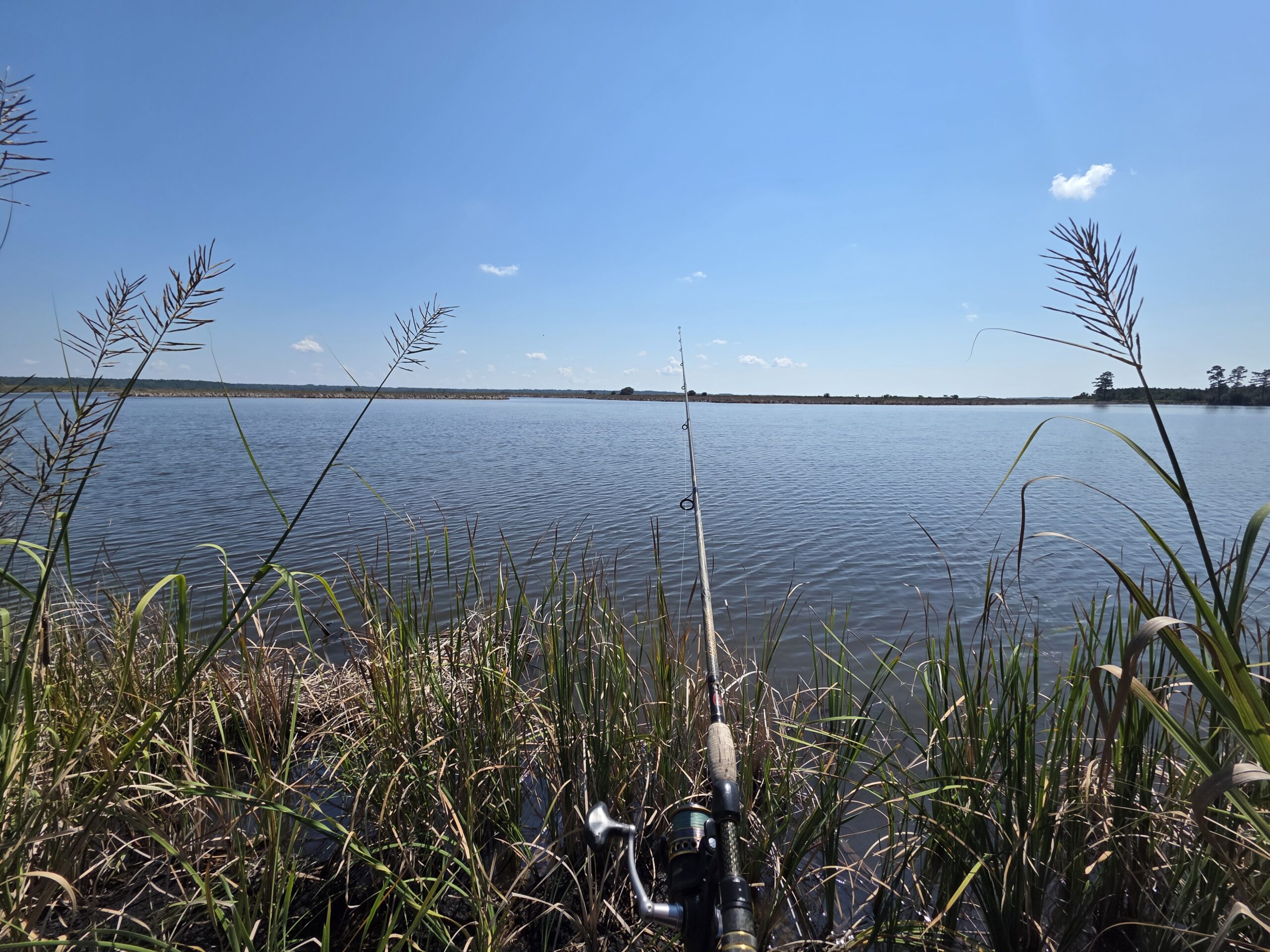
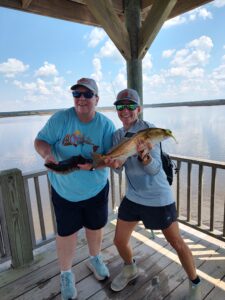
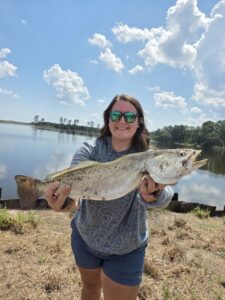
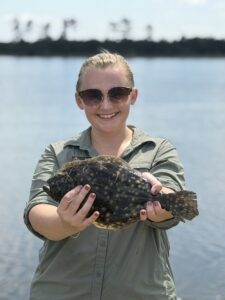
On a beautiful day at the Nemours Wildlife Foundation in Yemassee, SC, a group of passionate women anglers gathered for the POWR+ Inshore Fishing with Artificials class, led by the knowledgeable and engaging Captain Tanya Dowdy of Reel Chica Charters. This all-women event celebrated skill-building, confidence, and empowerment on the water.
The day kicked off with Captain Tanya Dowdy diving into everything anglers need to know. From soft plastics and hard baits to rods, reels, and all the little tricks that make fishing successful, her in-depth knowledge is impressive!
She walked everyone through rigging, casting, and presenting artificial lures so they’d actually catch fish. By the end of the morning, everyone was brimming with confidence and ready to put their new skills to work on the water!
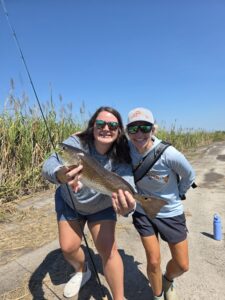
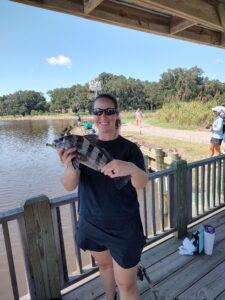
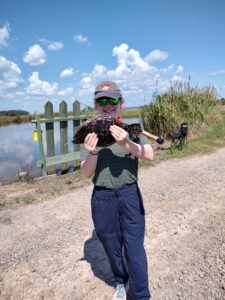
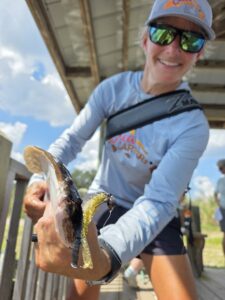
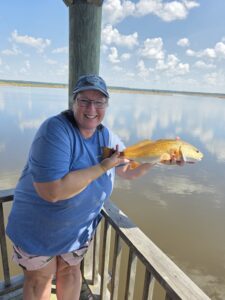
After a quick lunch generously provided by the American Sportfishing Association, everyone headed to the water to put their new skills to the test. The afternoon was filled with casting, reeling, and, most importantly, catching fish.
This class practiced catch and release techniques. The serene surroundings of Nemours Wildlife Foundation provided the perfect backdrop for learning and building confidence in a supportive, all-women environment.
The event also featured generous giveaways from sponsors like AFTCO, Angling Women, Haddrell’s Point Tackle, St. Croix, ZMan, Seviin, Reel Chica Charters, Palmetto State Armory and Yeti, ensuring participants left with new knowledge, confidence, and gear to continue their fishing journeys.
A huge thank you to Captain Tanya Dowdy for her expert instruction, to our sponsors for their generous support, and to the Nemours Wildlife Foundation for providing such a pristine location. This day not only strengthened fishing skills but also celebrated the power of women supporting women in the outdoors. It was a memorable day of learning, fishing, and community that had everyone saying—fish on!
This POWR+ class is part of SCWF’s Palmetto Outdoors Women Retreat or POWR series. Check out our events page for upcoming POWR+ events and more opportunities to hone your outdoor skills!
Allison Bugarin’s passion for the natural world began at an early age when she was found picking up snakes on her grandparents’ farm. Her early curiosity grew into a lifelong interest in learning about all aspects of wildlife, leading to her earning a bachelor’s degree in Fisheries, Wildlife, and Conservation Sciences from Oregon State University in 2025. She is excited to continue sharing her love of the outdoors and inspire others to discover the joy and wonder of the natural world around them in her new role as SCWF’s Education & Outreach Manager.
After serving over 10 years as a data analyst in the U.S. Air Force, Allison joined the South Carolina Wildlife Federation through the DoD SkillBridge program, where she was drawn to SCWF’s commitment to conservation through education, outreach, and community programs. Allison’s passion for birds began while she was in the U.S. Air Force when she had the opportunity to work alongside a biologist on a military base where she helped monitor red-cockaded woodpeckers. The experience sparked her love of birds and gave her hands-on knowledge that she has continued to strengthen ever since.
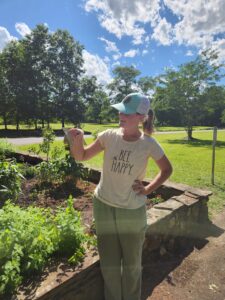
Watching SCWF’s efforts take root, whether in schools, native gardens, or community events, has deepened her passion for connecting people to the outdoors and ensuring that conservation work continues to grow.
In her free time, Allison enjoys birding, hiking, kayaking, spending time with her husband and dogs, gardening, and exploring nature.
We are very excited to announce the winners of the 2025 Plishing Challenge! For the second year in a row, Cyrus Rouggly was the winner for the overall number of fish caught. Taylor Campbell came on strong to win the litter portion of the challenge. Adam Mosher was this year’s random winner. Each of these grand prize winners will receive a $500 gift card to Palmetto State Armory!
We are truly grateful to everyone who participated in this year’s challenge. A combined total of 1,525 fish were caught (and most were released for extra points!), and 307 bags of litter were removed from waterways, creating a cleaner habitat for fish – and us humans! All those who logged fish or litter in the 2025 challenge will receive a small token of appreciation in the mail from SCWF.
We are very grateful to all of our sponsors for supporting our conservation initiative for the fourth year in a row! Thank you to Palmetto State Armory, Palmetto Pride, Angling Women, Local Boy Outfitters, FishRazr, AFTCO, and the South Carolina Department of Natural Resources. Your commitment to conservation allows SCWF to offer this wonderful event to promote clean waterways, conservation of our natural resources, and fishing fun.
“One reason this program is valuable is because it is accessible for all residents of our state. Also, because SCWF sends these seeds statewide, we are able to offer monarchs many options along their long journey!”
–Connor Chilton, 2025 Monarchs & Milkweed Program Lead
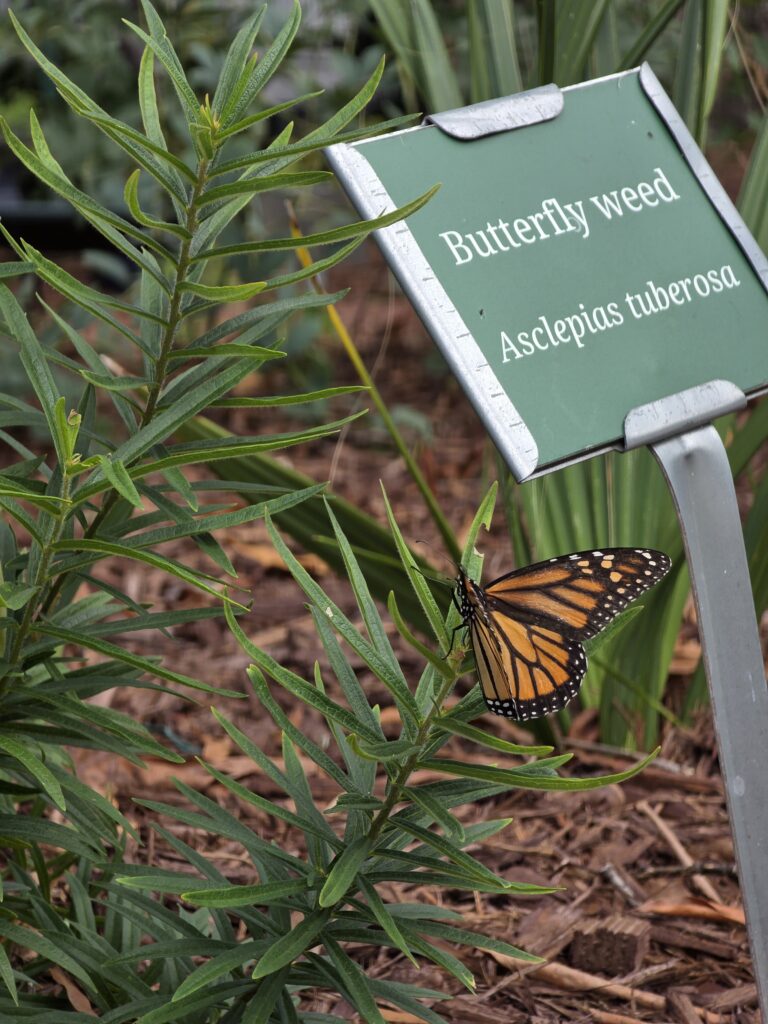
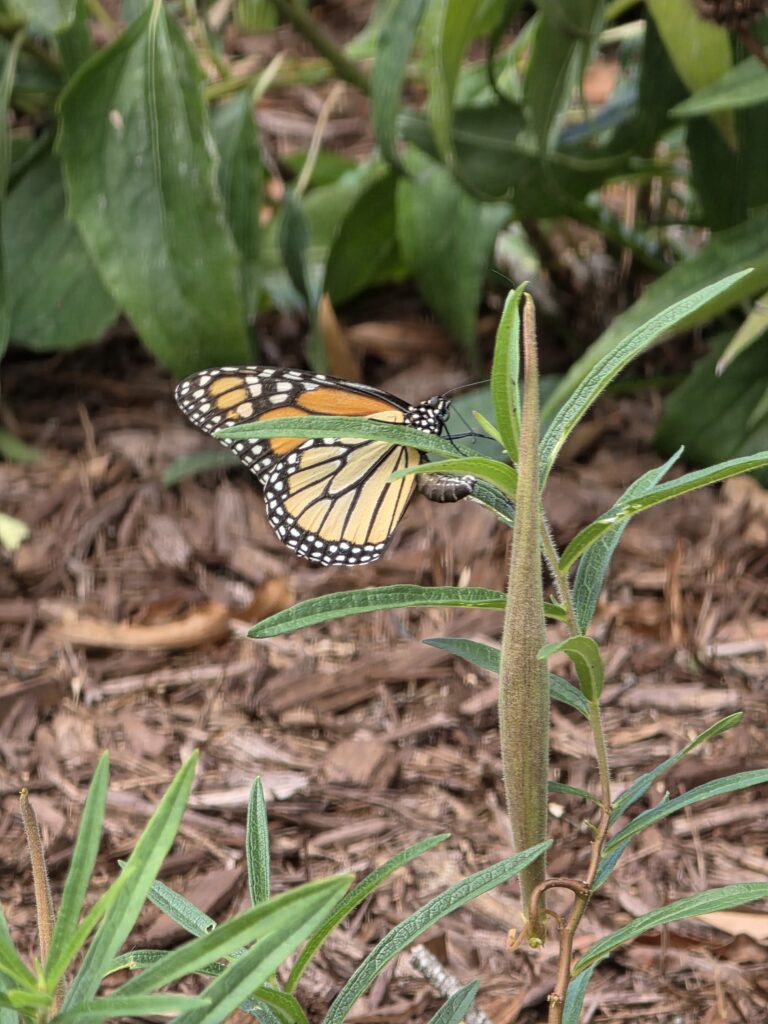
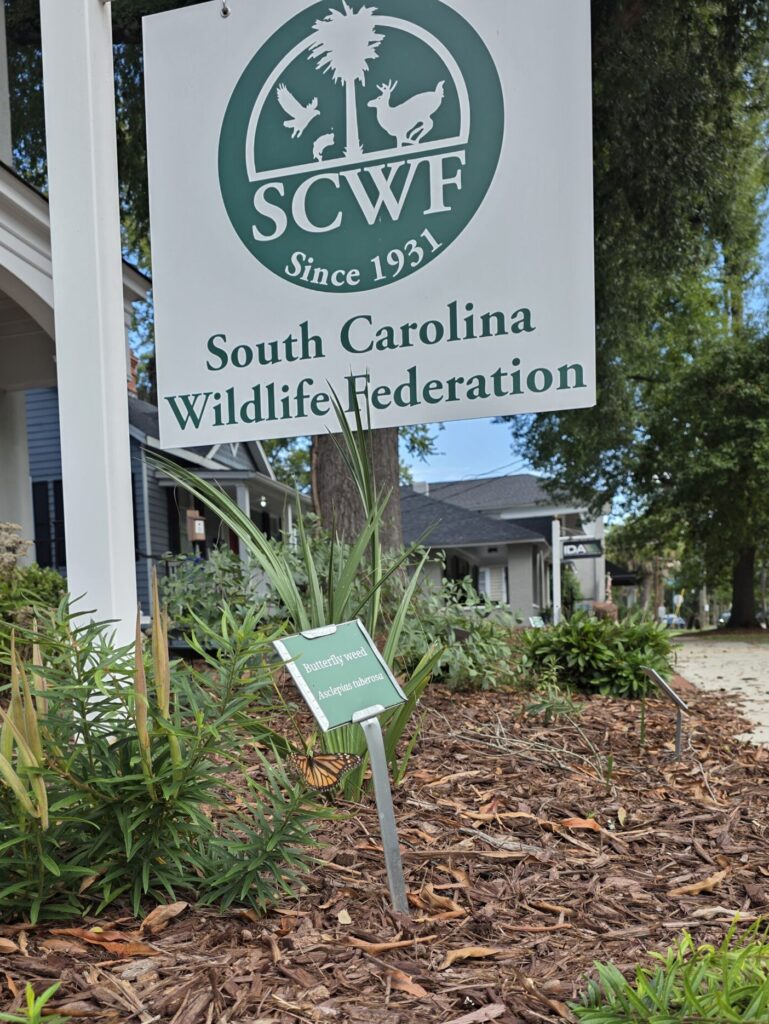
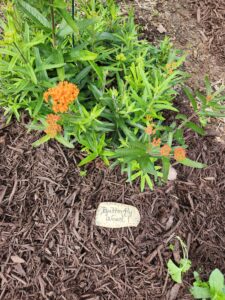
We are thrilled to announce the successful mailing of 5,000 packets of native milkweed seeds to residents across South Carolina, marking the tenth year of the Milkweed for Monarch’s Program! This program allows residents of our state to sign up to receive packets of free native milkweed seeds (Common, Swamp, & Butterfly Milkweed).
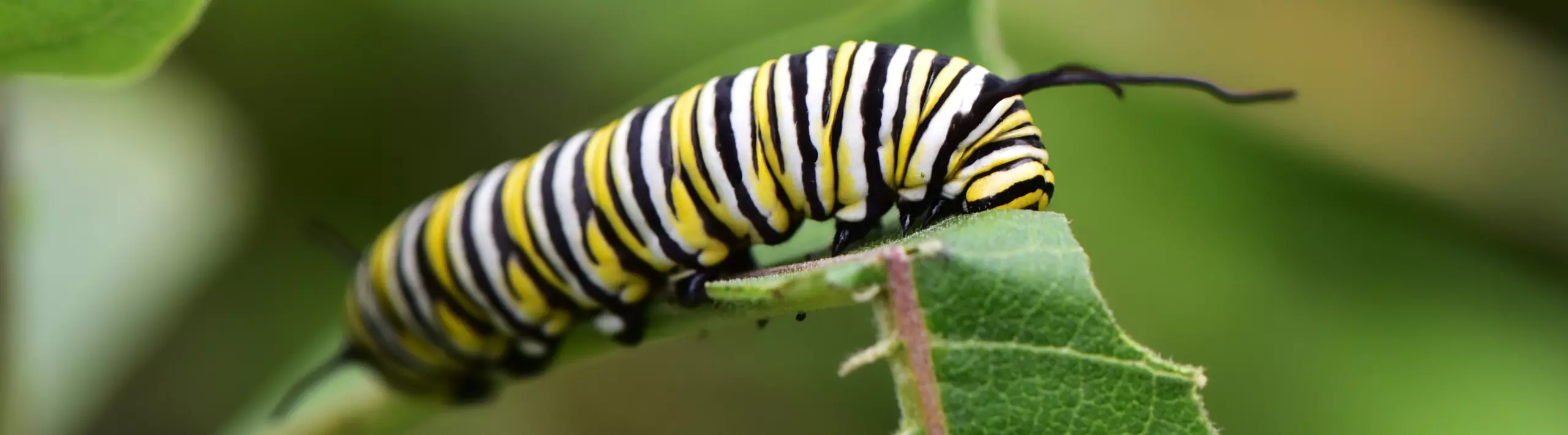
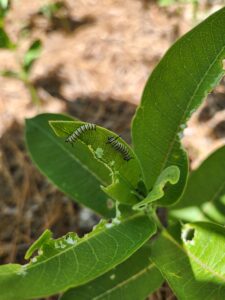
Because monarchs only lay eggs on milkweed plants, they must have native milkweed along their 3,000-mile journey to survive. Over the past twenty years, there has been a sharp decline in the monarch butterfly population along their normal migration routes from Canada to Mexico. During this time, these important pollinators have dwindled by almost 97 percent. Native milkweed plants, however, are the key to helping these iconic pollinators thrive.
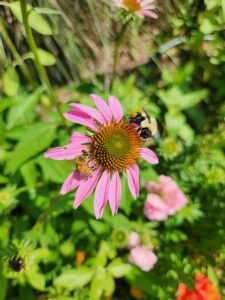
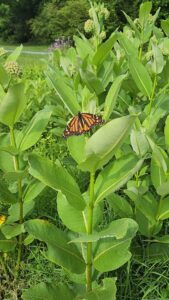
This program helps SCWF make a statewide impact for monarchs, and we are so grateful to every single person who signs up to receive a seed packet. We recently received some photos from our milkweed seed recipients, and that is one of our favorite parts of this project! If you have any photos of monarchs that you would like to share with us, you can email us at mail@scwf.org.
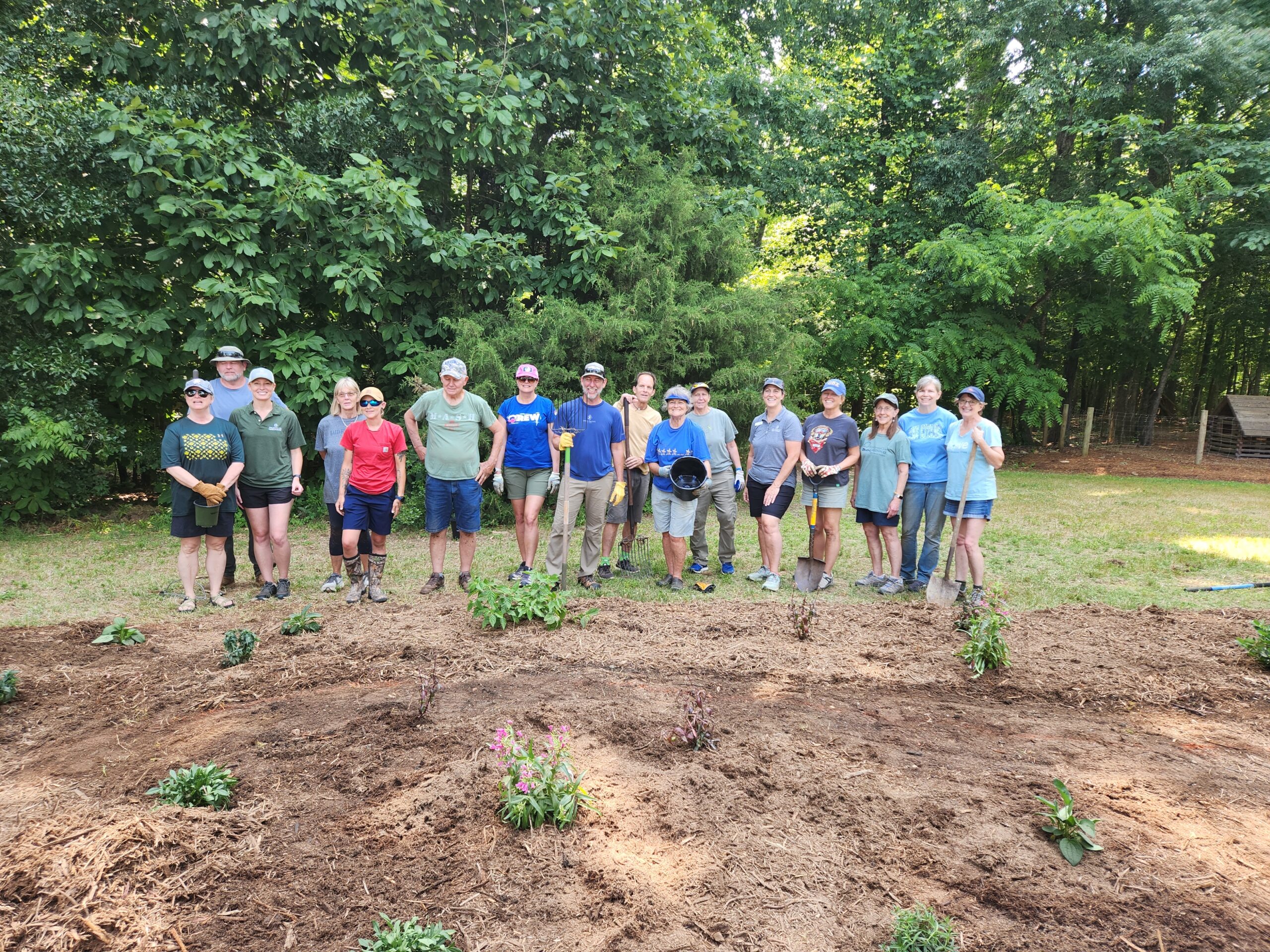
We are grateful to all the volunteers who have helped SCWF hand-mix and package the milkweed seeds.
Thank you to Comporium for sponsoring the 2025 Milkweed for Monarchs Project!
Finding motivated employees to enhance wildlife habitat, and connect with coworkers and the community, is critical for the success of the Wildlife And Industry Together or WAIT program. Luckily, such people stepped up to lead the program at our most recent WAIT partner, Shakespeare Columbia, located in Richland County.
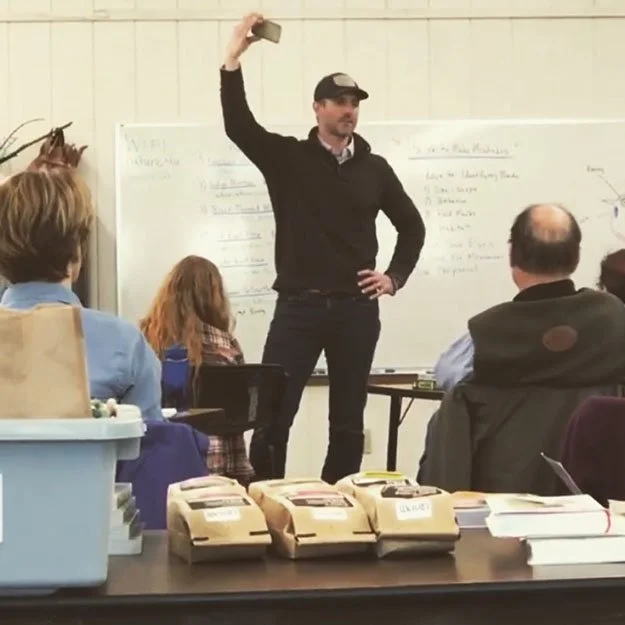
After recently teaching a lunch and learn about wildlife and conservation to over twenty employees, I learned about their plans to hold additional nature-related lunch and learns each year, as well as plans to have an iNaturalist ID competition, photo contest, and a Merlin Bird ID contest. In addition to educating employees, a small team will spend an afternoon each year discussing environmental career paths with students at Title 1 schools in the local community.
Image Credit: Andy Sagcal.
To further connect with the community, employees will also participate in litter sweeps in the area, the most recent being a successful river sweep in Cayce, SC. You can see the impact from that sweep in the picture below!
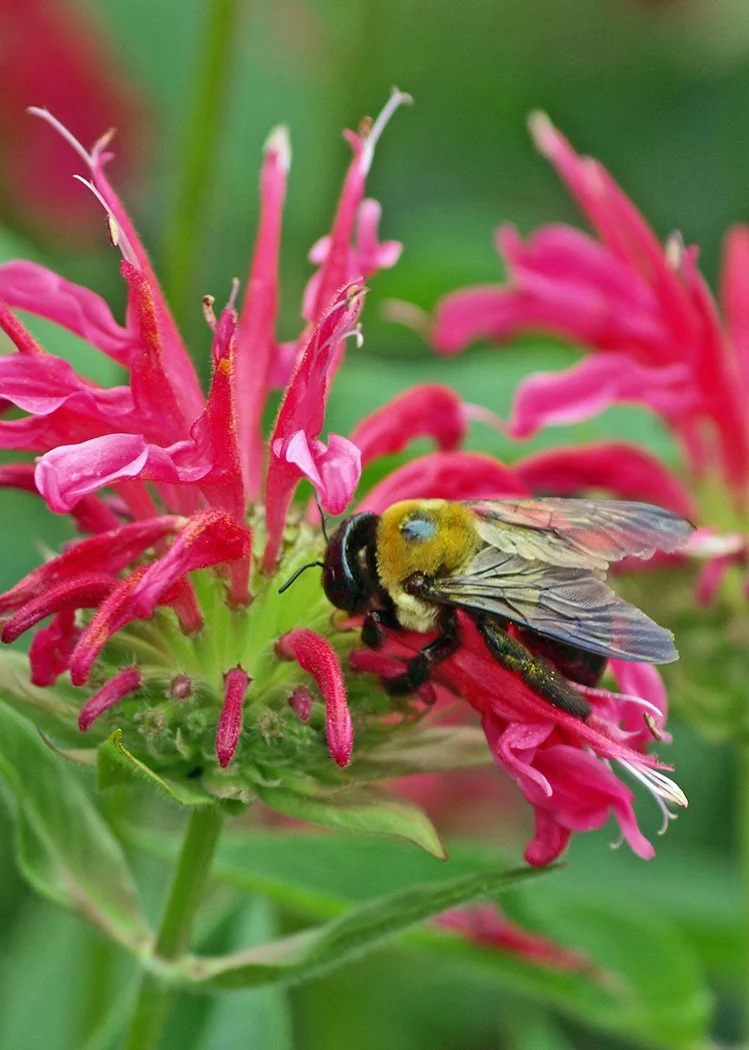
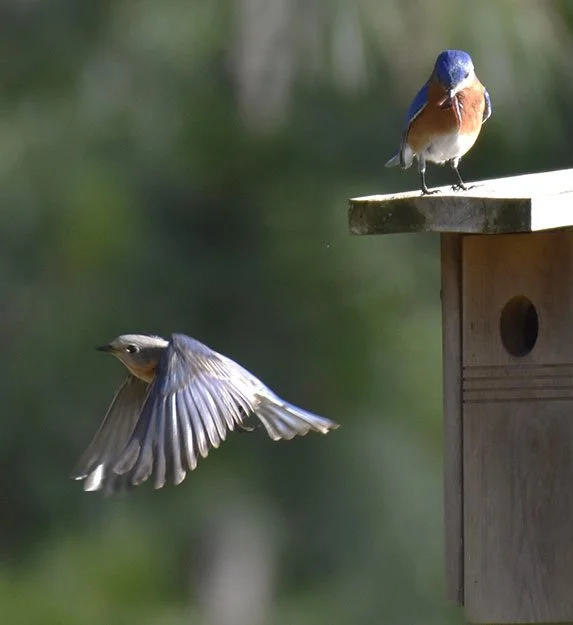
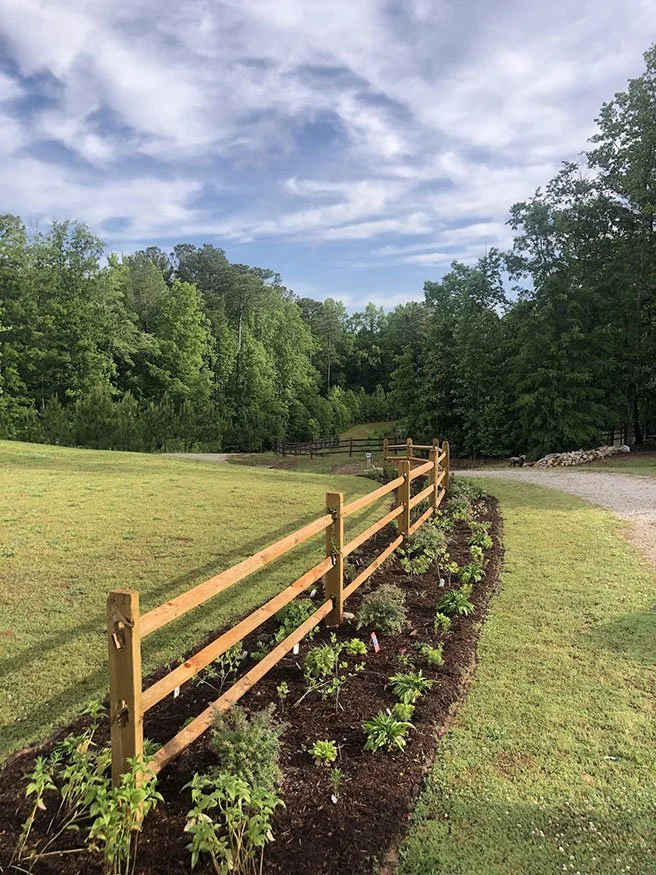
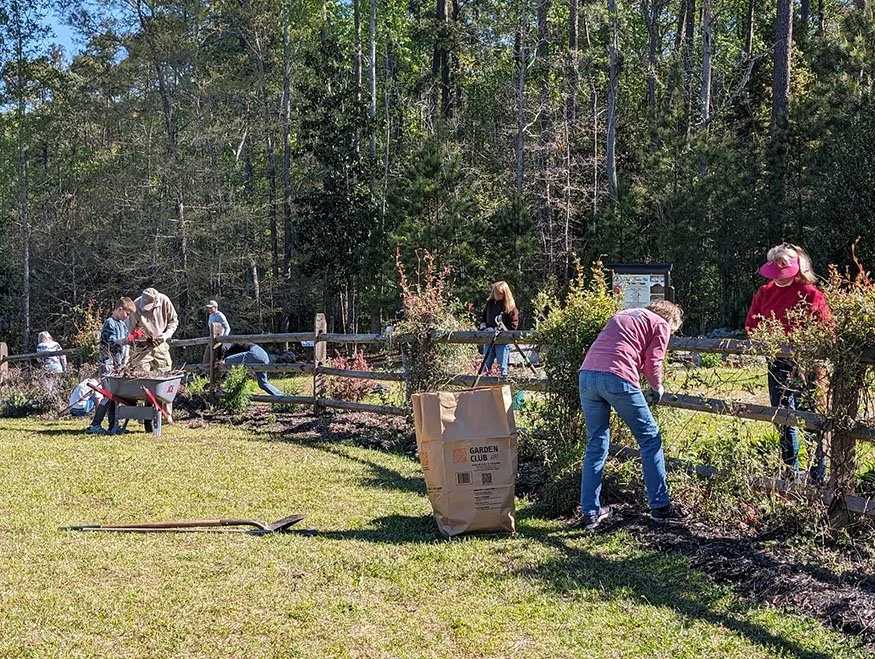
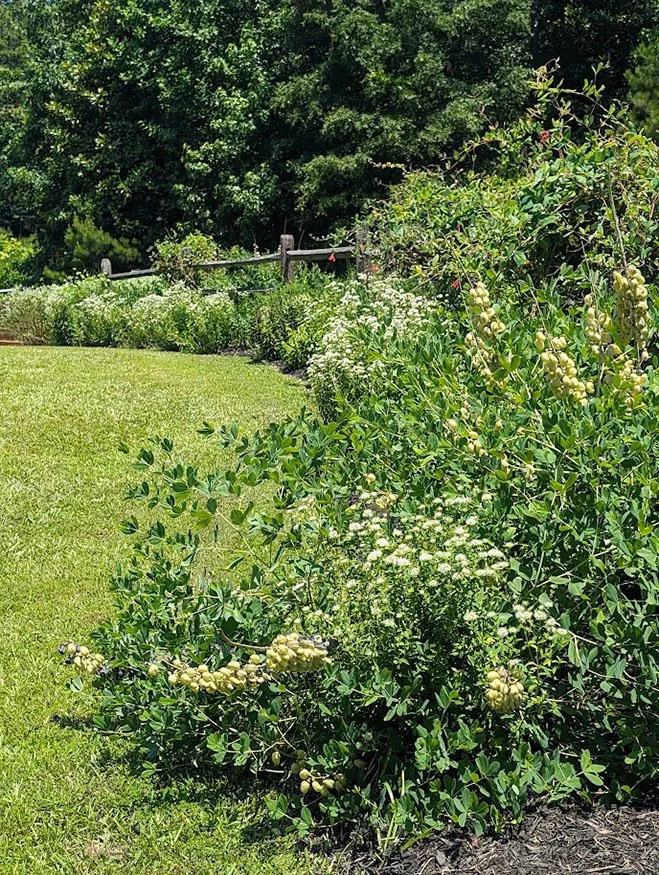
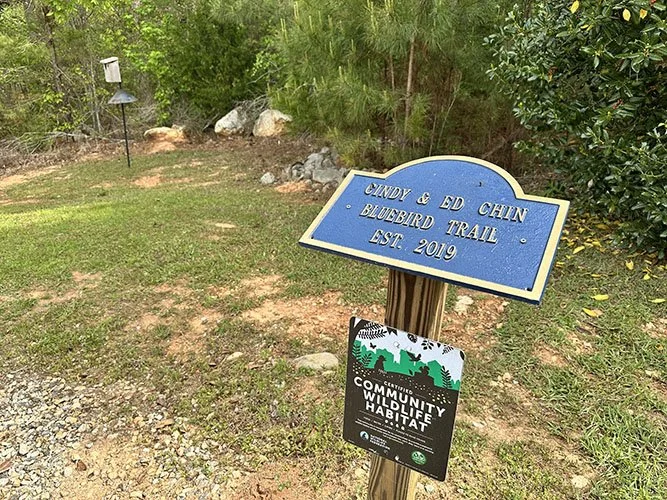
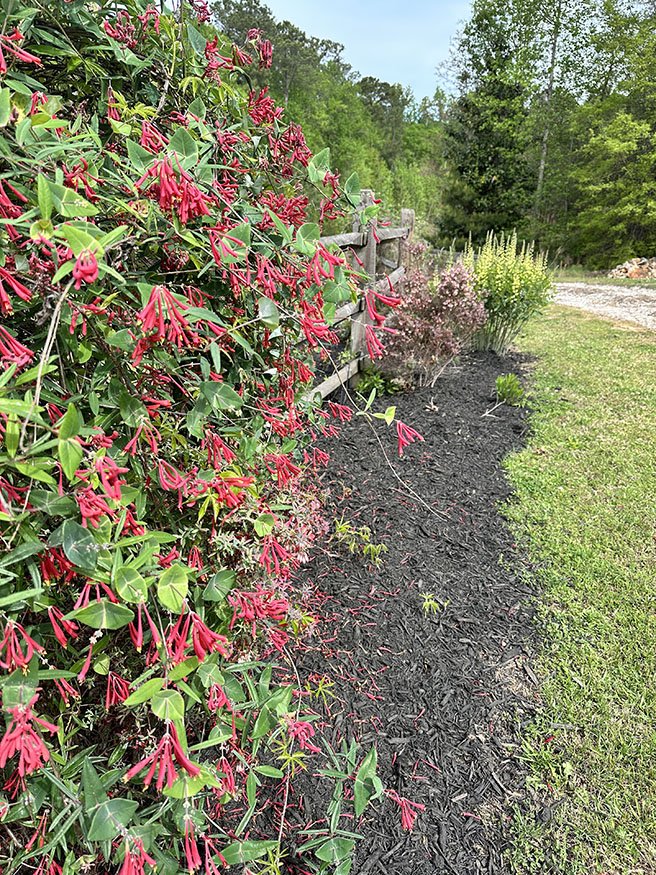
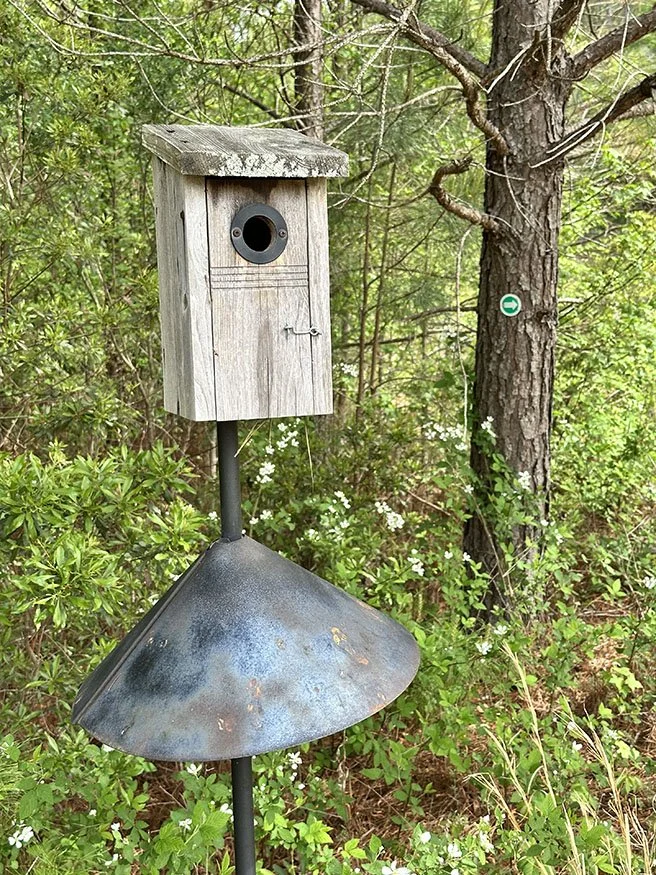
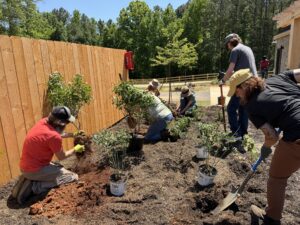
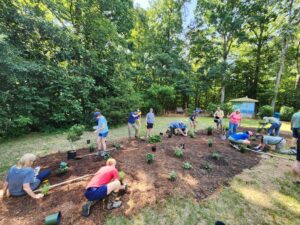
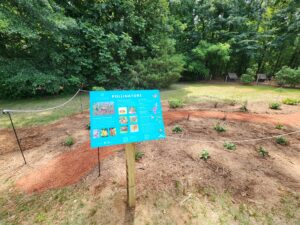
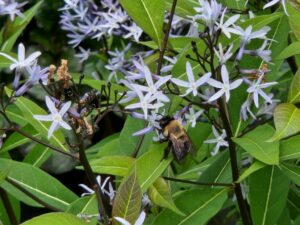
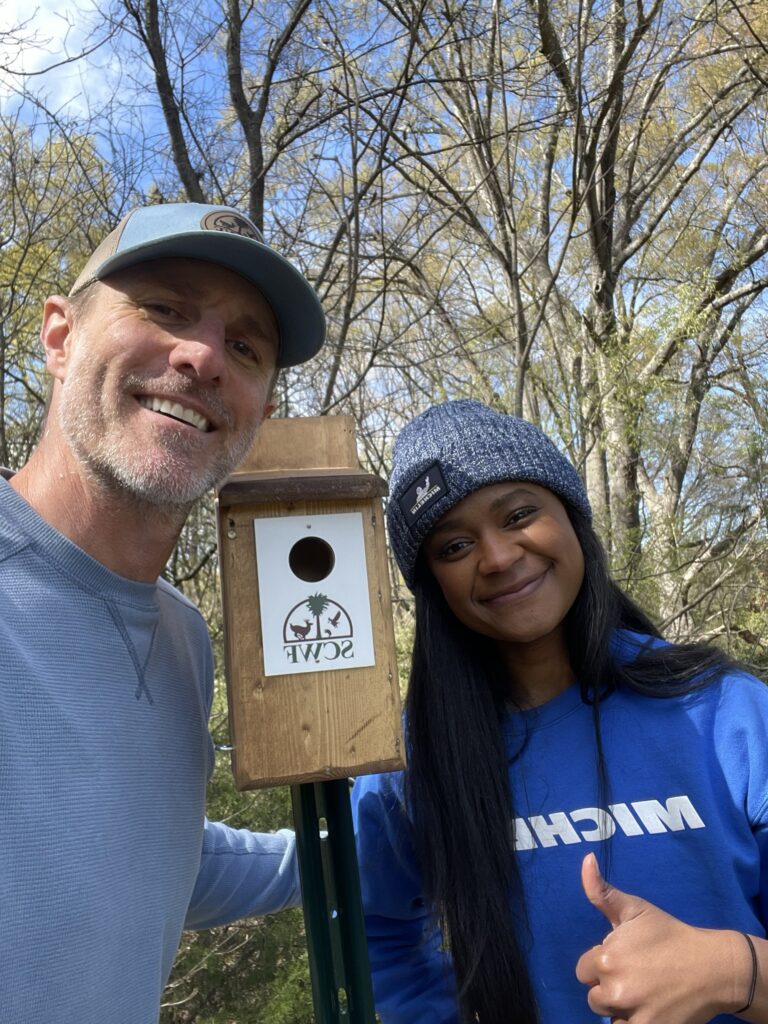
We are also proud of these employees for enhancing gardens with pollinator plants, installing Bluebird boxes, as well as developing plans to create a Carolina Fence Garden, which will continue to inspire employees to take a closer look at the natural world around them, and connect them to the planet’s smaller wonders, our pollinators!
Welcome aboard, Shakespeare Columbia, and thank you for doing such a great job connecting employees and the community to wildlife!
Why WAIT?
SCWF partners with conservation-minded businesses throughout the state who want to help wildlife thrive by enhancing their properties and providing educational opportunities for their employees and communities. Read more about the WAIT Program and how to join here.