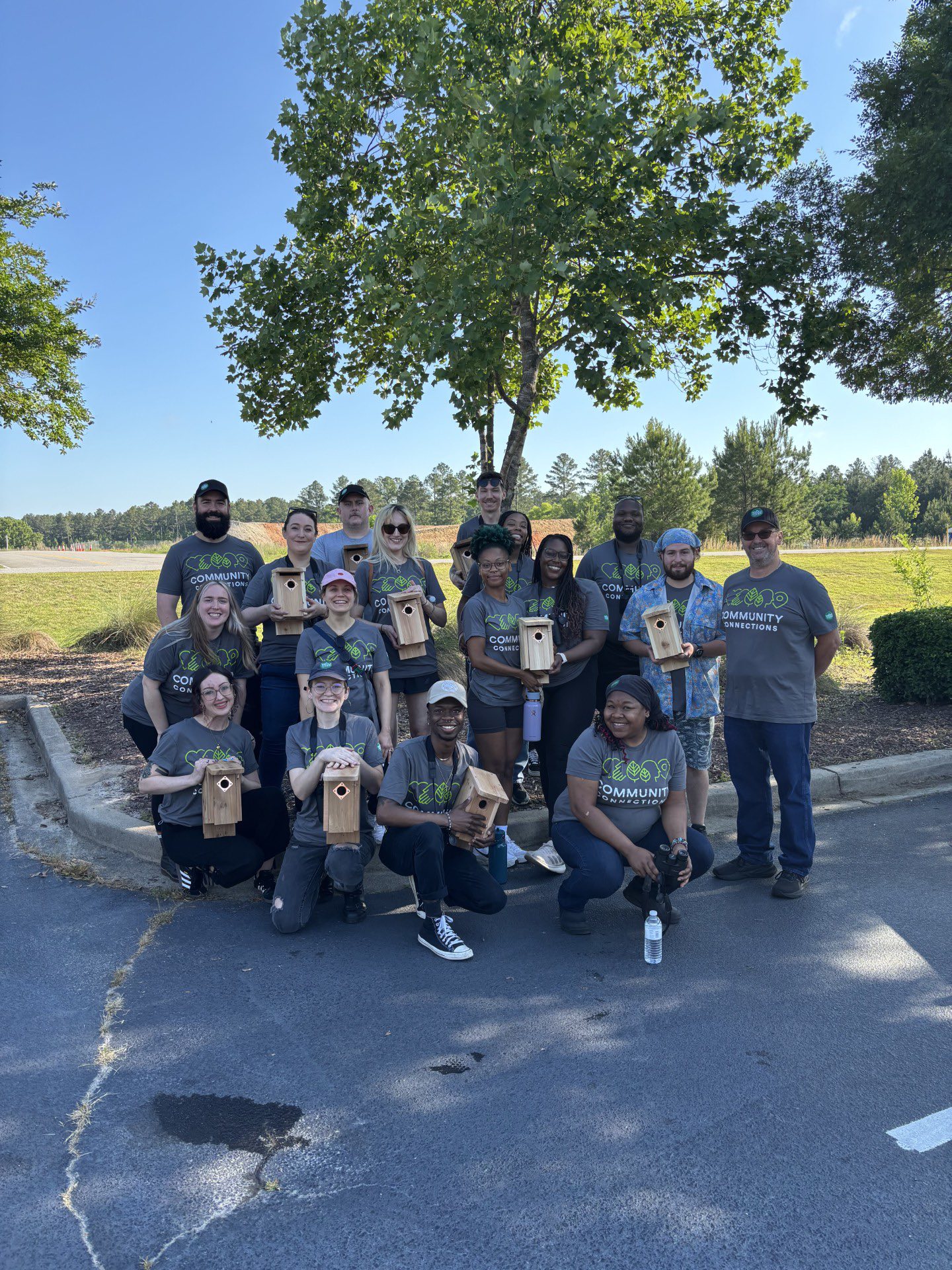
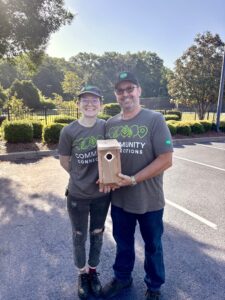
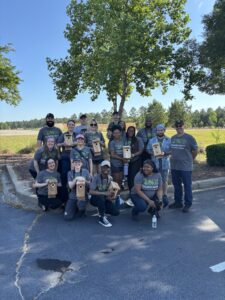
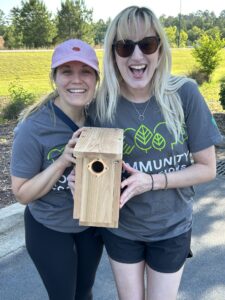
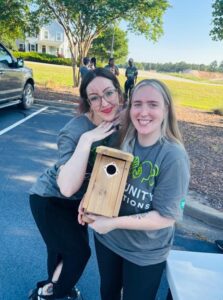
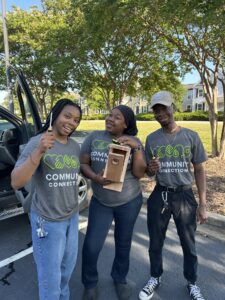
We had a great time earlier this month with a group of nature-loving employees from Whole Foods! Seventeen Whole Foods employees from their Columbia, SC location built ten eastern bluebird boxes which will be installed at schools, churches, or corporate sites around the state.
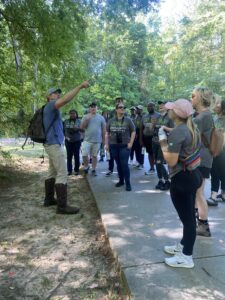
The group also went on a nature walk with SCWF’s Industry Habitat Manager, Jay Keck, who taught them about the local ecosystem as they listened to wood thrush and prothonotary warblers in the background.
Whole Foods purchased the materials from the South Carolina Bluebird Society, who makes pre-cut versions of the boxes for those interested in having an event of their own. (Lean more at: https://southcarolinabluebirds.org/sales/)
Thank you to the Whole Foods employees who took time out of their busy schedules to learn about conservation and wildlife!
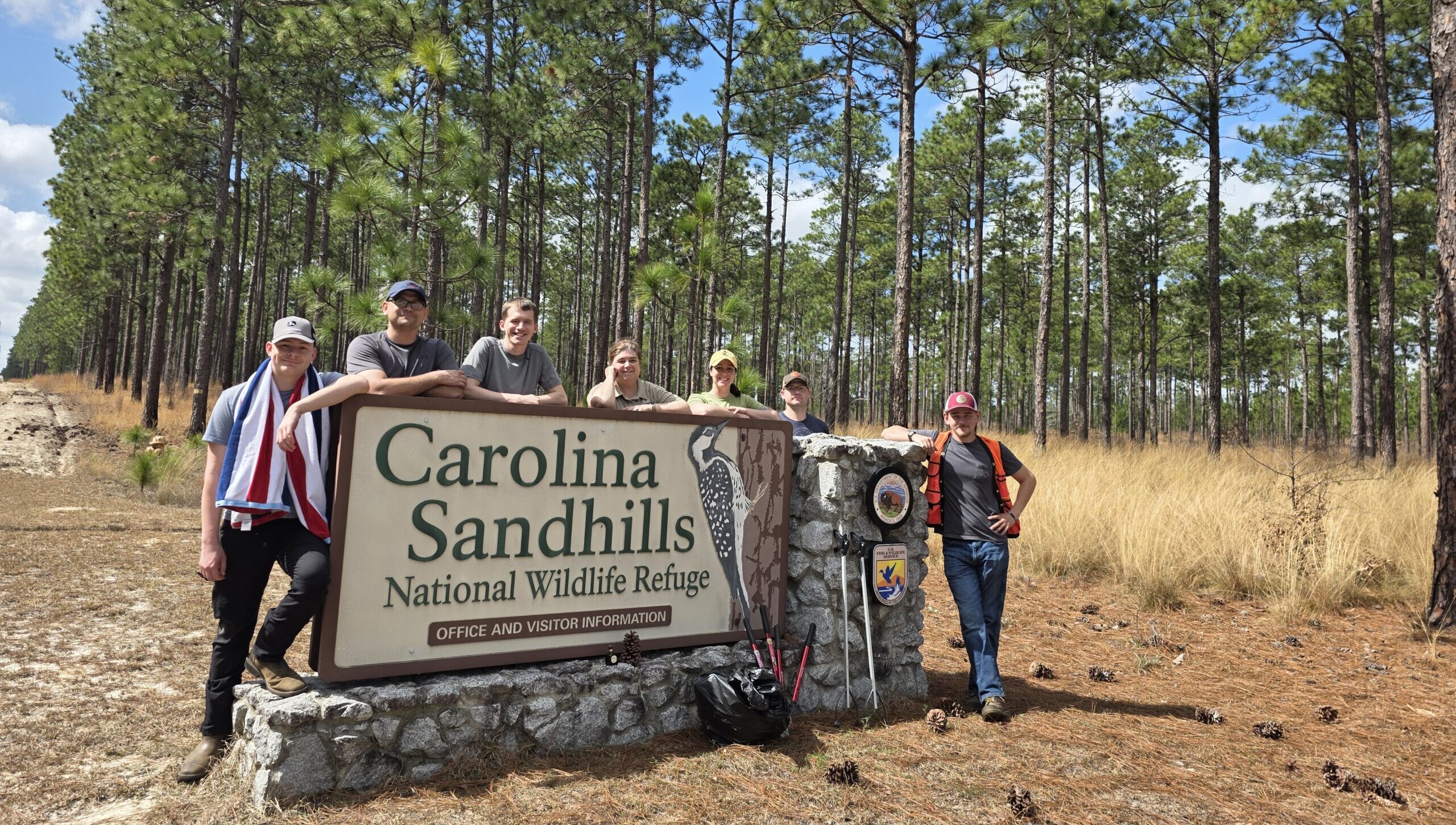
Volunteers, partners, and staff gathered once again for the annual Working for Wildlife Day, a hands-on volunteer event hosted by the South Carolina Wildlife Federation in partnership with the Carolina Sandhills National Wildlife Refuge. The event continues a long-standing tradition of conservation work at the refuge, where volunteers help maintain and protect habitat for native wildlife.
This year’s workday brought together a dedicated group of volunteers ready to roll up their sleeves and make a difference. After gathering at the refuge headquarters in the morning, participants split into teams and headed out to tackle a variety of stewardship projects across the refuge.
Supporting Habitat and Wildlife
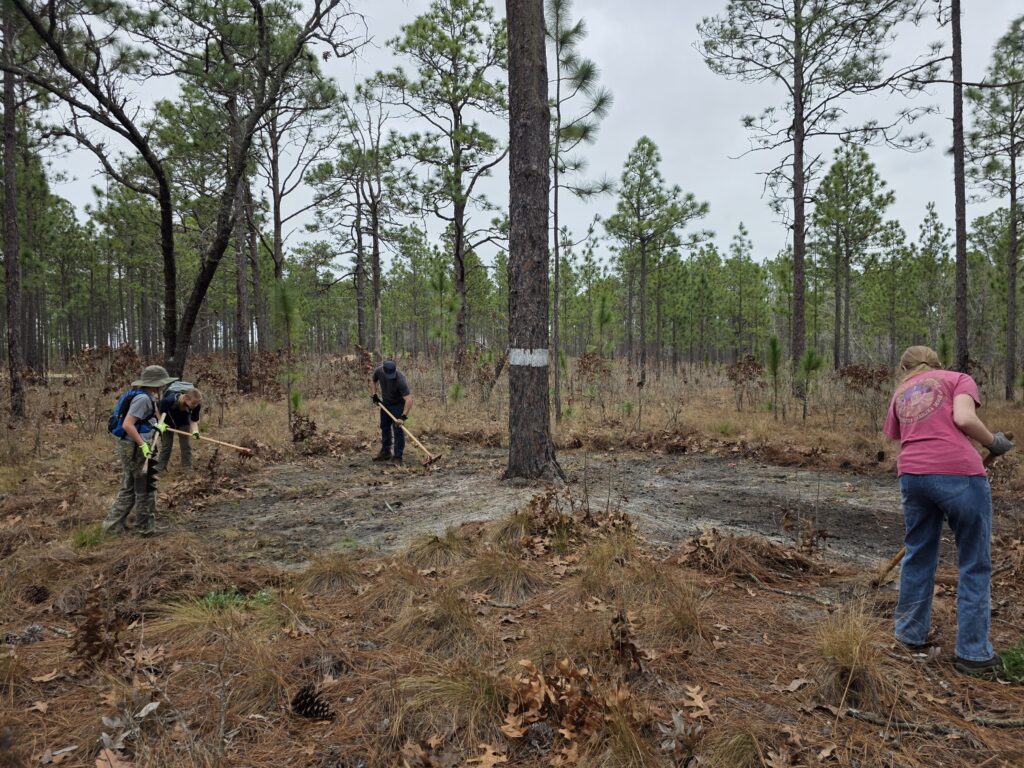
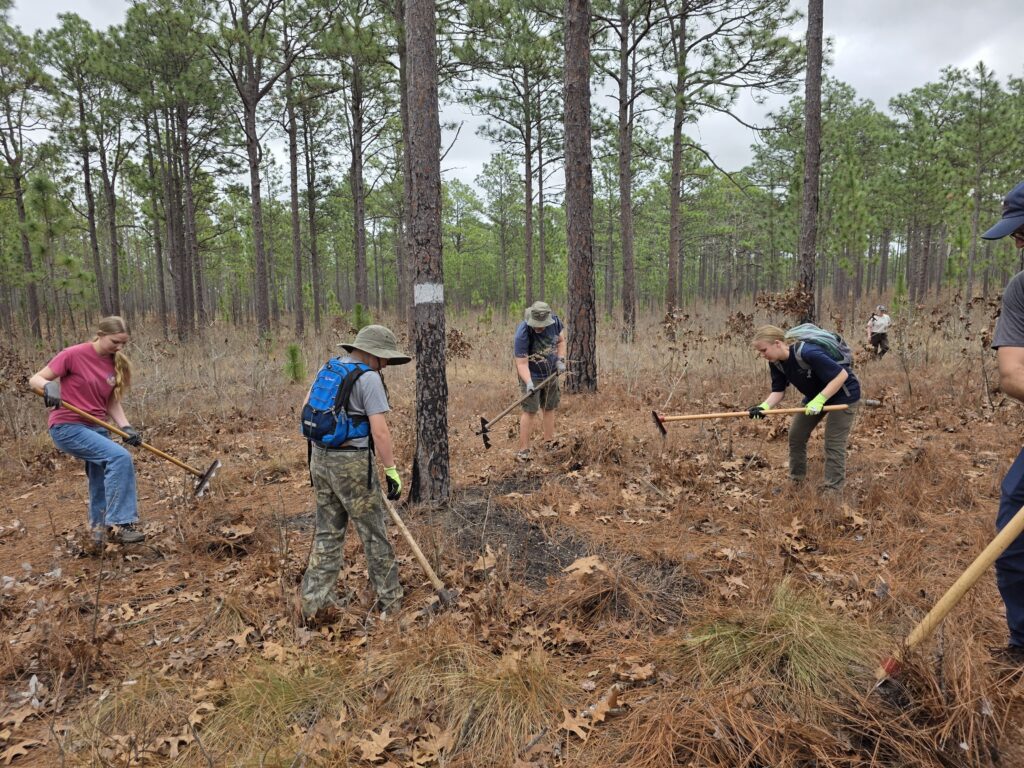
One of the tasks of the day involved raking around Red‑cockaded Woodpecker cavity trees. This endangered species depends on mature longleaf pine forests for nesting, and maintaining the areas around their cavity trees helps protect these sites during prescribed burns and keeps habitat conditions suitable for the birds.
Another group of volunteers helped check and maintain duck nest boxes throughout the refuge. These boxes provide important nesting opportunities for species such as the Wood Duck, which rely on cavities near wetlands to raise their young.
Volunteers also assisted with installing and maintaining signage around the refuge. These signs help guide visitors, protect sensitive areas, and share important information about the wildlife and habitats found within the refuge.
Volunteers raking red-cockaded woodpecker trees.
Volunteers removing fire fuel from around cavity trees.
A Landscape Worth Protecting
The Carolina Sandhills National Wildlife Refuge protects a unique sandhills ecosystem dominated by longleaf pine and wiregrass habitat. The refuge supports an incredible diversity of wildlife, including more than 190 species of birds and dozens of mammals, reptiles, and amphibians.
By assisting with habitat maintenance and conservation projects, volunteers play an important role in helping refuge staff protect these species and the landscapes they depend on.
Thank You to Our Volunteers
Events like Working for Wildlife Day would not be possible without the dedication of volunteers who give their time and energy to conservation. Their efforts help ensure that South Carolina’s wildlife and wild places remain healthy for generations to come.
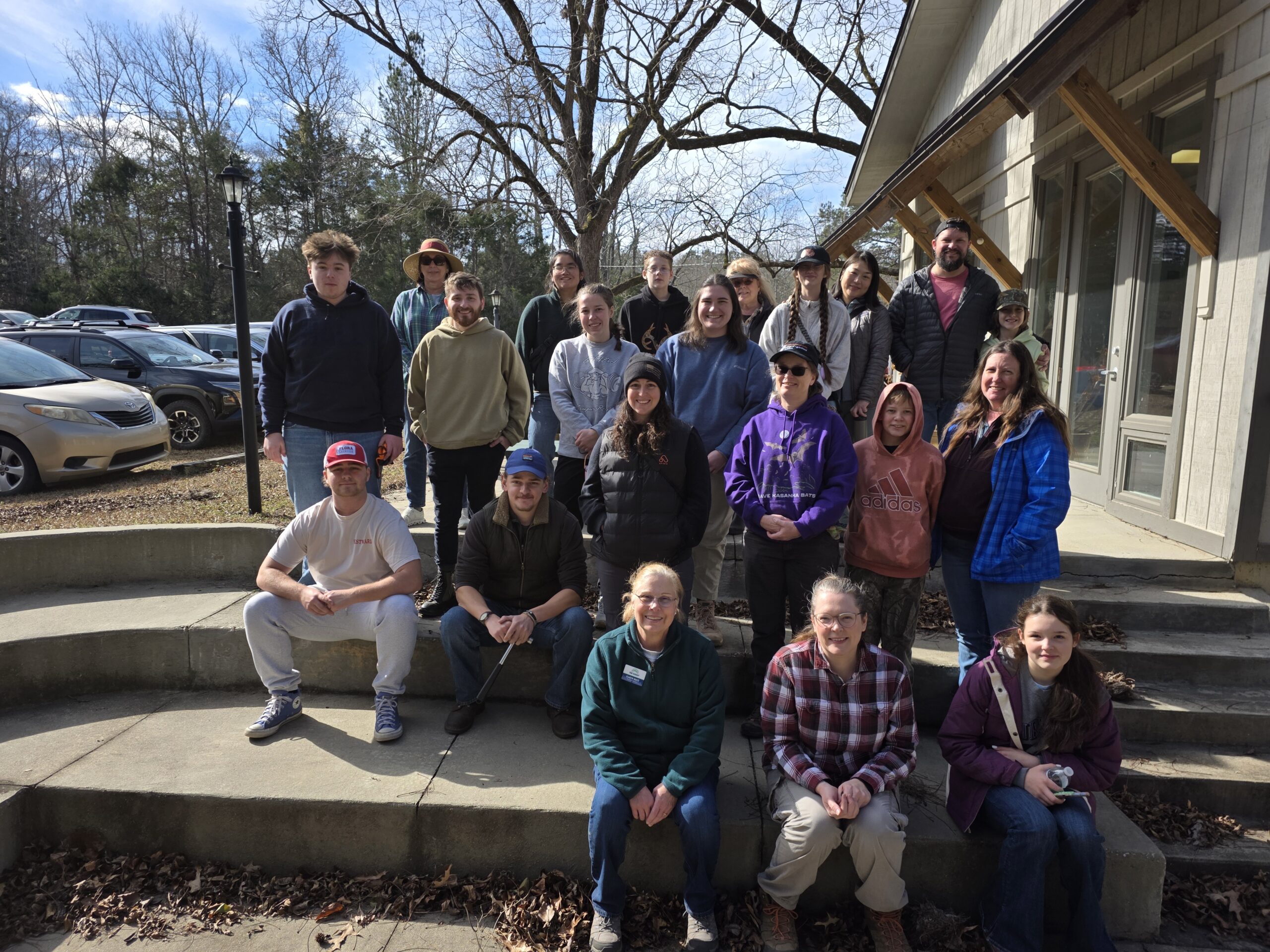
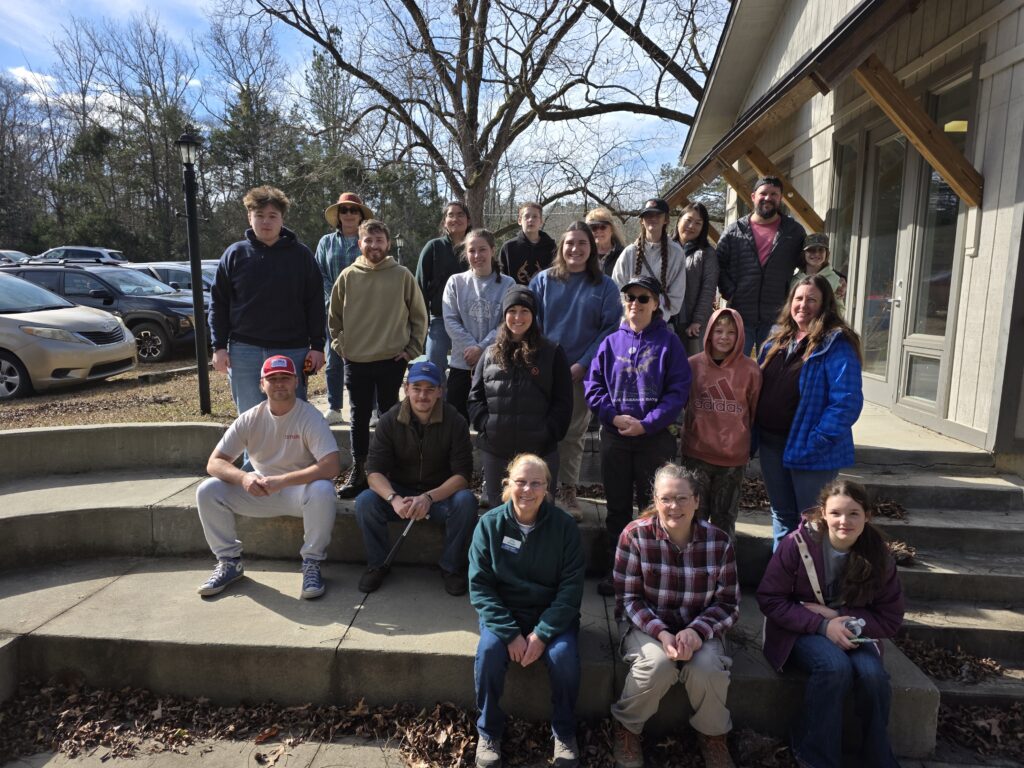
We had a great group of volunteers this year!
We are grateful to everyone who joined us this year and helped make the day a success. Whether raking around woodpecker trees, checking duck boxes, or installing signage, each project contributed to the continued stewardship of this special place.
We hope to see everyone again next year for another day of working together for wildlife!
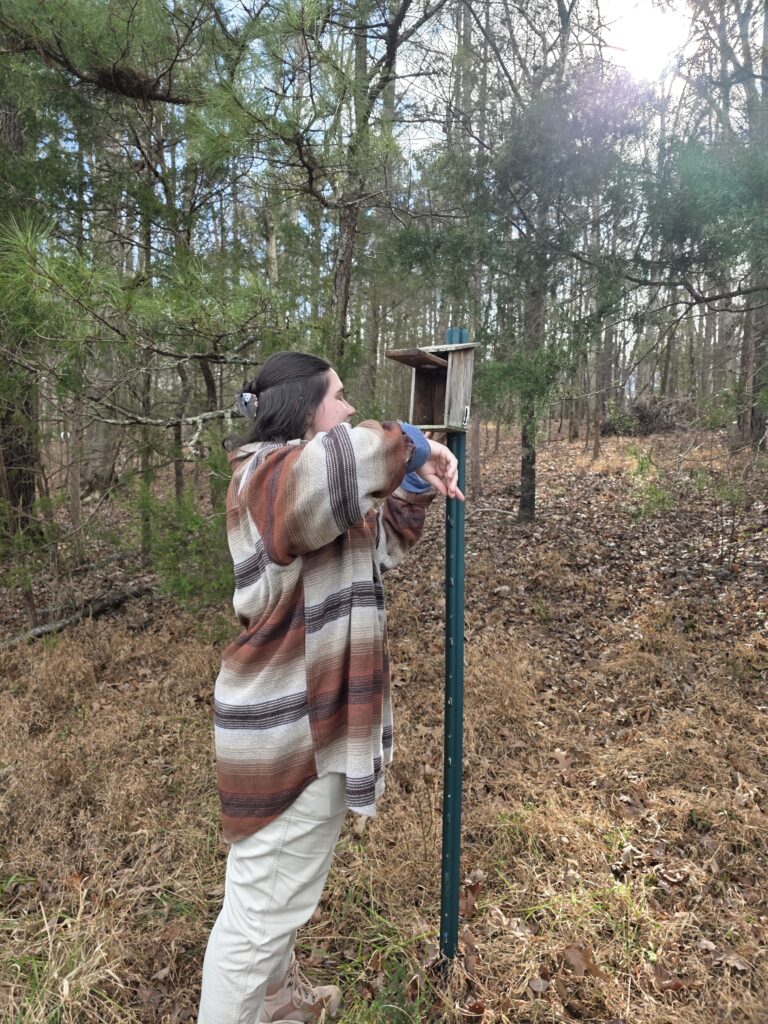
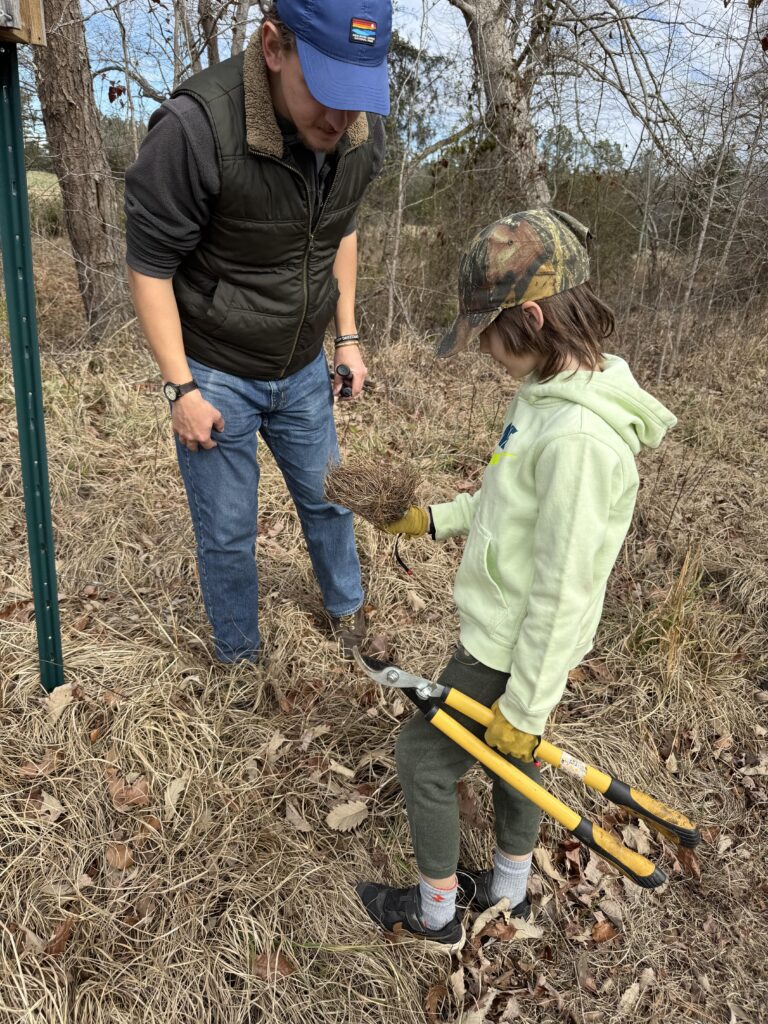
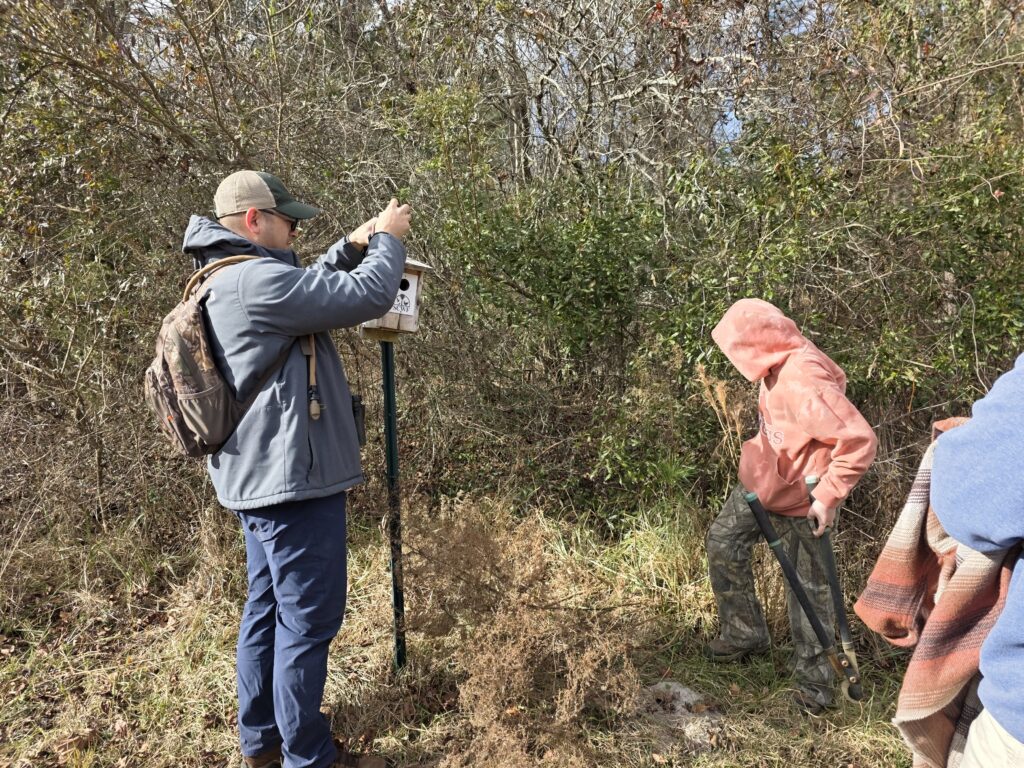
Last Saturday, 25 dedicated volunteers gathered at Camp Discovery in Blythewood, South Carolina, to help monitor nest boxes and support local bird conservation efforts. Their hard work allowed us to inspect 37 nest boxes and document 17 nests, resulting in a 43% nesting success rate.
There were nine Eastern bluebird nests observed and seven Carolina chickadee nests, two cavity-nesting species that benefit from well-maintained nest boxes. The nest box checks also helped us assess maintenance needs across the site. We identified boxes that will need to be replaced and also some that require repairs to ensure they remain safe and usable for future nesting seasons. This information allows us to plan improvements that directly benefit wildlife.
In addition to collecting data, volunteers cleaned out old nesting material from boxes that were no longer in use. Regularly cleaning nest boxes is essential for bird health, as it helps reduce parasites and disease, prevents nest material from building up too high, and makes boxes more attractive to birds returning to nest in future seasons.
This important work wouldn’t be possible without our volunteers. Their time, care, and enthusiasm make a real difference for birds at Camp Discovery, and we’re grateful for their commitment to conservation.