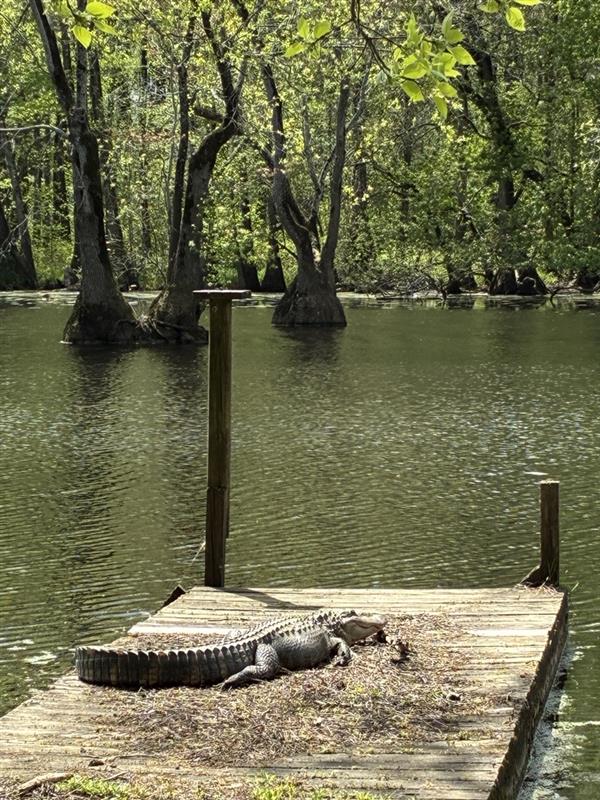
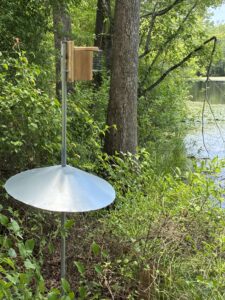
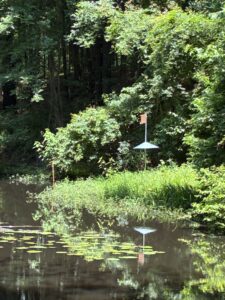
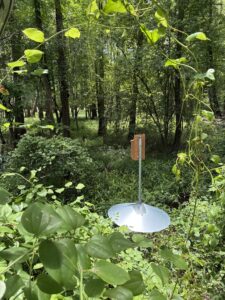
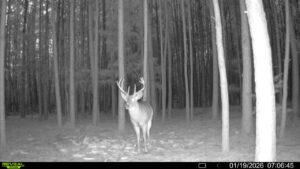
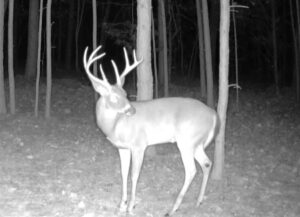
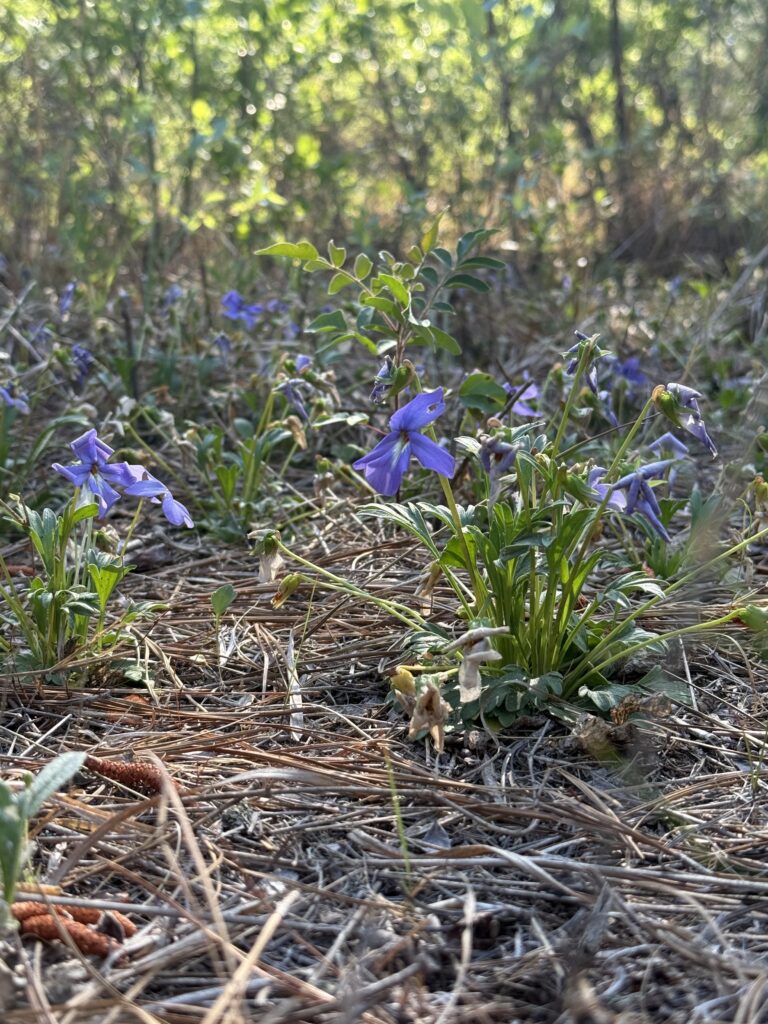
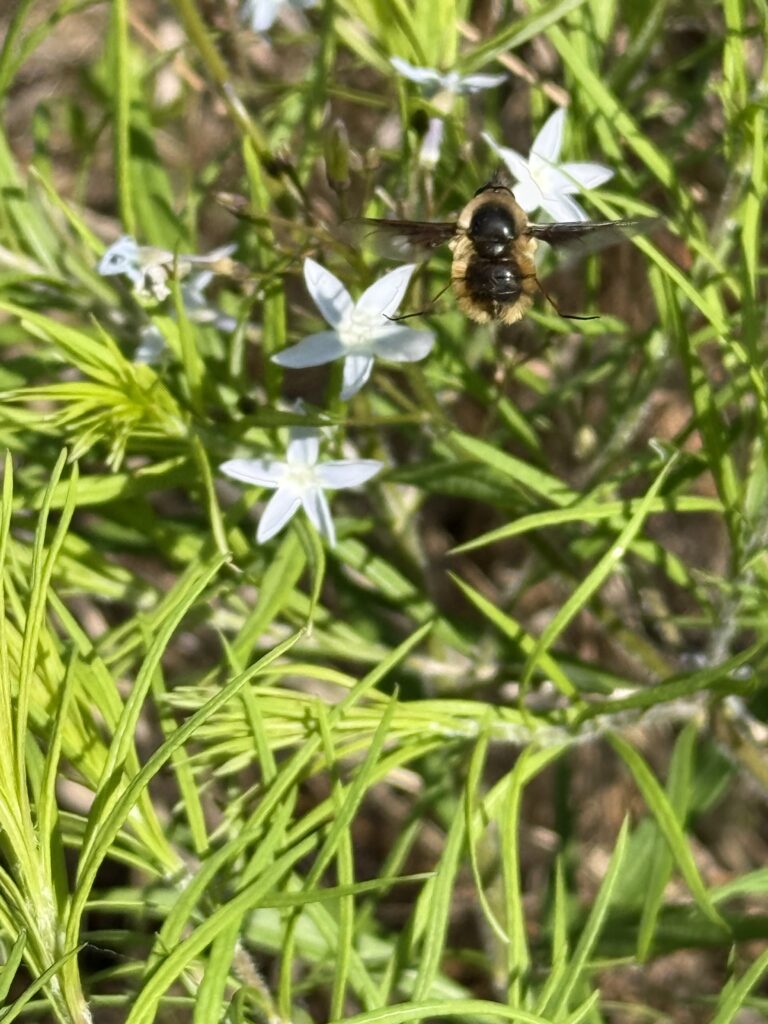
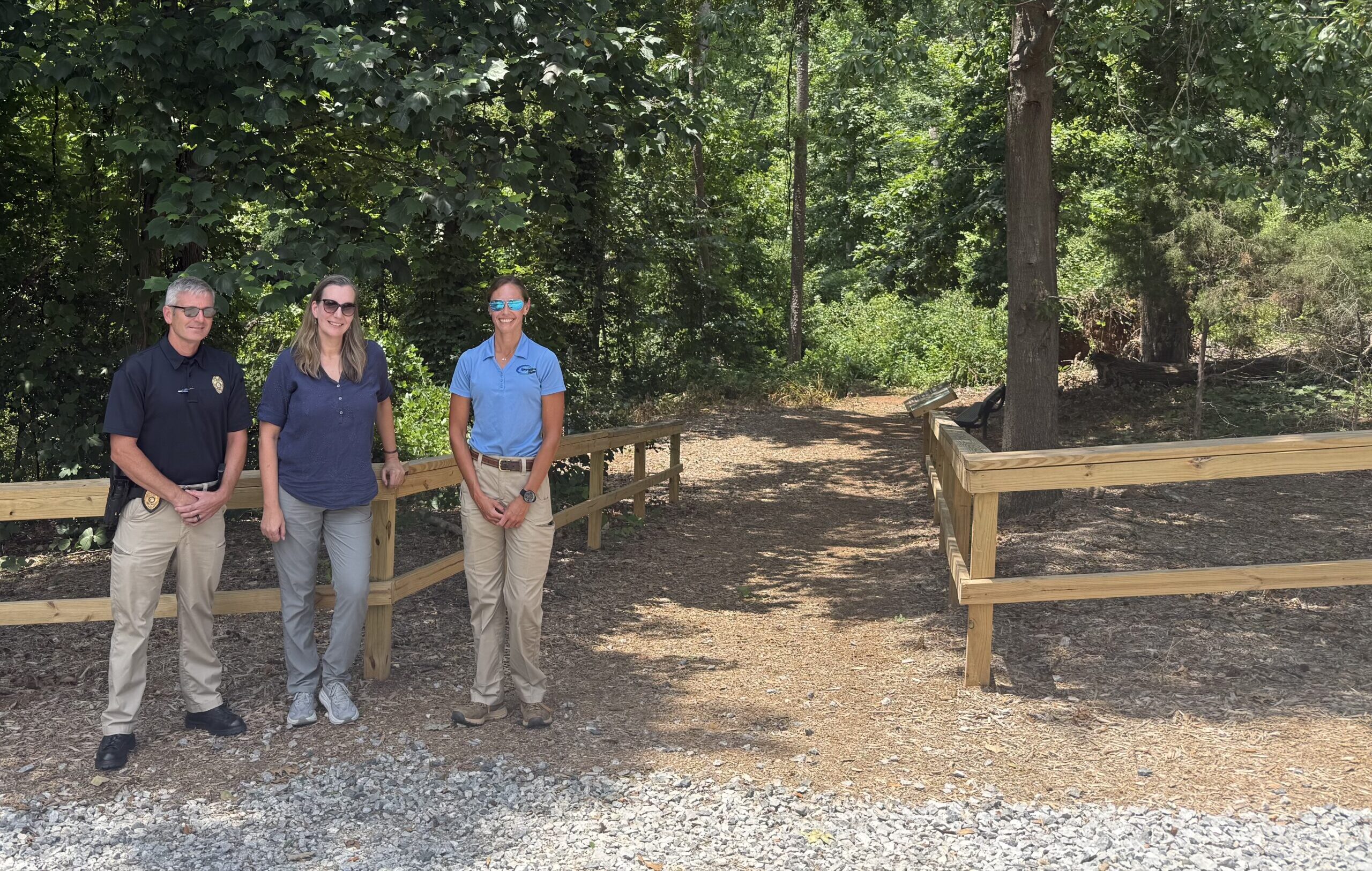
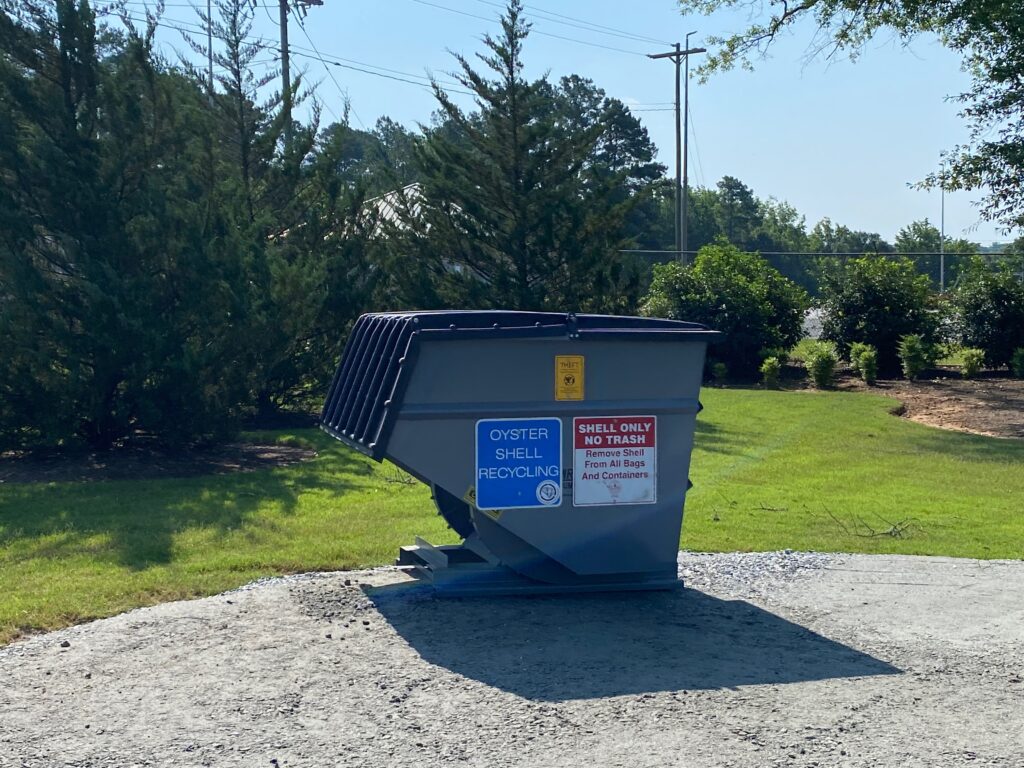
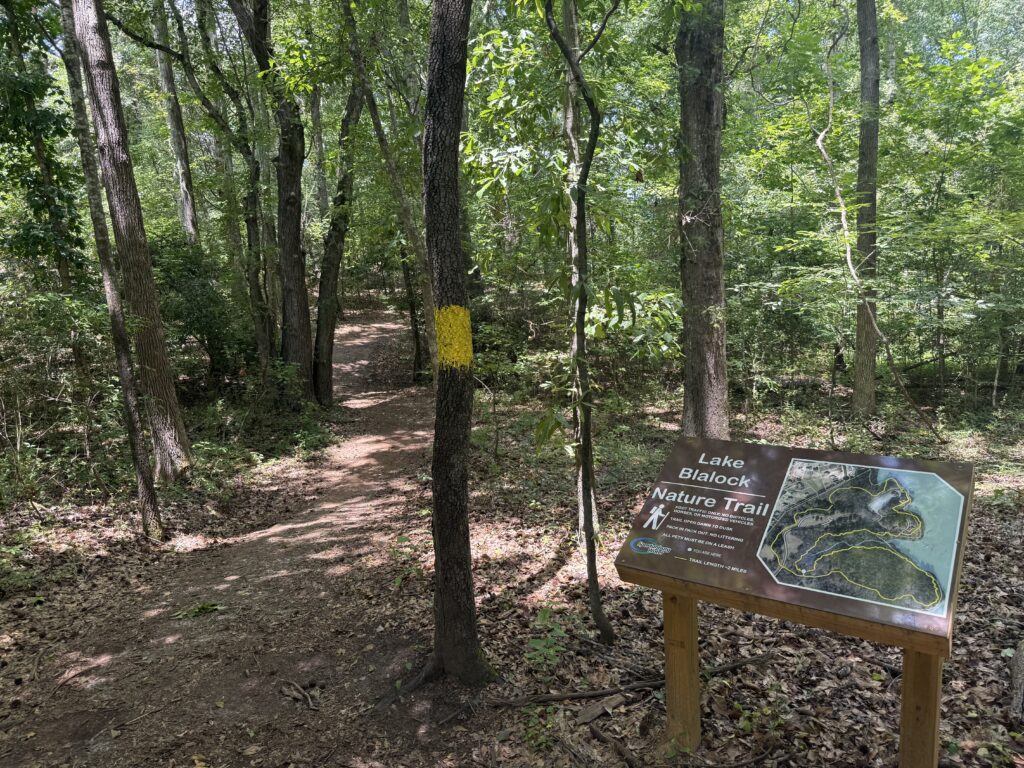
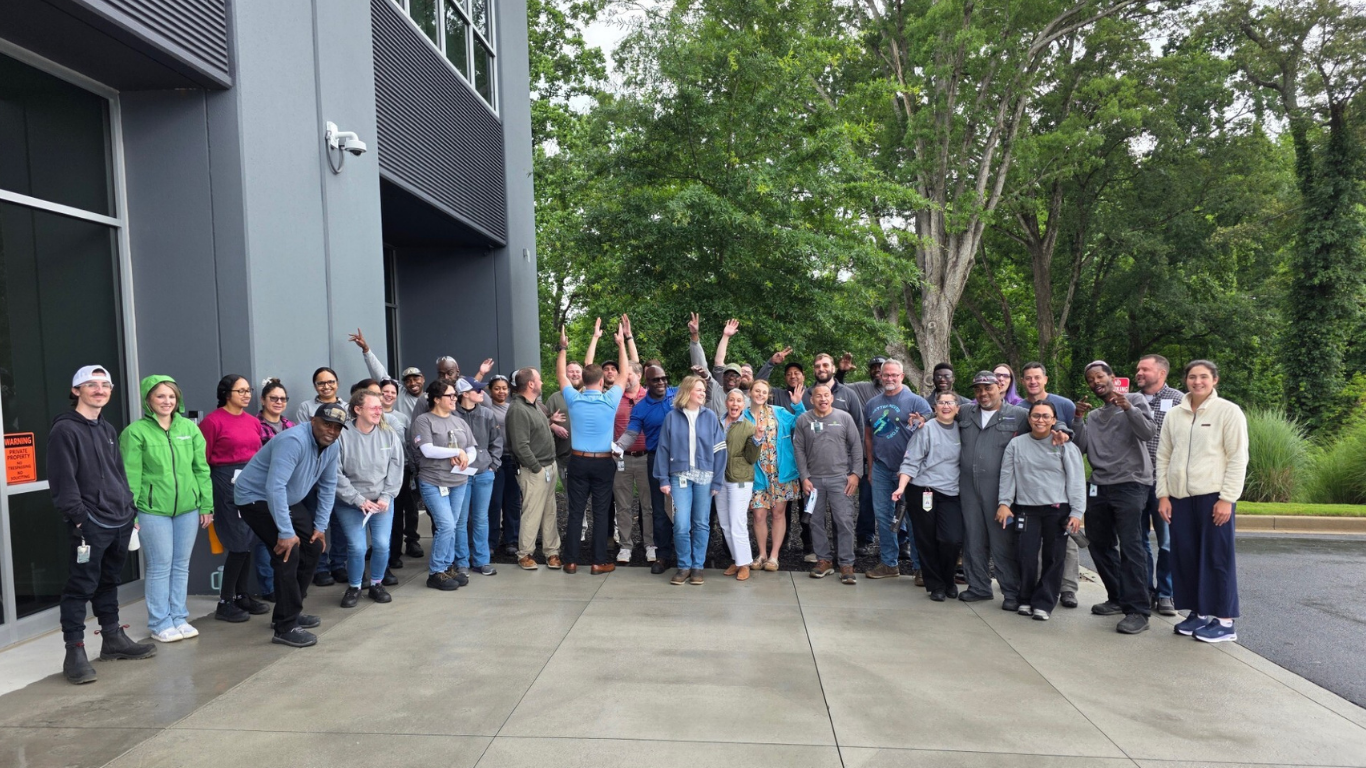
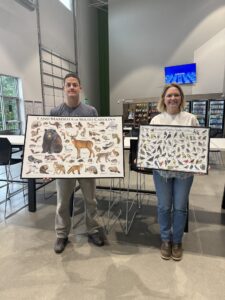
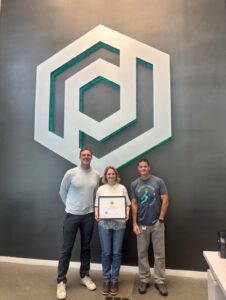
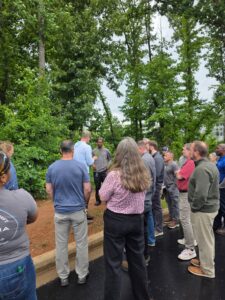
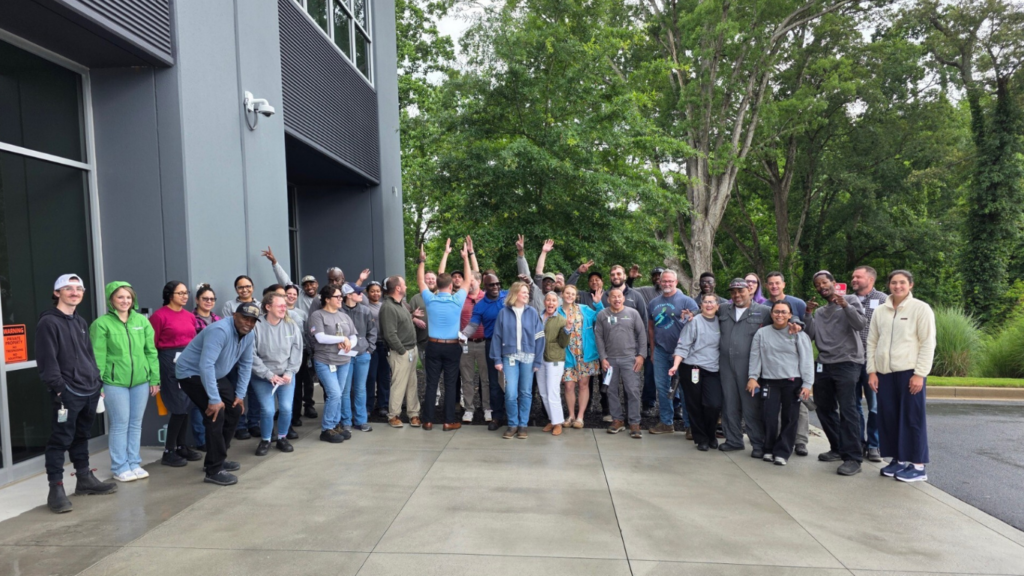
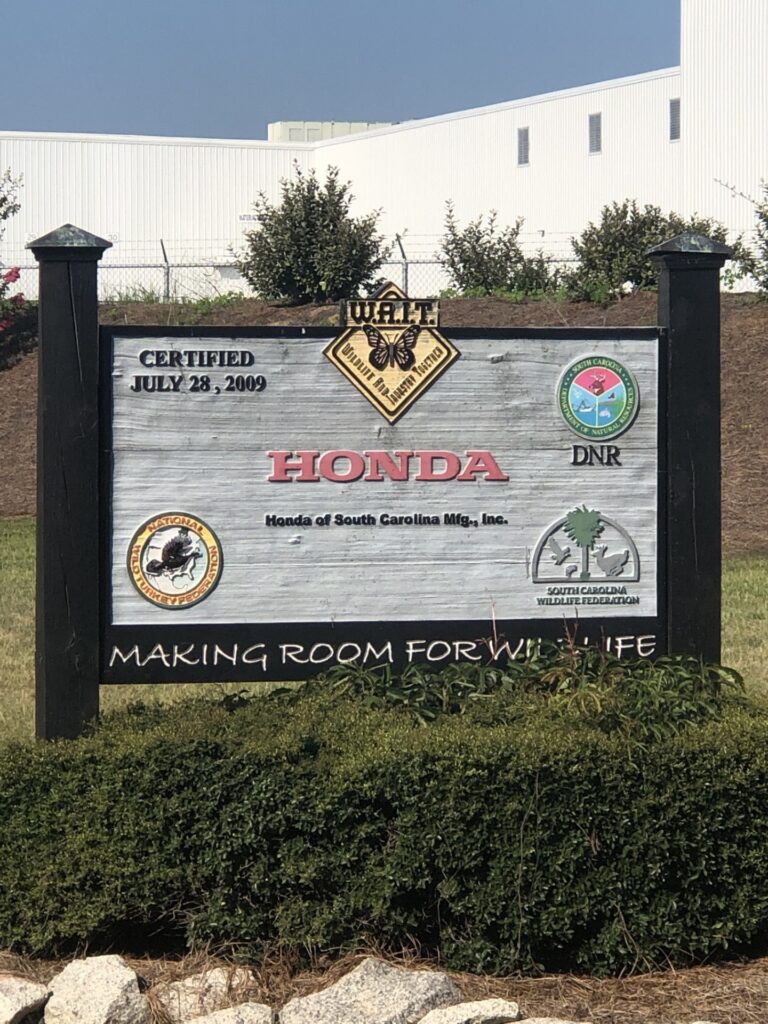
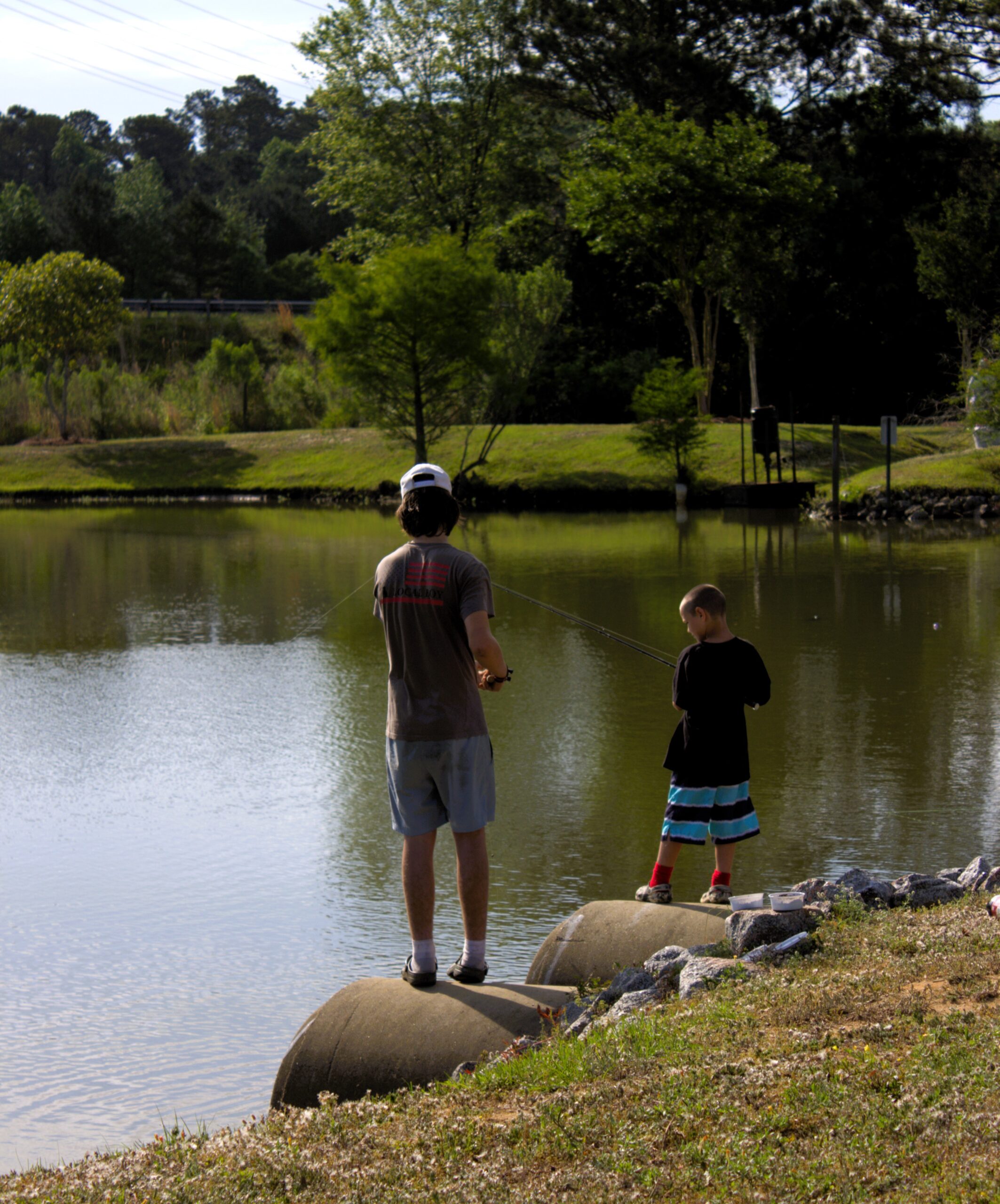
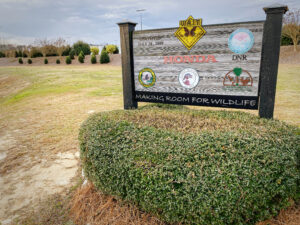
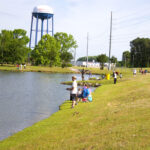
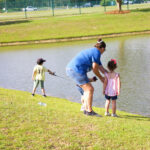
One of our longest-standing WAIT partners, Honda, located in Timmonsville, SC, is our highlighted industry partner this month! Though they were certified officially in 2009, staff members have been creating wildlife habitat on the property since 2007. Throughout the years they have planted hundreds of shrubs and trees, including native species, such as; persimmon, oak, sycamore, bald cypress, wax myrtle, elderberry, longleaf pine, and more! In addition to the 103 acres of field habitat, and 254 acres of forest, they also have over 60 acres of ponds and wetlands, offering their staff an opportunity to come and fish during their Youth Fishing Day event usually held in the spring.
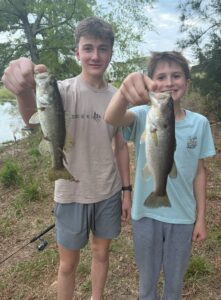
SCWF staff members will be helping this May as employees and their children try their hand at catching some of the bluegill, catfish, and largemouth bass that have been stocked in the pond. Along with connecting employees to nature through the fishing event and educational materials within the lunch room, they also do a wonderful job in the community by supporting local schools and scout groups through funding wildlife habitat projects to build bird boxes for different species, and constructing fish attractors. Thank you, Honda, for doing such a great job at conserving the natural resources around your location, and with connecting your employees and the community to our amazing planet!
Why WAIT?
SCWF partners with conservation-minded businesses throughout the state who want to help wildlife thrive by enhancing their properties and providing educational opportunities for their employees and communities. Read more about the WAIT Program and how to join here.
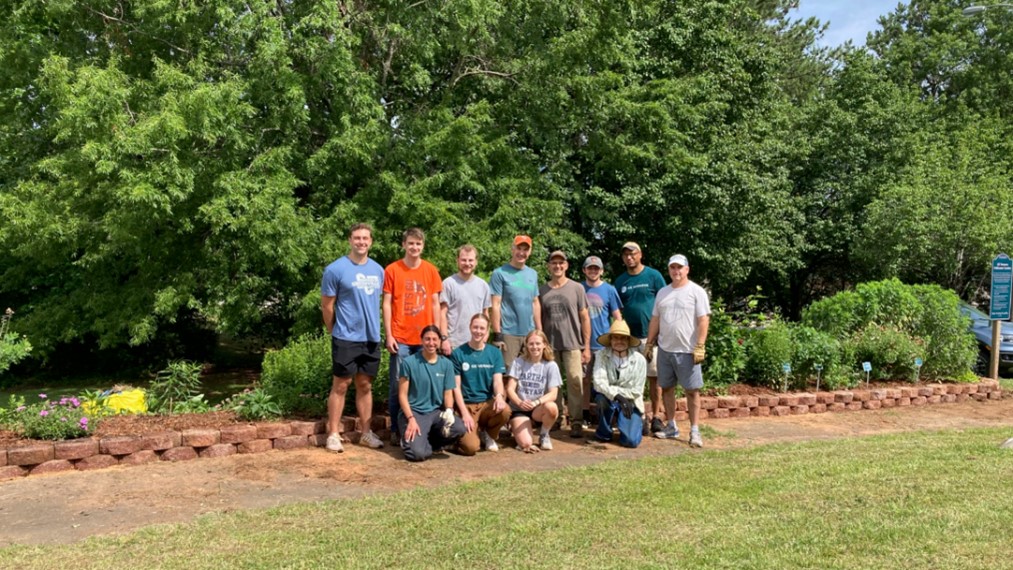
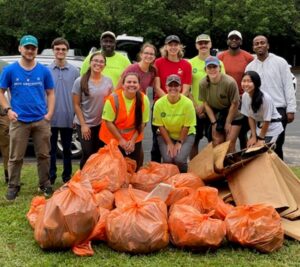
GE Vernova in Greenville, SC, is one of our newest Wildlife And Industry Together or WAIT partners, and they have gone above and beyond to support wildlife on their campus, educate their employees about wildlife and wildlife conservation, as well as connect with their community through quarterly litter sweeps with Adopt-A-Highway.
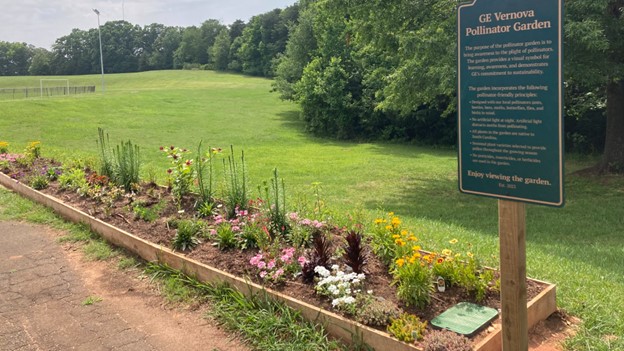
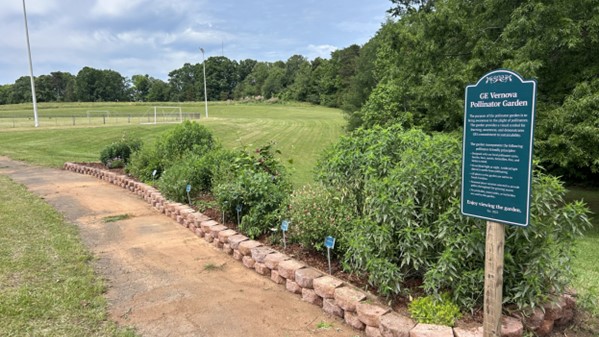
Habitat creation began during Earth Week in 2023 when they installed a pollinator garden with native plants – increasing the insect biodiversity on the property. In addition to the garden, they have installed 105 native trees like; sourwood, persimmons, oak, tupelo, maples, and several other native trees and shrubs. These plants will have a dramatic effect on increasing the biodiversity of insects, birds, and some reptiles like the anole.
GE Vernova’s native plant pollinator garden in 2023.
The same pollinator garden continues to thrive in 2025.
They have also installed bird boxes for multiple cavity nesting species, and have allowed unused outdoor areas to grow wild, which again, increases the diversity of both the flora and fauna on site.
GE Vernova has also done a great job opening up employees eyes to the amazing world around us. They host a quarterly lunch and learns with respected naturalists and organizations around the state. Topics have ranged from birds of prey and invasive species, to conservation through native plant habitat creation. They also take employees on quarterly nature hikes, which included walks at yellow branch falls in Sumter National Forest and Paris Mountain State Park in 2025. A fun addition to educating their staff is the Earth Week Photo contest where they encourage employees to take pictures of things that represent their sustainability impact, community connection, and creativity.
SCWF applauds the efforts at GE Vernova for taking steps to increase biodiversity on campus, educating its employees, and making their community a cleaner place to live for both people and wildlife!
Why WAIT?
SCWF partners with conservation-minded businesses throughout the state who want to help wildlife thrive by enhancing their properties and providing educational opportunities for their employees and communities. Read more about the WAIT Program and how to join here.
Finding motivated employees to enhance wildlife habitat, and connect with coworkers and the community, is critical for the success of the Wildlife And Industry Together or WAIT program. Luckily, such people stepped up to lead the program at our most recent WAIT partner, Shakespeare Columbia, located in Richland County.
After recently teaching a lunch and learn about wildlife and conservation to over twenty employees, I learned about their plans to hold additional nature-related lunch and learns each year, as well as plans to have an iNaturalist ID competition, photo contest, and a Merlin Bird ID contest. In addition to educating employees, a small team will spend an afternoon each year discussing environmental career paths with students at Title 1 schools in the local community.
Image Credit: Andy Sagcal.
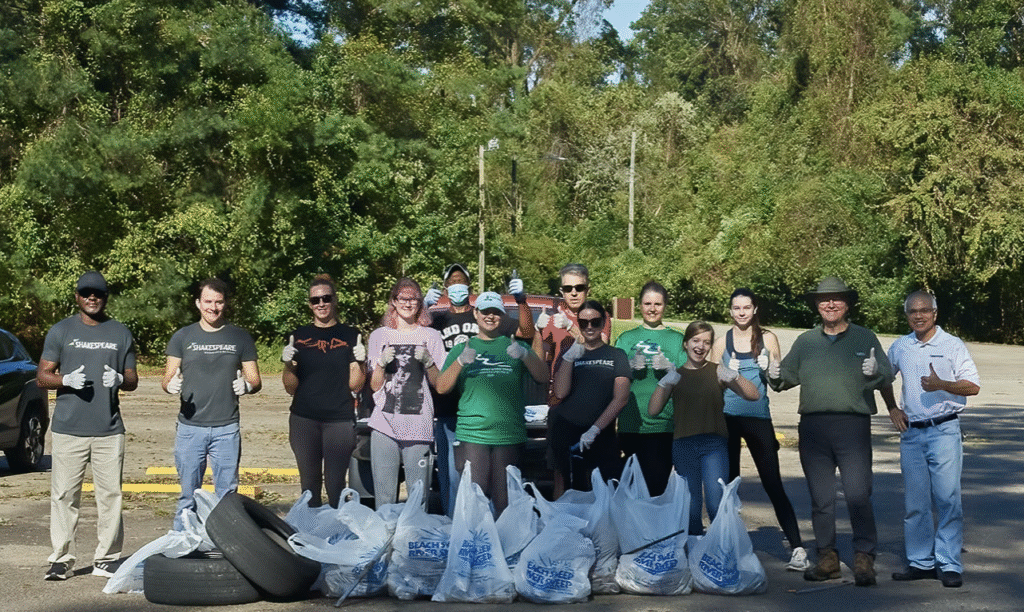
To further connect with the community, employees will also participate in litter sweeps in the area, the most recent being a successful river sweep in Cayce, SC. You can see the impact from that sweep in the picture below!
We are also proud of these employees for enhancing gardens with pollinator plants, installing Bluebird boxes, as well as developing plans to create a Carolina Fence Garden, which will continue to inspire employees to take a closer look at the natural world around them, and connect them to the planet’s smaller wonders, our pollinators!
Welcome aboard, Shakespeare Columbia, and thank you for doing such a great job connecting employees and the community to wildlife!
Why WAIT?
SCWF partners with conservation-minded businesses throughout the state who want to help wildlife thrive by enhancing their properties and providing educational opportunities for their employees and communities. Read more about the WAIT Program and how to join here.
For nearly 20 years, Honda’s S.C. Manufacturing (SCM) facility has been committed to wildlife conservation, completing over 175 activities for Wildlife & Industry Together (WAIT), a South Carolina Wildlife Federation program. From planting and relocating trees to creating food plots and installing birdhouses, wood duck boxes and beehives, we’re helping to enhance biodiversity.
In May, SCM teamed up with WAIT for a fishing day event, bringing together youth and SCM associates to fish from the shore of the stocked pond on property while enjoying the great outdoors with family and friends. Participants enjoyed a complimentary lunch, and all youth took home their catch along with door prizes!
Thank you to Honda South Carolian Mfg for this update.
Why WAIT?
SCWF partners with conservation-minded businesses throughout the state who want to help wildlife thrive by enhancing their properties and providing educational opportunities for their employees and communities. Read more about the WAIT Program and how to join here.
I visited Lonza for the first time at their facility in Greenwood, SC, shortly after they joined the WAIT program in 2018. While taking a walk on their nature trail, which passes by some of the 70 acres of mixed hardwood forest that surrounds their property, I forgot that I was still on a property where hundreds of employees worked.
The pollinator garden that was created 7 years ago is still going strong and supports many types of insects and arachnids, which in turn, supports an abundance of native wildlife on the property.
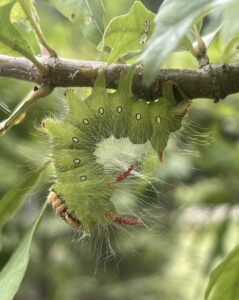
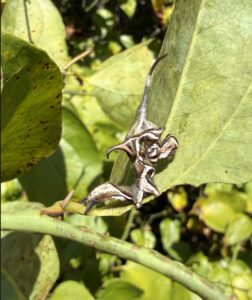
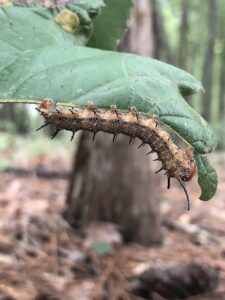
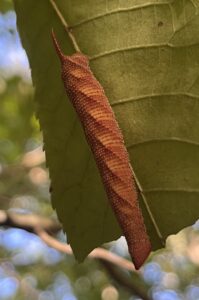
Image caption: The spiny oakworm caterpillar and the walnut sphinx moth caterpillar are both good examples of species that are supported by the mixed hardwood forest on Lonza’s property.
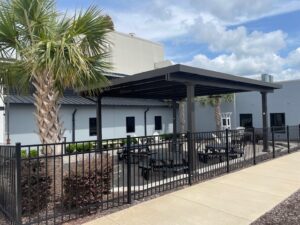
To better connect employees to the outdoors, a courtyard was created to give the employees a safe and natural place to relax and enjoy the fresh air and sunlight the area offers. Two outdoor seating areas, where furniture using recycled materials were used, create additional areas for employees to connect with the outdoors during breaks. A solar powered charger was even installed for employees needing to recharge their devices. With plans to install interpretive nature signs at these outdoor break areas, Lonza’s WAIT team looks to further educate employees about native wildlife and ways to connect with it!
Thank you Lonza for all of your hard work and dedication to wildlife conservation on your property!
Why WAIT?
SCWF partners with conservation-minded businesses throughout the state who want to help wildlife thrive by enhancing their properties and providing educational opportunities for their employees and communities. Read more about the WAIT Program and how to join here.
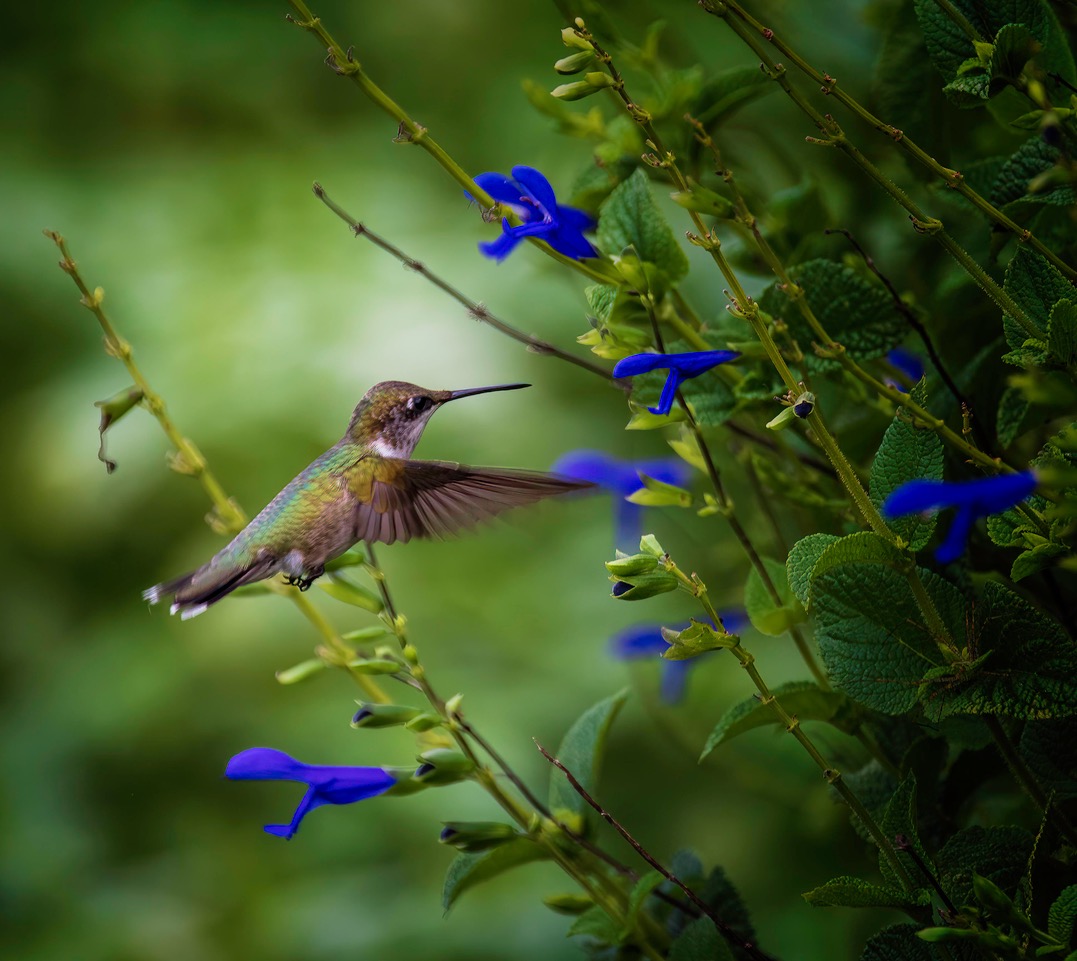
Banner image credit: Ruby-throated hummingbird on salvia by Susan Stamey.
Michelin’s US1 facility is proud to be the latest addition to the WAIT (Wildlife And Industry Together) program, joining other certified Michelin sites across South Carolina. With a strong commitment to protecting biodiversity, including at its operational sites, Michelin’s team launched a rigorous process in 2023 to ensure that all innovations are properly suited to the specific location.
Collaborating with Furman University, they developed a comprehensive biodiversity management plan for Michelin sites across the U.S. and Canada, including at the company’s Greenville Passenger Car Tire Manufacturing site, US1. Utilizing insights from Furman University and the SC Wildlife Federation, Michelin has made significant strides in creating and maintaining diverse ecosystems.
The saddleback caterpillar moth will likely be supported by the blueberry plants installed on the property.
The caterpillar skiff moth will likely be supported by the blueberry plants installed on the property.
Efforts include the planting of 30 blueberry bushes, which are excellent for supporting moths and butterflies, and the enhancement of a four-acre area with a diverse array of native flowers. Additionally, multiple birdhouses have been installed around the perimeter, and several fenced gardens featuring 12 different native plants have been created to attract pollinators. In a further commitment to biodiversity, US1 has adopted a 0 PHYTO policy, which prohibits the use of pesticides on the property, thereby providing a safer habitat for wildlife.
Thank you Michelin US1 for all of your hard work and dedication to wildlife conservation on your property!
Why WAIT?
SCWF partners with conservation-minded businesses throughout the state who want to help wildlife thrive by enhancing their properties and providing educational opportunities for their employees and communities. Read more about the WAIT Program and how to join here.
One of the greatest things we can see on a Wildlife And Industry Together or WAIT partner’s property are signs that wildlife has a place to feed and reproduce in a safe environment. Oshkosh Defense LLC in Spartanburg, SC, has developed such an area on part of its property for birds like red-winged blackbirds, Eastern bluebirds, and even the steeply declining loggerhead shrike, which has been seen in and around the parking lot feeding on the insects or other prey near the native plants that were installed to attract wildlife.
Image Caption: Killdeer on nest at Oshkosh Defense.
In a press release, Trent McJunkin, facilities and maintenance manager said: “Our intent is to turn our greenspace at the facility into a thriving habitat for native wildlife, supporting biodiversity, and a healthy ecosystem. Trent added that: “This effort not only helps wildlife flourish, but also increases efficiencies in groundskeeping, demonstrating that sustainability and operational effectiveness can go hand in hand.”
Why WAIT?
SCWF partners with conservation-minded businesses throughout the state who want to help wildlife thrive by enhancing their properties and providing educational opportunities for their employees and communities. Read more about the WAIT Program and how to join here.
BMW Manufacturing, another great Wildlife And Industry Together or WAIT partner from the upstate of SC, has been an engaged partner in wildlife habitat creation and conservation for years. From pollinator habitat to the installation of nest boxes and native trees, their team of engaged employees is always eager to learn more about conservation and what they can do on their property to help local wildlife. Recently, over 100 native trees were planted in an area behind one of their training facilities. These trees, which include oaks, elms, hornbeam, pine, among other species, will produce millions of insects (if not more) over the years that will be consumed by birds, reptiles, mammals, and even other insects.
BMW staff, along with Industry Habitat Manager, Jay Keck, recently installed six Eastern bluebird boxes on the property, adding to the already existing Wood Duck and bluebird boxes. The installation was followed up with a talk about the importance of cavity nests and native plants.
Thank you, BMW, for providing us with the opportunity to educate your employees, as well as taking the time to increase wildlife habitat and nesting opportunities for a number of local wildlife species!
Why WAIT?
SCWF partners with conservation-minded businesses throughout the state who want to help wildlife thrive by enhancing their properties and providing educational opportunities for their employees and communities. Read more about the WAIT Program and how to join here.
The team at Martin Marietta’s Berkeley Quarry goes above and beyond to educate local students and the community about the natural history of the Cross, South Carolina area, and how the quarry functions while respecting our natural resources.
Combined with numerous field trips, which include visits with local schools, gem and mineral clubs and community organizations, Berkeley Quarry’s crew educates close to 1,000 people annually, sharing information about a little known underground world that is normally hidden from view. Fossil collecting, geode breaking stations, a child mining area, quarry tours and geology lessons are among the activities that visitors enjoy while learning from the site’s knowledgeable and talented team members.
In addition to the geological interests of the area, habitat creation and preservation is important to Martin Marietta as well. Working with the South Carolina Department of Natural Resources and American Forest Management, the Berkeley Quarry team has set aside several hundred acres of forested land that is intended to preserve habitat for both birds and animals. Wood duck boxes have also been installed on the grounds, and the area is regularly patrolled by a bald eagle that glides through the skies in search of prey.
Through community education, wildlife habitat creation and sustainable practices, Martin Marietta exemplifies how a large corporation should operate in an ecologically responsible way.
We hope this approach continues for years to come!
Why WAIT?
SCWF partners with conservation-minded businesses throughout the state who want to help wildlife thrive by enhancing their properties and providing educational opportunities for their employees and communities. Read more about the WAIT Program, and how to joinhere.
With the goal of increasing biodiversity on their property, Michelin US-2, located right outside of Anderson, SC, is happy to announce they are no longer using pesticides, fertilizers, or chemical weed treatment on their property. They are working towards removing all invasive Callery (Bradford) pear trees, which will allow native vegetation to replace this ecologically destructive tree species.
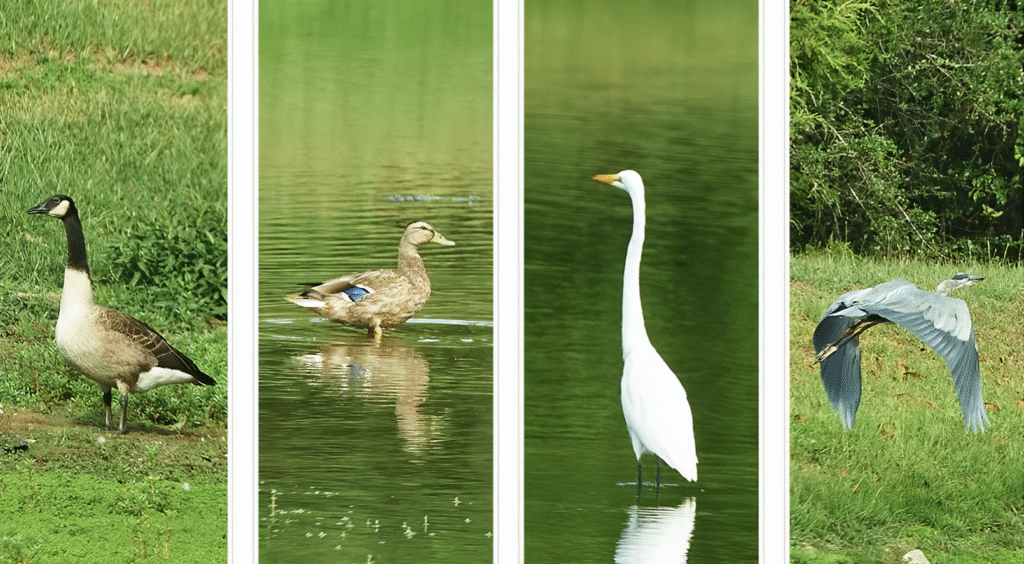
Michelin recently partnered with Furman University and Dr. John Quinn, professor of Biology, to perform multiple species inventories to record what kind of flora and fauna is present on their property. In addition to seven turtle species found on the property, great blue herons, bald eagles, and a variety of frog species were recorded too.
Species like the ones pictured above are thriving at US-2’s property. Image Credits L to R: Eastern Box Turtle Strolling in the Leaves by Jenna Plating and Greer’s Great Blue Heron by Katie Derhay.
With the good work being done on US-2’s property, the nature trail, which was established for employees and their families to enjoy, should be teaming with a healthy variety of wildlife for years to come. Thank you, Michelin, for providing yet another example of your company working to improve habitat conditions for wildlife throughout SC. And congratulations on celebrating 50 years at this site!
Why WAIT?
SCWF Partners with conservation-minded businesses throughout the state who want to help wildlife thrive by enhancing their properties and providing educational opportunities for their employees and communities. Read more about the WAIT Program , and how to join here.