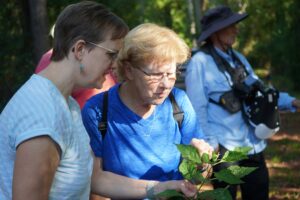
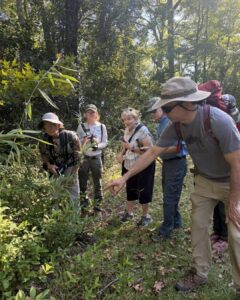
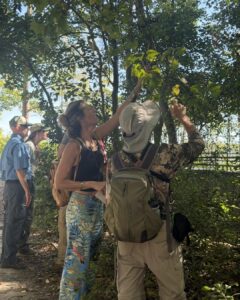
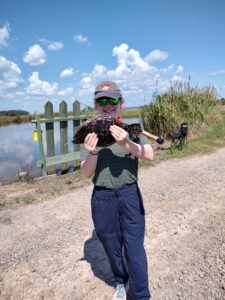
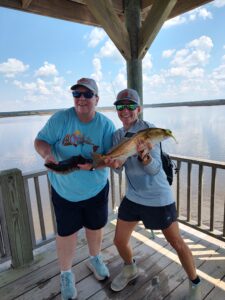
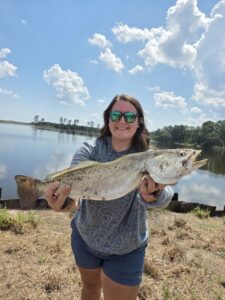
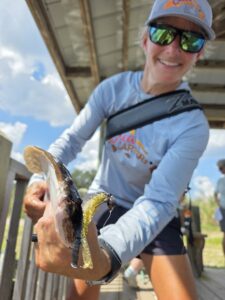
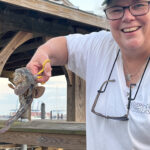
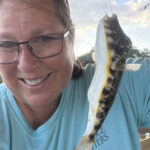
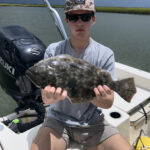
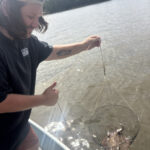
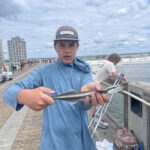
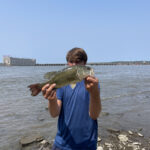
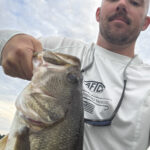
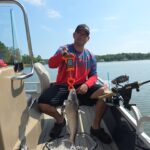
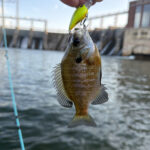
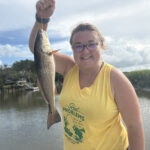
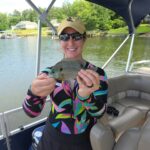
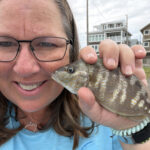
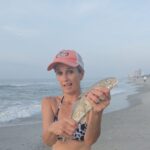
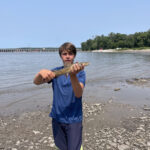
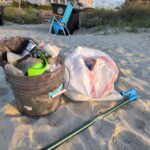
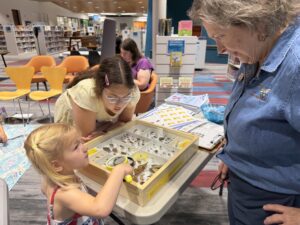
This April, women from across South Carolina gathered outdoors to learn new skills, connect with nature, and build lasting friendships through two special South Carolina Wildlife Federation programs: the POWR+ Women’s Fly Fishing Day with guides from the Chattooga River Fly Shop in Mountain Rest, South Carolina and the co-branded Women’s Turkey Camp with Artemis South Carolina.
Both events focused on creating welcoming, supportive spaces where women of all experience levels could grow their confidence in the outdoors while learning from experienced mentors and fellow participants.
During Women’s Turkey Camp, participants spent time learning turkey hunting techniques, practicing outdoor skills, and connecting around campfires and shared experiences in the field. The camp emphasized mentorship, conservation, and helping women feel comfortable and empowered in public hunting spaces.
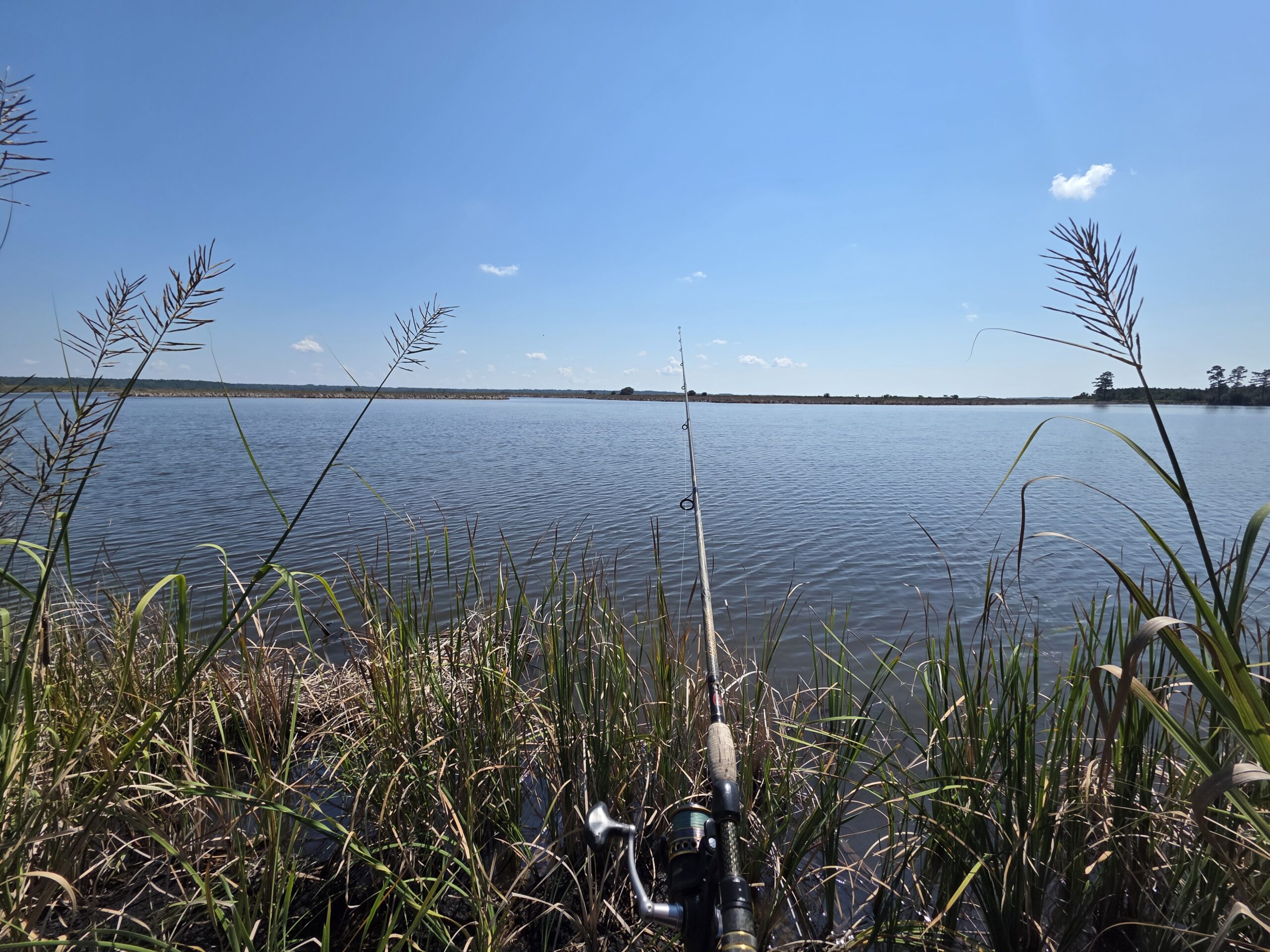
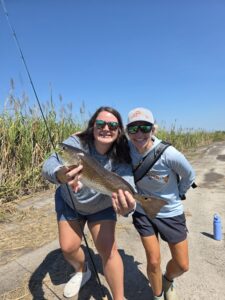
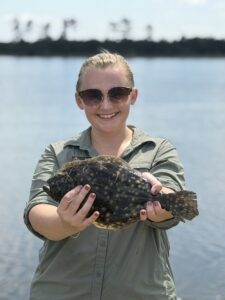
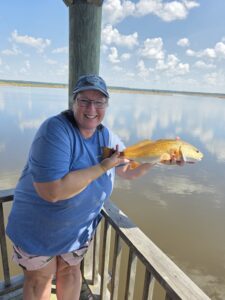
Later in the month, the POWR+ Women’s Fly Fishing Day introduced participants to the art of fly fishing through hands-on instruction and time on the water. From learning casting basics to gaining a deeper appreciation for South Carolina’s aquatic habitats, attendees experienced firsthand how fishing can foster patience, focus, and connection with the natural world.
Together, these programs highlight the growing community of women engaging in hunting, fishing, and conservation across the country. They also reflect SCWF’s commitment to making the outdoors more accessible and encouraging the next generation of conservation leaders.
Whether sharing stories after a morning hunt or celebrating a first fly cast on the water, participants left these events with new skills, new friendships, and a stronger connection to the outdoors. A big thank you to all of our partners, as well as the Fish America Foundation , Z-Man Fishing Products, and Barron’s Outfitters for supporting this year’s fishing activities and helping make these experiences possible.
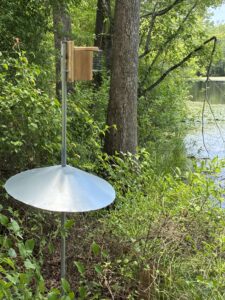
Michelin US2 in Sandy Springs has been a WAIT partner for more than a decade. Over the years they have created nature trails on their property with interpretive signage for their employees, created wildlife meadows, given away milkweed seeds to employees, and held education classes focused on wildlife and wildlife conservation. Jay Keck, SCWF’s Industry Habitat Manager, has even brought snakes to the facility to educate employees about how snakes fit into the ecosystem. Recently, Jay and Ami Crowe, an Environmental Specialist with Michelin, installed 13 Eastern bluebird boxes in prime habitat across US2’s campus. During the winter they will inspect and clean the nests while recording what bird species were using the nests around the site. One of the target birds, the Carolina Chickadee, has declined approximately 16% in the last 50 years. With the help of US2 and other WAIT partners, we’re hoping that efforts like this will help slow down or reverse this declining trend for this species and others across the state. Thanks Michelin US2 for being a great WAIT partner, and for providing breeding opportunities for some of our amazing birds and other wildlife.
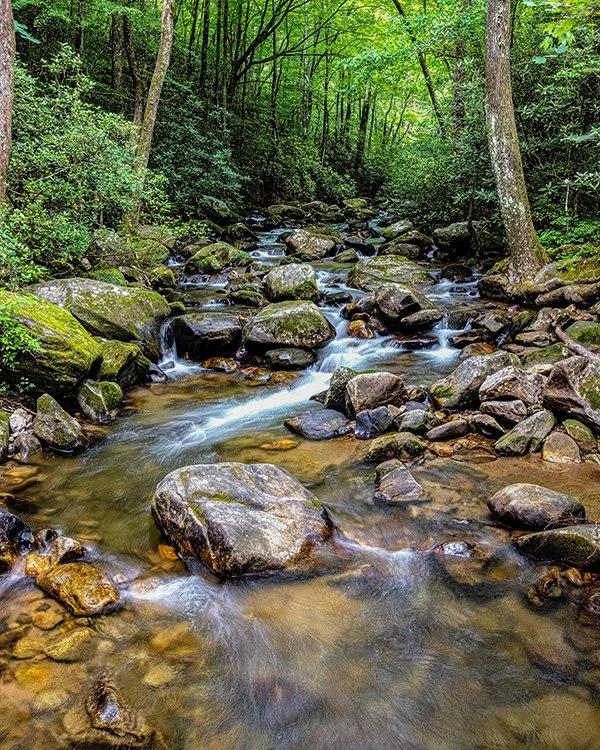
The South Carolina General Assembly is set to adjourn at 5:00 pm on Thursday, May 14th thus ending a two-year Legislative Session. While there are several bills still pending that the South Carolina Wildlife Federation has an interest in, we have nevertheless successfully advocated for significant pieces of legislation that have already made it across the finish line. And, we anticipate, with only a few days left in the session, we’ll be able to help shepherd a few more bills into law.
SCWF, working closely with our advocacy partner Audubon South Carolina, was able to pass legislation that designated the Prothonotary Warbler as South Carolina’s Official State Migratory Bird. That legislation, Senate Bill S.383 now Act 98 of 2026, passed the both Senate and the House receiving a unanimous roll call vote in each chamber and was signed into law by the Governor on February 27th. Subsequently, we were honored to participate in a ceremonial bill signing ceremony with Governor McMaster at Audubon’s Francis Beidler Forest on April 20th. It was a very special occasion for a very special bird that calls South Carolina home each year after traveling thousands of miles on its annual migratory journey to and from Colombia, South America.
The “Hunting Heritage Protection Act”, House bill H.3872, is poised to receive final legislative approval this week after a minor amendment in the Senate. This legislation would ensure that there is no net loss in acreage for hunting opportunities on state-owned wildlife management areas managed by South Carolina’s Department of Natural Resources. This initiative was an undertaking by the Sportsman’s Caucus and was supported by and advocated for by SCWF.
Also pending is H.5069, the “South Carolina Protected Lands and Conservation Coordination Act.” This bill, which we expect will be given final approval by the General Assembly before adjournment, establishes a bold long-range State policy goal of increasing the number of protected lands to 7 million acres by the year 2050. Currently, approximately 3.5 million acres of South Carolina’s roughly 21 million acres total land mass are protected from development by one means or another. SCWF has been very active in its advocacy of this legislation and has worked behind the scenes with the sponsor, Representative Travis Moore, and other legislative leaders to fast-track this bill through the House and Senate this year.
As with any legislative session, there are good bill that we have supported and lent our voices to that simply don’t make it into law. One of these bills is H.3409. Introduced by Representative Patrick Haddon, this legislation would increase the qualified conservation income tax credit from $250 per acre to $1,000 per acre. The income tax credit rate available to those who are willing to place their property in a qualified conservation easement or make a qualified conservation contribution has stood at $250 per acre for more than 20 years. That rate has not been adjusted for inflation nor exploding property values and should be adjusted as H.3409 would do. Regrettably, Rep Haddon’s bill has stalled in the House Ways and Means Committee and will not pass this year.
While we enthusiastically supported the SC Conservation Education Act, which was enacted into law in 2025, neither the House Ways and Means Committee nor the Senate Finance Committee committed any money in the respective budgets for FY26-27 to fund this program. The Conservation Education Act, housed in the SC Department of Natural Resources, would fund third-party indoor and outdoor classroom conservation education programs specifically for youth. We hope that the General Assembly will provide adequate resources to DNR in the future to fund this important program.
While the FY2026-27 state budget has yet to be finalized, there is good news for conservation and land protection in the current spending plan. Both the House and Senate, respectively, included record “new” money for conservation grant programs, such as conservation easement funding through the SC Conservation Bank, and land acquisition funding for state resource agencies. In recent years, the Legislature has really stepped up to the plate to fund land protection efforts in our state and we thank the entire General Assembly for their efforts and Governor McMaster who has prioritized protecting our most precious natural resources, land and water, for generations yet to come.
Homeowners and NWF affiliates are fighting to change restrictive local landscaping laws in favor of native plants
Lou Lesesne stands in his Charlotte, North Carolina, front yard (above), which brims with sundrops, coneflowers and other nectar-rich plants that support pollinators such as sweat bees.
FIVE YEARS AGO, when Lou Lesesne moved to a new house in Charlotte, North Carolina, he decided to “get rid of the grass and bring in the pollinators.” Today, his yard boasts expansive beds of ironweed, purple and cutleaf coneflower and other native plants that support native wildlife. “I like to do my part to help the birds and the insects find habitat,” Lesesne says.
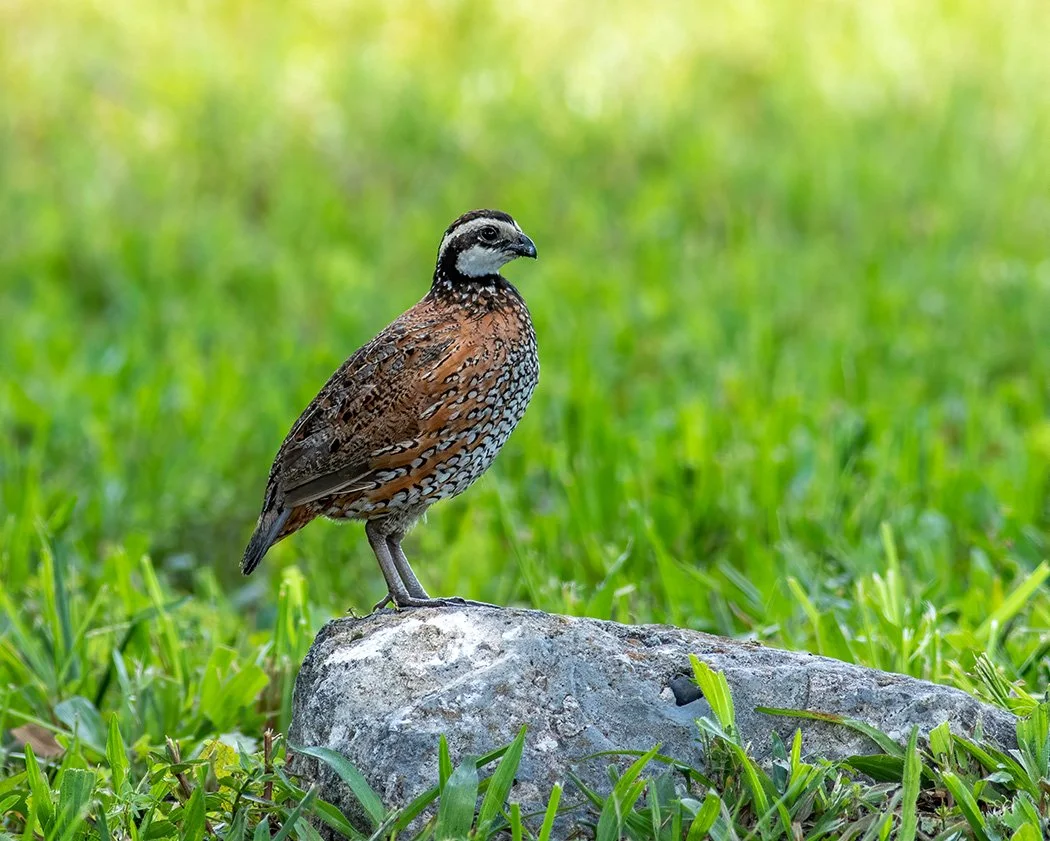
This past June, however, Lesesne received a letter from the city of Charlotte warning him he was in violation of a property-maintenance code requiring homeowners to keep nonwoody plants shorter than 12 inches. The city told him to mow down his natural garden or pay a fine of up to $500.
His experience is hardly unique. Across the country, wildlife-friendly gardeners are running afoul of local laws that prioritize “nice, tidy green lawns that are mowed low to the ground,” says Patrick Fitzgerald, the National Wildlife Federation’s senior director of community habitat.
But thanks to advocacy efforts by homeowners like Lesesne—often in collaboration with NWF affiliates—such rules increasingly are being challenged and subsequently repealed or revised. “We’re seeing a lot of momentum to change local landscaping ordinances, especially as more people bump up against rules that don’t allow them to grow native plants,” Fitzgerald says.
Dating back to the early 1900s, municipal property maintenance ordinances are intended to keep neighborhoods looking cared for and neat. The rules often prohibit homeowners from growing nonwoody plants above a certain height, typically 10 to 12 inches. But that requirement stymies the efforts of gardeners who choose natural landscaping. Native plants can grow several feet high—and need to before they can flower and reseed. When mature, some of the ironweeds adorning Lesesne’s yard, for example, can stretch up to 10 feet tall. Allowing such plants to reach their full height provides the pollen, nectar, seeds and other food wildlife need, as well as vertical structure that creates habitat for a variety of species, from insects and birds to reptiles and amphibians.
When Lesesne received his citation, he contacted the North Carolina Wildlife Federation (NCWF), an NWF affiliate, for advice on how to save his native plants. He wasn’t the only one, and NCWF has been happy to help. Changing municipal ordinances to encourage natural landscaping is “commonsense conservation,” says Alden Picard, NCWF’s conservation coordinator, who has fielded dozens of calls, emails and visits from concerned native gardeners like Lesesne. “This is something everyone can get behind. It’s a gardening for wildlife campaign. It’s a campaign to let our milkweed, ironweed and joe-pye weed grow tall, flower and go to seed,” he says.
In July 2025, NCWF joined forces with six other local and state conservation groups to create the Coalition to Protect Our Urban Nature. The coalition successfully rallied residents of Charlotte to submit several hundred comments as well as attend public forums to lobby for exempting native gardens from the city’s vegetation-height requirement
Ed Murray, a Charlotte homeowner with more than 100 native plants in his yard, testified on behalf of the proposed change at a city council meeting in fall 2025. He framed native landscaping as a family issue that benefits children. “We live in a very urban area, so it’s not like you can drive 10 minutes and get a lot of biodiversity. But you can still have a place where your kids go out into the yard and see interesting things,” he says. Murray believes that interacting with the native plants, insects and birds in their yard gives his 4-year-old daughter “a significant leg up in understanding the way the world works.”
Charlotte Mayor Vi Lyles found such testimonies so convincing that, last October, she pledged to exempt native plant gardens from the vegetation-height requirement. This February, the city council approved the change, paving the way for homeowners in the nation’s 14th largest city to create more wildlife-friendly gardens.
Another North Carolina city, Winston-Salem, passed a similar ordinance in 2025. Next up, Murray hopes the Charlotte coalition sets its sights on requiring native plants—and prohibiting the planting of invasive species—on city-owned properties, a policy adopted by Greensboro, North Carolina, in 2024.
In South Carolina, another NWF affiliate, the South Carolina Wildlife Federation (SCWF), also is helping reshape rules in the state capital, Columbia, to help homeowners grow—not mow—native gardens. After hearing complaints that residents were being penalized for growing native plants, SCWF teamed up with the Gills Creek Watershed Association and the South Carolina Native Plant Society Midlands Chapter to lobby the city to change its property maintenance ordinance. In May 2025, Columbia amended its rules so that homeowners certified through a recognized program, such as NWF’s Certified Wildlife Habitat® program, can register their yard with the city to avoid fines.
“South Carolina is one of the fastest-growing states. It’s more important than ever that we are able to replace some of the habitat that’s removed when new neighborhoods are built,” says Sara Green, SCWF’s executive director. When homeowners re-create lost habitat by planting native gardens, she adds, it benefits at-risk wildlife, including songbirds and native pollinators. Green has received requests from several other NWF affiliates seeking to change their local landscaping rules.
To support such efforts, NWF published the Guide to Passing Wildlife-Friendly Property Maintenance Ordinances in 2021. “The National Wildlife Federation prioritizes landscaping ordinances because they represent a key lever for increasing native plant habitat in communities,” Fitzgerald says, adding that “there’s been a recent groundswell of interest in advancing local policy changes to benefit wildlife.” In the coming year, he says, NWF will survey its affiliates to assess local advocacy efforts underway, including which of them can be replicated elsewhere.
Legalizing protections for wildlife-friendly gardens at the city level “is a much better return on investment than trying to change rules one homeowners association at a time,” Picard says. “It’s time for local government to wake up, to move forward, so that we have monarchs and bumble bees and songbirds in our yards 50 years from now.”
A committee of the South Carolina Wildlife Federation board is proud to announce the selection of the 2025/2026 scholarship recipients. Congratulations to Ella Michel, Lily Addicot, and Anna Chobot for their selection as SCWF scholarship winners and to Hsuan Hsieh for being selected for the Nicole Chadwick Memorial Scholarship. These impressive young conservationists are all motivated to use science-based solutions to make an impact on the world around them.
Ella Michel is a senior at the South Carolina Honors College studying Environmental Policy and Conservation. Ella is passionate about innovating our energy systems to be more sustainable, with a specific focus on energy efficiency. Increasing energy efficiency has a wide range of benefits, reducing energy bills and emissions simultaneously. She plans to leverage her interdisciplinary degree to approach energy efficiency improvements from a multidimensional perspective, including policy, industry, utility, and community-based solutions. It is through this work that she envisions a future where people can access the energy they need, while our environment is protected.
Lily Addicott is a master’s student in the Environmental Studies and Sustainability program at the College of Charleston, with a bachelor’s degree in microbiology from Clemson University. Since arriving in Charleston, she has shown a particular passion for geospatial science and wildlife conservation. Her thesis project will focus on quantifying the anthropogenic disturbance on local bottlenose dolphin populations. In the future, she hopes to make her impact on the world by working for a non-profit organization focused on ecology and conservation. Lily spends her free time teaching the sport of orienteering and trying to get people outside reading maps and connecting with nature!
Anna Chobot is a senior Wildlife and Fisheries Biology major at Clemson University with an interest in herpetology and contaminant research. She has worked on two Clemson research projects so far: one studying microplastic abundance in the diet of the American alligator (Alligator mississippiensis) across the Southeastern United States, and the other analyzing the genetic demographics of patch-nosed salamanders (Urspelerpes brucei) within the Tugaloo River Basin. Over the summer, she developed and conducted an independent research project studying microplastic abundance and diversity in water, sediment, fish gastrointestinal, and alligator diet samples across four coastal South Carolina sites. She plans to publish these results and continue to pursue a career in research by attending graduate school after graduating from Clemson in the spring.
Hsuan Hsieh is a PhD candidate in Parks, Recreation, and Tourism Management at Clemson University, where her research focuses on forest therapy and nature-based approaches to improving health and well-being. She enjoys guiding forest therapy walks and believes in the idea of “healthy forests, healthy people,” hoping that forest therapy practice can foster greater environmental care and nurture a reciprocal relationship between humans and nature.
SCWF is honored to be able to distribute educational grants to full-time students pursuing a degree in any environmental field at South Carolina schools of higher education. Both undergraduate and graduate students are eligible, based on their performance in academia and in related community activities. These scholarships are funded by contributions from generous individual donors in addition to the ongoing support received from these funds:
D. L. Scurry Foundation provides educational scholarship funds for individuals attending colleges, universities and technical schools in South Carolina.
The Riverbanks Conservation Support Fund (CSF) provides financial assistance for conservation oriented projects/programs worldwide that promote preservation of the Earth’s biodiversity.
The Nicole Chadwick Memorial Fund honors the legacy of an endangered species biologist who made a long-lasting impact on wildlife conservation in South Carolina.
Banner Image Credit: Piedmont Sandwort by Allison Bugarin
One of our longest-standing WAIT partners, Honda, located in Timmonsville, SC, is our highlighted industry partner this month! Though they were certified officially in 2009, staff members have been creating wildlife habitat on the property since 2007. Throughout the years they have planted hundreds of shrubs and trees, including native species, such as; persimmon, oak, sycamore, bald cypress, wax myrtle, elderberry, longleaf pine, and more! In addition to the 103 acres of field habitat, and 254 acres of forest, they also have over 60 acres of ponds and wetlands, offering their staff an opportunity to come and fish during their Youth Fishing Day event usually held in the spring.
SCWF staff members will be helping this May as employees and their children try their hand at catching some of the bluegill, catfish, and largemouth bass that have been stocked in the pond. Along with connecting employees to nature through the fishing event and educational materials within the lunch room, they also do a wonderful job in the community by supporting local schools and scout groups through funding wildlife habitat projects to build bird boxes for different species, and constructing fish attractors. Thank you, Honda, for doing such a great job at conserving the natural resources around your location, and with connecting your employees and the community to our amazing planet!
Why WAIT?
SCWF partners with conservation-minded businesses throughout the state who want to help wildlife thrive by enhancing their properties and providing educational opportunities for their employees and communities. Read more about the WAIT Program and how to join here.
Earlier this month, SCWF took an amazing group of birders on a fantastic trip to Costa Rica! I got to tag along and help with logistics, and Jay Keck, our Industry Habitat Manager, speaks Spanish in addition to being a bird expert – so he was a great bird guide! These annual SCWF trips to Costa Rica help to tie together conservation efforts here in South Carolina with those in Costa Rica where several neotropical migrants spend their winters and/or migrate through Central America. We were inspired by the intentional emphasis that Costa Rica places on ecotourism, carefully managing wildlife preserves and training guides to take tourists to see the beautiful landscapes and incredible biodiversity while not jeopardizing the pristine areas.
Our group was excited to explore the northern, mountainous part of Costa Rica together, and we saw amazing birds and other wildlife. They had a variety of levels of birding experience, some chose to focus more on photography or hiking, and some checked “lifers” off their extensive bird lists.
On this trip, we ended up with 162 species of birds (see entire list below), including 13 species of hummingbirds and 4 species of kingfishers! We also saw a few tapirs, howler monkeys, caimans, coatis, red-eyed treefrogs, eyelash vipers and even two fer-de-lances!
The wonderful nature-based La Carolina Lodge was our home base, and we took day trips to birding hot spots in the Guanacaste Region. The Lodge was built from wood on the property, and our meals were prepared deliciously with fruits, vegetables, eggs and meat from their farm and greenhouse. Every day, the staff would build fires for cooking and heating hot tubs, and they lit candles which lined the paths in the evenings, producing a beautiful and relaxing atmosphere to end the day. The sounds of the Montezuma oropendola were delightfully ever-present during the day, and toucans and honeycreepers came to the fruit feeders.
Montezuma oropendola at feeders by Jeff & Cindy Hekking
For our first day of birding, we stayed right there on the grounds of the Lodge – there were so many amazing habitat types and edges there! We hiked through meadows where horses and cows grazed, along the forested edges of the creek, and through the property’s numerous gardens. We met our amazing local guide, Jorge, from Bijagua Birdwatching, who was a wealth of knowledge about birds, as well as many plants, insects, etc., and the culture of the area. He brought along a spotting scope to allow us all to have a great view of the birds. This property was a great location for our group to begin to recognize many of the common birds at a leisurely pace.
The Caño Negro Wildlife Refuge was our destination for day two, and we were treated to a boat ride through the Caño Negro Wetland – one of the most dynamic and biodiverse ecosystems in Costa Rica. Traveling to this Refuge allowed us to see numerous water birds that we would not otherwise have seen on this trip – bare-throated tiger heron, boat-billed heron, black-necked stilts, jabiru, and four species of kingfishers. This is where we saw numerous caimans and iguanas, in addition to a couple green basilisks and white-faced capuchin monkeys.
One of four species of kingfishers we saw – photo by Tracy Nunnery
Day three took us to the Cataratas Bijagua Lodge which is set on the lush slopes of the Miravalles Volcano and the banks of the Bijagua River in the Guanacaste Province. The parking lot was surrounded by a garden which attracted a great variety of hummingbirds and the lodge had hummingbird feeders which gave us great looks at them up close. Highlights there were the violet saberwing and the black-crested coquette. We saw a white hawk perched on a low tree in the gardens for us to easily see and marvel at. A hike to see the Bijagua River waterfall tired us all out, and we had time to rest in the afternoon back at La Carolina Lodge.
White-necked jacobin, photo by Tracy Nunnery
On day four, we drove a short distance to Tapir Valley, which is carefully managed for the native, nocturnal mammals for which the preserve was named. Upon arrival, we quickly hiked to catch a glimpse of 2 tapirs before they bedded down for the day. We then visited some areas in the valley where we saw several different species of hummingbirds (highlight – a snowcap!), and then our group was treated to delicious snacks at an overlook where we watched a great diversity of birds at the fruit feeders. We then continued the hike around the valley and saw many more new birds, another highlight was the barred antshrike, both male & female! On the way back to the Lodge, we stopped in the nearby town of Bijagua for souvenirs, snacks, and cash for tips. We were treated to a night hike back at Tapir Valley later that evening, and saw a tapir out in the open feeding, as well as several species of frogs, lizards and snakes!
Night hike at Tapir Valley, group members observing a tapir browsing, photo by Sara Green
The fifth day was a planned “free” day and folks were free to make arrangements to visit nearby cocoa farms, go horseback riding or zip lining, rent a car and travel to another area, etc. Some folks went to visit Rio Celeste, Costa Rica’s most famous turquoise waterfall. Others went to the cocoa farm, and some went back to Catarata Bijagua for more birding, where they spotted a sloth, too!
Group members visited Rio Celeste, photo by Jeff Hekking
Each of those days, we rose early to go birding, usually taking “breakfast” with us in the form of granola bars, fruit and nuts. We’d typically be back to the Lodge by early- to mid-afternoon to rest and cool off in the river before dinner. Most days included 5+ hours of birding, 2-4 miles of hiking (sometimes with considerable elevation change and uneven footing), and we ended up with light rain each day, even though it was the dry season. We carried lots of water and snacks, and found some incredible places to eat when we were away from the Lodge.
Candlelit dinner at La Carolina Lodge, photo by Sara Green
The Lodge does not have air-conditioning, but every room has a ceiling fan and at least one floor fan, and multiple screened windows to help with airflow. The creek that runs through the property is nice and cold and refreshing, and has easy access by stairs. Dips in the creek, plenty of showers, and all the fans and open windows allowed us to keep cool. The beds also have mosquito nets above them, and I figured they were there for a reason, so I used them every night. But, we did not have much of an issue at all with insects, either at the Lodge or on any of our excursions.
This trip is definitely geared toward birding – while we did stop to check out all mammals and reptiles, we did not spend much time on all of the amazing tropical plants along our hikes. Our guides Jorge and Jay were very focused on helping the group see as many different birds as possible.
Volunteers, partners, and staff gathered once again for the annual Working for Wildlife Day, a hands-on volunteer event hosted by the South Carolina Wildlife Federation in partnership with the Carolina Sandhills National Wildlife Refuge. The event continues a long-standing tradition of conservation work at the refuge, where volunteers help maintain and protect habitat for native wildlife.
This year’s workday brought together a dedicated group of volunteers ready to roll up their sleeves and make a difference. After gathering at the refuge headquarters in the morning, participants split into teams and headed out to tackle a variety of stewardship projects across the refuge.
Supporting Habitat and Wildlife
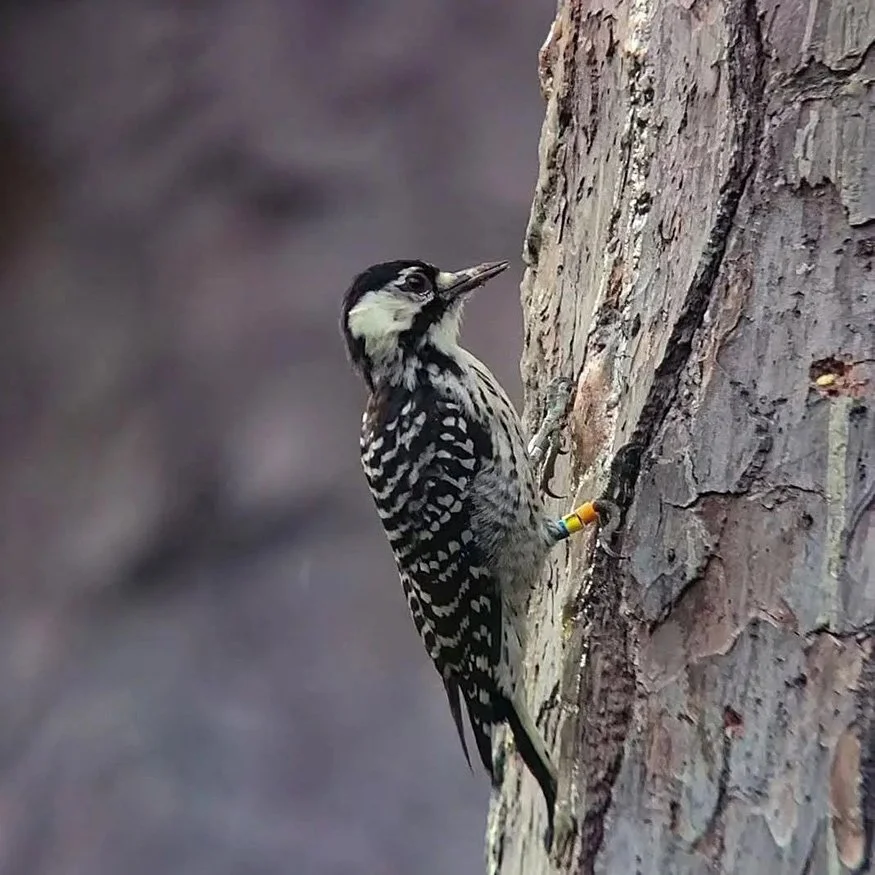
One of the tasks of the day involved raking around Red‑cockaded Woodpecker cavity trees. This endangered species depends on mature longleaf pine forests for nesting, and maintaining the areas around their cavity trees helps protect these sites during prescribed burns and keeps habitat conditions suitable for the birds.
Another group of volunteers helped check and maintain duck nest boxes throughout the refuge. These boxes provide important nesting opportunities for species such as the Wood Duck, which rely on cavities near wetlands to raise their young.
Volunteers also assisted with installing and maintaining signage around the refuge. These signs help guide visitors, protect sensitive areas, and share important information about the wildlife and habitats found within the refuge.
Volunteers raking red-cockaded woodpecker trees.
Volunteers removing fire fuel from around cavity trees.
A Landscape Worth Protecting
The Carolina Sandhills National Wildlife Refuge protects a unique sandhills ecosystem dominated by longleaf pine and wiregrass habitat. The refuge supports an incredible diversity of wildlife, including more than 190 species of birds and dozens of mammals, reptiles, and amphibians.
By assisting with habitat maintenance and conservation projects, volunteers play an important role in helping refuge staff protect these species and the landscapes they depend on.
Thank You to Our Volunteers
Events like Working for Wildlife Day would not be possible without the dedication of volunteers who give their time and energy to conservation. Their efforts help ensure that South Carolina’s wildlife and wild places remain healthy for generations to come.
We had a great group of volunteers this year!
We are grateful to everyone who joined us this year and helped make the day a success. Whether raking around woodpecker trees, checking duck boxes, or installing signage, each project contributed to the continued stewardship of this special place.
We hope to see everyone again next year for another day of working together for wildlife!
SCWF and our partners in the SC Conservation Coalition are celebrating the passage of SC Senate Bill 383—the “Prothonotary Warbler Recognition Act”—which designates the brilliant yellow, swamp-dwelling songbird as South Carolina’s official migratory bird. The legislation passed the South Carolina House and Senate unanimously, and is now headed to Gov. Henry McMaster to be signed into law.
The Prothonotary Warbler, a bright yellow bird with a striking dark eye, is often one of the rock stars of our birding outings. As part of their natural behavior, they are often seen foraging and nesting right at eye level, and often in close proximity to trails, giving birdwatchers a close view of this beautifully colored bird.
During the spring and summer months, the Prothonotary Warbler calls South Carolina home to feast upon insects, spiders, and snails located in and around our forested wetlands, before returning to their wintering grounds as far south as Colombia, South America. They depend on healthy swamps and waterways, illustrating the need to protect our state’s wetlands.
Uncommon among warblers, this bird is a cavity nester, which presents us a great opportunity to help save this bird whose population has declined approximately 42% over the last 50 years. SCWF staff, volunteers, and partners have installed over 600 boxes on state, federal, and private land all throughout South Carolina over the past 4 years for this species.
As South Carolina’s human population continues to grow, all wildlife face continued threats from habitat destruction due to pollution, deforestation, and invasive species. This designation will help bring awareness to this amazingly bright and beautiful bird, and how we can all make a difference for wildlife by protecting and enhancing its habitat.
SC third graders studying the SC State Symbols will now get the opportunity to learn more about the iconic prothonotary warbler, its long-distance migration, and its habitat needs.
The song of the Prothonotary warbler is said to sound like: “sweet, sweet, sweet!” This designation will help us ensure that the “sweet” song of the Prothonotary Warbler is a sound our swamps and forested wetlands will have for generations to come.
We are excited to announce that Liz List is the winner of the 2026 Forks, Knives, & Spoonbills art contest for her piece, Gathered Around the Plate! This statewide competition, hosted by the South Carolina Wildlife Federation, invited local artists to design unique artwork featuring the six imperiled wildlife species highlighted in this year’s conservation dinner series. This year’s featured species include the Eastern whip-poor-will, golden-winged warbler, green heron, prairie warbler, yellow-billed cuckoo, and of course, the roseate spoonbill, whose conservation story inspired this dinner series.
Thank you to everyone who submitted their creative work and helped make this contest our largest so far! We sincerely appreciate every artist who participated. The imaginative ways you brought this year’s featured species to life are truly inspiring.
Winning Entry
Gathered Around the Plate by Liz List.
About the winning image:
Because I work from photos, half the challenge is to be in the right place at the right time to capture an image that I can transform into a painting. The other half of the challenge is also the fun part. Painting often takes me right back to those precious encounters with birds and nature. My love of birds began when I was in the 8th grade and first experienced bird watching with my science teacher. I am especially fond of Canada Geese because they remind me of childhood trips to Horicon Marsh in Wisconsin to view the geese in migration.
When it comes to painting, I am fascinated by reflections and inspired by textures. In my “real life” job, I teach art at our state school for the blind, and much of my work involves using tactile materials that enable my students to experience art through their sense of touch. When I paint, I like to challenge myself to represent textures such as water, feathers, wood, and rocks simply through brushstrokes and layers of color. The common ground between my career as a teacher and my ambitions as an artist is my love of learning. Each new painting offers me another opportunity to grow, and this contest provided a challenge to consider the bird images as part of a design apart from their natural habitat. In this case, I chose to represent them gathered around a plate.
Our top selections are featured below.
Daydream View by Kaia Stone.
Spoonbill Sunset by Amy Kuhl Cox.
SCWF Featured Species by Amber Weeks.
Highly Revered by Mary Morris.
Still Here and Worth Protecting by Catrina Kennedy.
Forget Me Not by Karen Maston.
Plumage & Province by Melissa Junge.
Six Birds and Silver by Barbara Friedman.
Palmetto Nights by Ava McCarty.
Banner image credit: Roseate Spoonbill by Gretchen Locy.