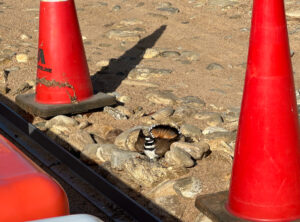
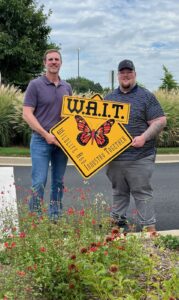
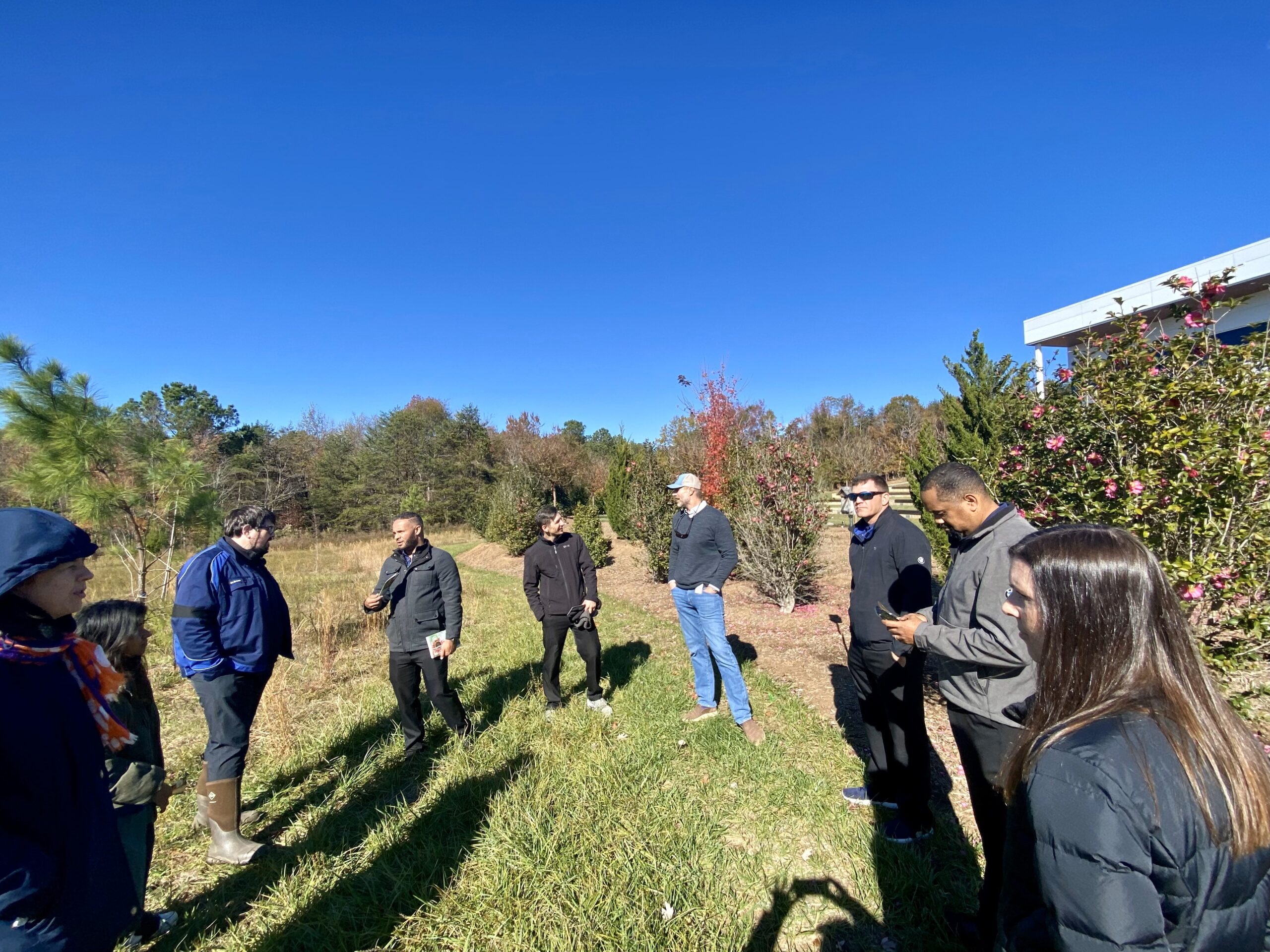
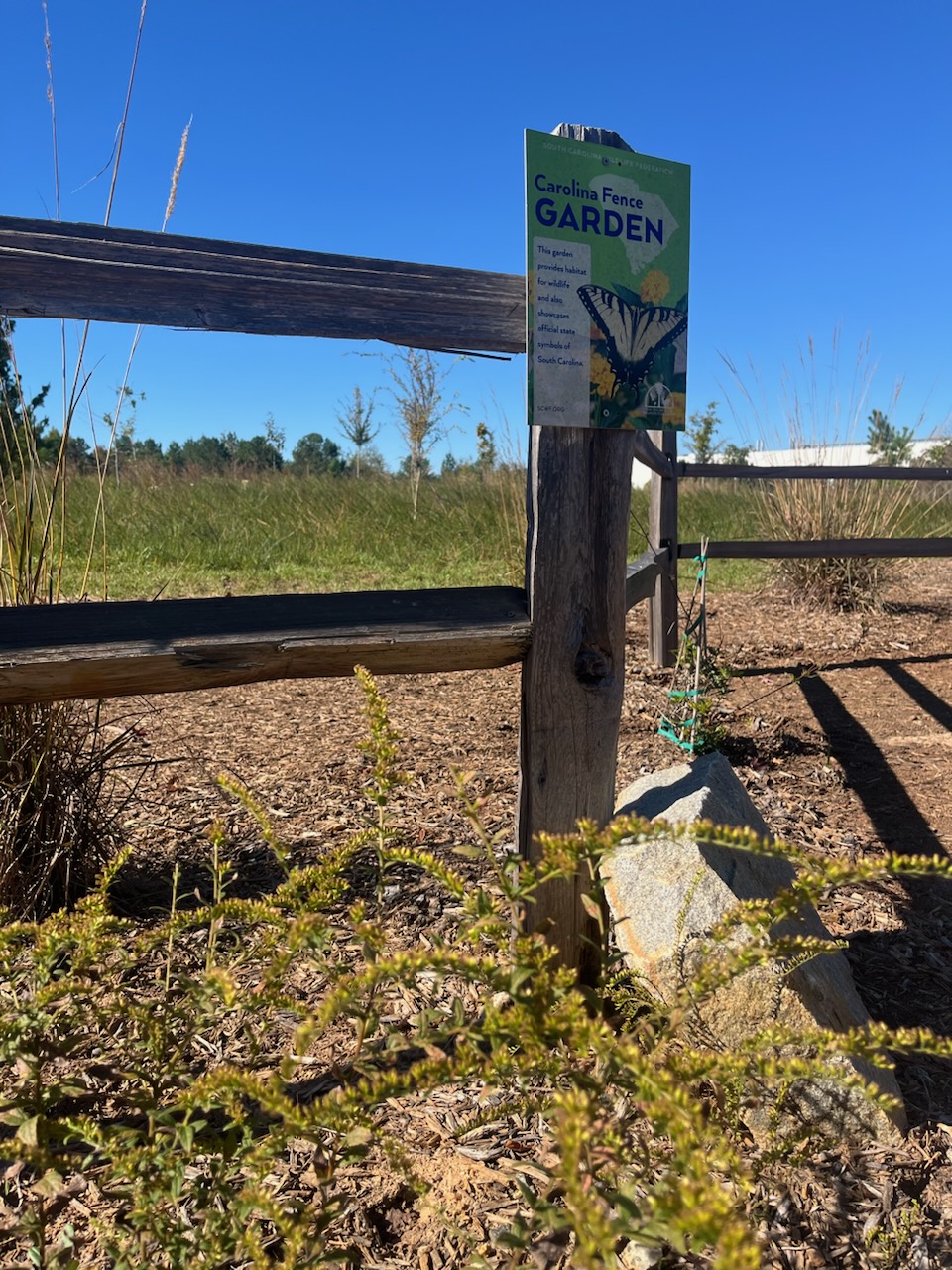
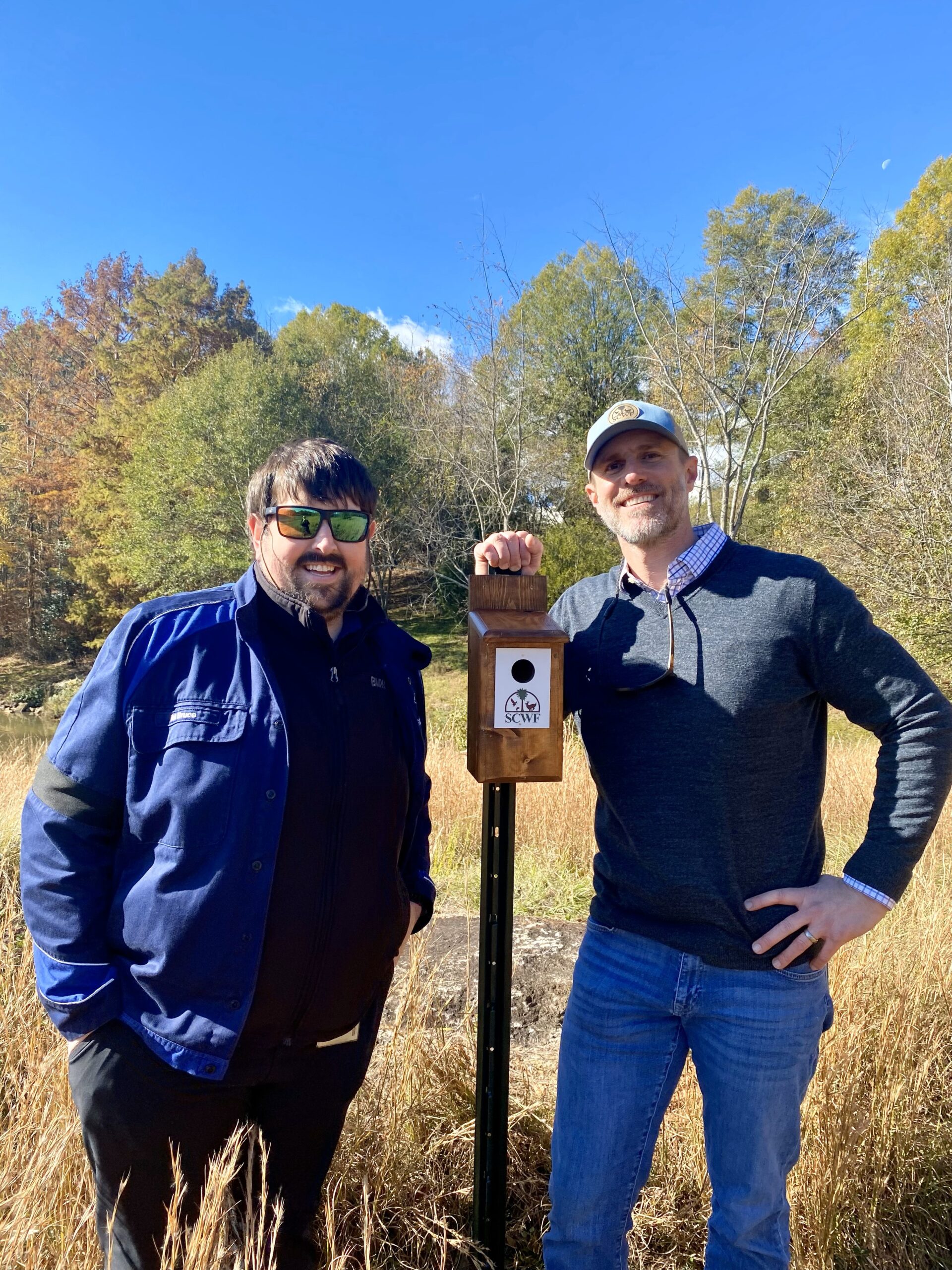
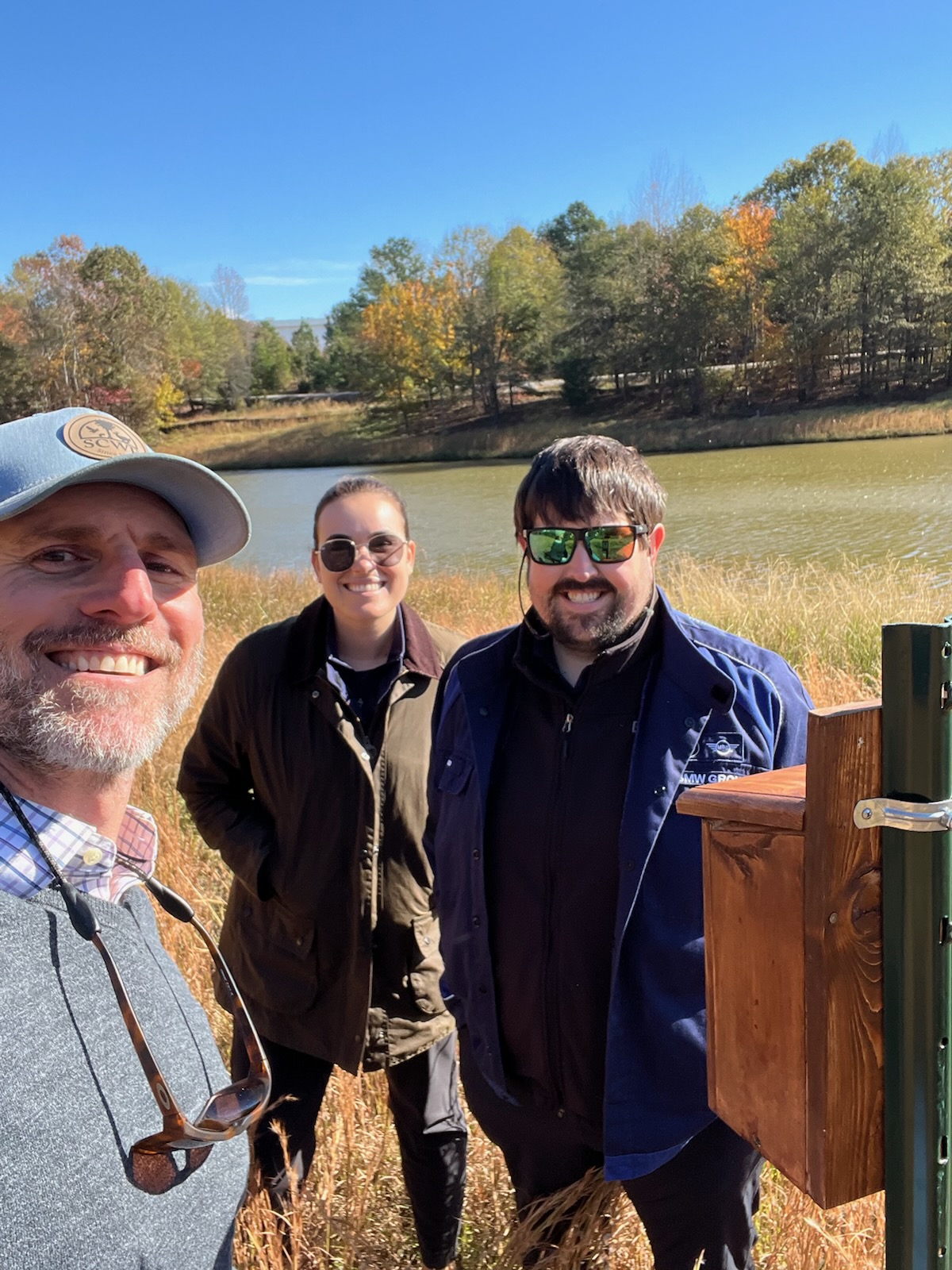
One of the greatest things we can see on a Wildlife And Industry Together or WAIT partner’s property are signs that wildlife has a place to feed and reproduce in a safe environment. Oshkosh Defense LLC in Spartanburg, SC, has developed such an area on part of its property for birds like red-winged blackbirds, Eastern bluebirds, and even the steeply declining loggerhead shrike, which has been seen in and around the parking lot feeding on the insects or other prey near the native plants that were installed to attract wildlife.
Image Caption: Killdeer on nest at Oshkosh Defense.
In a press release, Trent McJunkin, facilities and maintenance manager said: “Our intent is to turn our greenspace at the facility into a thriving habitat for native wildlife, supporting biodiversity, and a healthy ecosystem. Trent added that: “This effort not only helps wildlife flourish, but also increases efficiencies in groundskeeping, demonstrating that sustainability and operational effectiveness can go hand in hand.”
Why WAIT?
SCWF partners with conservation-minded businesses throughout the state who want to help wildlife thrive by enhancing their properties and providing educational opportunities for their employees and communities. Read more about the WAIT Program and how to join here.
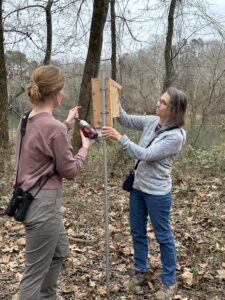
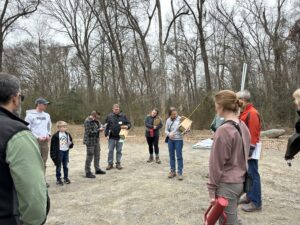
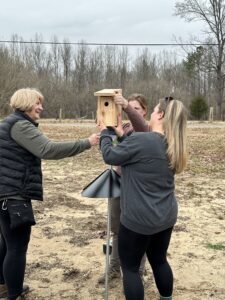
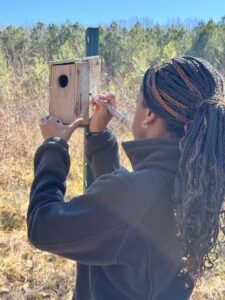
SCWF recently held a workshop for Project Prothonotary, an ongoing conservation effort to enhance habitat for a declining bird species known as the prothonotary warbler. This project focuses specifically on installing nesting boxes for prothonotary warblers in the Catawba-Wateree watershed of South Carolina. Hosted at the Catawba Nation, workshop participants learned about how to identify nests of certain species, bird breeding biology, and best practices for monitoring bird nests.
Volunteers were trained in nest box monitoring for prothonotary warblers and data collection using NestWatch. Starting in the spring, volunteers will begin checking nest boxes each week for signs of nesting activity! To learn more about Project Prothonotary, visit https://www.scwf.org/projectprothonotary/
Thank you to Duke Energy for sponsoring this workshop and for making this project possible!
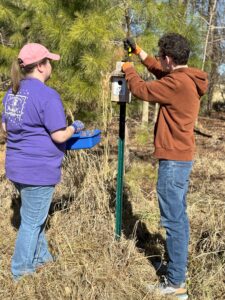
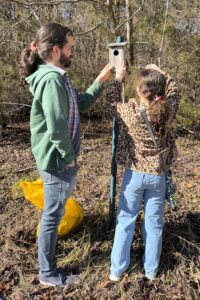
Thank you to the 25 volunteers who showed up on Saturday, February 1st, to help Eastern bluebirds at Camp Discovery in Blythewood, SC! Camp Discovery’s mission is to engage and inspire through discovery in science and nature. On their 116-acre property, Camp Discovery has about 30 nesting boxes for bluebirds.
SCWF staff and volunteers go out each year to clean these boxes, reduce vegetation, and record the data. This is important to do because Eastern bluebirds will not nest in boxes if they contain old nests or debris.
Thank you to the Columbia Star for your article about this volunteer day!
BMW Manufacturing, another great Wildlife And Industry Together or WAIT partner from the upstate of SC, has been an engaged partner in wildlife habitat creation and conservation for years. From pollinator habitat to the installation of nest boxes and native trees, their team of engaged employees is always eager to learn more about conservation and what they can do on their property to help local wildlife. Recently, over 100 native trees were planted in an area behind one of their training facilities. These trees, which include oaks, elms, hornbeam, pine, among other species, will produce millions of insects (if not more) over the years that will be consumed by birds, reptiles, mammals, and even other insects.
BMW staff, along with Industry Habitat Manager, Jay Keck, recently installed six Eastern bluebird boxes on the property, adding to the already existing Wood Duck and bluebird boxes. The installation was followed up with a talk about the importance of cavity nests and native plants.
Thank you, BMW, for providing us with the opportunity to educate your employees, as well as taking the time to increase wildlife habitat and nesting opportunities for a number of local wildlife species!
Why WAIT?
SCWF partners with conservation-minded businesses throughout the state who want to help wildlife thrive by enhancing their properties and providing educational opportunities for their employees and communities. Read more about the WAIT Program and how to join here.
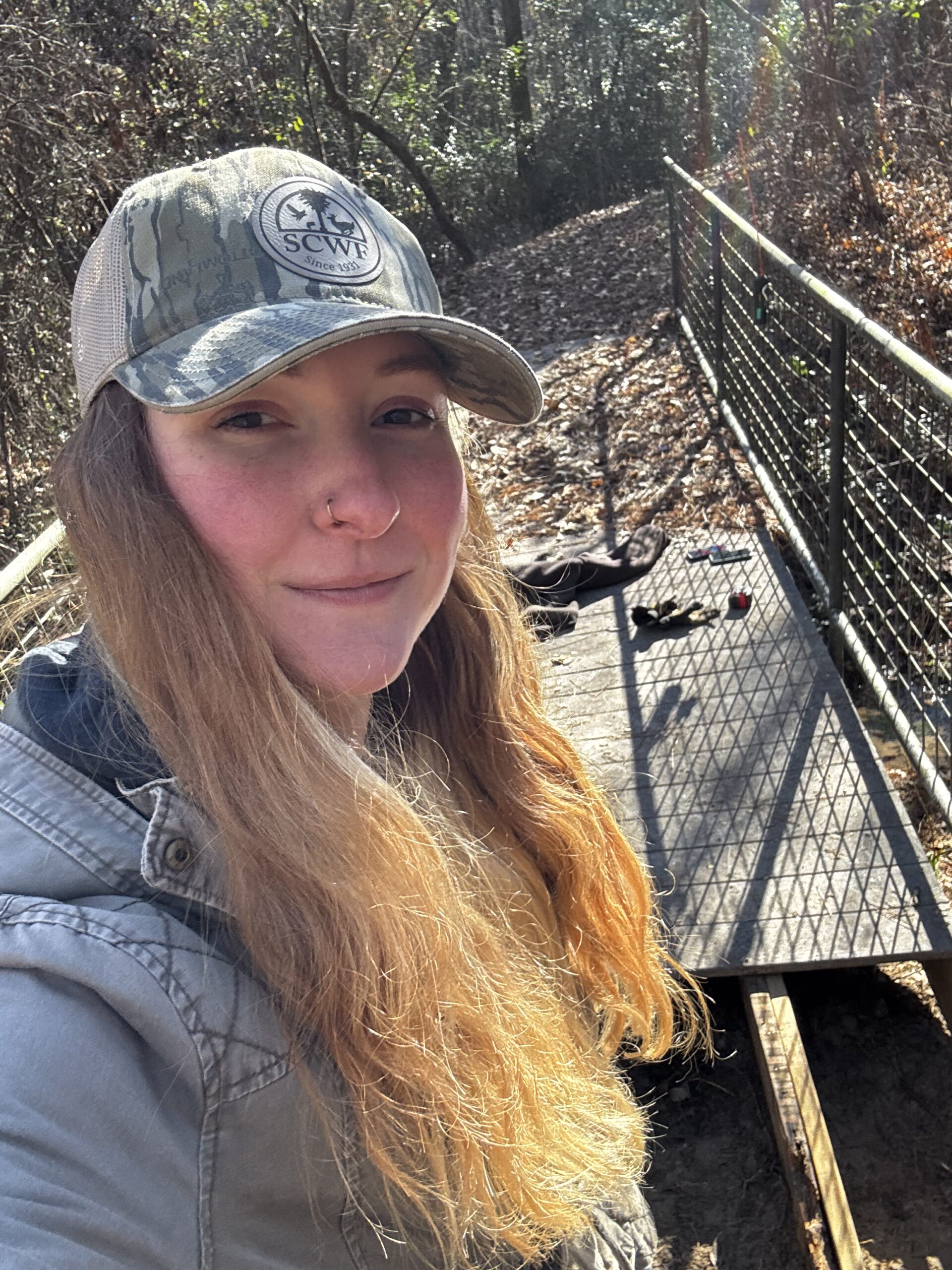
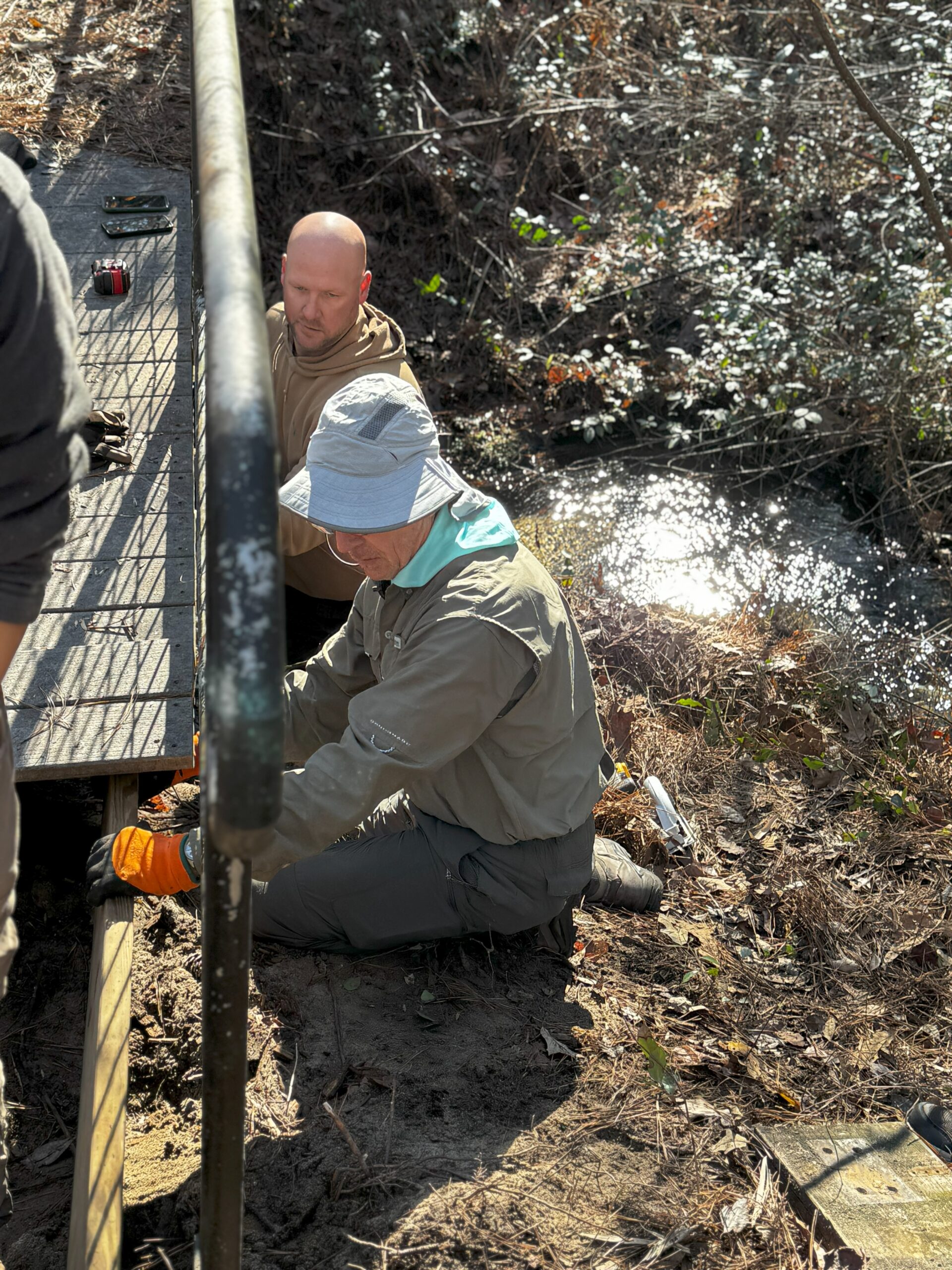
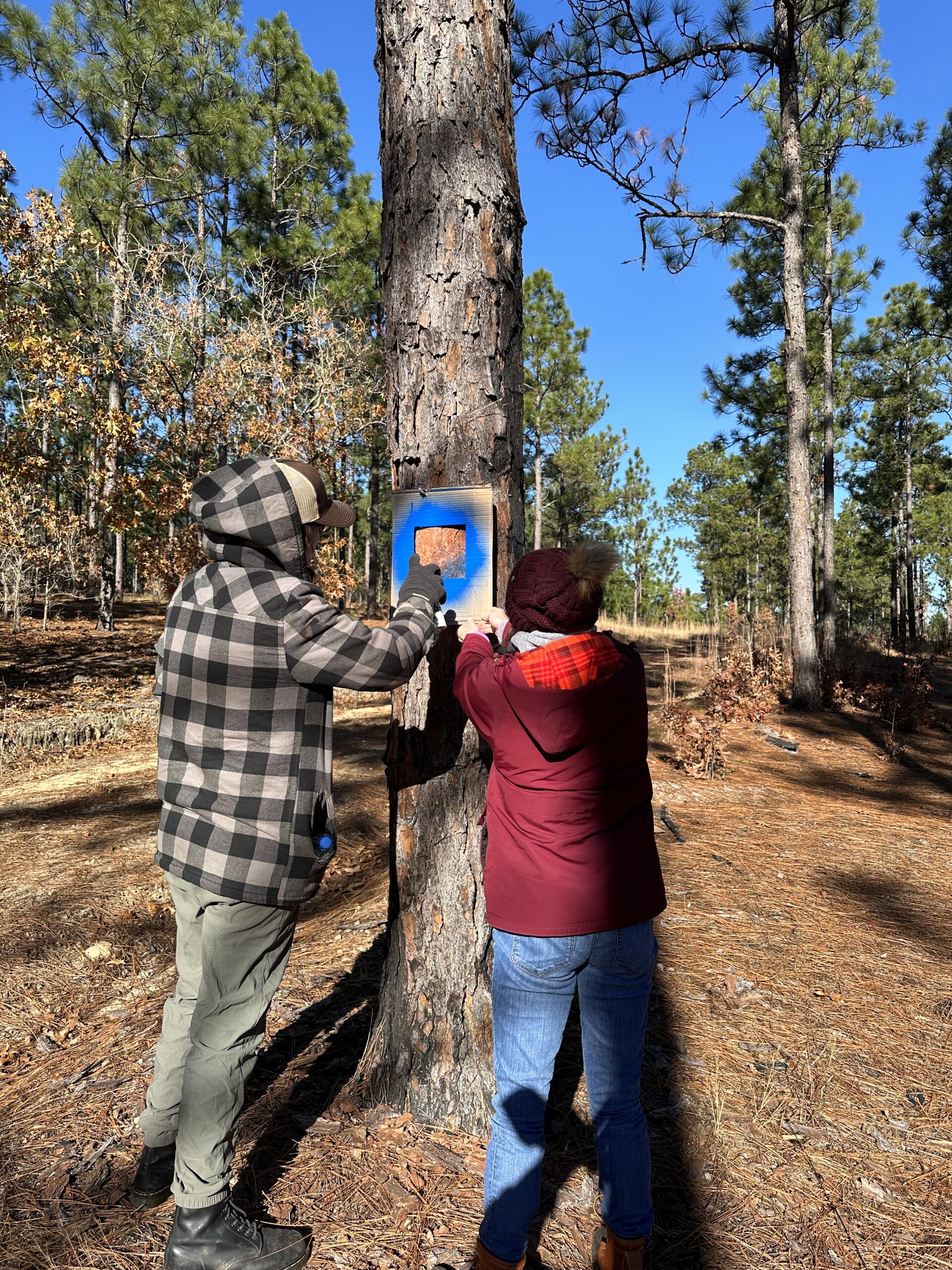
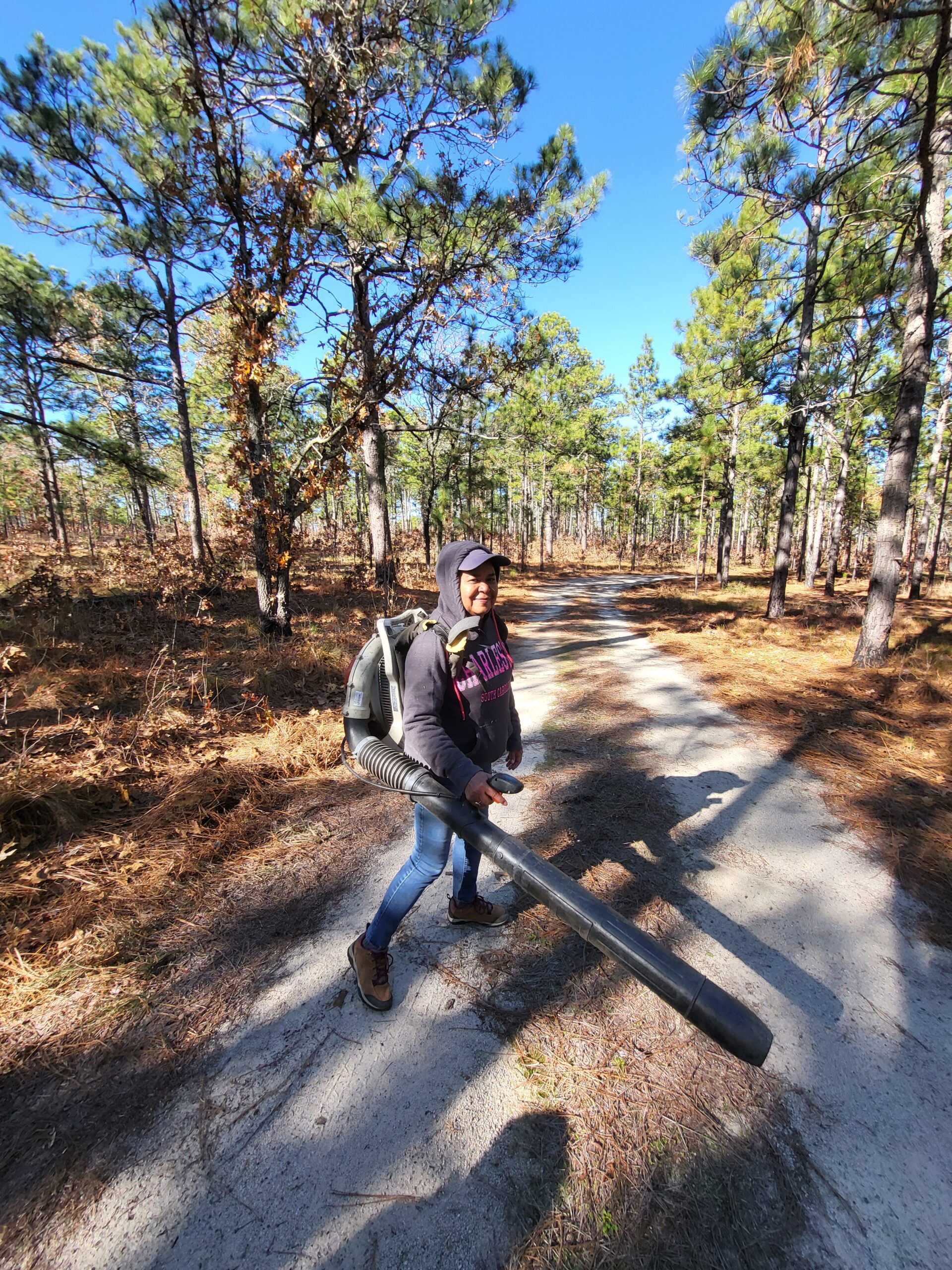
Thank YOU to our volunteers who showed up and worked together to make a difference for wildlife on December 7th despite the chilly weather! Our annual Working for Wildlife Day at the Carolina Sandhills NWR was a huge success thanks to the volunteers and the knowledgeable refuge staff who joined us. SCWF is proud to have collaborated with the refuge on workdays since 1998.
Projects that were completed included trail marking and maintenance, sweeping around the trees marked as nesting sites for the red-cockaded woodpeckers, repairing boardwalks, leaf blowing and litter pick-up.
Carolina Sandhills NWR hosts an incredible range of biodiversity and is a leading site in conservation efforts. Everyone worked incredibly hard, and all work done here is going right back to a keystone location for many of our unique state species and habitats. – Ari Hippensteal, SCWF Community Outreach Manager
If you haven’t yet visited the Carolina Sandhills National Wildlife Refuge, we encourage you to do so. Founded in 1939, the refuge contains rolling sand hills dominated by the longleaf pine-wiregrass ecosystem. Along with the endangered red-cockaded woodpecker, the refuge is home to more than 190 species of birds, 42 species of mammals, 41 species of reptiles, and 25 species of amphibians. More than 800 species of plants have been identified on the refuge, including rare species of pitcher plants, Well’s pixie-moss, and the white-wicky.
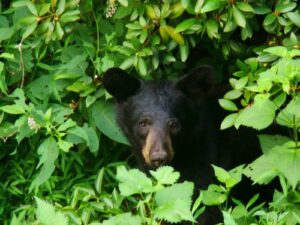
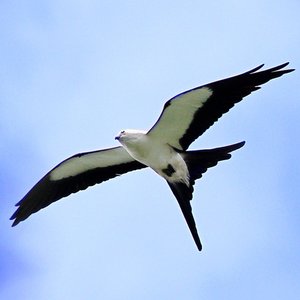
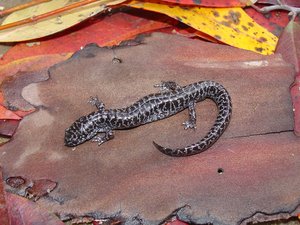
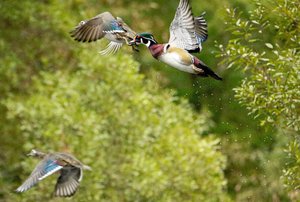
FOR IMMEDIATE RELEASE: The U.S. House of Representatives has voted to pass the Recovering America’s Wildlife Act, a bill to prevent wildlife extinctions by funding locally-led conservation efforts. If it becomes law, South Carolina will receive $14 million each year to help hundreds of species in need, including bobwhite quail, gopher tortoises, black rails and loggerhead sea turtles.
“This is the most important piece of wildlife legislation in the past fifty years,” said Sara Green, executive director of the South Carolina Wildlife Federation. “Wildlife in South Carolina and across the country are in crisis and this bold, bipartisan bill will tackle the problem at scale without new taxes or regulations.”
Funding from the Recovering America’s Wildlife Act will be used to implement the Congressionally-mandated state wildlife action plans, which identify more than 12,000 wildlife and plants that need conservation assistance nationwide.
Image Credits L to R: Swallowtail Kite by Ross Appel; Flatwoods Salamander by Dike Stevenson; Swallowtail Kite by David Dial; Wood Duck by Joseph Dress.
“The bipartisan passage of the Recovering America’s Wildlife Act affirms that there is consensus across the political spectrum that we can, and we must, prevent extinctions from our backyards to the backcountry,” said Collin O’Mara, president and CEO of the National Wildlife Federation. “Inaction is the ally of extinction, and the time to act is now.”
The bill will also dedicate $97.5 million annually to fund proactive wildlife conservation efforts led by Native American Tribes. The nation’s 574 federally recognized Tribes manage tens of millions of acres of land nationwide with limited federal funding for conservation efforts.
“Tribes have thousands of years of traditional knowledge and a vested interest in solving the biggest challenges facing our fish and wildlife. The missing piece of the puzzle is adequate, sustained resources to build tribal capacity and support their conservation efforts,” explains Gloria Tom, Director of the Navajo Nation’s Fish and Wildlife Department. “The Recovering America’s Wildlife Act would be an unprecedented step in providing those resources and rectifying historic funding inequity and injustice.”
The bill has strong bipartisan support in the Senate, with 35 cosponsors including Senator Lindsey Graham. The Senate bill would be paid for out of federal environmental penalties.
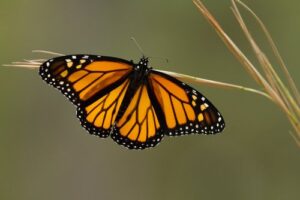
Monarch by Teri Carter.
“I want my children and grandchildren to be able to hear the song of the meadowlark and to see monarchs in their backyard, the way I did growing up. Senator Graham and Senator Scott should do everything they can to champion this historic legislation and get it over the finish line this summer,” said Green.
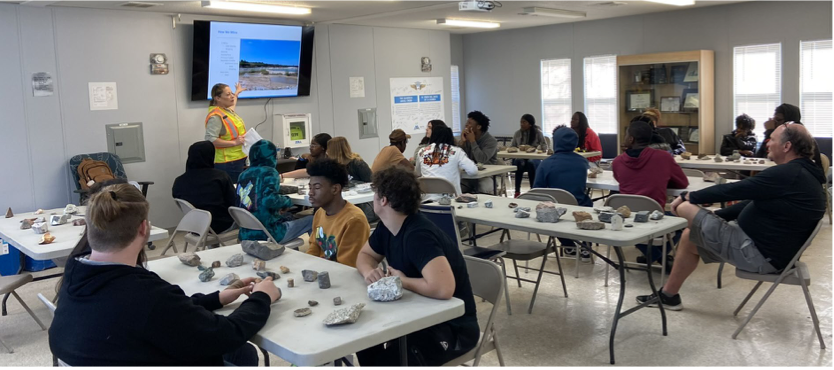
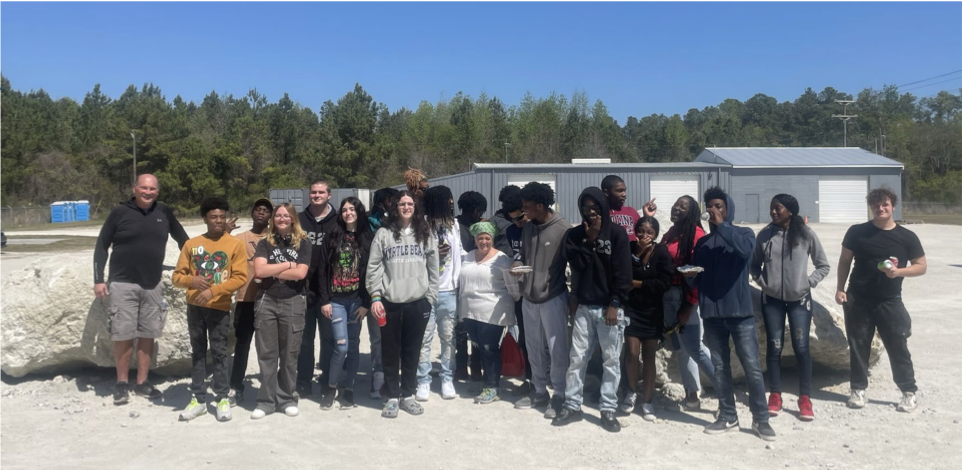
The team at Martin Marietta’s Berkeley Quarry goes above and beyond to educate local students and the community about the natural history of the Cross, South Carolina area, and how the quarry functions while respecting our natural resources.
Combined with numerous field trips, which include visits with local schools, gem and mineral clubs and community organizations, Berkeley Quarry’s crew educates close to 1,000 people annually, sharing information about a little known underground world that is normally hidden from view. Fossil collecting, geode breaking stations, a child mining area, quarry tours and geology lessons are among the activities that visitors enjoy while learning from the site’s knowledgeable and talented team members.
In addition to the geological interests of the area, habitat creation and preservation is important to Martin Marietta as well. Working with the South Carolina Department of Natural Resources and American Forest Management, the Berkeley Quarry team has set aside several hundred acres of forested land that is intended to preserve habitat for both birds and animals. Wood duck boxes have also been installed on the grounds, and the area is regularly patrolled by a bald eagle that glides through the skies in search of prey.
Through community education, wildlife habitat creation and sustainable practices, Martin Marietta exemplifies how a large corporation should operate in an ecologically responsible way.
We hope this approach continues for years to come!
Why WAIT?
SCWF partners with conservation-minded businesses throughout the state who want to help wildlife thrive by enhancing their properties and providing educational opportunities for their employees and communities. Read more about the WAIT Program, and how to joinhere.
Hurricane Helene showed us that whether we live on the coast or in the mountains, anywhere can be vulnerable to the devastating effects of major storms. To a degree, humans can prepare for these types of storms that continue to become stronger and more frequent, but what about wildlife? How do they respond to extreme weather events and what we can do to help them? Read the article below, adapted from the National Wildlife Federation’s blog post Seven Things to Know About How Hurricanes Affect Wildlife.
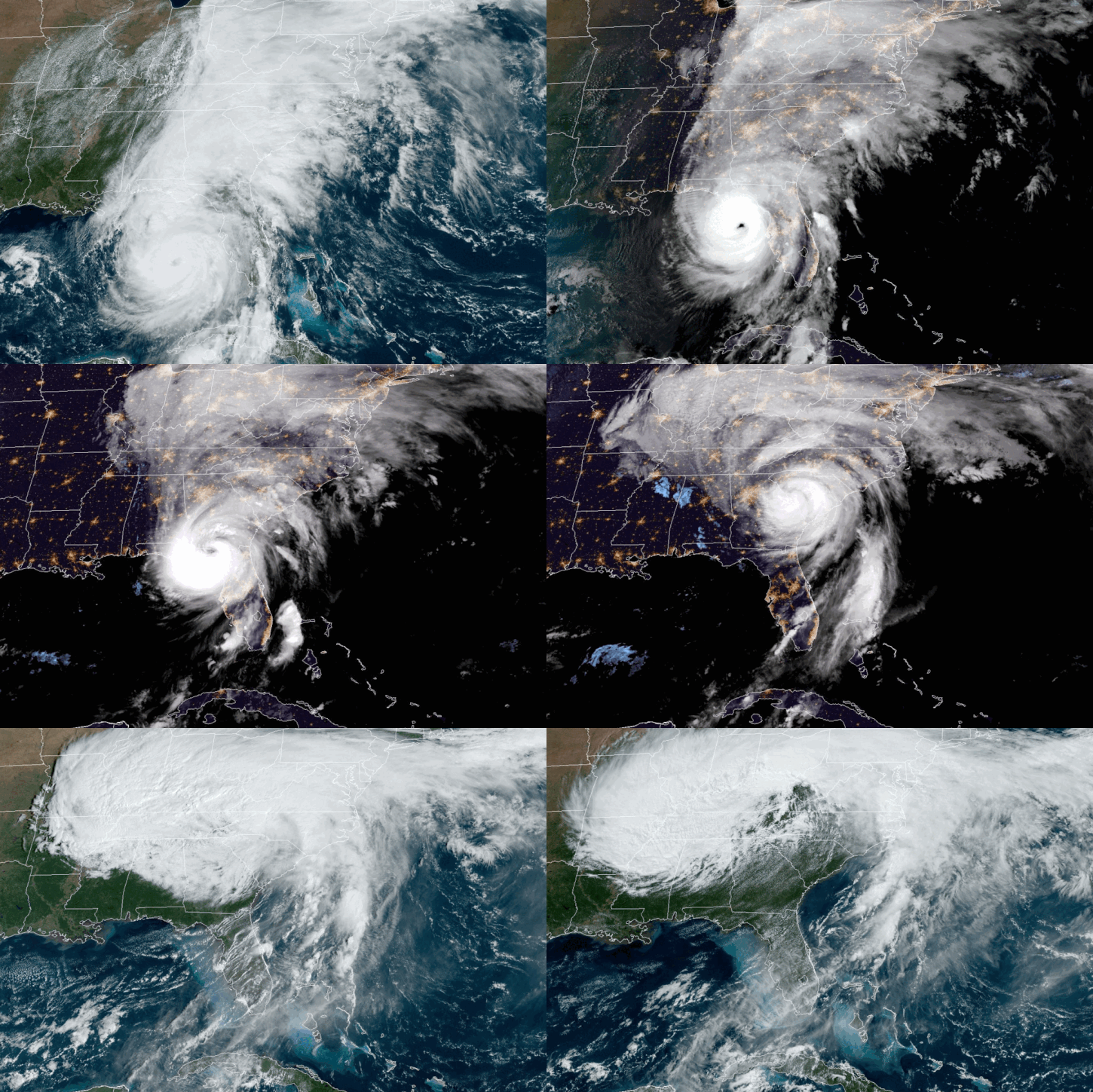
GOES-16 GeoColor satellite loop from September 26 to 27, 2024 showing Helene moving through the Southeast U.S. NOAA National Weather Service
Wind Dislocation
Powerful winds from hurricanes and tropical storms can blow birds off course and push them hundreds of miles away from their home habitat. Last year, a North Carolina brown pelican was found on the roof of a night club in Halifax, Nova Scotia. The news often covers the appearance of rare species after a major storm. Sometimes younger or weaker birds become separated from their flock and many can take weeks to return home — if they can find the right foods on their way back.
During major storms, sea birds and waterfowl are most exposed. Songbirds and woodland birds, however, are specially adapted to hold on and ride things out. Their toes automatically tighten around their perch. This holds them in place during high winds or when they sleep. Woodpeckers and other cavity nesters will, barring the destruction of the tree itself, ride out storms in tree holes. Shorebirds often move to inland areas. In a unique effect of cyclonic hurricanes, the eye of the storm with its fast-moving walls of intense wind can form a massive “bird cage” holding birds inside the eye until the storm dissipates. It is often the eye of the storm that displaces birds, more than its strong winds.
Birds are not the only species affected by the winds. Sea mammals can be harmed too. While many can seek shelter in open water or in near shore shelter, some dolphins and manatees have actually been blown ashore during major storms.
Tree Loss
In 1992, Hurricane Andrew brought incredible wind velocities onshore and knocked down as many as 80% of the trees on several coastal Louisiana basins, such as the Atchafalaya. Tree loss during Hurricane Katrina in 2005 caused even more extensive damage. Loss of coastal forests and trees can be devastating to dependent wildlife species and migratory species. Many wildlife species have very specialized niches in these forests that are lost to heavy winds. Specific foods can be taken away too. High winds will often strip fruits, seeds and berries from bushes and trees.
Dune and Beach Loss
Storm surges, wave action, and winds can cause beach and dune erosion and that can have severe effects of species. Many wildlife species live in ecological niches in the sandy areas and dunes of coastal barrier island. In some cases the storm can cause a beach area to disappear. Sea turtle nests, for example, can be washed out, or a water surge, called a “wash over” can submerge these nests or tern and plover nesting areas.
Saltwater Intrusion
The sustained and powerful winds of a hurricane will cause salty ocean water to pile up and surge onshore. These “storm surges” can be huge. Hurricane Irene’s surges brought water levels that were as much as 8 feet above normal high tide and Katrina pushed a 30 foot high surge onto the coast. In addition to the physical damage this causes, the salt contained in sea water dramatically shifts the delicate balance of freshwater and brackish wetland areas. Creatures and vegetation that are less salt-tolerant will be harmed and many will not survive this influx of sea water. Marsh grasses, crabs, minnows, fish hatchlings, insects, and myriad creatures of freshwater and estuarine environments are harmed. The salt water intrusion in these some of these areas does not drain off very quickly and can even harm or kill off bottomland forests and other coastal trees.
Freshwater Flooding
The reverse is true too. The heavy rains generated by hurricanes will dump water in coastal area river basins (called watersheds) and this, in turn, can send vast amounts of fresh water surging downstream into coastal bays and estuaries. This upsets the delicate and finely tuned freshwater/salt water balance that can be so vital for the health of these ecosystems. In 1972, Hurricane Agnes sent such massive amounts of freshwater into the Chesapeake Bay. The normally brackish (partially salty) water was fresh for months placing great pressure on the species living there.
Turbidity
Heavy rainfall in upstream areas also washes soil, sediment and many pollutants into coastal and marine environments. After Hurricane Agnes, the turbidly or cloudiness of the water became so severe in the Chesapeake Bay that the native grasses growing on the bottom of Bay died off in huge quantities. These grasses provided critical habitat from crabs, fish spawning and many species. It took the Bay years to recover. Similarly, sediment can wash over coral reefs, blocking needed sunlight and even causing algae to grow.
Marine and Aquatic Species
Hurricane Irene, like other hurricanes, generated massive waves and violent action on the surface. When hurricane Andrew hit Louisiana the government estimated that more than 9 million fish were killed offshore. Similarly, an assessment of the effect of that same storm on the Everglades Basin in Florida showed that 182 million fish were killed. Hurricane Katrina also had a huge effect on dolphin species. Many dolphins were hurt during the storm and were rescued and underwent rehabilitation.
What Can You Do?
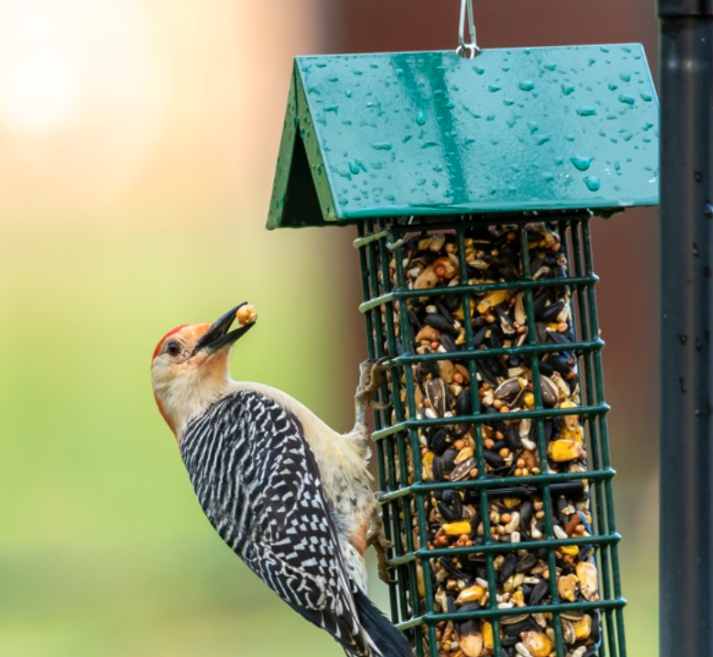
The forces of hurricanes, such as Helene, are so immense that they deserve tremendous respect. So the first thing you can do is to stay safe yourself. Heed public safety warmings, prepare your property by collecting and storing lose items outside, be prepared for power outages and use common sense. Following a storm, birders and wildlife enthusiasts can help by keeping their eyes peeled for unusual or rare species that turn up. It is useful for wildlife agencies to hear about rare appearances. Wildlife rescue organizations should be contacted if someone sees a creature that was injured in a storm. It always recommended to avoid trying to handle and injured animal on your own unless you have had specific training. If you usually feed birds at your home, the post storm calm is a good time to fill up those feeders. Your pals will probably be hungry and tired after waiting out the storm.
WASHINGTON, D.C. (October 9, 2024) — The bipartisan North American Grasslands Conservation Act will catalyze a concerted, collaborative effort to save one of the country’s most important and imperiled landscapes, which support wildlife, communities, livelihoods, and the outdoor recreation economy. The bill, introduced by U.S. Reps. Nancy Mace (R-S.C.), Sharice Davids (D-Kan.), Brian Fitzpatrick (R-Penn.), and Mike Thompson (D-Calif.) will help counter and reverse the staggering and ongoing loss of grasslands from conversion to croplands and other drivers, which have exacerbated the wildlife and climate crises.
“Healthy grasslands and shrublands are essential to reducing flooding and wildfires, sustaining robust wildlife populations, and supporting local communities. Building upon the lessons learned over three decades from the highly effective North American Wetlands Conservation Act, the bipartisan North American Grasslands Conservation Act will leverage unprecedented investment to save some of our most imperiled ecosystem,” said Collin O’Mara, president and CEO of the National Wildlife Federation. “This bipartisan proposal will bring long-overdue resources to restore iconic landscapes based upon priorities established through the first-ever North American Grasslands Conservation Strategy, while mobilizing a movement to conserve, restore, and revitalize our prairies for ranchers, hunters, and wildlife alike.”
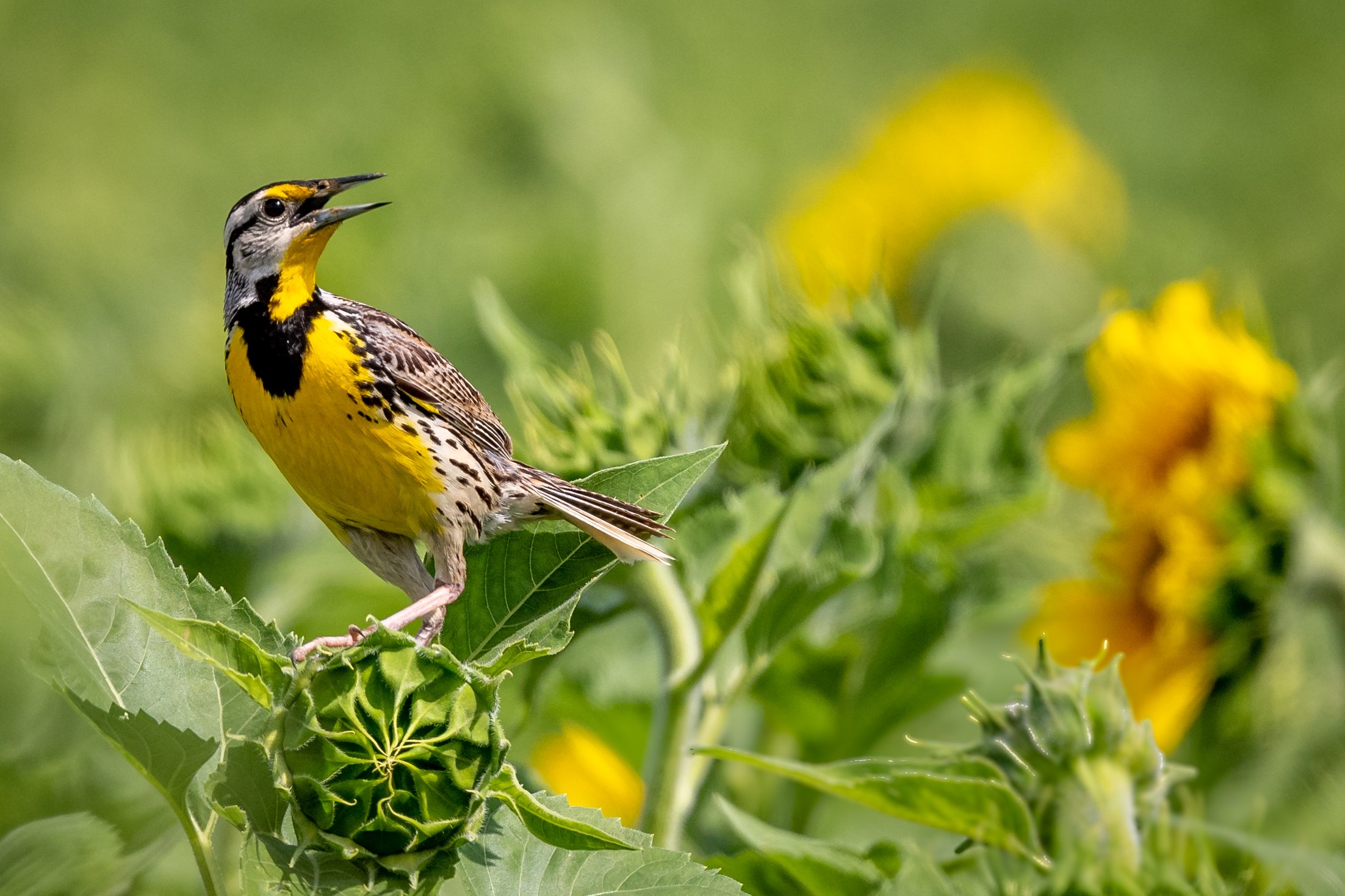
Eastern meadowlark, by Teresa Kopec
“South Carolina’s grasslands are home to some of our state’s most important and iconic wildlife like Northern Bobwhites and the Eastern meadowlark,” said Sara Green, executive director of the South Carolina Wildlife Federation. “The bipartisan North American Grasslands Conservation Act will help drive science-based, voluntary efforts to conserve this important landscape and ensure it endures for future generations. Thank you to Representative Nancy Mace and her colleagues for leading this important, bipartisan effort to restore one of South Carolina and the nation’s most threatened ecosystems.”
“As the Kansas Wildlife Federation approaches its 75th anniversary, we are committed to contributing to the conversation about grassland conservation in our state,” said Alfonso Leyva, president of the Kansas Wildlife Federation. “Protecting North America’s grasslands is essential for Kansas’ wildlife, ranchers, and environment. The North American Grasslands Conservation Act provides the tools and support needed to restore these vital ecosystems while empowering land stewards to lead the way.”
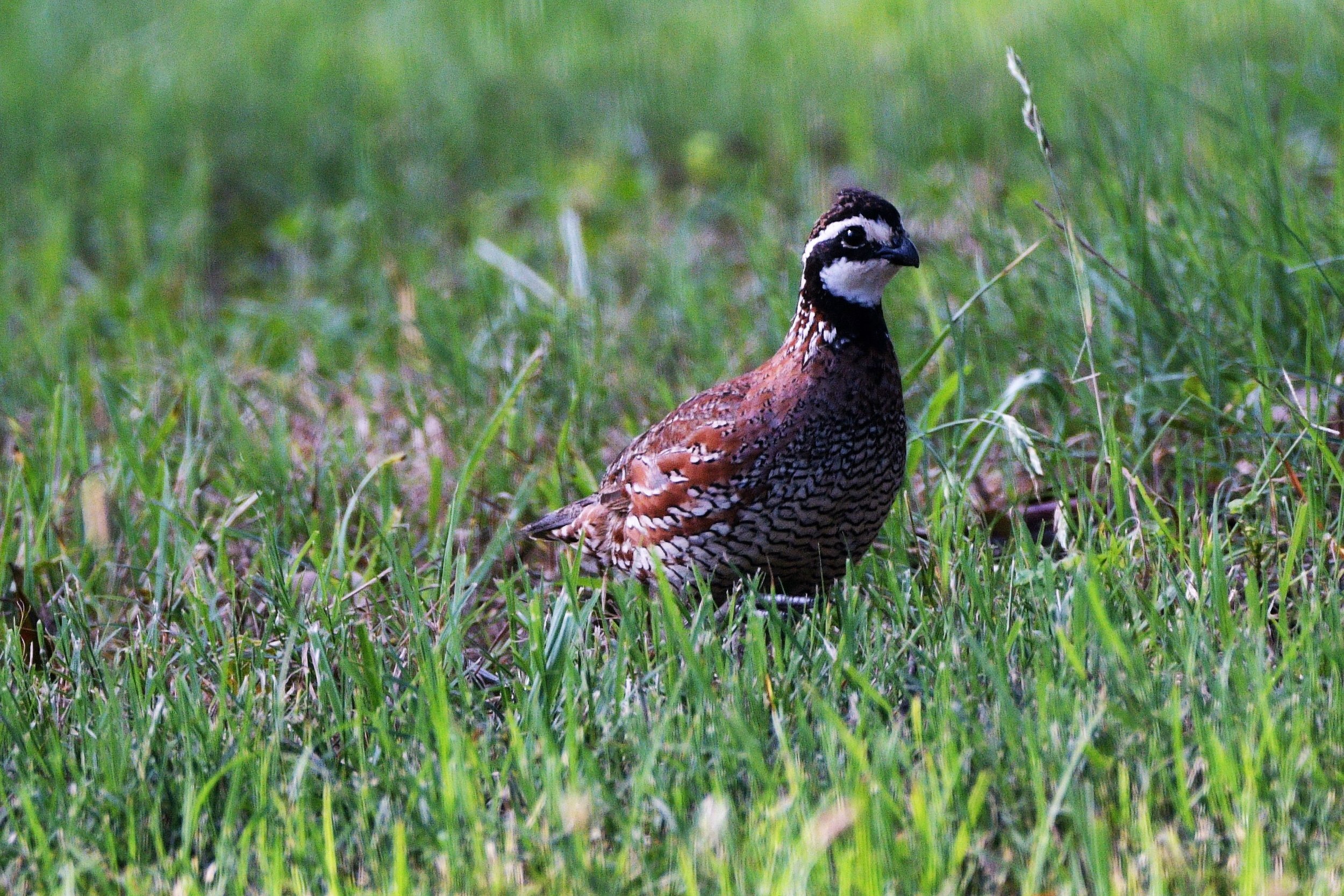
Northern bobwhite, by James Edwards
“We know that a huge barrier to protecting Native lands and resources is a lack of sustainable funding,” said Shaun Grassel, CEO of Buffalo Nations Grasslands Alliance and a member of the Tribal Advisory Council for the National Wildlife Federation. “The North American Grassland Conservation Act provides much-needed grants to Tribes and Tribal organizations to carry out Indigenous-led conservation of culturally and ecologically important wildlife species. Together, we can protect an ecosystem that not only mitigates the effects of climate change, but has significance to Native peoples.”
Grasslands and sagebrush shrub-steppe are some of the most threatened ecosystems in the world. According to recent research, the United States lost 1.1 million acres of grasslands every year from 2008 through 2016. An average of roughly 1.2 million acres of sagebrush burn each year due to invasive annual grasses, which contribute to and fuel catastrophic wildfires. This habitat loss has caused total grassland bird populations to decline by more than 40 percent since 1966. Some species, such as the Western meadowlark, are at heightened risk of extinction. Species like the bobwhite quail have seen declines of nearly 85 percent over the past several decades.
The North American Grasslands Conservation Act authorizes $60 million in grants to support voluntary grassland and sagebrush restoration and conservation projects, such as incentivizing prescribed burns, managing invasive species, grazing management training and grassland conservation easements. Additionally, the bill’s funding opportunities also will help Tribal nations to engage in grasslands conservation and include Tribal representation on the program’s governing council. The legislation also would promote the application of Indigenous traditional ecological knowledge in restoring and sustaining grasslands.
Last week, Hurricane Helene showed us that whether we live on the coast or in the mountains, anywhere can be vulnerable to the devastating effects of major storms. To a degree, humans can prepare for these types of storms that continue to become stronger and more frequent, but what about wildlife? How do they respond to extreme weather events and what we can do to help them? Read the article below, adapted from the National Wildlife Federation’s blog post Seven Things to Know About How Hurricanes Affect Wildlife.
GOES-16 GeoColor satellite loop from September 26 to 27, 2024 showing Helene moving through the Southeast U.S. NOAA National Weather Service
Wind Dislocation
Powerful winds from hurricanes and tropical storms can blow birds off course and push them hundreds of miles away from their home habitat. Last year, a North Carolina brown pelican was found on the roof of a night club in Halifax, Nova Scotia. The news often covers the appearance of rare species after a major storm. Sometimes younger or weaker birds become separated from their flock and many can take weeks to return home — if they can find the right foods on their way back.
During major storms, sea birds and waterfowl are most exposed. Songbirds and woodland birds, however, are specially adapted to hold on and ride things out. Their toes automatically tighten around their perch. This holds them in place during high winds or when they sleep. Woodpeckers and other cavity nesters will, barring the destruction of the tree itself, ride out storms in tree holes. Shorebirds often move to inland areas. In a unique effect of cyclonic hurricanes, the eye of the storm with its fast-moving walls of intense wind can form a massive “bird cage” holding birds inside the eye until the storm dissipates. It is often the eye of the storm that displaces birds, more than its strong winds.
Birds are not the only species affected by the winds. Sea mammals can be harmed too. While many can seek shelter in open water or in near shore shelter, some dolphins and manatees have actually been blown ashore during major storms.
Tree Loss
In 1992, Hurricane Andrew brought incredible wind velocities onshore and knocked down as many as 80% of the trees on several coastal Louisiana basins, such as the Atchafalaya. Tree loss during Hurricane Katrina in 2005 caused even more extensive damage. Loss of coastal forests and trees can be devastating to dependent wildlife species and migratory species. Many wildlife species have very specialized niches in these forests that are lost to heavy winds. Specific foods can be taken away too. High winds will often strip fruits, seeds and berries from bushes and trees.
Dune and Beach Loss
Storm surges, wave action, and winds can cause beach and dune erosion and that can have severe effects of species. Many wildlife species live in ecological niches in the sandy areas and dunes of coastal barrier island. In some cases the storm can cause a beach area to disappear. Sea turtle nests, for example, can be washed out, or a water surge, called a “wash over” can submerge these nests or tern and plover nesting areas.
Saltwater Intrusion
The sustained and powerful winds of a hurricane will cause salty ocean water to pile up and surge onshore. These “storm surges” can be huge. Hurricane Irene’s surges brought water levels that were as much as 8 feet above normal high tide and Katrina pushed a 30 foot high surge onto the coast. In addition to the physical damage this causes, the salt contained in sea water dramatically shifts the delicate balance of freshwater and brackish wetland areas. Creatures and vegetation that are less salt-tolerant will be harmed and many will not survive this influx of sea water. Marsh grasses, crabs, minnows, fish hatchlings, insects, and myriad creatures of freshwater and estuarine environments are harmed. The salt water intrusion in these some of these areas does not drain off very quickly and can even harm or kill off bottomland forests and other coastal trees.
Freshwater Flooding
The reverse is true too. The heavy rains generated by hurricanes will dump water in coastal area river basins (called watersheds) and this, in turn, can send vast amounts of fresh water surging downstream into coastal bays and estuaries. This upsets the delicate and finely tuned freshwater/salt water balance that can be so vital for the health of these ecosystems. In 1972, Hurricane Agnes sent such massive amounts of freshwater into the Chesapeake Bay. The normally brackish (partially salty) water was fresh for months placing great pressure on the species living there.
Turbidity
Heavy rainfall in upstream areas also washes soil, sediment and many pollutants into coastal and marine environments. After Hurricane Agnes, the turbidly or cloudiness of the water became so severe in the Chesapeake Bay that the native grasses growing on the bottom of Bay died off in huge quantities. These grasses provided critical habitat from crabs, fish spawning and many species. It took the Bay years to recover. Similarly, sediment can wash over coral reefs, blocking needed sunlight and even causing algae to grow.
Marine and Aquatic Species
Hurricane Irene, like other hurricanes, generated massive waves and violent action on the surface. When hurricane Andrew hit Louisiana the government estimated that more than 9 million fish were killed offshore. Similarly, an assessment of the effect of that same storm on the Everglades Basin in Florida showed that 182 million fish were killed. Hurricane Katrina also had a huge effect on dolphin species. Many dolphins were hurt during the storm and were rescued and underwent rehabilitation.
What Can You Do?
The forces of hurricanes, such as Helene, are so immense that they deserve tremendous respect. So the first thing you can do is to stay safe yourself. Heed public safety warmings, prepare your property by collecting and storing lose items outside, be prepared for power outages and use common sense. Following a storm, birders and wildlife enthusiasts can help by keeping their eyes peeled for unusual or rare species that turn up. It is useful for wildlife agencies to hear about rare appearances. Wildlife rescue organizations should be contacted if someone sees a creature that was injured in a storm. It always recommended to avoid trying to handle and injured animal on your own unless you have had specific training. If you usually feed birds at your home, the post storm calm is a good time to fill up those feeders. Your pals will probably be hungry and tired after waiting out the storm.