SELC, Conservation Groups, to Sue Over ‘Disastrous’ Wildlife Rollbacks
National Wildlife Federation and five others will take FWS and NMFS to Federal Court
CHARLESTON, S.C.—The Southern Environmental Law Center (SELC), on behalf of the National Wildlife Federation, South Carolina Wildlife Federation, North Carolina Wildlife Federation, Florida Wildlife Federation, Louisiana Wildlife Federation, Association of Northwest Steelheaders, and Conservation Council for Hawaii, gave 60-day notice to U.S. Fish and Wildlife Service (FWS) and National Marine Fisheries Service (NMFS) that they intend to sue over the agencies’ reckless and illegal attempt to eliminate protection for the habitat of protected species under the Endangered Species Act (ESA). For decades, habitat protections under the ESA have been critical to the survival and recovery of nearly all listed species.
This unlawful regulatory shift could be a death sentence for imperiled wildlife and at-risk habitats they depend on. It could also harm common species, including iconic southern wildlife like bobwhite quail and brook trout. The agencies’ rescission violates federal laws including the Administrative Procedure Act, the National Environmental Policy Act, and the ESA itself.
“This disastrous rescission attempts to pull the teeth out of the ESA and tries to allow widespread destruction of iconic habitats across the nation, like our treasured long-leaf pine ecosystems in South Carolina,” said Catherine Wannamaker, a senior attorney in SELC’s Charleston office. “The rescission is not just illegal, it makes no sense. To protect and recover imperiled species, you must protect their homes.”
Habitat loss and degradation are the main causes of extinction for listed species, meaning habitat protection and restoration are essential to imperiled species’ successful conservation and recovery. The rescission finalized today by FWS and NMFS removes the definition of “harm” from the agencies’ rules. For decades, agencies defined harm to include “significant habitat modification or degradation” that kills or injures wildlife. This definition was upheld by the U.S. Supreme Court in 1995.
“South Carolina is one of the fastest growing states, and the associated new development is really changing the landscape of our beautiful state — which is the reason a lot of people move here,” said Sara K. Green, executive director of the South Carolina Wildlife Federation. “The habitat protections that the Endangered Species Act has provided are critical to preserving endangered species populations as well as many other species of wildlife that depend on those same habitats, including game species and migratory birds.”
Removing this definition will risk accelerating destruction of habitat, which is the leading cause of species decline. The stakes from any narrowing of habitat protections are higher for wildlife here in the South. We host a globally significant variety of plants and animals that are under mounting pressure because of human-made threats, including climate change and habitat loss. More than 250 species across SELC’s six-state region are protected by the ESA.
“To remove habitat considerations from how we conserve wildlife is simply illogical,” said Tim Gestwicki, CEO of the North Carolina Wildlife Federation. “This proposal to remove habitat protections is a death knell for species.”
The ESA is one of the most effective and comprehensive conservation laws in the world, preventing extinction for 99 percent of species protected by it. The ESA also has broad public support. It was signed into law by President Richard Nixon on December 28, 1973, and since then, through twenty-five congressional terms and ten presidential administrations, has regulated the destruction of habitat. This rule change risks the ESA’s legacy of successfully protecting our national heritage.
Donate HERE to help SCWF fight for endangered and threatened species in our state.
Header photo credits: Debra Partridge

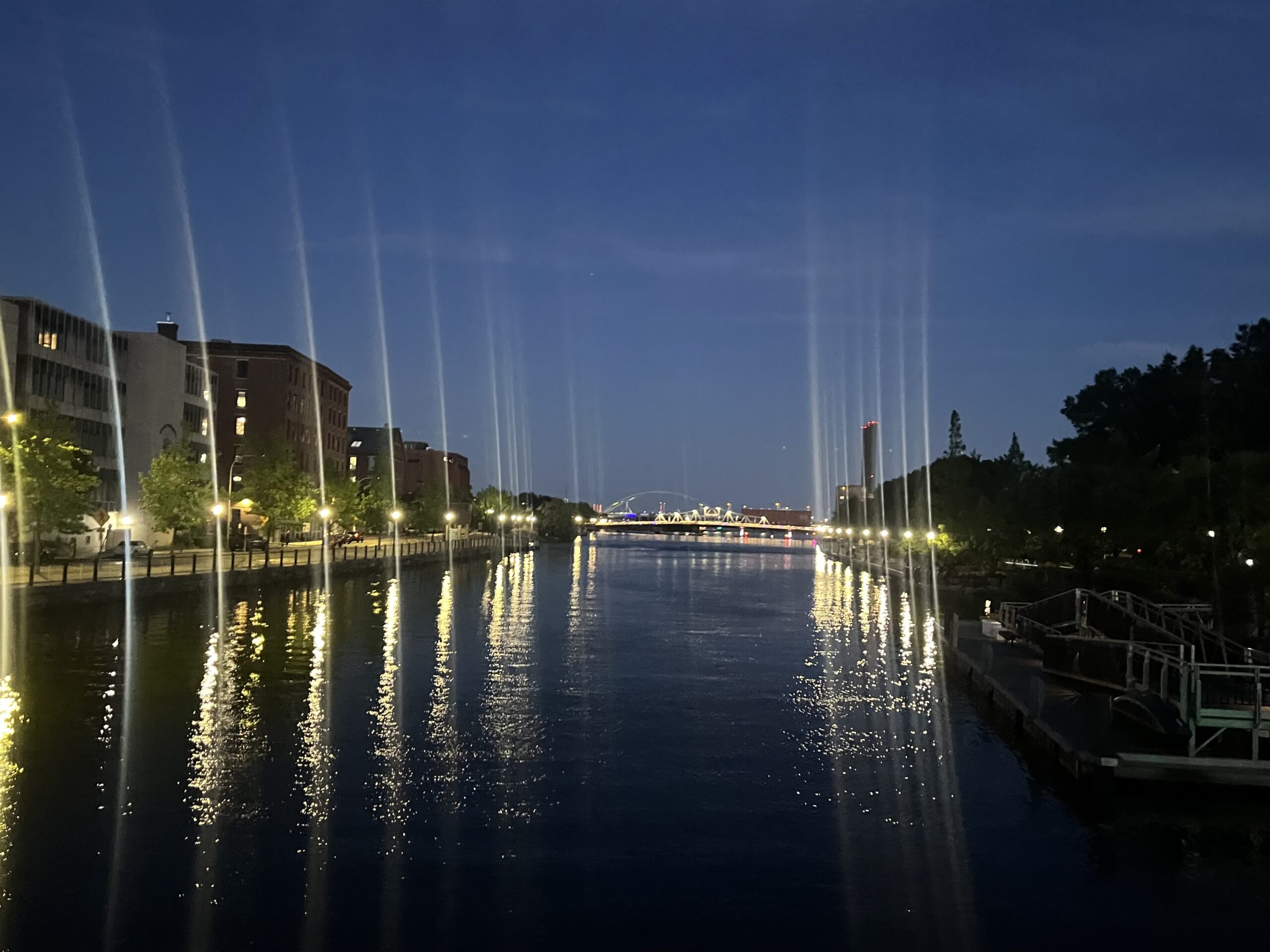
 SCWF recently had the opportunity to represent South Carolina at the National Wildlife Federation (NWF) 90th Annual Meeting – the largest and oldest gathering of grassroots conservation leaders in the nation.
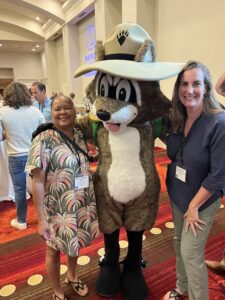 This year, Rosemary Martin-Jones (SCWF Board Member & Affiliate Representative) and Sara Green (SCWF Executive Director & Alternate Affiliate Representative) represented SCWF and South Carolina at the recent NWF Annual Meeting held in Providence, RI. They not only voted on NWF resolutions and board members, but also had the opportunity to sit on committees and interact with colleagues at NWF and other state affiliate organizations. This meeting is always such a great opportunity for SCWF to learn from other affiliates, share our successes and brainstorm new ideas. They even got to hang out with Ranger Rick!