Keep South Carolina Wild

Milkweed for Monarchs Project: Nine Years of Helping Monarchs Thrive

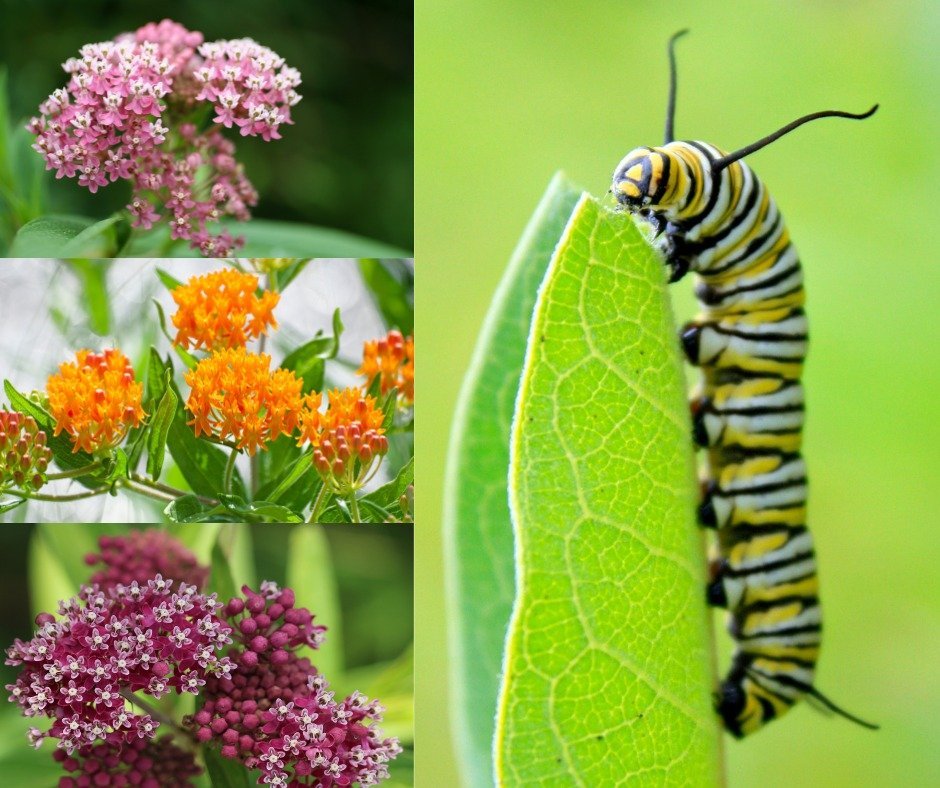
We are thrilled to announce the mailing of native milkweed seeds to SC residents, thus completing the 2024 Milkweed for Monarchs Project! We are grateful to Comporium for sponsoring this year’s project. This project was a huge success due to the statewide support of South Carolina residents and the dedicated volunteers who gave their time and expertise to hand-mix seeds and prepare each packet for mailing.

This is the ninth year that the SC Wildlife Federation (SCWF) has completed this project, which is vital for the survival of monarch butterflies. Over the past twenty years, there has been a sharp decline in the monarch butterfly population along their normal migration routes from Canada to Mexico. In fact, these important pollinators have dwindled by almost 97 percent. Native milkweed plants, however, are the key to helping these beautiful butterflies continue to thrive in North America.

SCWF was able to assist in increasing crucial habitat for our fluttering friends by distributing thousands of packets throughout the state! Native milkweed seed varieties were purchased in bulk from Ernst Conservation Seeds, then packaged and shipped by SCWF staff and generous volunteers. These seed packets were paired with informational cards that SCWF created for recipients to learn how to successfully raise the plants, how essential the plant is to the monarch species, and additional steps to take to certify their yards as a Certified Wildlife Habitat. Read more about how to certify your yard on our habitat page, or contact Savannah Jordan at mail@scwf.org.

Thank you to the many volunteers who helped with this project, especially Barb & Jimmy Watson and Tami Kyre.

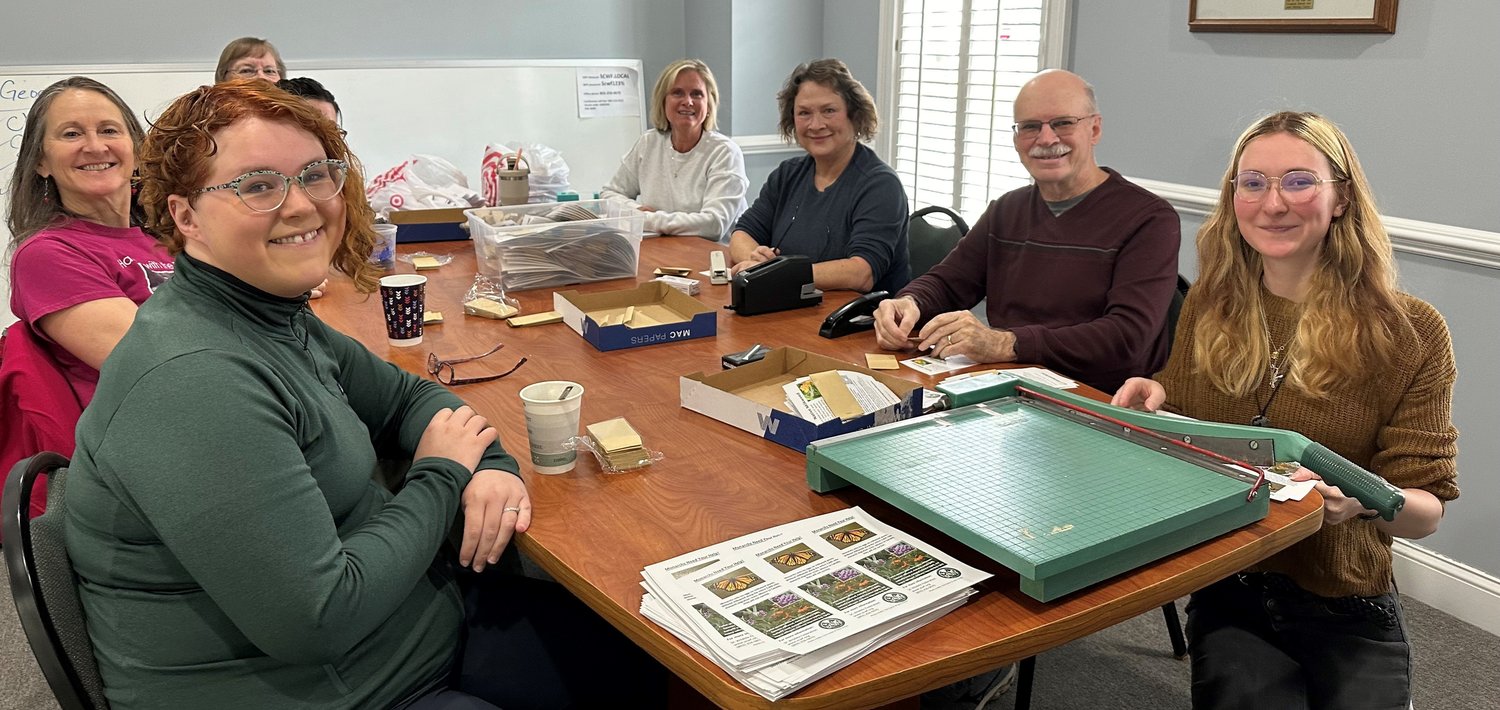
Image Caption: Volunteers assisting with the Milkweed for Monarchs project.

One of our favorite parts of this project is when milkweed recipients send us photos of their milkweed to be featured on our social media. You can email us your photos at mail@scwf.org.

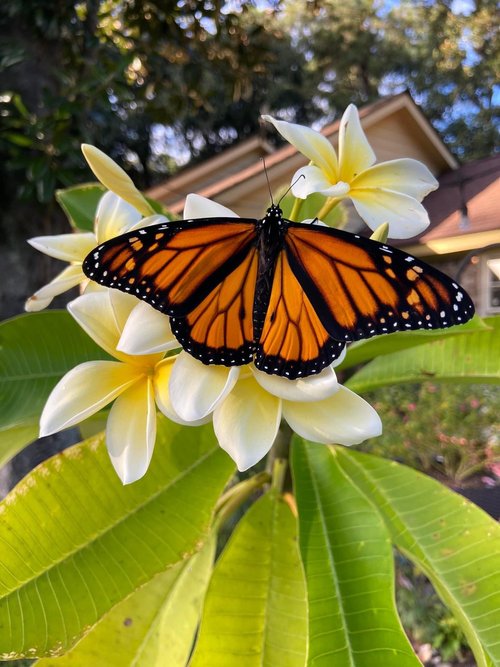
Image Captions: These beautiful photos are from milkweed seed recipient Amy Bryan. The first photo was taken on Sep 29, 2023, and she saw her first butterfly on October 16, 2023.

We are grateful to Comporium for their sponsorship of this project! Their generosity allows us to send these packets to SC residents completely free of charge. If you or your company are interested in sponsoring this program in 2025, please contact Ari at mail@scwf.org or 803-256-0670, or use the  donate button to make your gift in support of this program.

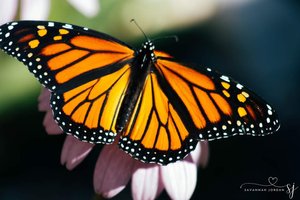
Banner Image Credit: Monarch by BeBe Dalton Harrison.

A Garden for Wildlife™ Month Story: SCWF’s Habitat Education Manager, Savannah Jordan

All images by Savannah Jordan

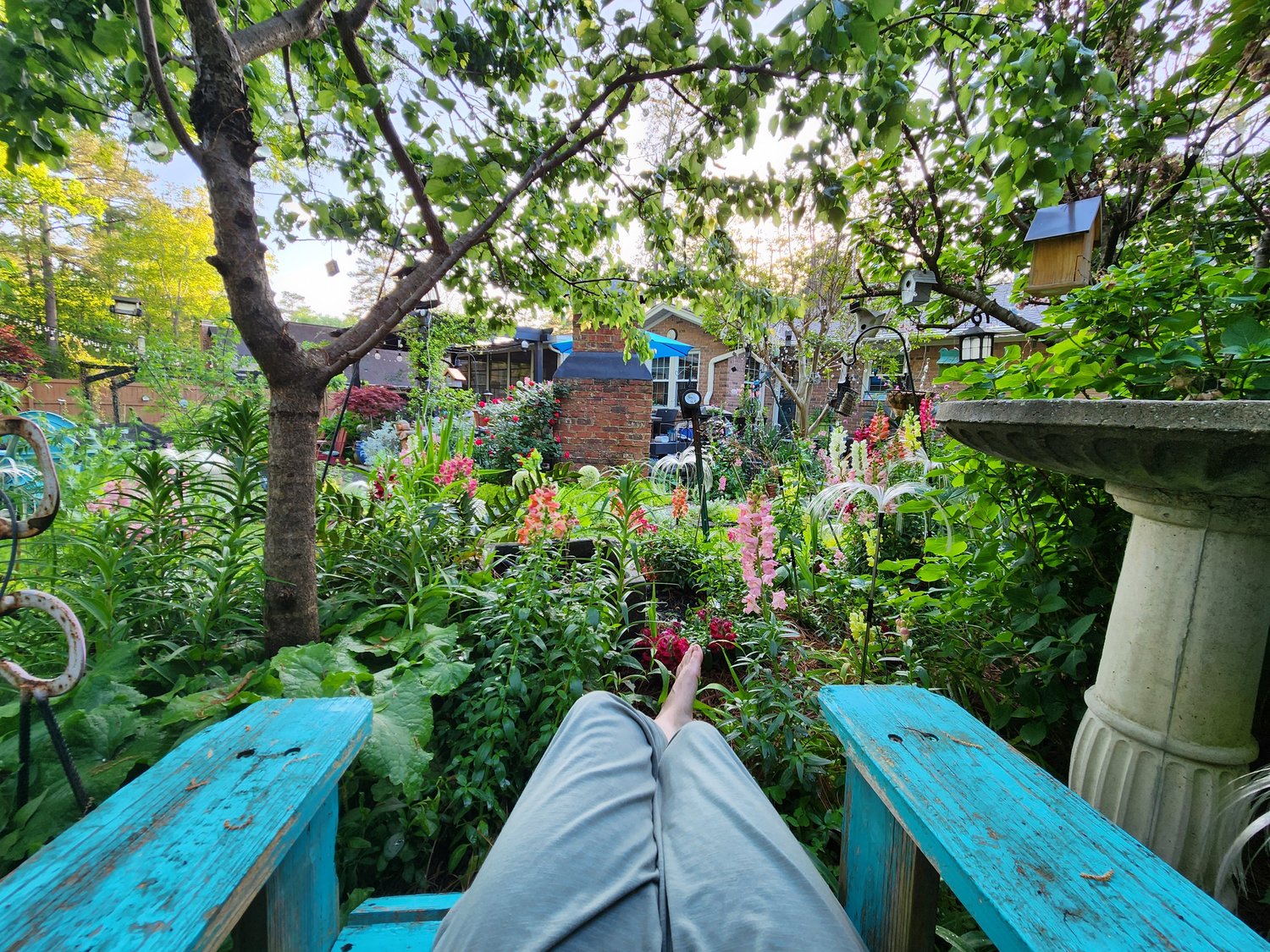
As we near the end of Garden for Wildlife™ Month, SCWF’s very own Habitat Education Manager, Savannah Jordan shares her story about why she gardens for wildlife and offers inspiration from her own wildlife habitat at home.

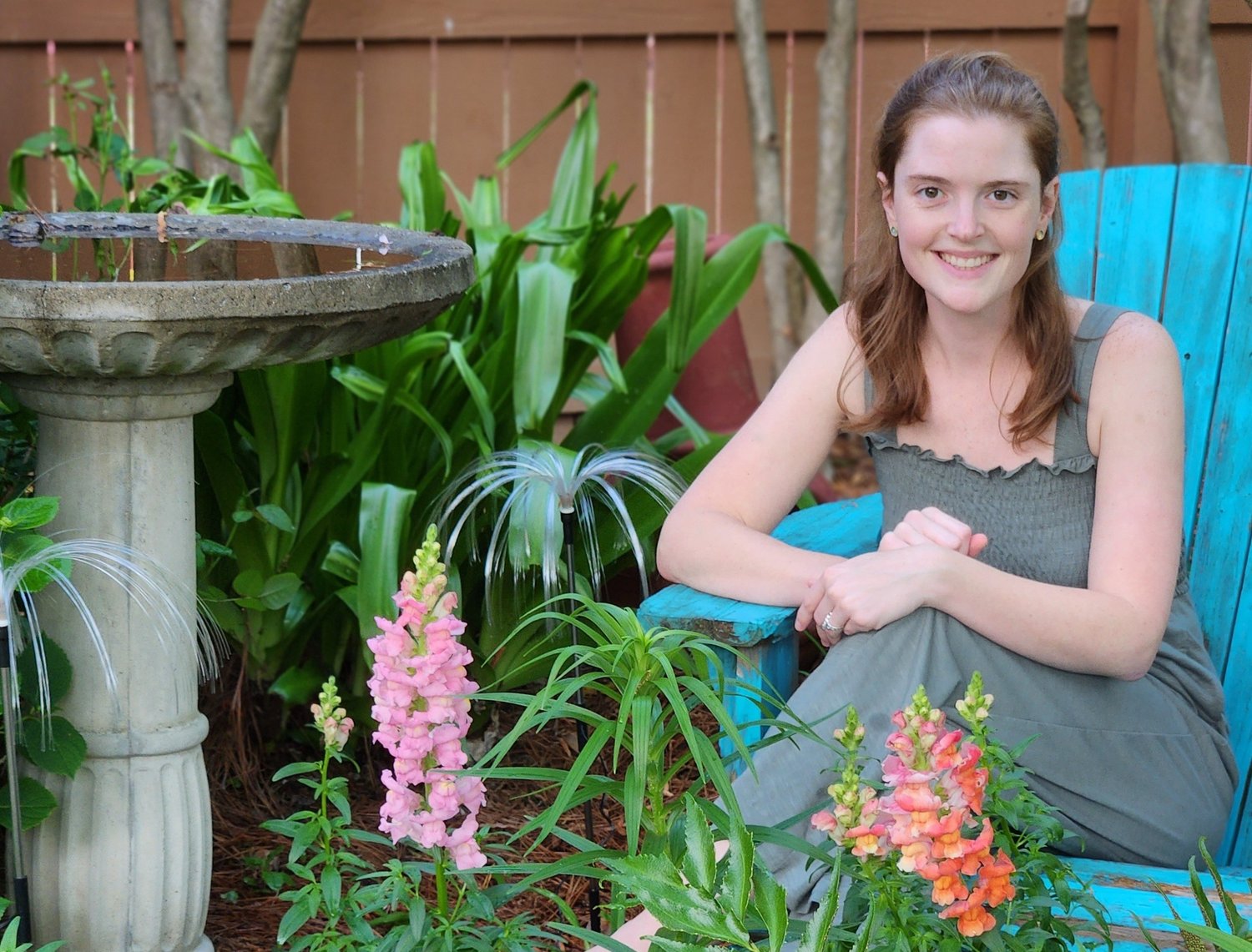
Savannah Jordan, SCWF Habitat Education Manager

“I create my garden not just for the wildlife that will enjoy it, but for the people who will see it and be inspired by it, learn from it, or find peace from it. ”

— Savannah Jordan

Birds in Paradise

When I first discovered my love of birds, it changed the way I thought about plants. It also changed how I garden. Who knew that a single chickadee pair needed hundreds of caterpillars per day to feed their growing nestlings? By planting certain native host plants that those caterpillars need to eat from, I can then provide those chickadee parents with plenty of food for their chicks. It’s this kind of thought process that I needed to change my perspective on how I garden for wildlife. I started doing it for the birds, because I love seeing all the different species visit my yard and find refuge there. But it didn’t stop there.

A Sanctuary For All Creatures

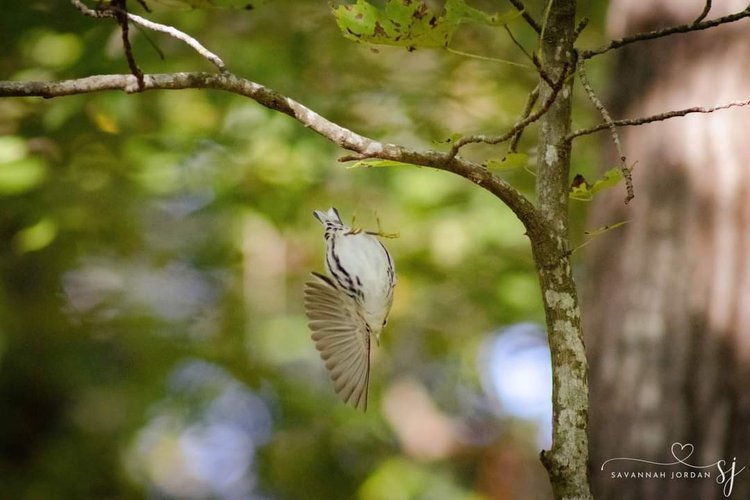
A garden is a sanctuary for wildlife and a sanctuary of my own. It’s in the garden, or anywhere out in nature, that I’m able to breathe the deepest and find a great deal of peace. There’s just something about digging in the dirt that helps clear your mind. During a time when we feel the constant pressure to go, go, go and always be on the move or face-down in our phones and laptops, it’s important to take time to slow down, look around you and simply just be. Notice the little things that typically go unnoticed, like the beautiful song of the Carolina wren, the way the morning sunlight peeks through the leaves on the trees, glistening raindrops on flower petals, or how those tiny warblers hop from branch to branch in search of insects to eat. Our gardens can be a relaxing place to experience nature, and when we can open them up to others, it’s one of the greatest gifts we can give.

For Future Generations

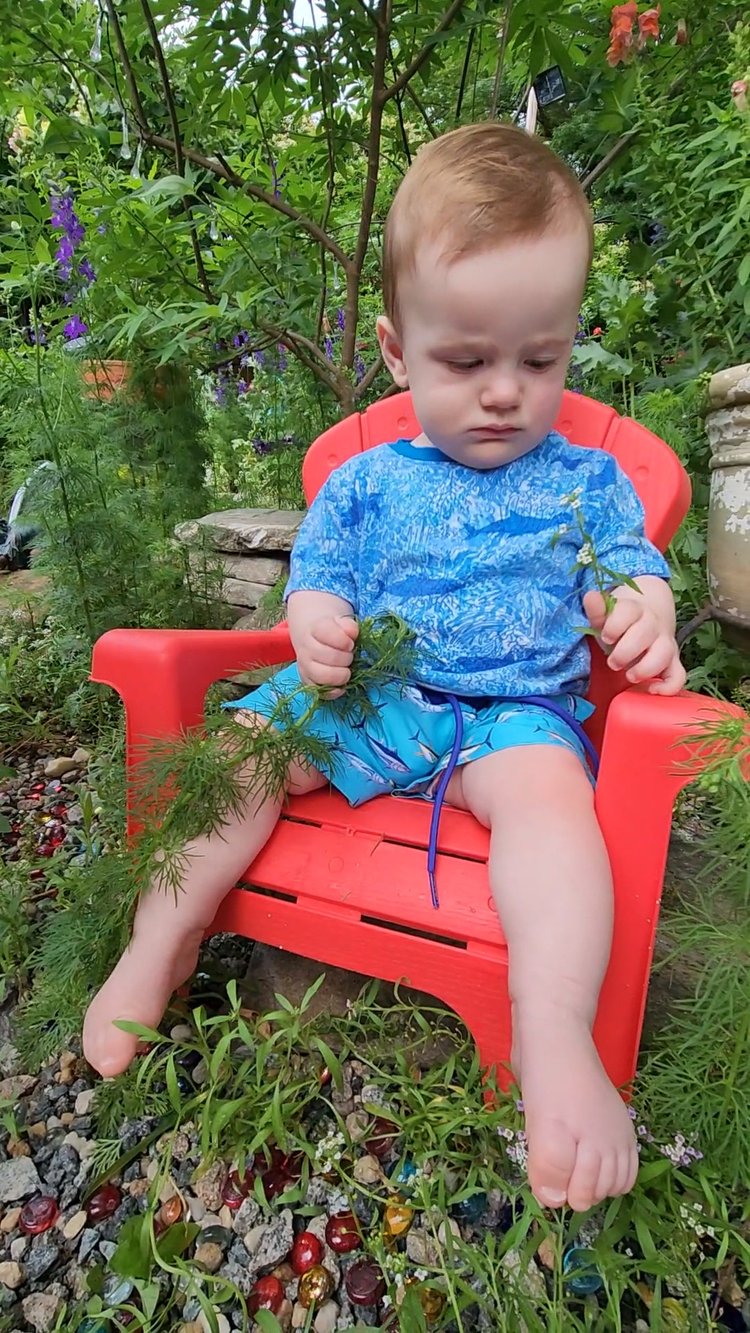
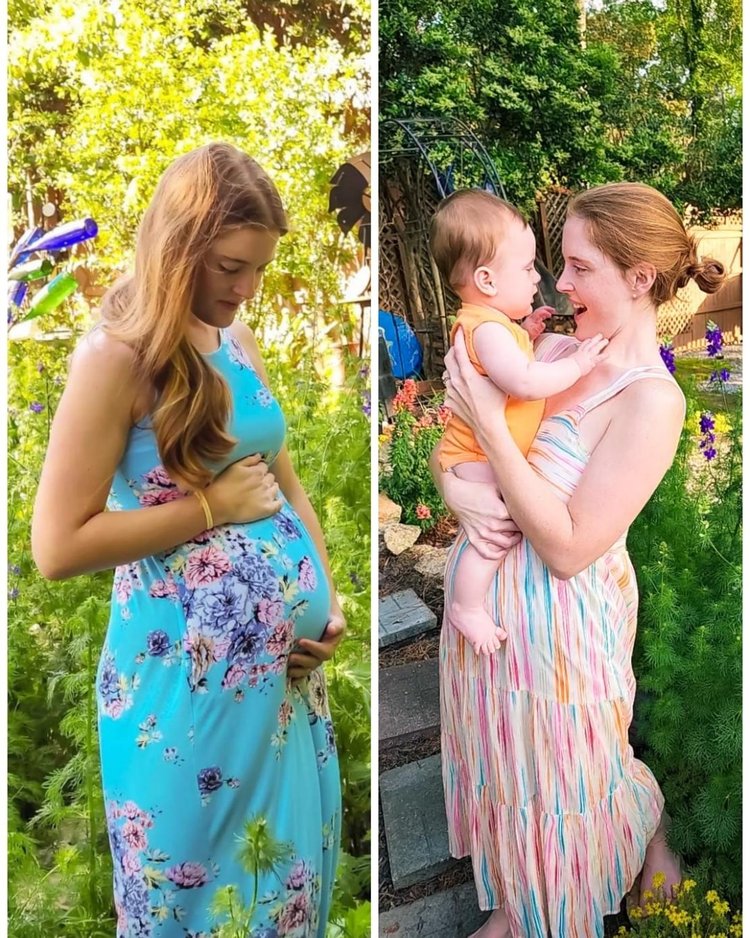
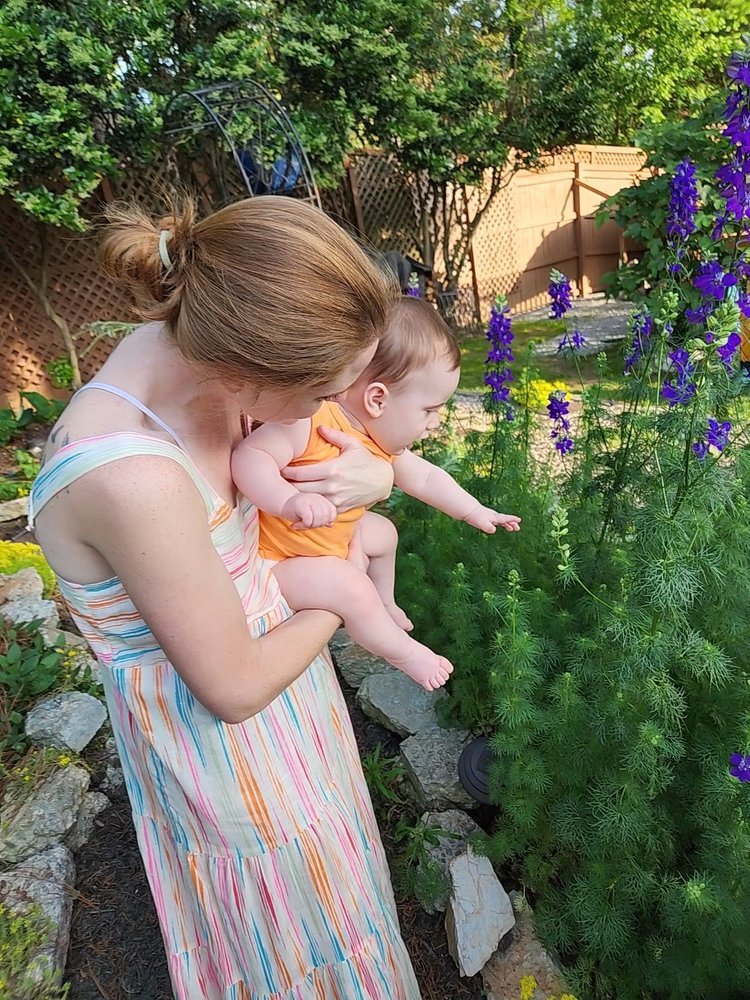
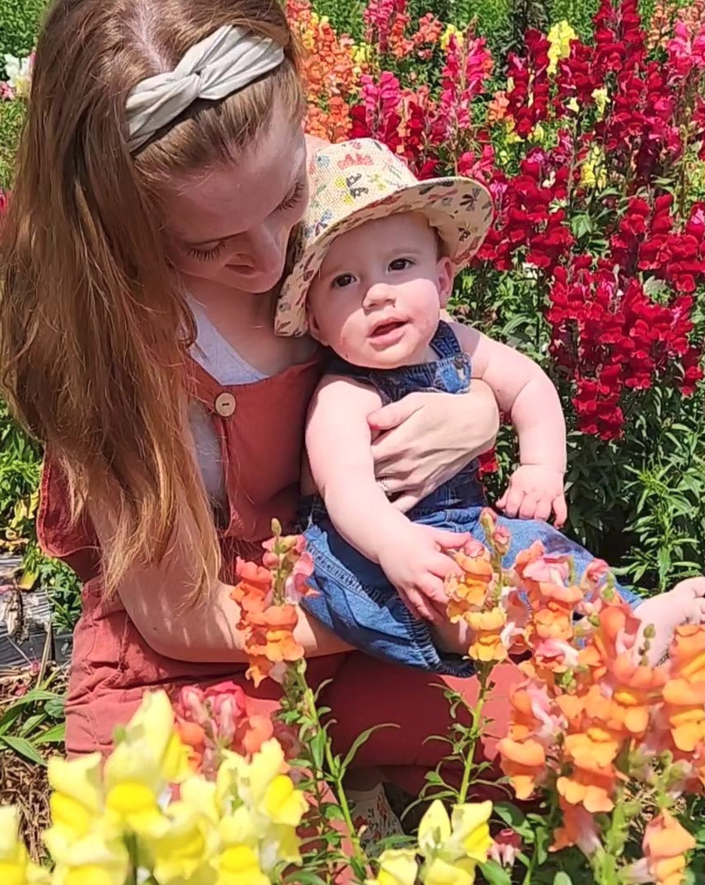
Since having my son almost 10 months ago, one of my greatest wishes is for him to grow up with a love of nature just as strong as mine. I used to garden to fulfill my own desire to watch what I’ve created flourish, but now it goes way beyond that. Now I get that plus the joy of watching my son grow and one day learn all these new things such as how a caterpillar turns into a butterfly. I will get to see the delight in his eyes when he sees tiny new sprouts popping out of the soil from seeds he planted, and then his joy will become my own. I want him to be a good steward of the bounty we have been given on this earth, and this can all start right in our garden.

Creating Habitat

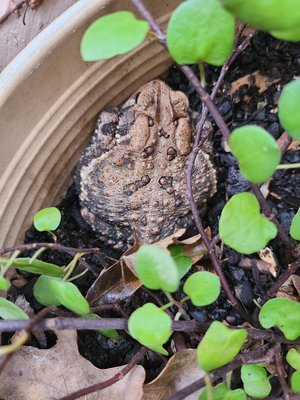
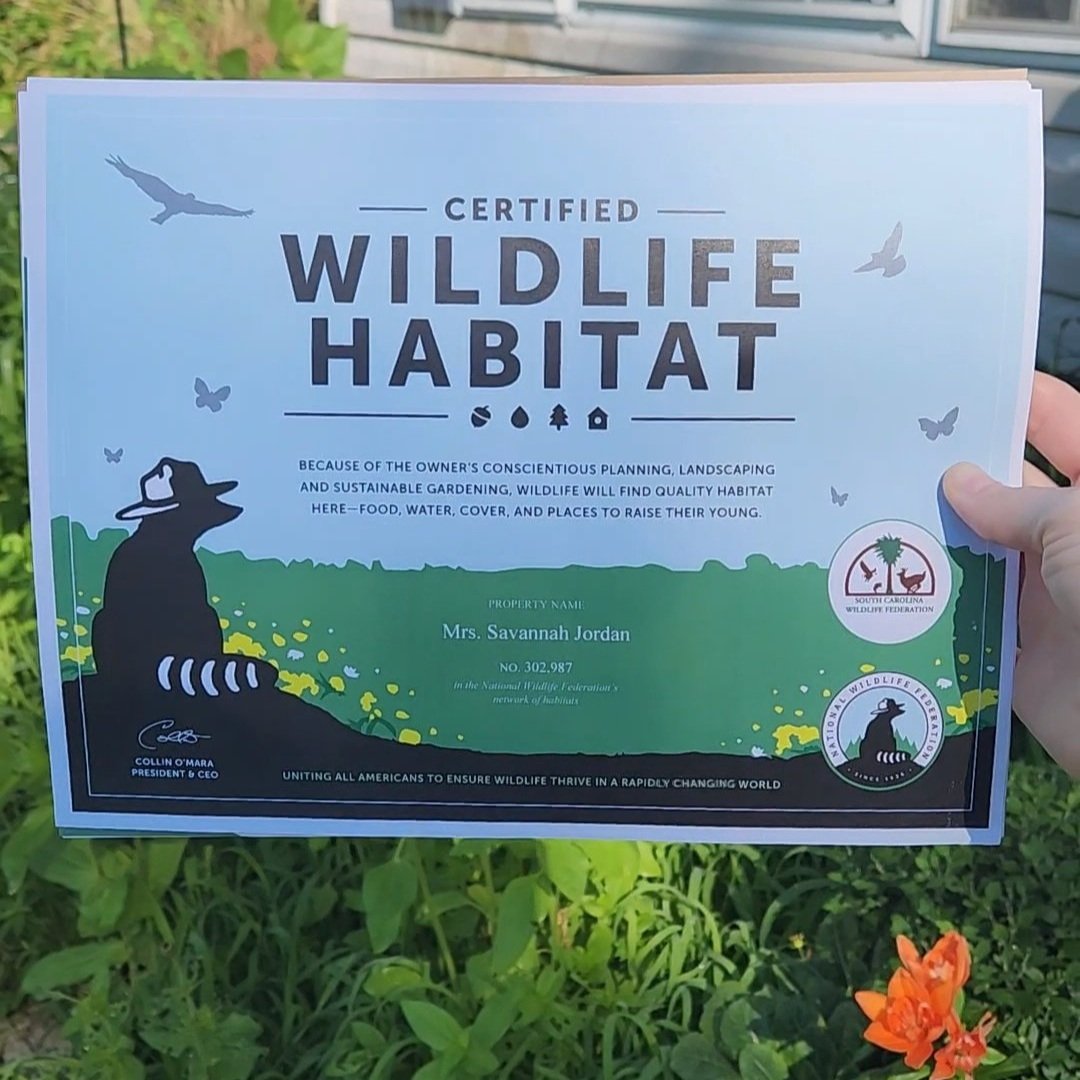
For wildlife to thrive, they need the essential elements: food, water, cover, and places to raise their young. Gardens with these elements can support twice the amount of wildlife! Every habitat garden is a step toward replenishing resources for wildlife such as bees, butterflies, birds, and amphibians. Learn more about how to certify your wildlife habitat through the National Wildlife Federation.

Color Palettes

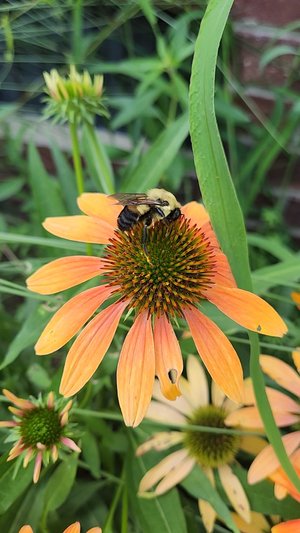
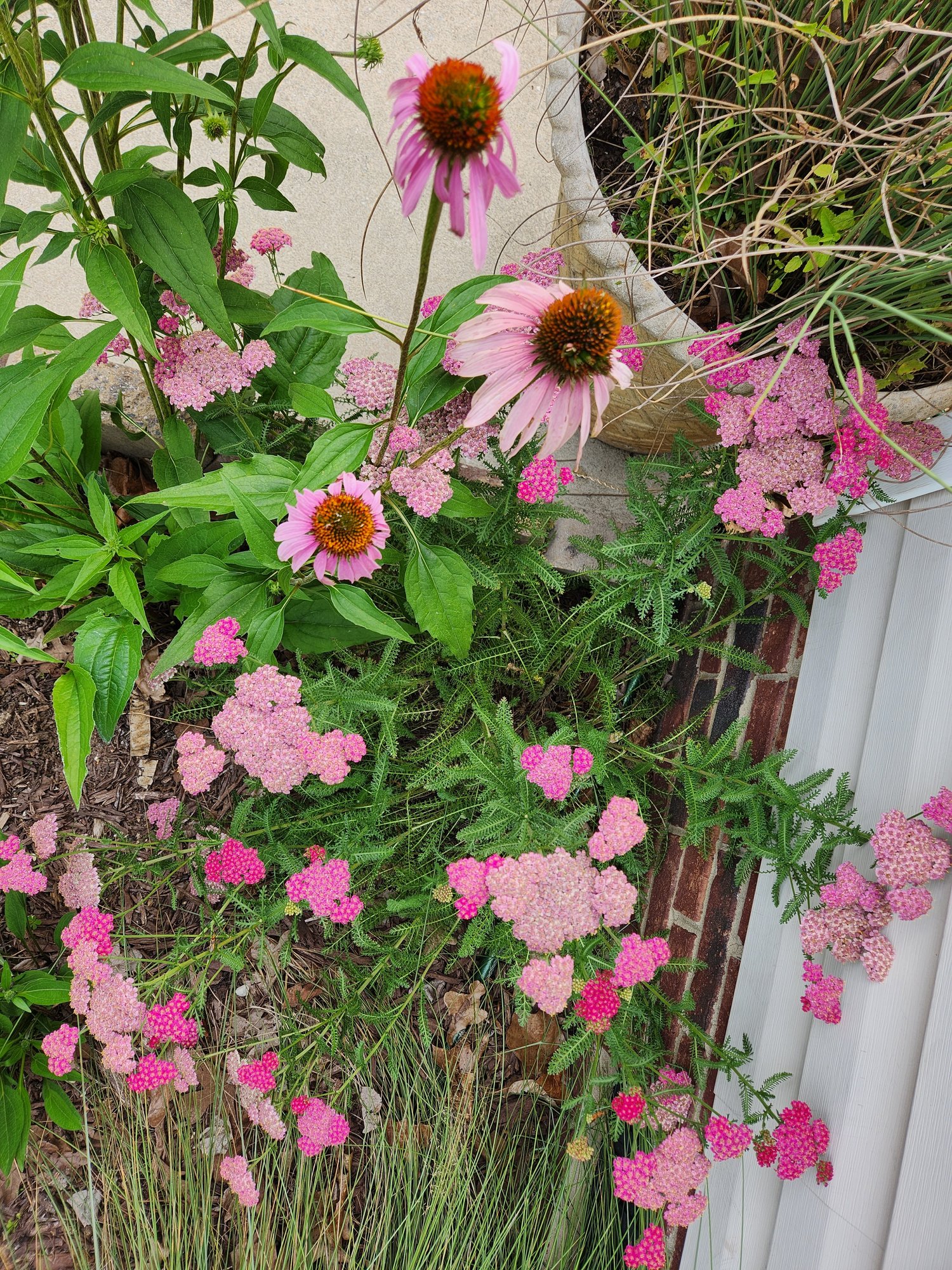
Arranging plants in groups by color is one way to make your garden really stand out. In this picture we have purple coneflower and yarrow. I also like to mix in different shades of the same color that are complimentary to one another, and this yarrow naturally already has light and dark shades of pink that act as a pretty accent for the coneflower.

Native Plants

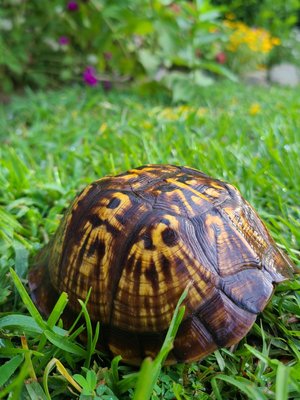
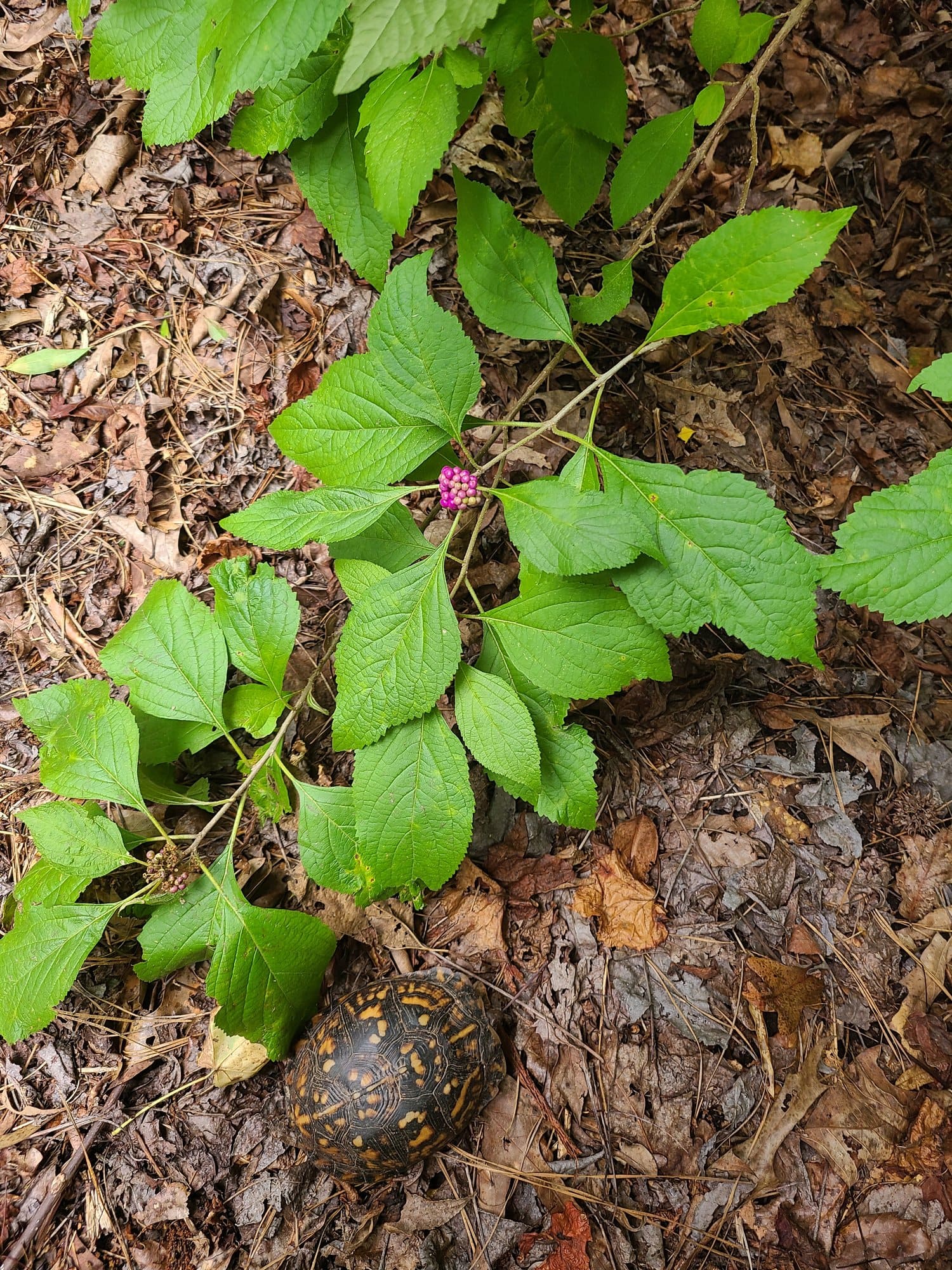
Being intentional about what we plant in our gardens is key to creating the right habitat for wildlife. Aim to have 75% of your garden include natives, because it’s native plants that are most beneficial to our wildlife and sustain many of our native animal species more than non-native plants. They feed the caterpillars, and caterpillars feed birds and many other wildlife. Native plants also require less watering and no fertilizer, which is healthier for the environment and saves money and water! Pictured right is an American beautyberry bush and an Eastern box turtle, two native species that call my garden home.

“There are many things we would all like to change in the world, but feel powerless to do so. By adding native plants to our garden, we can make an immediate impact. ”

— Savannah Jordan

Lights out for migratory birds at night

Lights out for migratory birds at night

On April 28, 2023, over 21 million birds crossed South Carolina in a single night! Every year, billions of birds migrate north in the spring and south in the fall, the majority of them flying at night, navigating the night sky. The dark skies allow the migrating birds to avoid predators, take advantage of calmer air, and utilize the moon and stars for navigation.

NASA Earth Observatory image by Joshua Stevens

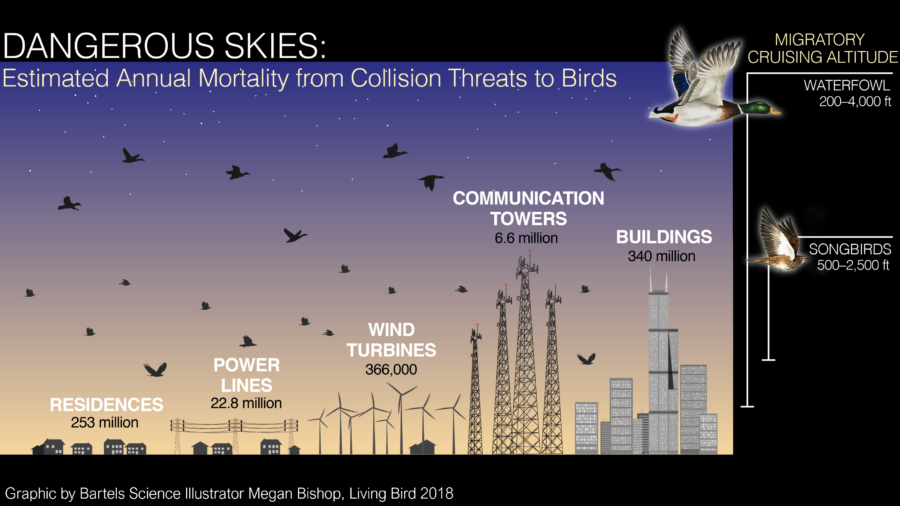
However, as they pass over communities and cities on their way, they can become disoriented by bright artificial lights and skyglow. Some birds become casualties of nighttime collisions with windows and walls. Others circle in confusion until dawn, when they land exhausted and are subject to other urban threats. This issue impacts hundreds of species, including priority species such as Wood Thrush and Seaside Sparrow.

In recognition of Dark Sky Week (April 2-8) and Spring World Migratory Day (May 11) we are inviting individuals and businesses across South Carolina to help our feathered friends on their long journeys with Lights Out South Carolina! Through taking collective action, we can help ensure that South Carolina skies provide safe passage. Here’s what you can do:

At home

· Turn off exterior decorative and nonessential lighting from 11:00 pm to 6:00 am from April 1 through June 1.

· Down-shield exterior lighting to eliminate horizontal glare and all light directed upward

· Install automatic motion sensors and controls wherever possible

At your business or office building

· Reduce atrium lighting wherever possible

· Turn off interior lighting especially on higher stories

· Down-shield exterior lighting to eliminate horizontal glare and all light directed upward

· When converting to new lighting assess quality and quantity of light needed, avoiding over-lighting with newer, brighter technology

· For buildings over 3 stories, use desk lamps or task lights instead of overhead lights at night

· Turn off lights on vacant floors

Want to monitor bird migration for South Carolina or your city? Check out Cornell’s BirdCast Migration Dashboard.

Watch the webinar here!

SCWF, SC DNR, and Audubon SC recently held a webinar on the dangers that birds face during migration, issues of light
pollution for wildlife, and the steps we can all take to protect birds and wildlife.

A Garden for Wildlife Month™ Story: Community Habitat Leader Spotlight

Banner image: Harbor Island by Savannah Jordan

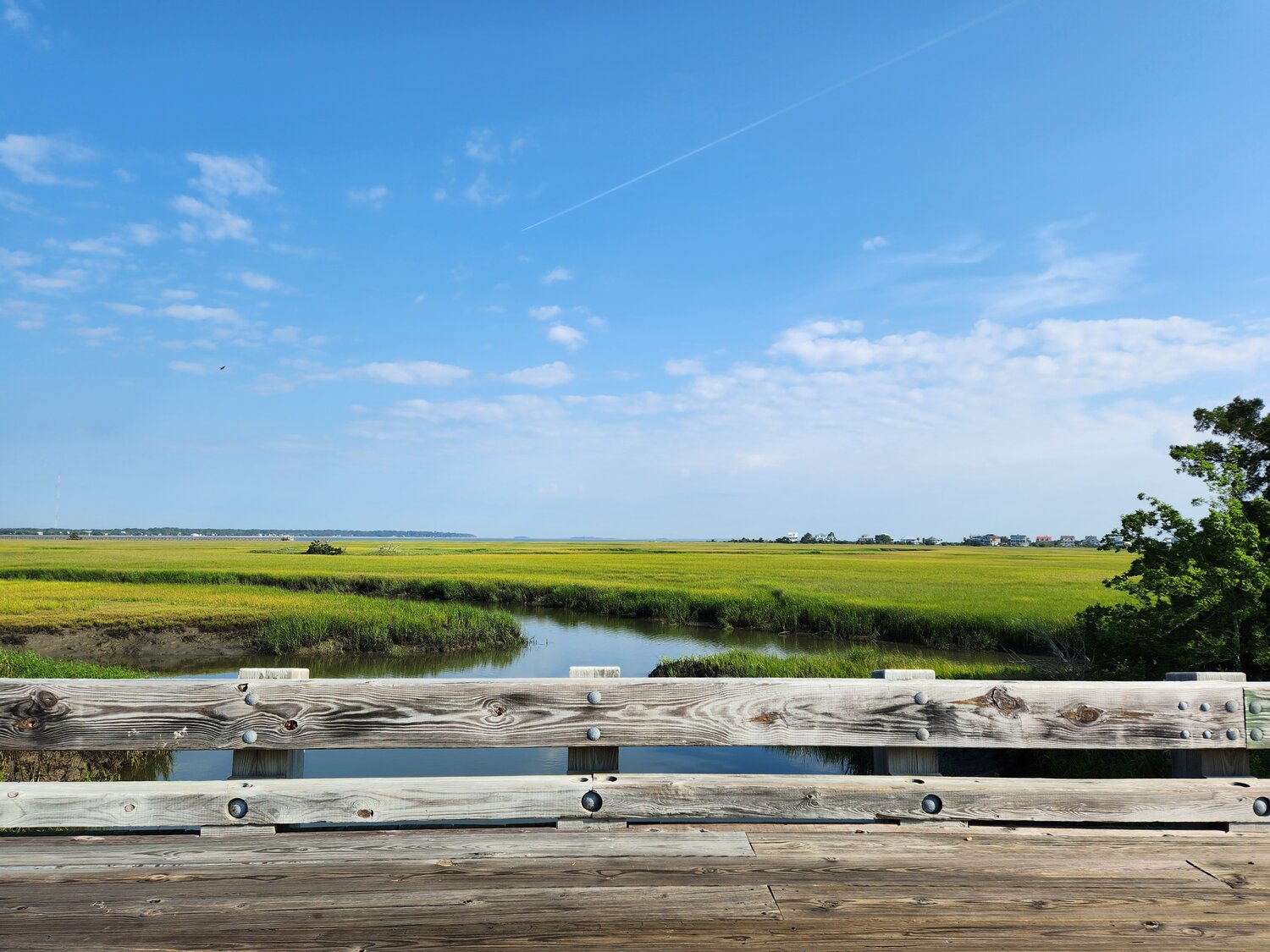
During the month of May, we continue to celebrate Garden for Wildlife™ Month by spotlighting our Community Habitat team leaders and asking them why they garden for wildlife. Peggy Lucas is the leader of the Harbor Island Community Wildlife Habitat on St. Helena Island, which earned their certification in 2019. Located on the southern end of the ACE Basin, this barrier island community is a thriving ecosystem home to a diversity of wildlife species like loggerhead sea turtles, American alligators, and ospreys. Read about Peggy’s story and why she gardens for wildlife:

Keeping it Wild for Wildlife

“When we built our dream home in the maritime forest on a small island in South Carolina, I was determined to do two things: disturb as little of the surrounding woods as possible and never own another lawnmower. Even with the first goal in mind, some disruption of the surrounding landscape was inevitable. After living here for ten years, the disturbed areas surrounding our home have fortunately once again returned to their natural state. It was fascinating to see the succession as plants started to grow
back. Initially, copious dog fennel and other lovers of disturbed areas were the most prevalent, but eventually more species arrived: Yaupon Holly, Red Cedar, Wax Myrtle and other native shrubs. I totally succeeded with the no lawnmower goal and instead of installing a lawn, I set aside one small area in front of my house for a garden. I planted some citrus trees that I had previously grown in pots and eventually native perennials such as Swamp Sunflowers, Scarlet Sage, Lyre leaf Sage and Split leaf Coneflower. In my planting, I’ve made a lot of mistakes along the way. I have planted things that don’t do well in this environment or that can even be harmful, such as tropical milkweed. I had planted a couple of these admittedly beautiful plants before it was known that this non-native milkweed could cause problems for the Monarchs by transmitting a parasite that causes deformity. Like most milkweed it is prolific and I’m still trying to get rid of it. If nothing else I like to think I’m not adding to the problem by providing my own little oasis for the wildlife that is slowly being displaced by development and the ever-present desire for a monoculture lawn out front. I leave the leaves that fall year-round here, along with fallen logs and snags that provide shelter and
nesting sites. I spend my time enjoying what nature is creating around me instead of obsessing over leaves on my lawn. It’s been a journey of discovery and joy and I’ve never once missed having that lawnmower.”

— Peggy Lucas, Harbor Island Community Habitat Leader

CHECK OUT THE harbor island COMMUNITY WILDLIFE HABITAT PAGE TO SEE ALL THE HARD WORK THEIR TEAM HAS DONE TO HELP CREATE WILDLIFE HABITAT!


Learn more about how to get your community certified as a community wildlife habitat

Endangered Species Day

Banner image by Rick Dandridge

Today we celebrate Endangered Species Day, which is recognized annually on the third Friday in May to spread awareness about endangered species and how to protect them from extinction. In 2006, the National Wildlife Federation led Congress to establish Endangered Species Day on May 17th, which is an opportunity to recognize the importance of wildlife conservation and restoration efforts for all imperiled species. It is also a time to celebrate the progress made to protect wildlife since the creation of the Endangered Species Act in 1973.

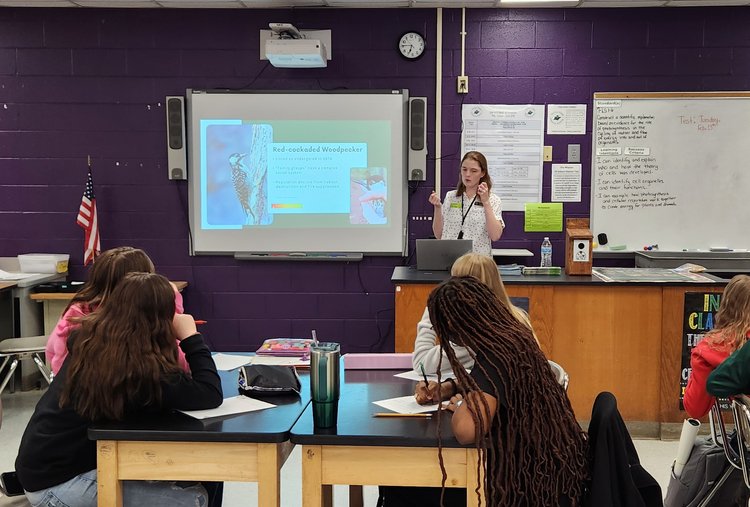
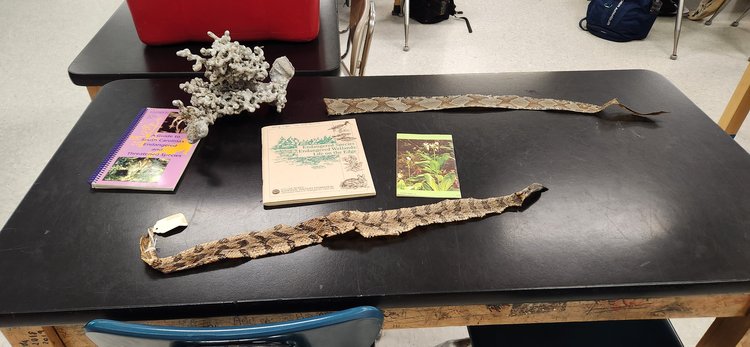
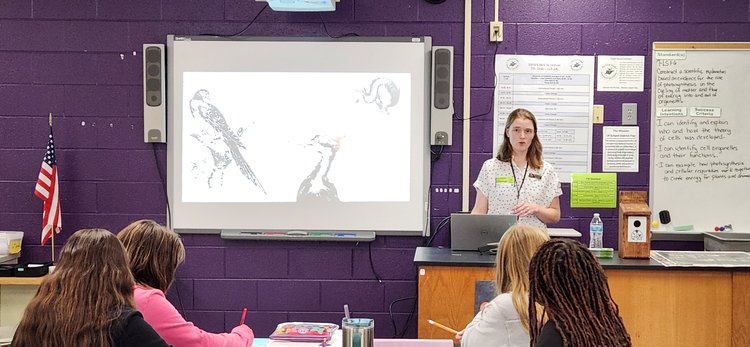
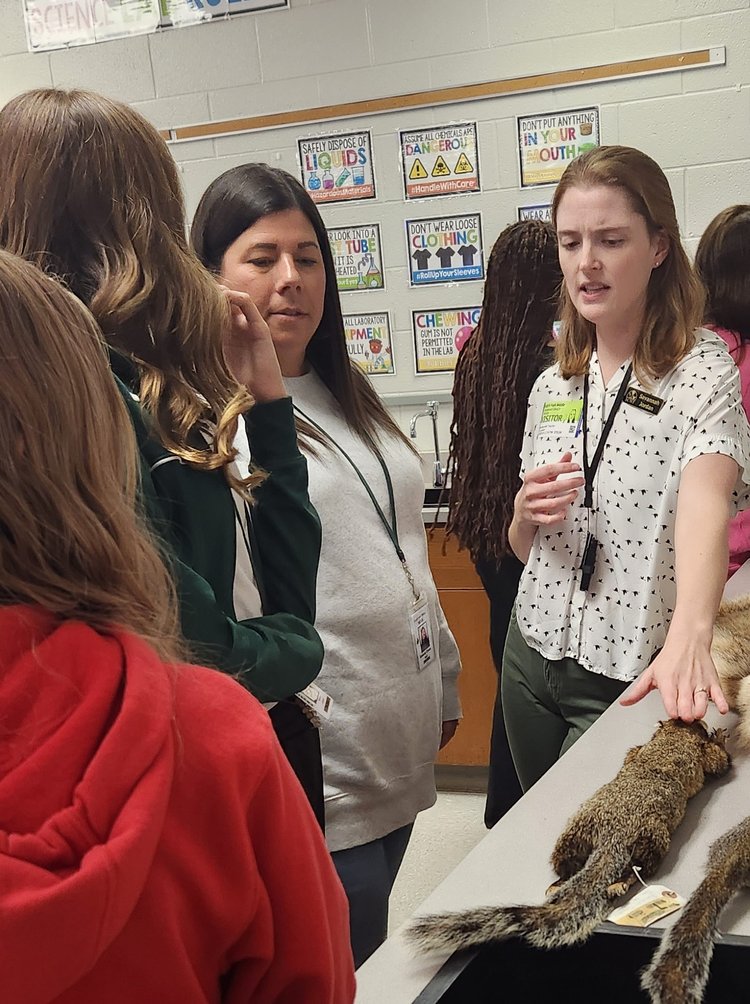
With education at the core of SCWF’s mission, we strive to create the next generation of environmental stewards by visiting schools all across the state. SCWF’s Habitat Education Manager Savannah Jordan recently visited Dutch Fork Middle School to present about endangered species in South Carolina and what we can all do to help them. Students learned specifically about how species become endangered, the Endangered Species Act, and what endangered species we have in South Carolina. They also learned about how SCWF works for wildlife, other career fields that they can pursue, and actions that we can all take such as keeping our environment clean and writing to our local leaders in government so they make good decisions that help protect nature.

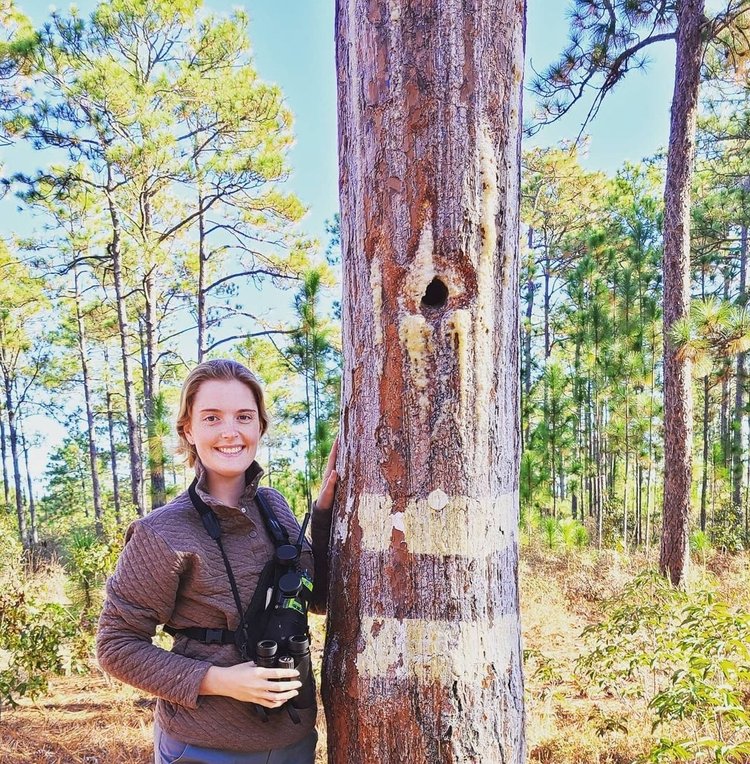
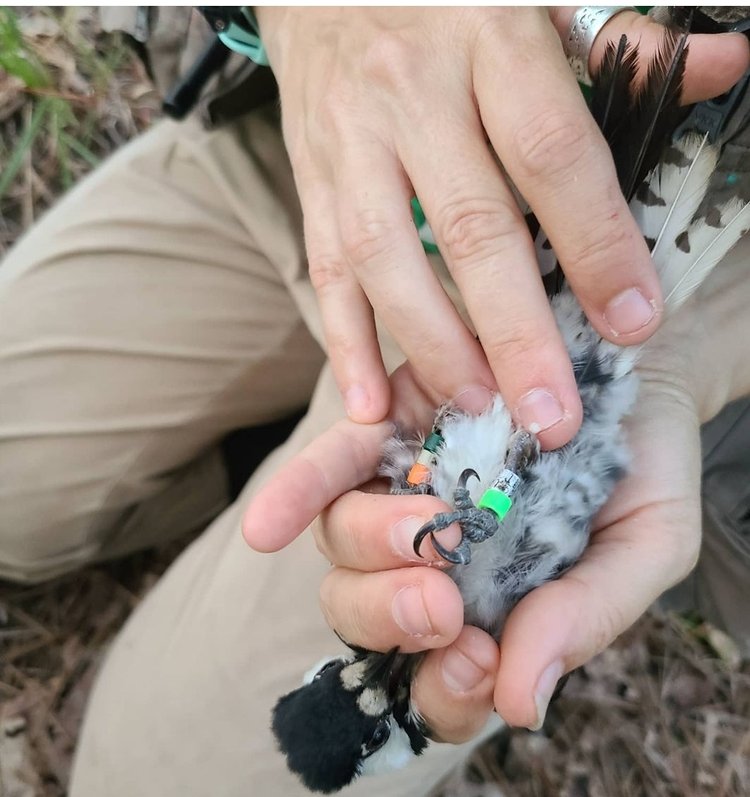
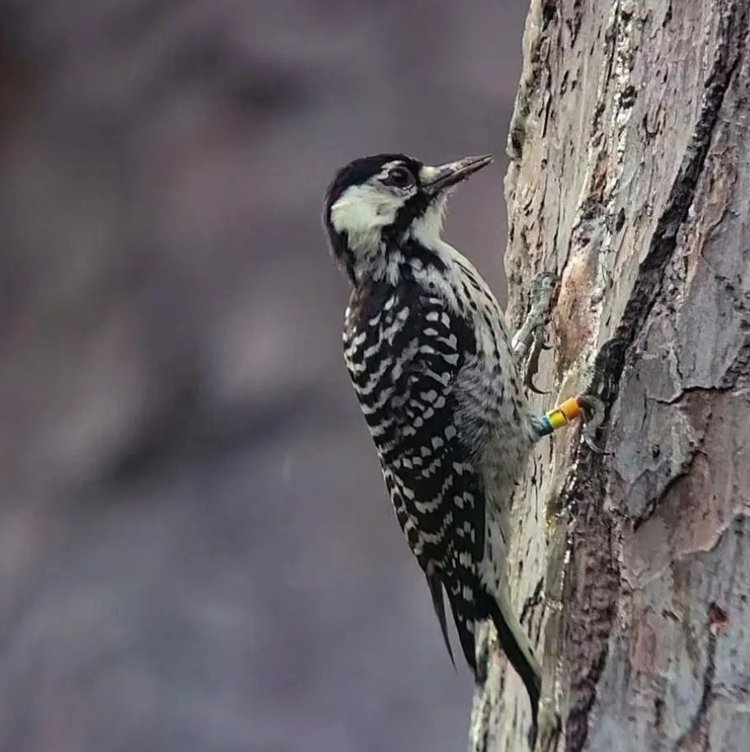
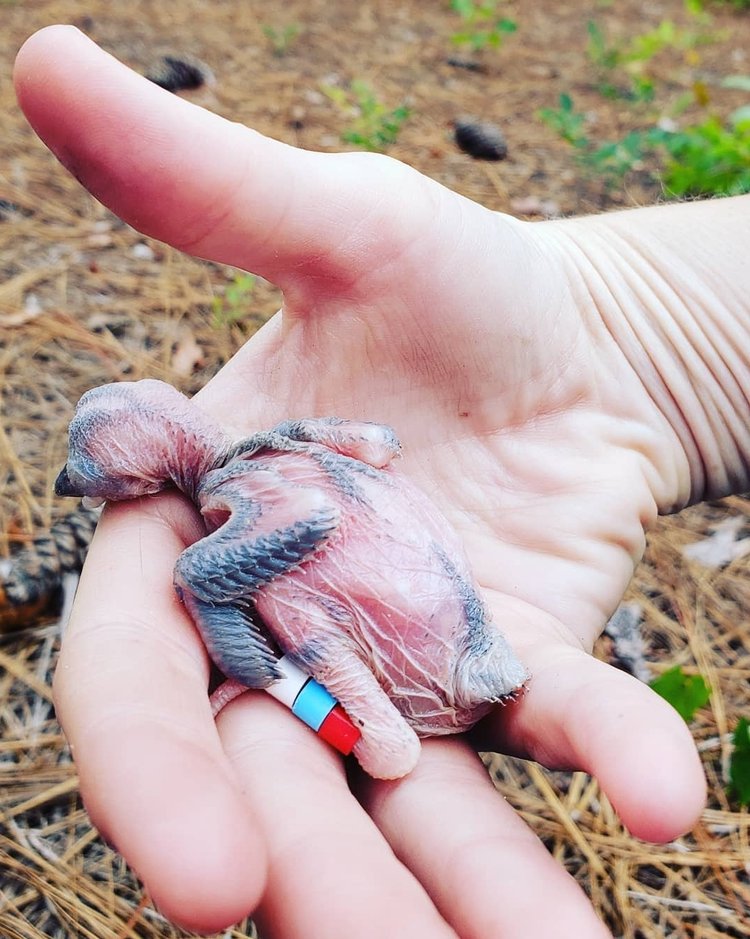
One species in particular that the students learned in depth about is the endangered red-cockaded woodpecker (RCW), which Savannah worked with during her previous role as a wildlife biologist. The middle-schoolers were fascinated by the banding process of RCW nestlings and adult woodpeckers that help biologists track individuals and monitor their population. They also learned about how the long-leaf pine habitat where RCWs live requires the application of prescribed fire to maintain the open, park-like habitat that the woodpeckers prefer. Fire also helps to reduce hazardous fuels that can lead to catastrophic wildfires due to the accumulation of leaf litter on the forest floor.

Student groups participated in a STEM Project-based Learning activity where they chose an endangered species in South Carolina to research and present to their class, encouraging community action that can be implemented to help save endangered species from extinction. Each group presented about how we can maintain biodiversity with strategies such as incorporating native plants into our landscapes for species like the rusty-patched bumblebee. The students taught their classmates how to work together with the community and even created real-world solutions that can be implemented to protect imperiled species in South Carolina.

2023 was the 50th anniversary of the Endangered Species Act. Take a look back at the plants and animals found in South Carolina which we featured throughout 2023 that have benefited from the passage of the Endangered Species Act

“In the end, we will conserve only what we love, we will love only what we understand, and we will understand only what we are taught.”

— Baba Dioum


Learn more about endangered species in south carolina

A Garden for Wildlife Month™ Story: Community Habitat Leader Spotlight

During the month of May, we continue to celebrate Garden for Wildlife™ Month by spotlighting our Community Habitat team leaders and asking them why they garden for wildlife. Ellen Morton is the leader of the Bull Point Community Wildlife Habitat in Seabrook, which earned their certification in 2023. Located near Beaufort, this community is a part of a maritime forest ecosystem, surrounded by tidal creeks, salt marshes, and towering live oaks draped with Spanish moss. Read about Ellen’s story and their journey to becoming a Certified Community Wildlife Habitat.

Why Ellen Gardens for Wildlife

I garden for wildlife because I’ve learned that wildlife habitat is disappearing as humans bulldoze and develop more and more of what used to be natural areas. I’ve realized that while people need places to live and it is difficult for us to build homes without damage to native ecosystems, at least we can minimize it and attempt to repair that which is unavoidable.
Although I’ve been gardening for years, for most of that time I’ve been oblivious to such things as the value of native plants over imported ones, the need to protect mature trees, the dangers of invasive plants, and the many negative impacts of an expansive turf lawn. While I learned about planting zones and soil types as well as light and water requirements, I assumed that all I needed to do was choose pretty plants that fit the conditions in my yard. For most of my life I lived in houses with large turf grass lawns, just like everyone else in the neighborhood, and the competition for the greenest, most perfect lawn was often fierce. Those who did not mow regularly were regarded as sloppy and lazy, if not morally deficient. I know there were those who were making efforts to change the conventional thinking, but that information was not available to me. My idea of being environmentally responsible was recycling the trash and lowering the thermostat.
All this changed a few years after we retired to a community that was dedicated to living in harmony with nature. The first time we drove into the neighborhood, we were immediately attracted to the peaceful atmosphere created by the untamed landscape filled with trees — including large, moss-draped old live oaks — a fascinating variety of birds and other wild animals roaming casually through it, and homes that were barely visible from the road (if at all). We were warned not to remove any more trees or understory than was absolutely necessary for building the house and not to plant turf grass because it was too difficult to grow in the local soil and shady conditions. Thankfully we took this advice and only put in some narrow strips of lawn bordering the flower beds at the front entrance of the house—just enough to neaten up the look a bit — and left the rest of the property wild. At that point we were merely grateful to no longer have almost 2 acres of lawn to mow and take care of, as we’d had at our previous residence.
Then a couple of years ago we noticed that, as our community’s properties were being built out, more and more people seemed to be landscaping their homes exactly as they had in their old neighborhoods and the wildness was beginning to disappear. To combat this, we decided to look into ways we could encourage new residents to embrace the original philosophy of the community rather than change it into just another suburb. We discovered the National Wildlife Federation and its Garden for Wildlife program, which we thought would be perfect for us. Our community was already a wildlife habitat and we realized we could very easily qualify as a Certified Community Wildlife Habitat.
We began our project by trying to educate ourselves and our fellow residents about what we needed to do to protect our flora and fauna and to “keep it wild” rather than allow what attracted us here to vanish. We read books and articles, brought out experts to speak to us and consult with our Board of Directors to point out areas of concern—and were astonished to discover how much we didn’t know. Once we were made aware of the value of planting native plants, preserving and protecting our mature trees and our water resources, providing secure spaces—including sources of food and water — to all our wildlife and especially support for pollinators, and exercising care in the use of chemicals, we realized the importance of spreading the information and knowledge we had gathered. A Sustainability Committee was created from the team that accomplished our certification, and our efforts are ongoing to come up with methods we can use to convince our neighbors to adopt recommended best practices to protect the air, land, and bodies of water surrounding us as well as all the inhabitants with which we share our space. There is great satisfaction in feeling we are helping not only to stop the destruction of our natural world but even to find ways of healing and repairing the damage already done.

— Ellen Morton, Bull Point Community Habitat Leader

CHECK OUT the Bull Point COMMUNITY WILDLIFE HABITAT PAGE TO SEE ALL THE HARD WORK THEIR TEAM HAS DONE TO HELP CREATE WILDLIFE HABITAT!

Learn more about how to get your community certified as a community wildlife habitat

SCWF Gardens for Wildlife™ with new habitat garden

SCWF staff, volunteers, and community partners joined together at the new SCWF office in downtown Columbia to install a habitat garden in honor of Garden for Wildlife™ Month! Part of our mission is to restore wildlife habitat in order to help maintain healthy ecosystems for all plants, animals, and humans. By doing this, we promote biodiversity and ensure that future generations get to experience all the wonders that nature has to offer. Pollinators are one of those tiny wonders – small, yet mighty machines that keep our ecosystems running, and one way we can all help them is by planting native plants.

Before planting

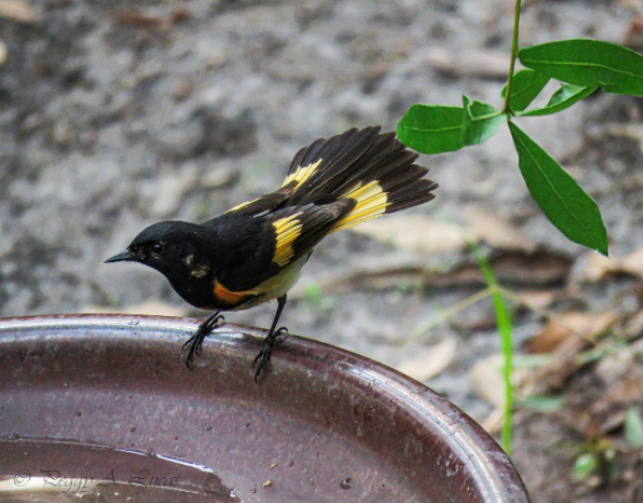
What were once bare beds of mulch are now areas of refuge for wildlife to thrive. The native plants in the garden include fruit-producing blueberry bushes, blue false indigo, yarrow, common boneset, and Homestead Purple verbena. Other plants like Eastern red columbine, moonbeam coreopsis, and Stokes aster now sit under the towering willow oak tree that offers a shade and cover birds and other wildlife. These native plants will provide a source of food for pollinator insects like butterflies, bees, and beetles, which will in turn provide food for many of the bird species that have been sighted at the office like Mississippi kites and American redstarts. Butterfly weed, swamp milkweed, and common milkweed were also planted to help declining monarch butterflies.

This new habitat garden will become a Certified Wildlife Habitat and will provide the essential elements for wildlife to thrive – food, water, cover, and places for wildlife to raise their young. Learn how you can certify your garden below!

All plants were provided by Wingard’s Market, Mill Creek Greenhouses, and Irmo Middle School. See a list of more native plants here. You can also order native plants online and have them shipped straight to your door!

Thank you to Goodrichland Property, LLC for supporting our habitat garden on this property!

Schoolyard provides habitat and learning opportunities!

St. Joseph Catholic School in Columbia created a Schoolyard Habitat in 2022, and it is still thriving! Nectar plants attract butterflies and other pollinators, and milkweed provides critical habitat for Monarch butterflies. The students get to see the whole Monarch life cycle, right in their own schoolyard!

A Garden for Wildlife Month Story: Community Habitat Leader Spotlight

During the month of May, one way we celebrate Garden for Wildlife Month is by spotlighting our Community Habitat team leaders and asking them why they garden for wildlife. Kelly Long is the leader of Greer’s Community Wildlife Habitat, which earned their certification in October of 2021 and recently renewed their certification in April! Kelly has a special place in her heart for monarch butterflies and shared her story with us:

Why Kelly Gardens for Wildlife

“Gardening for Wildlife has never been more important to me than now! I have recently moved to my forever home and have set my home and yard to be successful in attracting all sorts of wildlife! I do not use pesticides at all, which is hard on the back but great for the soul! We located our new home in the middle of our horse pasture and set aside an area for our home, a large garden, a meadow to wildlife to come (deer, turkeys, groundhogs, birds, and butterflies come here daily), and my flower beds are full of milkweed, native plants, and all things that attract hummingbirds and butterflies. We also have a small farm pond that is full of fish, turtles, and frogs, as well as dragonflies, ducks, Canada geese, and other water fowl of all types! I have spent my spring going to garden clubs all over the state of South Carolina educating about the plight of the monarch butterfly and how we can plant to attract them and save them. I have given out over 600 packets of free milkweed seeds that I obtained from the South Carolina Wildlife Federation, which will be planted in gardens all over the state to help our Monarchs have a place to lay their eggs and hopefully have a great year! There has never been a better time to Garden for Wildlife and make a difference for our native wildlife and a big difference for our communities and environment!
Won’t you join us!

— Kelly Cason Long, Garden Clubs of SC Wildlife Habitat Chair

Check out Greer’s Community Wildlife Habitat page to see all the hard work their team has done to help create wildlife habitat!


Learn more about how to get your community certified as a Community Wildlife Habitat

Working Agricultural Lands Protection Act Signed!

Working Agricultural Lands Protection Act (H.3951)

This legislation was introduced in the House of Representative in 2023 by Rep. Patrick Haddon, a family farmer and State Representative from Greenville. The bill creates a special program within the South Carolina Conservation Bank designed solely for the purpose of funding conservation easements on working farmlands in the state. Not only will this bill significantly help family farms withstand the pressures of development and stay in business, but it will also preserve wildlife habitat throughout the state when farmlands are protected by a perpetual conservation easement. SC Wildlife Federation, along with our conservation partners, strongly advocated in favor of this legislation and worked over the course of two legislative sessions to ensure its passage. Originally introduced in February of 2023, the Working Agricultural Lands Protection Act recently received final approval by the General Assembly and has now been signed into law by the Governor.
A ceremonial bill signing event was held at Cottle Farms in Hopkins, SC and attended by many supporters of the bill.

Representatives from several conservation organizations, including SCWF, posed for a photo with Governor Henry McMaster after the bill signing ceremony at Cottle Farms in Hopkins.

Banner image by Leonard Vaughan.