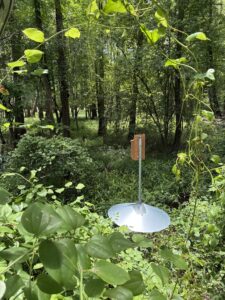
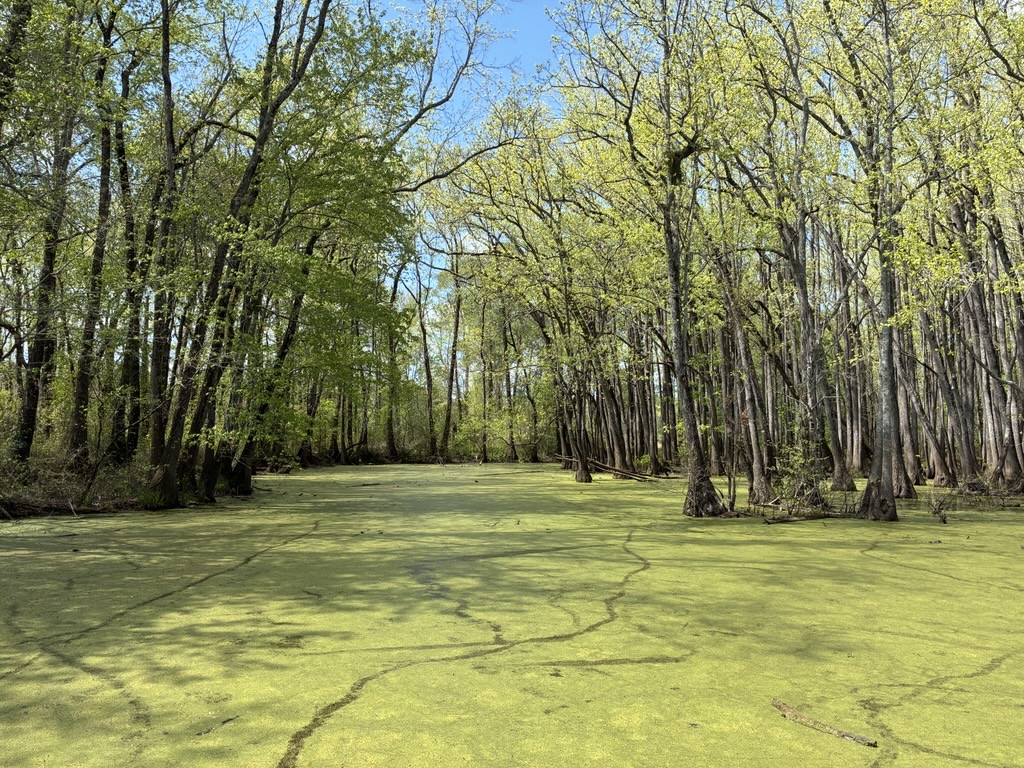
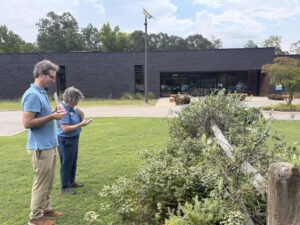
After a recent visit in the spring, Jay Keck, SCWF’s Industry Habitat Manager, felt invigorated after touring part of the Westinghouse property with their employees. The excitement came after learning about the pre-construction work and stormwater modifications for a proposed new facility on their site.
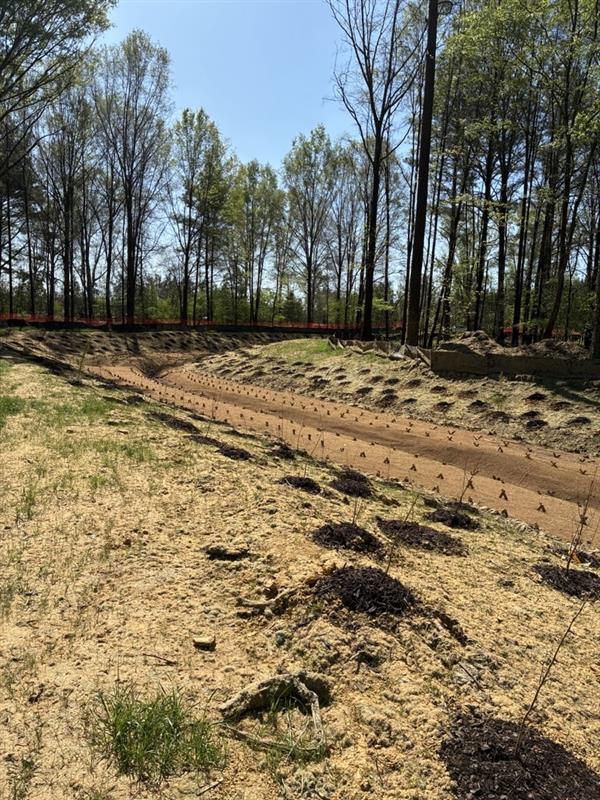
The stormwater modifications include implementation of an Army Corp approved Nationwide Permit 27 for wetlands enhancement. They have created a stream with purposeful meanders, riffles, and pools that will provide habitat for all types of wildlife.
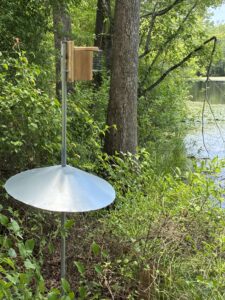
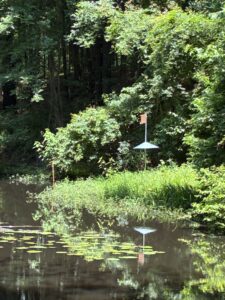
During the visit, Jay heard the songs of white-eyed vireo, blue-grey gnatcatchers, and Northern parulas as they were claiming their breeding territory in the area. Westinghouse has also installed blue bird and owl nesting boxes on their site.
The purpose of the stream is to separate natural stormwater that comes onto the site from Bluff Rd. from the industrial stormwater. Hundreds of native plants were installed along the sides of the stream to prevent erosion while at the same time providing additional habitat for wildlife. The stream could become one of the most biodiverse areas of any WAIT partner in the state and we are very excited they completed this enhancement project.
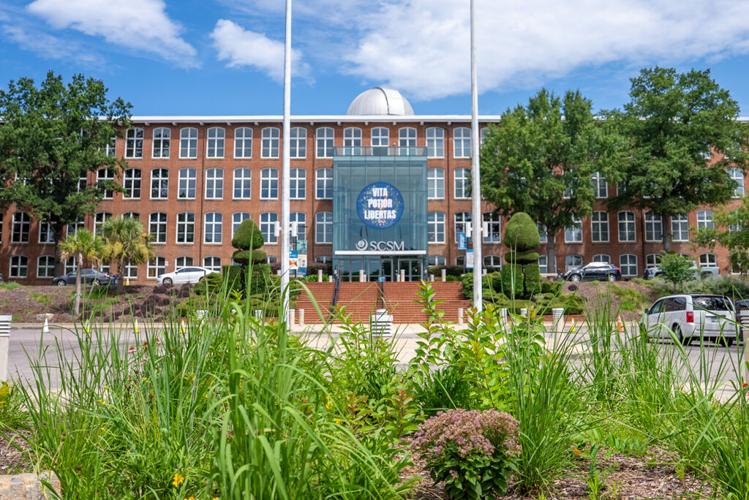
A Carolina Wildlife Garden featuring South Carolina natural and cultural history is now officially open at the South Carolina State Museum.
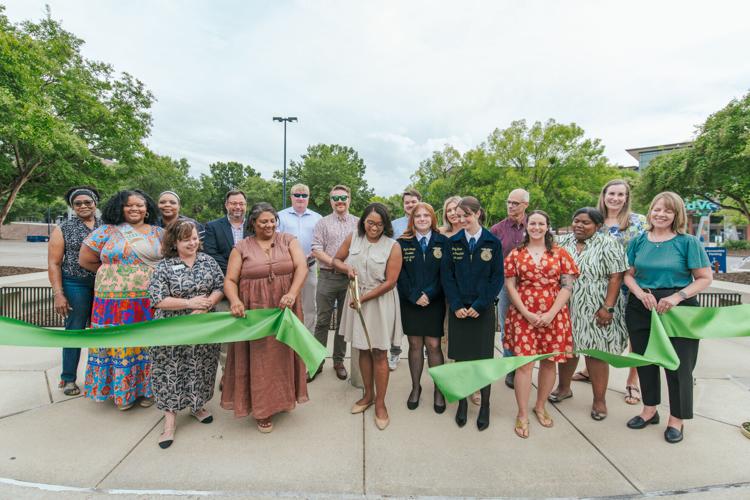
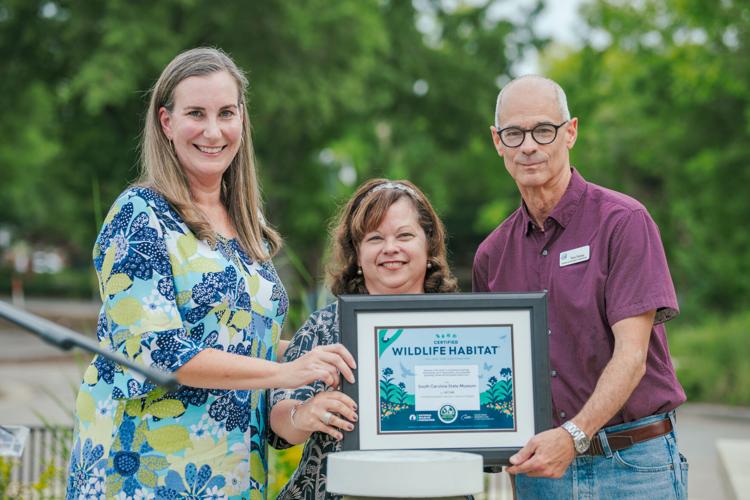
The museum hosted a ribbon cutting August 29 to publicly launch the new educational garden, envisioned and brought to life by Planting South Carolina’s Roots, an initiative of a Riley Institute Diversity Leaders Initiative (DLI) Spring 2026 Class cohort in partnership with the State Museum and the South Carolina Wildlife Federation.
“This garden grew out of our desire to create a permanent native habitat that would welcome visitors to the State Museum and educate them about plants native to South Carolina that support pollination and wildlife,” said Amy Bartow-Melia, South Carolina State Museum executive director and member of the Riley Institute DLI Planting South Carolina Roots cohort. “We hope the garden inspires visitors to cultivate a greater diversity of native plants in their own gardens.”
Photo courtesy of South Carolina State Museum
To help young gardeners start their own native gardens, the Planting South Carolina’s Roots also provided seeds and planting kits to the 300 participants in the State Museum’s summer camps. With ongoing financial support, school groups visiting the museum will continue to receive seeds and planting kits to encourage curiosity, responsibility and a lasting appreciation of South Carolina’s unique natural heritage.
For inspiration, visitors can see native plants like Yellow Jessamine, Frog Fruit, Phlox, and Butterfly Weed in the Carolina Wildlife Garden just as they enter the South Carolina State Museum parking lot from Gervais Street. The garden was planted in May 2026 with the help of Girl Scout Troop 1630 and the Future Farmers of America Chapter at Lexington-Richland 5 using a design developed by landscape gardener Dr. Lisa Kershaw and with financial support from Skyla Credit Union and Elrod Pope Law Firm.
“This Carolina Wildlife Garden embodies the spirit of the community coming together to plant living and lasting roots that will continue to grow and flourish for all of us to enjoy and learn from for many years to come,” said Richland County Council Chair Jesica Mackey, who helped cut the ribbon officially opening the garden.
The garden is already actively attracting wildlife. Since the May planting, museum staff have documented 22 species of insects visiting the garden including beetles, butterflies, dragonflies and bees. Last year, the City of Columbia affiliated with Bee City USA to encourage improving local landscapes for pollinators, and this Carolina Wildlife Garden is doing just that.
The South Carolina Wildlife Federation also recognized the project during the ribbon cutting ceremony, designating the garden as a Certified Wildlife Habitat.
Photo courtesy of South Carolina State Museum
“We are excited that the State Museum is now home to a wildlife garden that is already a habitat for a variety of creatures,” said Sara Green, executive director of the South Carolina Wildlife Federation. “The location of this garden is ideal to help thousands of visitors who come to the museum each year learn more about how they can foster similar wildlife gardens at home.”
The Carolina Wildlife Garden will serve as a living classroom and a statewide resource to provide students, educators, families and community organizations with opportunities to engage in the exploration of conservation, biodiversity, and environmental stewardship.
For 15 minutes in August, South Carolinians slowed down and paid attention to the flowers around them. Instead of simply passing by a blooming plant, participants watched closely, counting bees, butterflies, flies, beetles, and other insects as they visited flowers. Those observations may have only lasted a short time, but together they contributed to something much bigger: a regional snapshot of pollinator activity across the Southeast.
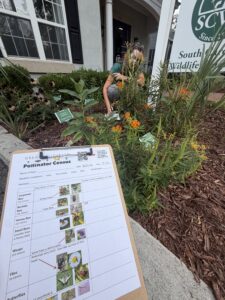
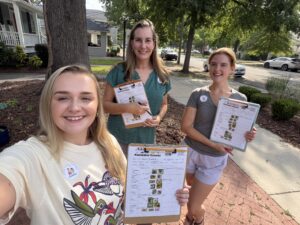
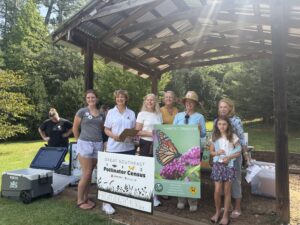
On August 21st and 22nd, SCWF participated in and hosted community counts for the Great Southeast Pollinator Census, a citizen science project created by the University of Georgia. The annual effort invites people of all ages and experience levels to observe pollinators visiting a single blooming plant and record what they see.
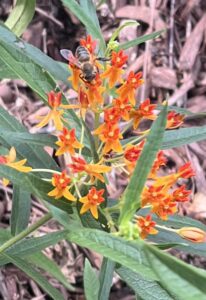
The first count of the day started at the SCWF office in Columbia at 1519 Richland Street. Two years ago, we installed a pollinator garden outside of our office. We got to observe our native plants in action as we counted the pollinators that visited our plants like butterfly weed and baptisia. Our staff observed a lot of small bees, honey bees, and flies as we participated in the count.
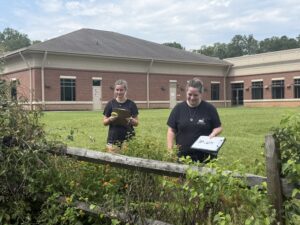
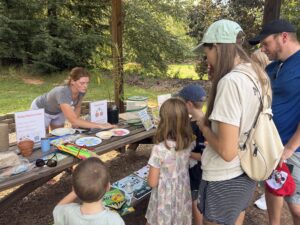
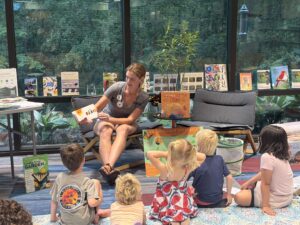
The next stop of the day was at Chapin Town Hall in Chapin. In partnership with our friends with the Chapin Garden Club, a beautiful 70ft long Carolina Fence Garden has been installed at Chapin Town Hall. This garden was buzzing full of pollinators and insects. We welcomed the public to come out and join the count, and were also joined by the Chapin Garden Club and Snug Harbor Wildlife Rescue. During this count, we observed a lot of different species of wasps, small bees, months, and even some butterflies! Families also enjoyed a special garden story time and pollinator education from our Conservation Program Manager Savannah Jordan, and left with a fun prize and a free packet of native flower seeds to continue supporting pollinators at home.
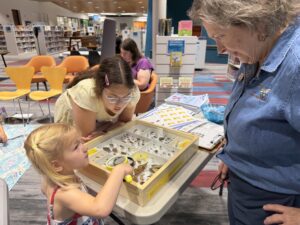
The last count of the day was at the Richland Library in Ballentine. The community was invited to come out to the library’s pollinator garden to join Master Naturalist Tami Kyre, SCWF Conservation Project Manager Savannah Jordan, and Richland Library staff member Melissa Sprenne for an afternoon of pollinator discovery and education. Families searched the garden for pollinators while learning how to identify the many buzzing visitors that call the space home. The day also featured a special story time, interactive educational activities, and free, native seeds to take home. It was a fun and engaging celebration of pollinators that brought together people of all ages and an opportunity to learn more about the important role we all can play in creating habitat for them!
Participating in the Great Southeast Pollinator Census was a wonderful reminder to slow down, take a closer look at the flowers around us, and appreciate the pollinators that play such an essential role in our ecosystems and food systems. Every observation made contributed valuable community science data that helps researchers better understand pollinator populations, identify trends, and inform conservation efforts to protect these essential species and their habitats. We are grateful to everyone who joined us at one of our events, participated in the census, and helped make a difference for pollinators!
Museum of York County Opens New Garden and Trail Features
Press release courtesy of Museum of York County & Main Street Children’s Museum
ROCK HILL, S.C. – Exploring Carolina Piedmont plants and animals extends beyond Museum of York County’s hallways and galleries. Outside the museum are a variety of gardens, an observational beehive, plus a quarter-mile trail loop that wanders through a Piedmont forest and along Big Dutchman Creek. Recent upgrades to these spaces make them more engaging than ever before.
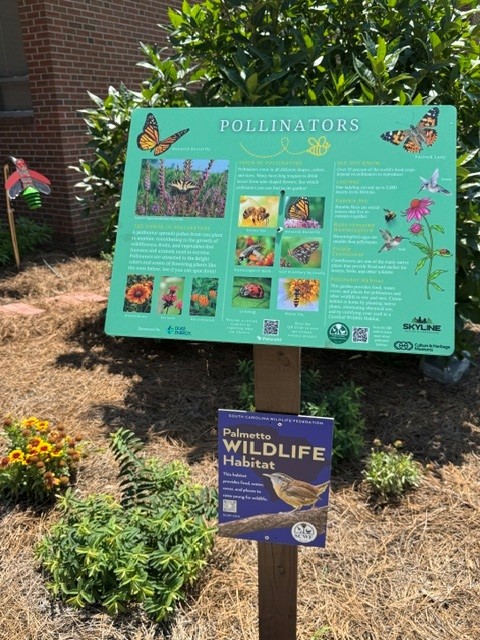
A Pollinator Garden has been added to complement the existing Monarch Way Station and Carolina Fence Garden. The Pollinator Garden was generously provided and installed by South Carolina Wildlife Federation, and features native plants and educational signage that helps visitors learn about these helpful insects.
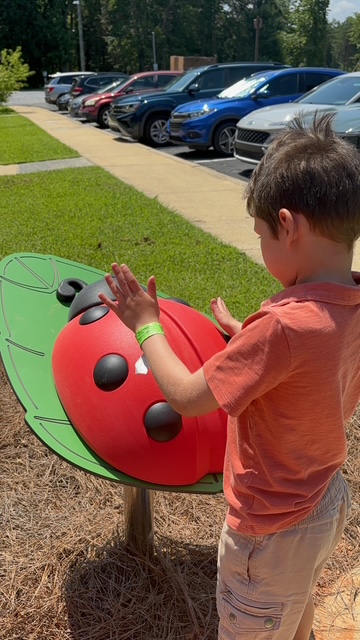
Outdoor musical instruments, shaped like larger-than-life insects and handcrafted by UK based company Percussion Play, are located throughout the new Pollinator Garden. Visitors will find a ladybug, bumble bee, butterfly, dragonfly and firefly to interact with, bringing music and rhythms to life. The purchase and installation of these instruments was made possible by a gift from an anonymous donor and grant funding from the York County Community Foundation.
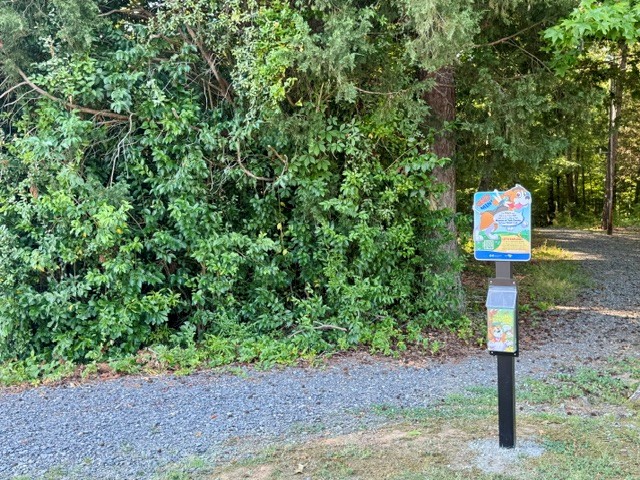
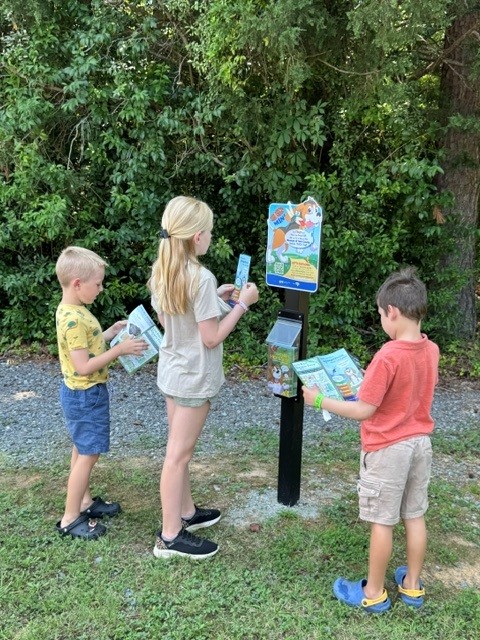
The Museum’s Nature Trail now has more to offer as well through the Kids in Parks’ TRACK Trail program, a nation-wide network of trails that aims for families and kids to unplug and connect with nature on outdoor adventures. Trail users are encouraged to pick up an activity booklet and scan the QR code at the TRACK Trail Mini kiosk found at Museum of York County’s trail head. From there, they can track their adventure and start earning prizes through the Kids in Parks website, such as free interactive e-adventures, badges, stickers, prizes and more all guided by the TRACK Trails beagle mascot.
The addition of Museum of York County to the TRACK Trails network comes just in time for National TRACK Trails Day on Aug. 15 and is one of 25 new TRACK Trails opened this year, the 96th trail in South Carolina and the 376th one nationwide. Join us on Aug. 15th at 2 p.m. for a ribbon cutting and trail walk to celebrate the launch of Museum of York County’s TRACK Trail Mini.
Images courtesy of Culture & Heritage Museums. Contact omitchell@chmuseums.org for high resolution images.
About Museum of York County:
Museum of York County highlights the world of natural history in the Carolina Piedmont through award-winning exhibits, planetarium shows, and special programs. “Before the Ice Ages: Miocene and Pliocene Beasts of the Southeast” is Museum of York County’s newest permanent exhibit that looks at the strange and bizarre creatures that roamed the southeast before the Ice Ages of the Pleistocene. “Ice Age Carolinas: Exploring Our Pleistocene Past” is a journey-back-in-time experience that features the gigantic and fantastic beasts that once roamed the Carolinas. The Naturalist Center, with over 2,500 natural history specimens, provides hands-on opportunities for self-guided discovery and educational programs. The Settlemyre Planetarium presents a changing array of full-dome digital planetarium shows. The Museum Store has a selection of local handmade pottery and goods, locally produced food products, and nature-themed gifts. Outside, the museum has a picnic facility and a three-quarter mile nature trail.
Museum Membership:
Become a Culture & Heritage Museums member and enjoy one year of exclusive benefits including free general admission to all CHM museum sites: Historic Brattonsville, Museum of York County and Main Street Children’s Museum. Membership helps support the work of preserving and communicating the cultural and natural history of the Carolina Piedmont. Consider becoming a CHM member and/or give the gift of CHM membership. Details at chmuseums.org/membership.
Museums for All:
As part of the Museums for All initiative, all Culture & Heritage Museum sites provide reduced admission for low-income families; visit museums4all.org for more information. Culture & Heritage Museum sites are also KultureCity® Certified and Sensory InclusiveTM.
Thank YOU to every single supporter who participated in this year’s Wild Summer Nights Online auction! You were vital to making this year’s auction a big success!
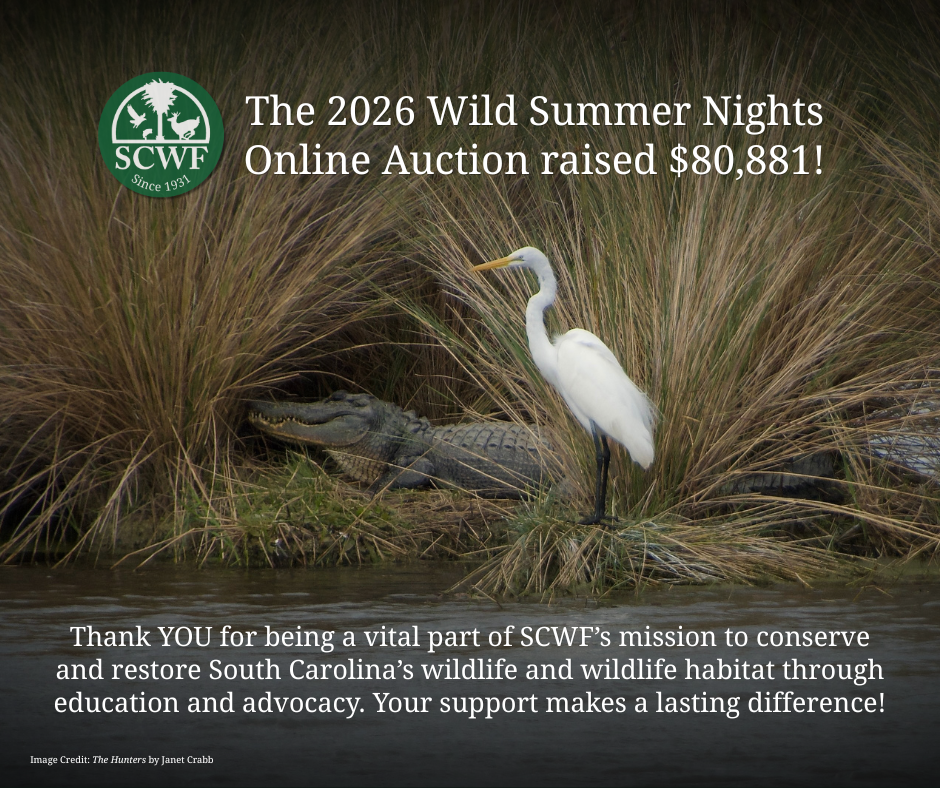
This year’s auction raised $80,881.66 in support of our education and conservation programs! We’re incredibly grateful to all our supporters, bidders, sponsors, auction item donors, and to everyone who helped spread the word by sharing our social media posts, forwarding our emails, or telling a friend.
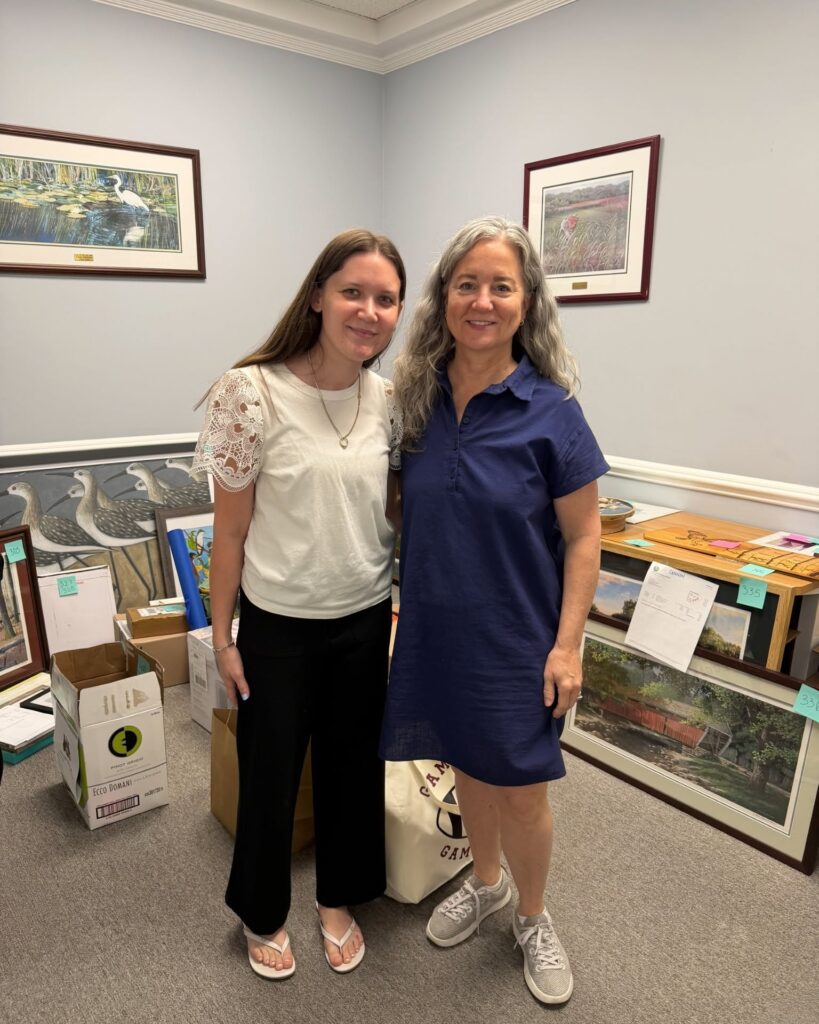
We’d also like to give a shout out to our Director of Development & Events, Angi, and our Fundraising Assistant, Taylor! These two have worked tirelessly behind the scenes to make our Wild Summer Nights Online Auction happen. If you donated an item, placed a bid, or won an auction package, chances are you connected with Angi or Taylor along the way. None of it would be possible without their hard work!
As always, all auction proceeds will support our mission to conserve and restore wildlife right here in SC through education and advocacy. SCWF’s inspirational education classes and events connect people of all ages to nature. We hope you can join us at one – or several – in the coming year! Check out our event page here to see current offerings.
Thank you to all of our sponsors who help us increase our impact for local wildlife!