Keep South Carolina Wild
May 22, 2024
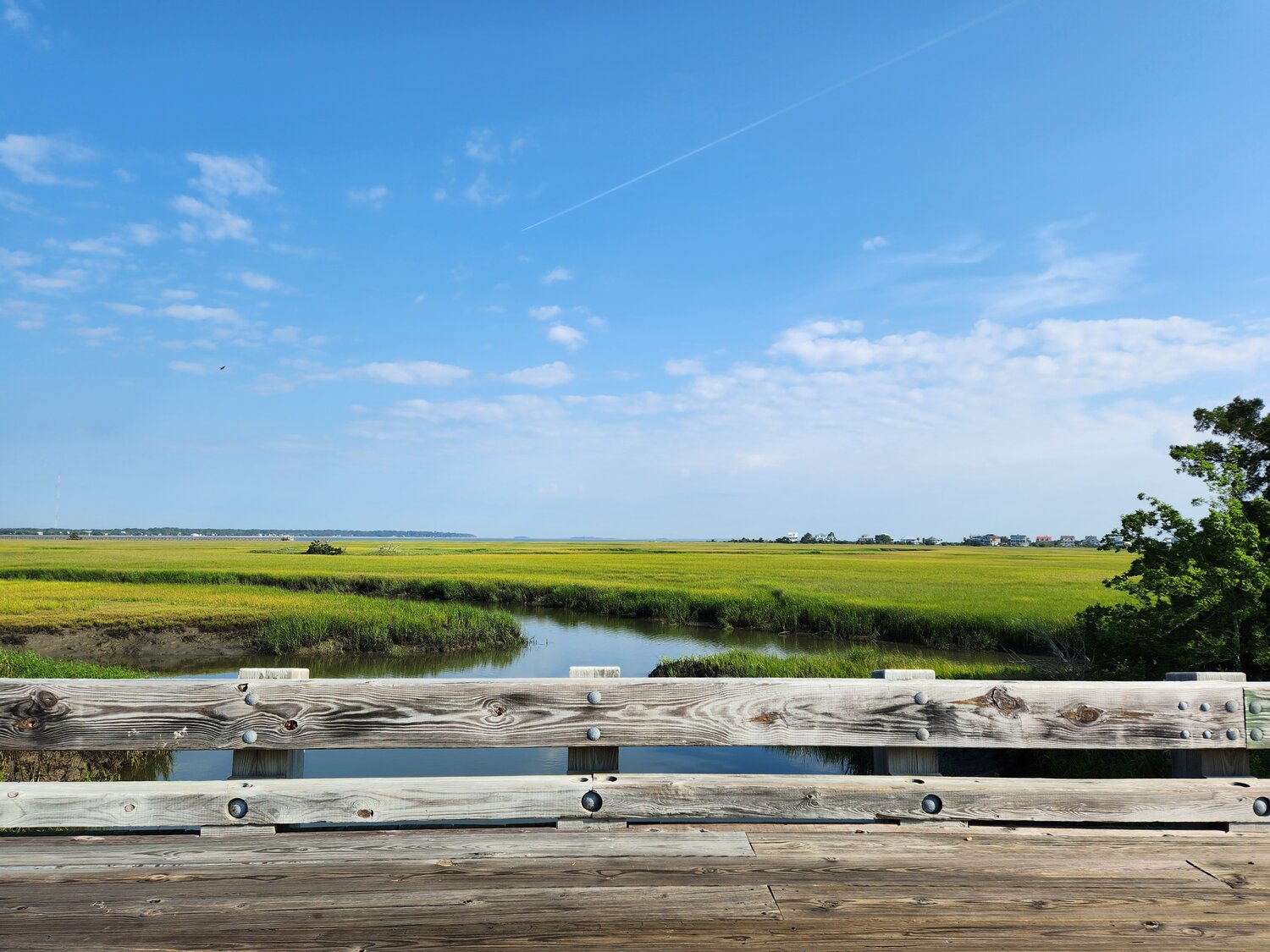
Banner image: Harbor Island by Savannah Jordan
During the month of May, we continue to celebrate Garden for Wildlife™ Month by spotlighting our Community Habitat team leaders and asking them why they garden for wildlife. Peggy Lucas is the leader of the Harbor Island Community Wildlife Habitat on St. Helena Island, which earned their certification in 2019. Located on the southern end of the ACE Basin, this barrier island community is a thriving ecosystem home to a diversity of wildlife species like loggerhead sea turtles, American alligators, and ospreys. Read about Peggy’s story and why she gardens for wildlife:
“When we built our dream home in the maritime forest on a small island in South Carolina, I was determined to do two things: disturb as little of the surrounding woods as possible and never own another lawnmower. Even with the first goal in mind, some disruption of the surrounding landscape was inevitable. After living here for ten years, the disturbed areas surrounding our home have fortunately once again returned to their natural state. It was fascinating to see the succession as plants started to grow
back. Initially, copious dog fennel and other lovers of disturbed areas were the most prevalent, but eventually more species arrived: Yaupon Holly, Red Cedar, Wax Myrtle and other native shrubs. I totally succeeded with the no lawnmower goal and instead of installing a lawn, I set aside one small area in front of my house for a garden. I planted some citrus trees that I had previously grown in pots and eventually native perennials such as Swamp Sunflowers, Scarlet Sage, Lyre leaf Sage and Split leaf Coneflower. In my planting, I’ve made a lot of mistakes along the way. I have planted things that don’t do well in this environment or that can even be harmful, such as tropical milkweed. I had planted a couple of these admittedly beautiful plants before it was known that this non-native milkweed could cause problems for the Monarchs by transmitting a parasite that causes deformity. Like most milkweed it is prolific and I’m still trying to get rid of it. If nothing else I like to think I’m not adding to the problem by providing my own little oasis for the wildlife that is slowly being displaced by development and the ever-present desire for a monoculture lawn out front. I leave the leaves that fall year-round here, along with fallen logs and snags that provide shelter and
nesting sites. I spend my time enjoying what nature is creating around me instead of obsessing over leaves on my lawn. It’s been a journey of discovery and joy and I’ve never once missed having that lawnmower.”
— Peggy Lucas, Harbor Island Community Habitat Leader
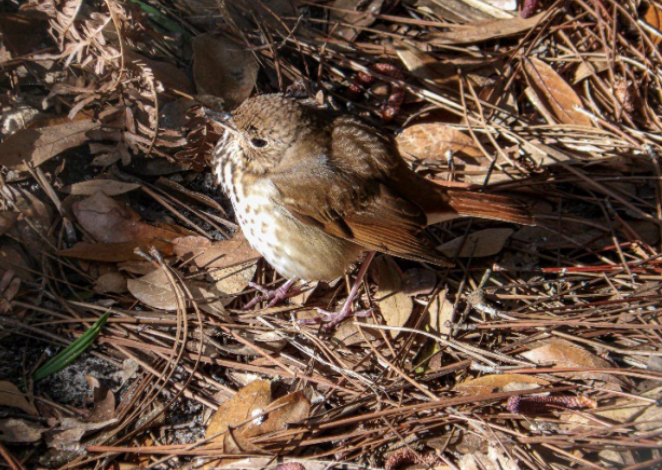
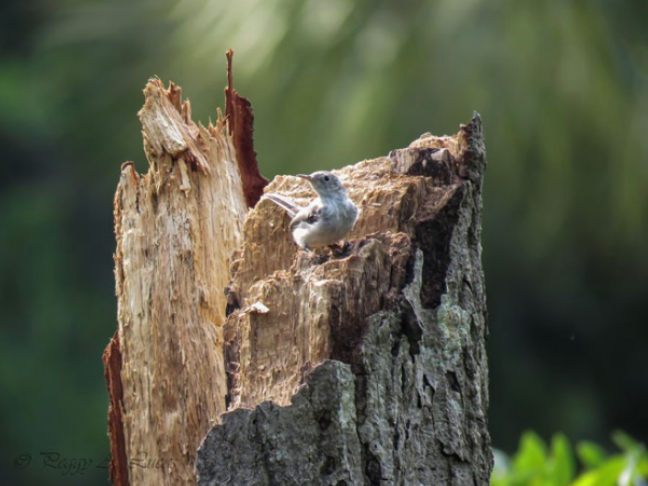
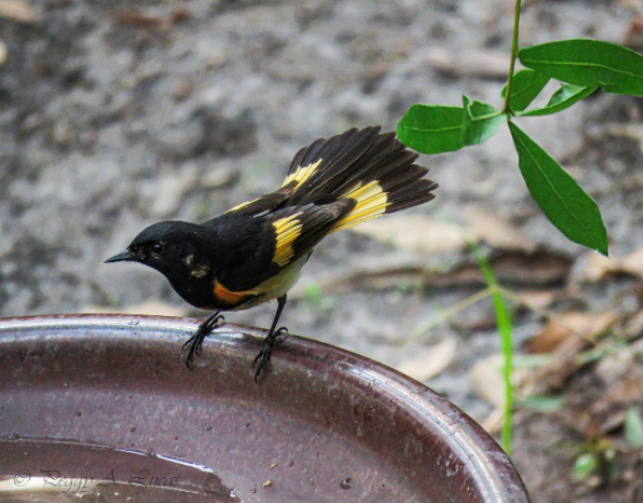
Learn more about how to get your community certified as a community wildlife habitat

SCWF joined this lawsuit in accordance with our mission to: conserve and restore South Carolina’s wildlife and wildlife habitat through education and advocacy. Help us continue this important work by...

Hey ladies, would you like to… Learn new skills? Build confidence? Spend the weekend with like-minded people? If you love the outdoors and answered “yes” to these questions, we have...
The South Carolina Wildlife Federation is honored to be in a position to distribute educational grants to full-time students pursuing environmental education at South Carolina schools of higher education. Both...