
Keep South Carolina Wild
June 01, 2026
Published in the Columbia Star on May 28, 2026 – https://www.thecolumbiastar.com/articles/columbias-downtown-pollinator-garden/
Volunteers with the South Carolina Wildlife Federation (SCWF) planted a native plant pollinator garden in their wildlife habitat in front of their downtown office at 1519 Richland Street. As spring transitions to summer, the plants are flowering and fruiting. In a relatively small space there are over 20 species attracting bees, butterflies, and hummingbirds. The garden also features the four basic wildlife habitat elements: food, water, cover, and places to raise young.
Three natives planted for monarch larvae are swamp milkweed, Asclepias incarnata; common milkweed, A. syriaca; and butterfly weed, A. tuberosa.
Passionvine, Passiflora incarnata, is deliberately planted in containers to keep it from spreading across the landscape via its underground rhizomatous roots and taking over the garden. The vine hosts the eggs and larvae of gulf fritillary and variegated fritillary butterflies.
A striking blue flowering perennial plant is false indigo, Baptisia australis. Native Americans and early colonists used the flower to produce a blue dye before the Asian indigo, aka true indigo, Indigofera tinctoria, was introduced to America.
False indigo is a host plant to many butterflies such as orange sulphur, clouded sulphur, frosted elfin, eastern tailed blue, hoary edge, and wild indigo duskywing.
Common yarrow, Achillea millefolium, is a flower attracting an incredible number of pollinators because of the design of the flower face. The nectar that bees and butterflies need is easy to access on the broad flat flower face making for perfect landing and feeding platforms. Insects can stay still and sip from the many tiny florets. American lady, checkerspots, fritillaries, hairstreaks, skippers, and sulphurs visit yarrow for nectar.
Common St. John’s Wort, Hypericum perforatum, is a host plant to the larvae of the gray hairstreak butterfly. Female azure butterflies lay their eggs on the flower buds and the caterpillars eat the flower parts and developing fruits. The plant also hosts moths like the wavylined emerald, scallop moth, and gray half-spot moth.
Coreopsis ‘Moonbeam,’ Coreopsis verticillata, will start blooming from mid-summer all the way until the first hard frost. Something to consider when planting a pollinator garden is to select a palette of plants for spring, summer, and autumn bloom.
Two varieties of blueberries grow in the pollinator garden: Vacinnium darrowii ‘Rosa’s Blush’ and Vacinnium x Perpetua. Planting blueberries in the garden creates a mutually beneficial relationship between the plants and pollinators. Blueberry flowers provide spring nectar for native bees and the bees perform “buzz pollination” to ensure a large, healthy harvest.
Visit the SCWF downtown pollinator garden to view the entire garden and take home ideas for your landscape.
Published in the Columbia Star on May 28, 2026 – https://www.thecolumbiastar.com/articles/columbias-downtown-pollinator-garden/
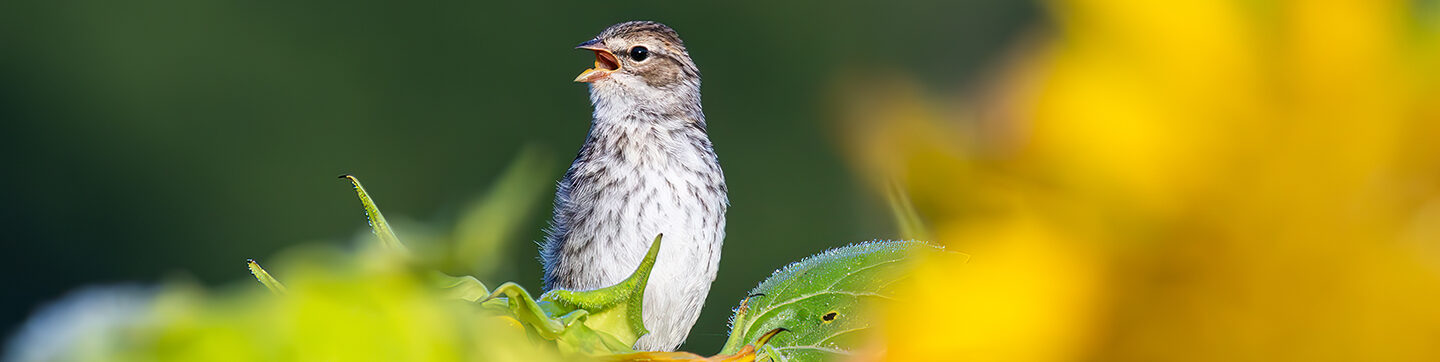
WASHINGTON, D.C. (October 9, 2024) — The bipartisan North American Grasslands Conservation Act will catalyze a concerted, collaborative effort to save one of the country’s most important and imperiled landscapes,...

Who is Renewable Water Resources (ReWa)? ReWa is a wastewater utility that’s served the Upstate since 1925. ReWa cleans and releases 44 million gallons of water daily into area streams...
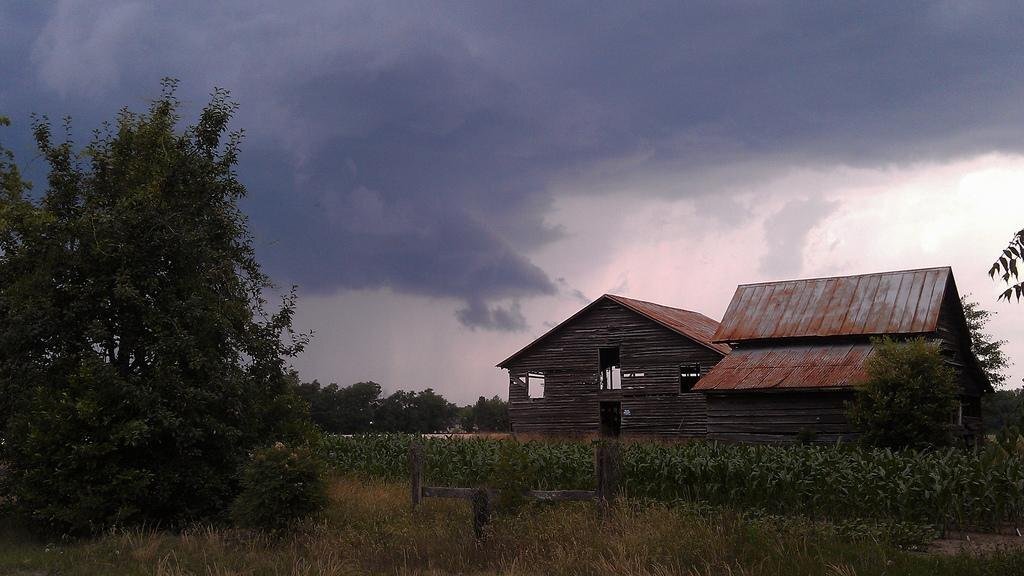
Working Agricultural Lands Protection Act (H.3951) This legislation was introduced in the House of Representative in 2023 by Rep. Patrick Haddon, a family farmer and State Representative from Greenville. The...