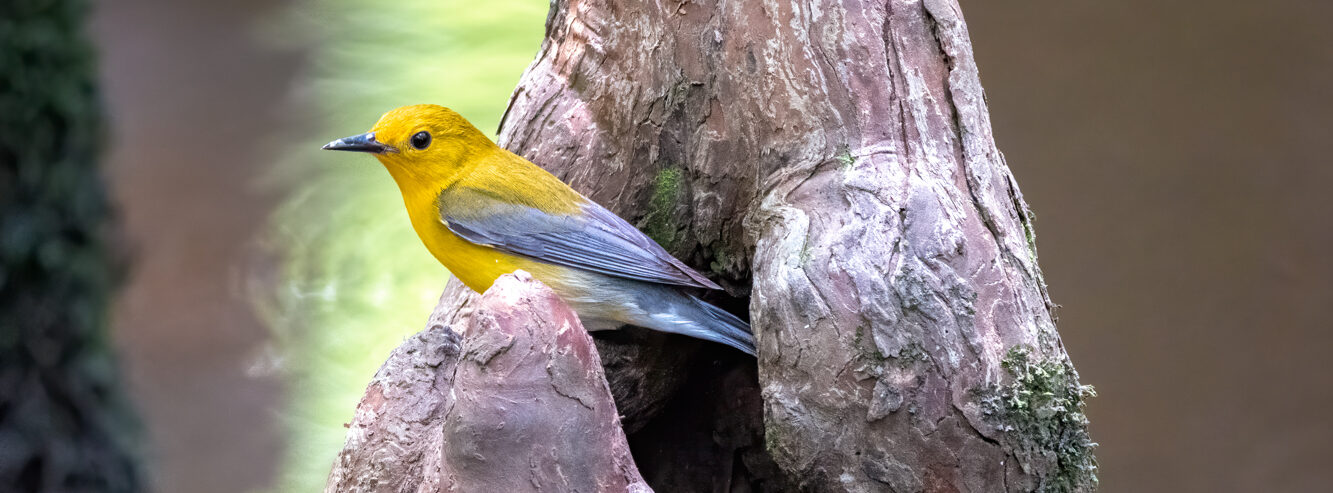
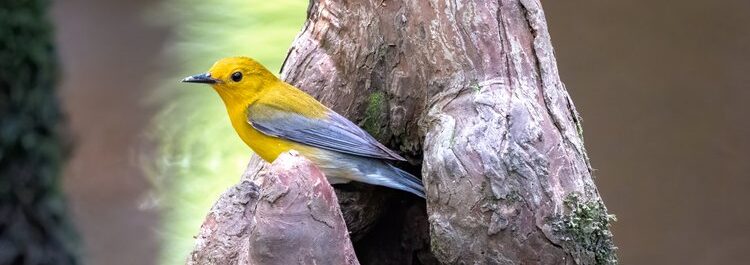
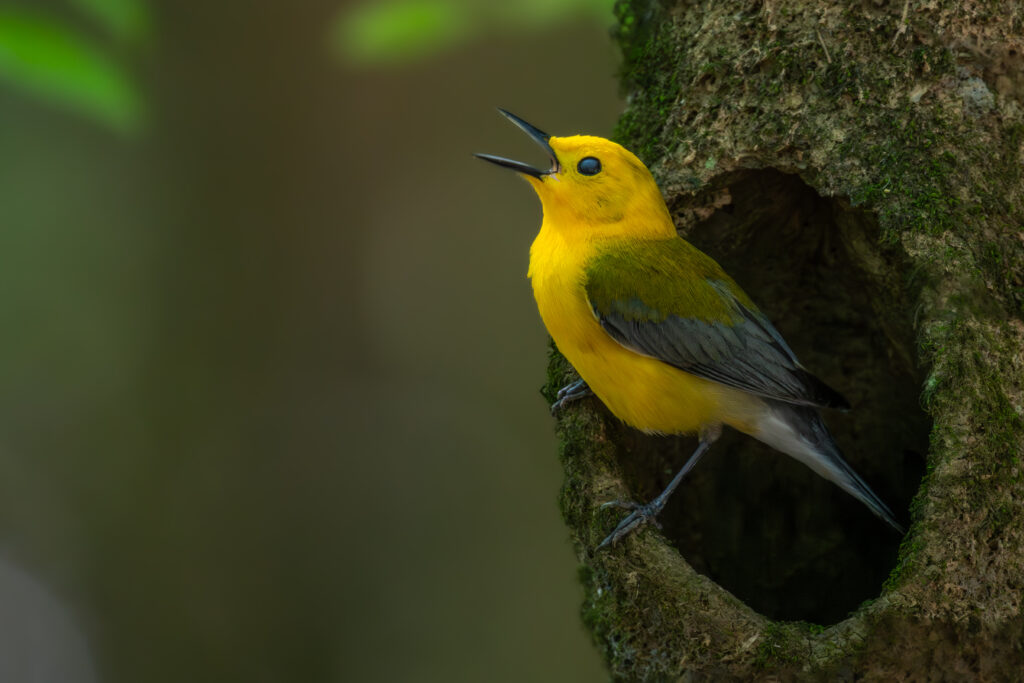
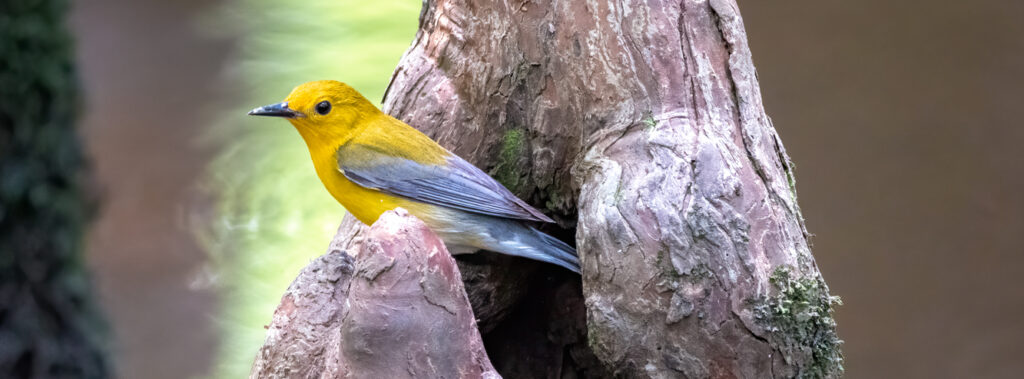
SCWF and our partners in the SC Conservation Coalition are celebrating the passage of SC Senate Bill 383—the “Prothonotary Warbler Recognition Act”—which designates the brilliant yellow, swamp-dwelling songbird as South Carolina’s official migratory bird. The legislation passed the South Carolina House and Senate unanimously, and is now headed to Gov. Henry McMaster to be signed into law.
The Prothonotary Warbler, a bright yellow bird with a striking dark eye, is often one of the rock stars of our birding outings. As part of their natural behavior, they are often seen foraging and nesting right at eye level, and often in close proximity to trails, giving birdwatchers a close view of this beautifully colored bird.
During the spring and summer months, the Prothonotary Warbler calls South Carolina home to feast upon insects, spiders, and snails located in and around our forested wetlands, before returning to their wintering grounds as far south as Colombia, South America. They depend on healthy swamps and waterways, illustrating the need to protect our state’s wetlands.
Uncommon among warblers, this bird is a cavity nester, which presents us a great opportunity to help save this bird whose population has declined approximately 42% over the last 50 years. SCWF staff, volunteers, and partners have installed over 600 boxes on state, federal, and private land all throughout South Carolina over the past 4 years for this species.
As South Carolina’s human population continues to grow, all wildlife face continued threats from habitat destruction due to pollution, deforestation, and invasive species. This designation will help bring awareness to this amazingly bright and beautiful bird, and how we can all make a difference for wildlife by protecting and enhancing its habitat.
SC third graders studying the SC State Symbols will now get the opportunity to learn more about the iconic prothonotary warbler, its long-distance migration, and its habitat needs.
The song of the Prothonotary warbler is said to sound like: “sweet, sweet, sweet!” This designation will help us ensure that the “sweet” song of the Prothonotary Warbler is a sound our swamps and forested wetlands will have for generations to come.
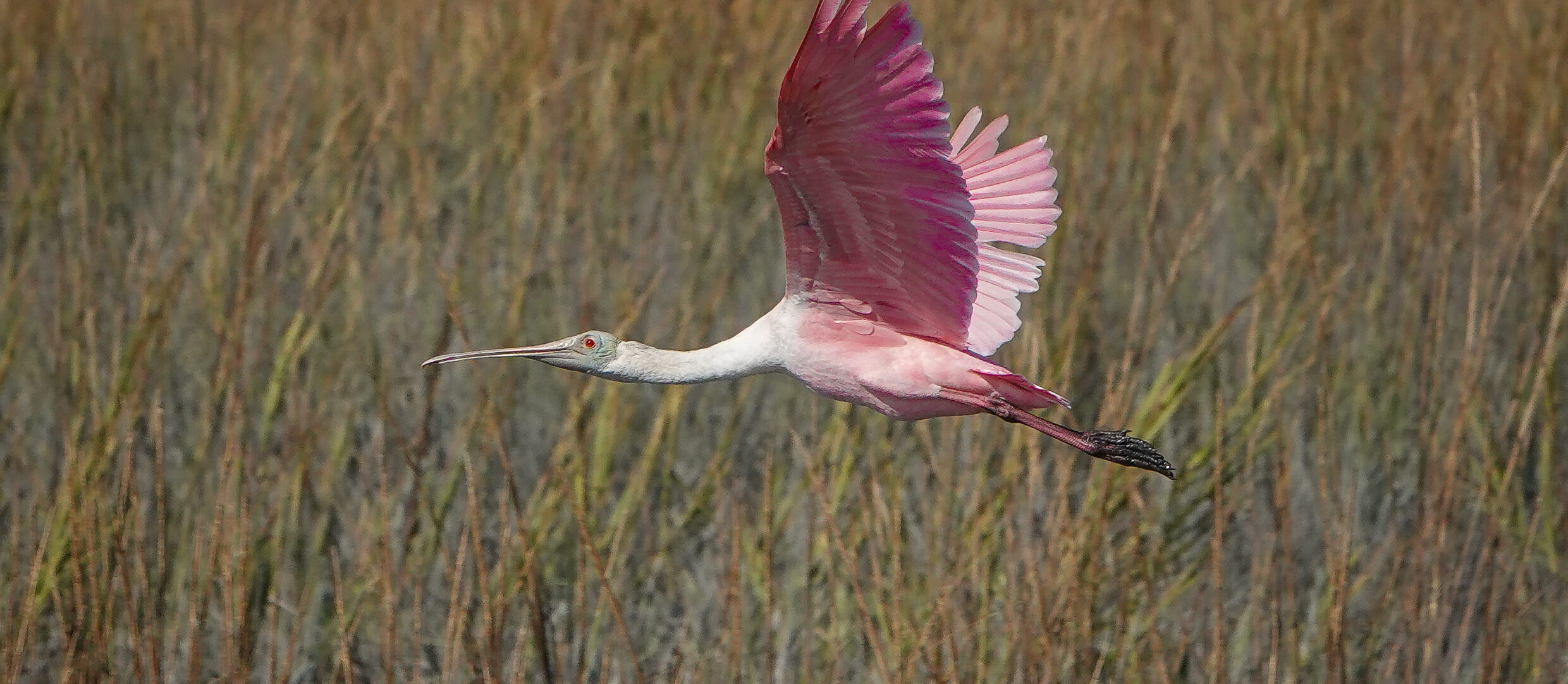
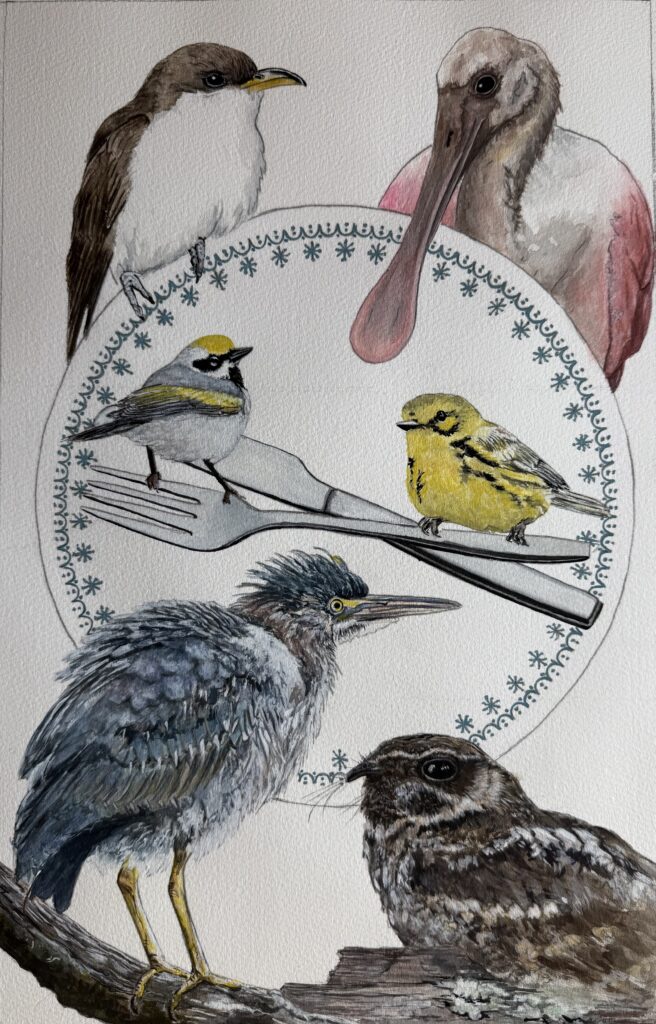
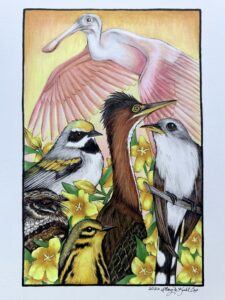
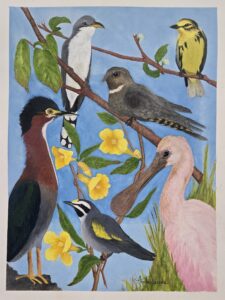
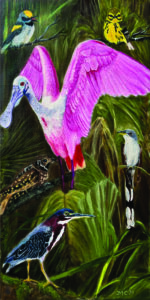
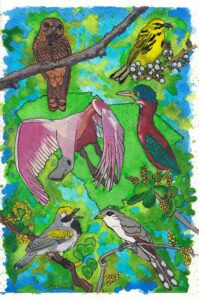
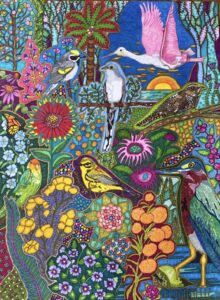
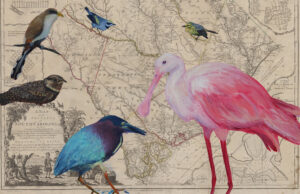
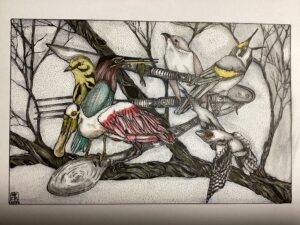
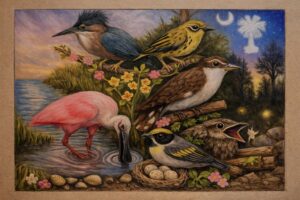
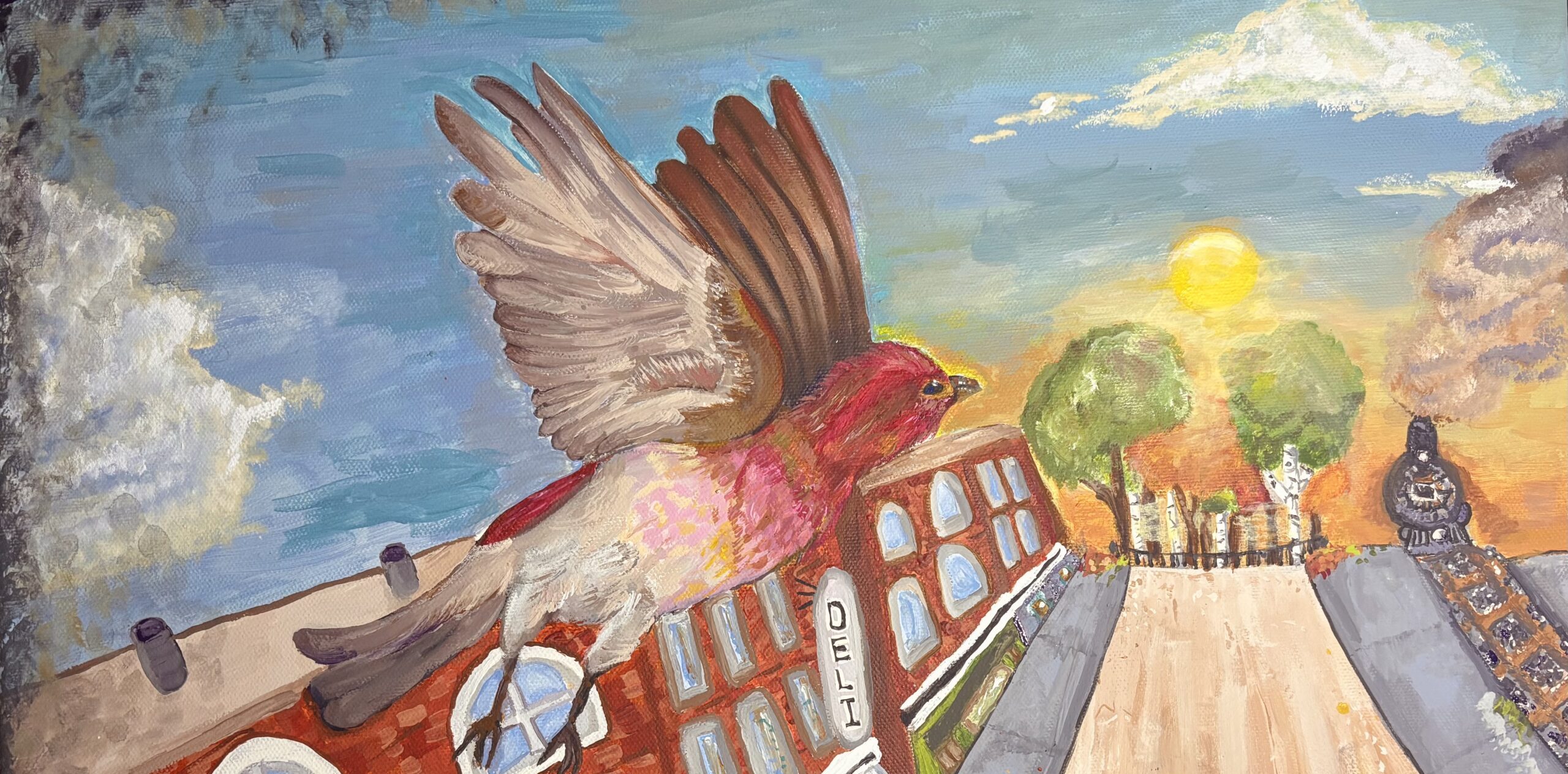
We are excited to announce that Liz List is the winner of the 2026 Forks, Knives, & Spoonbills art contest for her piece, Gathered Around the Plate! This statewide competition, hosted by the South Carolina Wildlife Federation, invited local artists to design unique artwork featuring the six imperiled wildlife species highlighted in this year’s conservation dinner series. This year’s featured species include the Eastern whip-poor-will, golden-winged warbler, green heron, prairie warbler, yellow-billed cuckoo, and of course, the roseate spoonbill, whose conservation story inspired this dinner series.
Thank you to everyone who submitted their creative work and helped make this contest our largest so far! We sincerely appreciate every artist who participated. The imaginative ways you brought this year’s featured species to life are truly inspiring.
Winning Entry
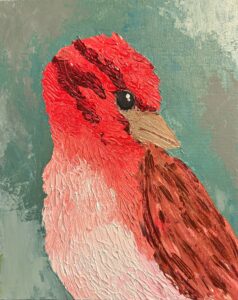
Gathered Around the Plate by Liz List.
About the winning image:
Because I work from photos, half the challenge is to be in the right place at the right time to capture an image that I can transform into a painting. The other half of the challenge is also the fun part. Painting often takes me right back to those precious encounters with birds and nature. My love of birds began when I was in the 8th grade and first experienced bird watching with my science teacher. I am especially fond of Canada Geese because they remind me of childhood trips to Horicon Marsh in Wisconsin to view the geese in migration.
When it comes to painting, I am fascinated by reflections and inspired by textures. In my “real life” job, I teach art at our state school for the blind, and much of my work involves using tactile materials that enable my students to experience art through their sense of touch. When I paint, I like to challenge myself to represent textures such as water, feathers, wood, and rocks simply through brushstrokes and layers of color. The common ground between my career as a teacher and my ambitions as an artist is my love of learning. Each new painting offers me another opportunity to grow, and this contest provided a challenge to consider the bird images as part of a design apart from their natural habitat. In this case, I chose to represent them gathered around a plate.
Our top selections are featured below.
Daydream View by Kaia Stone.
Spoonbill Sunset by Amy Kuhl Cox.
SCWF Featured Species by Amber Weeks.
Highly Revered by Mary Morris.
Still Here and Worth Protecting by Catrina Kennedy.
Forget Me Not by Karen Maston.
Plumage & Province by Melissa Junge.
Six Birds and Silver by Barbara Friedman.
Palmetto Nights by Ava McCarty.
Banner image credit: Roseate Spoonbill by Gretchen Locy.
COLUMBIA — Jack Ragley has always been interested in birds. The 9-year-old’s favorite is the blue jay.
But on Feb. 10, Jack stood inside the S.C. Statehouse to talk about another bird he cares deeply about and argue that lawmakers should officially recognize it as South Carolina’s migratory bird.
After all, the beautiful, bright yellow prothonotary warbler that lives in swamps and wetlands travels “really far” during its annual migration, he said.
Also, South Carolina is “one of the places it needs the most” to live and thrive, he told the lawmakers.
“This bird chooses South Carolina every year, and I think South Carolina should choose this bird, too,” Jack said.
State lawmakers are considering adding the prothonotary warbler to South Carolina’s list of official symbols, which would make it the state’s first officially designated migratory bird.
The prothonotary warbler is a “strikingly beautiful, golden-yellow” songbird that migrates annually between South Carolina and its wintering grounds in Central and South America, according to the bill’s text.
Image credit: Prothonotary warbler at Congaree National Park by John Martin.
South Carolina does not currently have an official migratory bird. The Carolina wren (Thryothorus ludovicianus) has been the state bird since 1948, when the designation was signed into law by then-Gov. Strom Thurmond.
Jack, a fourth grader from Columbia, wore his Scout uniform as he testified before the Agriculture, Natural Resources and Environmental Affairs House Subcommittee.
“I like birds because they’re beautiful to the eyes and to the ears,” Jack told the lawmakers. “They make being outside more fun and watching birds makes me feel relaxed.”
He is a Webelos, meaning “we will be loyal scouts,” in Pack 37 and has been an active member for five years. He said studying the local habitat at his school, Heathwood Hall Episcopal, has made him love nature “even more.”
“When you start noticing birds, you start noticing a lot more about what’s outside,” Jack said.
South Carolina provides critical breeding grounds and a stopover habitat during the bird’s annual life cycle, particularly in the state’s hardwood forests, swamps and wetlands.
Image credit: Prothonotary warbler and chicks by David Ramage.
Jay Keck, a naturalist with South Carolina Wildlife Federation, said the bird is easy to spot if you know where to look.
The bird has short legs and a short tail and is slightly larger than other warblers. Its song sounds like “sweet sweet sweet,” Keck said.
“This will help us ensure the sweet sound of the warbler is a sound our swamps, forests and wetlands will have for generations to come,” Keck said.
Sponsor of the bill, Sen. Tom Davis, R-Beaufort, wrote via text that designating it as the official state migratory bird draws attention to the role in conserving “interconnected ecosystems and promotes awareness and responsible land and water management practices.”
It’s also a “really cool-looking golden-yellow songbird,” Davis wrote.
Audubon, a nonprofit conservation organization that manages more than 30,000 acres of critical bird habitat statewide, helps maintain essential habitat for the birds by preserving tree cavities for nesting and ensuring an abundant supply of insects for food. This is all critical as the species travels thousands of miles.
Jack learned about the bill from his parents, Jay and Connelly-Anne Ragley, who both work in government. He also attended an Audubon-hosted event where he spoke with staff and learned more about the bird.
Connelly-Anne Ragley emailed just about everyone — Jack’s teacher, former teacher, head of school, science director and more — so the entire fourth grade knew he was headed to the Statehouse to talk about why the bird was important.
Lawmakers voted to advance the bill out of subcommittee, sending it to a full committee.
“I thought it was kind of heart-touching to me, because I kind of worked hard to do this,” Jack said of lawmakers’ response to his testimony.
He said designating the bird would help kids like him learn more about the state and “feel proud of it.”
“Designating a state migratory bird like the prothonotary warbler allows us to bring more awareness to our feathered friends, including what all South Carolinians can do to help birds,” Jen Tyrrell, community science and research manager at Audubon.
Jack hopes the bill will be signed by Gov. Henry McMaster this year.
After his speech, he celebrated with a lunch outing with his mom before heading back to his fourth-grade classroom for “peak,” an outdoor education program where students paddleboard on a pond and learn about the environment.
Lawmakers on the panel told Jack that Rep. Bill Hixon, R-North Augusta, the full committee’s chair, would write him a school excuse note.
When asked if he would return if the bill reached McMaster for signing, Jack smiled.
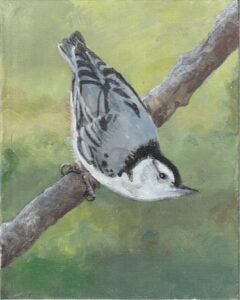
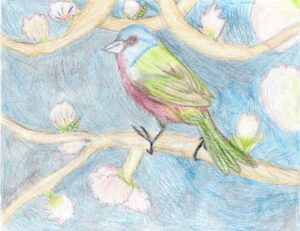
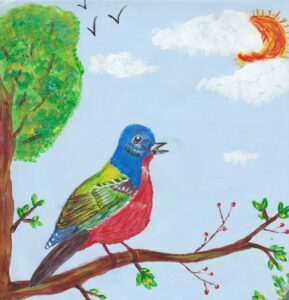
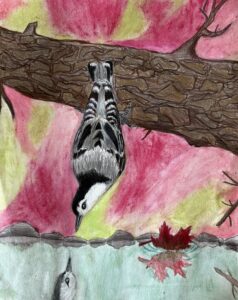
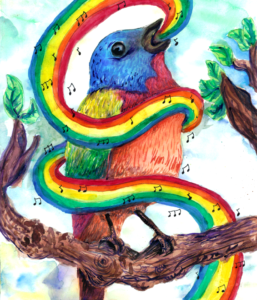
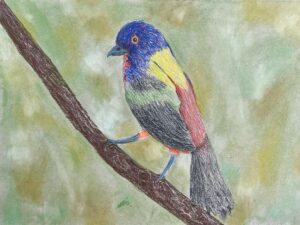
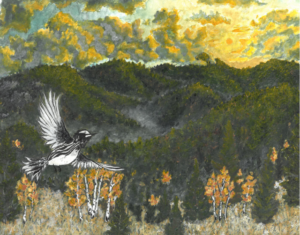
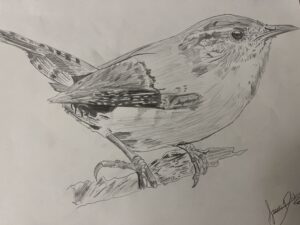
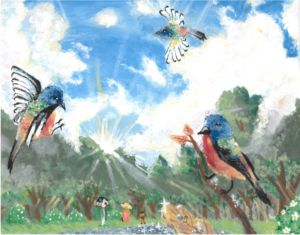
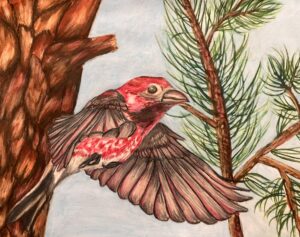
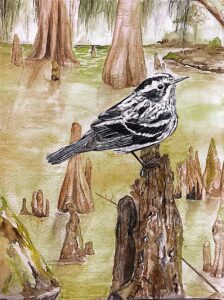
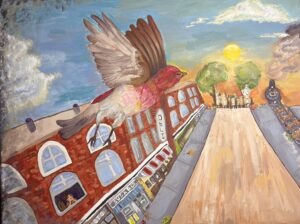
We are delighted to celebrate the talented students who participated in the 2025 South Carolina Songbird Art Contest, presented in partnership with Wildlife Forever. Congratulations to this year’s winners, and thank you to everyone who participated! This statewide contest invited K–12 students to explore South Carolina’s native songbirds through art, encouraging creativity while deepening students’ understanding of local wildlife and the habitats on which the birds depend.
By blending art with environmental education, the Songbird Art Contest helps students learn about bird identification, migration, and habitat conservation while fostering a sense of stewardship for South Carolina’s natural resources. These early connections to nature play a crucial role in building the next generation of conservationists and informed environmental leaders.
With 163 incredible submissions, selecting the winners was no easy task. Each piece reflected a unique perspective and a shared appreciation for South Carolina’s songbirds. We are grateful to every student, teacher, and family member who helped make this contest possible and joined us in advancing our mission to conserve and restore South Carolina’s wildlife and their habitats through education and advocacy.
Selected artwork will be featured throughout the year on our website and social media channels. Be sure to follow us on Facebookand Instagram@SCWildlifeFederation to see these incredible works and help us celebrate the next generation of conservation-minded artists.
Grade Winners: Kindergarten – Third
First place: Case Dorrell, grade 3.
Second place: Elana Cook, grade 1.
Third place: Mehar Tulsi, grade 3.
Grade Winners: Fourth – Sixth
First place: Amelie Rothrock, grade 6.
Second place: Caydence Vaughn, grade 6.
Third place: Adalyn Odom, grade 5.
Grade Winners: Seventh – Ninth
First place: Tori Shellenberger, grade 7.
Second place: Aarush Dubey, grade 9.
Third place: Tobias Shellenberger, grade 8.
Grade Winners: Tenth – Twelfth
First place (tie): Katherine Crowell, grade 11.
First place (tie): Sara Brunson, grade 11.
Second place: Michelle Kleich, grade 11.
Third place: Grayson Powell, grade 10.
We would also like to extend our sincere thanks to Dominion Energy for their generous support of the 2025 South Carolina Songbird Art Contest. Their commitment to education and environmental stewardship made this program possible, and helped connect students across South Carolina with wildlife conservation in a meaningful and creative way.
COPYRIGHT NOTICE: The photographs contained on this, and any other site under the scwf.org domain, are the property of SCWF and are protected by United States and International copyright laws. All copyright, trademark, and other intellectual property rights in this site, are the property of the South Carolina Wildlife Federation.
All Photographs on scwf.org are copyrighted. No permission, either express or implied, is granted for the electronic transmission, storage, retrieval, or printing of the photographs contained on scwf.org, other than that which is related to the normal “caching” practices of web browsers and activities such as downloading solely for your personal enjoyment. No parties/individuals visiting or viewing images from scwf.org, may otherwise copy, modify, publish, transmit, or distribute the contents of the photographs found herein. Express written permission must be granted in order to use these photographs for any purpose that is not outlined above.
Your use of scwf.org or viewing of this statement indicates your acceptance of these conditions.
Thank you to Governor Henry McMaster for his dedication to preserving land in South Carolina!
Below is section of the transcript of his State of the State Address given January 28, 2026 which relates to land conservation. Read the full transcript here.
“South Carolina’s future prosperity requires us to enhance our efforts to respect and protect our land, our history, our culture and our natural environment. It is not a coincidence that previous years of economic growth have followed our efforts to conserve, preserve, and display our unique gifts of nature’s abundance.
These are not opposing objectives which must be balanced as in a competition, one against the other. Instead, they are complementary, intertwined, and inseparable, each dependent on the other. Each can be accomplished to the fullest if we plan now and be bold.
In recent years, we have provided funds, time, and attention for identifying significant properties for preservation and conservation and for flood mitigation.
We created the Floodwater Commission. Its purposes included measuring our strengths and weaknesses concerning flooding, erosion and the conditions of our rivers, coast and barrier islands; and to make recommendations for the State to act upon. From the commission’s recommendations came the creation of a new cabinet agency, the Office of Resilience, and a Chief Resilience Officer for the state.
Their mission: To develop plans and studies to identify and understand flooding issues, to deploy mitigation projects, to provide grants for flood reduction, to conduct the voluntary buyout of homes in flood-prone areas, to protect and preserve endangered lands and wetlands, and to take on special environmental protection projects, as was done with the remarkable cleanup of over a million and a half gallons of hazardous toxins, tainted ballast and old diesel fuel inside the USS Yorktown in Charleston Harbor.
After the state’s official Water Plan languished without update or consensus for over twenty years, we created the WaterSC working group, led by the new cabinet agency, the Department of Environmental Services. We tasked this cadre of stakeholders to quickly complete the plan and provide an inventory of how much surface and ground water we have, and how much we will need in the future. Like the old saying goes, “if you can’t measure it, you can’t manage it.” I am pleased to report that the new State Water Plan was completed and published just last month.
Today we have a veritable army of people, farmers, public and private organizations, as well as local governments, dedicated to these endeavors, including the Conservation Land Bank, the Department of Natural Resources, the Office of Resilience, the Forestry Commission, the Department of Parks, Recreation and Tourism, the Nature Conservancy, the Open Space Institute, the Darla Moore Foundation, the Audubon Society and Francis Marion University.
In less than 10 years, we have preserved almost 400,000 acres of historically or environmentally significant lands, including the State’s largest conservation easement in history, which last year permanently protected 62,000 acres in the Pee Dee.
We have protected our most important historic and cultural sites, including Snow’s Island, where General Francis Marion’s Revolutionary War camp is somewhere located, and the colonial era Blessing Plantation, on the Cooper River. These properties are protected and in the future will become publicly owned, welcoming visitors to enjoy and learn about key aspects of South Carolina’s landscape and history.
Also included in this newly conserved acreage are African American historic sites, working farms and forests, and new areas for outdoor recreation, from the mountains to the sea.
Over the decade we have created new state parks, such as Ramsey Grove on the Black River and expanded existing parks in the midlands and the upstate. Among these is the Glendale Nature Park, in Spartanburg, one of the largest urban parks in the Upstate.
A significant portion of this land was protected with funding from the South Carolina Conservation Land Bank – just over $250 million. The investment from the Bank has brought in other funding from federal, local and private sources, exhibiting an unprecedented level of efficiency and effectiveness that has been the hallmark of South Carolina land conservation for many years.
Importantly, local governments have stepped up on land conservation, collectively investing many millions of dollars to conserve land and create new parks. But, of the forty-six counties in the state, only a few have conservation funding programs. I urge all of our counties to join this effort.
Protecting our land is a gift for all our people. With insight and continued hard work, we can achieve the goal helping private and public property owners with preserving half their lands for future generations, and making our South Carolina recognizable as the closest thing we have to heaven on earth.“
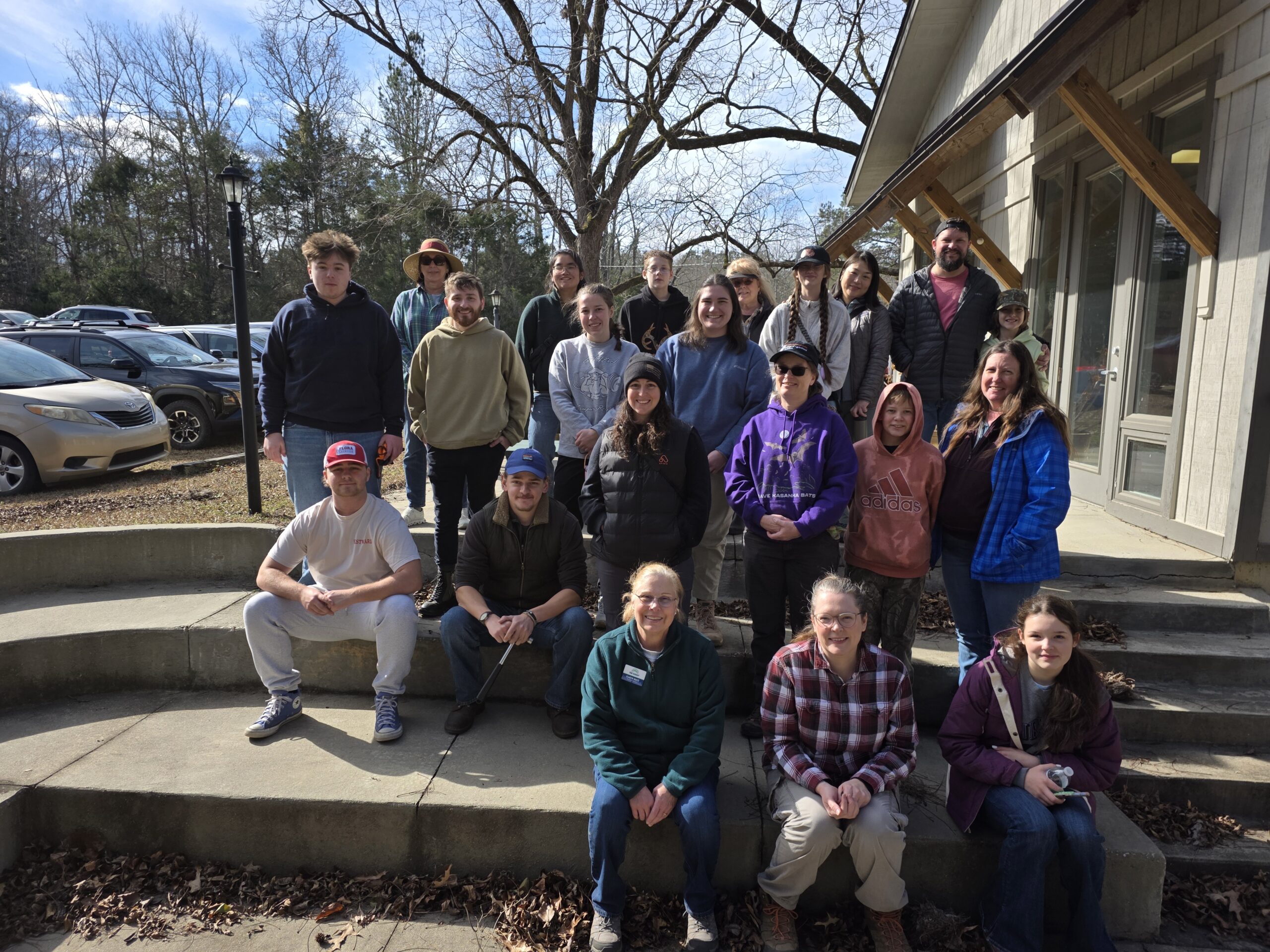
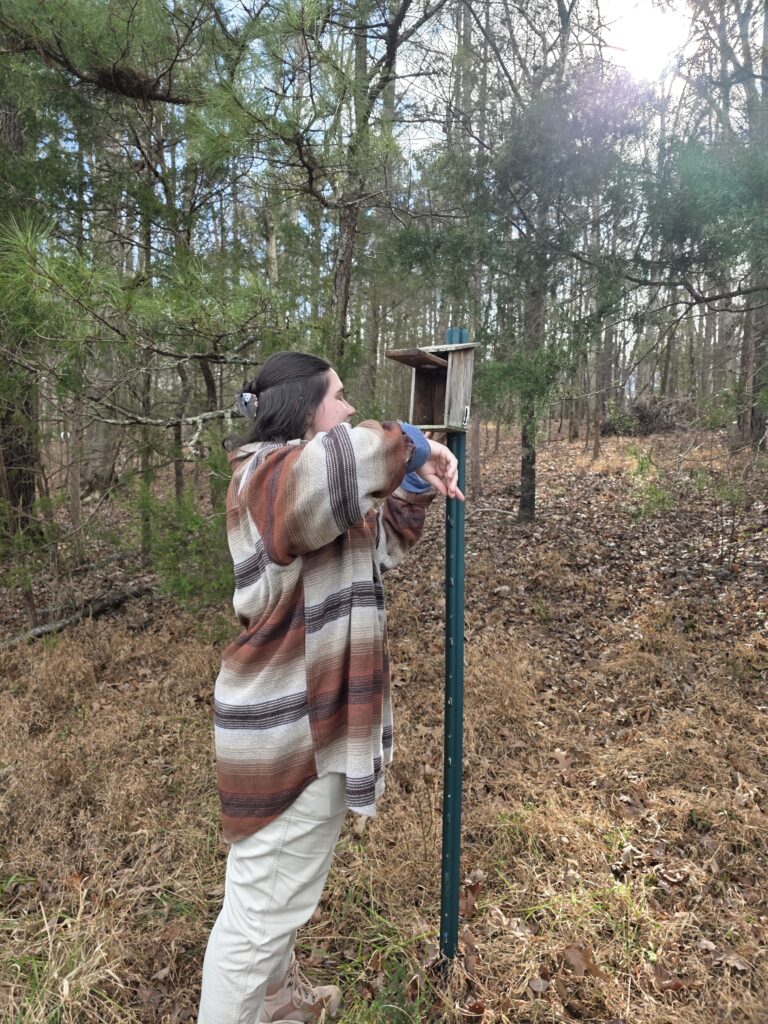
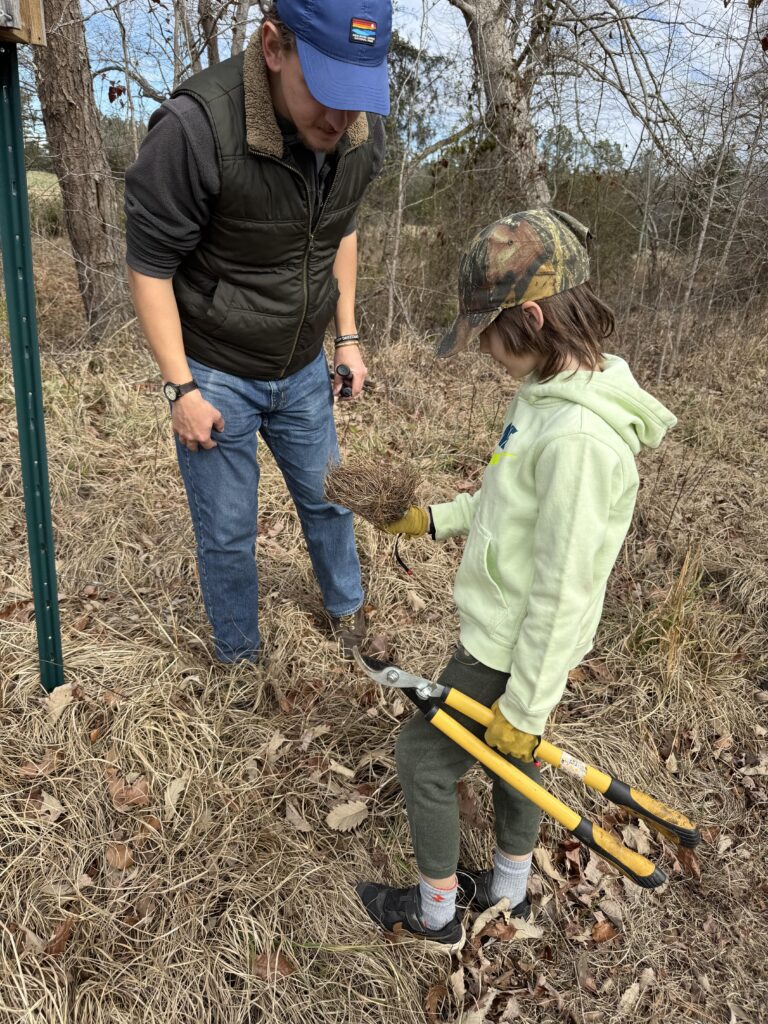
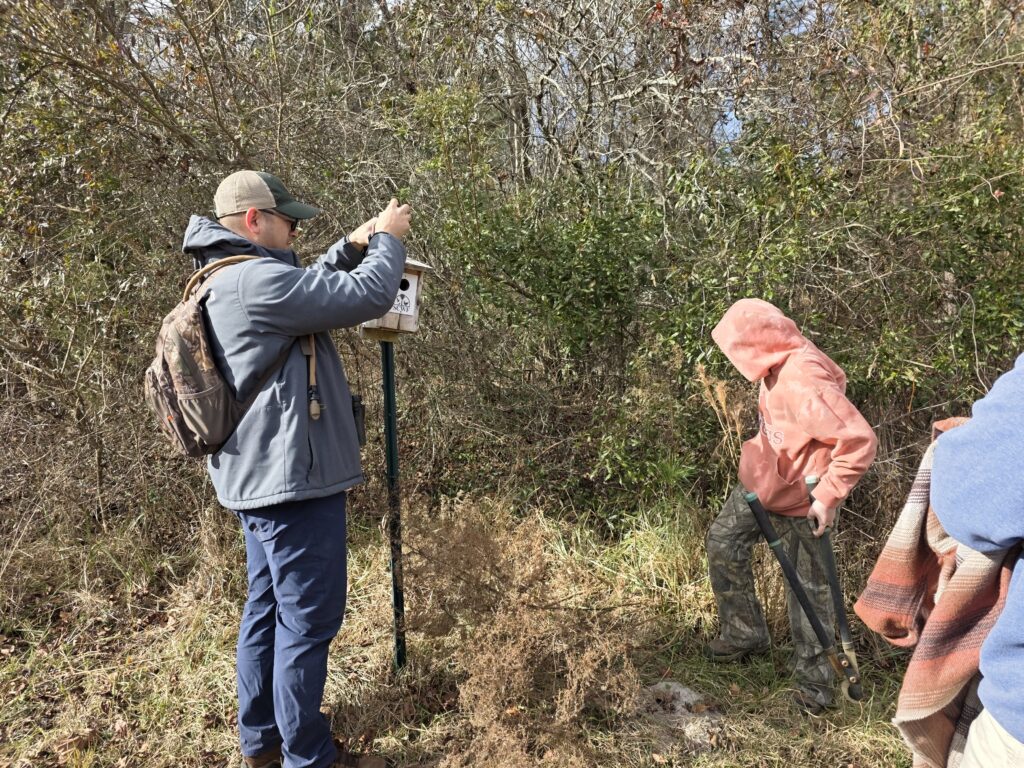
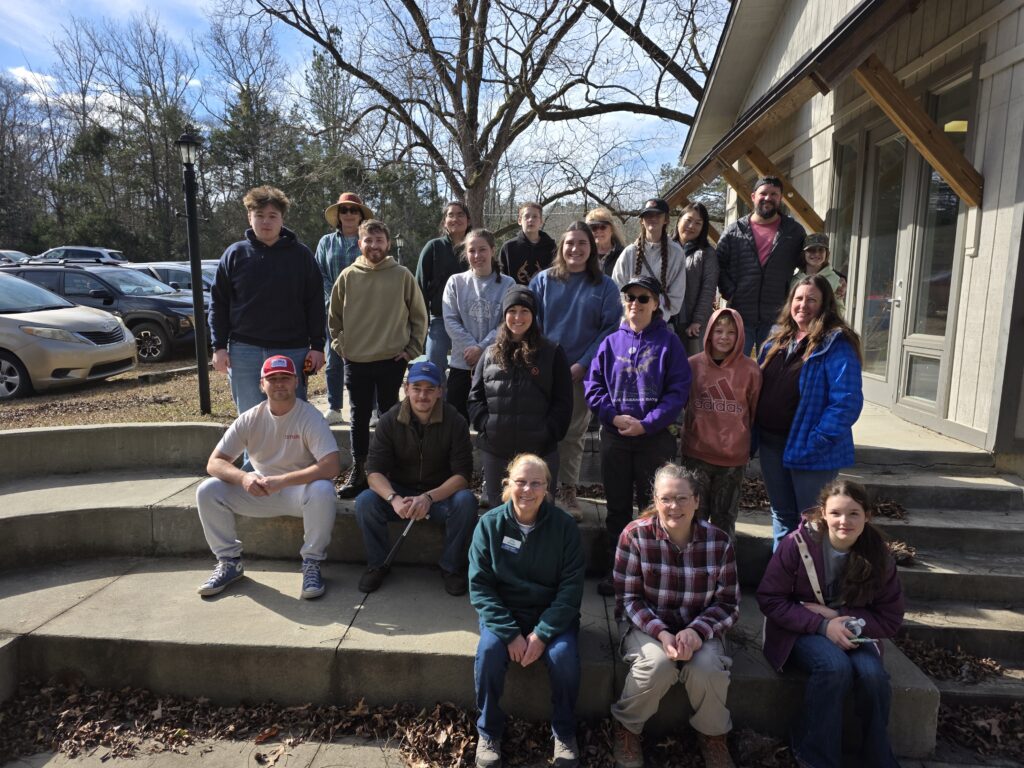
Last Saturday, 25 dedicated volunteers gathered at Camp Discovery in Blythewood, South Carolina, to help monitor nest boxes and support local bird conservation efforts. Their hard work allowed us to inspect 37 nest boxes and document 17 nests, resulting in a 43% nesting success rate.
There were nine Eastern bluebird nests observed and seven Carolina chickadee nests, two cavity-nesting species that benefit from well-maintained nest boxes. The nest box checks also helped us assess maintenance needs across the site. We identified boxes that will need to be replaced and also some that require repairs to ensure they remain safe and usable for future nesting seasons. This information allows us to plan improvements that directly benefit wildlife.
In addition to collecting data, volunteers cleaned out old nesting material from boxes that were no longer in use. Regularly cleaning nest boxes is essential for bird health, as it helps reduce parasites and disease, prevents nest material from building up too high, and makes boxes more attractive to birds returning to nest in future seasons.
This important work wouldn’t be possible without our volunteers. Their time, care, and enthusiasm make a real difference for birds at Camp Discovery, and we’re grateful for their commitment to conservation.
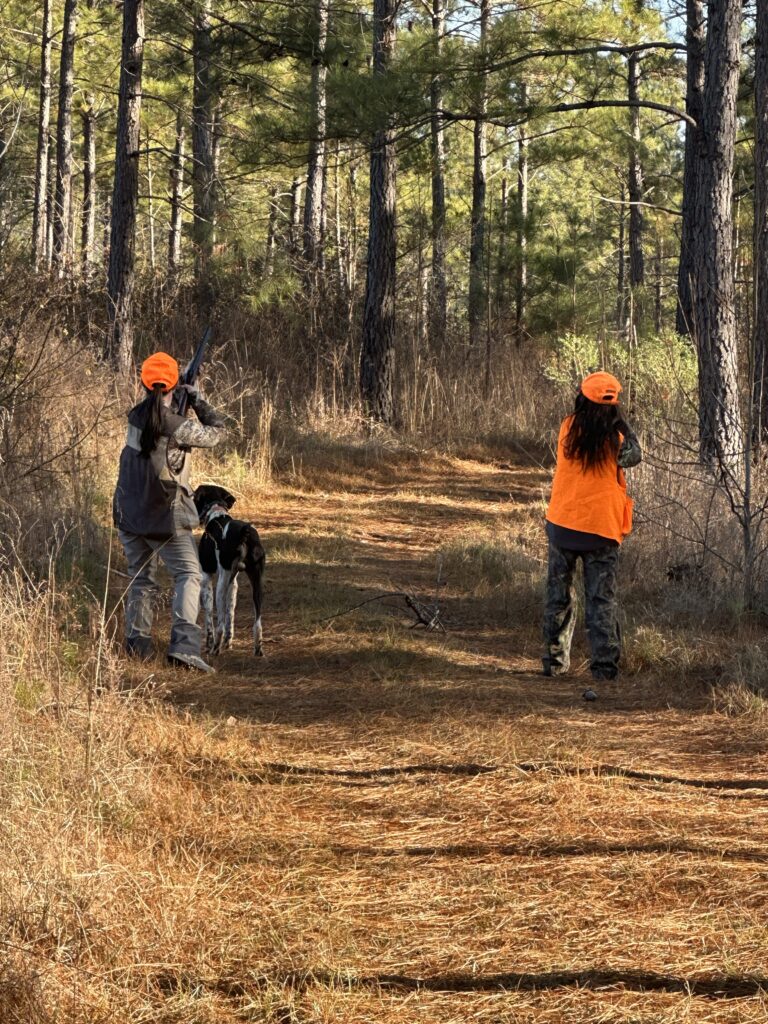
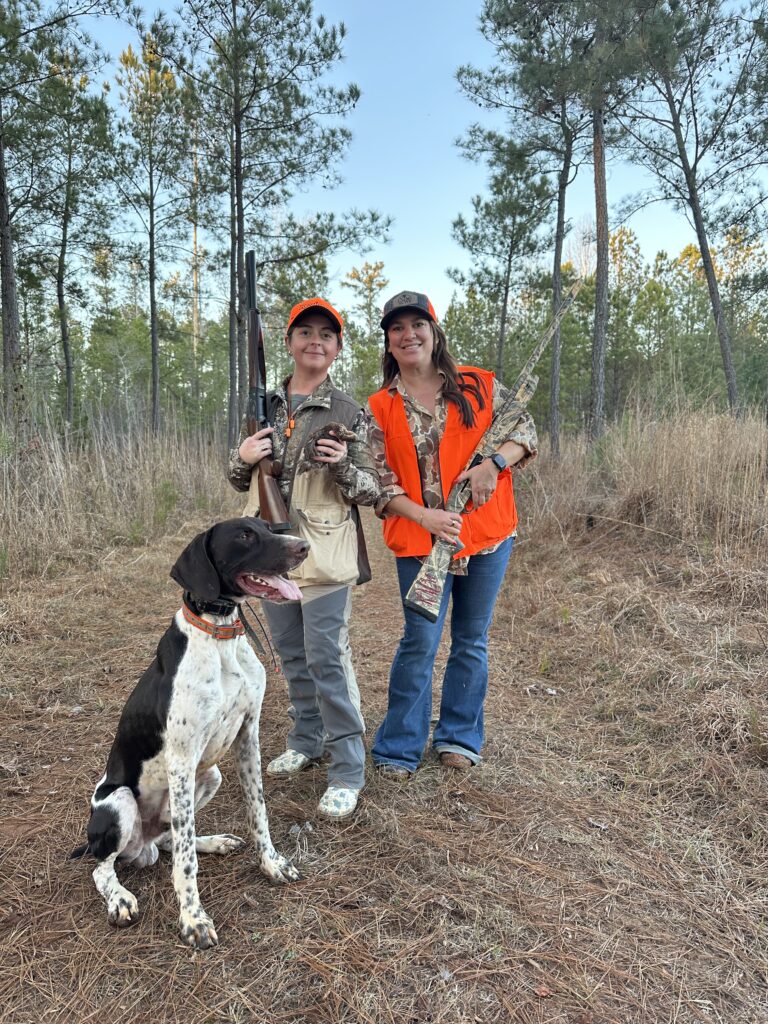
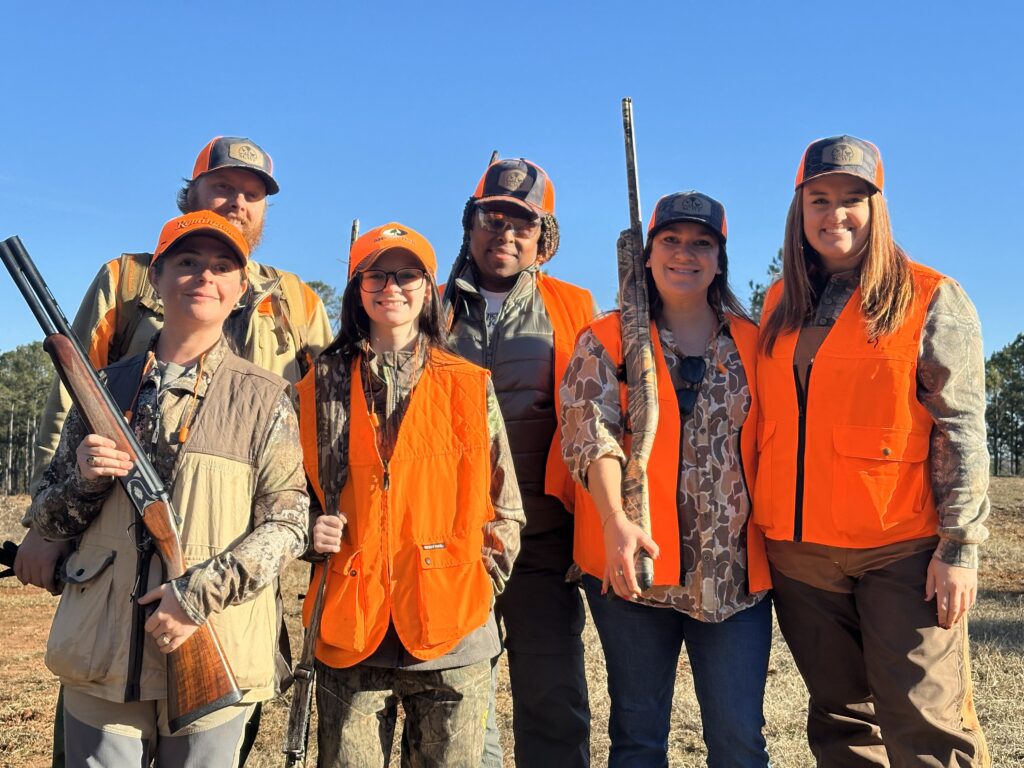
On December 20, SCWF held a POWR+ Quail Hunt at the South Carolina Governor’s School for Agriculture at John de la Howe in McCormick, South Carolina. POWR stands for our Palmetto Outdoors Women Retreat, and POWR+ classes like these are one-day workshops held across the state to help women build upon the skills learned at the retreat.
We were thrilled that our Board Member Hunter Morton and his wife Hope Morton were able to lead this hunt for us. Hunter and Hope are experienced, avid quail hunters. They are the owners of ALL IN Kennels, where they train bird dogs and offer obedience training, so we were lucky to have such knowledgeable instructors. Their friend, Colby, also joined us as a guide.
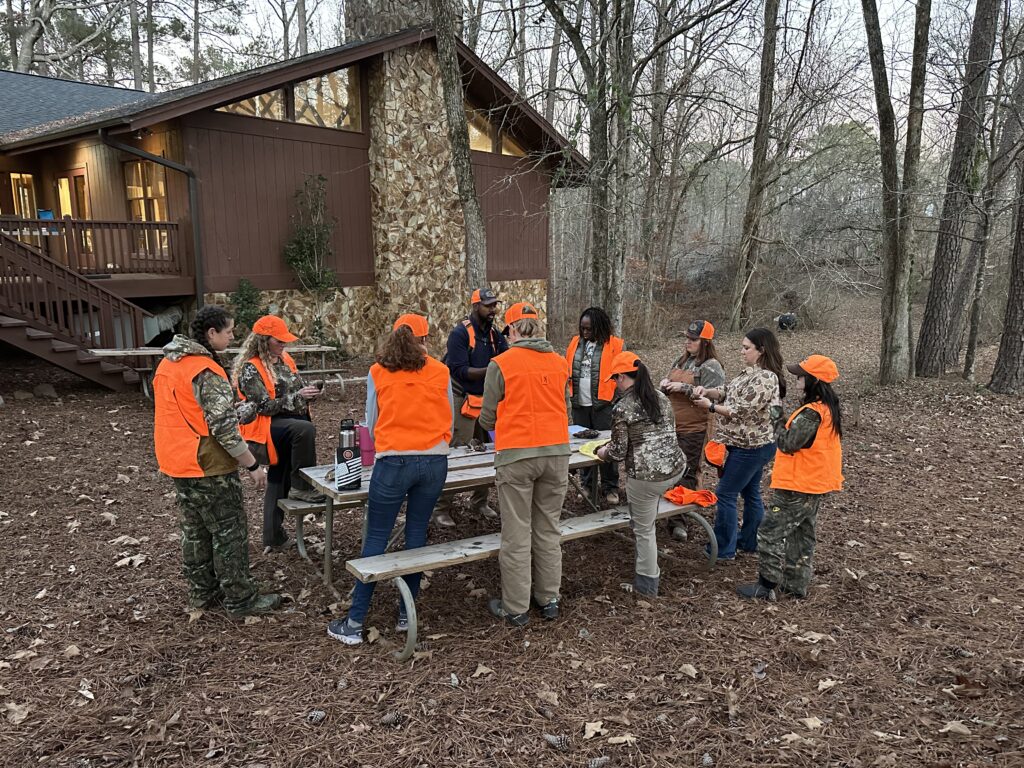
Ten women joined us for this hunt, and it was the first quail hunt for most participants. After a lunch of delicious venison burgers, a SCDNR Game Warden delivered a safety talk and answered questions. Then Hunter, Hope, and Colby demonstrated the quail hunting procedures so that everyone would feel safe and comfortable in the woods. While the birds were being placed, Hope shared her experiences growing up hunting with her family and talked about being a woman in the upland hunting space.
The group then divided up into two groups of five and headed into the woods for the hunt! It was a joy to get to watch the dogs find the quail. The teamwork with the dogs, all German Shorthaired Pointers, was a special part of the day.
At the end of the hunt, the groups met back up to share stories from their experience and Hunter showed the participants how to clean their harvest before everyone headed home.
We are grateful to our sponsor, the National Shooting Sports Foundation! Because of their support, all participants received an orange/camo Richardson hat, a safety vest, and Ear/eye protection.
I recently opened the door to my garden shed and encountered a squirrel, busily chewing away on a support beam. We were both quite surprised to see each other, and she panicked and started zigzagging all over the shed, knocking things over everywhere she went. I opened the door wider for an escape route, but she eventually escaped through the hole that she had made that morning to gain entry. As I was picking up all of the tools now strewn about, I thought about her trying to find a warm safe shelter and how all wildlife are constantly dealing with new threats while just trying to survive.
Clear-cutting with noisy machinery causes wildlife to have to venture away from their normal range, crossing dangerous roadways, with no guarantee they will find another suitable habitat. Waterways carry runoff chemicals, sediments and litter across our state. Wetlands are being filled in and built upon, and many amphibians and reptiles aren’t able to move to another area as easily as birds and mammals. Meanwhile, regulations meant to protect habitat are being dismantled.
It all seems overwhelming, but we constantly meet people who are very passionate about making a positive impact for wildlife. People like you who join with us to continue working hard to increase our impact. It might be planting native plants in your backyard, picking up litter, participating in citizen science activities, calling your representatives at the state or national level, drinking shade-grown bird-friendly coffee, using reusable grocery bags and water bottles, or other small actions which are amplified when we all work together. Of course, donating to SCWF helps us continue upholding protective regulations and working to conserve lands and waterways for wildlife habitat.
Please consider a donation now to help us continue our mission to conserve and restore South Carolina’s wildlife and their habitat through education and advocacy.
All donations stay in South Carolina, are tax-deductible and fully support our mission.
For 94 years, SCWF has offered many ways for you to connect with nature, learn new skills, and take action in your community. We hope you will join us in the coming year to increase our impact for wildlife together.
Sara Green Executive Director
Our Impact
5,000 packets of free native milkweed seeds distributed to SC households for monarch butterfly habitat conservation!
3,040+ learners reached through educational classes and trainings.
100,000+ people reached when we presented our conservation message at large-scale events such as the Palmetto Sportsmen’s Classic and other outreach events.
500 newly certified habitats in our state, which enhance wildlife habitat and increase connectivity, making our state #2 in the nation per capita.
142 volunteers showed up and helped with hands-on conservation projects, planting native plants, and litter sweeps.
100 high school students reached at Camp Wildwood, a summer camp that inspires the next generation of environmental stewards with its steadfast legacy in conservation and jobs in the field.
94 women acquired outdoor skills through our Palmetto Outdoors Women Retreat (POWR) series.
48 scholarship applications were received in 2025. With the help of generous donors, four were awarded to very deserving students.
49,000+ followers reached through our eNewsletter, communications, and social media posts.
6 demonstration pollinator gardens installed this year through grant funding.
Conservation
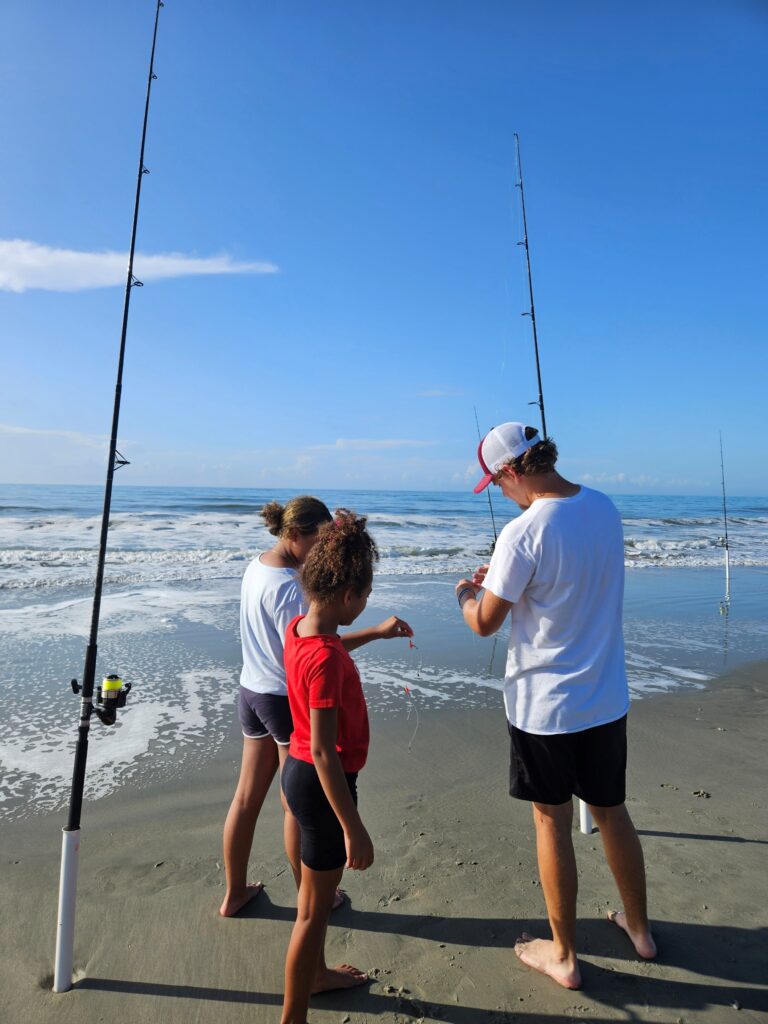
To ensure that future generations can enjoy our state’s wildlife and their habitat, every program, event, and class is imbued with our conservation message. We completed the fourth year of our Plishing Challenge, our conservation initiative designed to encourage anglers to help keep our waterways clean and use best fishing practices. This year’s challenge featured several in-person surf fishing events and litter sweeps that helped amplify our conservation message. Thanks to this increased participation, we achieved our highest fish total yet: 1,525 fish were caught (with most released for bonus points!). Participants also removed 307 bags of litter from local waterways, creating a cleaner, healthier environment for both fish and people.
2025 Plishing Challenge.
Advocacy
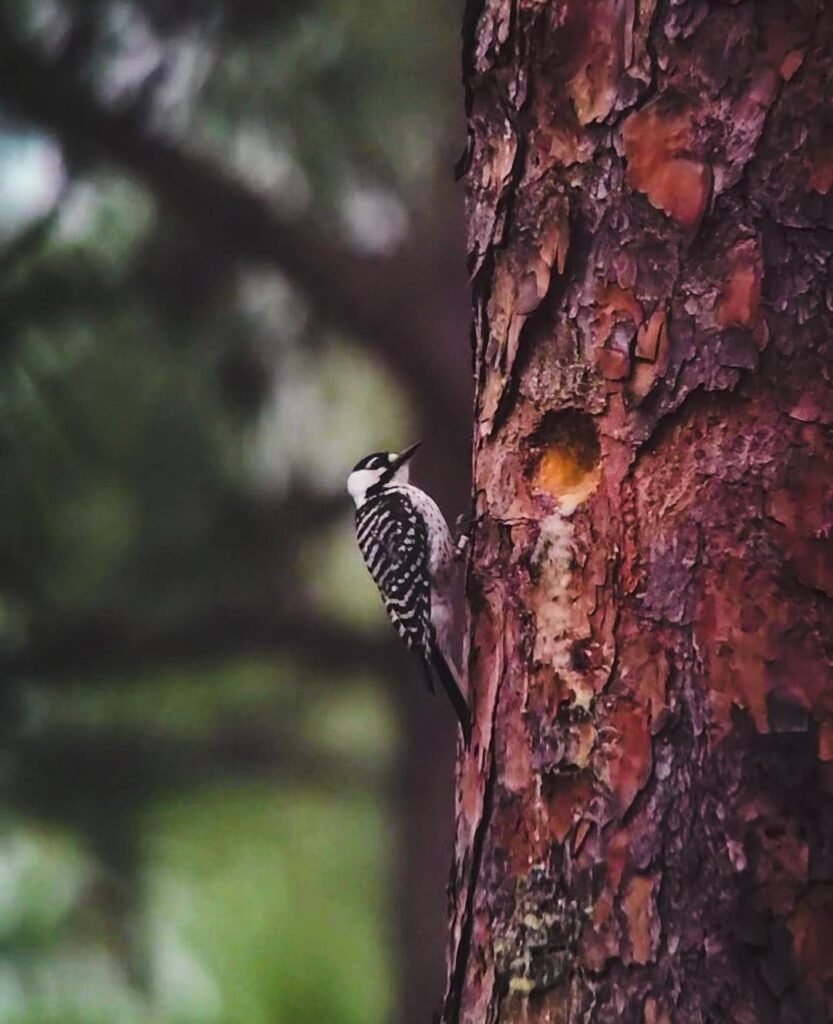
SCWF works with state legislators to conserve, restore, and protect land, water, and wildlife habitat from the mountains to the sea. With our support, bills were passed this year that will safeguard shorebird habitat, protect birds migrating through urban areas, and greatly increase the use of native plants for landscaping. With partner organizations, we’ve challenged developers wanting to fill in wetlands, and also challenged policy-makers to use scientific data to update regulations. We also partner with the National Wildlife Federation on issues of national significance, and are currently working together to defend the Endangered Species Act from significant changes which would strip away critical habitat protections.
Red-cockaded woodpecker by Savannah Jordan.
Restoration
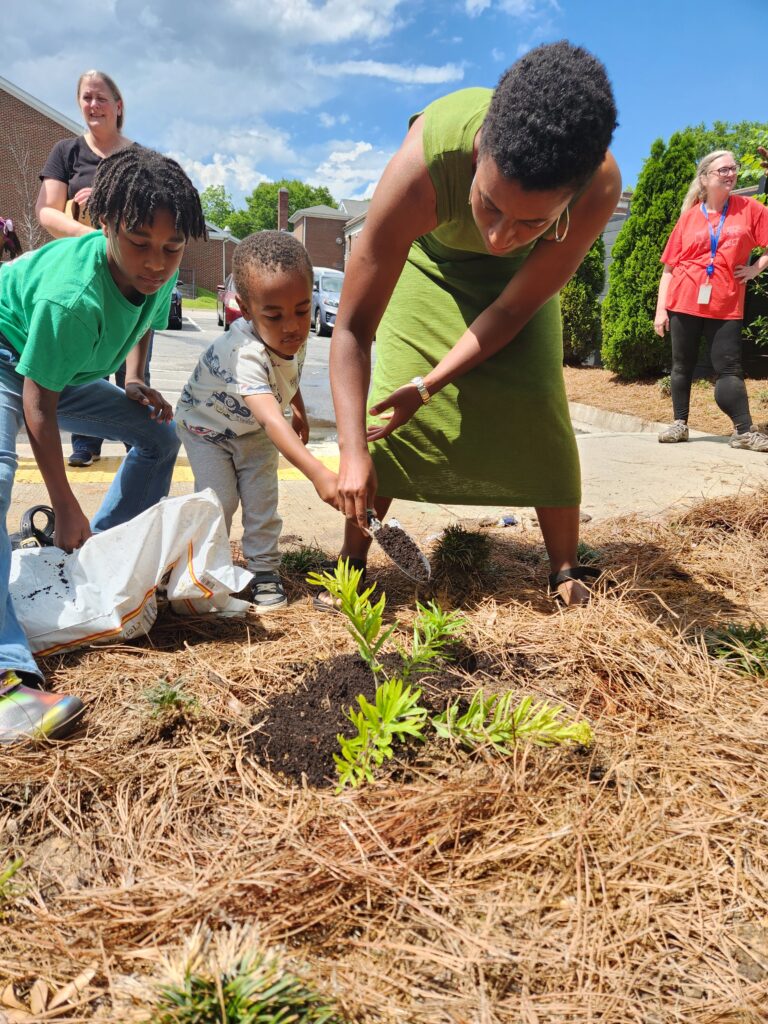
SCWF helps to enhance wildlife habitat and connectivity through our habitat restoration programs, which are increasingly vital as human development expands. We support those needs through our Certified Wildlife Habitat® programs, where individuals, schools, businesses, and communities enhance their properties by planting native plants, installing nesting boxes, and making other habitat improvements to help wildlife thrive. South Carolina has 15 certified communities, 12,479 certified backyard habitats, and 27 industry habitats. Please consider creating your own to increase habitat for wildlife!
A demonstration pollinator garden was installed at the Lancaster County Library this year!
Education
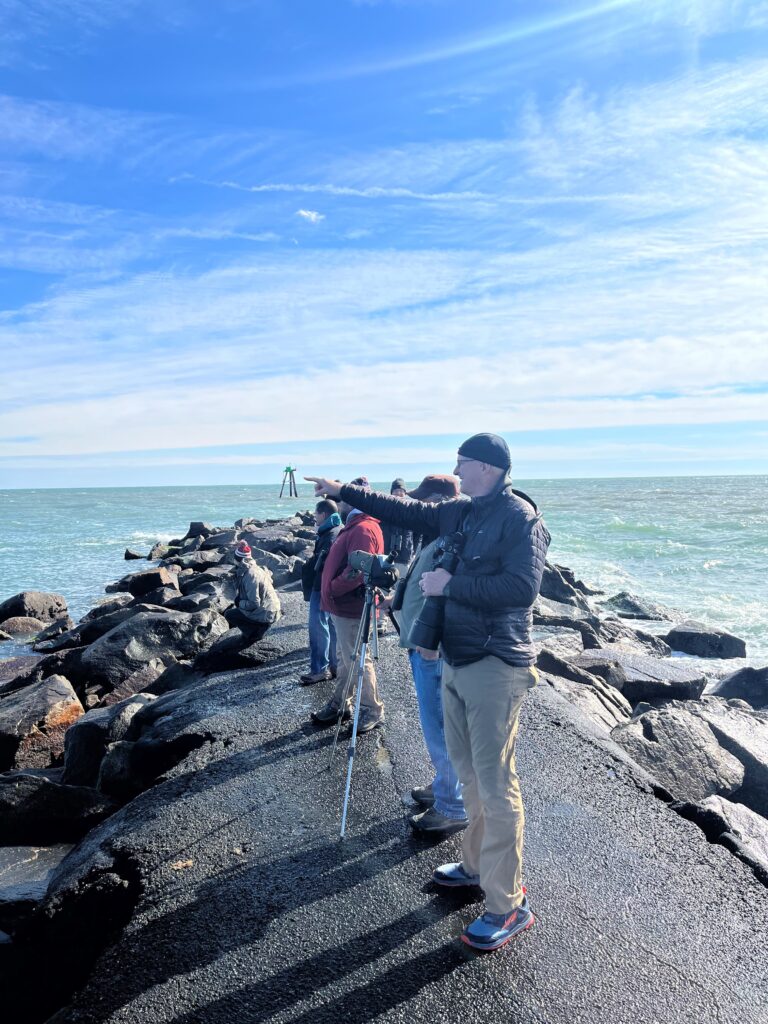
To encourage outdoor recreation and a deeper appreciation of South Carolina’s incredible natural resources, SCWF proudly offers a wide range of educational programs across the state. This year, we added new statewide habitat workshops to our impressive array of naturalist courses, Palmetto Pro Birder classes, and hands-on youth education experiences. Our first Families Exploring Nature Day introduced fishing basics, birding, and nature walks to those who may be newer to outdoor experiences. This spring, we hosted our popular Palmetto Outdoors Women’s Retreat (POWR) near Clemson and continued to offer POWR+ classes statewide to build on acquired skills.
Palmetto Pro Birders at Huntington Beach State Park.
The Colleton County Zoning Board of Appeals will be considering a request this Thursday to allow a new data center on an 850+ acre property south of Walterboro off of Green Pond Highway in the ACE Basin Project Area.
SCWF, along with our partners at the Southern Environmental Law Center (SELC) and other conservation organizations, are opposed to this request due to the impact it will have on sensitive wildlife habitat on the site as well as in the surrounding waterways.
The ACE Basin is one of the East Coast’s largest undeveloped wetland estuaries and it serves as vital habitat for migratory birds, sea turtles, and other wildlife, and offers opportunities for birding, hunting, fishing, and exploring unique natural beauty. This proposed data center, and other similar projects which may be proposed in the future, would drastically change the landscape and available habitat in the ACE Basin due to its potential water and electricity usage.
SCWF and our conservation partners are encouraging Walterboro area residents to attend the public meeting on Thursday, December 18th at 5:30 PM at the Colleton County Civic Center. The Civic Center is located at 494 Hampton Street in Walterboro.
The Zoning Board of Appeals needs to see the large number of residents who are paying attention to these decisions, and hear comments about how this project would impact your community. Please feel free to share these materials with your neighbors and encourage them to attend as well!
It will take all of us working together to protect habitat for wildlife as they face more and more threats every day across our beautiful state. Thank you for considering how you can protect wildlife and their habitat in your own community!
Blog post by Allison Bugarin, SCWF Education and Outreach Manager.
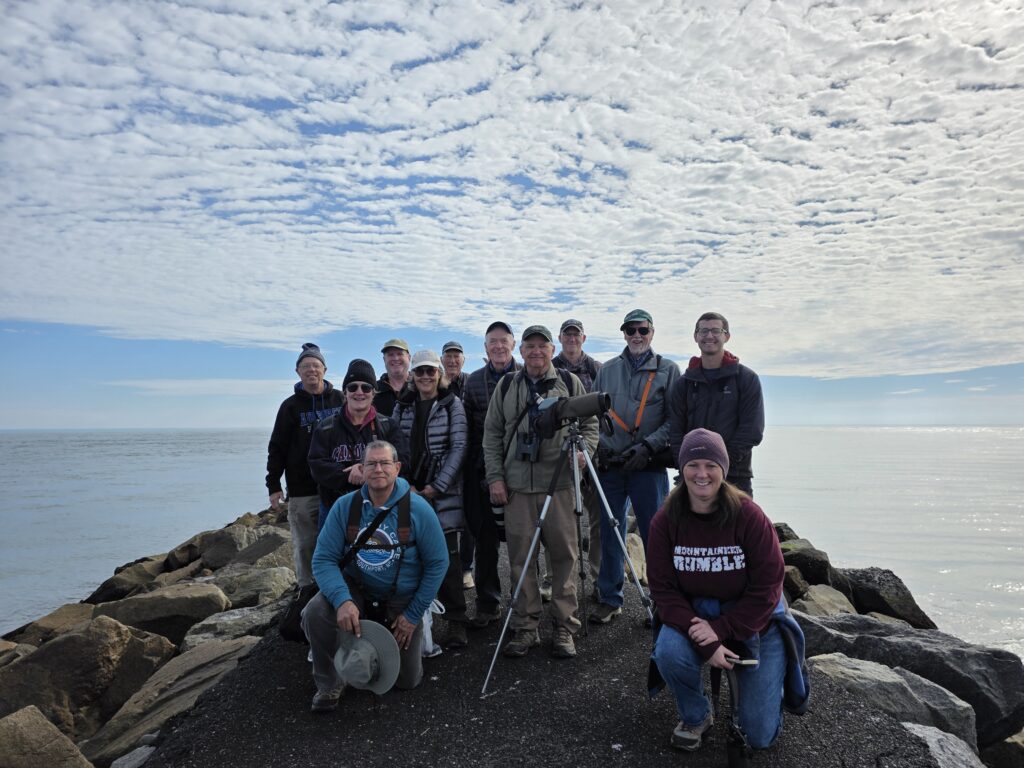
We had an incredible day exploring Huntington Beach State Park together! Winter birding along South Carolina’s coast never disappoints, but this trip delivered something truly special.
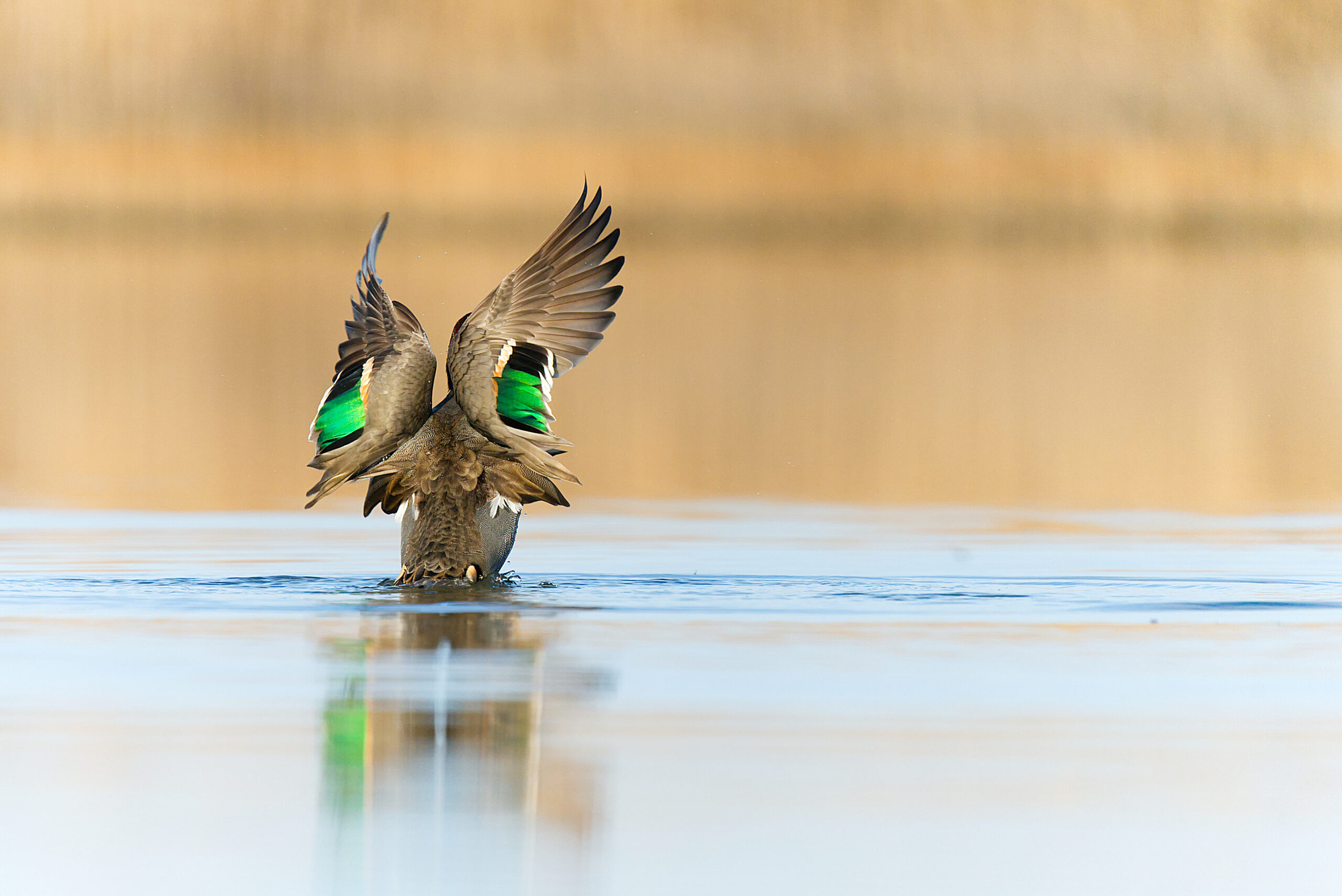
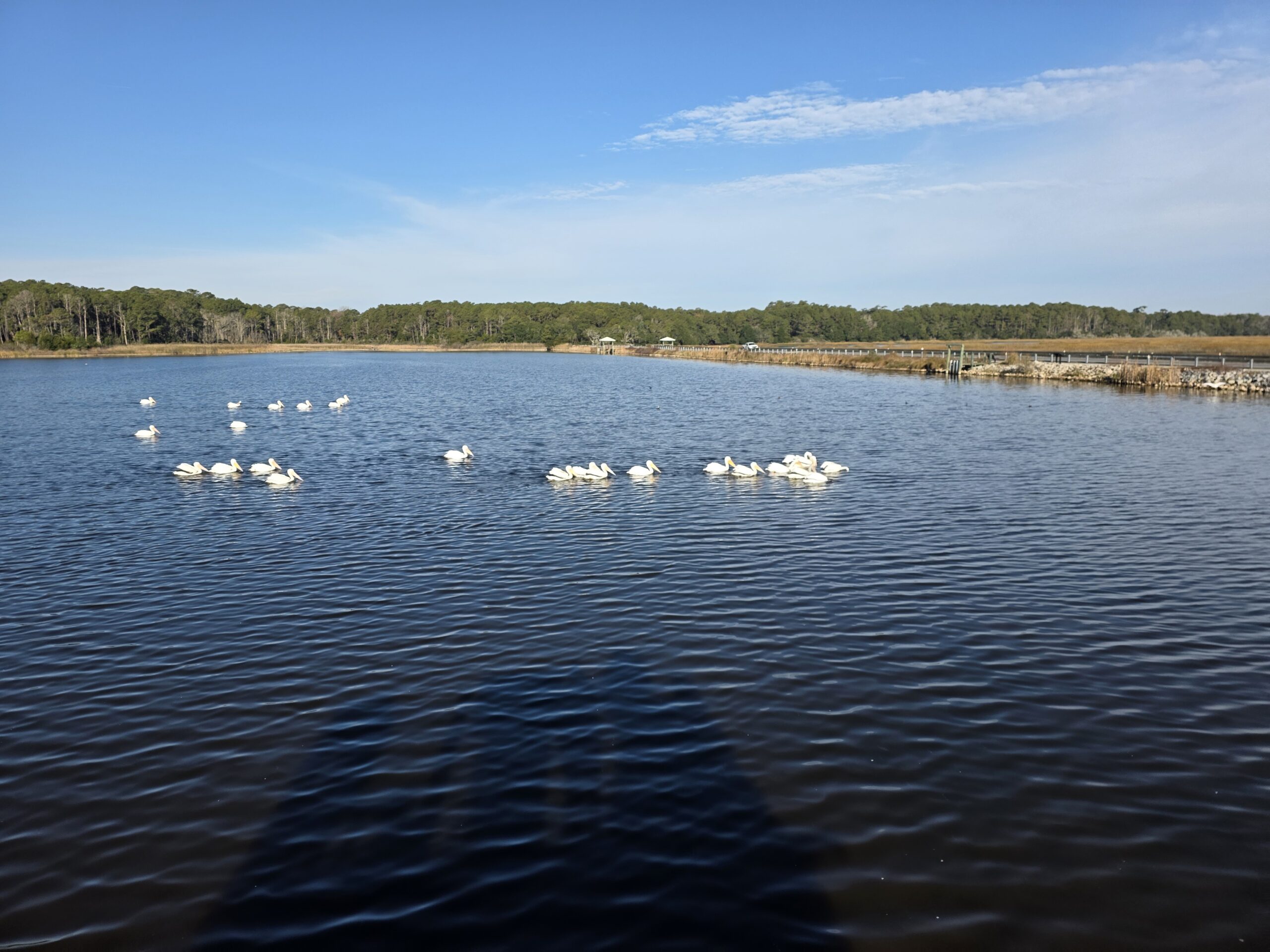
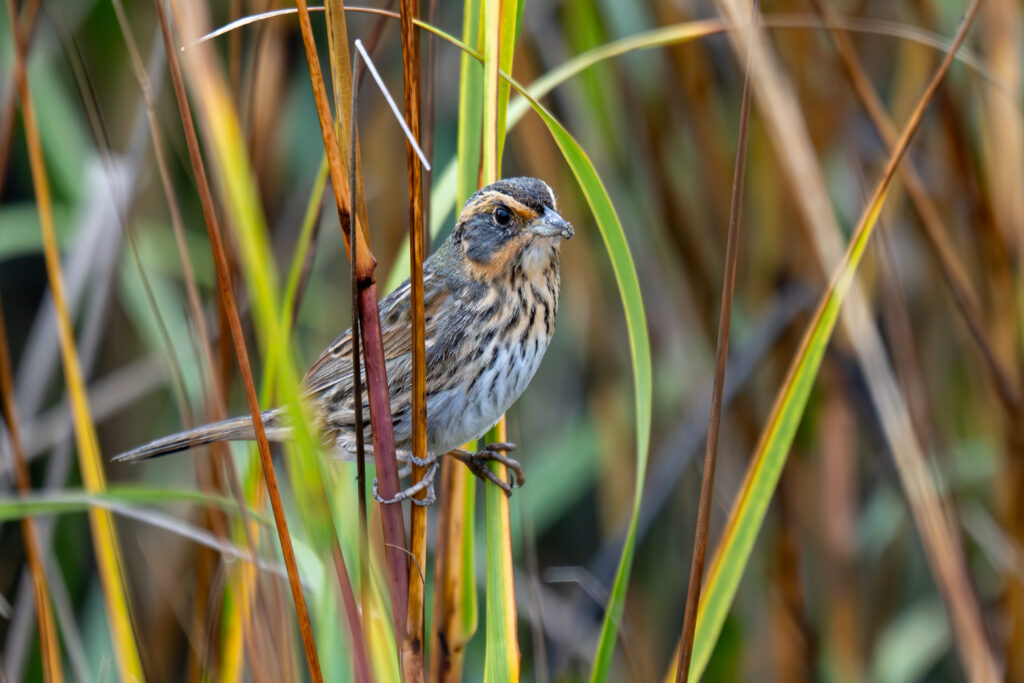
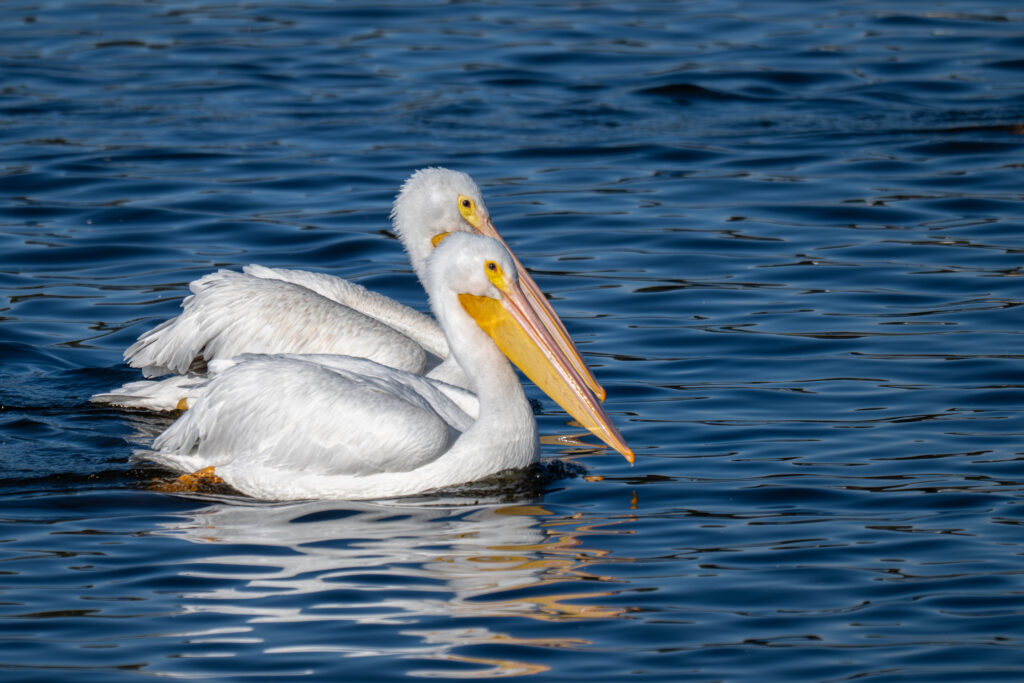
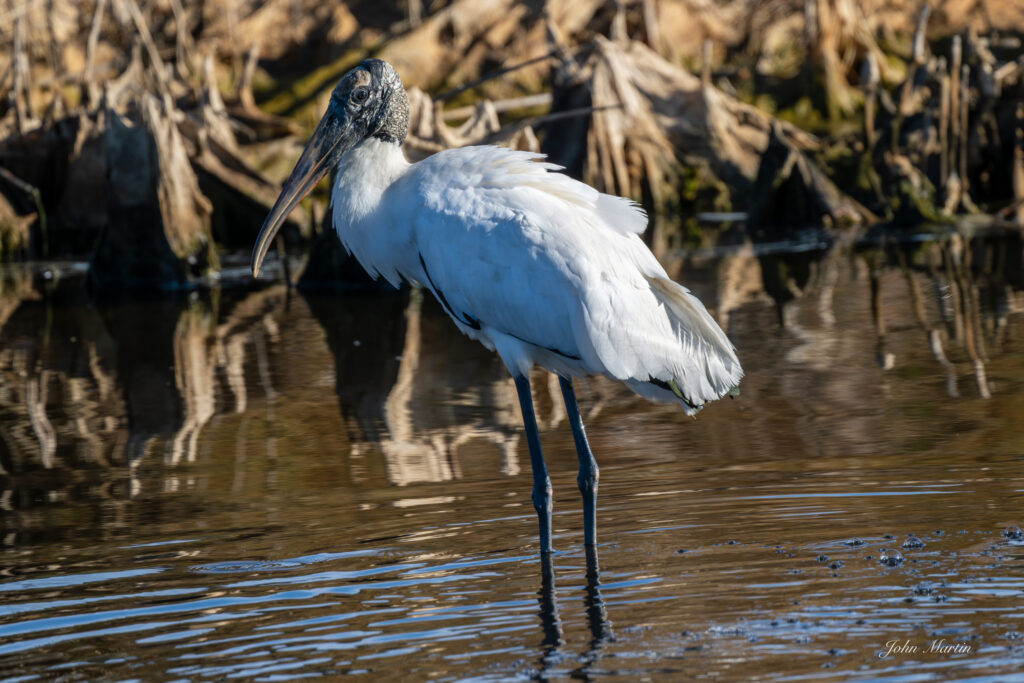
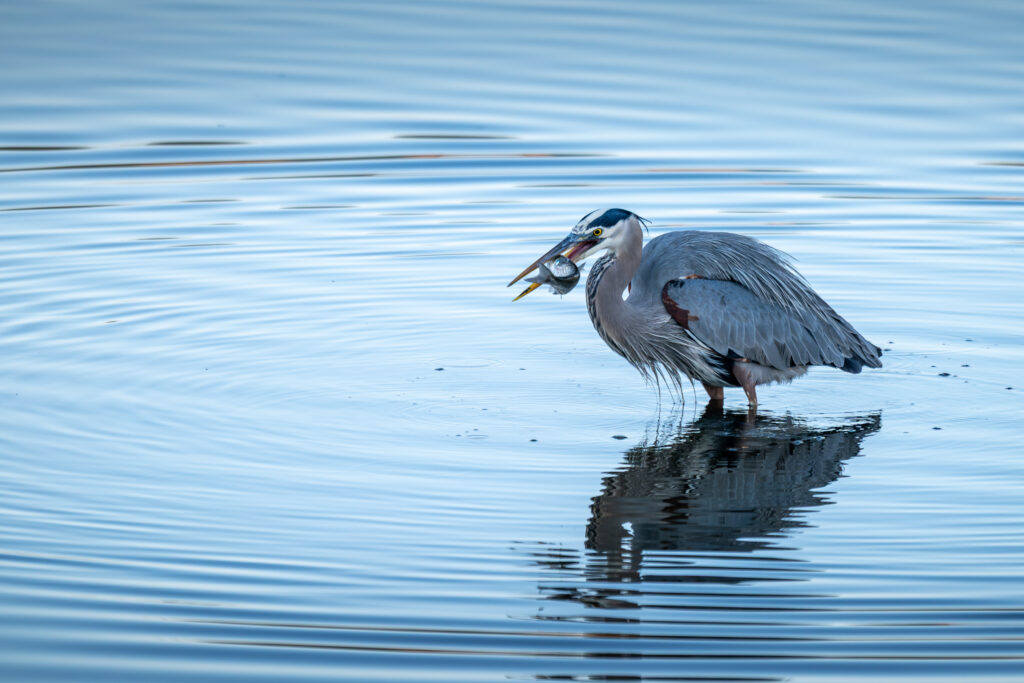
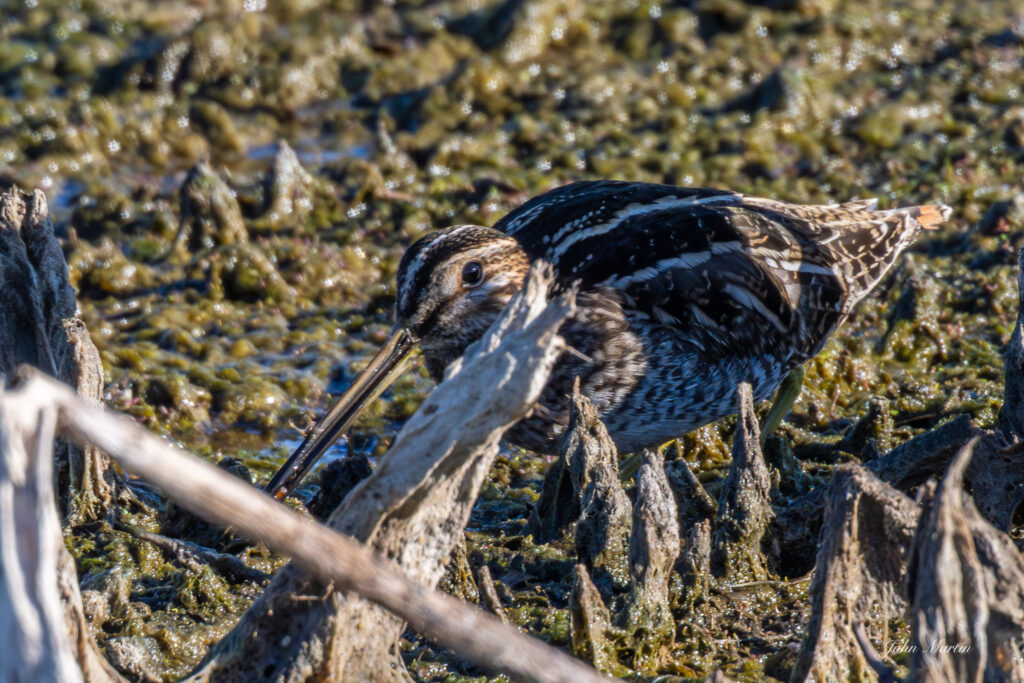
From the moment we stepped onto the woods to the last views leaving the park, we were surrounded by nonstop wildlife activity and unforgettable moments. Birds may have been our focus, but the park treated us to an outstanding mix of species—both feathered and not. We enjoyed amazing looks at saltmarsh sparrows! Some other species that we got great looks at were common loons, American white pelicans, green-winged teal, and a beautifully camouflaged Wilson’s snipe.
Image caption: Saltmarsh sparrow taken by a class participant.
Image caption: American white pelican taken by a class participant.
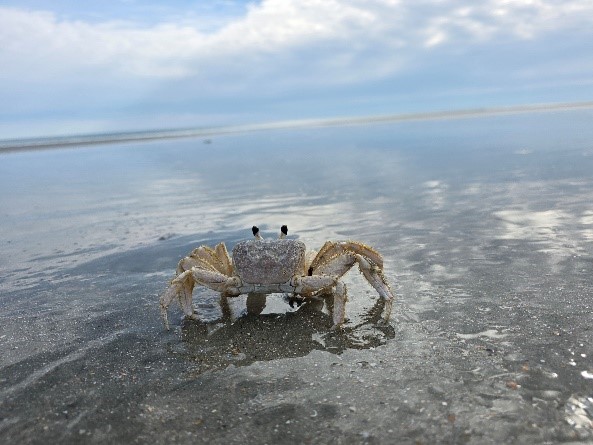
Beyond the birds, we were also lucky to encounter several fantastic non-bird species. A green sea turtle surfaced near the jetty, offering an unforgettable moment for everyone watching. A couple of minks darted in and out of the rocks along the jetty, and one of the largest Atlantic ghost crabs I’ve seen made an appearance on the beach on our walk back from the jetty.
Image Caption: Wood stork by John Martin.
Image caption: Great blue heron photo taken by a class participant.
As if the day needed anything more, a few participants even caught a glimpse of a roosting Eastern Screech-Owl on their way out of the park! This was a perfect ending to an already magical outing.
Thanks to everyone’s sharp eyes and enthusiasm, we wrapped up the day with 79 species for the day. From waterfowl to songbirds, the diversity of habitats at Huntington Beach State Park gave us an incredible variety to enjoy.
Image caption: Wilson’s snipe by John Martin.
SCWF would like to say special thank you to Irvin Pitts for sharing his expertise and guidance throughout the trip. Birding alongside him was a rare treat, and we were incredibly fortunate to have his knowledge and sharp eyes with us for the day. Thank you to everyone who joined this trip. Your energy, curiosity, and camaraderie made the day truly memorable. I hope you enjoyed the experience as much as I did, and I can’t wait to see you again on our next adventure!
Image Credit: Atlantic ghost crab by Allison Bugarin.
This trip is part of our Palmetto ProBirder Program, which is at the heart of what we do at the South Carolina Wildlife Federation. By combining outdoor adventure, connection with others, and hands-on learning, we hope to inspire more people to become advocates for healthy wildlife habitats. Each time someone logs a bird sighting, plants a native plant, or supports conservation through a Duck Stamp or donation, it adds up to real and lasting change for the landscapes and species we love.