Keep South Carolina Wild

Help SC Wildlife Thrive!

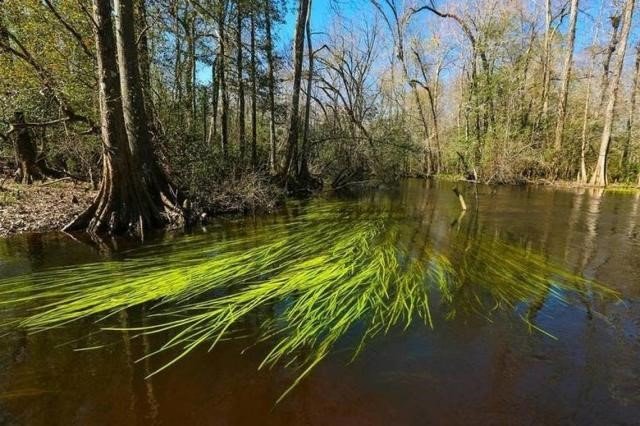
We share our state with wild creatures who inspire wonder. Maybe you have paddled through the Sparkleberry Swamp and
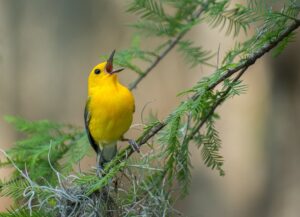
seen the vivid yellow of a Prothonotary warbler, or hiked in the forest when a white-tailed deer has scampered ahead of
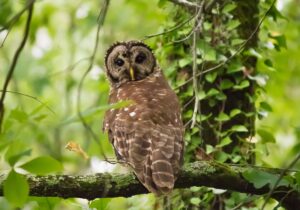
you, or quietly waited in your tree stand when a Barred owl has flown by. Experiences like this make us feel a deep and
powerful connection to the Earth, to the ancient rhythms of nature. We feel humbled to be a tiny part of it, and the
urge to protect it grows stronger with each new encounter.

Image Captions: (L) The overall Plishing Challenge points leader Colton Bateman, who caught 200 fish! (R) Almost 50%
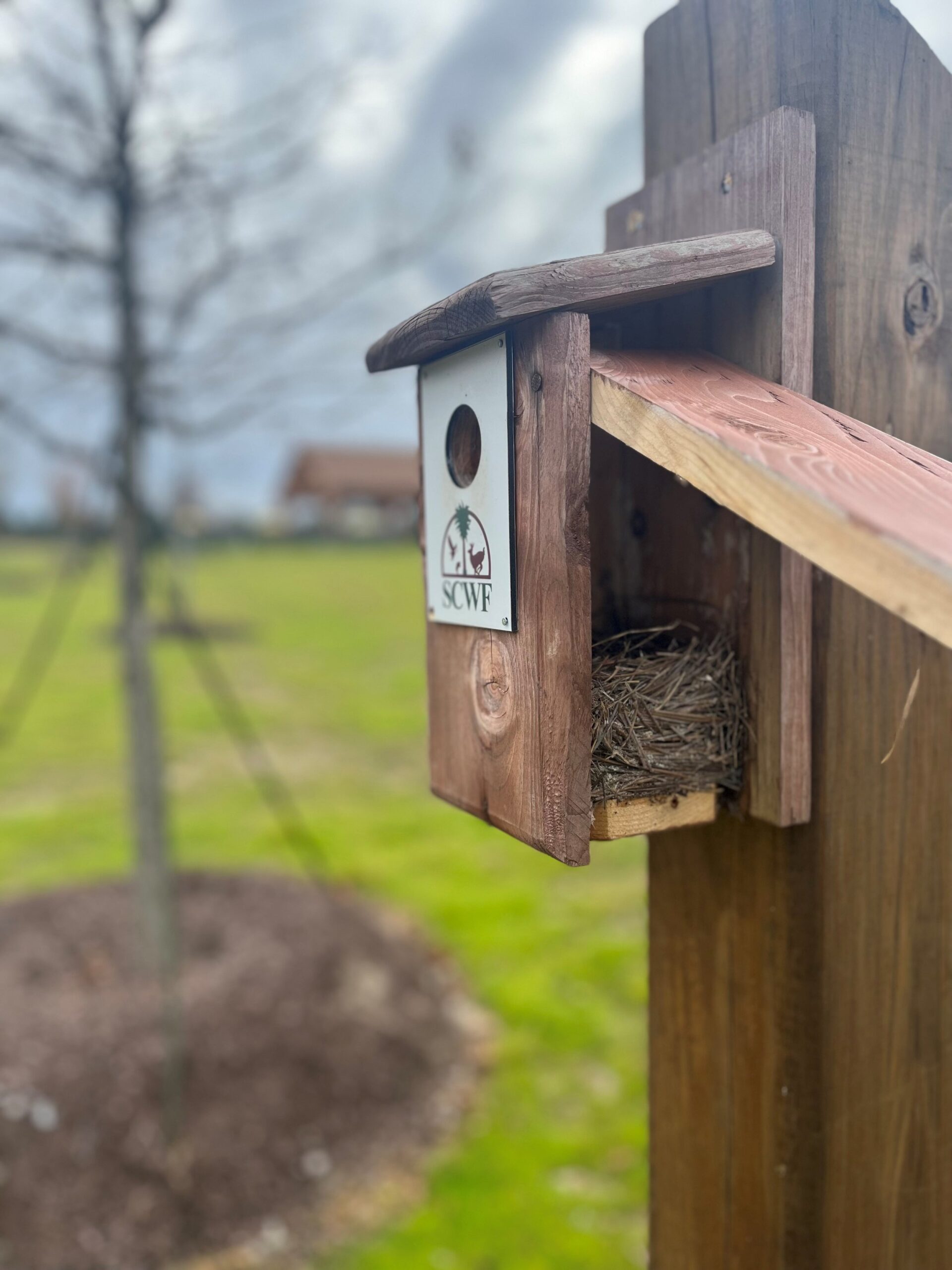
of the nesting boxes were used in the first year by prothonotaries and other bird species. Prothonotary warbler by Tim
Gray.

I am incredibly thankful for each of you who also cherish moments like this and who marvel at our natural world. As our
state continues to grow and wildlife experience shrinking habitats, we must all remain vigilant to advocate for wildlife
together through SCWF and preserve this connection that unites us and enriches our lives.

Please consider a donation now to help us continue our mission to conserve and restore South Carolina’s wildlife
and wildlife habitat through education and advocacy.

All donations stay in South Carolina, are tax-deductible and fully support our mission.

For 92 years, SCWF has offered many ways for you to connect with nature, learn new skills, and take action in your
community. We hope you will join us in the coming year to increase our impact for wildlife together.

Sara Green
Executive Director

Continue reading “Help SC Wildlife Thrive!”

FRETWELL: Megafarms could suck rivers dry because state agency isn’t following law, groups charge

BY SAMMY FRETWELL

Published by The State Newspaper at: https://www.thestate.com/news/local/environment/article282576928.html#storylink=cpy

Three environmental groups are threatening to sue the S.C. Department of Health and Environmental Control over what they say is a failure to protect the state’s rivers from industrial scale crop farms. A 2010 water law was supposed to prevent rivers from being sucked dry by farms, factories and drinking water plants, but DHEC’s interpretation of the law has left rivers and creeks vulnerable from farm withdrawals across South Carolina, the environmental groups say. In short, the department wrote rules that conflict with the 2010 law – and those regulations go easy on industrial-scale farms, said Carl Brzorad, an attorney with the Southern Environmental Law Center in Charleston. Regulations written by agencies are supposed to support state laws, but in this case, they did not, he said.

A petition the law center filed Monday with DHEC says the agency has 30 days to change the rules to match state law, or conservation groups “may exercise their right to initiate a civil action against the department.’’ The Southern Environmental Law Center is a legal service representing the S.C. Wildlife Federation, Friends of the Edisto and American Rivers.

“The DHEC rules allow major agricultural corporations to take all the water for themselves,” according to a statement from Frank Holleman, a senior law center attorney who works with Brzorad. “We’re asking that DHEC follow the law passed by our elected representatives and stop writing blank checks to de-water South Carolina’s rivers.”

Depleting rivers takes away water that other farms might need for irrigation, as well as drinking water utilities need to provide customers. Not enough water in a river also makes it hard to dilute wastewater discharges, while taking away fish habitat and places for people to boat or kayak..

The letter to DHEC questioning the state’s effectiveness at protecting rivers from overuse is the second of its kind in less than two years. In May 2022, the U.S. Environmental Protection Agency said the state’s 2010 water withdrawal law and accompanying regulations don’t prevent rivers from being pumped dry. Among other things the EPA letter said the law is not scientifically sound, doesn’t preserve fish and wildlife, and actually allows overuse of rivers, instead of protecting them.

Despite the EPA’s admonition, neither the Legislature nor DHEC have made recommended changes to the law or to the regulations, environmentalists say. DHEC, whose mission is protecting the state’s environment, did not immediately respond to requests for comment.

The environmental groups’ lawsuit threat is the latest dust up in a disagreement that has simmered since soon after the water law took effect more than a decade ago. Critics say the surface water law and its regulations are so filled with loopholes that they don’t provide much protection for rivers.

In this case, the environmental groups are challenging the regulations. They say the law needs improvement, but the regulations are worse. At the very least, the rules need to match the law, Brzorad said.

The biggest issue through the years has been the lack of oversight of huge farms that, in some cases, have already taken a toll on groundwater in rural areas of South Carolina. Those farms, often referred to as “megafarms,’’ are massive crop-growing operations that have cleared thousands of acres of forests. Unlike industries, megafarms aren’t required to get permits to withdraw large quantities of water from rivers, The State reported in a 2017 series on the impacts of megafarms on South Carolina. That allows the farms to gain approval without receiving the same level of scrutiny from DHEC as industries. Farms also don’t have to notify the public of their plans to take major amounts of water from rivers.

The trigger for concerns over the 2010 surface water withdrawal law was the opening of a large potato farm east of Aiken. The farm gave no public notice it was opening or that it would take water from the South Fork of the Edisto River because the law didn’t require it. Walther Farms, an agribusiness from Michigan, gained approval to siphon away billions of gallons from the South Fork to water its potatoes. People living in the area were incensed and began pushing for changes to the state’s rules and regulations overseeing large water withdrawals.

But while megafarms are not regulated as tightly as industries, they do have to comply with a section of the water withdrawal law, known as safe yield, that was intended to protect rivers from over-pumping. That section of the law is intended to make sure some water is left in rivers after big farms siphon water away for irrigation. But DHEC has interpreted that in such a way that it allows rivers to be drained completely, say environmentalists and some state river experts. The agency allows those seeking to withdraw water the ability to take 80 percent of a river’s capacity, based on a mean annual daily flow. But at certain times of the year, river flow is below the daily annual mean, which would allow a waterway to be completely drawn down.

It is not known if rivers or streams have, at any point, dried up as a result of too much pumping by large farms, but statistics provided by the Southern Environmental Law Center show that some rivers are in trouble. Rivers that often exceed the safe yield include the South Fork of the Edisto between Columbia and Aiken; the Reedy River, which runs through Greenville; and the Tyger River near Spartanburg, according to the environmental group’s petition to DHEC.

Doug Busbee, a Wagener businessman who has fought for tougher surface water controls on megafarms, said the battle over river withdrawals needs to end in the public’s favor. Busbee was so upset with the law that he applied for – and won – DHEC approval to use all of the capacity in parts of the upper Edisto River basin. He is not using the water, but sought the approval to prove a point that the law is flawed. Since Busbee is not using the water, his actions have saved some parts of the basin from new withdrawals by megafarms.

“We’ve got a law that is dangerous, and the bottom line is I hope our lawmakers will listen to the people who understand the complexity of dealing with this situation,’’ Busbee told The State newspaper. “I hope they will try to come together to get us a law that would be safe for everyone.’’ Neighbors say mega-farms like this 3,700-acre potato farm in Aiken County threaten the water supply. Such growing operations clear forested land to the horizon line to make room for crops.

Sammy Fretwell has covered the environment beat for The State since 1995. He writes about an array of issues, including wildlife, climate change, energy, state environmental policy, nuclear waste and coastal development. He has won numerous awards, including Journalist of the Year by the S.C. Press Association in 2017. Fretwell is a University of South Carolina graduate who grew up in Anderson County. Reach him at 803 771 8537.

Published by The State Newspaper at: https://www.thestate.com/news/local/environment/article282576928.html#storylink=cpy

See related article by Post & Courier at:
https://www.postandcourier.com/environment/coalition-water-withdrawal-rules-petition-edisto-conservation-groups-dhec-farmers/article_85807496-92df-11ee-8377-5f5ecaa37c7d.html

WAIT Partner Update: Mark Anthony Brewery

Scott Hicks and the WAIT team from Mark Anthony Brewery have been busy this year assisting with nest box placement throughout the property, as well as providing input and direction for the pollinator garden that was installed by Heritage Landscape earlier this fall.

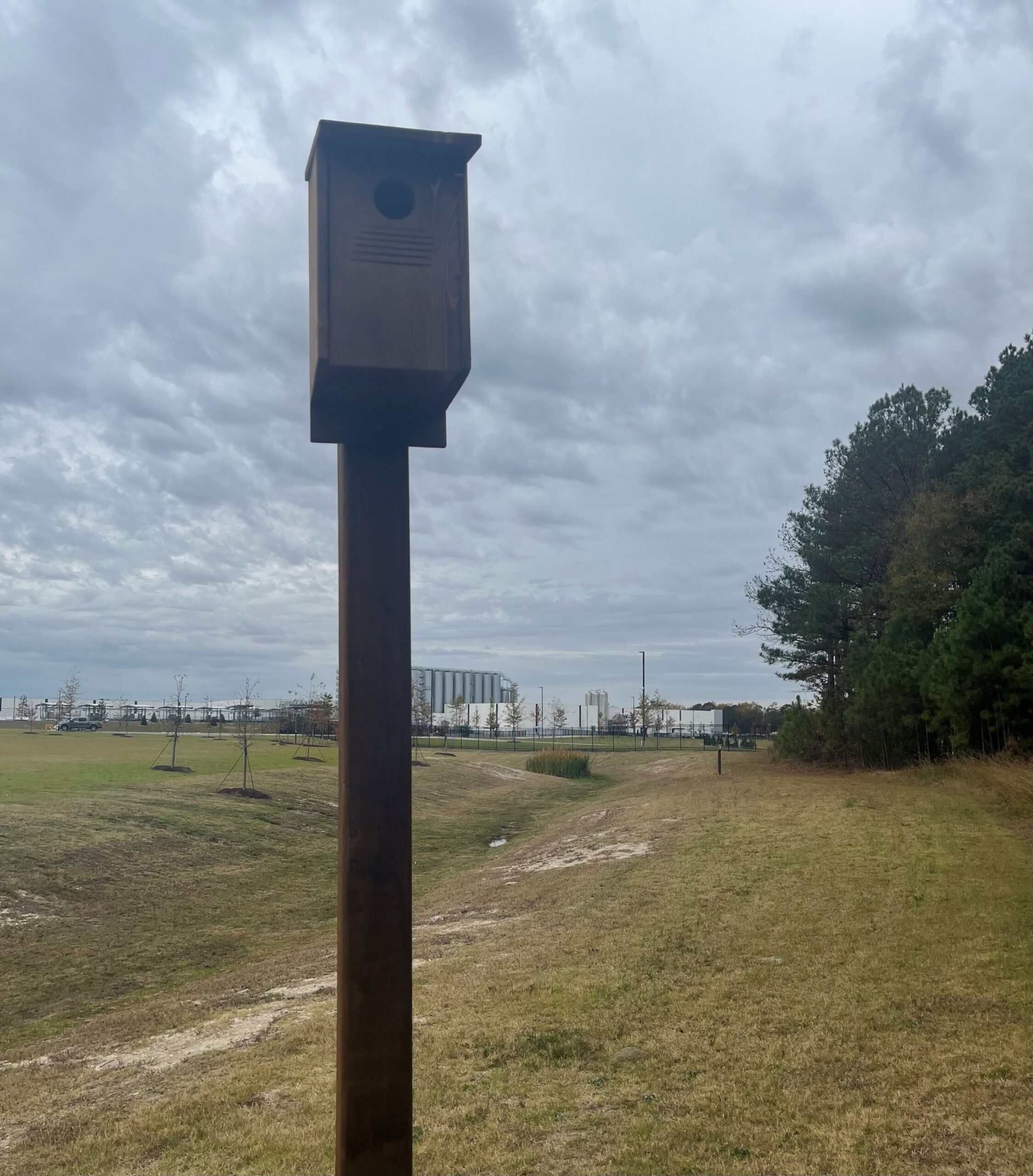
Eastern screech-owls have declined approximately 37% in the last fifty years, but will readily use nest boxes if the habitat is ideal. The brewery has such habitat and the team decided to install three owl boxes to help this beautiful species.

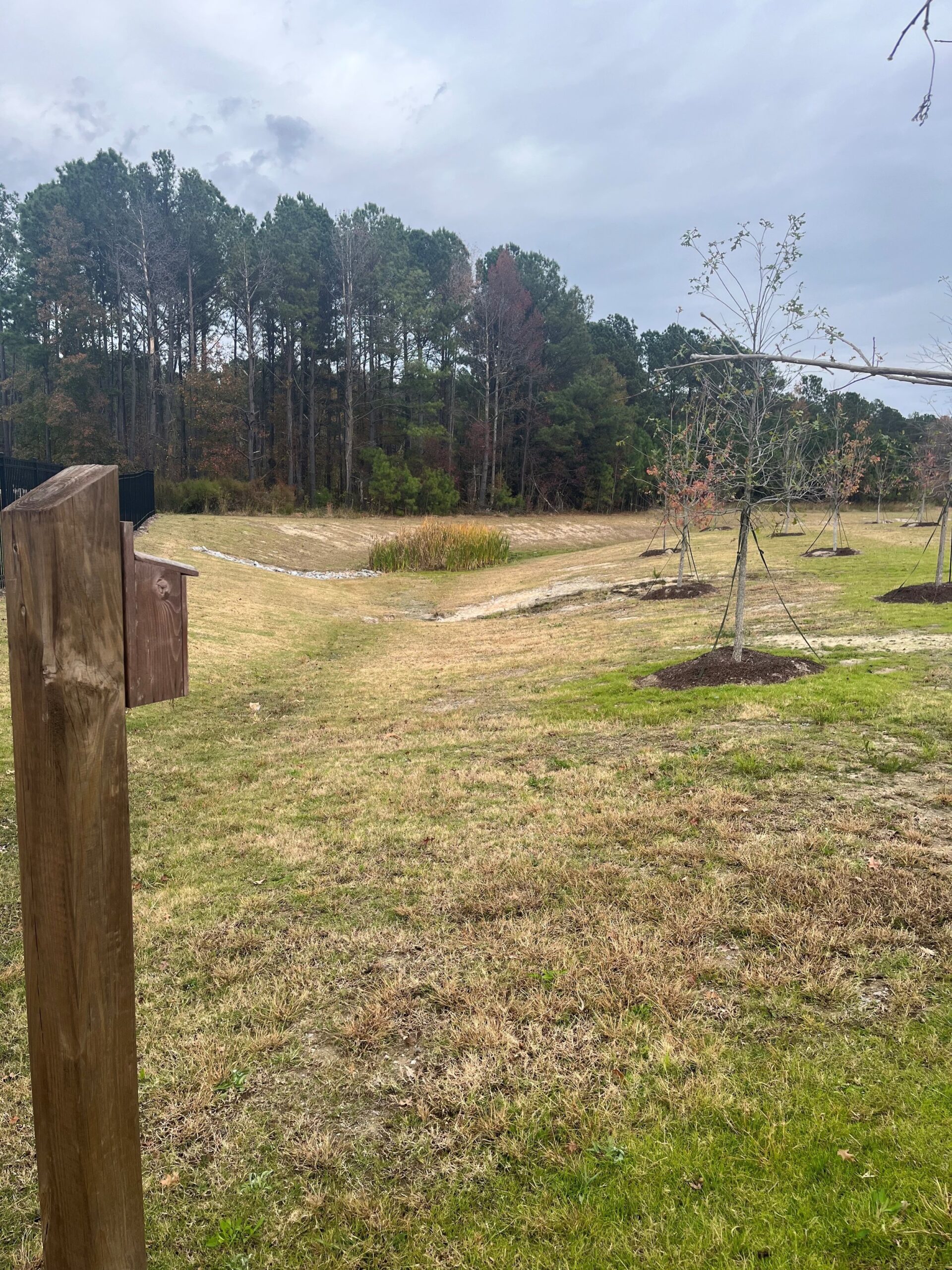
Image Captions L to R: Bluebird nesting box; Eastern screech owl nesting box.

Six Eastern bluebird boxes were also installed at the entrance of the property, and at the employee outdoor area next to the factory. During a recent visit to inspect the boxes, SCWF’s Industry Habitat Manager, Jay Keck, was able to identify bluebird nests in many of the boxes!

The pollinator garden, located a bit closer to the factory, is filled with native plant species that will attract many insects which could potentially become prey for both the bluebirds and the owls located on or near the property. We’d like to thank Scott and his team at Mark Anthony Brewery for their time and energy needed to create a beautiful and beneficial landscape for our local wildlife!

Why WAIT?

SCWF Partners with conservation-minded businesses throughout the state who want to help wildlife thrive by enhancing their properties and providing educational opportunities for their employees and communities. Read more about the WAIT Program, and how to join here.

Endangered Species Act: Manatee

This year marks the 50th anniversary of the Endangered Species Act! Join us as we highlight species throughout the year that have benefited from this landmark legislation.

Have you ever heard of a sea cow? These gentle giants are otherwise known as manatees, and they earned this nickname from their eating habits – grazing on seagrass and other aquatic plants along the ocean floor. They can be spotted in South Carolina’s coastal waters as they migrate through on their way to Florida. Manatees used to be listed as endangered under the Endangered Species Act, but their numbers have increased due to their protection under this act and the Marine Mammal Protection Act.

manatee
Image Credit: Manatee by USFWS.

Project Prothonotary

Restoring bird nesting habitat one box at a time

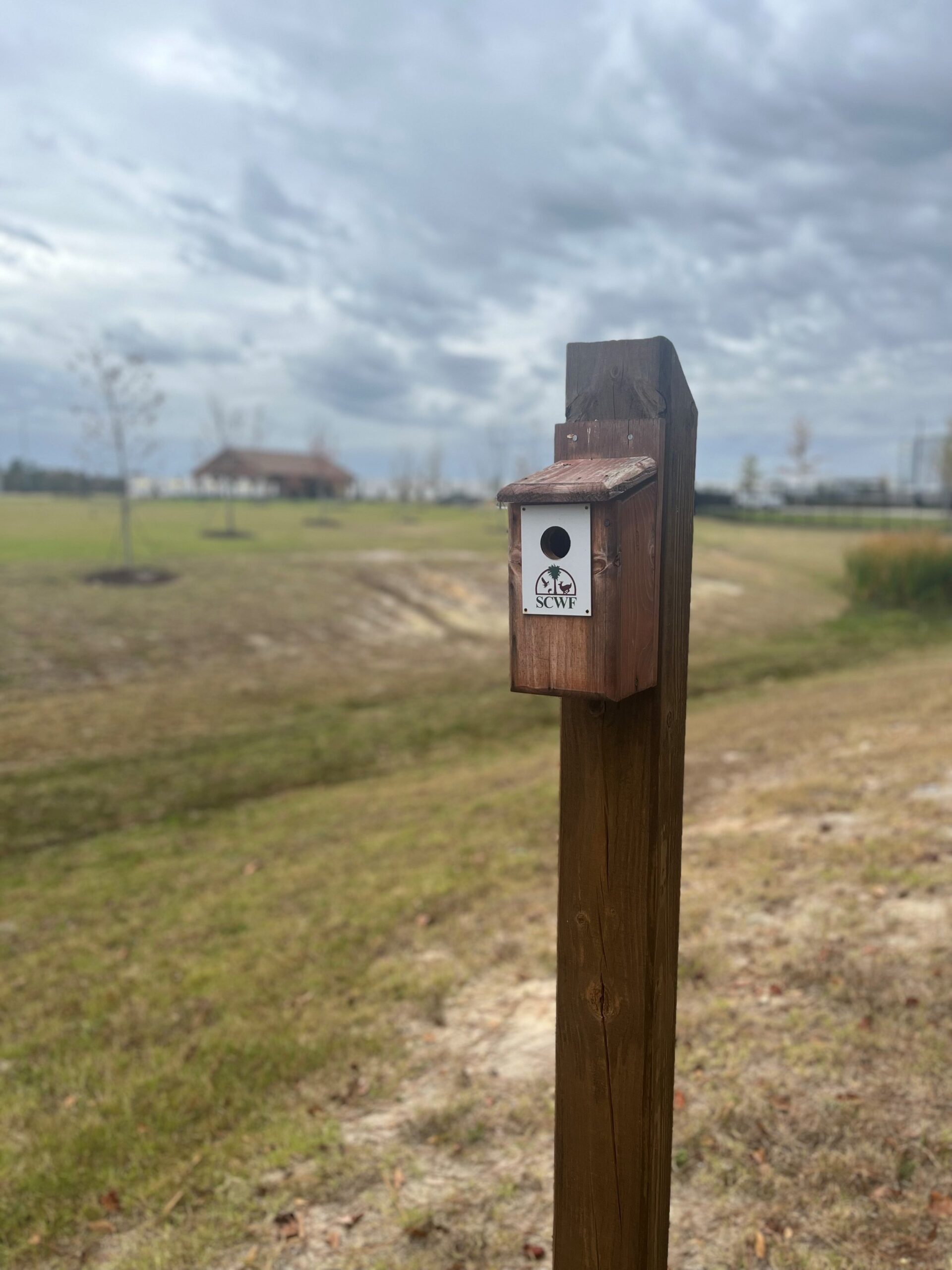
In 2019, SCWF launched Project Prothonotary, a state-wide conservation effort to install nest boxes for a beloved, yet declining bird species known as the Prothonotary Warbler. As habitat specialists, these birds seek out existing cavities in trees to build nests and raise their young. However, habitat destruction has led to less and less trees available for nesting, and that’s where nest boxes come in.

SCWF staff, volunteers, and partners have installed over 500 boxes on state, federal, and private land all throughout South Carolina over the past 4 years, and many of the boxes have been used by Prothonotary warblers. With such great success, the project was even featured in the National Wildlife Federation’s magazine.

Thanks to the sponsorship by Duke Energy’s Habitat Enhancement Program and the help of numerous partners and volunteers, SCWF installed 80 additional boxes throughout the Catawba-Wateree watershed in 2022. Volunteers enjoyed helping install the boxes and seeing first-hand the specific habitat that prothonotary warblers require.

SCWF hosted a webinar that taught all about this species, their conservation importance, and places where you can see these beautiful birds. We even had Matt Johnson, the Center Director of Audubon’s Beidler Forest discuss his incredible Prothonotary warbler research at Francis Beidler Forest. Watch the webinar here!

SCWF held a workshop where volunteers were trained in ethical nest monitoring and data collection using NestWatch. They learned how to identify nests of certain species, bird breeding biology, and best practices for monitoring bird nests. Starting in the spring, volunteers began checking the nest boxes for signs of activity. The efforts of a dedicated group of volunteers at Sun City Carolina Lakes Community were featured in the Lancaster News. Throughout the nesting season, they were excited to see almost half of the boxes being used by nesting prothonotary warblers and several other bird species such as Carolina wrens, tree swallows, and Carolina chickadees. Results were then submitted to a nationwide online database that will help scientists better understand and manage the impacts of environmental change on bird populations.

This citizen science project is a prime example that teaching people about our wildlife is a major part of what it’s going to take to help them.
— Savannah Jordan, SCWF Habitat Education Manager

We are excited to announce that 85 more boxes will be installed in 2024 to provide nesting sites for birds that will be arriving for the spring 2025 nesting season. Learn more here.

To volunteer with this project, sign up here or contact Savannah Jordan.

SCWF would like to extend a special thank you to our sponsors, volunteers, and partners:

Sponsors: Duke Energy, SC State Credit Union

Heyward Center and Technology Center

Box hosts: Sun City Carolina Lakes, Comporium, Landsford Canal State Park, Andrew Jackson State Park

Partners: SC Department of Natural Resources, SC State Parks, Katawba Valley Land Trust, Audubon SC

Consider a donation to support Project Prothonotary and future conservation efforts in South Carolina.

Norman
“On Territory Watch” by Graham Norman

POWR+ Inshore Fishing Day: Who needs bait?

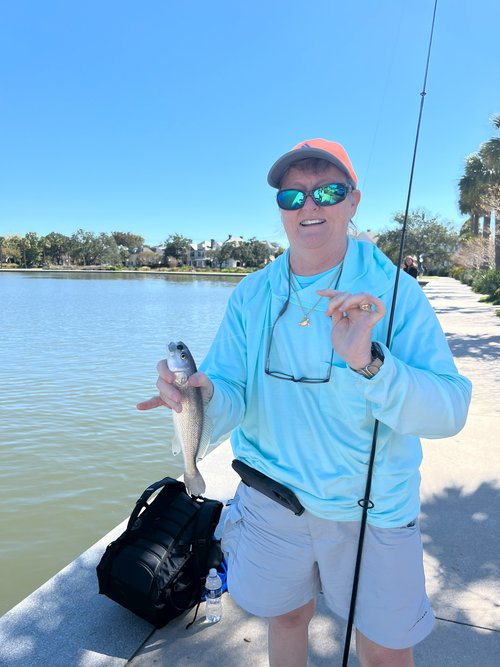
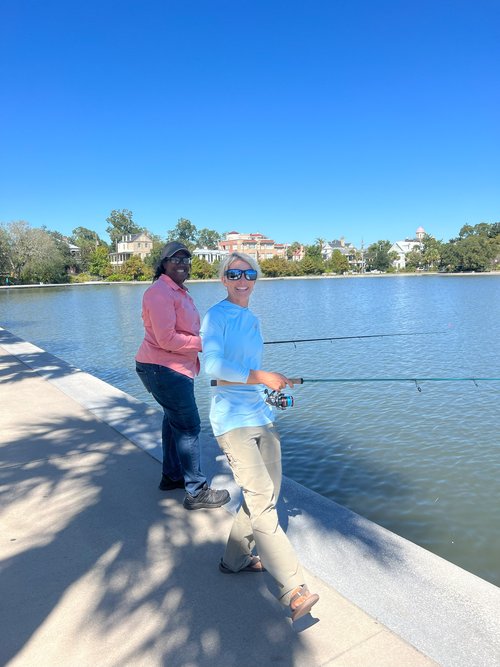
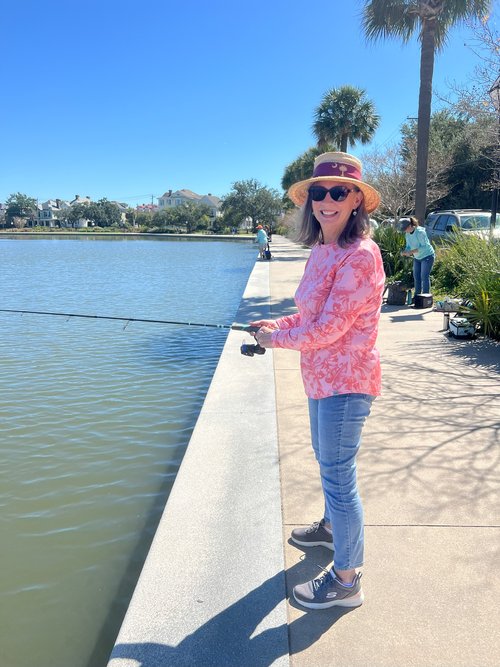
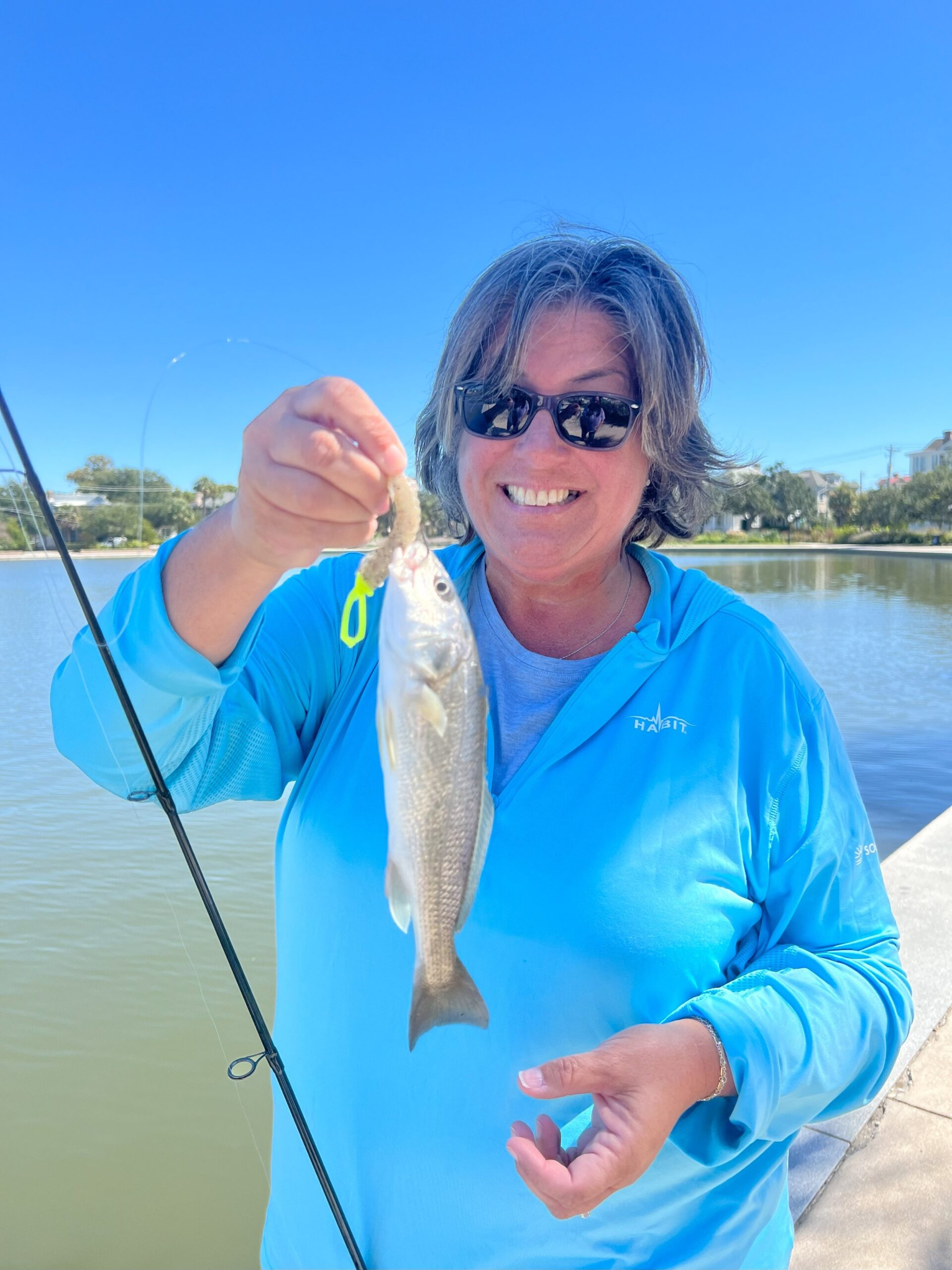
At our recent POWR+ Inshore Fishing with Artificials day, women learned how to fish for inshore saltwater fish using lures and other artificial bait. In the summertime when baitfish are plentiful, it can be easier to catch fish on live bait. But over the cooler months, baitfish isn’t as common in our local waters. This is when using artificial bait can be effective. But to someone new to fishing, seeing the vast array of soft plastics, hard plastics, jigs, and more can be overwhelming.

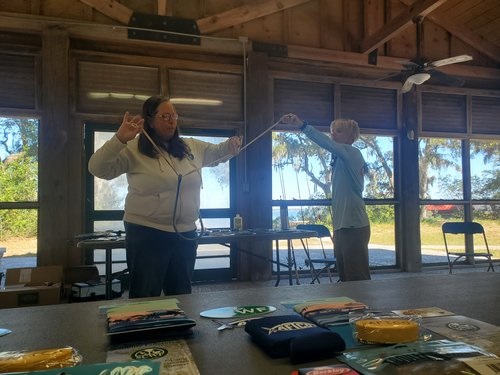
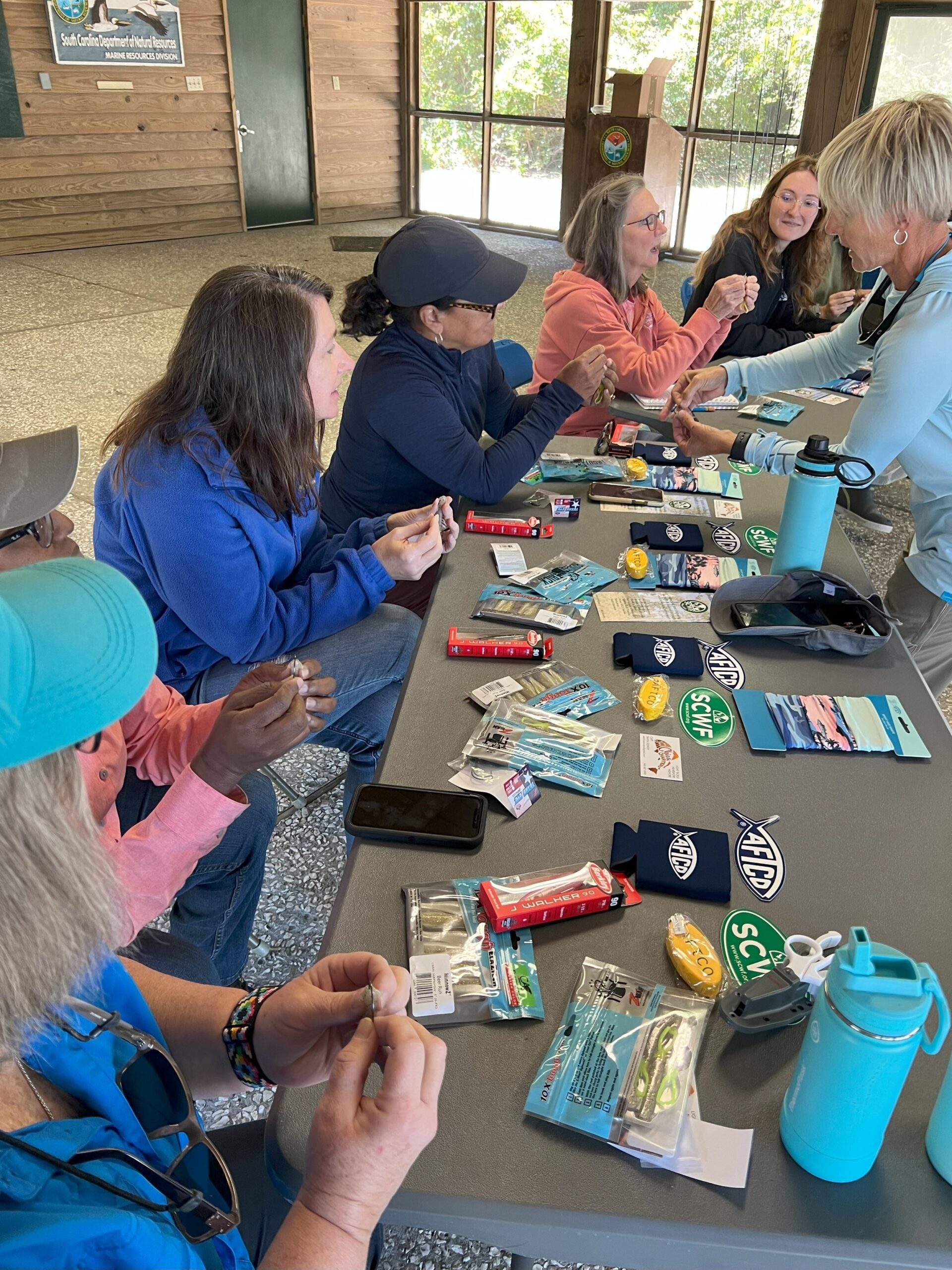
Captain Tanya Dowdy with Reel Chica Charters spent time teaching women about selecting and fishing with artificials.  She explained about the colors and shapes of artificial lures, the action they produce in the water, and how to retrieve them for the best success.

Participants received hands-on instruction from Captain Tanya Dowdy about how to select and fish with artificials.

Captain Tanya Dowdy with Reel Chica Charters spent time teaching women about selecting and fishing with artificials. She explained about the colors and shapes of artificial lures, the action they produce in the water, and how to retrieve them for the best success.

Participants learned several knots for tying on artificial lures demonstrated here on this 20/O shark hook. Instructors use this hook to catch “your attention” but it is an actual hook.

After participants learned about the types and colors of artificial baits, they got to put their lures to the test. Several participants were able to catch red drum using the techniques they learned. Participants were also given artificial baits to take home and try donated by Zman Fishing, Eye Strike Fishing, and Berkley Fishing, along with some special women’s gear donated by AFTCO.

South Carolina Celebrates the Inaugural “Women in Hunting and Fishing Awareness Day”

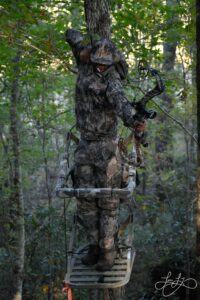
“Next time”, said Representative Heather Bauer after climbing out of the deer stand recently. Although she did not harvest a deer on that hunt, Representative Bauer spent the day learning about deer hunting including safety, types of gear, what to wear, how to prepare, and more. Representative Bauer, a state representative from Richland County is co-chair of the Sportsmen’s Caucus and serves on the Wildlife subcommittee of the Agriculture and Natural Resources Committee and sponsored the bill to designate the third Saturday in November as “Women in Hunting and Fishing Awareness Day” each year.

Representative Bauer on a deer hunt with SCDNR officers.

Representative Bauer not only wants to bring awareness to women that participate in outdoor traditions, but she also wants to help share information about where women can go to learn more and receive proper training. She brought together a group of entities that are committed to helping women gain more skills in the outdoors including the South Carolina Wildlife Federation, the South Carolina Department of Natural Resources, the National Wild Turkey Federation, and more. The group compiled a list of clinics and workshops that are available to women across the state and will be updated as opportunities arise. The South Carolina Wildlife Federation is excited to be a part of this effort to help encourage women to participate in hunting and fishing and to inspire them to advocate for and conserve our natural resources.

Continue reading “South Carolina Celebrates the Inaugural “Women in Hunting and Fishing Awareness Day””

Hunting The Magic Month: Strategies for the Rut, Post-Rut, and Second Rut by Alex Killman

Alex Killman is a guest writer for SCWF sharing his experiences of connecting with nature, enjoying the outdoors, and advocating for conservation – all through hunting.

November is seen as the best time of year to be in the deer woods, and for good reason. Absolutely anything can happen. A big-bodied 10-point that you’ve never seen before could leave his home range three miles away and stroll by your stand at 1 o’clock in the afternoon. This is the allure of hunting the rut. There’s more opportunity for daytime action as bucks cruise at all hours of the day searching for does ready to breed (estrous). Though the rut holds the biggest opportunities for success, there’s still a fair bit of knowledge required to hunt it effectively.

The Rut

The rut is brought on by photoperiod, which is the amount of daylight in a 24-hour period. Because of this, the rut occurs on roughly the same day each year, give or take a day or two. Cooler weather and/or higher pressure can cause the bulk of daytime rutting activity to kick off a little earlier or later. In SC, peak rut occurs right around November 1st. Bucks, fueled by a surge in testosterone, become less cautious as they seek out does in estrus. This is when aggressive tactics can pay off. Utilizing calls and rattling antlers mimicking buck fights can draw out dominant bucks. Positioning stands near doe bedding areas or along travel corridors where bucks are likely to search for hot does increases your odds of an encounter. Setting up on a funnel or pinch point that deer typically need to travel through as they cruise from one doe bedding area to another is the best tactic for tagging a buck during the rut. These locations are perfect for all-day sits. Bucks typically chase does early morning, then bed down for a while before resuming their cruising behavior around 10:00AM. If you find a good pinch or funnel between doe bedding areas that is tucked back in the cover, you’ve found a great spot for an all-day rut hunt.

The Post-Rut

As the frenzy of the rut fades, typically by mid- to late-November, bucks begin cruising less and revert back to their territorial behavior, which includes opening back up previously hot scrapes that were left unchecked during peak rut. They’ll also begin focusing back on food sources, as bucks can lose up to 20% of their body weight during the rut. Because of this, focusing on areas with abundant food sources, like agricultural fields or oak stands with leftover acorns is a good idea. I also like to focus on scrapes that I’ve seen to be opened back up. Calling should be more subdued during this period if used at all. The post-rut can be challenging, as bucks are wary and recuperating from all the fighting and lack of calories brought on by the rut.

The Second Rut

Image Credit: In the Zone by Lyric Little John.

The second rut, occurring about 28 days after the peak of the first, is often overlooked but holds nearly as much potential as the first rut. Our second peak rut in SC occurs around November 29th, so November 26th-December 7th is a great window to try and tag another buck. This phase kicks in when does that were not bred during the first rut go into a second cycle, while some doe fawns come into estrous for the first time. Tactics during the second rut involve targeting similar areas as the first rut, while also adding in late-season food sources or isolated pockets that experienced less hunting pressure. Calling should be softer, mimicking young bucks or doe bleats. The second rut is less intense, but bucks are still motivated, providing us with a second chance at success. Around late October, you’ll often see younger bucks chasing around does long before they’re ready for breeding. Because of this, I believe younger bucks bow out of the race earlier than older, mature bucks. So, though the second rut may not be quite as hot as the first, your odds of catching a mature cruising buck seem to be higher. So, if you’ve still got a tag, don’t sit out the second rut.

It’s Not a Sprint

Though the first week of November may be the most intense part of the rut, heavy rutting behavior itself really occurs for around 4-6 weeks starting with the last week of October into the first week or two of December. It just takes a little knowledge and persistence to hunt effectively in each stage. You don’t hunt the first week of November the same as the 3rd week when things have died down tremendously; or the second week of November the same as the first week of December. Recognizing the stage you’re in based on deer behavior is crucial to filling a tag in the month of November. But remember that no matter the date, it’s the Magic Month, so anything can happen at any time.

Trulli
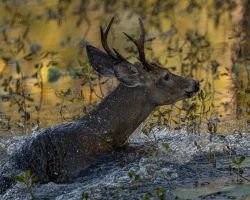
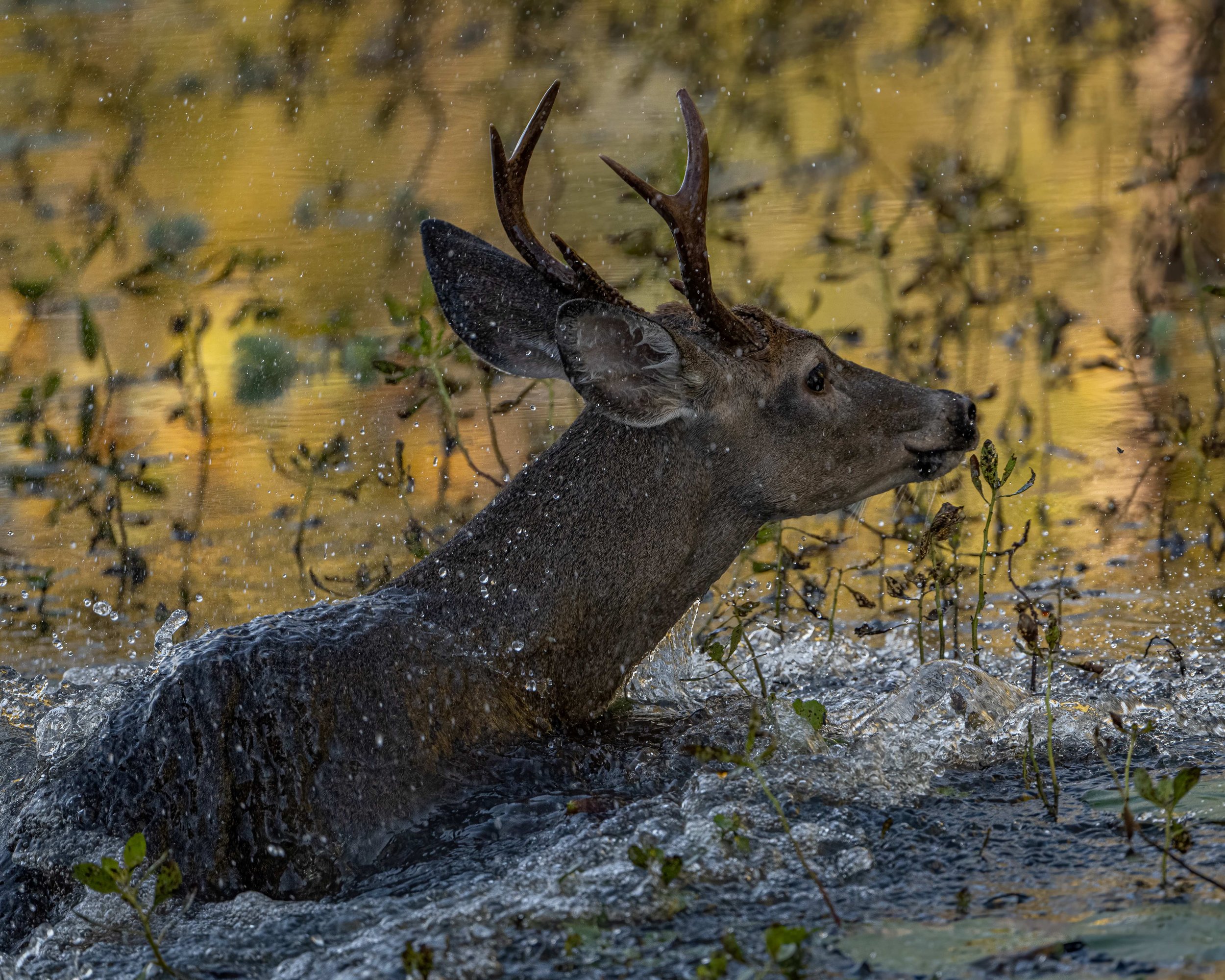
Image Credit: “Deer taking a plunge” by Charles Rucinski.

Rosewood Community Orchard Pollinator Garden


By Ari Hippensteal, SCWF Community Outreach Manager

SCWF staff and volunteers, along with the Friends of the Community Orchard, gathered together to install a new demonstration native plant pollinator garden in the Rosewood Community Orchard.

Having just recently celebrated its 10th anniversary, the Rosewood Community Orchard is home to a wide variety of fruits, vegetables, and herbs. Karen Murphy, one of the keepers of the orchard, helped to select a variety of native pollinator plants that were put into the garden during the volunteer day. Calico asters, swamp milkweed, snowy milkweed, narrow-leaved sunflowers, cardinal flowers, spotted beebalm, sweet goldenrod, and blazing stars are all new additions to the orchard, thanks to the generosity of Wells Fargo, who sponsored this project.

These pollinator plants will aid the fruit and vegetable plants that already grow there. Not only do they provide a source of food for pollinators, but their bright and colorful flowers will also attract many different pollinator species to help move pollen within and between plants of the orchard.

Rosewood Community Orchard is unique in that it allows all who pass through it to take any of the produce that is grown in the space and it is a great opportunity to learn more about gardening, plants, and the many pollinators that call the orchard home.


Volunteers also installed several SCWF signs including Birds in the Garden, The Monarch Butterfly Life Cycle, Pollinator Garden, and a Palmetto Wildlife Habitat sign that will provide an educational component to the pollinator garden.

The pollinator garden was also carefully placed at the intersections of the orchard handicap-accessible boardwalk, meaning that the garden is accessible to all members of the Rosewood Community.

Thank you to Wells Fargo for sponsoring this project.

Ari Hippensteal, SCWF Community Outreach Manager, and previous volunteer for the Rosewood Community Orchard boardwalk noted that “This is a special place that you always feel drawn to come back to. You can tell how much effort and love has been put into the orchard and how cherished it is by the people who spend time here.”

Remembering Rudy Mancke

Rudy Mancke was presented with a Lifetime Achievement Award by SCWF’s Executive Director Sara Green at our 90th Anniversary Celebration in 2021.

South Carolina lost a legendary naturalist this week. Rudy Mancke introduced so many people to the amazing natural world around us through his work on television and radio, at the SC State Museum and the University of South Carolina, as well as countless nature walks with groups all over the state.

Rudy had the special ability to open our eyes to the flora and fauna of our beautiful state and inspire conservation of natural resources for future generations. His gift of storytelling helped to make the information relatable to our own lives, and therefore easier to remember. When leading a nature walk, Rudy would often excitedly find so many things to show the group, that we were already entranced before even leaving the parking lot.

Rudy’s passion, curiosity and wonder of nature were qualities that endeared him to us all. His desire to educate others is now the legacy that he leaves in so many fellow naturalists following in his footsteps.

Here are just a few memorable quotes from Rudy:

“My definition of a naturalist is someone who studies the world of nature and marvels at it.”

“I recognize the healing properties of being in nature, especially when the man-made world begins to feel overwhelming.”

“If you know the names of things and the relationships between them, it helps you realize you’re a part of something bigger than yourself.”

“Death is a part of life, of course. We all know that. That’s not good, bad, right or wrong. But that’s what the system is like on the third planet from the star we call the sun, and we’re a part of that system aren’t we? Death is a part of life because of the recycling system we’ve got. It doesn’t work if death doesn’t come into play.”

In recognition of his life work in educating South Carolinians for many decades, SCWF recognized Naturalist Rudy Mancke with a Communication Conservationist of the Year Award in 1979 as well as a Lifetime Achievement Award in 2021.

Trulli
Rudy Mancke was presented with a SCWF Communication Conservationist of the Year Award by Governor Dick Riley in 1979.

Rudy Mancke grew up in Spartanburg, SC, and attended Wofford College for his bachelor’s degree and the University of South Carolina for graduate study. He began his career as a high school teacher of biology and geology. He then served as the natural history curator at the South Carolina State Museum for 10 years before becoming the naturalist and co-host of South Carolina ETV’s NatureScene, which began its long run in 1978 and introduced millions of viewers to a natural world of wonder that the average person might easily overlook. Rudy was happy to have founded the South Carolina Association of Naturalists in 1976, an organization dedicated to the gathering and sharing of natural history information about South Carolina. Since retiring from SCETV, Rudy had gone on to teach at the University of South Carolina, Columbia, and was their first “Naturalist-in-Residence”.