Keep South Carolina Wild

Camp Wildwood

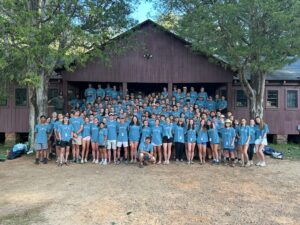
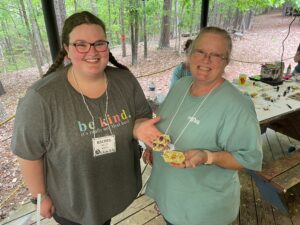
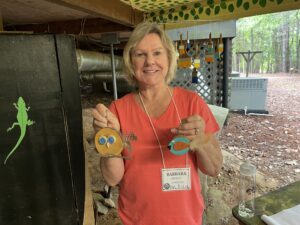
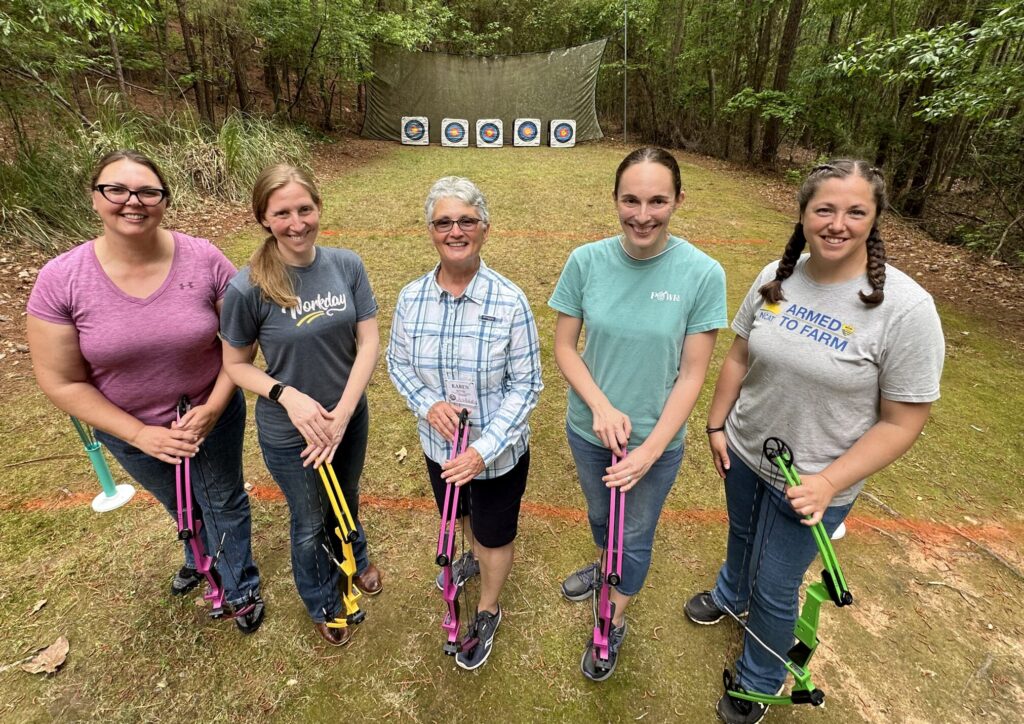
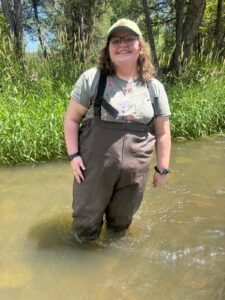
The South Carolina Wildlife Federation is proud to have been one of the sponsors of Camp Wildwood for more than 70 years! This annual event is an outdoor environmental camp that is a fun-filled week during which high school students can experience the many aspects of their natural environment. This year’s Camp was held June 15th through the 21st.


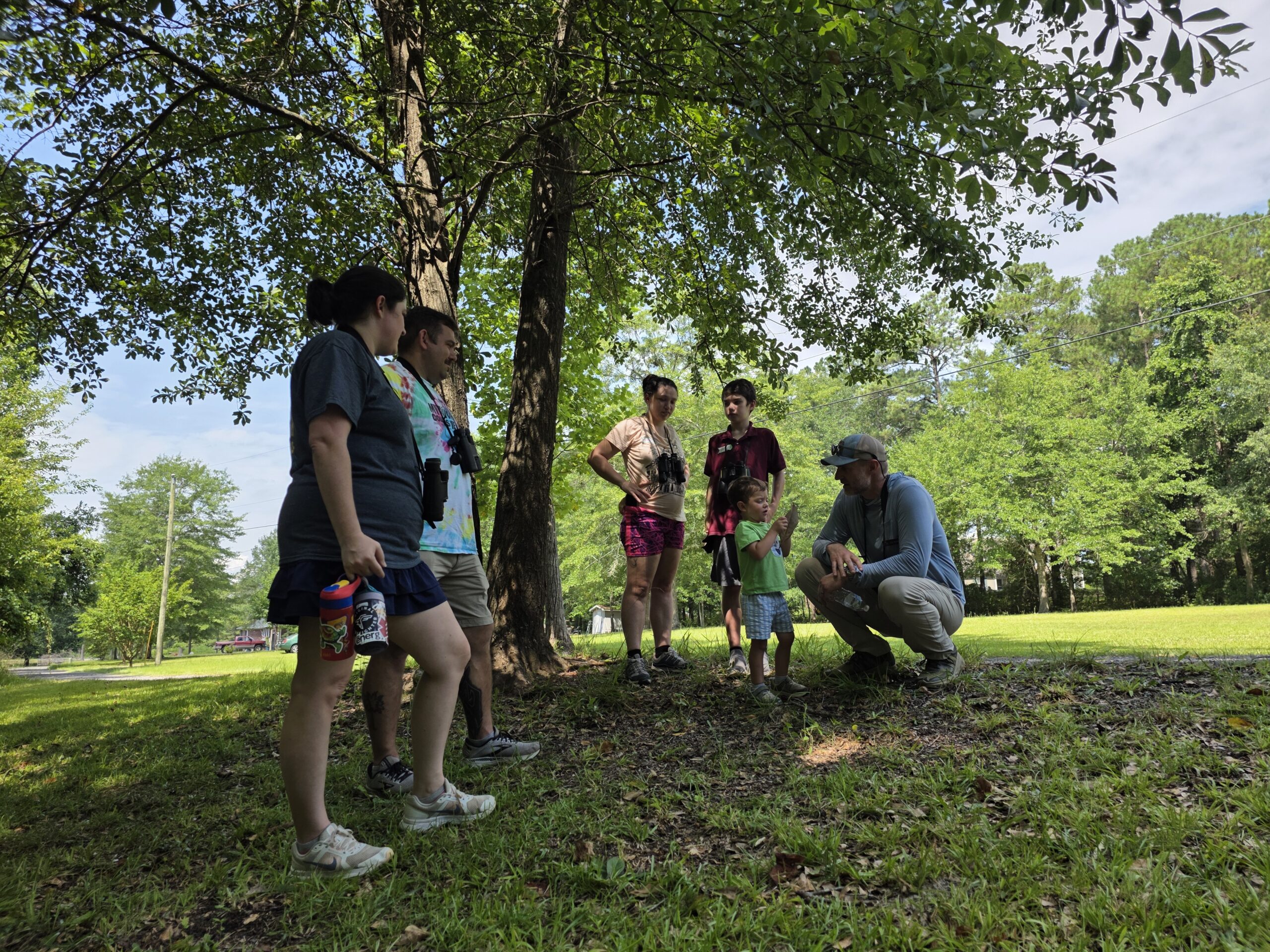
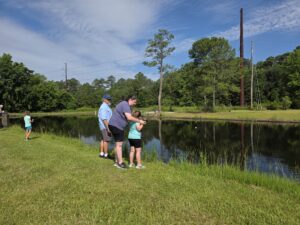
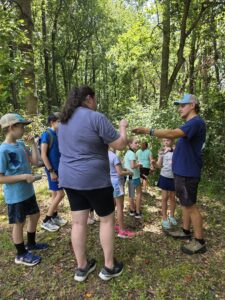
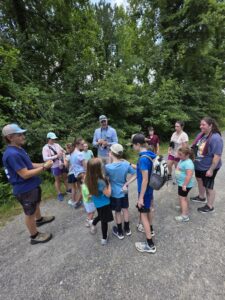
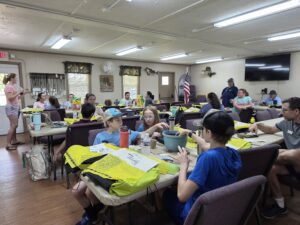
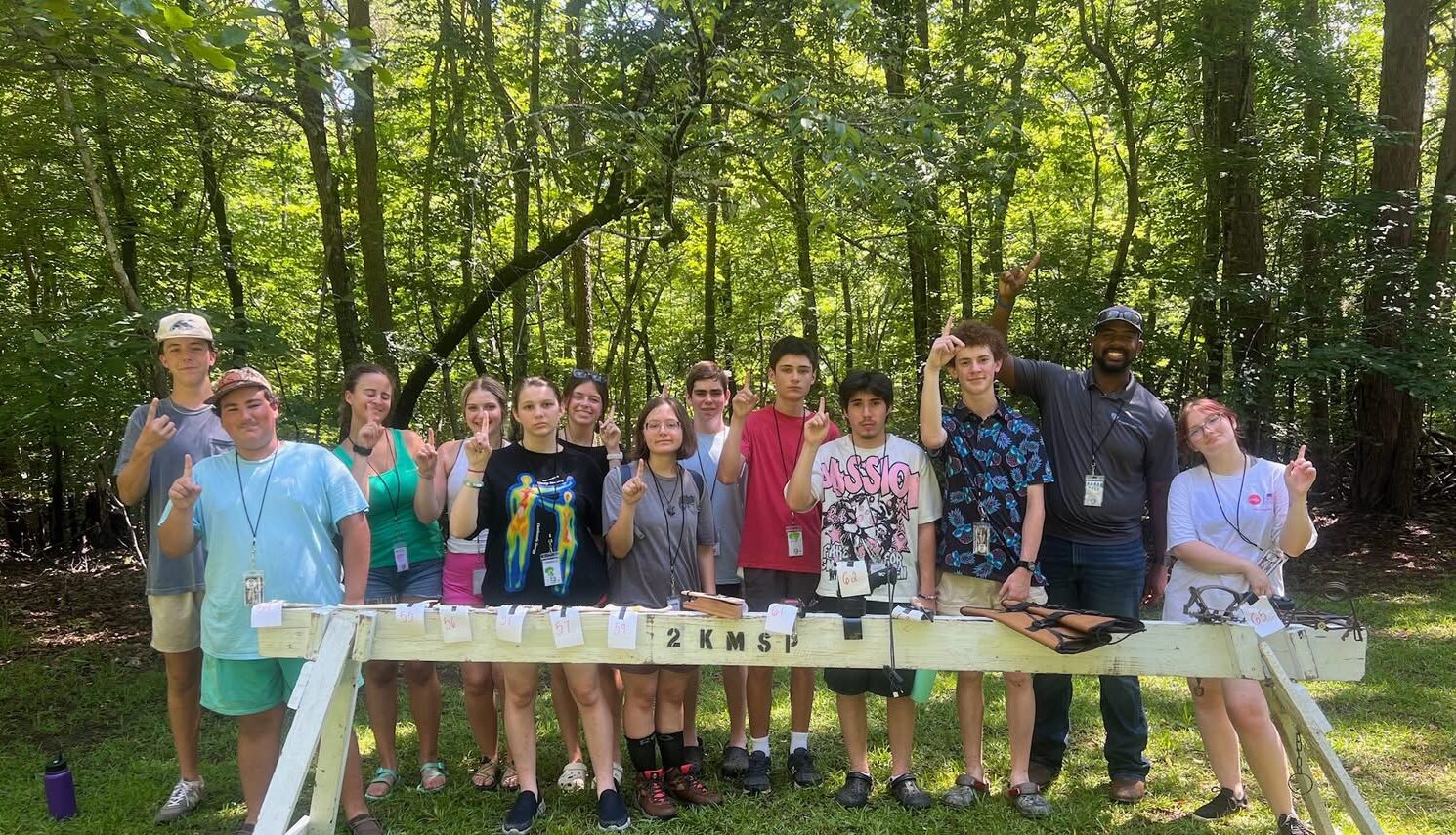
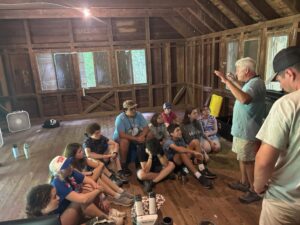
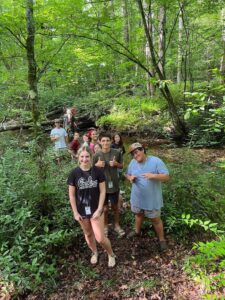
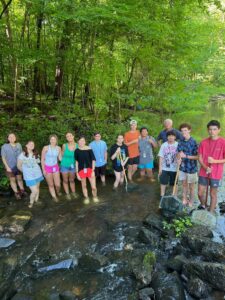
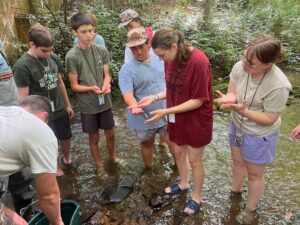
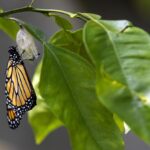
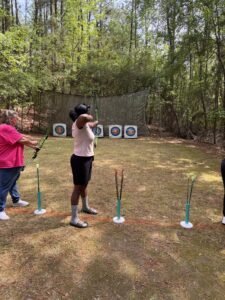
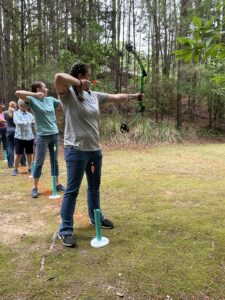
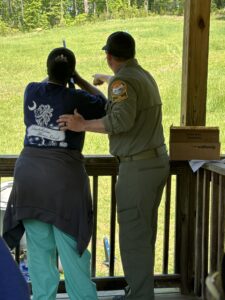
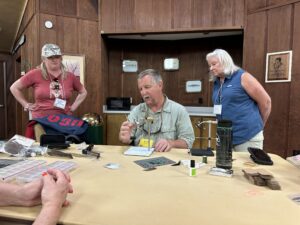
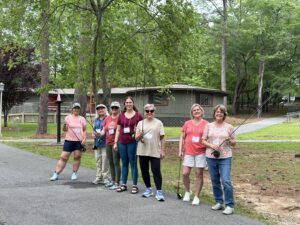
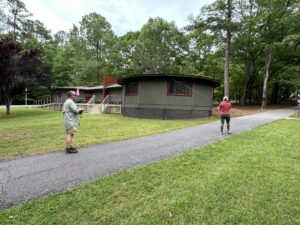
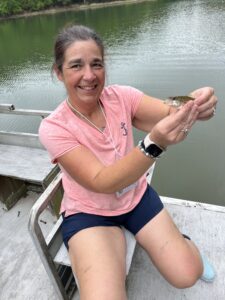
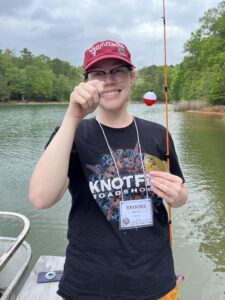
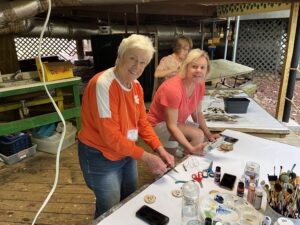
These pictures from this year’s camp show how Camp Wildwood helps the campers to  discover that we are part of nature and everything we do in some way affects the natural balance. At Camp Wildwood, you acquire the knowledge and appreciation needed for the protection and wise use of our natural resources.


In addition to the South Carolina Wildlife Federation, Camp Wildwood is also sponsored by the Garden Club of South Carolina, Inc., the Harry Hampton Memorial Wildlife Fund, South Carolina State Parks, and the South Carolina Department of Natural Resources. Camp Wildwood is held annually in June at Kings Mountain State Park and you can find out more information about it by visiting https://www.campwildwoodsc.com/.


SCWF Holds Interactive Habitat Workshop in the Upstate

SCWF recently held a Habitat Workshop in Anderson, an interactive workshop designed to teach participants how to create a Certified Wildlife Habitat in their own yards to help support local wildlife. This workshop is part of our new  Explores Series for 2025. 

A Certified Wildlife Habitat is a designation given to properties that provide essential elements for wildlife, such as food, water, cover, and places to raise young, while also employing sustainable gardening practices. Once a yard is certified, it not only helps wildlife thrive, but it also is recognized by the National Wildlife Federation and helps to spread the message of wildlife-friendly gardening to neighbors and the community.

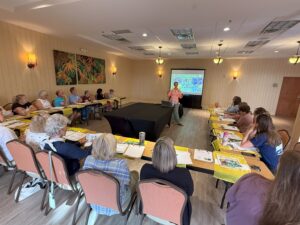
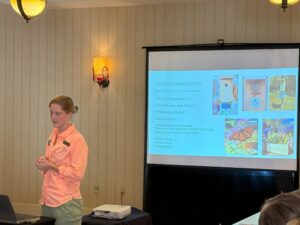
During the classroom portion of the workshop, participants were given an engaging and informative presentation from SCWF’s Habitat Education Manager, Savannah Jordan, where they learned about how to incorporate each of the essential elements into different landscapes and looked at pictures of their own yards to discuss ways for improving their own yards for all sorts of wildlife. They also learned about the value of native plants and the different types of plants to include for certain species of wildlife like monarch butterflies and other important pollinators.

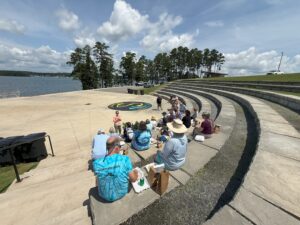
Following the classroom portion, participants met at Green Pond Landing, a 33-acre facility on the shores of Lake Hartwell designed as a high-capacity launch facility for fishing tournaments as well as recreational boating and fishing. Managed by Anderson County Parks, Green Pond Landing features 200 paved truck/trailer spaces and 100 paved single space parking as well as grass areas utilized for overflow parking. Green Pond Landing boasts the deepest launch lanes and most dock space on the lake as well as a two-story state of the art restroom facility. In 2021, Green Pond Landing completed the development of a 1,300-seat amphitheater which has hosted tournament weigh-ins and special events. Green Pond Landing turned 10 years old in December 2024 and celebrated an economic impact to the upstate of South Carolina that exceeded $100 million during the first decade.


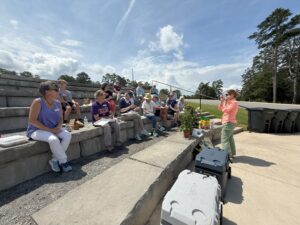
While enjoying lunch by the lakeside amphitheater that was generously provided by Visit Anderson, participants planted their own native  milkweed seeds in peat pots that they took home to their own gardens to help monarch butterflies. A few lucky participants won door prizes in the form of native plants, including native purple coneflower and oakleaf hydrangea from a nearby nursery.


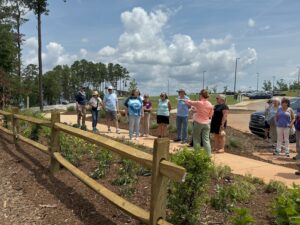
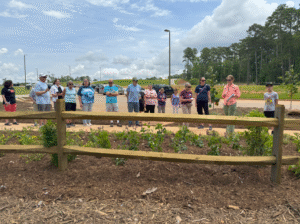
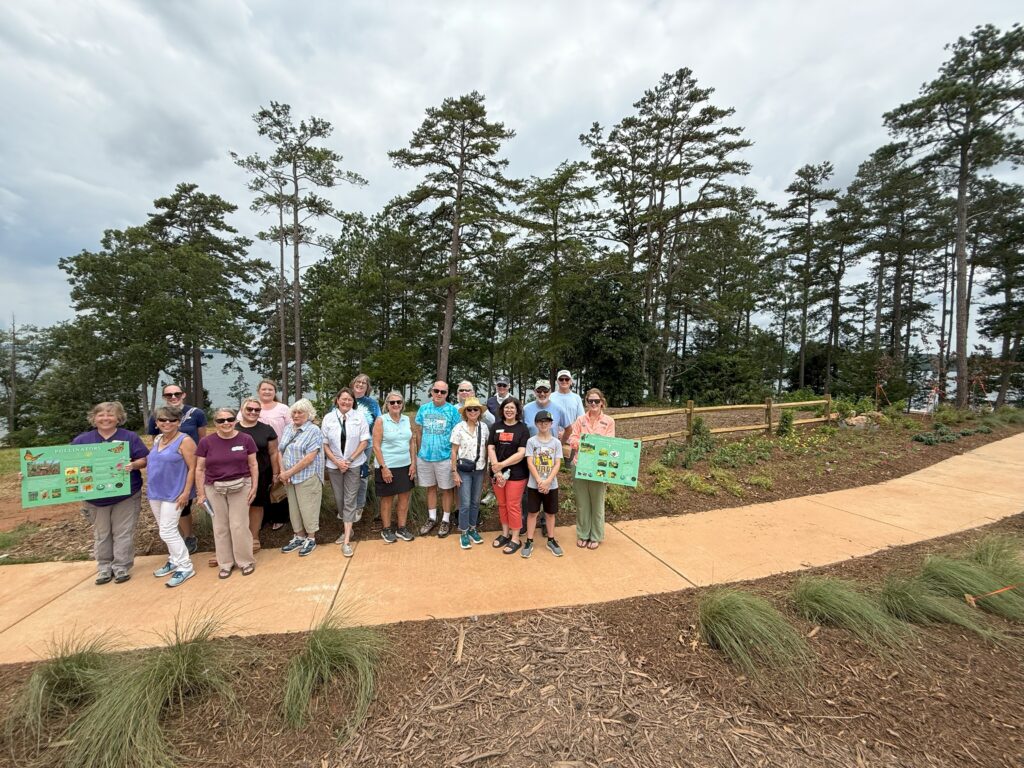
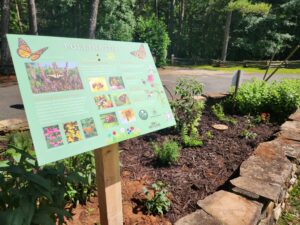
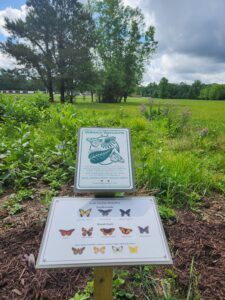
Participants took a tour of Green Pond’s brand new Certified Wildlife Habitat and Carolina Fence Garden, which was designed and installed by the city of Anderson. The group observed the variety of native plants in the garden and discussed the different habitat features and examples of how to improve habitat quality for a diversity of wildlife from bees and butterflies to birds and mammals. The workshop ended with the installation of educational signage in the garden that informs visitors about the different types of plants and pollinators that can be found in the garden.


Neil Paul with Visit Anderson stated, “It was an honor and a privilege to partner with the South Carolina Wildlife Federation and host the Habitat Workshop at Green Pond Landing. In Anderson County, we have taken a great deal of pride in establishing our facility as a leader, not only in hosting fishing tournaments, but in conservation and protecting our resource. Being able to partner with the Wildlife Federation to develop a ‘Certified Wildlife Habitat’ is another step in that leadership. The habitat garden provides an educational component for gardeners of all levels and adds to the beauty and the landscape of our lakeside facility. This project was a tremendous partnership, and we look forward to more opportunities to collaborate with the South Carolina Wildlife Federation.”

Learn more about Certified Wildlife Habitats and our other programs at https://www.scwf.org/habitat-restoration/.

To see SCWF’s upcoming workshops and other events, visit https://www.scwf.org/events/.


Thank you to the Duke Energy Foundation for sponsoring this workshop.


In rapidly developing SC, a planned change to the Endangered Species Act raises alarms

2025-06-15 Posted by Post & Courier

The Trump administration is seeking to rescind the definition of “harm” as it’s currently applied under the Endangered Species Act. Conservation groups worry the move could spell trouble for endangered species near Charleston and across South Carolina’s rapidly developing coast.

The debate focuses on a central question: Does the term “take” in the Act mean a direct, intentional effort to injure or kill a specific animal, or does it also refer to activities that might indirectly affect wildlife populations?

Under the Endangered Species Act as it currently stands, “taking” includes killing, harassing, hunting, pursuing or harming a listed species. The Act’s current definition of “harm” includes habitat destruction or modification. As such, the law essentially forces developers and local governments building in a protected habitat area to look before they leap, and places restrictions on projects that could hurt federally threatened or endangered species.

The proposed revision would remove that prohibition from the federal law. Several federal wildlife agencies — including the U.S. Fish and Wildlife Service and National Oceanic and Atmospheric Administration — said that previous rule changes have improperly expanded the meanings of “take” and “harm” outside of their original, congressionally approved scope.

The rationale for the change, according to NOAA, is to clarify the definition of “take” and align it with “the plain text of the (Endangered Species Act), as informed by historical and legal interpretations as an affirmative act directly affecting wildlife.”

Catherine Wannamaker, a senior attorney with the Southern Environmental Law Center’s Charleston office, called the proposal a “sweeping change” that would turn the act “on its head.”

“In any area where endangered species overlap with rapid development this is going to have a big impact,” Wannamaker said. While some parts of the state are seeing rapid depopulation, many areas of South Carolina are seeing their population skyrocket.

South Carolina is adding about 90,000 new people every year, The Post and Courier previously reported. But the state still has a negative birth rate (more deaths than births), meaning all of the growth comes from transplants. As those new residents arrive, construction is booming to meet housing and commercial demand.

“South Carolina is one of the fastest growing states, and the new development is really just changing the landscape of our beautiful state — which is the reason a lot of people move here,” said Sara Green, the executive director of the South Carolina Wildlife Federation. “The habitat protections that the Endangered Species Act currently provides are really critical to preserving that landscape.”

The Palmetto State is home to 43 federally threatened or endangered species, according to the U.S. Fish and Wildlife Service — including migratory birds, flowers, amphibians, reptiles and mammals. Charleston County is home to many of those vulnerable species.

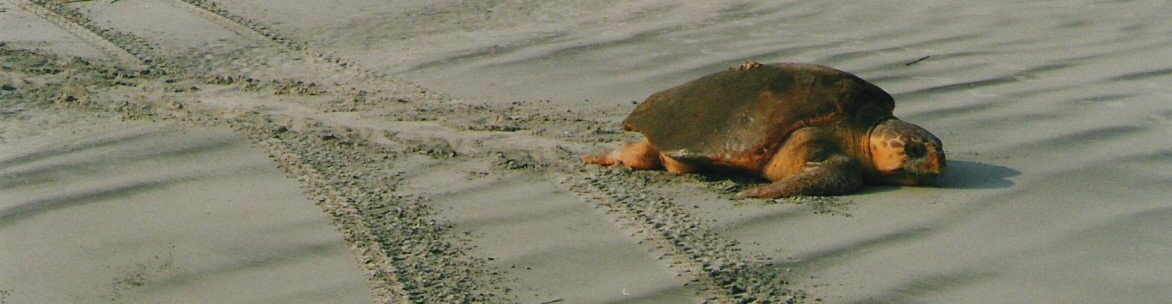
Northern long-eared bats and red-cockaded woodpeckers sail through the canopy of the Francis Marion National Forest. The woodpeckers were downgraded from “endangered” to “threatened” last October, after decades of concerted habitat restoration work. Across the region’s barrier islands, three distinct species of sea turtles — all either threatened or endangered — arrive each spring to nest. Rufa red knots depend on the South Carolina coast as a critical stop-over point on their 19,000 mile voyage to the arctic circle.

Without the permitting process that comes with the harm rule, it’s possible that vulnerable habitats could be cleared and destroyed without the public ever receiving a full assessment of how a project could harm locally listed species, Wannamaker said.

“From woodpeckers and bats to turtles to red knots, keeping a space for these critters is really the only hope that they have of recovery,” she said. “This proposal is just a complete death knell to the Endangered Species Act as we know it.”

Many of those species are facing additional pressures from a changing climate. Sea turtle nesting sites are eroding away because of higher tides, more frequent severe weather events like hurricanes are threatening the coastal woodland habitats of bats and woodpeckers, and more turbulent winds could be throwing off the red knots’ epic migration.

The public comment period on the harm revision proposal rule change closed in May. But Green said South Carolina residents still can get involved in the process by sharing concerns with their representatives in Congress. The red-cockaded woodpecker is a resident of the nearby Francis Marion Forest.

If the proposed rule goes through, harming or killing federally listed species through hunting, trapping or other intentional pursuit methods still would be illegal.

2025-06-15 Posted by Post & Courier: https://www.postandcourier.com/rising-waters/south-carolina-endangered-species-trump-harm/article_baa

WAIT Partner Update: Honda

For nearly 20 years, Honda’s S.C. Manufacturing (SCM) facility has been committed to wildlife conservation, completing over 175 activities for Wildlife & Industry Together (WAIT), a South Carolina Wildlife Federation program.  From planting and relocating trees to creating food plots and installing birdhouses, wood duck boxes and beehives, we’re helping to enhance biodiversity.


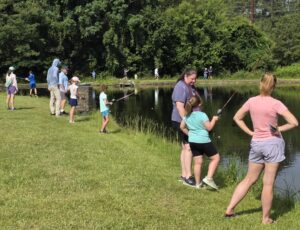
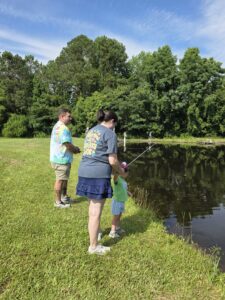
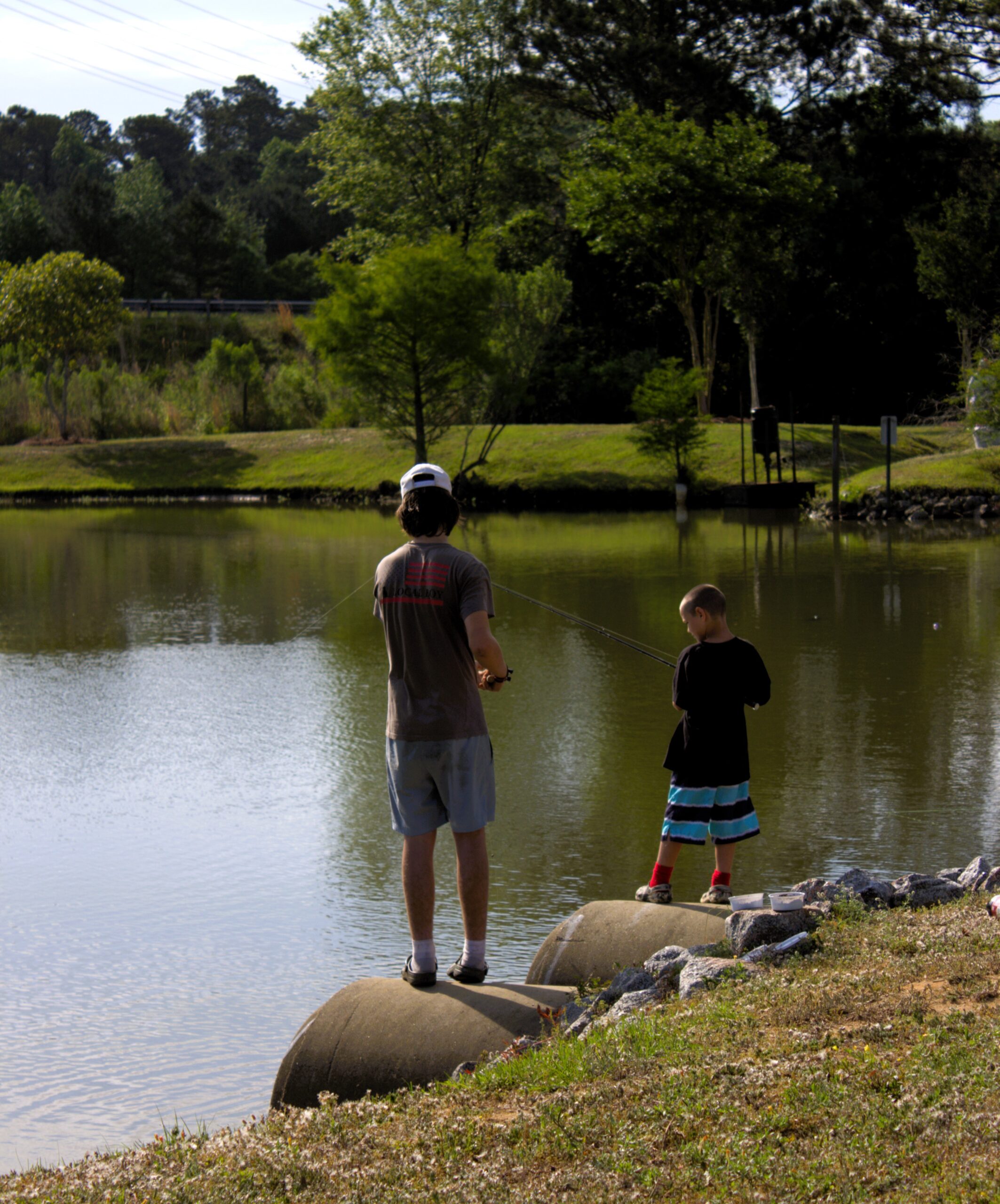
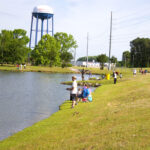
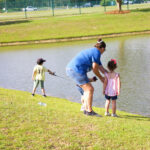
In May, SCM teamed up with WAIT for a fishing day event, bringing together youth and SCM associates to fish from the shore of the stocked pond on property while enjoying the great outdoors with family and friends. Participants enjoyed a complimentary lunch, and all youth took home their catch along with door prizes!


Thank you to Honda South Carolian Mfg for this update.
Why WAIT?

SCWF partners with conservation-minded businesses throughout the state who want to help wildlife thrive by enhancing their properties and providing educational opportunities for their employees and communities. Read more about the WAIT Program and how to join here.

SCWF Invites You to Explore with Us!

The South Carolina Wildlife Federation is known for many things: being the voice of residents who love wildlife, an advocate for our state’s outdoor spaces, and amazing wildlife education programs. There is an incredible line-up of classes we offer including Palmetto Pro-Birder, Naturalist, and Palmetto Outdoor Women’s Retreat events. New for 2025, SCWF is introducing our “Explores” programming. The “Explores” series is a new line of classes designed to introduce the outdoors to folks who may be new to outdoor experiences. BeBe Dalton Harrison, SCWF Director of Education says, “We want to welcome even more people to the outdoors.  These classes and events will be beginner friendly, lower cost, and a great way to step outside in a safe environment.”

The Explores Series will consist of a variety of topics across the state and will change yearly. This inaugural year includes programs to introduce families to fishing and hiking, backyard wildlife habitats, winter wildlife, and more! In addition to being “beginner friendly”, these classes will be offered at a low price point and in some cases will be free for the public. Once each Explores classes is open for registration, it will be listed on our events page at www.scwf.org/events.

SCWF Explores Series

Create a Wildlife Habitat-Anderson County (Tuesday, June 10th)
Families Exploring Nature-Lexington Wildlife Chapter, Lexington (Friday, June 27th)
Water for Wildlife-Sumter (Saturday, July 12th)
EcoLeaders for Youth-Sesquicentennial State Park, Columbia (Monday, July 21st)
Backyard Habitat-North Myrtle Beach (Monday, October 20th)
Fall Backyard Habitat-York County (Date TBD)
Winter Wildlife-Location TBD


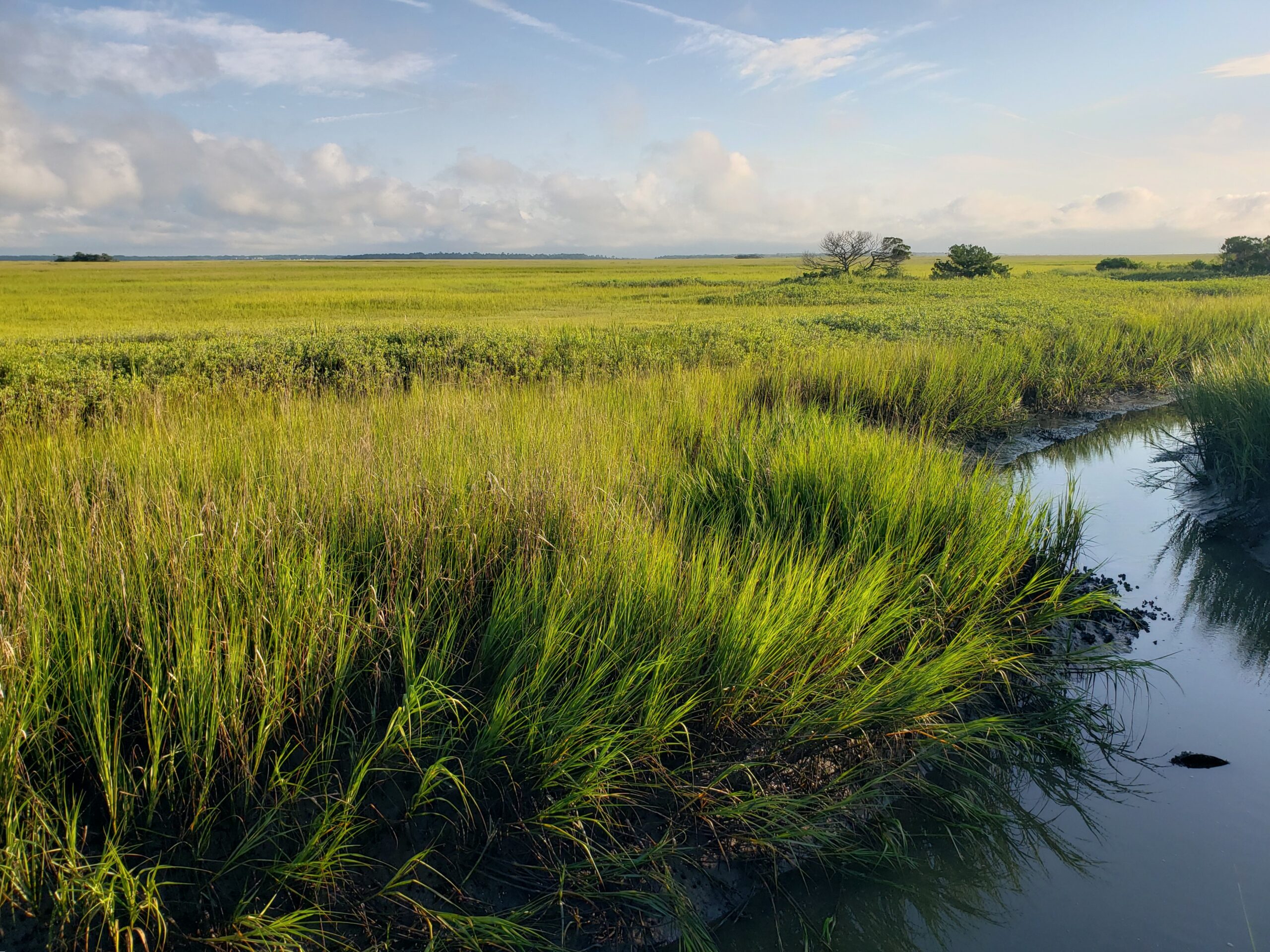
Banner image credit: Salty Serenity by Stuart Barfield.

SCWF Celebrates Garden for Wildlife Month

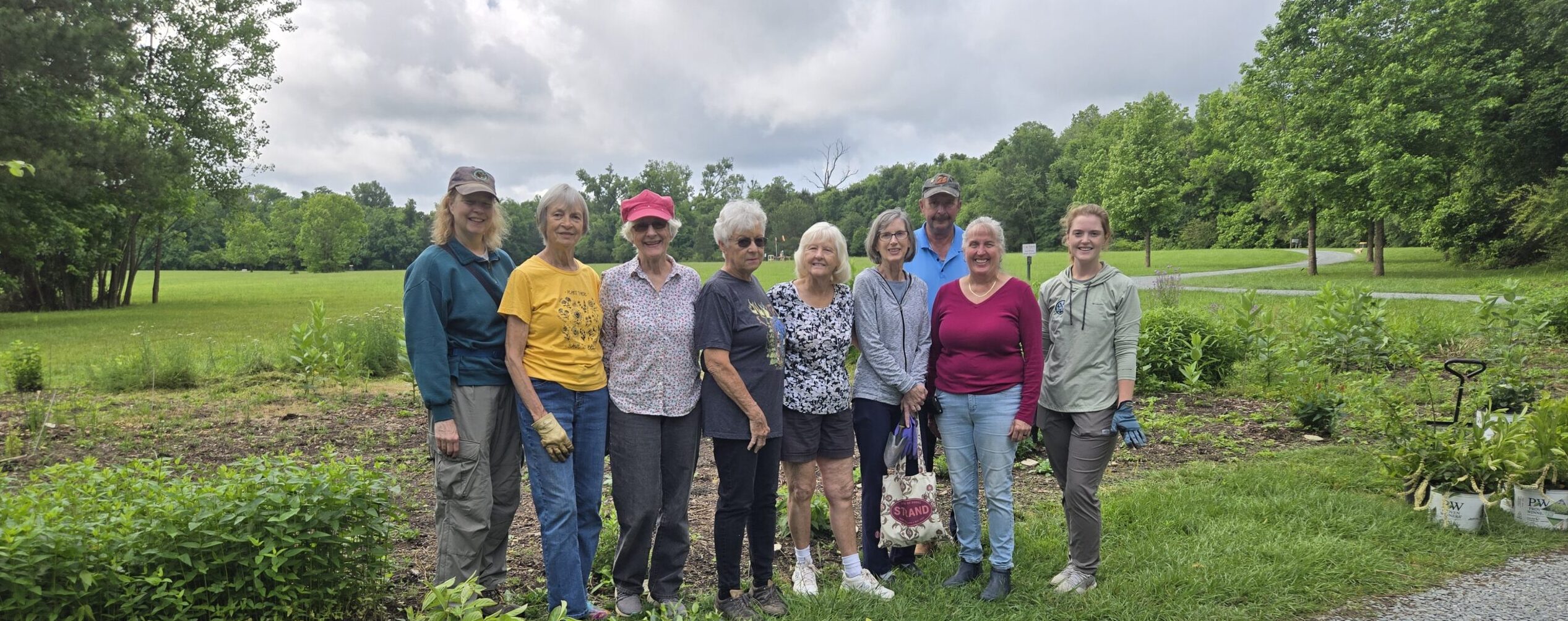
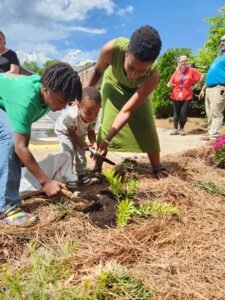
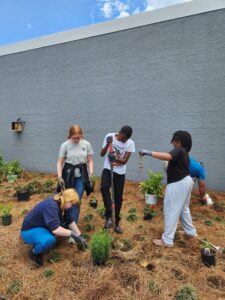
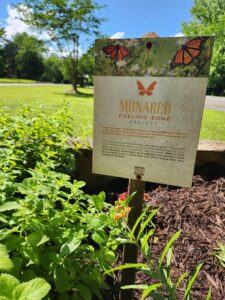
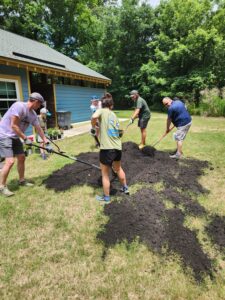
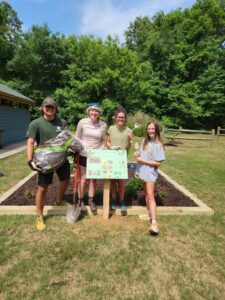
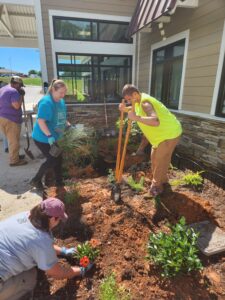
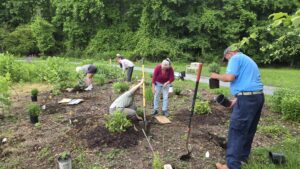
SCWF staff, partners, and volunteers recently joined together to install five pollinator gardens throughout the state – talk about busy bees!

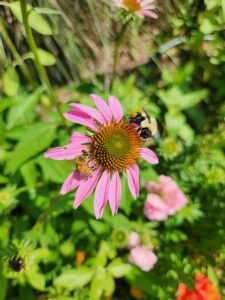
As development increases, the resulting habitat loss is a major challenge that affects many pollinator species in South Carolina. Pollinator gardens provide pollinators with critical habitat that can beautify any space, increase native biodiversity, increase pollination services and biological control of pest insects, and provide community engagement and learning opportunities.

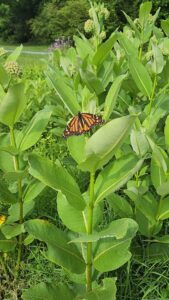
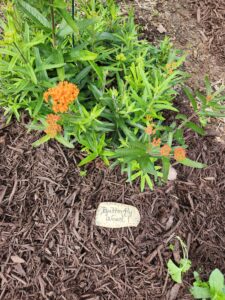
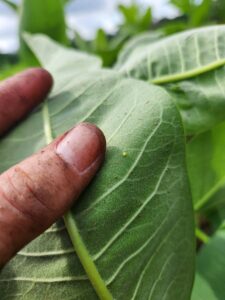
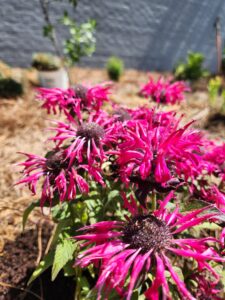
These gardens create and enhance habitat for pollinators and other wildlife by incorporating native flowering plants, which are important sources of food and shelter for bees, butterflies, and countless other species. Native plants are adapted to the region’s climate and require less watering, fertilizer, and use of pesticides. Pollinators also require specific native host plants which provide nutrition and habitat to their larval and adult stages. Milkweed, the host plant for monarch butterflies, was planted in each garden to give the imperiled species a place to lay its eggs and to provide the caterpillars a source of food.

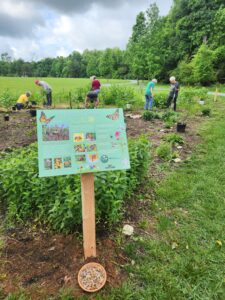
By installing the gardens in public areas, they also serve as demonstration sites to allow community members to connect with imperiled pollinator species and play a part in conservation efforts by replicating the gardens at their own homes. Educational signage was also installed with each garden that displays information about pollinator species, their importance, and how native plant gardens help them.


The first garden installation took place at the Lancaster County Library, and volunteers of all ages joined to plant a variety of native plants, including a group of high school students from Lancaster High School’s Agriculture department. The library’s garden is also on its way to becoming a Certified Wildlife Habitat, which provides natural sources of food, water, cover and places to raise young and is maintained in a sustainable way that incorporates native plants, conserves water, and does not rely on the use of pesticides.


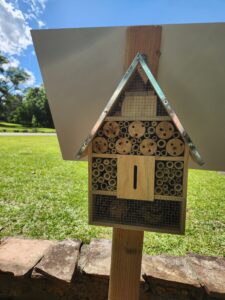
At Andrew Jackson State Park, park staff and volunteers helped to clean up the existing pollinator garden and planted more native plants. The Friends of Andrew Jackson State Park donated a pollinator house to the park’s garden, which provides nesting sites for pollinators that nest in cavities or burrows.


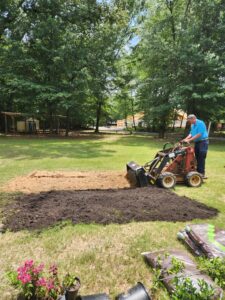
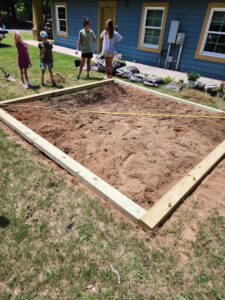
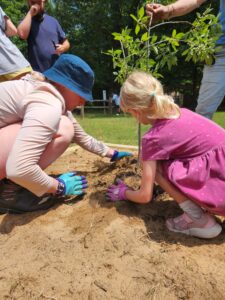
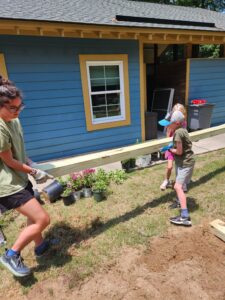
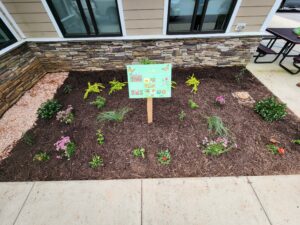
Camp Canaan is located on a 100-acre island along the Catawba River in Rock Hill, and the pictures above show the progression of a bare patch of grass to a brand new garden bed! The camp staff plans to incorporate the new garden into their environmental education program for their youth attending summer camp.

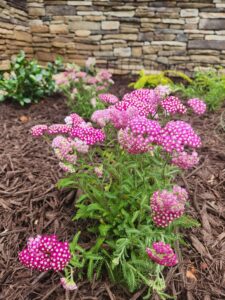
The Catawba Nation is the only federally recognized tribe in South Carolina, and SCWF is honored to partner with the reservation’s Wildlife and Habitat Program on multiple conservation projects, including Project Prothonotary. The pollinator garden was installed just outside the reservation’s food distribution center, which holds a weekly farmer’s market for those who live on the reservation. Juncus, commonly known as rush, is a culturally significant plant that was added into the garden, as well as the endangered Schweinitz’s sunflower.

Sun City Carolina Lakes Community is a Certified Community Wildlife Habitat, and the pollinator garden is just one of the many ways their community is making a difference for wildlife. Visitors enjoy seeing monarch butterflies fluttering around in the garden, and we even spotted an adult monarch laying eggs on the milkweed that was planted years ago! Each garden also received a pollinator waterer, which is made using a shallow terra cotta saucer filled with stones for pollinators and insects to easily crawl out after getting a drink of water or cooling off.


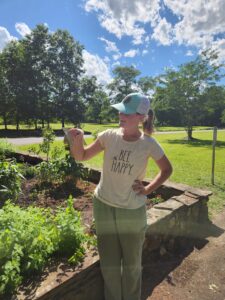
Savannah Jordan, SCWF’s Habitat Education Manager who led the project stated, “Each garden plays such an important role in providing and connecting habitat for pollinators. No matter how large or how small their size, each one makes a difference. To see pollinators like bees and butterflies checking out the plants right after we put them in the ground goes to show that if you plant them, they will come!”

Savannah Jordan, SCWF’s Habitat Education Manager, stands still as a butterfly lands on her hand, almost as if to say “thank you”!


SCWF would like to thank Skyline Design and Landscape for their assistance in the design and installation of the garden, as well as providing all the native plants and materials. SCWF is also grateful for the following partners and volunteers for their involvement: Andrew Jackson State Park, Camp Canaan, Catawba Nation, Lancaster County Library, and Sun City Carolina Lakes Community


This project was made possible by Duke Energy’s Catawba-Wateree Habitat Enhancement Program.


Palmetto Outdoor Women’s Retreat was a huge success!

“This (POWR) retreat made me realize the areas I had a good foundation in, filled in some other knowledge gaps, and gave me confidence to do these outdoor activities by myself.”


This comment and others like it, is why the SC Wildlife Federation continues to offer their signature Palmetto Outdoor Women’s Retreat or POWR.  This retreat, POWR, has been introducing women to the outdoors for nearly 30 years. During the event, women can select a variety of classes ranging from water sports to shooting sports to other outdoor recreational activities.


Each class is led by patient instructors who introduce participants to the topic in a very safe and non-intimidating environment.


“Our goal with POWR is to do just what that participant said.  We want them to gain the confidence to do the outdoor activities by themselves or with friends and family members,” said BeBe Dalton Harrison, director of Education for the SC Wildlife Federation.  Harrison adds, “Once women feel confident, they can get gear that they are most comfortable using and set out on their own adventures”.


Through partnerships with Comporium, Quantum Fishing, the South Carolina Department of Natural Resources, the Chattooga River Fly Shop, and several supportive volunteers, SCWF is proud to offer women this hands-on approach to learning outdoor skills.


In addition to the weekend event, SCWF offers several one-day events called POWR+ for women including our upcoming POWR+ Coastal Kayaking Experience on June 9 in Mt. Pleasant, SC.


Thank you to our partners and sponsors!

The Retreat is presented by the South Carolina Wildlife Federation. We are especially grateful to our sponsors, Comporium and the SC Department of Natural Resources. We are pleased to have the support of several outfitters and organizations including Angling Women, Chattooga River Fly Shop, Clemson Extension, and Quantum Fishing. These partnerships enable us to provide a wide variety of activities conducted by a diverse group of expert instructors. A special thank you is due to the numerous individual volunteers who so willingly donate their time to share their knowledge and expertise.


2024 – 2025 Scholarship Recipients

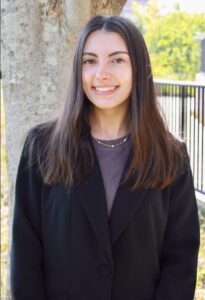
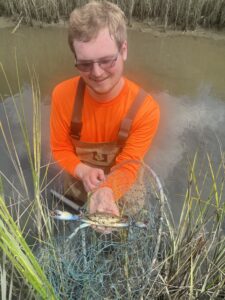
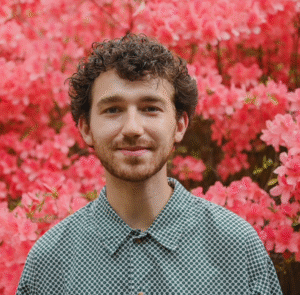
A committee of the South Carolina Wildlife Federation board is proud to announce the selection of the 2024/2025 scholarship recipients. Congratulations to Kejsi Gjini, Christopher Pettengill, and Jada Bollmeyer for their selection as SCWF scholarship winners and to Leah Roberts for being selected for the Nicole Chadwick Memorial Scholarship. These impressive young conservationists are all motivated to use science-based solutions to make an impact on the world around them.

Leah Roberts is senior at Clemson University, where she is an environmental and natural resources major with an emphasis in conservation biology with minors in biological sciences and wildlife and fisheries biology. Leah has already had the opportunity to work as an undergraduate research assistant on three ecology projects, the most recent of which was on small mammal ecology. Leah is also a passionate volunteer and is involved with many environmental projects throughout the year at Rocky River Park through Anderson University. Her long-term goal is to be wildlife ecology or biology professor.

Jada Bollmeyer, a junior majoring in environmental studies at the University of South Carolina, has been passionate about environmental advocacy since age 11. She truly believes that one person can make a difference, and plans to use her “voice and unwavering dedication to this field to progress South Carolina’s environmental efforts while uplifting marginalized communities for the sake of not only the state, but the planet as a whole.” After she graduates, Jada plans to work in clean energy and advocate for a transition to renewable power, especially community solar. She hopes to use her education to promote more inclusive energy policies through environmental outreach and improved program design.


Christopher Pettengill is a graduate student at Clemson University where he is a wildlife and fisheries biology major. Perhaps because his lifelong interest in ecology and human impact started at a young age, Christopher is passionate about ensuring that future generations also get to experiences our natural resources. He is especially interested in how human actions impact our environment. In his professional career, he hopes to improve habitat quality and ecosystem services.

Kejsi Gjini, a senior environmental studies major at the University of South Carolina, cares deeply about addressing climate change and also about sustainable management of natural resources. He is “passionate about creating solutions that mitigate climate change while ensuring that communities, particularly the most vulnerable, are able to participate in the planning and the benefits of a more sustainable world.” After completing this degree, he plans to apply to a master’s program in Earth and Environmental Resource Management (MEERM) so that he can conserve natural ecosystems in a way that also helps humans.


SCWF is honored to be able to distribute educational grants to full-time students pursuing a degree in any environmental field at South Carolina schools of higher education. Both undergraduate and graduate students are eligible, based on their performance in academia and in related community activities. These scholarships are funded by contributions from generous individual donors in addition to the ongoing support received from these funds:

  •  D. L. Scurry Foundation provides educational scholarship funds for individuals attending colleges, universities and technical schools in South Carolina.
  •  The Riverbanks Conservation Support Fund (CSF) provides financial assistance for conservation oriented projects/programs worldwide that promote preservation of the Earth’s biodiversity.
  • The Nicole Chadwick Memorial Fund honors the legacy of an endangered species biologist who made a long-lasting impact on wildlife conservation in South Carolina.

City of Columbia changes ordinance to support landscaping for wildlife

Published May 08, 2025 in The Columbia Star


Columbia’s City Council recently approved a change in its nuisance ordinance to allow for “naturalistic” gardens—landscapes that favor native plants and support native wildlife. Previously, vegetation was required to be kept shorter than 12 inches. Now, gardeners may register their naturalistic gardens with the city’s ordinance enforcement office to avoid citation for having what may look to some as no more than an overgrown or untended space.

Columbia appears to be, if not the first, among a very few jurisdictions within South Carolina to explicitly welcome landscaping for wildlife. This continues the commitment made when the city became a National Wildlife Federation Certified Community Wildlife Habitat in 2019, working to “restore wildlife habitat and educate and engage community members.” The South Carolina Native Plant Society Midlands Chapter, supported by the South Carolina Wildlife Federation and Gills Creek Watershed Association, worked with the city to accomplish the ordinance change.

Landscaping with native plants to support pollinators, butterflies, fireflies, birds, and other wildlife is important because we are losing so many of these elements that make our community feel like home. We want to see butterflies by day and fireflies at night. Lawns have been described as ecological deserts. A good wildlife habitat garden, on the other hand, provides food, shelter, and places to raise young—in bird nests, old flower stalks, and native grasses.

To register a property’s naturalistic landscape, download the required form and mail or email to the address on the bottom of the form. Applicants must provide proof of the landscape’s certification from a recognized program such as National Wildlife Federation Backyard Wildlife Habitat, Gills Creek Watershed Champion, Clemson Carolina Yard, or other conservation organization. Residents who do not have a certified yard may request a visit from the Code Enforcement Division to register.

The South Carolina General Assembly recently followed the city’s lead in supporting native plants by passing a concurrent resolution to “recognize the essential value and importance of South Carolina native plants to the state’s environment, landscape, agriculture, history, and economy, and to encourage state agencies, local governments, and private landowners to use native plants for landscaping, erosion control, and vegetation management whenever possible to promote the viability of migratory and nonmigratory pollinators and to help to preserve South Carolina’s unique flora and fauna.”

The South Carolina Native Plant Society and its Midlands Chapter work to protect, restore, and educate about native plants. The Midlands Chapter hosts an educational program every other month and numerous field trips and service opportunities.


Certify your yard with the South Carolina & National Wildlife Federations HERE.


See the new City of Columbia Ordinance HERE.

WAIT Partner Update: Lonza

I visited Lonza for the first time at their facility in Greenwood, SC, shortly after they joined the WAIT program in 2018. While taking a walk on their nature trail, which passes by some of the 70 acres of mixed hardwood forest that surrounds their property, I forgot that I was still on a property where hundreds of employees worked.


The pollinator garden that was created 7 years ago is still going strong and supports many types of insects and arachnids, which in turn, supports an abundance of native wildlife on the property.

Image caption: The spiny oakworm caterpillar and the walnut sphinx moth caterpillar are both good examples of species that are supported by the mixed hardwood forest on Lonza’s property.


To better connect employees to the outdoors, a courtyard was created to give the employees a safe and natural place to relax and enjoy the fresh air and sunlight the area offers. Two outdoor seating areas, where furniture using recycled materials were used, create additional areas for employees to connect with the outdoors during breaks. A solar powered charger was even installed for employees needing to recharge their devices. With plans to install interpretive nature signs at these outdoor break areas, Lonza’s WAIT team looks to further educate employees about native wildlife and ways to connect with it!


Thank you Lonza for all of your hard work and dedication to wildlife conservation on your property!


Why WAIT?

SCWF partners with conservation-minded businesses throughout the state who want to help wildlife thrive by enhancing their properties and providing educational opportunities for their employees and communities. Read more about the WAIT Program and how to join here.

Banner image credit: Ruby-throated hummingbird on salvia by Susan Stamey.