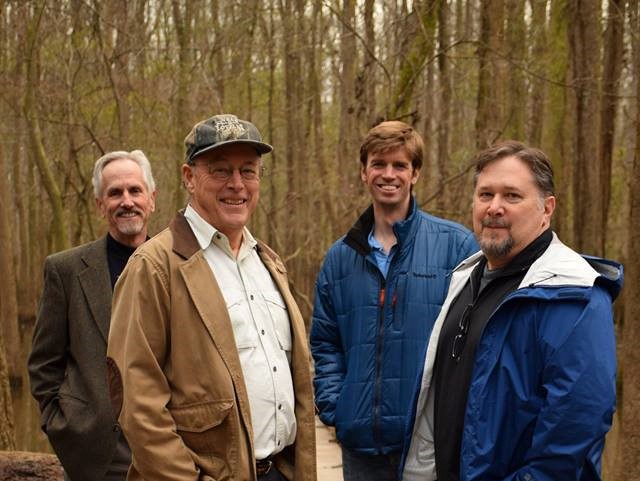
Thanks to all who came out to our New Year New Members Event last night at Columbia Craft Brewery! Click on the photo below to scroll through the slideshow of photos…

Keep South Carolina Wild
Thanks to all who came out to our New Year New Members Event last night at Columbia Craft Brewery! Click on the photo below to scroll through the slideshow of photos…
The SC Wildlife Federation has announced that they are seeking an Executive Director as current Director, Ben Gregg, has announced his retirement.
After 12 years as SCWF Executive Director, Mr. Gregg will retire on February 1. Carrying on an 87-year organizational legacy dedicated to preserving our natural environment, the 35-member volunteer Board acknowledges and salutes his passion and leadership.
Peers across the state and country recognize Mr. Gregg’s critical role with break-through development successes in three core strategic areas: outdoor education for all ages, habitat enhancement from backyards to major corporate land holdings and, forging leadership coalitions for legislative advocacy on dozens of fronts.
Chair of the Board, Jason Burbage, points to a rare skill possessed by Ben: “The ability to have legislative folks comprehend why, South Carolinians are determined to make sure our decisions today will enhance our grandchildren’s ability to enjoy a pristine natural world we will pass on to them.”
SCWF is one of 51 state non-profit organizations affiliated with and guided by the National Wildlife Federation, headquartered in Washington, DC. Ben has built the SCWF staff into a highly talented, motivated and efficient team that has challenging goals for 2019.
Ms. Sara Green, senior staff member and Education Director will take-on responsibilities as Interim Director.
A Board appointed Search Committee has begun the process to identify qualified candidates interested in taking on this important position. Job Description details can be found on the posted position description linked here:
Greetings SCWF Wildlifer:
Hope the cooler weather is to your liking. We at SCWF were ready for some relief from the heat in September, but it never happened. We have noticed that fall colors are behind, but they should be coming on strong in the next two weeks. We also have noticed that there are a number of birds that have delayed migration. I had kept my feeders out in the mountains and saw a hummingbird on October 28th – latest ever!
2018 has been an extremely busy and fulfilling year for the Federation. On the habitat front, we are bringing in more and more manufacturing sites to our Wildlife and Industry (WAIT) program. Industries around the state are maximizing their commitment to wildlife management on lands that are wildlife-friendly.
In addition, we are in the middle of a campaign to increase wood duck boxes and osprey platforms in the Wateree River area. We also now have Jay Keck coordinating more and more activities around improving habitat for monarchs, pollinators and other insects as agriculture activities have diminished the building blocks for wildlife in a significant way.
With education our annual Midlands Master Naturalist certifications and Women’s Outdoor Retreats were better and bigger than ever. The Palmetto Pro Birder classes are selling out quickly, and more and more people are participating. Let us know if you are not on our email list because the best way to keep up with the schedule and sign up early is through our regular email blasts.
On the advocacy side, we had a huge success this year with passage of a new Conservation Bank law that makes the Bank a permanent state agency. We are now making plans to ask the state legislature for increased Bank funding as the number of people participating in outdoor activities increases and wildlife is being pushed out of prime habitat through commercial and residential development.
We are blessed to have such wonderful conservation partners in our various coalition efforts as we fight to keep seismic blasting and oil/gas development out of the South Atlantic. We also are blessed by our hundreds of loyal individual supporters, and we hope you will continue to be a part of South Carolina’s first conservation group. Still growing stronger after 88 years.
Ben Gregg
Executive Director

SCWF Executive Director, Ben Gregg, has announced his retirement from the SC Wildlife Federation effective February 1st. See below for official announcement directly from Ben.
Ben has dedicated his life to conservation and advocacy for the great outdoors. Thank you, Ben, for everything you’ve done for South Carolina in the 12 years that you have served as our Executive Director. We will miss you!
Dear SCWF Members, Supporters, Conservation Partners and Friends:
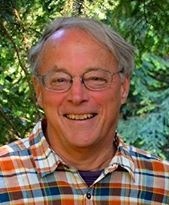
My twelve years at the helm of the South Carolina Wildlife Federation have been extremely rewarding thanks to our dedicated board, committed staff, generous members and amazing conservation partners. Last spring I shared with the Board’s executive committee that I wanted to plan for my retirement, and we have agreed on February 1 as my last day.
As it has been since our founding in 1931, the challenges for wildlife have continued to escalate, but I am confident that the organization is well-prepared for new leadership.
At SCWF, we are and will continue to be about three things:
There is outdoor education – for all ages! Citizen Science is now at the forefront of all our education endeavors as we build an army of trained volunteers in every county. Our Palmetto Pro Birder, Midlands Master Naturalist and Women’s Outdoor Retreat programs include quality training while also providing opportunities for fun and fellowship. We have around 500 enthusiasts involved annually, and most stay involved by returning for outings and participating in a range of citizen science and service projects.
Second but no less important is habitat protection and enhancement from backyards to major corporate land holdings. This task becomes more important every day as our farmlands, forests and open space are being bulldozed at a blistering pace. We also give recognition to neighborhoods and schools that are doing their vital part in protecting native habitat for wildlife.
And third is advocacy.
SCWF along with our conservation advocates have been victorious on a number of fronts over the past decade. With our partners, we have stopped the last proposed SC coal-powered plant from being built; forged an unprecedented coalition to keep oil and gas development from ruining our coastal beaches and salt marshes; passed legislation that authorizes the Conservation Bank as a permanent state agency and increased the footprint of healthy long leaf pine forests so critical for wildlife.
These are just some of the highlights, but as the saying goes, no conservation victory is forever.
The challenges ahead are immense. To list just a few:
Sadly, many elected officials in South Carolina continue to ignore a complex of conservation challenges that need immediate action.
On the other hand, time after time a majority of South Carolinians from every walk of life are behind us, and in a democracy, that is crucial.
I’m looking forward to staying in touch. You will never know what an honor it is to be part of such a thriving and absolutely critical effort. We do not prevail every time but almost without exception, our positions are proven right in the long run.
I am thankful to have had the opportunity to join a distinguished group of leaders who have served as advocates for wildlife over the Federation’s 88 year history. And I look forward to seeing you as we continue to advance the cause for our cherished wildlife in the coming years.
Our board also wanted me to let you know that Sara Green, Education Director will become interim director while an in-depth search for a new director follows.
Thanks so much,
Ben Gregg
Executive Director
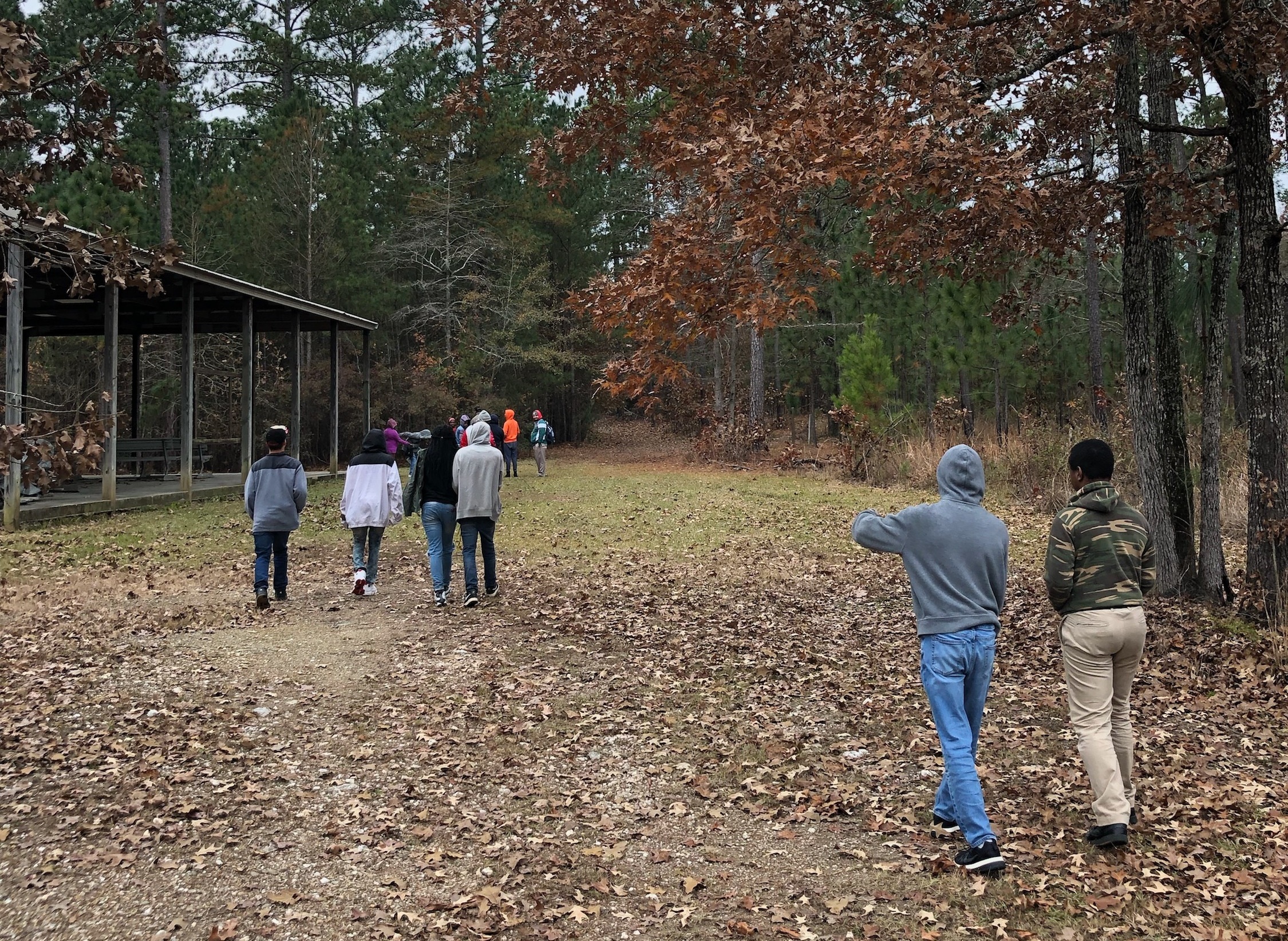
On SC Arbor Day, December 7th, SCWF Habitat Education Manager, Jay Keck, took a couple classes from Richland School District One’s Heyward Technology Center to Harbison State Forest to talk birds and snakes, plant native perennials and trees, and to take a nature walk. SCWF has been partnering with the SC Forestry Commission to take these classes on a field trip each semester for several years. Thanks to Matt Schnabel and Beth Foley of the SC Forestry Commission for hosting!
A note from Jay about the day: “Unfortunately a lot of these children don’t have the opportunity to explore the outdoors. It was amazing to hear and see their reactions to a new world. If you want to experience this reaction, take a child outdoors!!! You’ll love it! I look forward to many future events like this.”


National Wildlife Magazine – Working for Wildlife
December 2018-January 2019
by Mark Wexler
AFFILIATE SPOTLIGHT: SOUTH CAROLINA WILDLIFE FEDERATION
Sport and nature advocates
From hunters and anglers to birders and gardeners, the South Carolina Wildlife Federation (SCWF) has represented generations of outdoor enthusiasts on conservation issues since its start 87 years ago. “We are continuing our legacy of insisting that science, not politics, remains at the forefront in decisions affecting our wildlife,” says SCWF Executive Director Ben Gregg.
This NWF affiliate works with organizations fighting against proposed energy exploration along the state’s fragile coast. In central South Carolina, with support from partners, SCWF is putting up dozens of nest boxes to help restore the region’s wood duck population. It is also working with 30 of the state’s largest industries to convert their lands to sustainable habitats.
Committed to education, SCWF trains volunteers for citizen-science projects, provides courses in fishing and other outdoor skills for women, encourages homeowners to grow native plants to help wildlife, and helps schools create wildlife habitats where students can study nature. “We’re especially focusing on teaching kids about the roles pollinators play in our lives,” says SCWF Director of Education Sara Green. “What youngsters learn today will help build the next generation of South Carolina conservationists.”
https://www.nwf.org/Home/Magazines/National-Wildlife/2019/Dec-Jan/Conservation/Working-For-Wildlife
Disappearing habitat is a problem worldwide. Most endangered species have that status because of habitat loss. Two thirds of the world’s forests are already gone.
Most people feel helpless when it comes to saving the forests around the world, but there are so many things you can do right in your own backyard and community to create wildlife habitat and make a big difference. The S.C. Wildlife Federation (SCWF) partners with the National Wildlife Federation to provide recommendations for creating and enhancing wildlife habitat in backyards as well as at schools, businesses, parks and throughout entire communities.
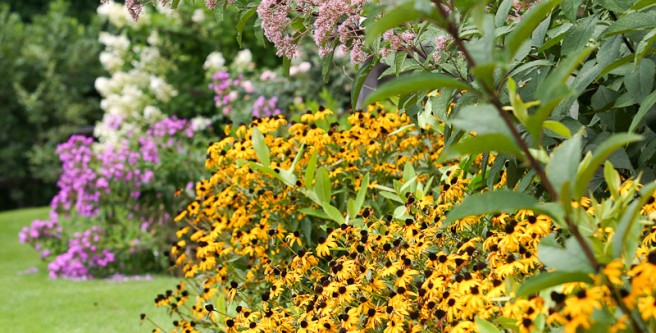
There are some small changes a homeowner can make that will make a big difference for wildlife. One of the best things you can do is plant native plants and trees — this re-establishes the local ecosystem. Native plants have formed symbiotic relationships with native wildlife over thousands of years and therefore offer the most sustainable habitat.
A plant is considered native if it has occurred naturally in a particular region, ecosystem or habitat without human introduction. Exotic plants that evolved in other parts of the world, or were cultivated by humans into forms that don’t exist in nature, do not support wildlife as well as native plants. Occasionally, they can even escape into the wild and become invasive exotics that destroy natural habitat.
Native plants help the environment the most when planted in places that match their growing requirements. They will thrive in the soils, moisture and weather of your region, which means less supplemental watering and chemicals are needed. Native plants also assist in managing rainwater runoff and maintaining healthy soil as their root systems are deep and keep soil from being compacted.
Discovering the native plants where you live can also define a unique sense of place and heritage for your garden habitat while preserving the natural history of the flora and fauna of your region.
In designing your habitat garden and choosing plants, strive for an “edge habitat,” which is a smooth transition area between two adjacent habitats. For example, smaller trees and shrubs create an edge between a mature forest and a meadow. You will have a higher number and diversity of wildlife in this transition zone because species from each of the different habitats overlap in the “edge.”
The SCWF has a list of native plants with a high wildlife value on its website at www.scwf.org. These plants either provide berries, seeds, nuts or nectar for birds, insects and other backyard wildlife, or they provide evergreen cover and nesting sites.
You can add supplemental cover by leaving hollow trees standing, or with the addition of a brush pile. Nesting sites can be added with a variety of styles of bird boxes available from the SCWF or from your local garden center.
In addition to planting a variety of native plants, it is essential to provide a source of fresh water year-round for wildlife. You can provide this habitat component in a variety of ways, from a simple birdbath or shallow dish of water to a water garden or pond. The sound of running or dripping water will attract a great diversity of wildlife to your yard.
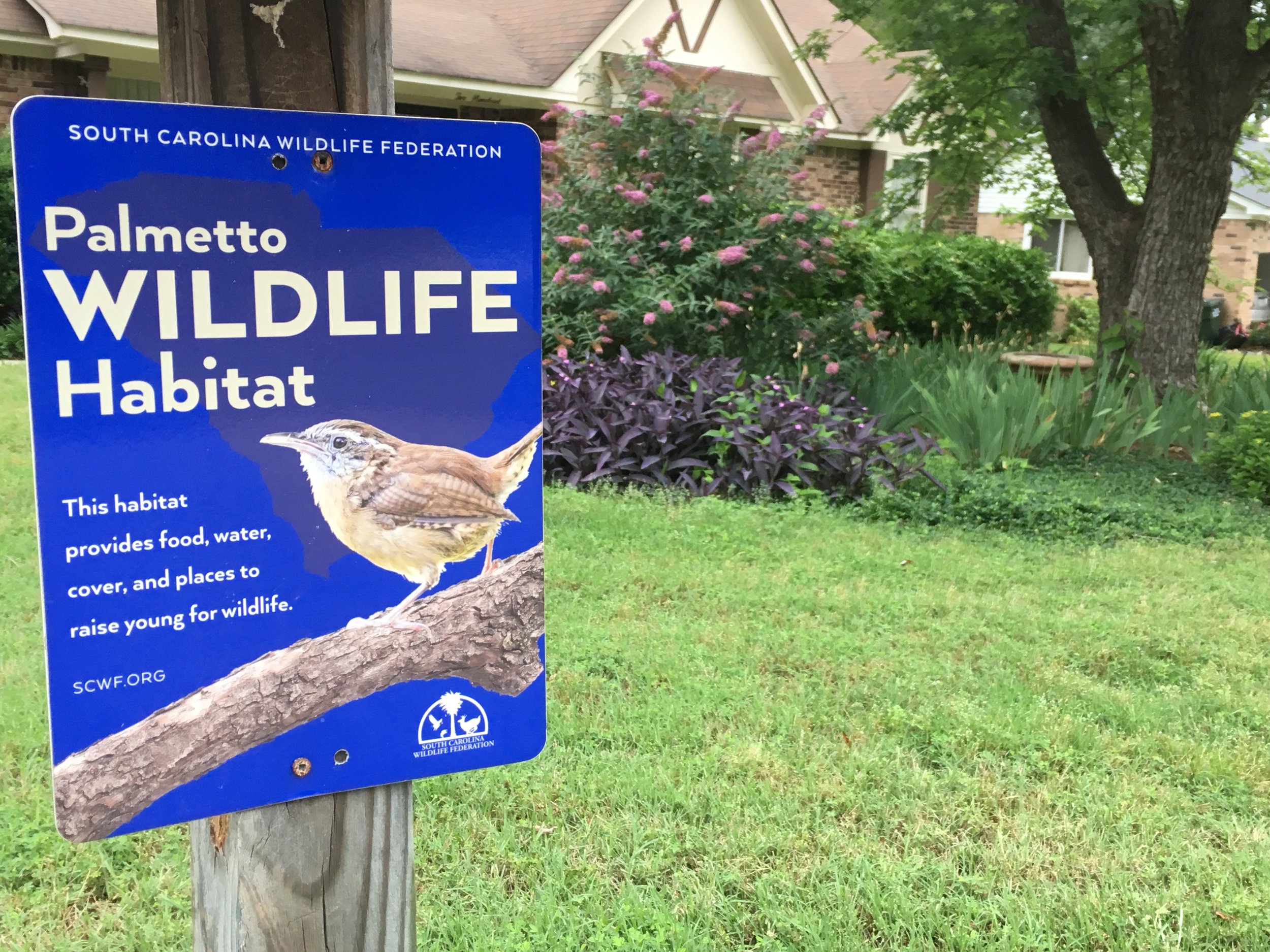
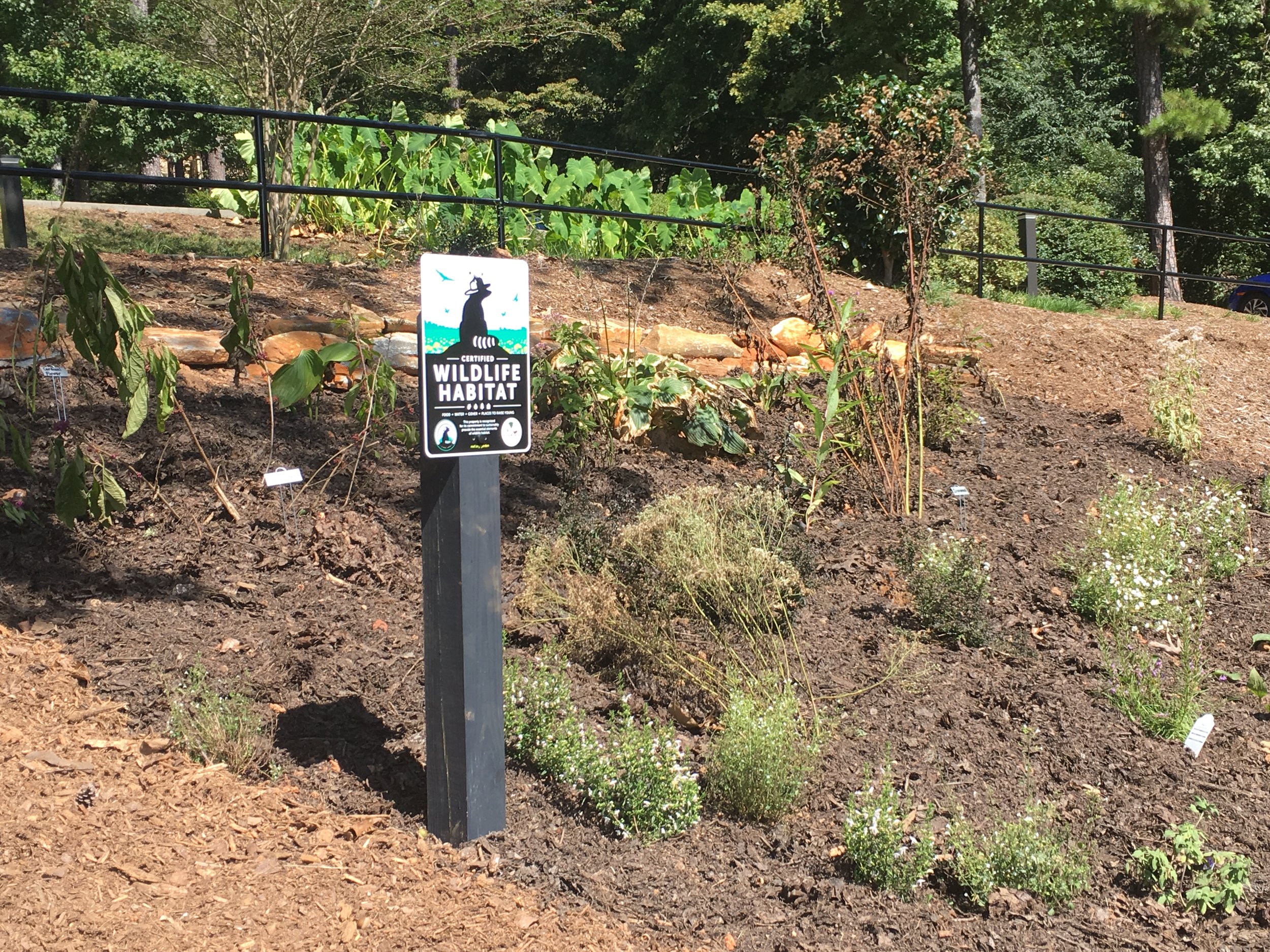
By providing food, water, cover and places to raise young, your yard can become certified as an official wildlife habitat. You can also go beyond your backyard and create wildlife habitat at your local park, library, church, school or business. The SCWF also certifies industry sites, and you can even have your whole community certified by the National Wildlife Federation.
South Carolina currently leads the nation in the number of certified wildlife habitats per capita! You can help us maintain our lead by enhancing wildlife habitat in your own yard, having it certified, and then sharing this information with others in your community and encouraging them to also make a positive impact for wildlife in their own yard.
The mission of the S.C. Wildlife Federation is to conserve and restore South Carolina’s wildlife and wildlife habitat through education and advocacy. For more information, please visit our website at www.scwf.org.
Sara K. Green is director of education with the S.C. Wildlife Federation.
South Carolina Wildlife Federation was recently awarded a federal grant to work with recreational anglers in four states. We will be partnering closely with the South Atlantic Marine Fisheries Council in its efforts to decrease mortality of snapper and grouper. This project is particularly important for the health of red snapper as regulators are in the early stages of re-opening the red snapper fishery for recreationists.

Mortality is due largely to a condition known as barotrauma (swim bladder expansion with pressure change) that affects hooked deep-water fish as they are reeled in to the surface. Fish released in this condition have a very poor chance or survival. Best practices to reduce such mortality include use of a descending device that allows a controlled return to the bottom and release once the fish equalizes to bottom pressure.
SCWF will focus on education and outreach for recreational anglers through developing and posting an online tutorial; making presentations to anglers and distributing 500 SeaQualizer devices. Our marine biologist, Steve Gilbert, will be coordinating these important efforts.
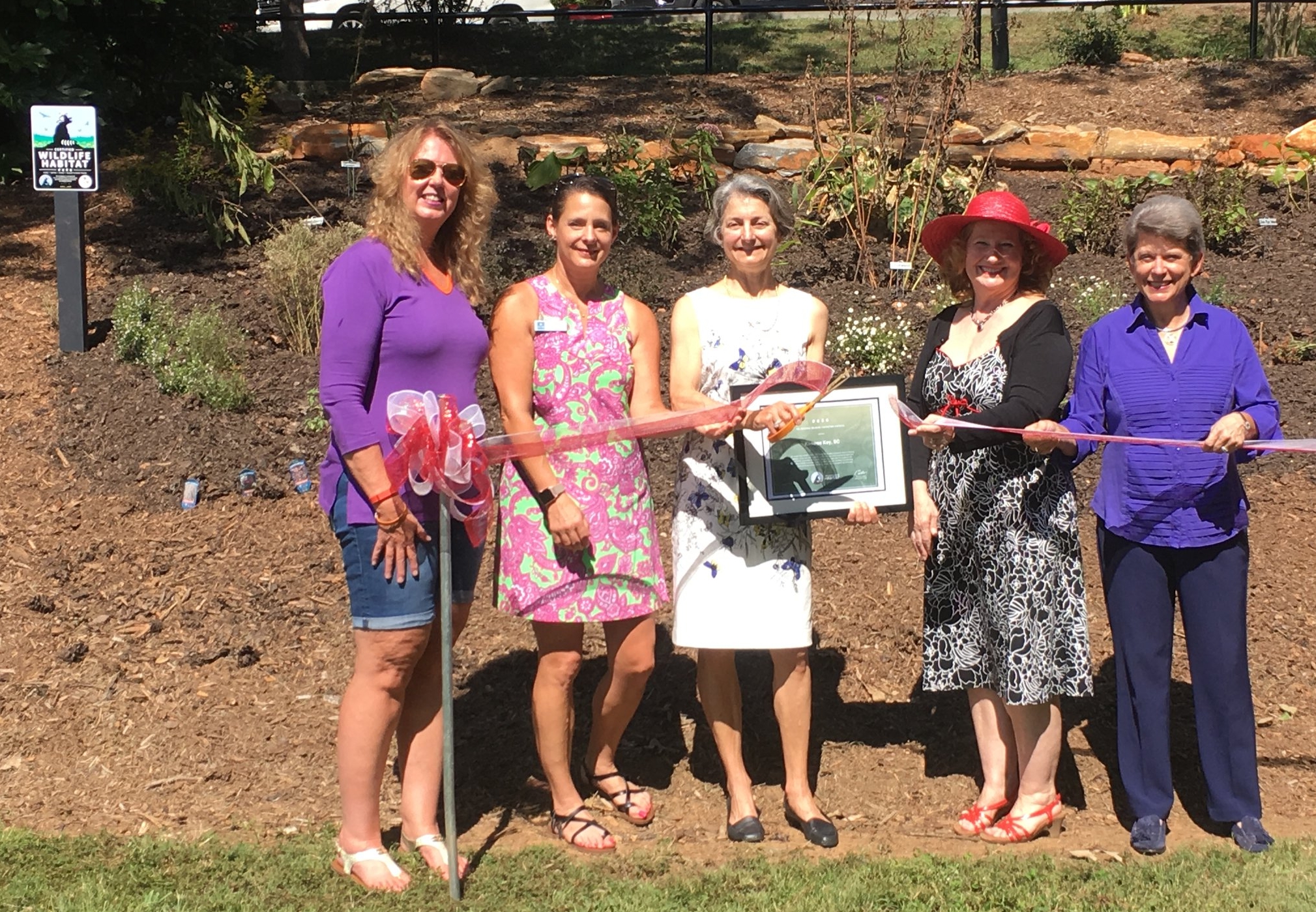
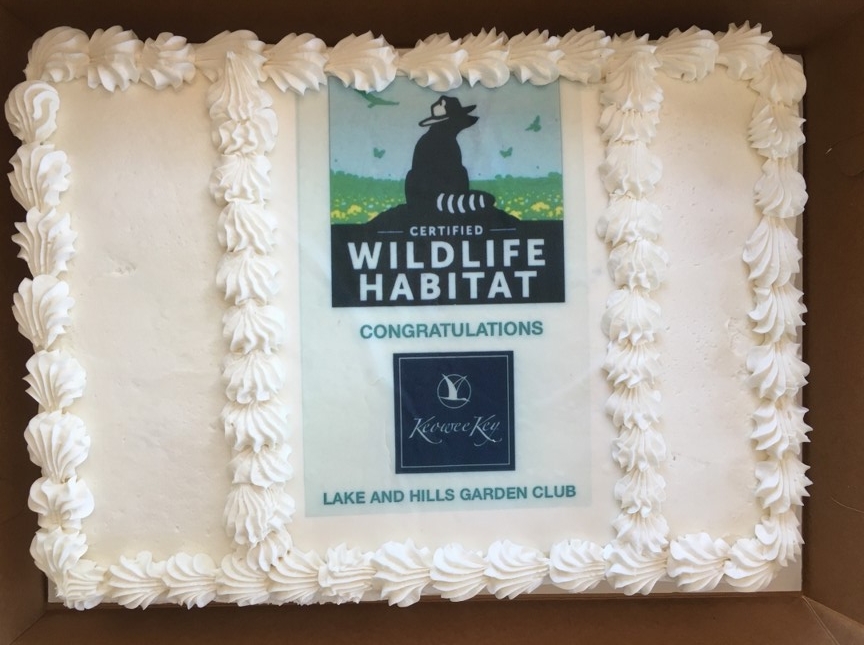
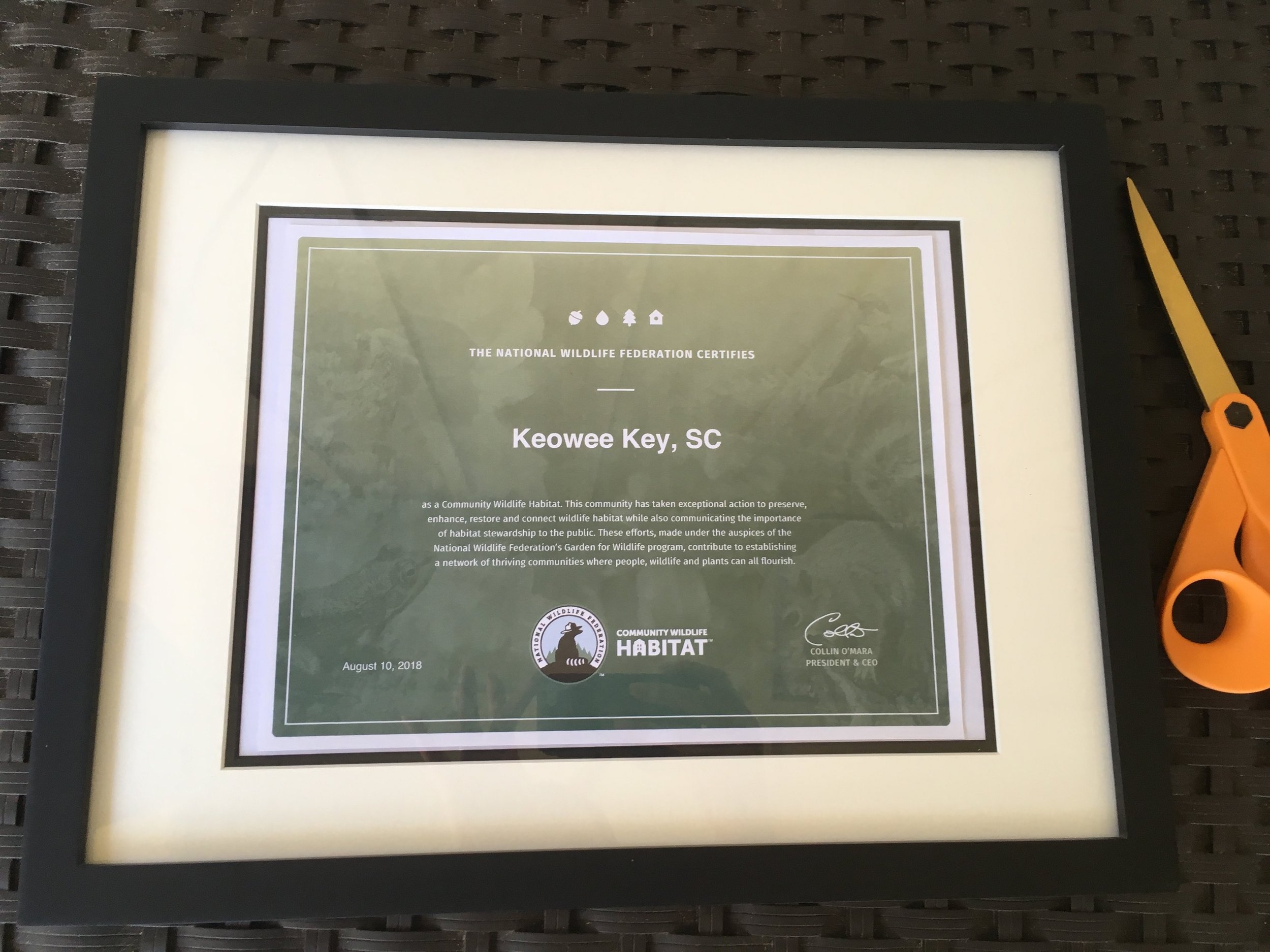
Leading a nationwide trend in community concern for habitat loss, Keowee Key has been officially designated an NWF Community Wildlife Habitat by the National Wildlife Federation (NWF). A Community Wildlife Habitat project creates multiple habitat areas in backyards, schoolyards, corporate properties, community gardens, parkland and other spaces. Keowee Key is the 112th community in the country and the 5th community in South Carolina to receive this honor. The other certified communities in SC are: Callawassie Island & Fripp Island in Beaufort County, Kiawah Island in Charleston County, and Briarcliffe Acres in Myrtle Beach.
NWF commends the dedicated residents of Keowee Key and the Lake and Hills Garden Club team for their wildlife conservation efforts and for coming together for a common purpose – to create a community where people and wildlife can flourish. At a time when communities are faced with the problems of losing habitat to development, Keowee Key stands out as a model for other communities to emulate.
Keowee Key certified 88 individual – owned properties and 4 common areas to complete the required points for certification.
“We are so proud to be the only certified community in the Upstate of South Carolina! This award shows the dedication of individuals in our community to conservation and preservation of their natural surroundings,” said Alice Guzick, Keowee Key Garden Club member and community property owner.
A Community Wildlife Habitat benefits the entire community of plants, wildlife, and people through the creation of sustainable landscapes that require little or no pesticides, fertilizers, and excess watering. These landscapes help keep water and air resources clean. They are healthier for people and the environment, and they are less resource-dependent than conventional landscapes. Habitat landscapes can serve to beautify our urban areas and give residents pride in their neighborhoods.
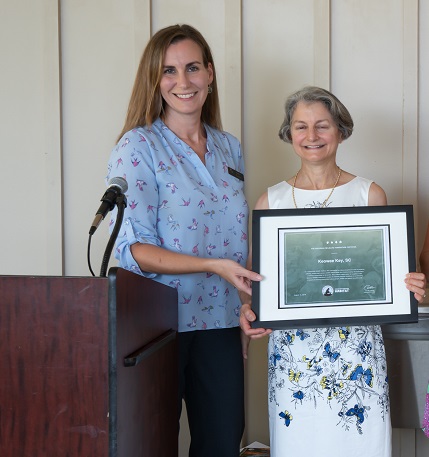
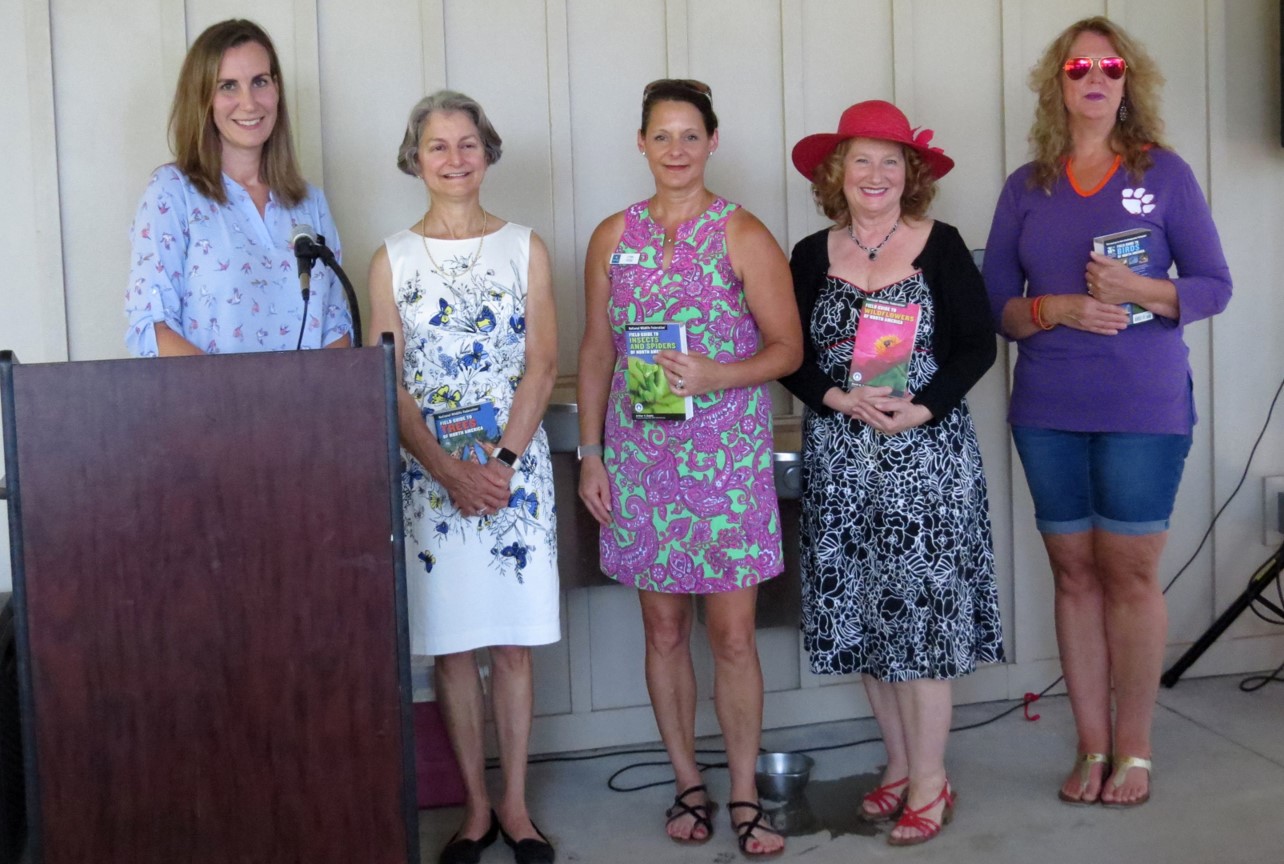
Keowee Key held a Certification Celebration on October 3, 2018, when Sara Green, Director of Education of the SC Wildlife Federation, presented the certificate to Alice and the Habitat Team. “The team at Keowee Key has sparked great momentum in creating Certified Wildlife Habitats, with more than 45 individual habitats certified since starting the program,” said Green during the celebration. “But one of the most impressive things about this community is the longevity of certified habitats – more than 20 residents had created Certified Wildlife Habitats over 15 years ago, and still maintain them! This longstanding love of wildlife throughout the community has helped Keowee Key certify much more quickly than other communities, in only 8 months!”
Click here for more information on Gardening for Wildlife and Certified Wildlife Habitats.
The South Carolina Wildlife Federation (SCWF) has named Jay Keck as their new Habitat Education Manager. In this role, he will plan, coordinate, implement and oversee education programs designed to encourage the creation or enhancement of wildlife habitat in backyards, parks, schoolyards, and business property.
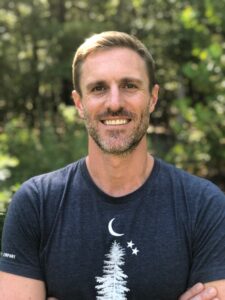
Growing up on Lake Murray, Jay has always enjoyed wildlife and the outdoors. After graduating from the College of Charleston in 2000, he worked in the private sector but always maintained a connection to the outdoors. His life took an unexpected turn in the summer of 2012 when he saw a Baltimore oriole for the first time. Since then, he spends most of his free time birding, learning about birds, and studying their various habitat needs. During the spring of 2014, he attended his first SCWF event. Being inspired by SCWF’s mission, he earned his Palmetto Pro Birder certification, and has led bird walks for SCWF as well as Saluda Shoals Park, Columbia Audubon, and private organizations. He has a passion and love for wildlife and hopes to inspire others to take a look at the life within our amazing planet.
Jay will be working with homeowners to enhance wildlife habitat, as well as partners at other places throughout SC communities including schools, churches, libraries, parks and businesses. There are four basic ingredients to turn any landscape into a productive wildlife habitat: year-round food source; water, especially during periods of droughts and hard freezes; cover where animals can hide from weather and predators; and safe places to raise young. The SCWF has certified more than 8,500 Certified Wildlife Habitats in South Carolina making it one of the top states in the nation in the number of certified sites per capita.
Jay has a special interest in expanding the SCWF’s Wildlife And Industry Together (WAIT) program. WAIT is designed to encourage corporate landowners to integrate wildlife habitat needs into corporate land management decisions. As South Carolina becomes increasingly developed, there is less land available for wildlife. Corporate landowners can offset habitat loss by devoting their under-utilized lands to wildlife. Lonza-Capsugel in Greenwood recently joined the SCWF’s list of WAIT partners, which also includes industries such as BMW Manufacturing, Michelin, Honda South Carolina, 3M, and many others. In total, there are 30 WAIT certified properties across the state that are benefiting wildlife in SC – that’s 30 sites providing a habitat for birds, mammals, amphibians, and reptiles, while at the same time producing oxygen and stabilizing the soil! Our focus on promoting the use of native plants on these properties will help create a network of areas that can be used by pollinators, including butterflies, and many other insects that support the ecosystem and biodiversity of the property.
“Jay’s experience and passion will be a great asset to our team,” said Sara Green, SCWF Director of Education. “He looks forward to connecting people of all ages with SC’s wildlife and finding ways we can all work together for wildlife conservation.”
You can contact Jay to find out more about how you can attract birds, butterflies, and other wildlife to your yard and your community, at: mail@scwf.org or (803) 256-0670.