Keep South Carolina Wild
February 03, 2026
We need your help to protect one of Charleston’s last undeveloped parcels from a harmful development plan.
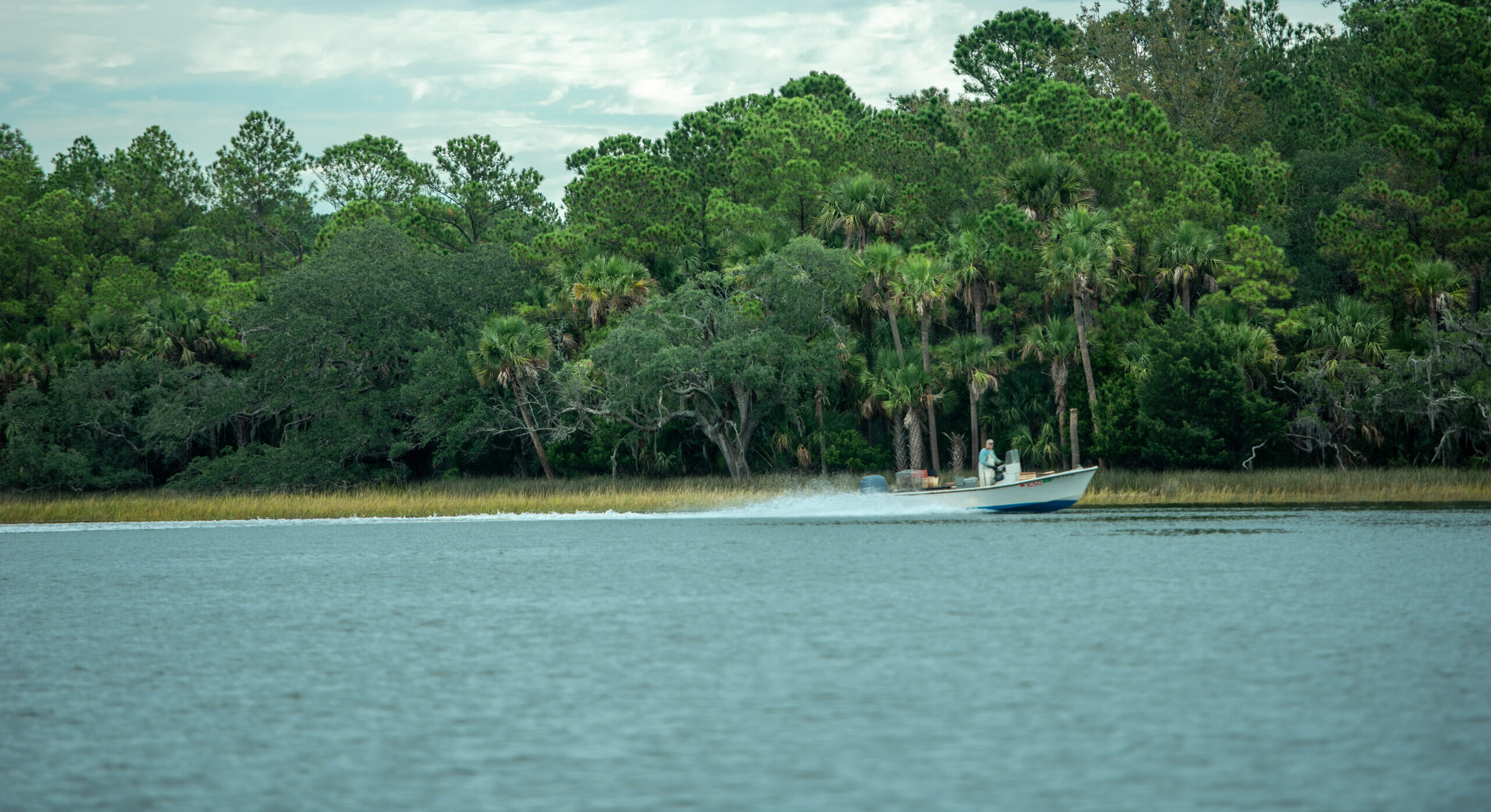
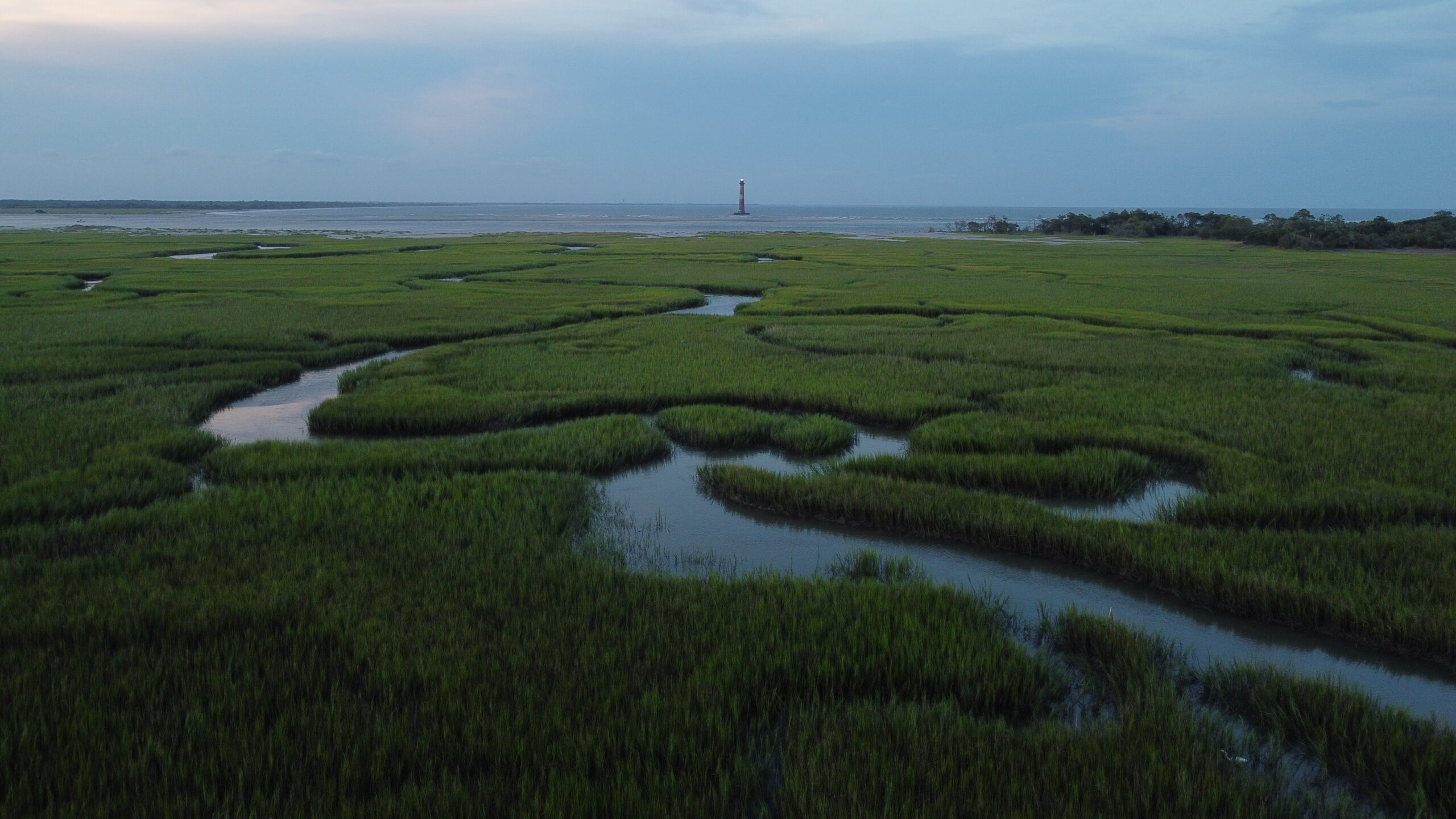
Developers are building houses and filling wetlands on one of Charleston’s most ecologically important and vulnerable tracts. Located about 20 miles north of Charleston, the Cainhoy peninsula is a virtually untouched landscape that currently provides habitat for endangered and threatened wildlife, has thousands of acres of wetlands and creeks, and borders the Francis Marion National Forest.
The development would be the size of a small new city and include at least 12,000 residential and commercial units, 700-900 docks, and tens of thousands of people, adding to the traffic issues already clogging up roads in Charleston. To build this, developers will fill nearly 200 acres of wetlands and place 45% of the homes in the floodplain.
The Cainhoy development site is already in a low-lying and flood-prone area, and filling wetlands that absorb water and putting homes in harm’s way only makes a bad situation worse. There are responsible ways to build, and the current plan is not one of them.
To stop this ill-advised plan, we’re urging Charleston City Council and the Mayor to protect Cainhoy by updating the development agreement they signed with the property’s landowners 30 years ago.
Join the South Carolina Wildlife Federation, Southern Environmental Law Center (SELC), Charleston Waterkeeper, and the Coastal Conservation League in urging Charleston leaders to protect this special place.
All photos by: ©Stephanie Gross/SELC
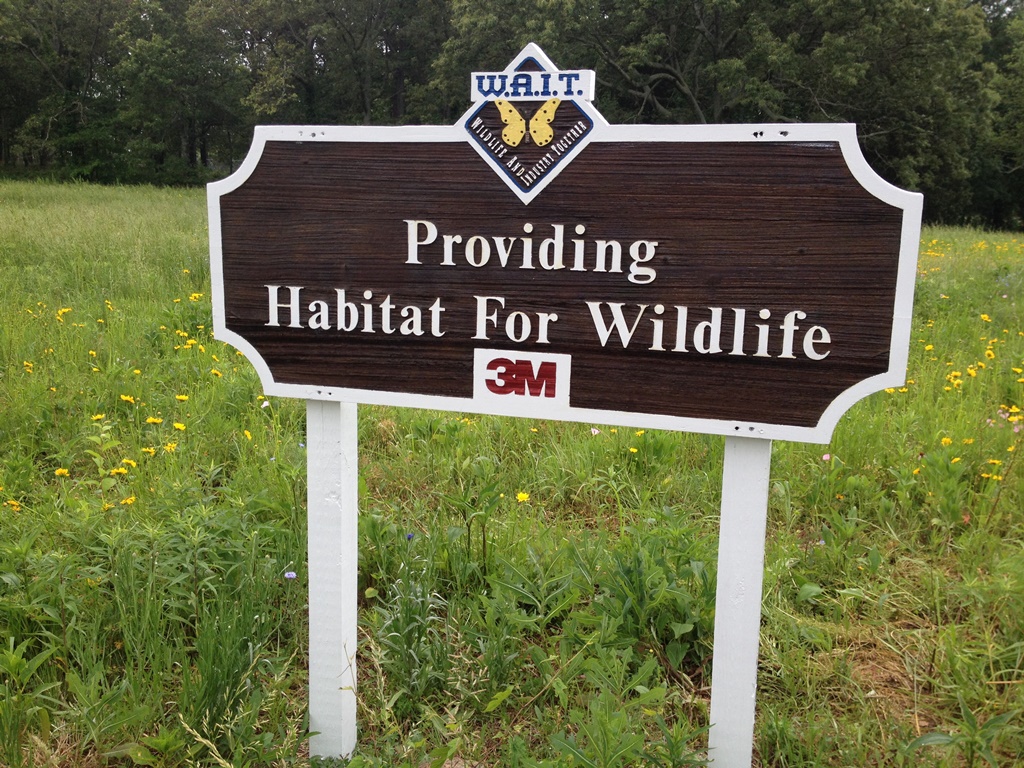
The South Carolina Wildlife Federation (SCWF) has re-certified 30 Wildlife And Industry Together (W.A.I.T.) sites for 2017. The W.A.I.T. program recognizes industries in South Carolina who are dedicated to protecting the...
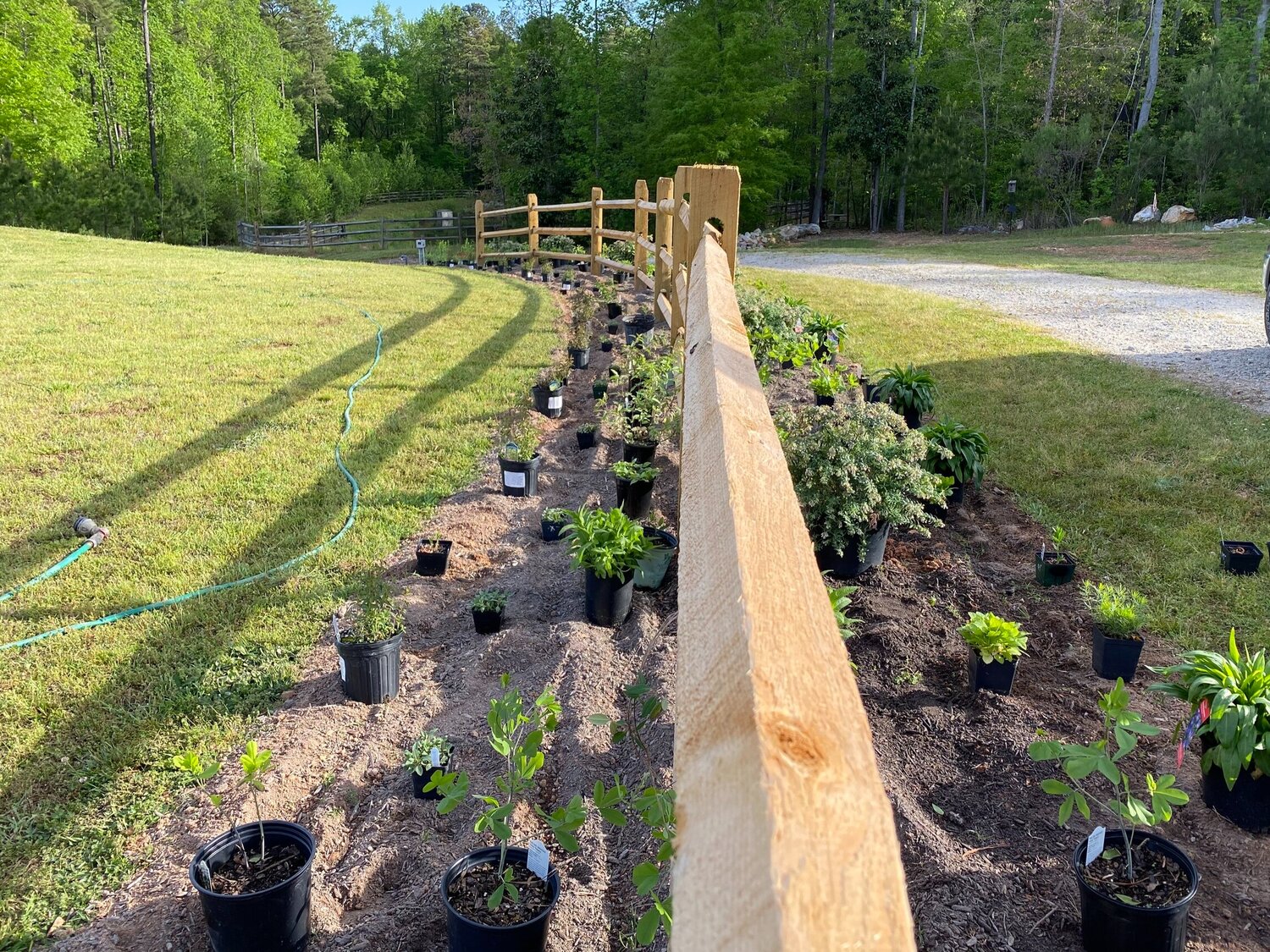
Thanks to a grant from Dominion Energy, SCWF has begun work to create a 17-acre nature park around Chapin Town Hall which will beautify the property and preserve natural wildlife...
Congratulations to the winners of the 2024 Wildlife Photography contest! It is always hard to select a winner because we have such talented photographers, and this year's contest was no...