Keep South Carolina Wild

Chapin is now a Certified Community Wildlife Habitat

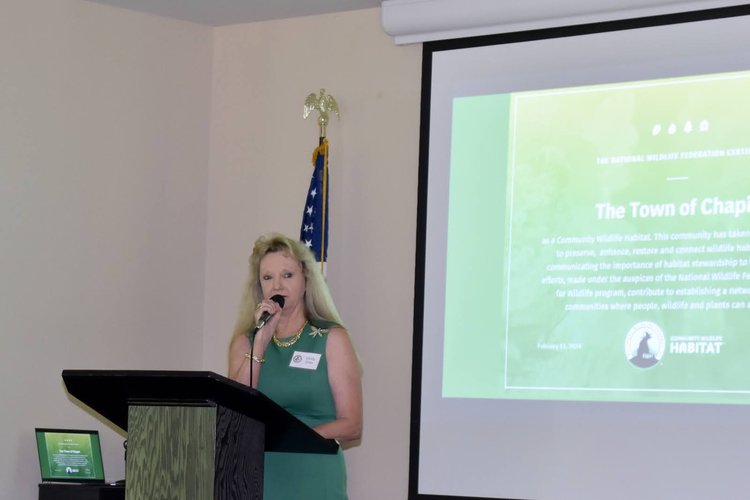
The town of Chapin was recently certified as a Community Wildlife Habitat! Chapin is now the 13th Certified Wildlife Habitat in our state and has joined over 300 other communities across the nation making a difference for wildlife. Chapin earned this impressive achievement by certifying over 180 homes, 3 parks, 4 schools, 3 places of of worship, and 5 businesses as Certified Wildlife Habitats.

Activity Highlights

This certification effort was led by Cindy Chin and the Chapin Garden Club, who named the project “Chapin Goes Green” when they registered their community back in June of 2021. These are just a few of their many accomplishments that have created healthier wildlife habitat and a healthier community:
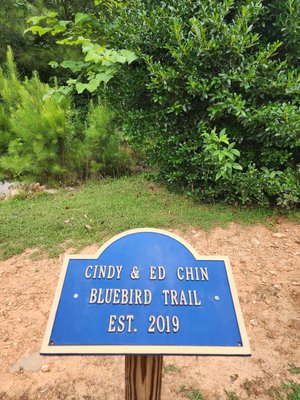
Bluebird trails

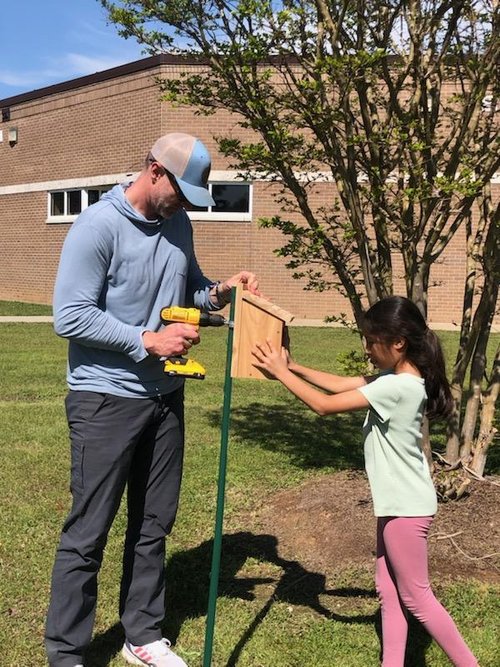
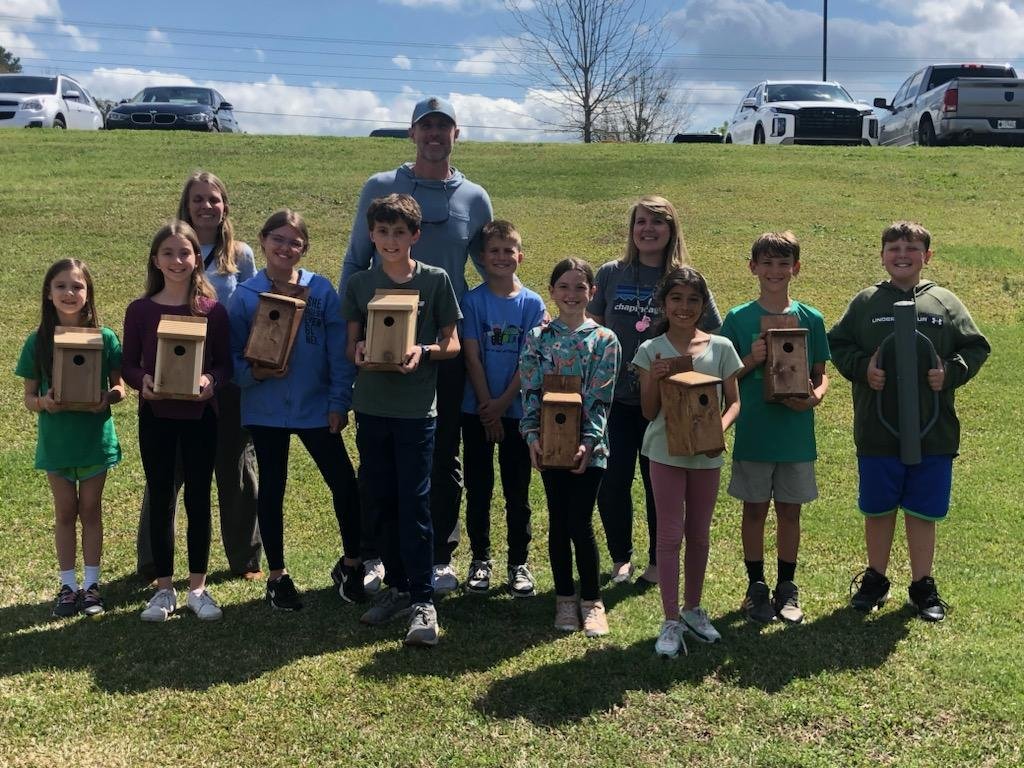
Worked with local schools to install bluebird nesting boxes, which now make up several bluebird trails that are maintained and monitored for nesting activity.

Educational classes

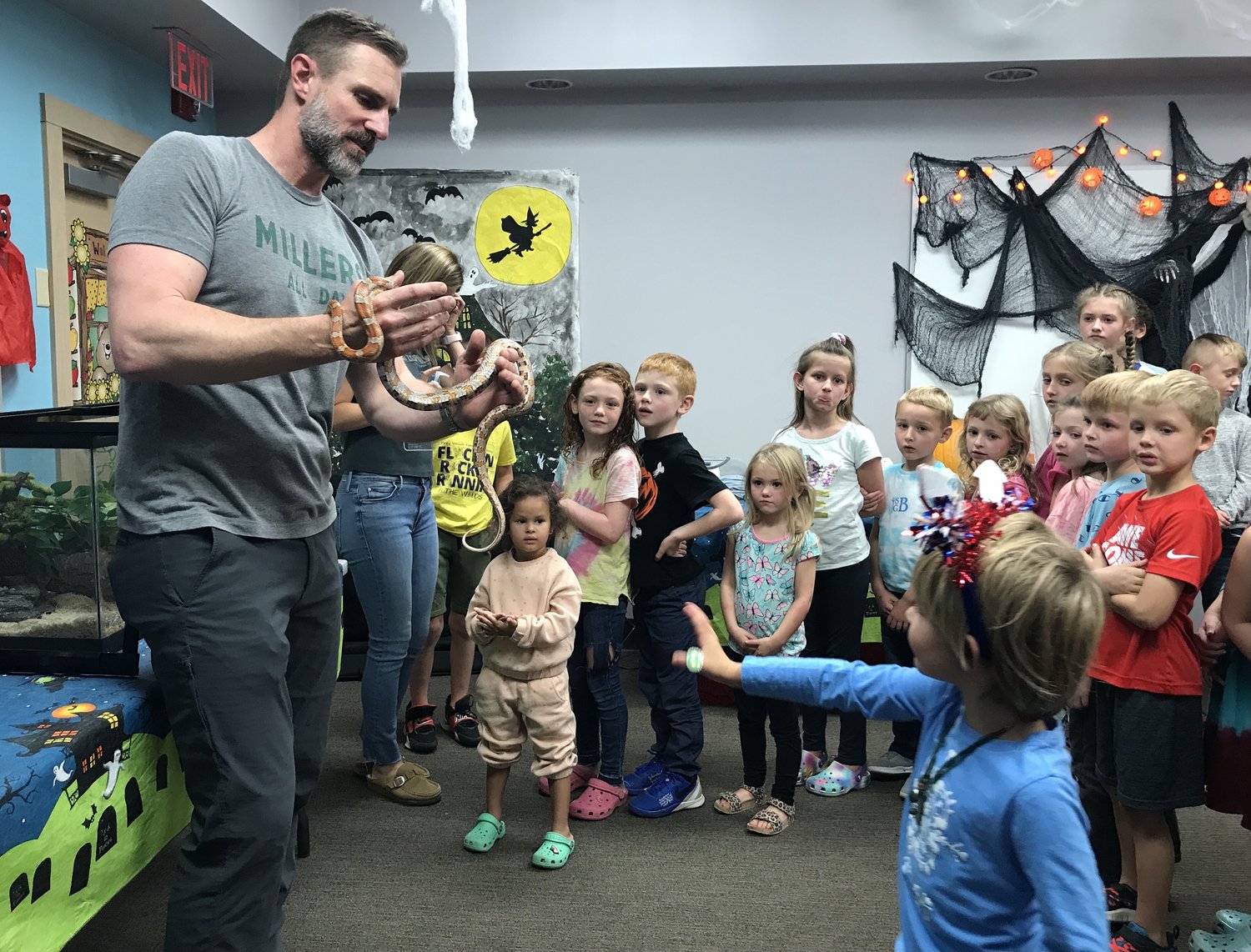
Held programs on a variety of topics at the Chapin library, which included migratory birds, snakes, owls, and tips for creating colorful wildlife habitat.
Pollinator garden

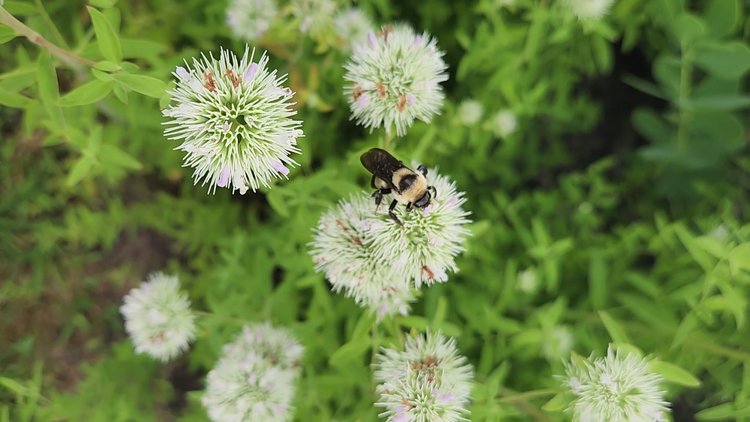
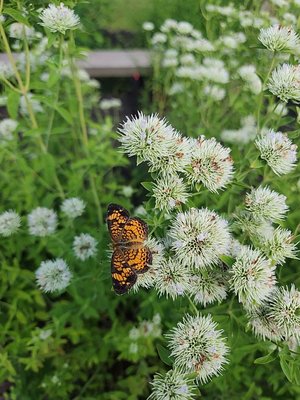
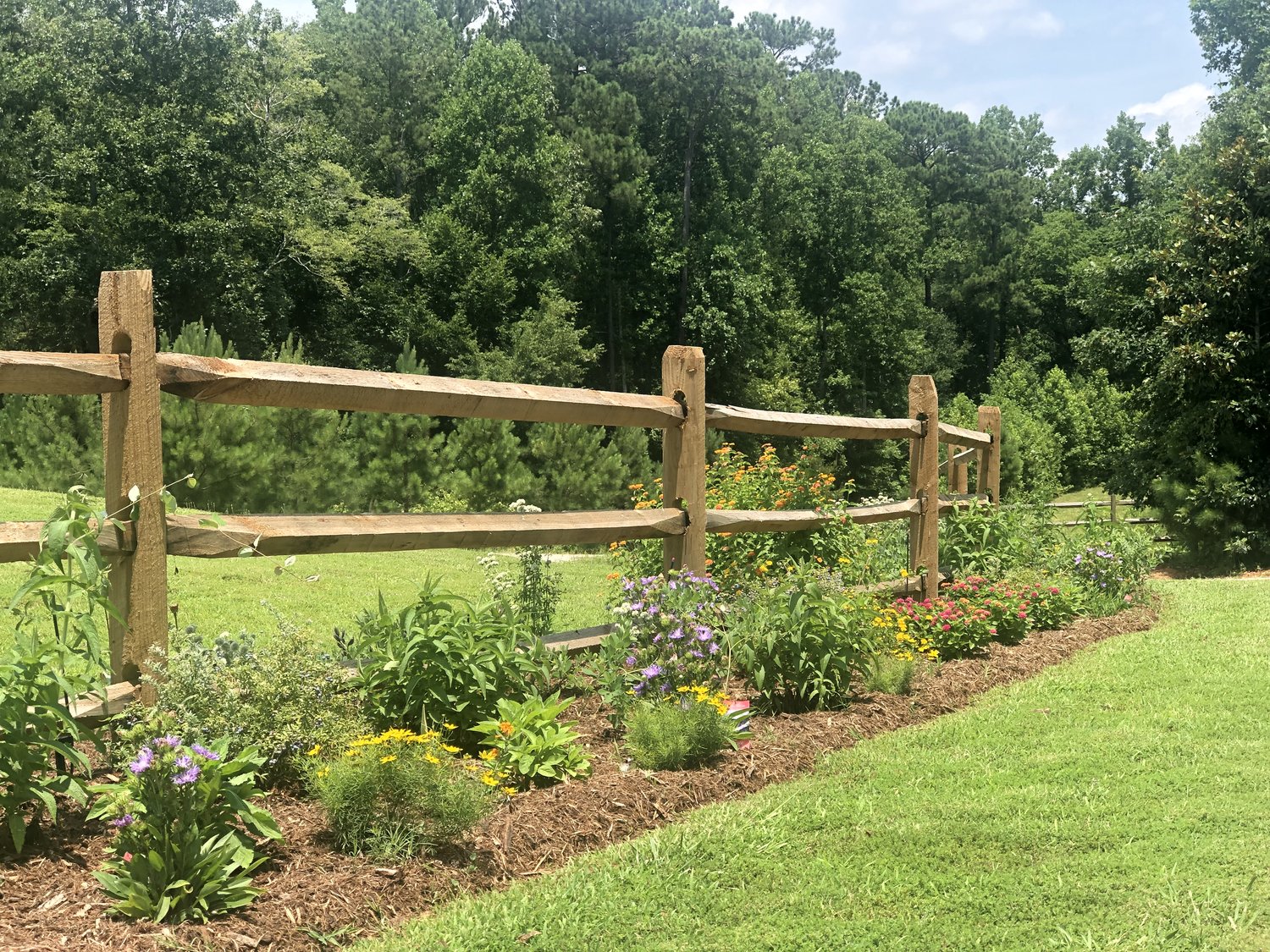
Installed a 70-foot Carolina Fence pollinator garden at Chapin Town Hall, providing a sanctuary for bees, butterflies, and other wildlife.

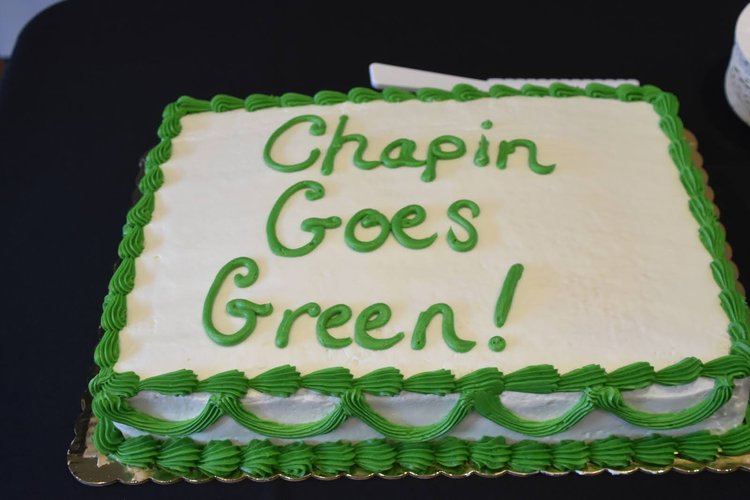
Chapin Goes Green!

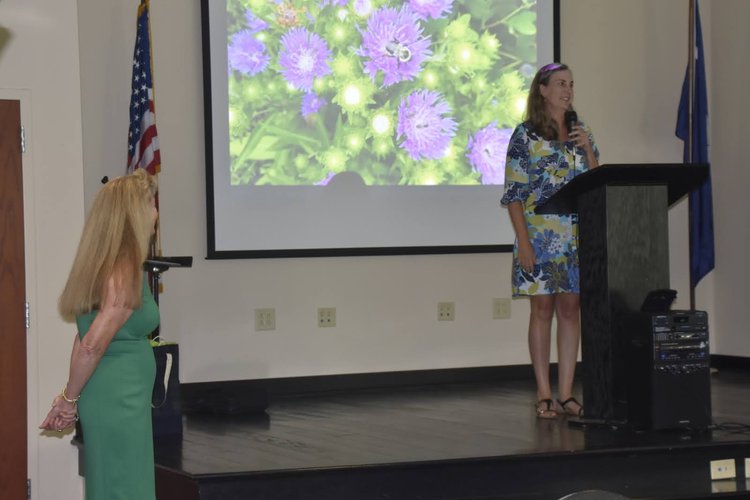
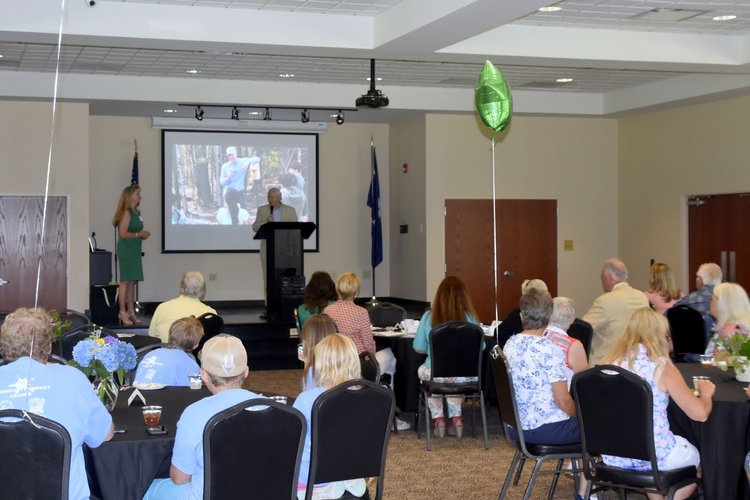
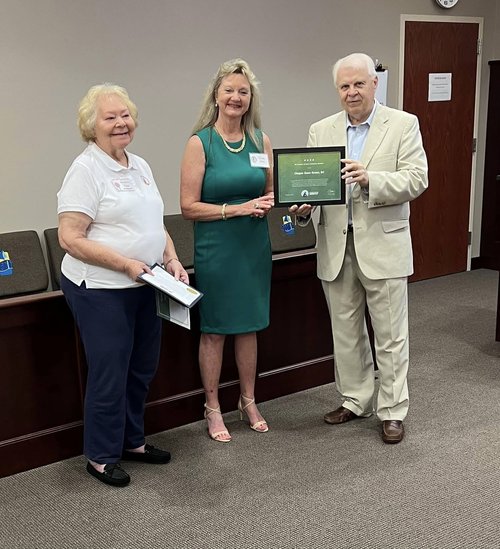
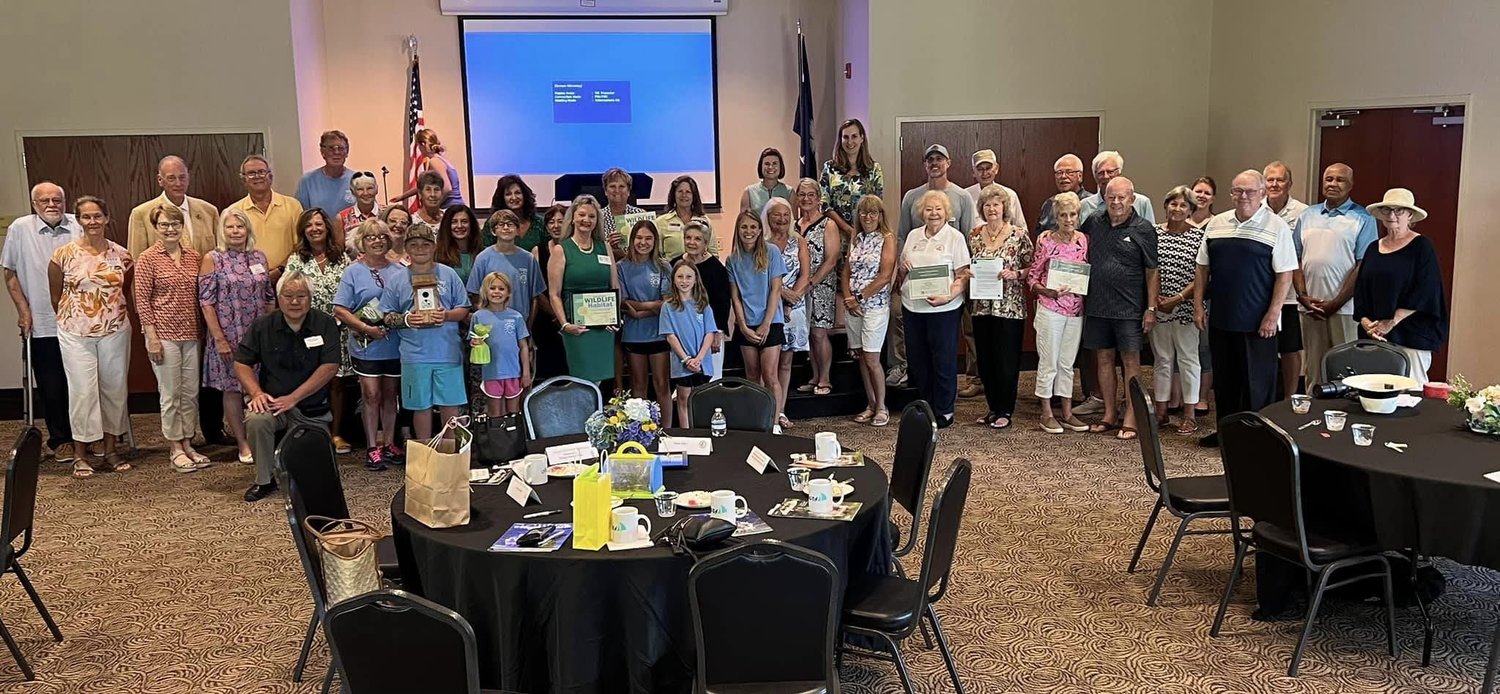
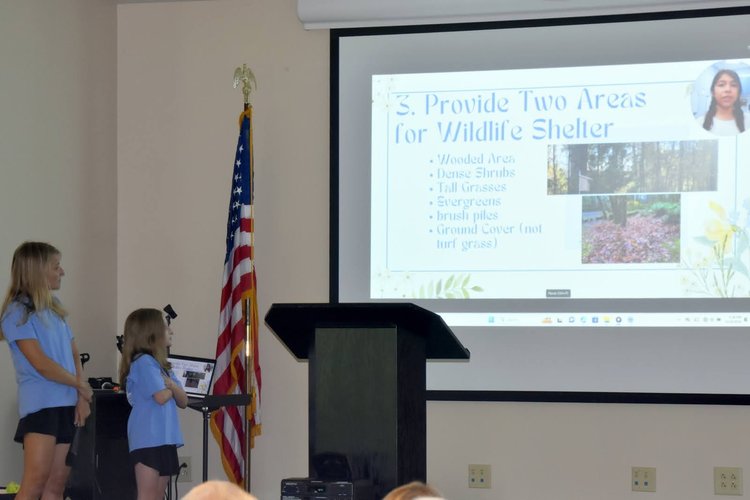
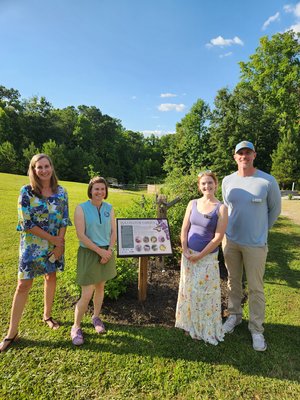
The community held a celebration at Chapin Town Hall on June 18th with the Chapin Garden Club and many other stakeholders who were involved with the process. The Mayor of Chapin made a proclamation in support of Chapin’s enrollment in the Certified Community Wildlife Habitat Program and recognized the outstanding efforts of the community’s commitment to becoming more wildlife-friendly. Kelly Long, Wildlife Habitat Chair of the Garden Club of SC and leader of the Greer Community Wildlife Habitat also gave remarks, along with David Stoudenmire, Jr., President of the Garden Club of SC and William Slaunwhite, Treasurer of the SC Bluebird Society. The Eaglets Making an Impact Club presented a video created by students at Chapin Elementary School showing the steps to certifying your wildlife habitat.

SCWF staff were honored to be a part of the ceremony and certification process. SCWF’s Industry Habitat Manager Jay Keck helped with the certification by installing nesting boxes, presenting on wildlife topics, and installing native plants at Chapin Town Hall’s lush pollinator fence garden. Both he and Sara Green, SCWF’s Executive Director, spoke at the reception.
Chapin Town Hall Pollinator Garden
Celebrating conservation, wildlife management in SC through outdoor sports

By Angela Viney

Published by Spartanburg Herald-Journal, September 21, 2021

Over 100 years ago, hunters and anglers were the earliest and most vocal supporters of conservation and scientific wildlife management. They were the first to recognize that rapid development and unregulated uses of wildlife were threatening the future of many species.

Led by fellow sportsman President Theodore Roosevelt, these early conservationists called for the first laws restricting the commercial slaughter of wildlife, urged sustainable use of fish and game, created hunting and fishing licenses, and lobbied for taxes on sporting equipment to provide funds for state conservation agencies. Populations of white-tailed deer, elk, antelope, wild turkey, wood ducks and other species began to recover from decades of unregulated exploitation.

In South Carolina, the Game and Fish Association organized in 1931, the forerunner of the South Carolina Wildlife Federation that is celebrating its 90th anniversary this year. The concern at that time was that fish and game violations were threatening the bounty of South Carolina’s woods and waters.

The State’s Harry Hampton wrote in his columns urging sportsmen in the state to organize to press for amended laws. Harry spoke to the Sumter Rotary Club in June 1931 and the members endorsed the idea of sportsmen’s clubs in every county. The Sumter chapter of The SC Game and Fish Association was born that day.

The SC Game and Fish Association met formally in Columbia to organize in October, 1931, with 150 sportsmen attending from 25 counties. In 1946, the SC Fish and Game Association reorganized as the South Carolina Wildlife Federation.

Eighth Annual Convention, SC Game & Fish Association, Sept. 15, 1938

By the following year, the Federation focused its efforts on creating a South Carolina Wildlife Resources Commission for the purpose of establishing and enforcing game laws in the state. The Federation’s battle was hard-fought, and the Commission was finally created in 1952 which evolved into the SC Department of Natural Resources (SCDNR) in 1994.

The excise taxes on sporting equipment that the early conservationists called for was made possible by the Federal Aid in Wildlife Restoration Act in 1937, commonly called the “Pittman-Robertson Act” after its Congressional sponsors. It provides federal aid to states for the management and restoration of wildlife, and its funding comes from an 11 percent excise tax on sporting arms and ammunition.

The disbursement of these funds, generated through excise taxes on hunting, shooting and fishing equipment and boat fuel to all 50 states and U.S. territories, is distributed by the U.S. Fish and Wildlife Service. In 2020, South Carolina received sportfish and wildlife restoration grants totaling $12,675,815.

To date, the Service has distributed more than $22.9 billion in apportionments for state conservation and recreation projects.

In an effort to honor hunters and anglers and their contributions to conservation, on May 2, 1972, President Richard Nixon signed the first proclamation of National Hunting and Fishing Day to be celebrated on the fourth Saturday of September. By late summer, all 50 governors and more than 600 mayors had joined in by proclaiming state and local versions of National Hunting and Fishing Day (NHF). The response was dramatic.

Upstate South Carolina is hosting a NHF Day celebration at Oconee County’s South Cove Park near Seneca. This free, fun, family adventure is open to the public and will be held from 9 a.m. to 3 p.m. on Saturday, Sept. 25.

The 13th Upstate celebration of National Hunting and Fishing Day will include activities such as archery, air rifles, camouflage games, fly tying and casting, kayaking, fishing on Lake Keowee and much more. All activities are free, and all gear is provided.

National Hunting and Fishing Day is made possible by partnerships with the SCDNR, Oconee County Parks and Recreation, Trout Unlimited, Clemson University Cooperative Extension Service, South Carolina 4-H Shooting Sports and Harry Hampton Memorial Wildlife Fund.

National Hunting and Fishing Day is the most effective grassroots effort ever undertaken to promote outdoor sports and conservation. We look forward to this event every year. It is a great opportunity for the community to enjoy the great outdoors in a safe, educational environment with family and friends.

For directions and information, call South Cove County Park at 864-882-5250 or visit its Facebook page at: www.facebook.com/southcovecountypark

Angela Viney is the Chair of National Hunting and Fishing Day.

Published by Spartanburg Herald-Journal, September 21, 2021