Hummingbirds are one of the most unique and beautiful animals on the planet. Though we only have one species breeding here in SC, there are over 360 species in the Americas, a few of which have been spotted in SC outside of the breeding season.
If you’d like to learn more about these frenetic feathered jewels, please join Jay Keck, our Industry Habitat Manager and Costa Rica guide, to become more acquainted with these birds, while learning their habitat needs so they continue to inspire awe and wonder in those who see them.
Whether you’re a gardener, birder, naturalist, educator, or simply curious about the natural world, this webinar will provide the knowledge and tools to begin observing and appreciating these tiny wonders of the Americas.
Jay Keck
Jay has been a passionate nature and bird lover since his early teens. He lives in Chapin, SC with his wife and two boys, and has identified 95 bird species in his yard in three years, as well as 160 species in Lexington county since moving back in September of 2013. He has viewed birds in Spain, Chile, Honduras, and Costa Rica, as well as many areas in SC from the mountains to the coast. Being inspired by SCWF’s mission, he earned his Palmetto Pro Birder certification, and has led bird walks for SCWF as well as Saluda Shoals park, Columbia Audubon, and private organizations. Even when he is golfing, hunting, or fishing, he is secretly birding. At SCWF, Jay coordinates the Wildlife And Industry Together (WAIT) program as well as leading birding classes for the Palmetto Pro Birder & Midlands Master Naturalist programs.
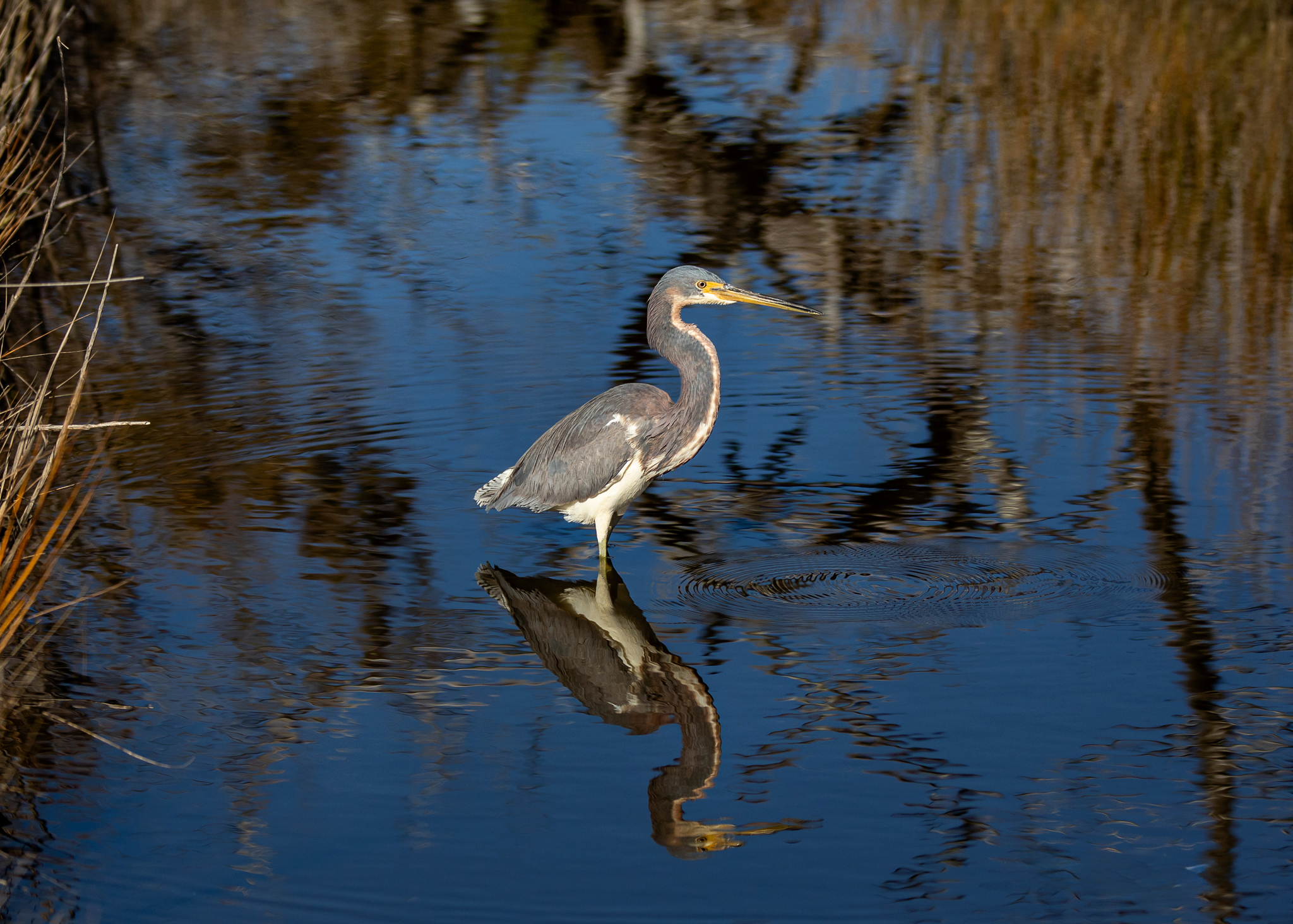
Photo Credit: Ruby-throated Hummingbird by Forrest Roberts
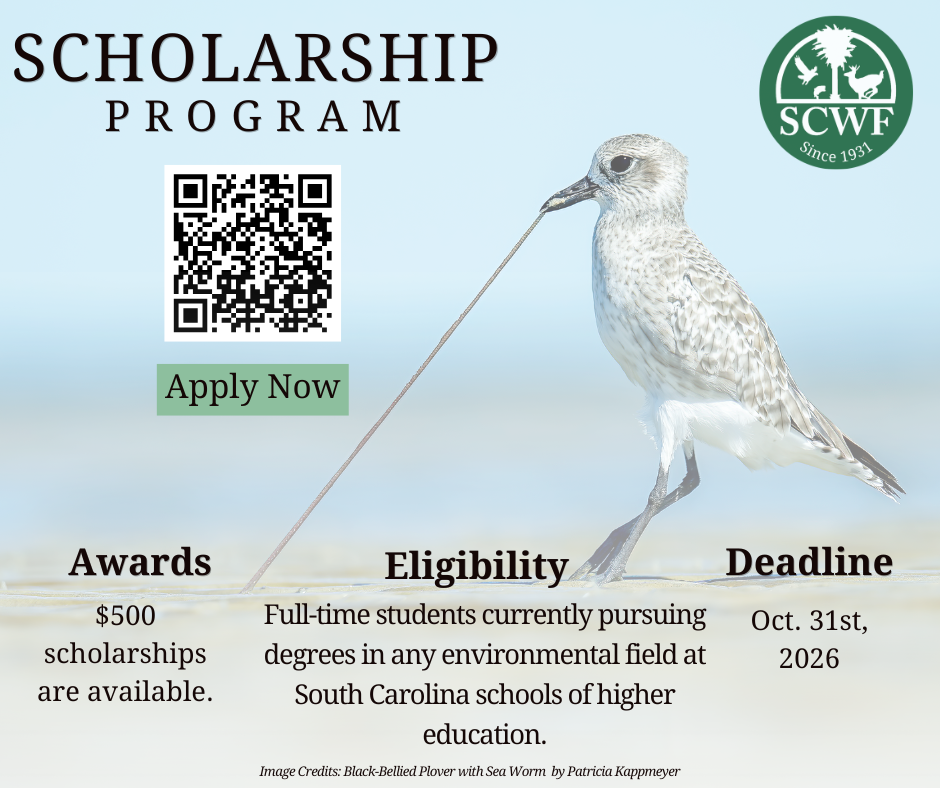
The South Carolina Wildlife Federation is honored to be in a position to distribute educational grants to full-time students pursuing a degree in any environmental field at South Carolina schools of higher education. Both undergraduate and graduate students are eligible, based on their performance in academia and in related community activities.
Deadline: October 31st
Eligibility: full-time students currently pursuing degrees in any environmental field at South Carolina schools of higher education
Awards: $500 scholarships are available
Scholarship winners will be announced in January, and awarded in February each year
The applications will need to be submitted online by October 31st, and will address the student’s educational goal and career interests, employment and volunteer experience, including leadership.
In addition, a brief note from a supporting faculty member must also be submitted electronically – please have support letter submitted through this link. Selection will be based on a balance of these factors, and determined by a committee of the Federation Board.
Environmental solutions are not only scientific–they include historical, political, economic and cultural perspectives. The environment includes buildings, highways and ocean tankers as well as pine trees and coyotes. To build a sustainable society, an understanding of social and ecological systems is crucial.
Knowledge lays the groundwork for analyzing environmental problems, resolving conflicts, and preventing new problems from arising. The South Carolina Wildlife Federation is committed to supporting future leaders by helping to provide the financial resources necessary to lay the groundwork for more responsible decision-making tomorrow.
These scholarships are funded by contributions from generous individual donors in addition to the ongoing support received from these funds:
D. L. Scurry Foundation provides educational scholarship funds for individuals attending colleges, universities and technical schools in South Carolina.
The Nicole Chadwick Memorial Fund honors the legacy of an endangered species biologist who made a long-lasting impact on wildlife conservation in South Carolina.
The Riverbanks Conservation Support Fund (CSF) provides financial assistance for conservation oriented projects/programs worldwide that promote preservation of the Earth’s biodiversity.
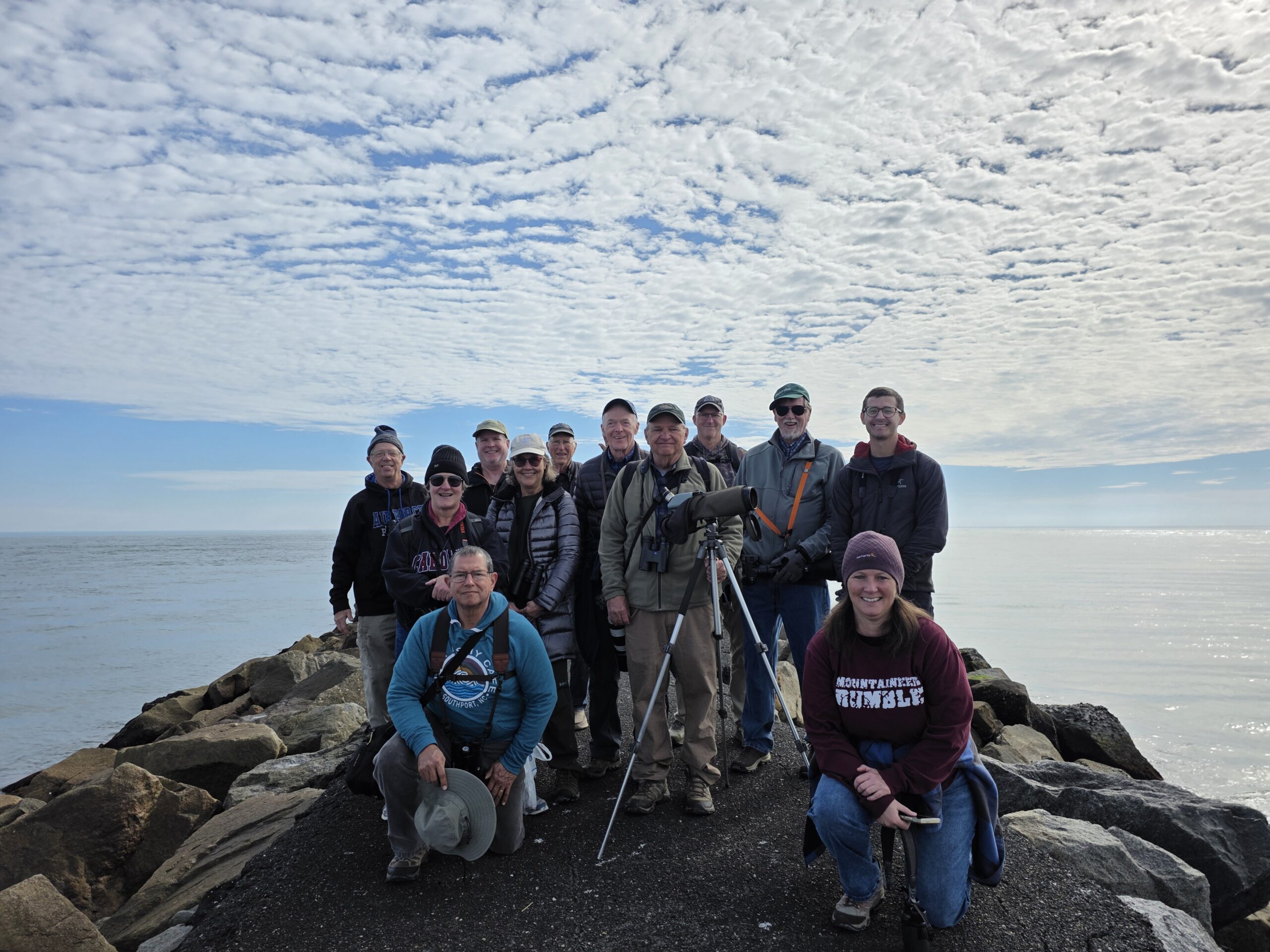
Join us for a day of birding at Huntington Beach State Park, rated as the top eBirdhotspot in South Carolina. We will sample the many habitats of the park, including salt marsh, tidal creeks and flats, maritime woods, brackish ponds, and the beach. If tides and conditions permit, we will hike to the jetty (a three-mile round trip). Over the years, a significant number of rarities have been reported at the jetty, including common eider, long-tailed duck, purple sandpiper, black guillemot and others. Our focus will be on wintering birds and we hope to see waterfowl, including scoters, rails, piping plover and other shorebirds, gulls, terns, horned grebe, common loon, red-throated loon, northern gannet and others. We will also seek the park’s many songbirds, placing a special focus on wintering sparrows. In addition, we will discuss the various conservation measures the park has taken and how they impact these coastal birds. If you want to see some of the species we saw in 2025 check out our blog post here.
This module will require a significant amount of walking and participants should bring water and a packed lunch. Snack food is available in the park store. A park entrance fee is required.
Where: Huntington Beach State Park. Meet in the state park office parking lot.
Who: This training is open to the public. No prior knowledge is required. Minimum age is 16. This training will count for one day toward Palmetto Pro Birder certification (8 days needed total). For SC Master Naturalists, this event can count as Advanced Training and towards your statewide certification. If you are not a Pro Birder or Master Naturalist, just come have fun with us.
This class will be led by Irvin Pitts, SCWF Outdoor Academy Instructor, and Jay Keck, SCWF Industry Habitat Manager.
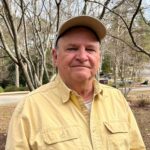
Irvin Pitts
Irvin retired from a career with the South Carolina State Park Service where he served as Parks Biologist and Chief of Resource Management. Prior to that, he worked at Table Rock and Caesars Head State Parks as park naturalist. Irvin retired from a career with the South Carolina State Park Service where he served as Parks Biologist and Chief of Resource Management. Prior to that, he worked at Table Rock and Caesars Head State Parks as park naturalist.
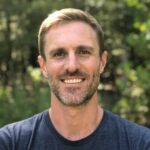
Jay Keck
Jay has been a passionate nature and bird lover since his early teens. He lives in Chapin, SC with his wife and two boys, and has identified 95 bird species in his yard in three years, as well as 160 species in Lexington county since moving back in September of 2013. He has viewed birds in Spain, Chile, Honduras, and Costa Rica, as well as many areas in SC from the mountains to the coast. Being inspired by SCWF’s mission, he earned his Palmetto Pro Birder certification, and has led bird walks for SCWF as well as Saluda Shoals park, Columbia Audubon, and private organizations. Even when he is golfing, hunting, or fishing, he is secretly birding. At SCWF, Jay coordinates the Wildlife And Industry Together (WAIT) program as well as leading birding classes for the Palmetto Pro Birder & Midlands Master Naturalist programs.
Other Important Notes:
If available, please bring binoculars & your favorite field guide to Eastern birds.
Restrooms are available, and pink and blue bushes are along the trail…
The rain date for this event is Friday, December 5th.
After registering, you will receive important correspondence via email. If you change your email between now and then, make sure to notify us.
Cost: The cost is $100.00 per person and limited to the first 15 people that register.
IMPORTANT: Participants should be in good physical shape. Birding involves a lot of standing, and we may cover some distance in our field work.
PLEASE DO NOT SIGN UP FOR THIS EVENT UNLESS YOU ARE ABSOLUTELY CERTAIN YOU CAN HANDLE THESE CONDITIONS.
SCWF reserves the right to cancel any event, due to unforeseen circumstances, extreme weather, low registration, or guidance from local/state officials. Any cancellation by SCWF will result in a full refund for all registrants.
Banner and Featured Image Credits: 2025 Huntington Beach Probirder by Allison Bugarin.
Come count pollinators with us at the Chapin Town Hall pollinator garden while participating in the Great Southeast Pollinator Census!
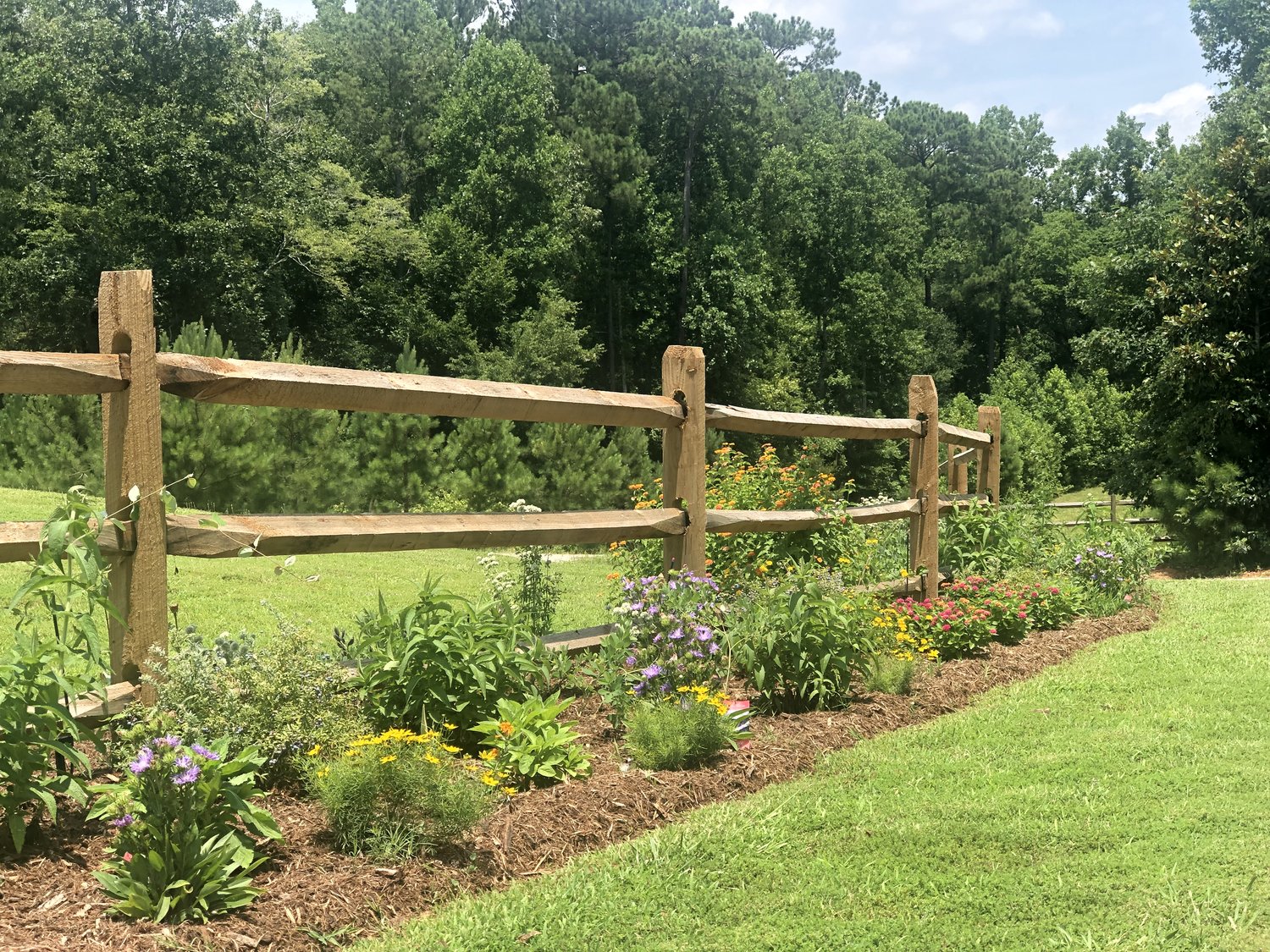
Join members from the Chapin Garden Club and Chapin Community Wildlife Habitat in the 70-ft long Carolina Fence garden to search for pollinators and learn how to identify what’s buzzing around. Open to all ages, families are welcome to enjoy a special story time in the garden featuring excerpts from The Great Pollinator Count Book by Susan Edwards Richmond. Each participant will also receive a prize and get to take home a free packet of native flower seeds.
Join Jay Keck, SCWF’s Industry Habitat Manager and Allison Bugarin, SCWF’s Education and Outreach Manager, for a Pro Birder outing at Phinizy Swamp. This diverse wetland provides excellent opportunities to observe a variety of resident and migratory bird species while exploring one of the Southeast’s unique wetland ecosystems.
As we explore the boardwalks and trails, we’ll be on the lookout for wading birds, waterfowl, woodpeckers, warblers, raptors, and many other species that use the swamp’s diverse habitats. Along the way, we’ll also have the opportunity to observe some of the swamp’s other wildlife, including native reptiles and amphibians, while discussing the important role wetlands play in supporting this incredible diversity of species.
This outing is limited to 12 participants, so register early to reserve your spot.
Where: Phinizy Swamp
When: Wednesday, October 7th from 7 am -11 am. (Rain Date – October 8th.)
Who: This training is open to the public. No prior knowledge is required. Minimum age is 16. This training will count for one day toward Palmetto Pro Birder certification (8 days needed total).
Jay Keck
Jay has been a passionate nature and bird lover since his early teens. He lives in Chapin, SC with his wife and two boys, and has identified 95 bird species in his yard in three years, as well as 160 species in Lexington county since moving back in September of 2013. He has viewed birds in Spain, Chile, Honduras, and Costa Rica, as well as many areas in SC from the mountains to the coast. Being inspired by SCWF’s mission, he earned his Palmetto Pro Birder certification, and has led bird walks for SCWF as well as Saluda Shoals park, Columbia Audubon, and private organizations. Even when he is golfing, hunting, or fishing, he is secretly birding. At SCWF, Jay coordinates the Wildlife And Industry Together (WAIT) program as well as leading birding classes for the Palmetto Pro Birder & Midlands Master Naturalist programs.
Allison Bugarin, SCWF’s Education & Outreach Manager. In this role, she manages education and outreach programs, including Palmetto Outdoor Women’s Retreat and the Midlands Master Naturalist program. Allison has been a passionate nature lover since her childhood. She fell in love with birds when she got the chance to monitor red-cockaded woodpeckers on a military base. She earned her Bachelors in Fisheries, Wildlife, and Conservation Sciences through Oregon State University. She lives in Eastover, SC, and has enjoyed observing birds throughout South Carolina. Allison has participated in bird monitoring, citizen science projects, and conservation work, and has viewed birds in multiple U.S. states and abroad. Even when she’s hiking, gardening, or exploring, she’s always watching and listening for birds.
Other Important Notes:
• If available, please bring binoculars & your favorite field guide to Eastern birds.
• After registering, you will receive important correspondence via email. If you change your email between now and then, make sure to notify us.
Cost: The cost is $75.00 per person and limited to the first 12 people that register.
IMPORTANT: Participants should be in good physical shape for this walk.
Featured Image Credit: Reflections by Brenda Young.
This class is full. You can add yourself to the waiting list using the button below.
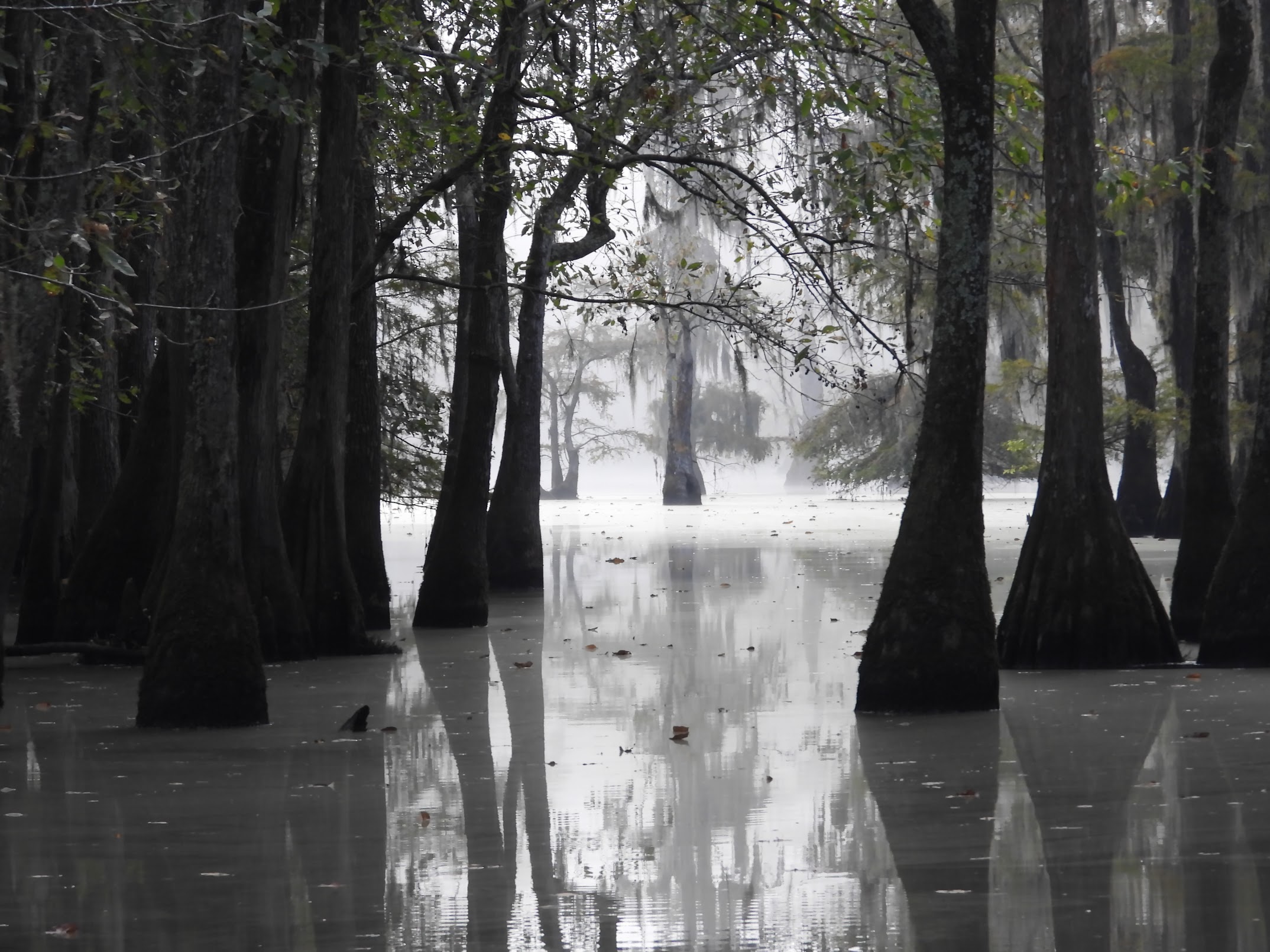
Join Jay Keck, SCWF’s Industry Habitat Manager, and Allison Bugarin, SCWF’s Education and Outreach Manager, for a Pro Birder paddle through beautiful Sparkleberry Swamp, one of South Carolina’s most unique and biodiverse wetland ecosystems.
This secluded swamp habitat provides excellent opportunities to observe a variety of birds, reptiles, and other wildlife while exploring one of the state’s most fascinating natural areas. As we paddle through the swamp, participants will keep an eye out for seasonal migrants, resident wetland species, turtles, snakes, and other wildlife that call this ecosystem home.
Sparkleberry Swamp is a favorite destination for birders and nature enthusiasts, offering a chance to experience South Carolina’s wetlands in an intimate, small-group setting. Whether you are an experienced birder or simply enjoy getting outside and discovering wildlife, this paddle is a great opportunity to slow down, explore, and see what the swamp has to offer.
Where: Sparkleberry Swamp
When: Wednesday, October 7th at 7 am (Rain Date – October 8th.)
Who: This training is open to the public. No prior knowledge is required. Minimum age is 16. This training will count for one day toward Palmetto Pro Birder certification (8 days needed total).
Jay Keck
Jay has been a passionate nature and bird lover since his early teens. He lives in Chapin, SC with his wife and two boys, and has identified 95 bird species in his yard in three years, as well as 160 species in Lexington county since moving back in September of 2013. He has viewed birds in Spain, Chile, Honduras, and Costa Rica, as well as many areas in SC from the mountains to the coast. Being inspired by SCWF’s mission, he earned his Palmetto Pro Birder certification, and has led bird walks for SCWF as well as Saluda Shoals park, Columbia Audubon, and private organizations. Even when he is golfing, hunting, or fishing, he is secretly birding. At SCWF, Jay coordinates the Wildlife And Industry Together (WAIT) program as well as leading birding classes for the Palmetto Pro Birder & Midlands Master Naturalist programs.
Allison Bugarin, SCWF’s Education & Outreach Manager. In this role, she manages education and outreach programs, including Palmetto Outdoor Women’s Retreat and the Midlands Master Naturalist program. Allison has been a passionate nature lover since her childhood. She fell in love with birds when she got the chance to monitor red-cockaded woodpeckers on a military base. She earned her Bachelors in Fisheries, Wildlife, and Conservation Sciences through Oregon State University. She lives in Eastover, SC, and has enjoyed observing birds throughout South Carolina. Allison has participated in bird monitoring, citizen science projects, and conservation work, and has viewed birds in multiple U.S. states and abroad. Even when she’s hiking, gardening, or exploring, she’s always watching and listening for birds.
Other Important Notes:
• If available, please bring binoculars & your favorite field guide to Eastern birds.
• After registering, you will receive important correspondence via email. If you change your email between now and then, make sure to notify us.
Cost: The cost is $100.00 per person and limited to the first 6 people that register.
IMPORTANT: Participants should be in good physical shape for this paddle.
Featured Image Credit: Sparkleberry Swamp Morning Fog by Tammie Miller.
Banner Image Credit: Audubon Art Alive! by Moss Miller.
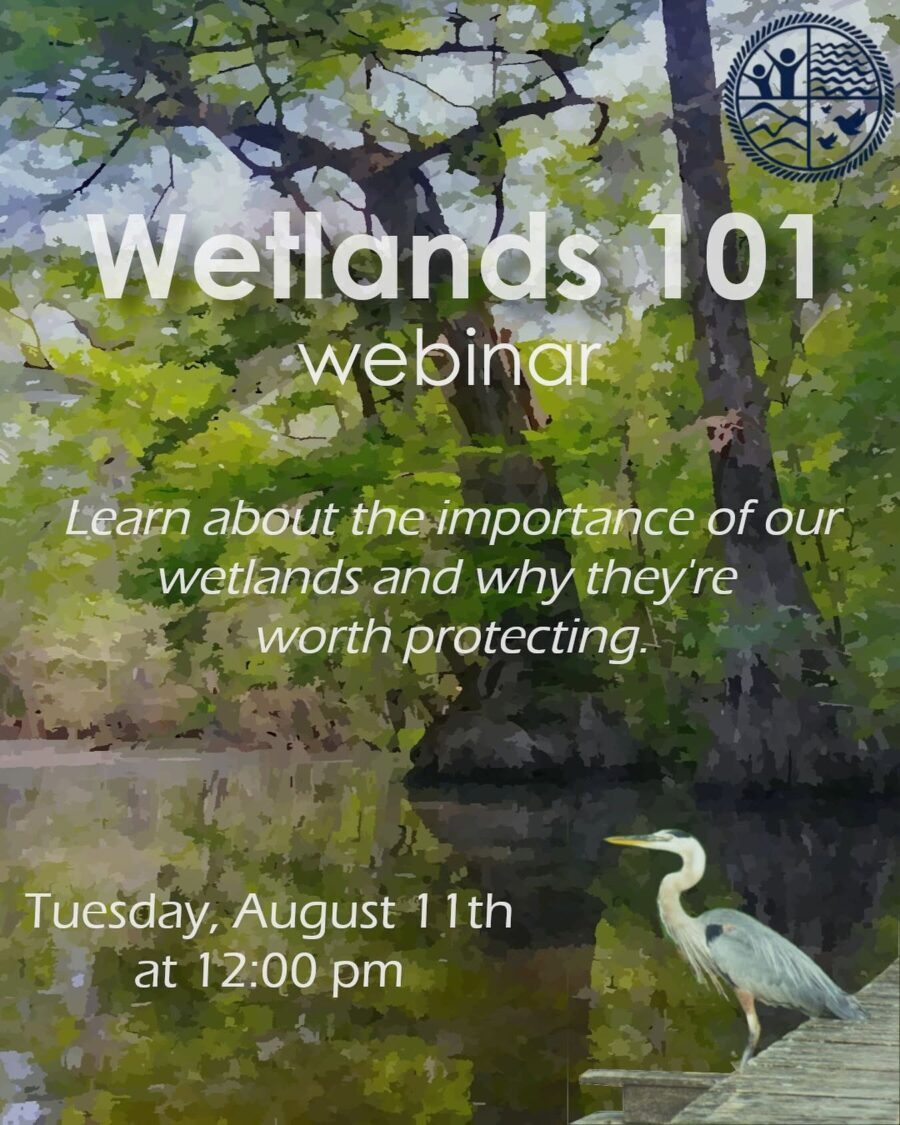
Join the South Carolina Conservation Coalition on Tuesday, August 11th at 12:00PM ET for a webinar all about wetlands, their benefits, and how we can help preserve them as they face new threats.
Wetlands play crucial roles for our communities, protecting us from flooding and providing fishing, hunting, and recreational opportunities. Development pressures are mounting as SC continues to grow, but there’s still hope to conserve our valuable wetlands.
From building resilience across the state to creating a local ordinance, Coalition Co-Chair Emily Poole will lead a conversation with staff from the SC Office of Resilience and the Town of Bluffton about their recent work to protect wetlands.
SCWF is proud to be a member of the South Carolina Conservation Coalition and proud to work alongside partners across the state to raise awareness about the importance of protecting our wetlands and advancing the protections they need.
Come count pollinators with us at the Ballentine Library pollinator garden while participating in the Great Southeast Pollinator Census!
Join Master Naturalist Tami Kyre, SC Wildlife Federation Habitat Education Manager Savannah Jordan, and Richland Library staff member Melissa Sprenne in Ballentine’s pollinator garden to search for pollinators and learn how to identify what’s buzzing around. Open to all ages, families are welcome to enjoy a special story time in the garden featuring excerpts from The Great Pollinator Count Book by Susan Edwards Richmond. Each participant will also receive a prize and get to take home a free packet of native flower seeds from the library’s seed library.
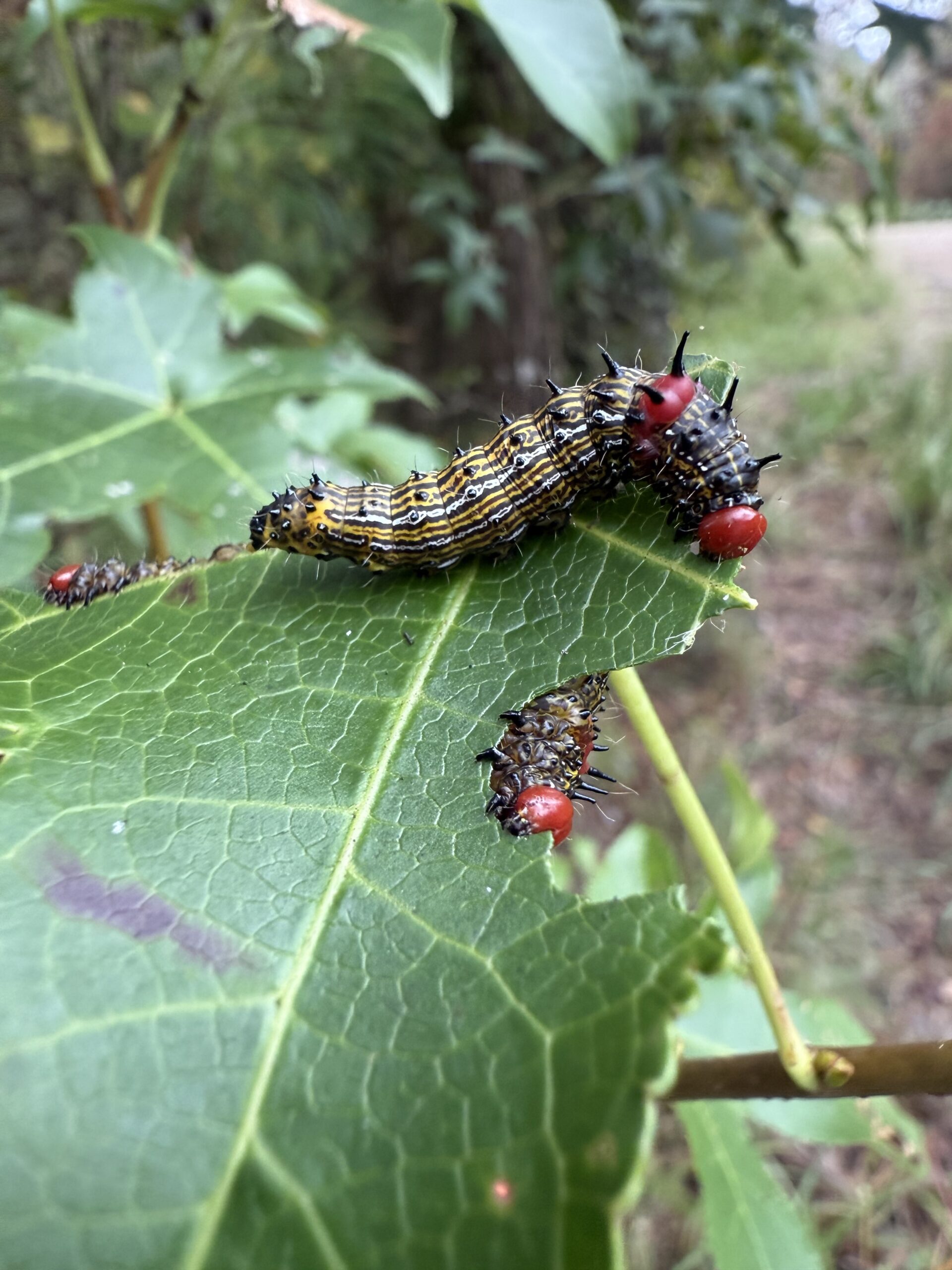
Get ready for another exciting caterpillar-filled class with Dr. David Coyle and Jay Keck at SCWF’s Sumter Wetland Preserve property. Dr. David Coyle will talk about all things Lepidoptera (fancy talk for moths and butterflies) before we begin exploring the native trees, shrubs, and perennials in search of caterpillars. Within this inner Coastal Plain region we’ll search plants like Carolina laurel cherry, fetterbush, and swamp dog-laurel in search of caterpillars. Some species we might find include: the Io moth, powdered dagger, and the red-humped caterpillar moth, among many others. There will also be potential to find some reptile, amphibian, and of course, bird species this time of year within this flood plain habitat.
G
Who: Dr. Coyle joined the Clemson faculty in 2018 with a focus on forest health and invasive species. Prior to Clemson, he created and directed the Southern Forest Health and Invasive Species program, which provided education and training to forestry professionals across the southeastern U.S. Dr. Coyle uses various forms of communication – including social media, traditional writing, and in-person visits – to help educate people about forest health, invasive species, and forest management. He is a member of the Society of American Foresters and the Entomological Society of America, serves on the Board of Directors for the North American Invasive Species Management Association, and is Co-Director of ProForest (an organization working to promote proactive forest pest management).
g
This training is open to the public. No prior knowledge is required. Minimum age is 16. For SC Master Naturalists, this event can count as Advanced Training and towards your statewide certification. If you are not Master Naturalist, just come have fun with us.
r
Classes fill quickly, register today! After registration, you will receive an email with directions and any other details pertinent to the class.
Dr. David Coyle
Jay Keck, SCWF’s Industry Habitat Manager
Other Important Notes:
The rain date for this event will be 09/18/26. We will make every effort to hold it, even in a few rain showers. If it looks like a deluge, we’ll notify you of cancellation and refund your money.
After registering, you will receive important correspondence via email. If you change your email between now and then, make sure to notify us.
Cost: $75 per person.
r
SCWF reserves the right to cancel any event, due to unforeseen circumstances, extreme weather, low registration, or guidance from local/state officials. Any cancellation by SCWF will result in a full refund for all registrants.
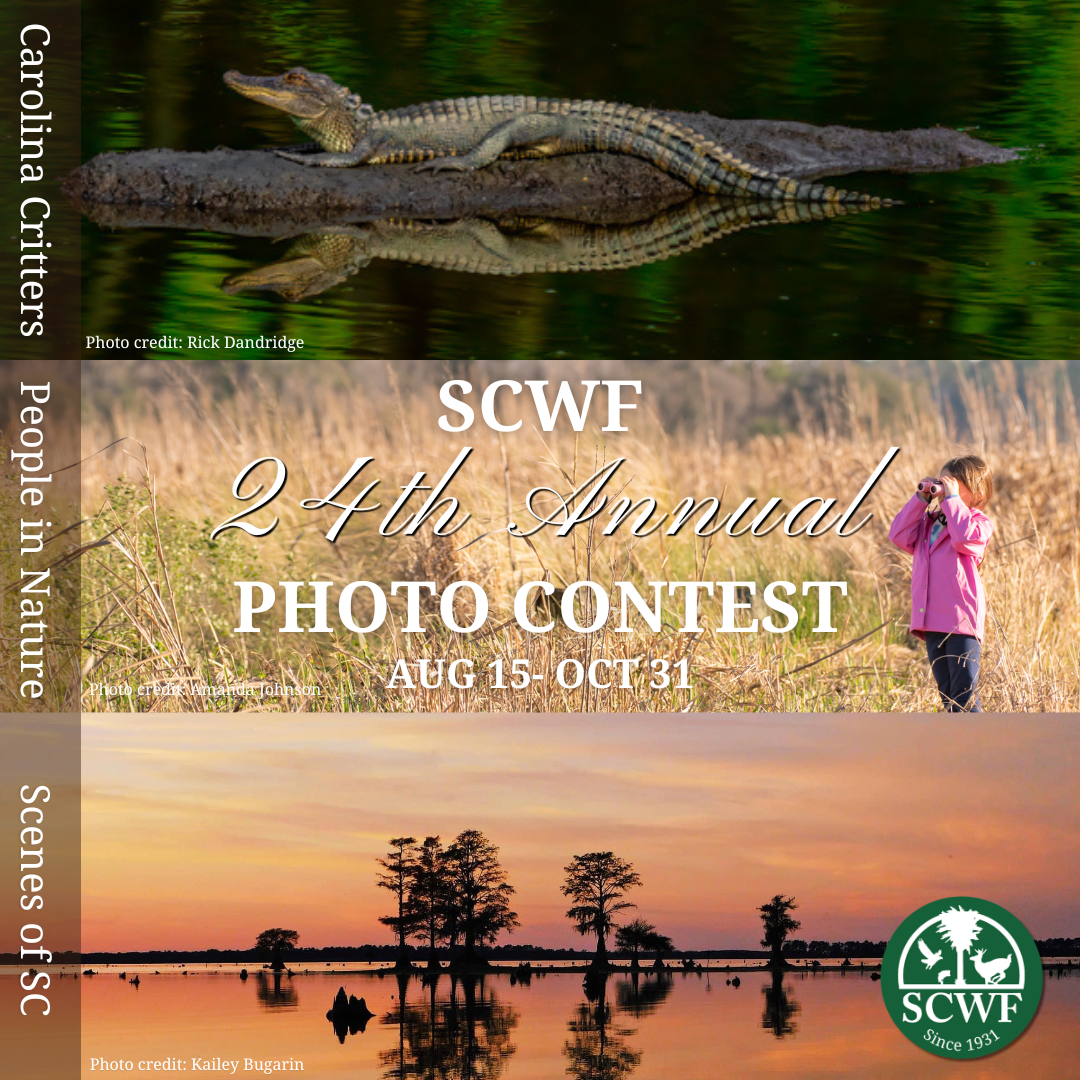
South Carolina Wildlife Federation is sponsoring our 24th Annual Wildlife Photography Contest. Send us your best photographs that capture the natural beauty of South Carolina’s wildlife and their habitats – in your own backyard or anywhere in the state. You can check out the blog about last year’s contest here.
CONTEST CATEGORIES:
Carolina Critters
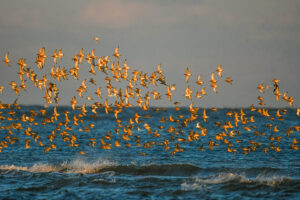
This category is intended for photos of wildlife that you see in South Carolina, whether it is in your backyard, on a hike, or in an urban setting! Have you captured the moment when a painted bunting comes to your feeder? Did you photograph a bird sifting through the Upstate snow to find its meal? How about the shy deer venturing out in the Pee Dee field to graze? Or that great blue heron wading through the swamps of the Lowcountry? These types of photos that are perfect for this category.
Image Credit: “Looking for Home” By Jennifer Brown.Image Credit: “Peekaboo” by Stephanie RadfordImage Credit: “Relaxation” by Elaine Mathis.
Note: We do not accept photos of exotic (non-native), captive, or domestic animals since this category is intended to show SC wildlife in their natural settings rather than in a zoo or wildlife sanctuary.
Scenes of South Carolina
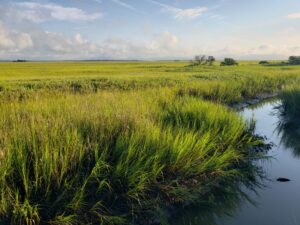
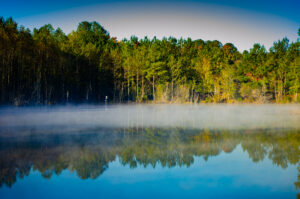
From the mountains to midlands to the coast, we know that South Carolina’s landscapes are beautiful and ecologically diverse. Whether you enjoy photographing sunsets on the ocean, sunrises in the mountains, rocks in a stream, or early morning dew in a field, we love seeing all the many ways your photographs depict the beauty of our state.
Image Credit: “Salt Serenity” by Stuart Barfield.Image Credit: “Red Knot Sunset Arrival” by Jenn Clementoni.
Image Credit: “Mission Lake” by Bradley Wicker.
Note: These photos may include wildlife but it’s not necessary.
People in Nature
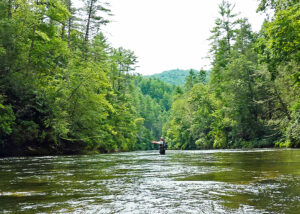
We know that you love being outdoors as much as we do! That is why we added this category to the photo contest. This category is intended for you to share your photos of people enjoying outdoor activities in our beautiful state. Whether you are an angler, birder, hiker, hunter, kayaker, rock climber, shell collector, or enjoy some other outdoor activity, this is your chance to submit photos of people enjoying outdoor activities.
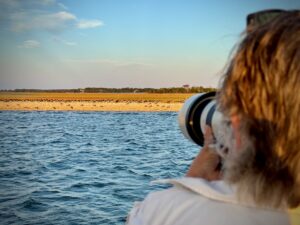
Image Caption: “A River Runs Through It by Kenny Himes.”Image Caption: “I Spy Bird Bands” by Reggie Fairchild.
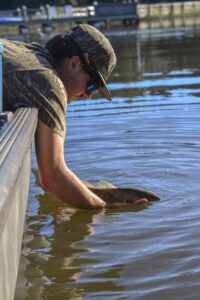
Image Credit: “Catch n’ Release” by Lyric Littlejohn.
Note: Be sure your photos illustrate safe and ethical practices. Action shots are preferred over posed photos.
ENTRY REQUIREMENTS:
Two easy steps! 1. Pay your entry fee. 2. Submit your photos! Your emailed receipt will contain instructions about how to submit your photographs.
Submitting Photos: After you pay your entry fee, your emailed receipt will contain instructions about how to submit your photographs. You may enter up to three photographs in each category per person in color or black and white. We also ask that you do not include a personal watermark on your photos. SCWF reserves the right to add a watermark when publishing online. Digital images are preferred.
File Types – jpg, gif, and png file types (minimum of at least 72 pixels per inch, or minimum of 250 KB-sized image in jpg format).
Entry Fee
Each photographer must submit a one-time entry fee of $15.00 – this fee covers entrance of up to 9 photos (3 per category) in the contest. You may pay the entry fee online through the button below, or you may mail in a check with your photos – make check payable to SCWF.
By paying this fee, I certify that my photographs are eligible for this contest according to the rules below.
Contest Rules
Eligibility Entries must be images taken in nature in South Carolina. Photos of captive, domestic, and exotic (non-native) species will be disqualified. SCWF employees or board members or their immediate family members are not eligible.
The SCWF photo contest is limited to amateur photographers – defined as those who do not receive more than 10% of their annual income from selling their photographs, or not more than $5,000 annually if retired or unemployed.
*Note: Contestants, by their entry, agree that the South Carolina Wildlife Federation may publish their images in SCWF publications and on the SCWF website and social media platforms. Photographer name credit will be given when images are used.
Digital Alteration Guidelines
All photographs should accurately reflect the subject matter and the scene as it appeared. Photos that have been digitally altered beyond standard optimization will be disqualified. Acceptable are adjustments to color, contrast, brightness and sharpness; removal of dust and scratches; cropping; black and white conversions, and background blurring. Not acceptable are photo composites (combinations of two or more photos, not of the same scene); background removal, the addition, duplication, deletion, or moving of objects in the photos; or the use of artistic digital filters and effects, such as watercolor, neon glow, posterizing, stained glass, and others which do not depict the scene in its natural way. If you have any questions, please email us at photo@scwf.org.
We also ask that you do not include a personal watermark on your photos, and SCWF reserves the right to add a watermark.
Judging
The judges panel is made up of SCWF staff and board of directors. Carolina Critters entries are reviewed by a biologist for identification purposes. Decisions of the judges are final. Notification will be sent by e-mail after judging is complete.
Prizes
The First Place Winner in each category will receive a $100 cash prize, and the category runner up and second runner up will also be recognized on our blog.
Dates
Entries must be received by the October 31st deadline. We aim to notify the winners by December 31st. Only First, Second, and Third places will be awarded. Contest winners will be published online.
Now that we’ve got all that straight…get out there and take some great photos! Good luck!
Questions? Contact SCWF at (803) 256-0670 or photo@scwf.org. This project is managed by a small team. We kindly ask for your patience in waiting for a reply. We will respond to all questions!
Banner Image Credit: “Afterglow” by Jorge Rodriguez.


 Cost: The cost is $100.00 per person and limited to the first 15 people that register.