Keep South Carolina Wild

Annual Donation Drive 2017

Dear SC Wildlife Advocate:

From Day One in 1931, the South Carolina Wildlife Federation has been powered by individuals who believe the wildlife heritage of South Carolina is irreplaceable and must be preserved for future generations. 

In the beginning of each year, we make a big push to renew memberships so everyone can keep up with our varied education and habitat offerings, as well as track and take action on conservation concerns that impact us all.

Having been with the Wildlife Federation ten years now, I have seen the ebb and flow of public opinion and like you, observed the increasingly polarized dialogue over controversial issues.  Throughout though, there has been little or no disagreement over the love and respect South Carolinians have for wildlife and keeping wild places wild. 

This devotion to the wild is what motivated our founders, and this is what motivates our loyal supporters today.  In light of increasingly serious threats, South Carolinians of all stripes must say loud and clear “Healthy and prospering wildlife populations mean healthy and prospering South Carolina citizens.”

But we can’t just say it to ourselves.  We must say it to our decision makers, especially state legislators who hold so much power in their hands.  SC Wildlife Federation will do everything possible to keep you informed and to make it easy for you to contact those who are elected to represent you – and to be your “eyes and ears” for wildlife at the State House.

Lawmakers went back into session several weeks ago.  SCWF priorities this year include permanent re-authorization of the State Conservation Bank that has protected thousands of acres for wildlife and wildlife enjoyment at a bargain price. 

Our lobbyist Trip King is at the State House every day the legislature is in session.  Other items on our “To Do” list include:

  • Protect and preserve citizens’ rights to question government actions that may cause harm to our natural heritage
  • Push for expansion of the Waccamaw National Wildlife Refuge
  • Fight to prevent a proposed weakening of the state’s coastal zone protections
  • Pass a resolution recognizing the importance of native plants for wildlife survival
  • Educate decision makers about the importance of preparing for both drought and flooding.

We will be sending you periodic legislative updates and at critical points we will let you know how YOU can make a difference by contacting legislators.

Sara Green, our education director, is expanding our popular Palmetto Outdoor Academy, and adding new citizen science training programs as fast as possible. The academy is putting more boots on the ground to collect data and monitor populations of plants and wildlife across the Palmetto State. Good science is the foundation for good stewardship.

On the habitat front, our Wildlife Habitat Manager, Laura Blake-Orr, continues to directly engage and educate thousands of South Carolinians about the benefits of Gardening for Wildlife. In unprecedented ways, development and other pressures are stressing wildlife populations. You can make a difference. Creating and restoring habitat for pollinators and birds by growing native flowers, shrubs and trees has never been so important.

2017 promises to be an exciting year for South Carolina and its wildlife.  SCWF does not endorse political candidates, but I would like to say that many outdoor enthusiasts are optimistic about the conservation potential of the new Governor Henry McMaster.  Governor McMaster has been a steady supporter of several important wildlife conservation initiatives.  Also, he speaks from the heart about the natural splendor of South Carolina.  We hold out hope that he will be a strong voice for wildlife and wild places.

In closing, we are deeply appreciative of your support through the years.  Now in our 86th year, I often wonder how many current supporters of SCWF had grandparents and great-grandparents who believed in the Federation and were members.  Support over the decades made today’s South Carolina a more livable, healthy and fun place to live, work and play.  And your gift today can assure we leave things in better shape for our grandchildren and great-grandchildren.

Many, many thanks for your continuing support as we start 2017 on a positive note. Feel free to contact me any time.

Most sincerely,

Ben Gregg
SCWF Executive Director
ben@scwf.org
(803) 256-0670

P.S. Your tax-deductible gift NOW will provide us a boost to wildlife and to our efforts to protect wildlife and its critical habitat needs.

Palmetto Pro Birders is Expanding!

We are thrilled to announce the addition of two new instructors to the program!  Tim Lee has studied and taught as a naturalist and biologist throughout the southeast for more than 26 years and is an instructor for the Upstate Master Naturalist program.  Steve Patterson is a former president of the Carolina Bird Club and an instructor for the Midlands Master Naturalist program.  See full bios on our two new instructors below.  Welcome Tim & Steve!

Two Upcoming Events: 

Two-day Pro Birder Training Module:  Friday, April 28 & Saturday, April 29, 2017 – $150.
Sassafras Mountain/Southern Appalachian Foothills, Pickens County
Instructor: Tim Lee (see bio below)

Join us as we bird South Carolina’s Blue Ridge! This time of year, we could see a variety of migratory birds as well as resident birds and maybe a few winter residents, such as kinglets and Yellow-bellied Sapsuckers, that have not departed. We will spend part of our time birding at Sassafras Mountain, South Carolina’s highest point, were we may see Common Raven and Dark-eyed Juncos. We will also hit other area hotspots in the southern Appalachian Foothills. 
Times: Friday 9am-3pm, Saturday, 7am-12noon


One-day Pro Birder Field Day:  Saturday, May 6, 2017 – $60.
Silver Bluff Sanctuary, Aiken County
nstructor: Steve Patterson (see bio below)

his trip will investigate the Audubon Center & Sanctuary at Silver Bluff.  We will begin at the Visitor’s Center and the nearby trails. This area includes varied habitat and longleaf pine/wiregrass stand that could contain Bachman’s Sparrows while we’re there.  After lunch, we will explore the ponds managed for the endangered Wood Storks.

Times: 8am-2pm

To ensure a quality experience for all, space is strictly limited.  Classes fill quickly, register today! After registration, you will receive an email with lodging recommendations, directions, and any other details pertinent to the class.

Register Online Today!

Tim Lee
A native South Carolinian, Tim has studied and taught as a naturalist and biologist throughout the southeast for more than 26 years. For the past 16 years he has been the Interpretive Ranger/Naturalist for South Carolina State Park Service’s Mountain Bridge Wilderness Area where he conducts research and provides educational programs for children and adults. He also teaches the Upstate South Carolina Master Naturalist Program and is an Educational Leadership Partner for the South Carolina Aquarium. Tim contributes data to the National Midwinter Bald Eagle Survey and to regional and local bird counts.

Steve Patterson
Steve began birding in 1981 shortly before entering Erskine College as a freshman. He learned all he could about how to identify what he found and started keeping a list. Since then he has birded in 1,050 counties in the United States, including every county in North Carolina, Florida, Maine, Rhode Island, Connecticut, Delaware, and of course South Carolina. Steve is the past compiler of the Long Cane and Rocky River Christmas Bird Counts, having founded Rocky River in 1991. He is a member of the American Birding Association, the Greenville County Bird Club, Aroostook Birders (Maine), and a lifetime member and former president the Carolina Bird Club.

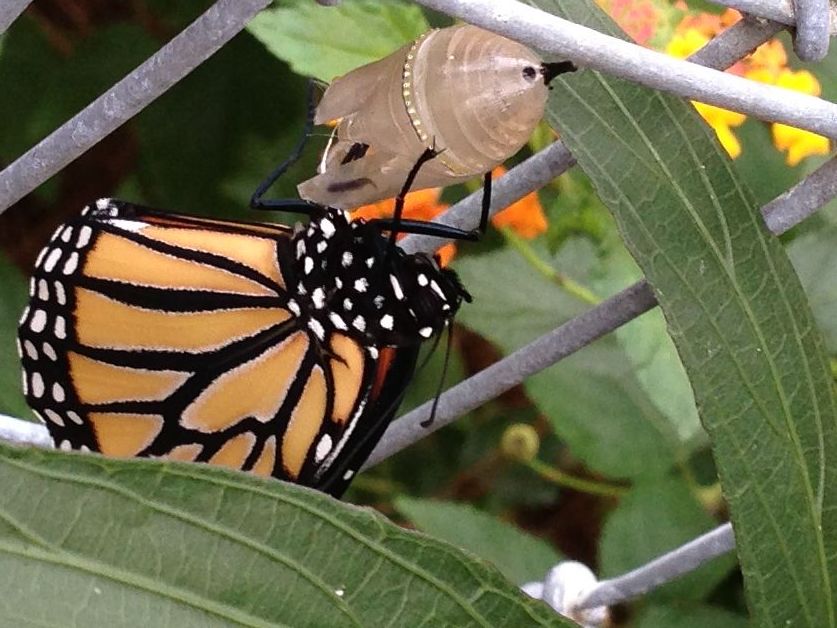
Raising Monarchs

We recently received a question about purchasing captive bred Monarch caterpillars, and thought we would share our answer here: 

From an ecological standpoint, purchasing captive bred Monarchs is generally NOT a good idea (here’s a paper explaining why). 

Instead, we recommend planting milkweed & nectar plants to attract wild monarchs.  When caterpillars hatch out and get big enough, they can be moved inside into constructed butterfly habitats (with milkweed plants) so students can observe the metamorphosis process and then release the butterflies back into the schoolyard (make sure nectar plants are available).  The link above also includes another link for protocol for safely bringing wild caterpillars indoors, and here are instructions for building your own indoor butterfly habitat.  Be prepared with PLENTY of milkweed because they can go through it quickly!

You can also easily attract other species of butterflies and then move caterpillars indoors to compare with Monarchs – black swallowtail is easily attracted to parsley, and gulf fritillary is attracted to passionvine.  Might be best to have separate indoor habitats for each species, with plenty of each host plant.

Working for Wildlife Day

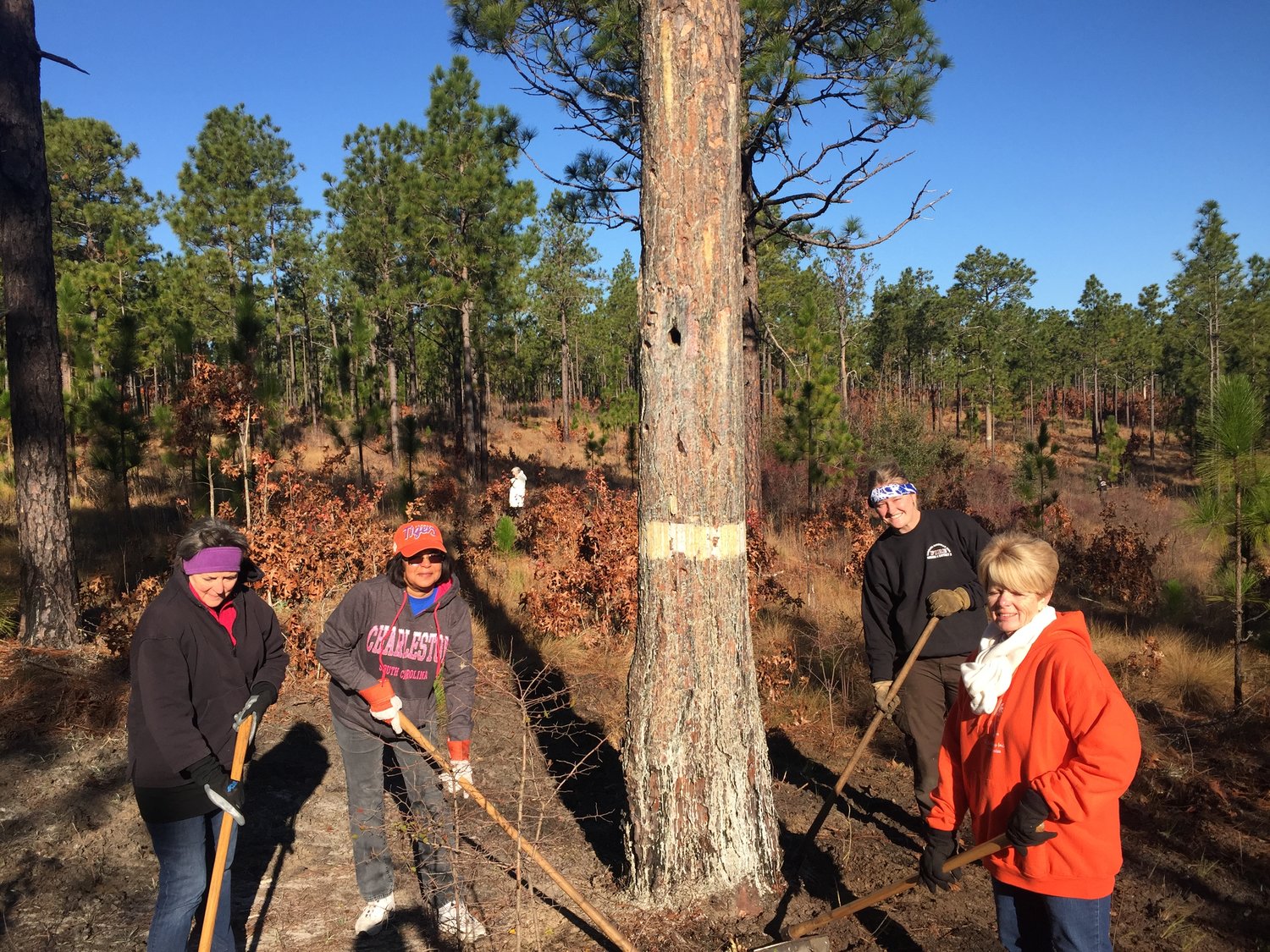
THANK YOU to our volunteers who helped to rake around Red-cockaded Woodpecker cavity trees!! Friends, volunteers and staff of Carolina Sandhills National Wildlife Refuge along with the SC Wildlife Federation hosted a workday at the Refuge on Saturday, December 10, 2016. The workday is an annual project of the SC Wildlife Federation. Volunteers learned about refuge wildlife as they helped conserve and protect valuable natural resources. Projects included raking around red-cockaded woodpecker trees to exclude them from prescribed burns, maintaining trails, installing trail signs, and building information kiosks.

Established in 1939, Carolina Sandhills National Wildlife Refuge contains rolling sand hills dominated by the longleaf pine-wiregrass ecosystem. Along with the endangered red-cockaded woodpecker, the refuge is home to more than 190 species of birds, 42 species of mammals, 41 species of reptiles, and 25 species of amphibians. More than 800 species of plants have been identified on the refuge, including rare species of pitcher plants, Well’s pixie-moss, and the white-wicky.

The Friends of Carolina Sandhills NWR is a group of citizens dedicated to supporting the role of the refuge in protecting and preserving the longleaf-wiregrass ecosystem; promoting the enjoyment and responsible use of the refuge by the public; and engaging in educational and civic activities to promote the refuge and wise stewardship of its resources.

Arbor Day Celebration

To celebrate Arbor Day in South Carolina, 27 students from Heyward Career and Technology Center participated in a program coordinated by the South Carolina Forestry Commission and the South Carolina Wildlife Federation Dec. 2 at Harbison State Forest.

Students learned about many wildlife species in South Carolina and their adaptations for survival. They also planted 16 trees, including persimmon, plum, crabapple, dogwood and redbud, donated by the Forestry Commission’s Taylor Nursery in the SCWF certified wildlife habitat behind the Education Center at Harbison State Forest. After lunch, students made suet feeders to take home to feed the birds in their backyards and went on a guided hike to learn about how fire can be good and bad in the forest.

The Heyward CTC industrial technology program partners with the SCWF to build nesting/roosting boxes for bluebirds, nuthatches, bats, owls and wood ducks. These nesting boxes are then sold to the public to support SCWF programs. Three of these nesting boxes are installed in the Harbison State Forest certified wildlife habitat. The certified wildlife habitat has undergone major renovations this year which were funded through a Palmetto Pride Community Pride grant. The wildlife habitat is open to the public and shows homeowners what they can do to create a beautiful and environmentally-friendly green space that is also beneficial to wildlife.

SCFC Environmental Education Coordinator Matt Schnabel partnered with SCWF’s Sara Green and Laura Blake on this Arbor Day program.

Click HERE to see more photos from this great event!

Pro Birders at Congaree

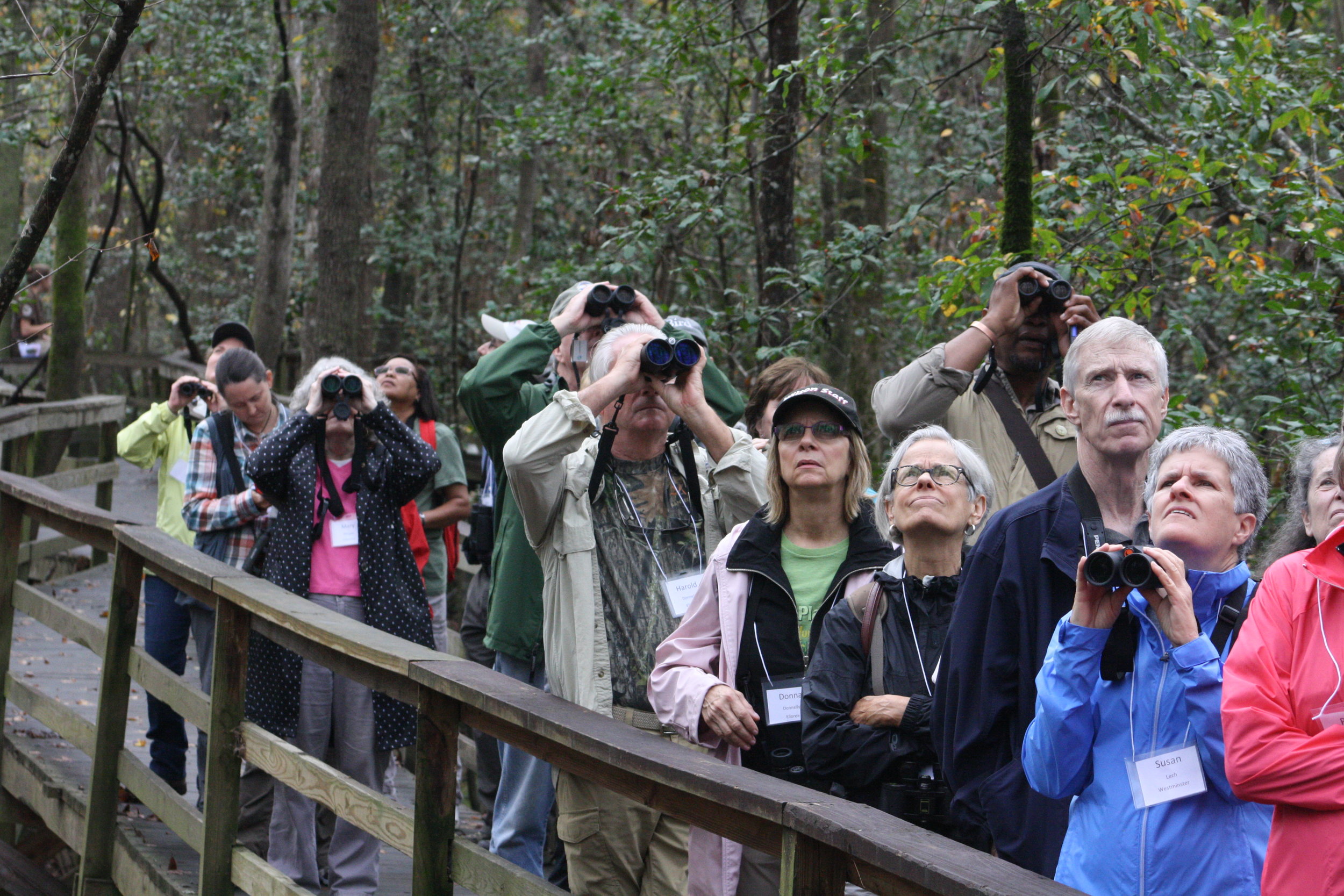
SCWF’s Palmetto Pro Birder class visited Congaree National Park with instructor Dr. Drew Lanham on November 30, 2016. Species encountered included: Hermit Thrush, Winter Wren, Black & White Warbler, Pine Warbler, Blue-headed Vireo, Barred Owl, Red-Shouldered Hawk, Golden-crowned Kinglet, Ruby-crowned Kinglet, and several others.

The Palmetto Pro Birder Program was developed in 2012 to expose motivated citizens to the diversity of avifauna in the Palmetto State and, by that exposure, build an understanding of the importance of conserving native habitats to maintain or restore the state’s avian diversity. More info HERE.

Check out more photos from the 11/30/16 class at Congaree National Park HERE.  

Jr. Naturalist Owl Adventure

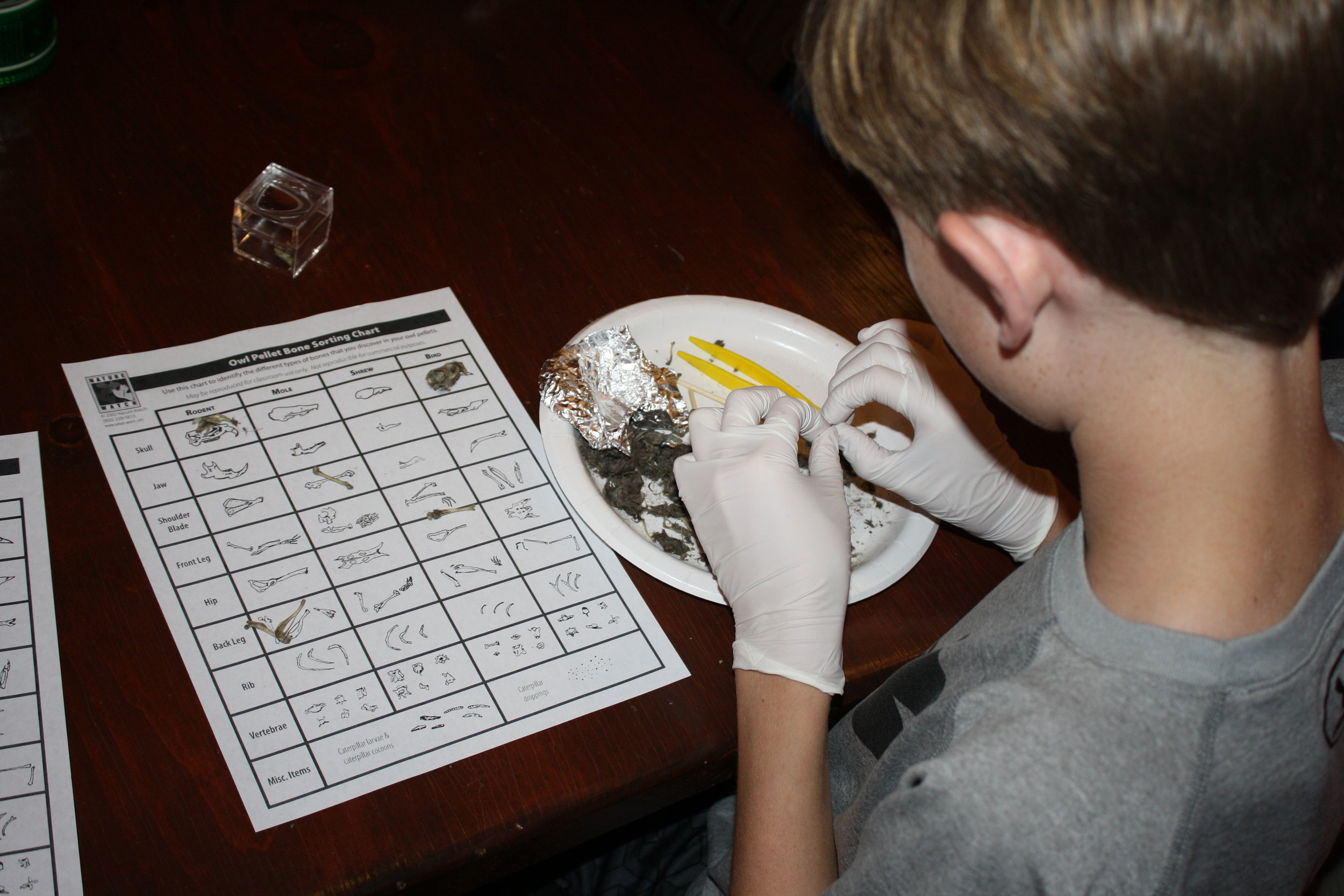
Junior Naturalists had a great time learning about owls & what they eat, dissecting owl pellets, and roasting marshmallows over the fire while we listened for owls. Huge thanks to the Hendricks family for hosting, and to Dee Dee Williams and the Midlands Master Naturalist Association for sharing their knowledge with the kids!

Autumn Botany at Sesqui

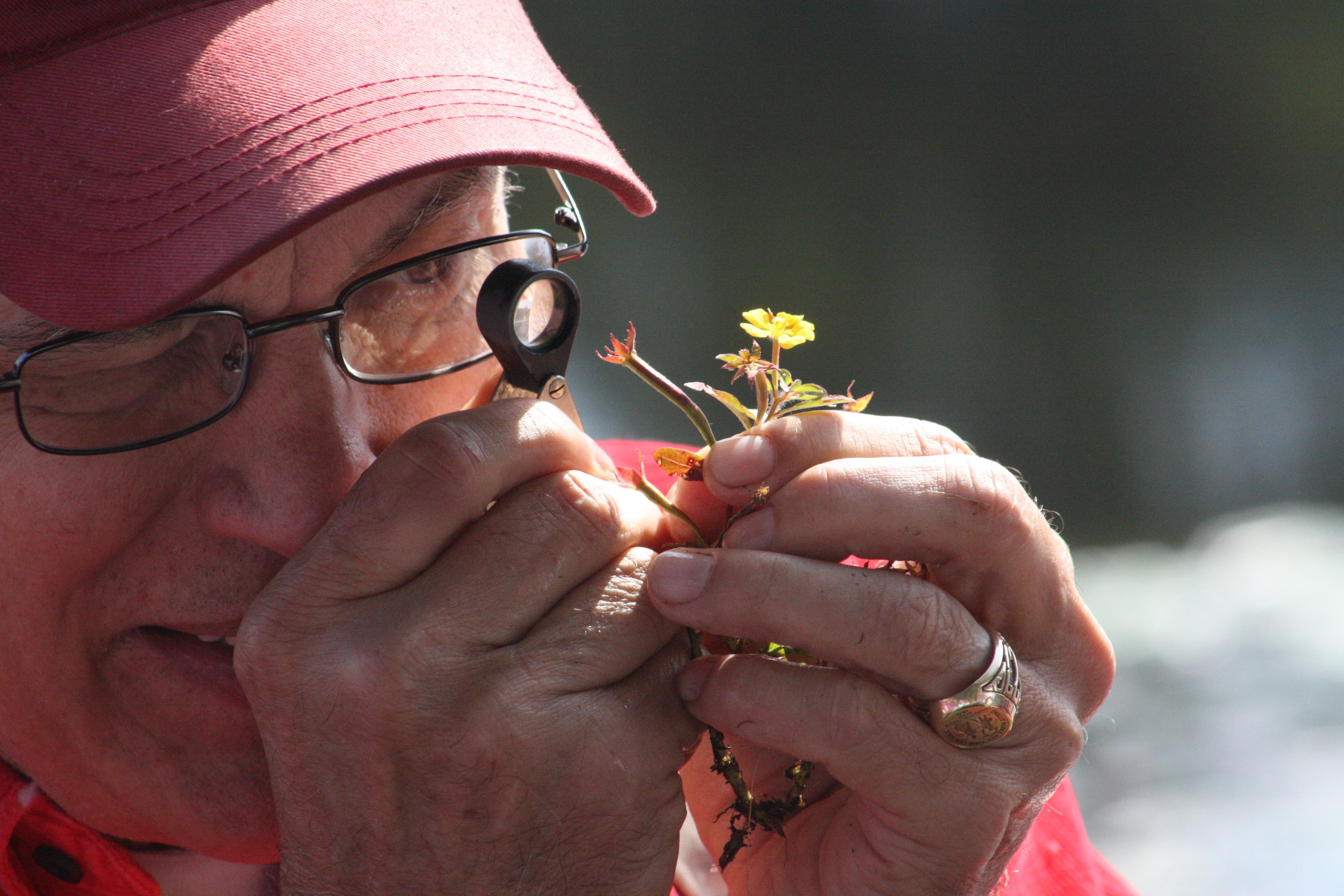
Our Autumn Botany class at Sesqui was a great success!  SCWF’s newest instructor, Dr. John Nelson of the USC Herbarium, shared his expertise and his passion with our group of enthusiastic naturalists.  Here is a list of the plants discussed during the day:

Ageratum conyzoides, Blue Mist Flower

Acathospermum australe, Star Burr Weed

Fanwort, Cabomba caroliniana   

Watershield, Brasenia schreberi       

Desmodium species, Beannie Weanie Plant

Angelstem Primrose Willow, Ludwigia leptocarpa         

Persicaria saggitata, tear thumb

Buttonbush, Cephalanthus occidentalis    

Elephant’s Foot, Elephantopus tomentosus

Apios americana, Ground nut

Flat-top Goldenrod, Euthamia graminifolia 

Tag Alder, Alnus incana serrulata

Fetterbush (Nascar plant), Lyonia lucida  

Gallberry, Ilex coriacea  

Swamp Titi, Cyrilla racemiflora  

Inkberry, Ilex glabra  

Golden Aster Grass-leaved, Chrysopsis graminifolia

Sourwood, Oxydendrum arboreum

Sparkleberry, Vaccinium arboreum

Muscadine Grape, Vitis rotundifolia        

Black Gum, Nyssa sylvatica 

Blackjack Oak, Quercus marilandica

Post Oak, Quercus stellata

Smilax, Smilax laurifolia

Horse Sugar, Symplocos tinctoria

Black Cherry, Prunus serotina

Dog Hobble, Leucothoe axillaris

Bracken Fern, Pteridium aquilinum

Woodwardia areolata, chain fern

Short Needle Pine, Pinus echinata

Wild Magnolia, Magnolia grandiflora

Climbing Hemp Vine, Mikania scandens

Royal Fern, Osmunda regalis

Yellow Jessamine, Gelsemium sempervirens

Viburnum, Viburnum nudum

Green Arum, Peltandra virginica

American Beautyberry, Callicarpa americana

Winged Sumac, Rhus copallinum

False Nettle, Boehmeria cylindrica

Peppervine, Nekemias arborea

Beggar Lice, Hackelia virginiana Desmodium sp.

Boneset, Eupatorium perfoliatum

White Aster, Symphyotrichum racemosum

Hawthorn, Crataegus, sp.

(thanks to Dee Dee Williams for taking great notes!)

New WAIT Site Certified at Shaw Industries

Columbia, S.C. – The South Carolina Wildlife Federation (SCWF) certified Shaw Industries Group, Inc., Plant 8S as a Wildlife And Industry Together (W.A.I.T.) site on June 16th.  The W.A.I.T. program recognizes industries who are dedicated to protecting the environment and keep wildlife needs in mind when making their land management decisions. Shaw joins 28 other plants in the state with this distinction.

Shaw Industries Group, Inc., Plant 8S is a nylon and polyester fiber manufacturing facility located in Columbia, South Carolina that has more than 300 employees. The plant’s products are used to make a variety of different types and styles of nylon and polyester carpet.  Shaw Industries is the world’s largest carpet manufacturer and a leading floor covering provider. The company manufactures and distributes carpet, custom rugs, hardwood, laminate, resilient, and tile and stone flooring products for residential and commercial applications worldwide. A recognized environmental leader, Shaw takes a holistic approach to sustainability including a keen focus on its 2030 goals related to water, energy, greenhouse gas emissions, waste, safety and designing to Cradle to Cradle protocols.

SCWF acknowledged that Shaw is proudly committed to being good stewards of the environment.  The W.A.I.T. certification recognizes that Shaw Plant 8S has taken a leading role in environmental protection, in part by setting aside property around the plant that includes planting food plots for wildlife, creating two butterfly gardens, constructing hawk perches, installing duck and bird boxes and building numerous walking trails for its employees to enjoy the abundance of wildlife along the Saluda River in Lexington County. Associates from all departments are involved in W.A.I.T. projects.

Donor Impact Report 2016

Included in our Donor Impact Report 2016, you will find updates on our education & conservation programs, news from all staff members, a list of all 2015 donors, winning photos from our 2015 Photo Contest, and much more!