Keep South Carolina Wild
February 01, 2017
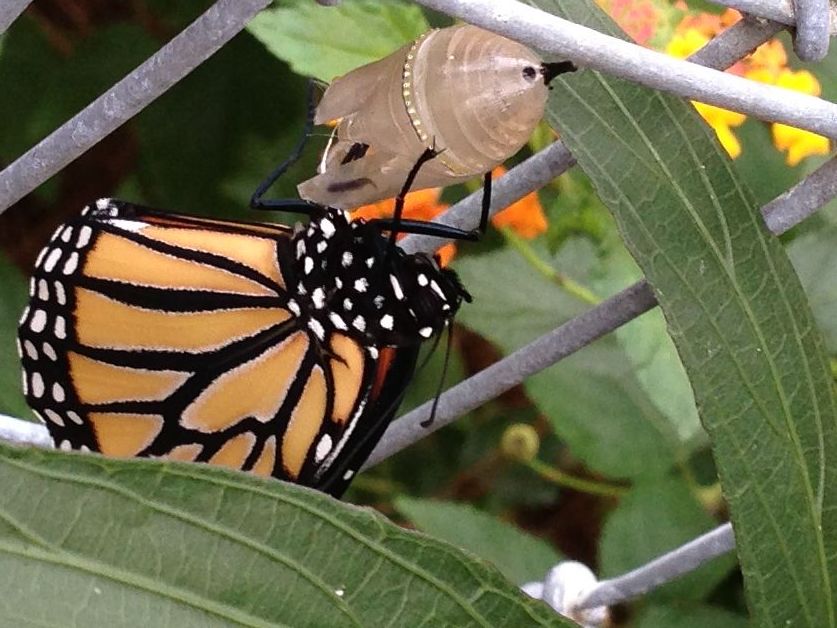
We recently received a question about purchasing captive bred Monarch caterpillars, and thought we would share our answer here:
From an ecological standpoint, purchasing captive bred Monarchs is generally NOT a good idea (here’s a paper explaining why).
Instead, we recommend planting milkweed & nectar plants to attract wild monarchs. When caterpillars hatch out and get big enough, they can be moved inside into constructed butterfly habitats (with milkweed plants) so students can observe the metamorphosis process and then release the butterflies back into the schoolyard (make sure nectar plants are available). The link above also includes another link for protocol for safely bringing wild caterpillars indoors, and here are instructions for building your own indoor butterfly habitat. Be prepared with PLENTY of milkweed because they can go through it quickly!
You can also easily attract other species of butterflies and then move caterpillars indoors to compare with Monarchs – black swallowtail is easily attracted to parsley, and gulf fritillary is attracted to passionvine. Might be best to have separate indoor habitats for each species, with plenty of each host plant.

[caption id="attachment_5704" align="alignright" width="300"] Shannon Leigh Keenan[/caption] The South Carolina Wildlife Federation (SCWF) recently hired Shannon Leigh (Turbeville) Keenan as the organization’s new Director of Development and Events. In her...

Thank you for your voice and support - you are critical to our success! The generosity of our donors, sponsors, and grant funders allows our organization to support wildlife, and...
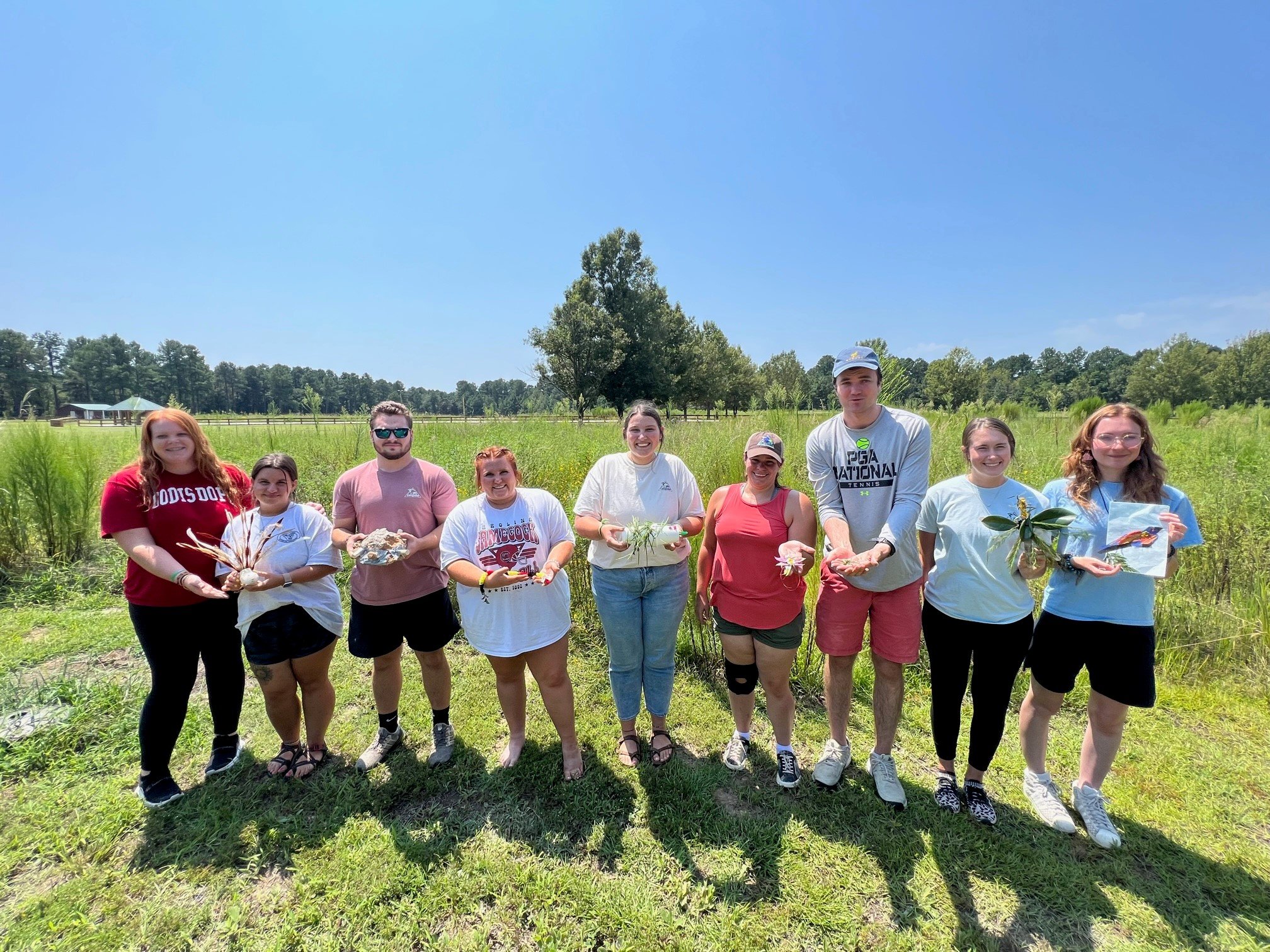
“Oh Deer!”, shouted the instructor as several educators ran across a field recently to find what they needed to survive as a white-tailed deer. This classic activity from Project WILD...