Keep South Carolina Wild

Secrets of the Sandhills

This one-day workshop will explore the Sandhills, a unique ecoregion stretching through North Carolina, South Carolina, and Georgia.

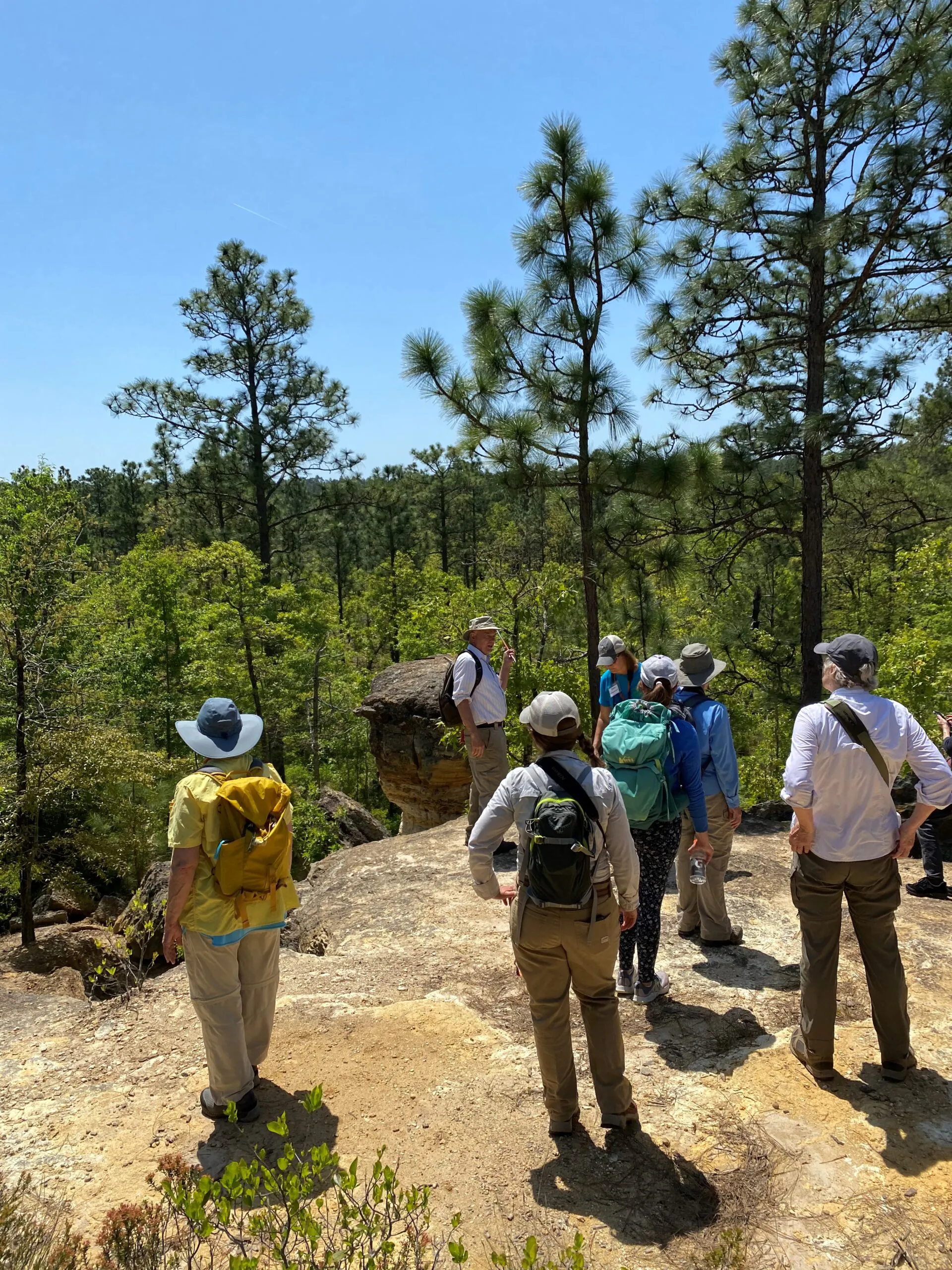
Our exploration will place a significant focus on the geological formation of this ecoregion, with a look at the sandy sediments that serve as the namesake for the region. The sediments are displayed in several forms, including sandstone formations, Cretaceous cross beds laid down by ancient waters flowing out of the Piedmont, and by vast, ice-age sand dunes that serve as the top dressing for this region. We’ll visit several sites to see these geological features in clear detail as we uncover the ways in which the region formed, while imagining what it must have been like back then.

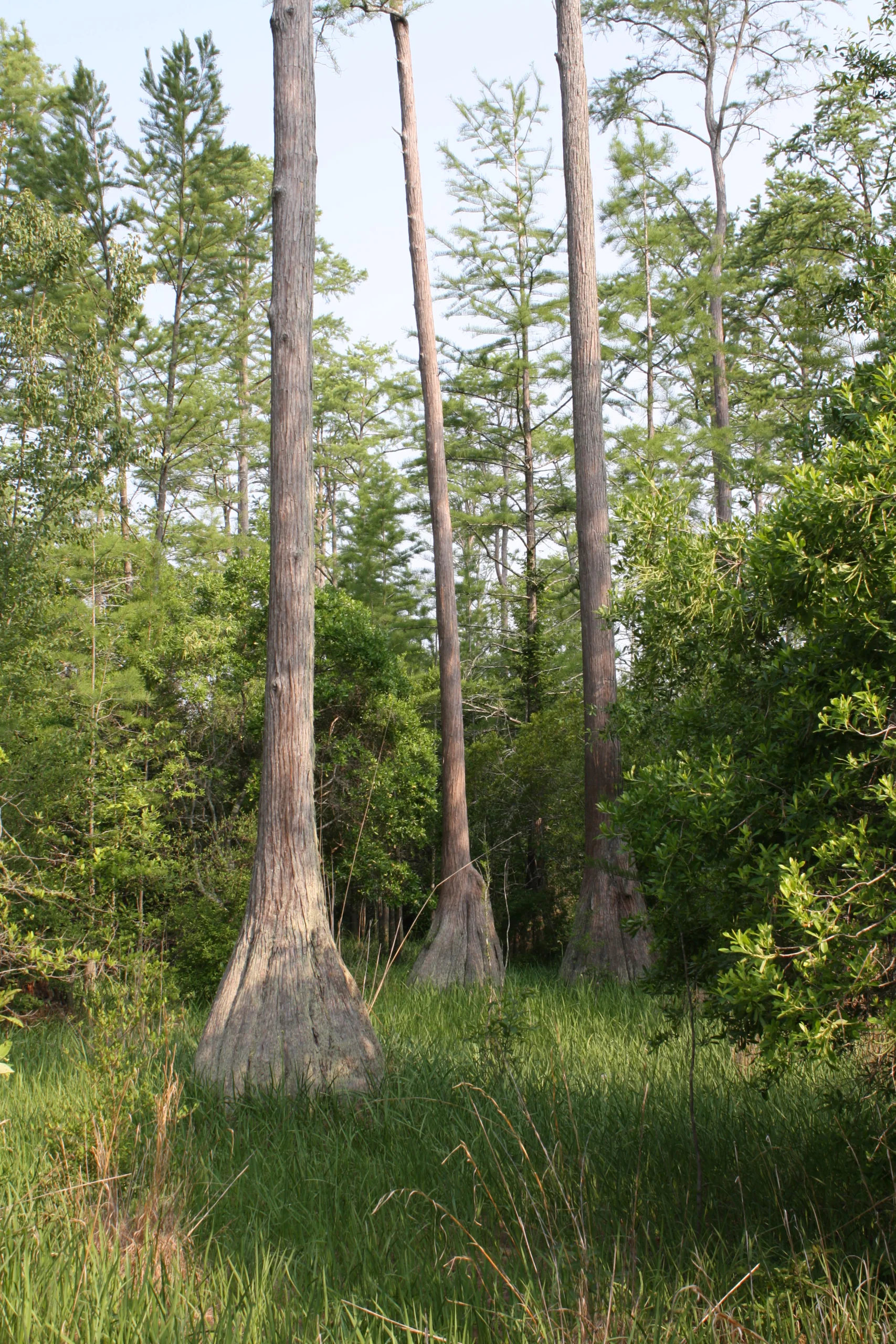
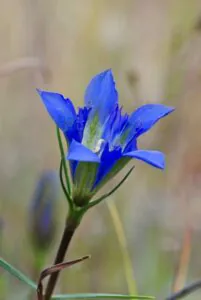
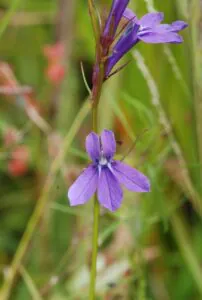
The sand formations of long ago have been preserved thanks to the vegetation that now tops them, so along the way, we will investigate several plant communities, where a few fall wildflowers will be in bloom. In pocosin communities, which border the black waters of the Sandhills, we will identify the common species of evergreen shrubs that make this community so dense. With any luck, pine barrens gentian (below) will be in bloom at the edge of the pocosin. In longleaf pine – scrub oak communities, we will glance at the four scrub oak species, a few towering longleaf pine trees, and the wiregrass so characteristic of this forest. Herbaceous Seepage communities will give us a glimpse of several carnivorous plants: trumpet pitcher plant, sweet pitcher plant, and frogs breeches.


Image Caption: This stunning blue flower is the pine barrens gentian.
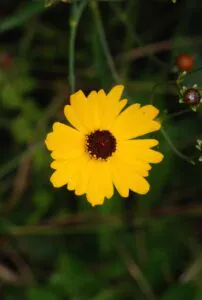
Image Caption: This beautiful yellow flower is coreopsis (tickseed).


Image Caption: This lovely wildflower is the batson’s lobelia.


While the Sandhills grow more silent in the fall, animals will also be addressed, especially those unique to this ecoregion. Bird species associated with these Sandhills include the federally endangered red-cockaded Woodpecker, brown-headed nuthatches, chipping sparrows, pine warblers, northern harriers, and American kestrels.

At the end of the day, participants will understand how the South Carolina Sandhills formed and how this formation led to the many adaptations we see in our Sandhills flora and fauna. In addition, participants will obtain skills needed to identify several habitats and species common to this ecoregion.


When: Tuesday, October 28.  We’ll meet at 9 AM. The day will conclude sometime around 3 PM. Please note that there is no rain date for this event.  We will make every effort to hold it, even in a few rain showers.  If the weather or conditions necessitate cancellation, we will notify you and refund your money.

Where: We will meet at the visitor’s center of Carolina Sandhills National Wildlife Refuge, one of South Carolina’s most magnificent preserves.

Carolina Sandhills National Wildlife Refuge is located approximately 70 miles northeast of Columbia, South Carolina. The main entrance is on US Hwy. 1, about 4 miles northeast from the small town of McBee, S.C. The address is: 23734 U.S. Highway 1, McBee, SC 29101.

Who: This training is open to the public. No prior knowledge is required. Minimum age is 16. Lunch will last thirty minutes, so depending on when we finish, this will count for approximately five and a half to six hours of training. If you are not a Master Naturalist, forget all that.  Just come have fun with us.

Other Important Notes:

Participants will need to pack a lunch and be prepared for a day in the field including easy to moderate hikes, mosquitoes, heat, briars, and possible encounters with a few perilous creatures. The Sandhills can be hot, even in the fall. Restrooms should be available upon arrival and once more at lunchtime. Participants need a willingness to carpool during our day together (it’s good for the earth and for us).

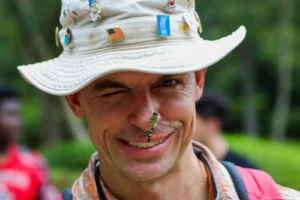
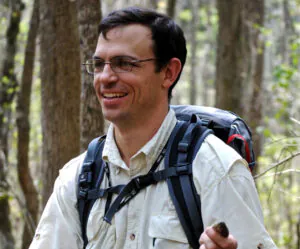
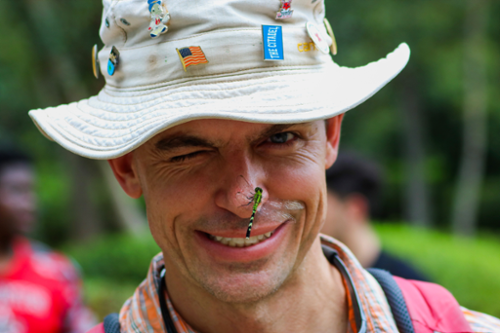
This class will be taught by Austin Jenkins, who teaches and facilitates the Midlands Master Naturalist class for the South Carolina Wildlife Federation. Jenkins is a native of Camden, SC and studied Biology Education at The Citadel. He went on to study various and sundry plants and animals at Clemson University. A Naturalist at USC Sumter, Jenkins teaches Natural History of South Carolina and Environmental Biology.


Austin Jenkins


Communication will occur prior to the outing via email. Make sure you check email and if you change your address in the meantime, it is your responsibility to notify us. We plan to send a list of participants with cities and phone numbers to facilitate carpooling.  If you wish to avoid this, let us know.

Yes, Austin will have some prizes. He will bring the raffle tickets and some native plants. Currently the collection contains Georgia aster, black-eyed Susan, coneflower, and mayapple.

Cost: The cost is $75.00 per person and is limited to the first 20 people who register.


Spiders of September

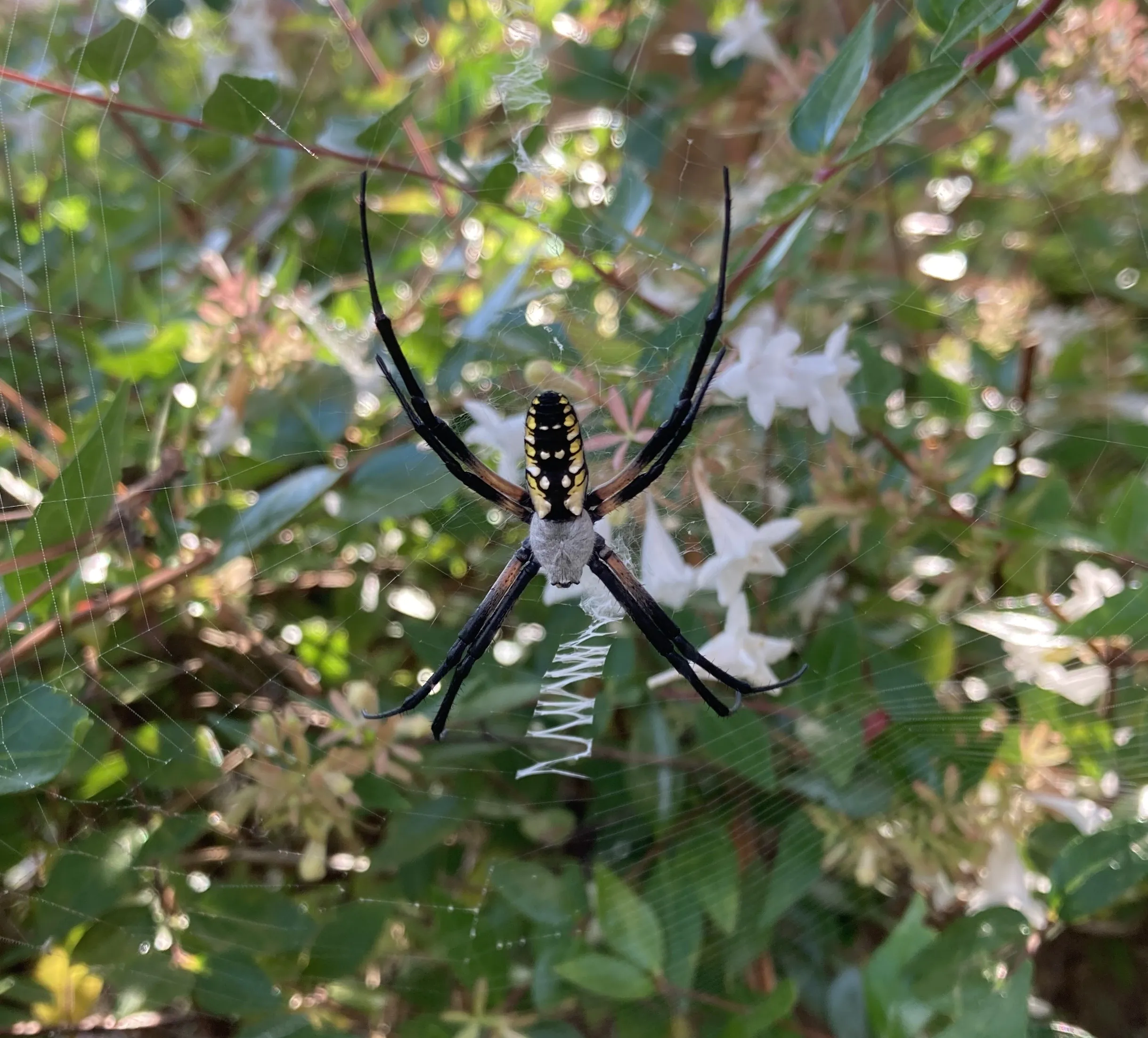
Some call them “creepy” and some call them “cool.” Either way, spiders are infinitely interesting, and this workshop is designed to help you discover some the amazing attributes that make them so. We’ll have opportunities to distinguish the sexes of spiders, surely a skill you’ve long desired to acquire. Through our discussion and discovery you’ll gain a better understanding of the different types of webs spiders spin, including how and why they are spun. Their silk is symbolic of the many connections they make in nature, and we’ll have conversations about that too.

We’ll talk about identification of the most common species found around the home. Of course our time together will include a walk in the woods to search for and identify woodland species. Because many spiders tend to reach maturity in the fall, they make themselves a bit more available for study this time of year. Since we’ll be at Goodale State Park, we’ll reserve the right to get a bit distracted if we see something other than a spider that warrants discussion. However, we’ll try to keep it focused and certainly fun.

At the end of the day, you’ll be able to:

1.    Identify several species of spiders common in residential and woodland settings
2.    Describe basic aspects of spider natural history
3.    Appreciate the relationships between spiders and their environment
4.    Feel confident and equipped in moving forward into your own study of spiders

Where:  This training will take place at Goodale State Park, in the midlands and Sandhills Region of South Carolina.  Meet at Picnic Shelter #1, more detailed directions will be sent in advance of the class.  The website, which includes general directions, can be found by clicking here.

When:  September 9, 2025. We’ll meet at 9:00 AM, and conclude at 2:00 PM.

Who: This training is open to the public. No prior knowledge is required. Minimum age is 16. For SC Master Naturalists who have not taken a spider course, this event can count as Advanced Training and towards your statewide certification if you need a Sandhills component. Lunch will last thirty minutes, so depending on when we finish, this will count for approximately four and a half hours of training. If you are not a Master Naturalist, just come have fun with us.


This class will be taught by Austin Jenkins, who teaches and facilitates the popular Midlands Master Naturalist class for the South Carolina Wildlife Federation.  Jenkins teaches Natural History of South Carolina at USC Sumter.


IMPORTANT: Participants should be in good physical shape. We will be outdoors during the whole class, and it may be HOT. In addition, we will be on our feet most of the day.

Cost: The cost is $75.00 per person.

To ensure a quality experience for all, space is strictly limited to 20 participants. Classes fill quickly, register today! After registration, you will receive an email with lodging recommendations, directions, and any other details pertinent to the class.
Other Important Notes:

  • Restrooms are available at the park.

  • Participants should bring a bag lunch and water and be prepared for a day in the field.
    There is no rain date for this event. We will make every effort to hold it, even in a few rain showers. If we can’t make it happen due to weather or some other situation, we will refund your money.

  • After registering you will receive important correspondence via email – if you change your email between now and then, make sure to notify us.

SCWF reserves the right to cancel any event, due to unforeseen circumstances, extreme weather, low registration, or guidance from local/state officials. Any cancellation by SCWF will result in a full refund for all registrants.

Featured Image Credit: Writing spider by Cindy Owen.

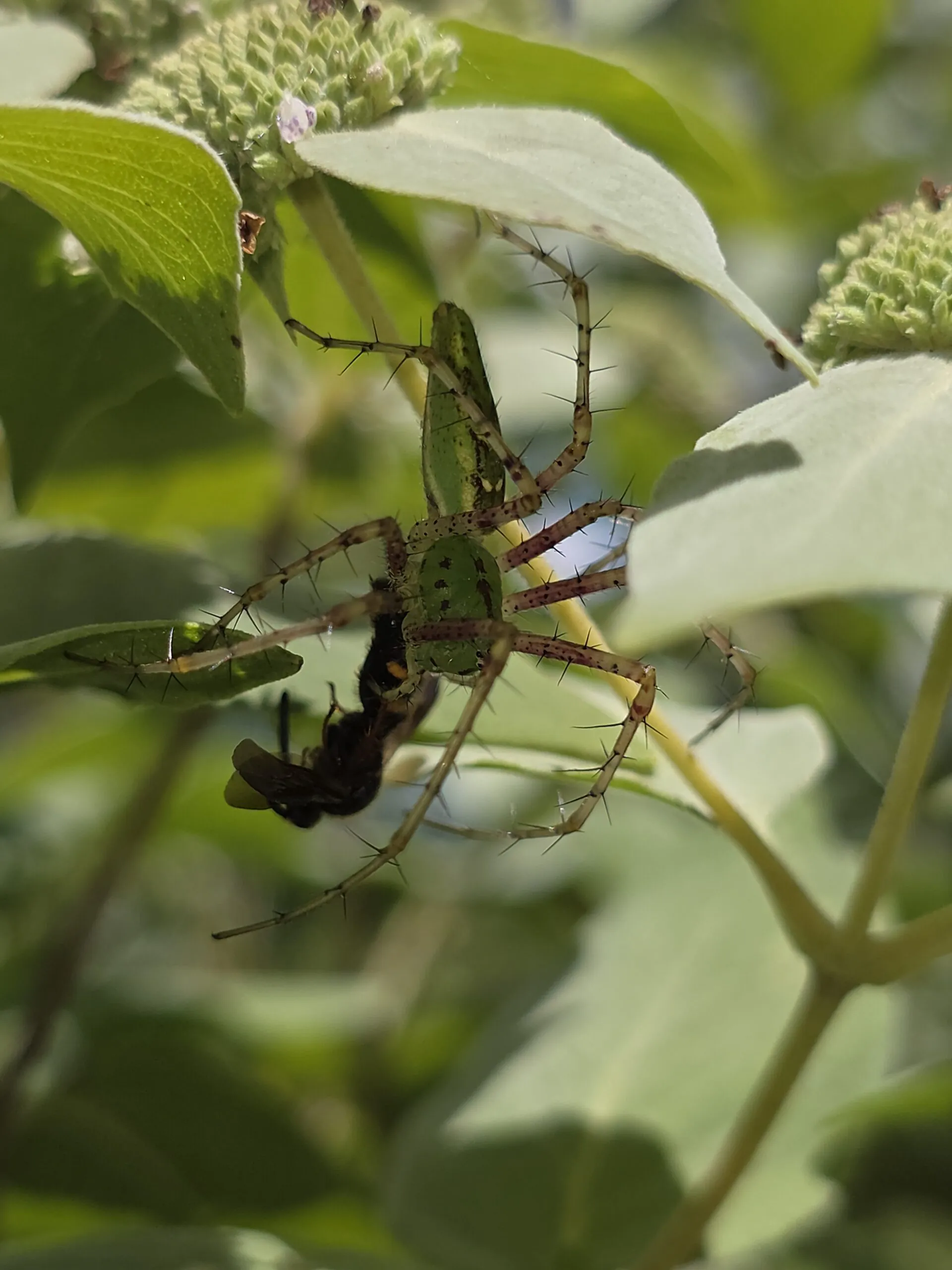
Bannner Image Credit: Green lynx spider by Trey Wardlaw.

Day of the Dragon

This class is full! You can add yourself to the waiting list here.

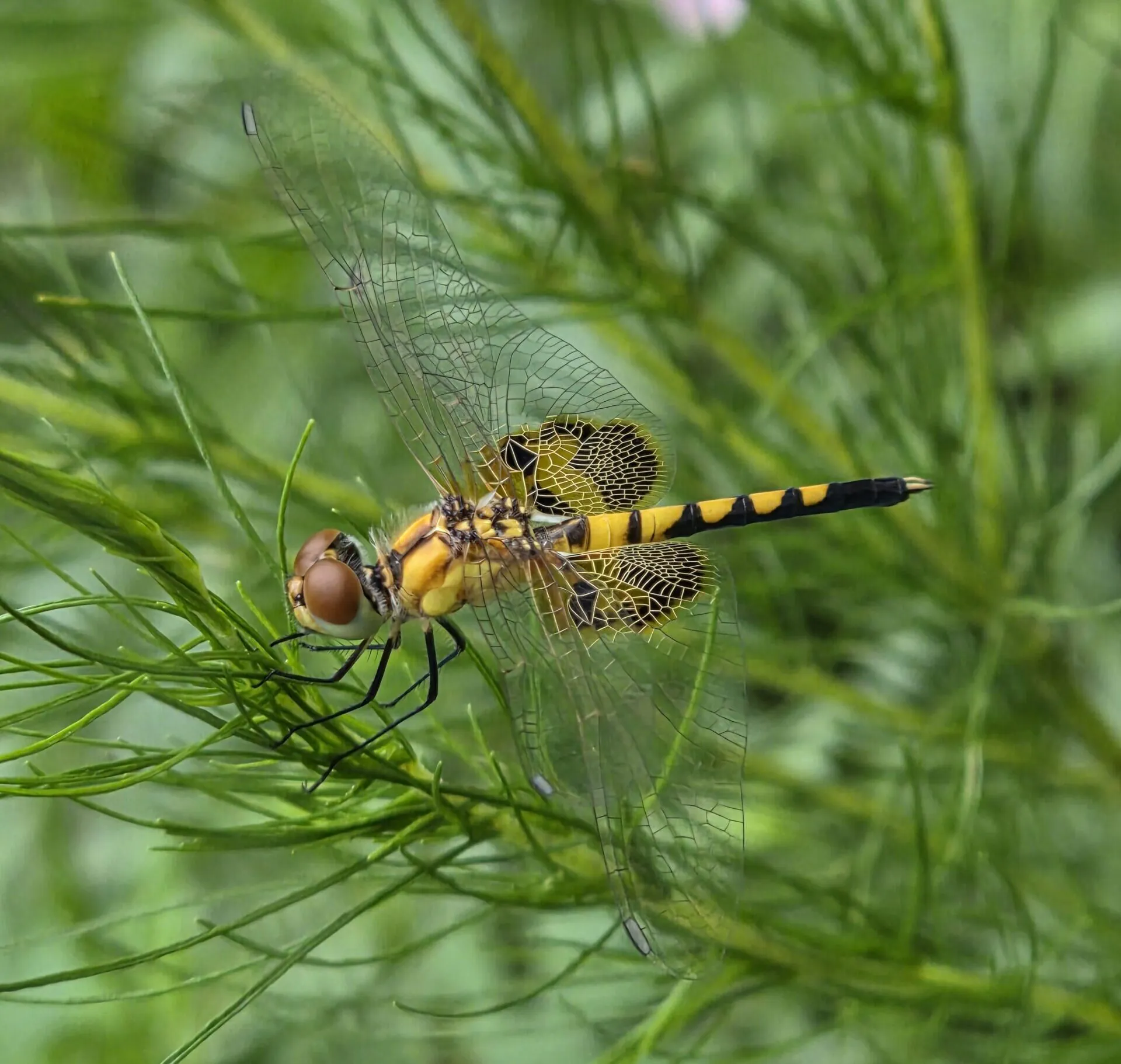
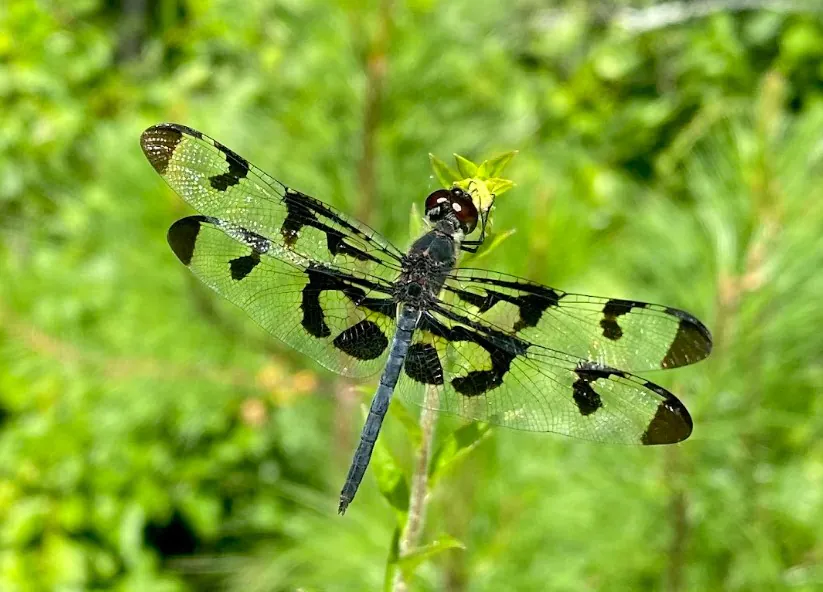
Join us for an investigation into the exciting natural history of dragonflies and damselflies! These majestic creatures grace our waters on the wing throughout the summer in South Carolina, where we boast over a hundred species that come in all shapes, sizes, and incredible colors.

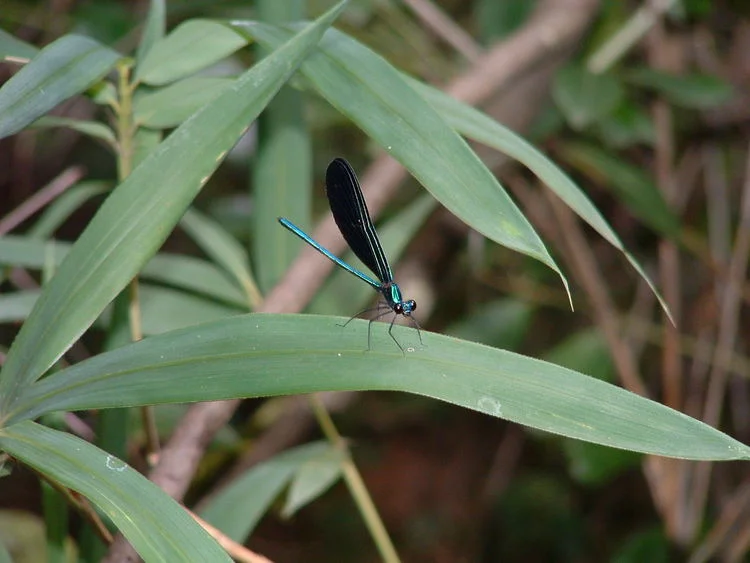
Goodale State Park, in the heart of the South Carolina Sandhills, is bursting with a bountiful regiment of these regal creatures. During our day, we’ll analyze each part of the dragonfly, from the eyes to legs to the wings to the tail, investigating the related biology of each aspect. We’ll mosey down to the aquatic habitats the dragons call home. This includes a large millpond that hosts a large number of skimmers, pennants, and pond damsels. We’ll also investigate the backwoods, where the running water gives rise to a completely different assemblage of dragons and damsels, to include jewelwings, rubyspots, and several dancer species.

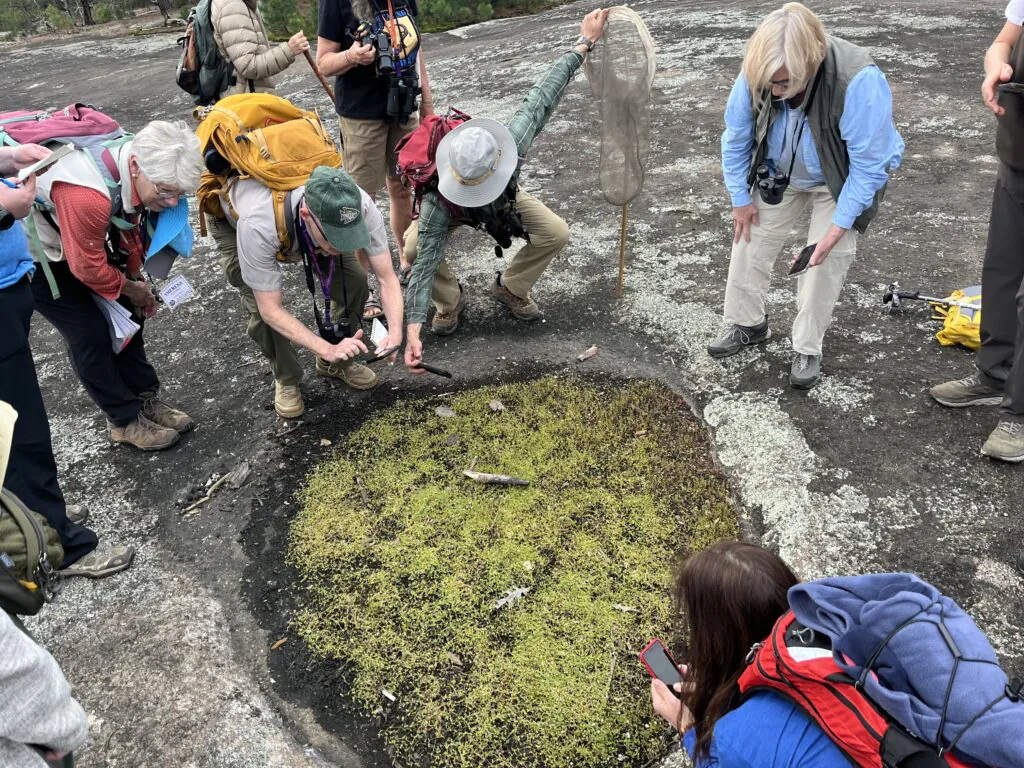
In addition to surveying the sky, we’ll use the dip nets to capture larval dragonflies and damselflies, examining their differences and underwater lifestyles along with the associated biota with which they coexist. Dragonfly life also demands diverse aquatic vegetation, and we’ll discuss several of these plant species and the important strata they form upon the water.

By the end of the day, you’ll be able to:
1.    Discuss the connections between form and function of dragonfly anatomy
2.    Successfully identify several species of dragonflies and damselflies
3.    Understand the variety of ecological requirements needed to support dragonfly life
4.    Predict species assemblages associated with particular aquatic habitats

Where: This training will take place at Goodale State Park just outside of Camden, South Carolina. Meet at Picnic Shelter 1. Enter the park and just keep driving. Go past the community building, past the ranger station, and around the bend where dragonflies dwell. The website, which includes directions, can be found by clicking here.

When: Tuesday, June 17. We will meet at 9:00 AM. The day will conclude sometime around 2:00 PM.

Who: This training is open to the public. No prior knowledge is required. Minimum age is 16. For SC Master Naturalists who have not taken a dragonfly course, this event can count as Advanced Training (4.5 training hours) and towards your statewide certification if you need a Sandhills component. If you are not a Master Naturalist, just come have fun with us. Participants will also receive contact info of other participants to allow for carpooling to the park.


This class will be taught by Austin Jenkins, who teaches and facilitates the popular Midlands Master Naturalist class for the South Carolina Wildlife Federation.  Jenkins teaches Natural History of South Carolina at USC Sumter.


IMPORTANT: Participants should be in good physical shape. We will be outdoors during the whole class, and it may be HOT. In addition, we will be on our feet most of the day.

Cost: The cost is $75.00 per person.

To ensure a quality experience for all, space is strictly limited to 20 participants. Classes fill quickly, register today! After registration, you will receive an email with lodging recommendations, directions, and any other details pertinent to the class.
Other Important Notes:

  • Restrooms are available at the park.

  • Participants should bring a bag lunch and water and be prepared for a day in the field.
    There is no rain date for this event. We will make every effort to hold it, even in a few rain showers. If we can’t make it happen due to weather or some other situation, we will refund your money.

  • After registering you will receive important correspondence via email – if you change your email between now and then, make sure to notify us.

  • If available, please bring binoculars and a hand lens. If you have a dragonfly book, bring it, but this is not required or necessary. Otherwise, we will have several copies of field guides so that you can choose one for future studies. Feel free to bring an insect net if you have one. Otherwise, we will have some available.


SCWF reserves the right to cancel any event, due to unforeseen circumstances, extreme weather, low registration, or guidance from local/state officials. Any cancellation by SCWF will result in a full refund for all registrants.


Featured Image Credit: “Statue” by Ellen Haynes.

Midlands Master Naturalist Class 2025

Students learn identification skills, ecological concepts, and natural history of the plants, animals, and ecosystems encountered. Students will see how this knowledge can be applied to manage for wildlife and to ensure that human impacts on our Earth are sustainable. Through the established connections, participants will develop the skills necessary to become lifelong students of nature and environmental volunteers in their community.

12 classes are held during each session, beginning March 7, meeting every Friday through May 23. Classes generally begin at 9:00 am at varying locations around the Midlands. Ending times may vary depending on the field trip, but generally between 1:00-3:00 pm. Classes will be held rain or shine.


This year’s class has been filled! You can add yourself to the waiting list below and click here for more details about the Midlands Master Naturalist Program.