Keep South Carolina Wild

Forks, Knives, & Spoonbills Art Contest

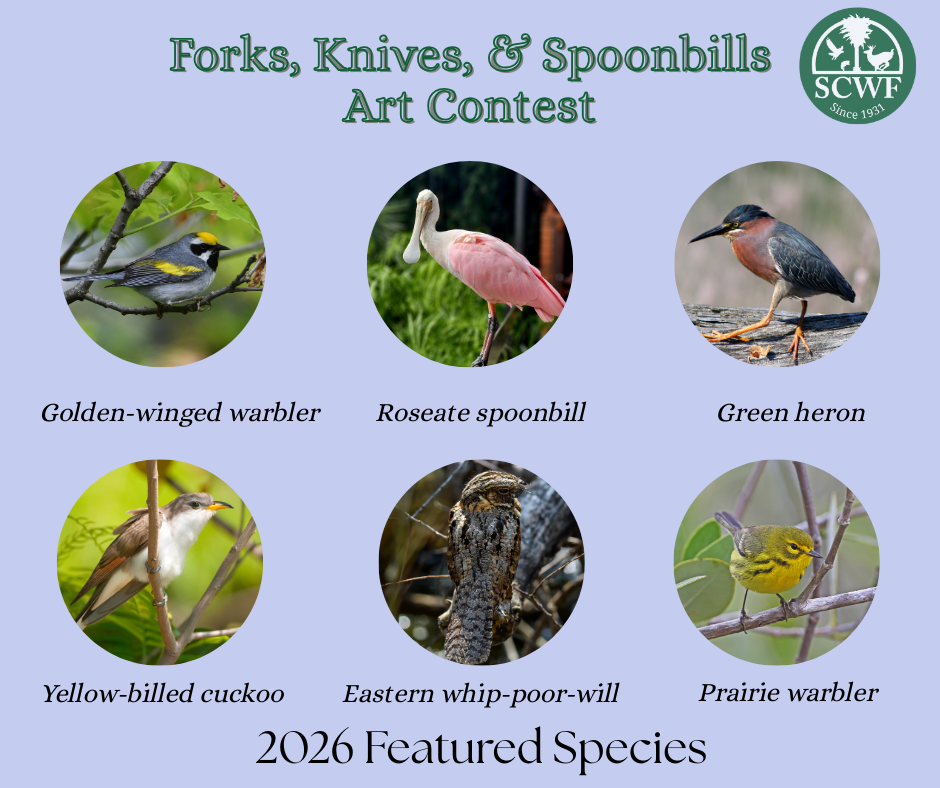
Calling all local artists! The South Carolina Wildlife Federation is launching our sixth statewide art contest to design the menu art for our 2026 Forks, Knives, & Spoonbills conservation dinner series. For these events, SCWF partners with local chefs throughout the state to create culinary dining experiences themed around imperiled wildlife species. The winner of the art contest will have their art featured on each menu of the dinner series. The first dinner is scheduled for March.

Local artists are encouraged to submit an image file of their design that includes all six of the wildlife species that will be featured in the 2026 dinner series (see below).

Please see below for this year’s featured species.

Please note that all of the species below, except for the roseate spoonbill, are listed in the SC Department of Natural Resources’ State Wildlife Action Plan (SWAP), which identifies species of concern for South Carolina.

1. Roseate spoonbill

South Carolina’s only pink bird, some people confuse it with a flamingo at first sight. The color comes from the foods they eat, which include crustaceans, and other aquatic invertebrates, though they’ll also eat fish. The bill is long and flat and wide at the end, similar to a wooden spoon one would use in the kitchen while cooking. It’s a coastal bird that has increased its population in SC after almost being hunted to extinction in the late 1800’s and early 1900’s.

Conservation status: increasing after almost disappearing from the US in the early 1900’s.

2. Golden-winged warbler

This light gray warbler is about 5 inches tall and has a striking yellow head and a lovely yellow wing. Interestingly, the female builds a nest on the ground, sometimes in the base of a plant. Females will abandon a nest if they feel like it has been disturbed. Golden-winged warblers like shrubby areas but also rely on the protection of forests to avoid predators. These neo-tropical migrants can be seen in South Carolina during fall and spring migration.

Conservation status: this species has undergone a large decline in North America over the past 40 years, which has gotten even more dramatic in the past 15 years.

3. Green heron

These dark colored wading birds are year-round residents in South Carolina. They are about 16 to 22 inches high and can be found near lakes, ponds, and marshes, where they hunt for fish and other aquatic species with their dagger-like bill. These fairly solitary birds are considered ambush predators.

Conservation status: this species is in a mild decline, although they are still fairly common.

4. Yellow-billed cuckoo

This gorgeous bird has a slender body with a long tail that has spots underneath the tailfeathers. They winter in South America but come up to South Carolina in the spring. They live in deciduous woodlands and are able to stay very still so they can be hard to spot. They do have a distinctive call and are sometimes called “thunder crows” because they often call when there is thunderstorm. An interesting fact is that they have one of the shortest nesting cycles of any bird species, and it can be as short as 17 days.

Conservation status: this species is in decline. Studies suggest that the North American population has declined by 7% over the past 10 years.

5. Eastern whip-poor-will

More likely to be heard than seen, this member of the nightjar family is named for their recognizable “whip-poor-will” song. If you are in the forest at dusk or dawn, you’ve probably heard their song before. Eastern whip-poor-wills prefer forests that are open rather than dense, so you might find them in deciduous forests, mixed forests, or open pine forests. Their beautiful brindled feathers provide good camouflage and make them hard to spot. During the day, they will rest on the ground or a log, and actually also nest on the ground. Like other members of the nightjar family, they are insectivores, and feast on insects that they catch while flying with their mouths open.

Conservation status: this species is in decline but recent studies suggest that the populations are becoming more stable.

6. Prairie warbler

These small songbirds are about 5 inches tall, and you might think that these yellow and black warblers live on prairies. However, they actually live in regenerated forests that have been cleared at some stage and are growing back. Prairie warblers are often found at forest edges and in scrubby areas that provide cover.

Conservation status: this species is in significant decline. Short-term studies suggest the population has declined by 15% over the past decade.


Eligibility
Artists must be residents of South Carolina; there is no age restriction or registration fee. Artwork must contain all of the species represented in the 2026 dinner series. SCWF employees or board members or their immediate family members are not eligible.

Sizing: Artwork submitted can be vertically or horizontally oriented. The design will be printed on a card that is 5.5” wide x 8.5” long.

Judging
The judges are made up of the SCWF staff. Decisions of the judges are final. Notification will be sent by e-mail after judging is complete.

Prizes
The winner’s art will be featured on the menus of the 2026 Spoonbills dinner events. They will also have a choice of accepting a $100 cash prize or two tickets to one of the dinner events ($300 value).

Dates
Entries must be postmarked or emailed no later than 11:59 pm on February 18th. Winners will be notified by February 25th.  All art submitted will be posted online.

Questions:
Send via email to: mail@scwf.org. Questions? Contact SCWF at (803) 256-0670.


Banner image credit: Roseate Spoonbill at HBSP by Gretchen Locy.
Palmetto Pro Birders: Winter Waterfowl

This class is full! Please add yourself to the waiting list here.


Join us for a Palmetto Pro Birder in search of winter waterfowl right here in the South Carolina Midlands!

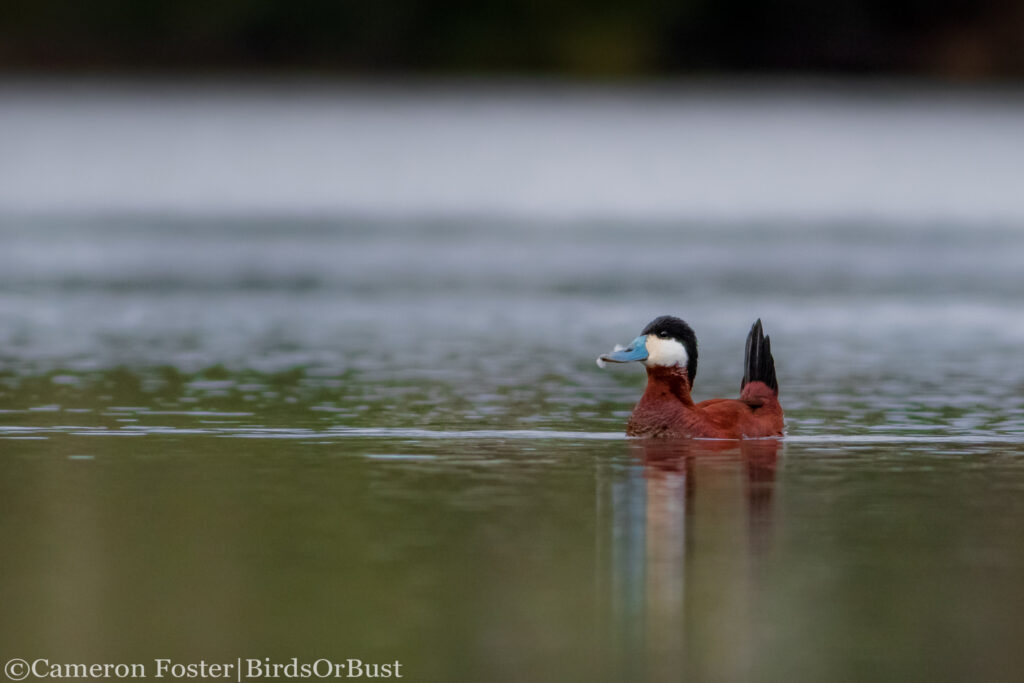
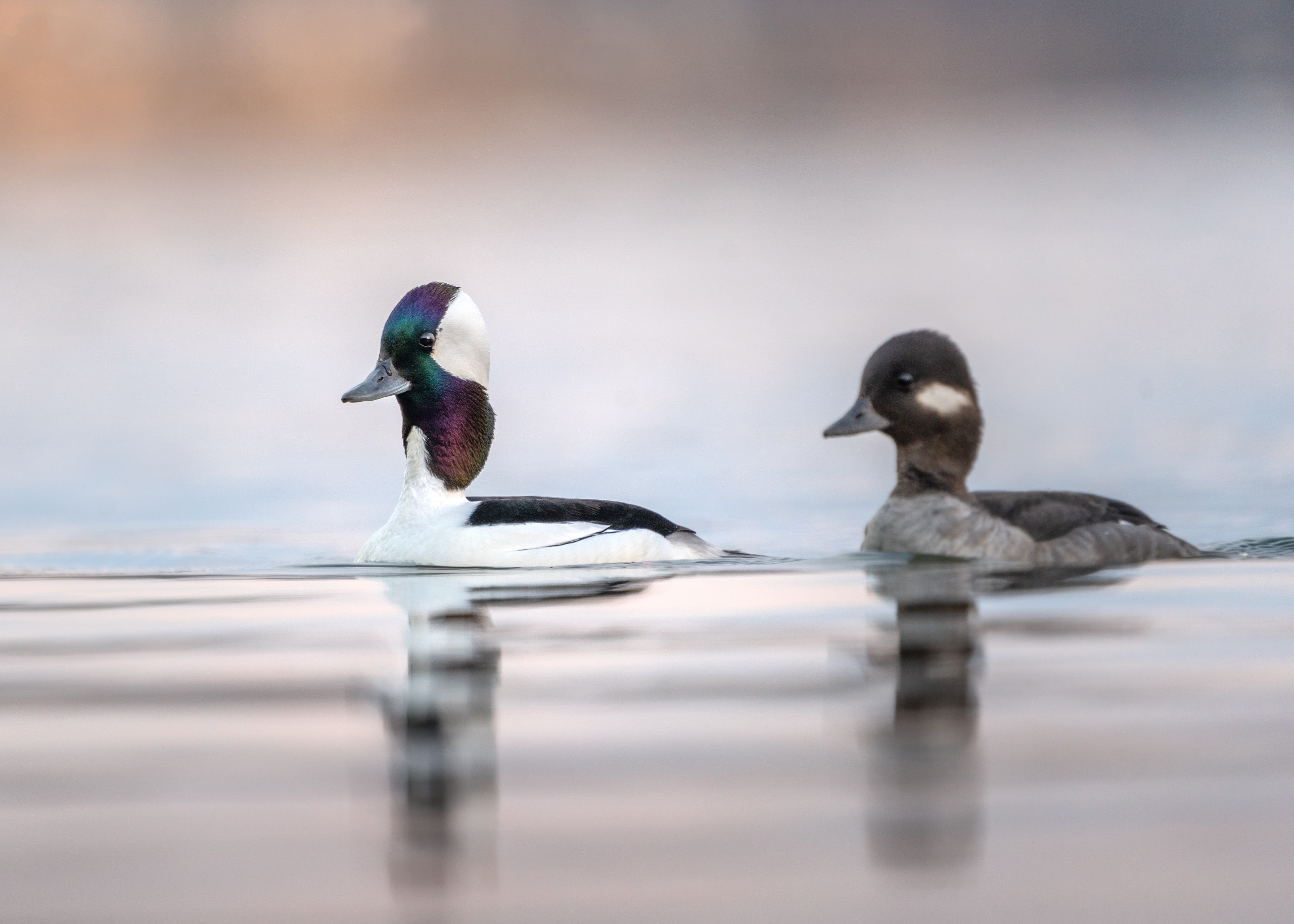
Blue bills, red heads, yellow eyes, and webbed feet, ducks are fascinating and beautiful birds that offer us warm and vibrant colors in an otherwise cold and drab time of year. If you would like to learn more about our wintering and resident waterfowl, come join Industry Habitat Manager, Jay Keck, in search of these beautiful birds at local duck “hotspots” right here in the Midlands. January is peak wintering season for ducks in South Carolina, giving us strong chances to observe species such as ruddy ducks, hooded mergansers, wood ducks, mallards, lesser scaup, and buffleheads. Less common birds seen are canvasbacks, American wigeons, and redheads. We hope to see you there!


Featured Image Credit: Male and Female Buffleheads by Vance Solseth.

Banner Image Credit: Redheads flying by Vance Solseth.


Where: Meet at the North End of the Lake Murray dam at 7:30 am,  and then we will visit Archer’s Lake and a couple other local hot spots for waterfowl, until about 11:00 am.

Who: This training is open to the public. No prior knowledge is required. Minimum age is 16.  This training will count towards the Palmetto Pro Birder certification (8 days needed total).

Cost: The cost is $75.00 per person and limited to the first 10 people that register.

This class will be led by Jay Keck, SCWF Industry Habitat Manager.

Jay Keck

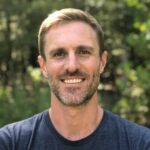
Jay has been a passionate nature and bird lover since his early teens. He lives in Chapin, SC with his wife and two boys, and has identified 95 bird species in his yard in three years, as well as 160 species in Lexington county since moving back in September of 2013. He has viewed birds in Spain, Chile, Honduras, and Costa Rica, as well as many areas in SC from the mountains to the coast. Being inspired by SCWF’s mission, he earned his Palmetto Pro Birder certification, and has led bird walks for SCWF as well as Saluda Shoals park, Columbia Audubon, and private organizations. Even when he is golfing, hunting, or fishing, he is secretly birding. At SCWF, Jay coordinates the Wildlife And Industry Together (WAIT) program as well as leading birding classes for the Palmetto Pro Birder & Midlands Master Naturalist programs.

Other Important Notes:

  • If available, please bring binoculars & your favorite field guide to Eastern birds.

  • After registering, you will receive important correspondence via email. If you change your email between now and then, make sure to notify us.


IMPORTANT: Participants should be in good physical shape. Birding involves a lot of standing, and we may cover some distance in our field work.

PLEASE DO NOT SIGN UP FOR THIS EVENT UNLESS YOU ARE ABSOLUTELY CERTAIN YOU CAN HANDLE THESE CONDITIONS.

SCWF reserves the right to cancel any event, due to unforeseen circumstances, extreme weather, low registration, or guidance from local/state officials. Any cancellation by SCWF will result in a full refund for all registrants.

Holiday Drop-in

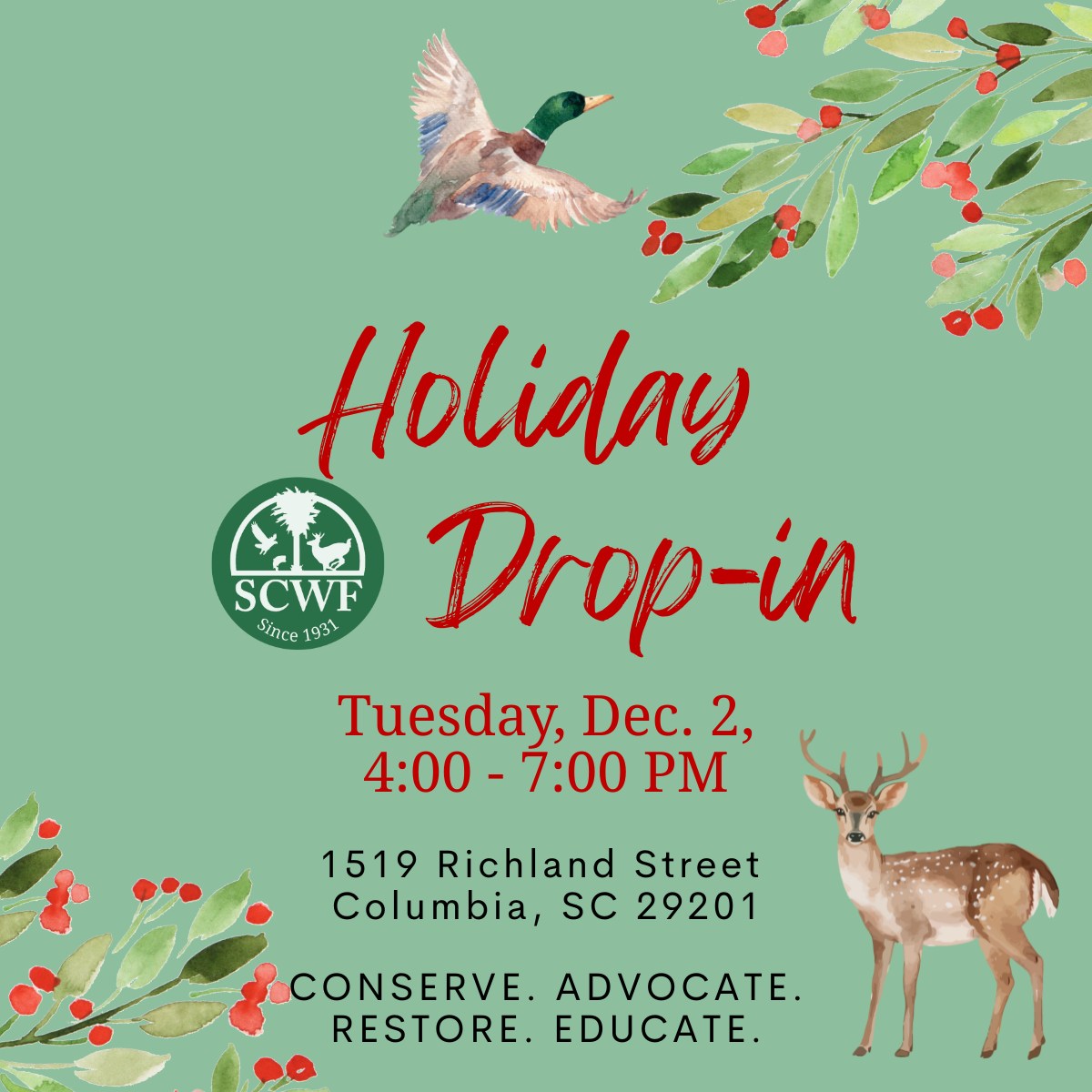
We’d love to see you at our annual Holiday Drop-in! This is a great chance to start your shopping early, enjoy light refreshments, and meet with our staff.

Come see our new merchandise in person. We have limited edition SCWF-branded glassware and branded charcuterie boards. Our shop is also stocked up with bluebird, owl, and duck nesting boxes; bird-friendly coffee; wildlife books for children and adults; SCWF hats; habitat and garden signs; and more!

Palmetto Pro Birders: Huntington Beach State Park

This class is full! Please add yourself to the waiting list here.

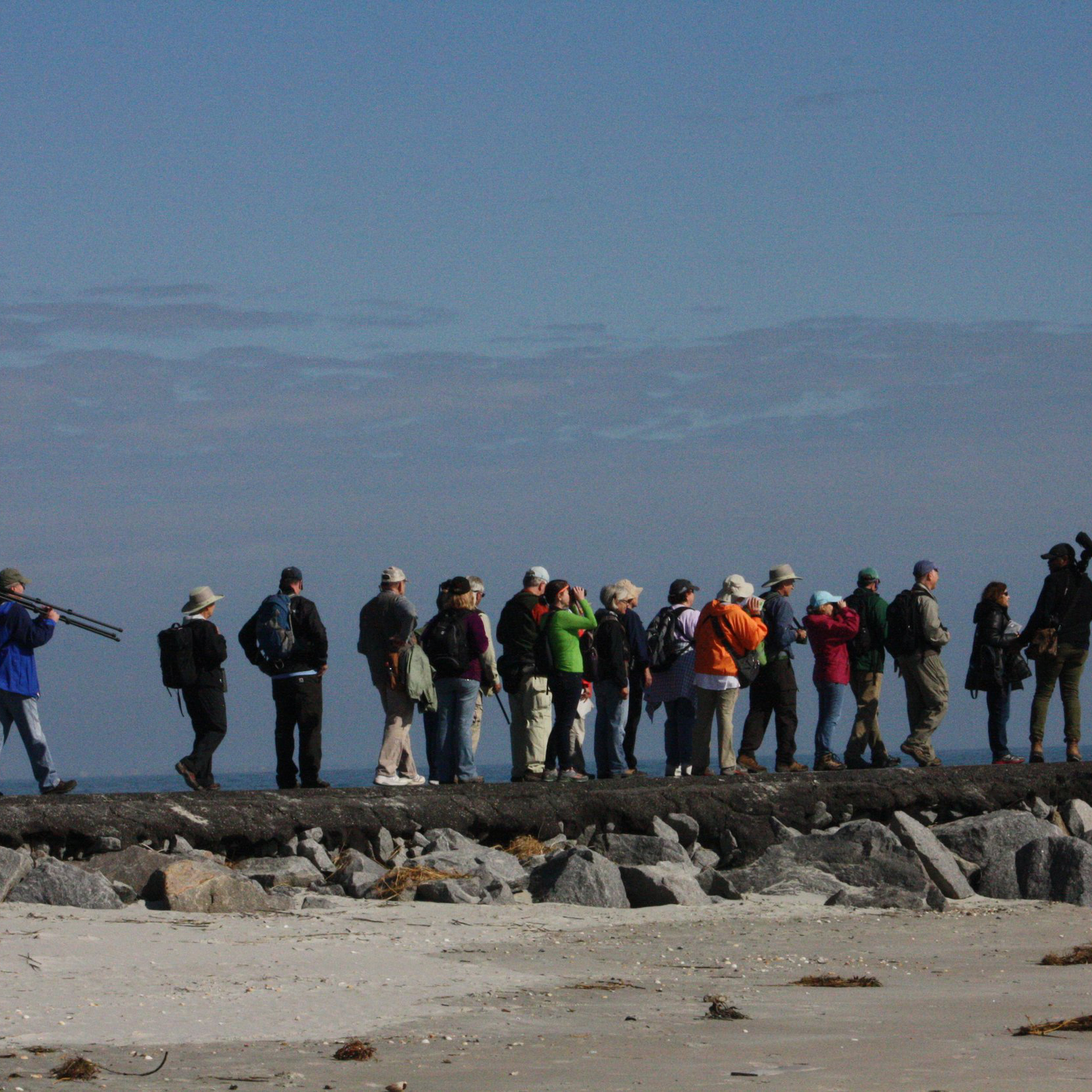
Join us for a day of birding at Huntington Beach State Park, rated as the top eBird  hotspot in South Carolina. We will sample the many habitats of the park, including salt marsh, tidal creeks and flats, maritime woods, brackish ponds, and the beach. If tides and conditions permit, we will hike to the jetty (a three-mile round trip). Over the years, a significant number of rarities have been reported at the jetty, including common eider, long-tailed duck, purple sandpiper, black guillemot and others. Our focus will be on wintering birds and we hope to see waterfowl, including scoters, rails, piping plover and other shorebirds, gulls, terns, horned grebe, common loon, red-throated loon, northern gannet and others. We will also seek the park’s many songbirds, placing a special focus on wintering sparrows. In addition, we will discuss the various conservation measures the park has taken and how they impact these coastal birds.

This module will require a significant amount of walking and participants should bring water and a packed lunch. Snack food is available in the park store. A park entrance fee is required.

Where: Huntington Beach State Park. Meet in the state park office parking lot.

Who: This training is open to the public. No prior knowledge is required. Minimum age is 16.  This training will count for one day toward Palmetto Pro Birder certification (8 days needed total). For SC Master Naturalists, this event can count as Advanced Training and towards your statewide certification. If you are not a Pro Birder or Master Naturalist, just come have fun with us.

This class will be led by Irvin Pitts, SCWF Outdoor Academy Instructor, and Jay Keck, SCWF Industry Habitat Manager.

Irvin Pitts

Irvin retired from a career with the South Carolina State Park Service where he served as Parks Biologist and Chief of Resource Management. Prior to that, he worked at Table Rock and Caesars Head State Parks as park naturalist. Irvin retired from a career with the South Carolina State Park Service where he served as Parks Biologist and Chief of Resource Management. Prior to that, he worked at Table Rock and Caesars Head State Parks as park naturalist.

Jay Keck

Jay has been a passionate nature and bird lover since his early teens. He lives in Chapin, SC with his wife and two boys, and has identified 95 bird species in his yard in three years, as well as 160 species in Lexington county since moving back in September of 2013. He has viewed birds in Spain, Chile, Honduras, and Costa Rica, as well as many areas in SC from the mountains to the coast. Being inspired by SCWF’s mission, he earned his Palmetto Pro Birder certification, and has led bird walks for SCWF as well as Saluda Shoals park, Columbia Audubon, and private organizations. Even when he is golfing, hunting, or fishing, he is secretly birding. At SCWF, Jay coordinates the Wildlife And Industry Together (WAIT) program as well as leading birding classes for the Palmetto Pro Birder & Midlands Master Naturalist programs.

Other Important Notes:

  • If available, please bring binoculars & your favorite field guide to Eastern birds.

  • Restrooms are available, and pink and blue bushes are along the trail…

  • The rain date for this event is Friday, December 5th.

  • After registering, you will receive important correspondence via email. If you change your email between now and then, make sure to notify us.


Cost: The cost is $100.00 per person and limited to the first 15 people that register.

IMPORTANT: Participants should be in good physical shape. Birding involves a lot of standing, and we may cover some distance in our field work.

PLEASE DO NOT SIGN UP FOR THIS EVENT UNLESS YOU ARE ABSOLUTELY CERTAIN YOU CAN HANDLE THESE CONDITIONS.

SCWF reserves the right to cancel any event, due to unforeseen circumstances, extreme weather, low registration, or guidance from local/state officials. Any cancellation by SCWF will result in a full refund for all registrants.

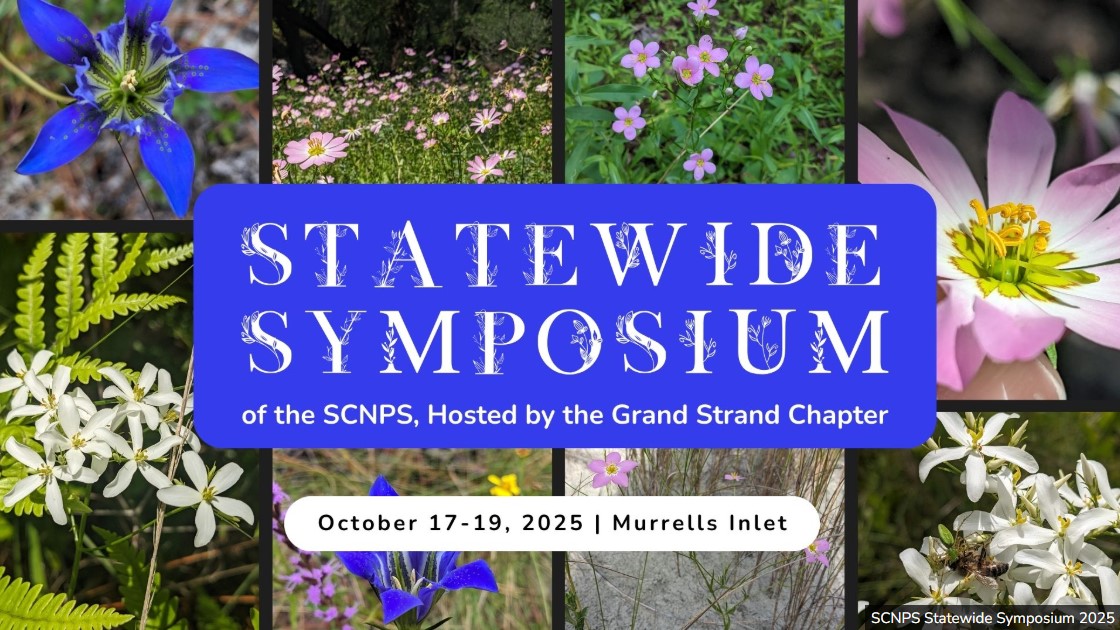
SCNPS Symposium – Habitat Workshop

This symposium is for members of the South Carolina Native Plant Society. You can join and register for the fall symposium at the same time by going to the “Register Here” button at the bottom of this page.

You are invited to join Savannah Jordan, SCWF’s Habitat Education Manager, on Sunday, October 19th from 1:00 – 3:30 pm for a workshop at Bookgreen Gardens in Murrells Inlet.

This workshop will include instruction on how to create a variety of nature-inspired crafts, gifts, and artwork. Participants will also learn how their own gardens can become Certified Wildlife Habitats through an informative presentation about using the right plants, foods, and other essential elements to create a backyard sanctuary for wildlife.


Coastal Habitat Workshop


Registration is now open!


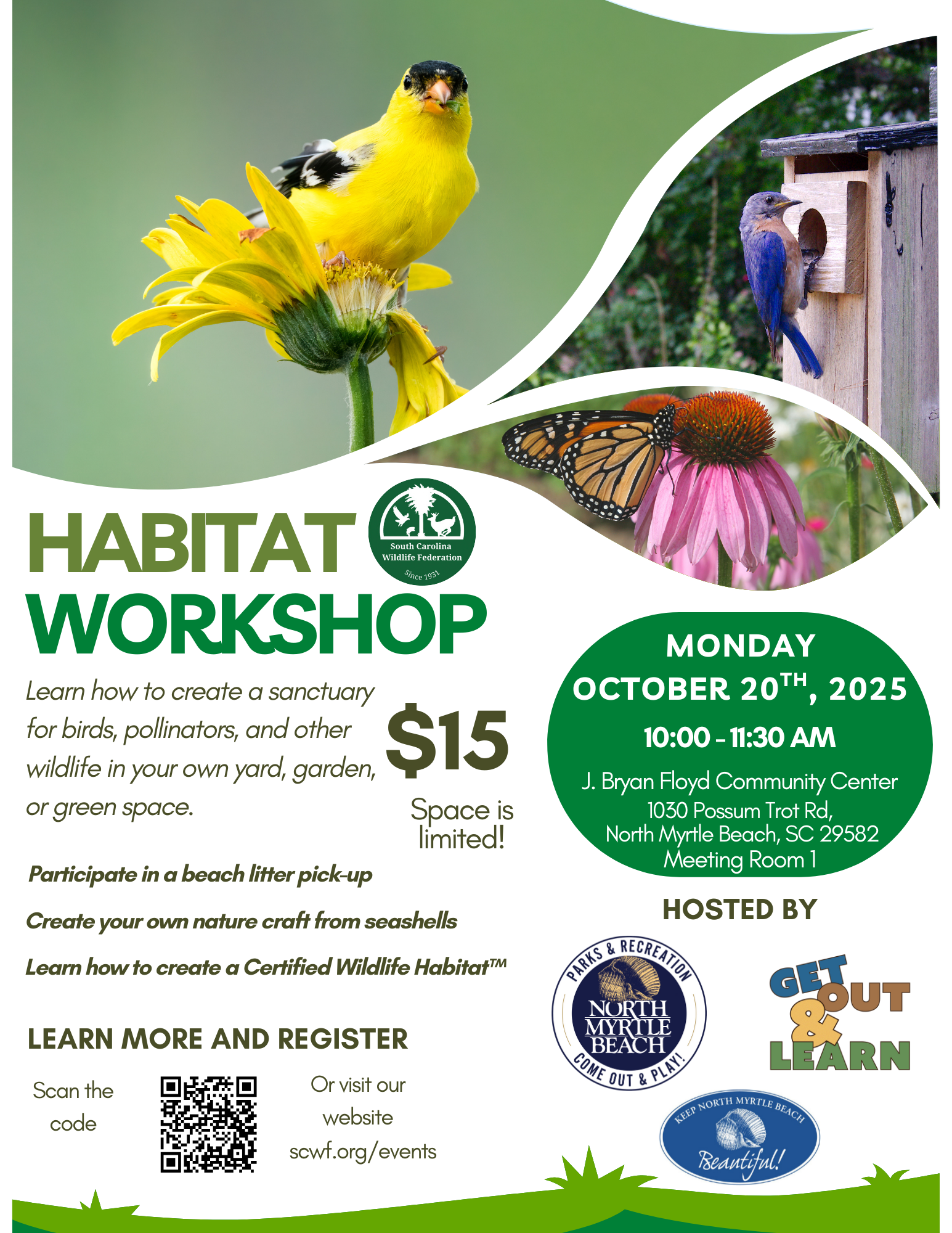
Join us on the coast for a Habitat Workshop to learn how to create a sanctuary for wildlife in your own backyard! This hands-on workshop will teach you how to create a thriving habitat for wildlife in your yard, garden, or greenspace using the right plants, foods, and other essential elements.


Hosted by North Myrtle Beach Parks & Rec, the classroom portion of the workshop will be held at the J. Bryan Floyd Community Center, which will include an engaging presentation from SCWF’s Habitat Education Manager, Savannah Jordan.


Participants will also get to create their own nature craft using seashells, and hear from Keep North Myrtle Beach Beautiful about how to keep our beautiful beaches clean for all to enjoy. Following the classroom portion, participants will drive over to the nearby beach access to participate in a beach litter pick-up and learn how to log data through the SC Adopt-A-Beach program. Space is limited for this workshop, so register today!

23rd Annual Wildlife Photography Contest

Calling all amateur photographers!

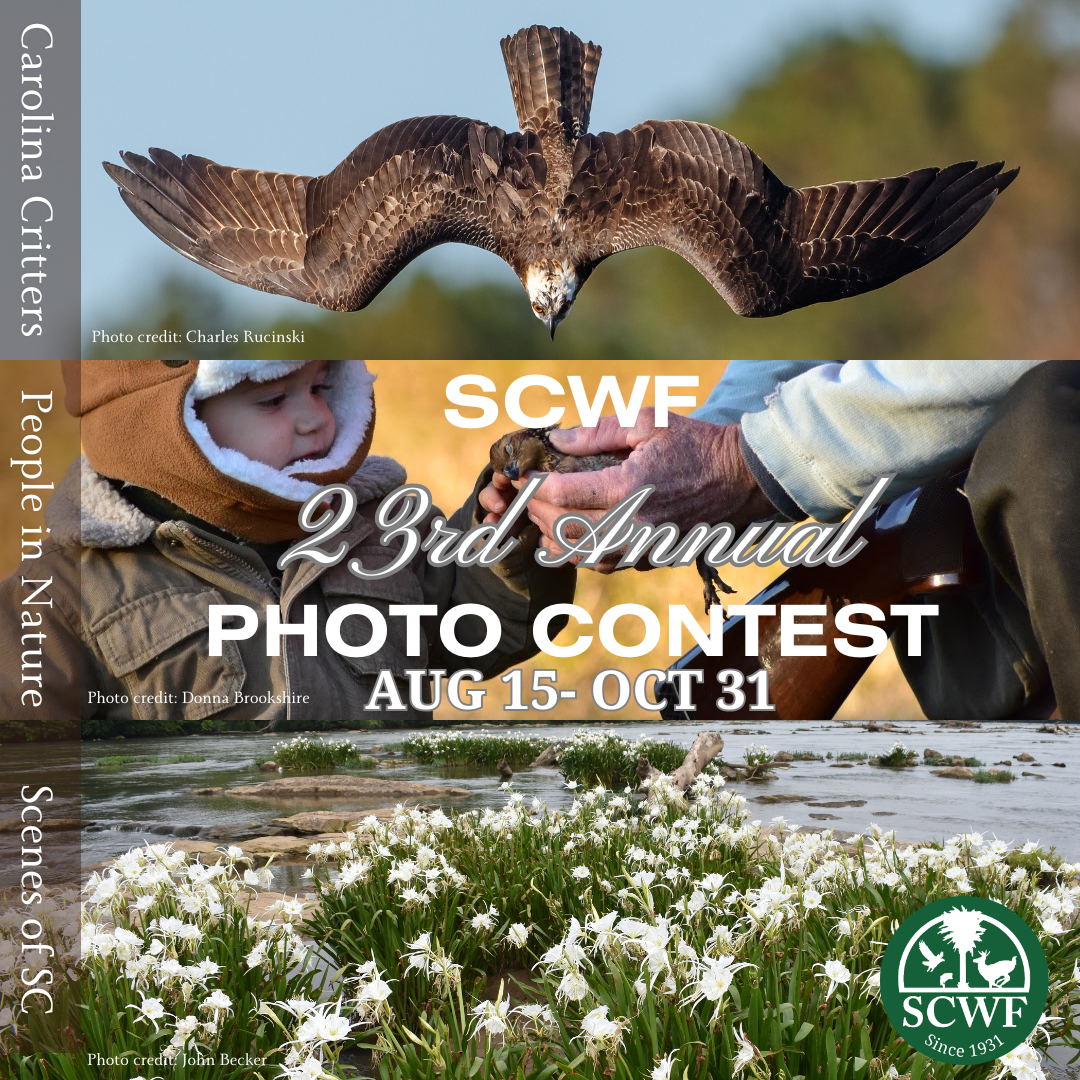
South Carolina Wildlife Federation is sponsoring our 23rd Annual Wildlife Photography Contest. Send us your best photographs that capture the natural beauty of South Carolina’s wildlife and their habitats – in your own backyard or anywhere in the state. You can check out the blog about last year’s contest here.

CONTEST CATEGORIES:

Carolina Critters

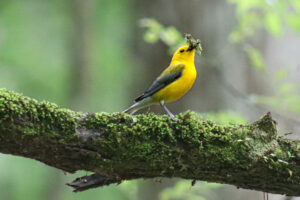
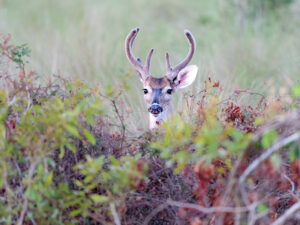
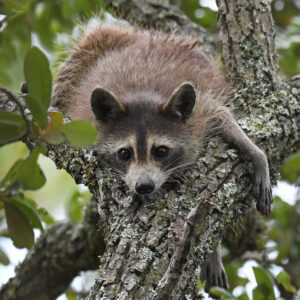
This category is intended for photos of wildlife that you see in South Carolina, whether it is in your backyard, on a hike, or in an urban setting! Have you captured the moment when a painted bunting comes to your feeder? Did you photograph a bird sifting through the Upstate snow to find its meal? How about the shy deer venturing out in the Pee Dee field to graze? Or that great blue heron wading through the swamps of the Lowcountry? These types of photos that are perfect for this category.

Image Credit: “Looking for Home” By Jennifer Brown.
Image Credit: “Peekaboo” by Stephanie Radford
Image Credit: “Relaxation” by Elaine Mathis.


Note: We do not accept photos of exotic (non-native), captive, or domestic animals since this category is intended to show SC wildlife in their natural settings rather than in a zoo or wildlife sanctuary.

Scenes of South Carolina

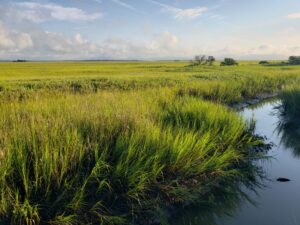
From the mountains to midlands to the coast, we know that South Carolina’s landscapes are beautiful and ecologically diverse. Whether you enjoy photographing sunsets on the ocean, sunrises in the mountains, rocks in a stream, or early morning dew in a field, we love seeing all the many ways your photographs depict the beauty of our state.

Image Credit: “Salt Serenity” by Stuart Barfield.
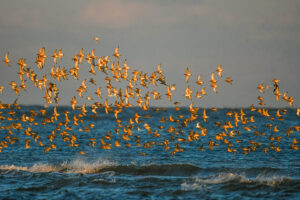
Image Credit: “Red Knot Sunset Arrival” by Jenn Clementoni.


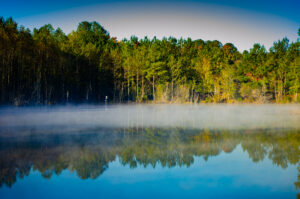
Image Credit: “Mission Lake” by Bradley Wicker.


Note: These photos may include wildlife but it’s not necessary.

People in Nature

We know that you love being outdoors as much as we do!  That is why we added this category to the photo contest. This category is intended for you to share your photos of people enjoying outdoor activities in our beautiful state. Whether you are an angler, birder, hiker, hunter, kayaker, rock climber, shell collector, or enjoy some other outdoor activity, this is your chance to submit photos of people enjoying outdoor activities.

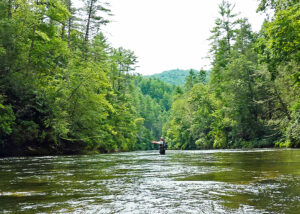
Image Caption: “A River Runs Through It by Kenny Himes.”
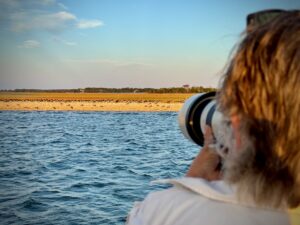
Image Caption: “I Spy Bird Bands” by Reggie Fairchild.


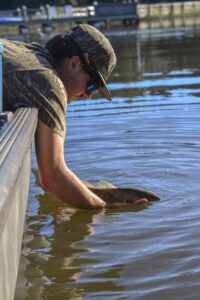
Image Credit: “Catch n’ Release” by Lyric Littlejohn.


Note: Be sure your photos illustrate safe and ethical practices. Action shots are preferred over posed photos.

ENTRY REQUIREMENTS:
Two easy steps! 1. Pay your entry fee. 2. Submit your photos! Your emailed receipt will contain instructions about how to submit your photographs.

Submitting Photos: After you pay your entry fee, your emailed receipt will contain instructions about how to submit your photographs. You may enter up to three photographs in each category per person in color or black and white. We also ask that you do not include a personal watermark on your photos. SCWF reserves the right to add a watermark when publishing online. Digital images are preferred.

File Types – jpg, gif, and png file types (minimum of at least 72 pixels per inch, or minimum of 250 KB-sized image in jpg format).

Entry Fee
Each photographer must submit a one-time entry fee of $15.00 – this fee covers entrance of up to 9 photos (3 per category) in the contest. You may pay the entry fee online through the button below, or you may mail in a check with your photos – make check payable to SCWF.

By paying this fee, I certify that my photographs are eligible for this contest according to the rules below.

Contest Rules

Eligibility
Entries must be images taken in nature in South Carolina. Photos of captive, domestic, and exotic (non-native) species will be disqualified. SCWF employees or board members or their immediate family members are not eligible.

The SCWF photo contest is limited to amateur photographers – defined as those who do not receive more than 10% of their annual income from selling their photographs, or not more than $5,000 annually if retired or unemployed.

*Note: Contestants, by their entry, agree that the South Carolina Wildlife Federation may publish their images in SCWF publications and on the SCWF website and social media platforms. The winning images may be reproduced by SCWF for sale. Photographer name credit will be given when images are used.

Digital Alteration Guidelines
All photographs should accurately reflect the subject matter and the scene as it appeared. Photos that have been digitally altered beyond standard optimization will be disqualified. Acceptable are adjustments to color, contrast, brightness and sharpness; removal of dust and scratches; cropping; black and white conversions, and background blurring. Not acceptable are photo composites (combinations of two or more photos, not of the same scene); background removal, the addition, duplication, deletion, or moving of objects in the photos; or the use of artistic digital filters and effects, such as watercolor, neon glow, posterizing, stained glass, and others which do not depict the scene in its natural way. If you have any questions, please email us at photo@scwf.org.

We also ask that you do not include a personal watermark on your photos, and SCWF reserves the right to add a watermark.

Judging
The judges panel is made up of SCWF staff and board of directors. Carolina Critters entries are reviewed by a biologist for identification purposes. Decisions of the judges are final. Notification will be sent by e-mail after judging is complete.

Prizes
The First Place Winner in each category will receive a $100 cash prize, and the category runner up and second runner up will also be recognized on our blog.

Dates
Entries must be received by the October 31st deadline. We aim to notify the winners by December 31st. Only First, Second, and Third places will be awarded. Contest winners will be published online.

Now that we’ve got all that straight…get out there and take some great photos!  Good luck!
Questions? Contact SCWF at (803) 256-0670 or photo@scwf.org. This project is managed by a small team. We kindly ask for your patience in waiting for a reply. We will respond to all questions!


Banner Image Credit: “Afterglow” by Jorge Rodriguez.

SCWF Oyster Roast Fundraiser at Bowens Island

Thank you for your interest. Ticket sales closed on Thursday, October 23, at 3pm.

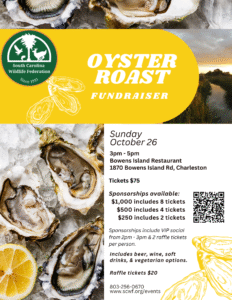
Come feast on delicious wild oysters with SCWF and help raise funds for coastal wildlife conservation! Natural habitat is disappearing at an alarming rate, and local wildlife need our help to conserve and restore the woods, waters, and wetlands on which they depend.

Ticket sales are now live for SCWF’s oyster roast fundraiser at the iconic Bowens Island in Charleston on Sunday, October 26th from 3:00 – 5:00 pm! There will be fresh, delicious oysters, beer & wine, vegetarian options, and a raffle. If you haven’t been to Bowens Island yet, come check out this unique location that is a local favorite known for fresh seafood and a laid-back atmosphere, right on the marsh. All sponsorships include a VIP social from 2:00 – 3:00 pm.

Plus you are doubling your impact for conservation since Bowens Island restaurant participates in SCDNR’s oyster shell recycling program, so our used oyster shells will be returned to the environment to build new reefs!


Thank you to our Sponsors!

SCWF Friends

Dr. George B. Del Porto &

Mrs. Karen Del Porto

Trip King

Nancy Swan

Chili Sponsor

Dessert Sponsor

Beer Sponsor


Become a sponsor to help us increase our impact for local wildlife!

Refund Policy: 90% of ticket price will be refunded for cancellation more than two weeks prior to the event; 75% refunded when less than two weeks before event. All refund requests must be made via email to mail@scwf.org.

Secrets of the Sandhills

This one-day workshop will explore the Sandhills, a unique ecoregion stretching through North Carolina, South Carolina, and Georgia.

Our exploration will place a significant focus on the geological formation of this ecoregion, with a look at the sandy sediments that serve as the namesake for the region. The sediments are displayed in several forms, including sandstone formations, Cretaceous cross beds laid down by ancient waters flowing out of the Piedmont, and by vast, ice-age sand dunes that serve as the top dressing for this region. We’ll visit several sites to see these geological features in clear detail as we uncover the ways in which the region formed, while imagining what it must have been like back then.

The sand formations of long ago have been preserved thanks to the vegetation that now tops them, so along the way, we will investigate several plant communities, where a few fall wildflowers will be in bloom. In pocosin communities, which border the black waters of the Sandhills, we will identify the common species of evergreen shrubs that make this community so dense. With any luck, pine barrens gentian (below) will be in bloom at the edge of the pocosin. In longleaf pine – scrub oak communities, we will glance at the four scrub oak species, a few towering longleaf pine trees, and the wiregrass so characteristic of this forest. Herbaceous Seepage communities will give us a glimpse of several carnivorous plants: trumpet pitcher plant, sweet pitcher plant, and frogs breeches.


Image Caption: This stunning blue flower is the pine barrens gentian.
Image Caption: This beautiful yellow flower is coreopsis (tickseed).


Image Caption: This lovely wildflower is the batson’s lobelia.


While the Sandhills grow more silent in the fall, animals will also be addressed, especially those unique to this ecoregion. Bird species associated with these Sandhills include the federally endangered red-cockaded Woodpecker, brown-headed nuthatches, chipping sparrows, pine warblers, northern harriers, and American kestrels.

At the end of the day, participants will understand how the South Carolina Sandhills formed and how this formation led to the many adaptations we see in our Sandhills flora and fauna. In addition, participants will obtain skills needed to identify several habitats and species common to this ecoregion.


When: Tuesday, October 28.  We’ll meet at 9 AM. The day will conclude sometime around 3 PM. Please note that there is no rain date for this event.  We will make every effort to hold it, even in a few rain showers.  If the weather or conditions necessitate cancellation, we will notify you and refund your money.

Where: We will meet at the visitor’s center of Carolina Sandhills National Wildlife Refuge, one of South Carolina’s most magnificent preserves.

Carolina Sandhills National Wildlife Refuge is located approximately 70 miles northeast of Columbia, South Carolina. The main entrance is on US Hwy. 1, about 4 miles northeast from the small town of McBee, S.C. The address is: 23734 U.S. Highway 1, McBee, SC 29101.

Who: This training is open to the public. No prior knowledge is required. Minimum age is 16. Lunch will last thirty minutes, so depending on when we finish, this will count for approximately five and a half to six hours of training. If you are not a Master Naturalist, forget all that.  Just come have fun with us.

Other Important Notes:

Participants will need to pack a lunch and be prepared for a day in the field including easy to moderate hikes, mosquitoes, heat, briars, and possible encounters with a few perilous creatures. The Sandhills can be hot, even in the fall. Restrooms should be available upon arrival and once more at lunchtime. Participants need a willingness to carpool during our day together (it’s good for the earth and for us).

This class will be taught by Austin Jenkins, who teaches and facilitates the Midlands Master Naturalist class for the South Carolina Wildlife Federation. Jenkins is a native of Camden, SC and studied Biology Education at The Citadel. He went on to study various and sundry plants and animals at Clemson University. A Naturalist at USC Sumter, Jenkins teaches Natural History of South Carolina and Environmental Biology.


Austin Jenkins


Communication will occur prior to the outing via email. Make sure you check email and if you change your address in the meantime, it is your responsibility to notify us. We plan to send a list of participants with cities and phone numbers to facilitate carpooling.  If you wish to avoid this, let us know.

Yes, Austin will have some prizes. He will bring the raffle tickets and some native plants. Currently the collection contains Georgia aster, black-eyed Susan, coneflower, and mayapple.

Cost: The cost is $75.00 per person and is limited to the first 20 people who register.


Palmetto Pro Birders: Lake Murray Paddle

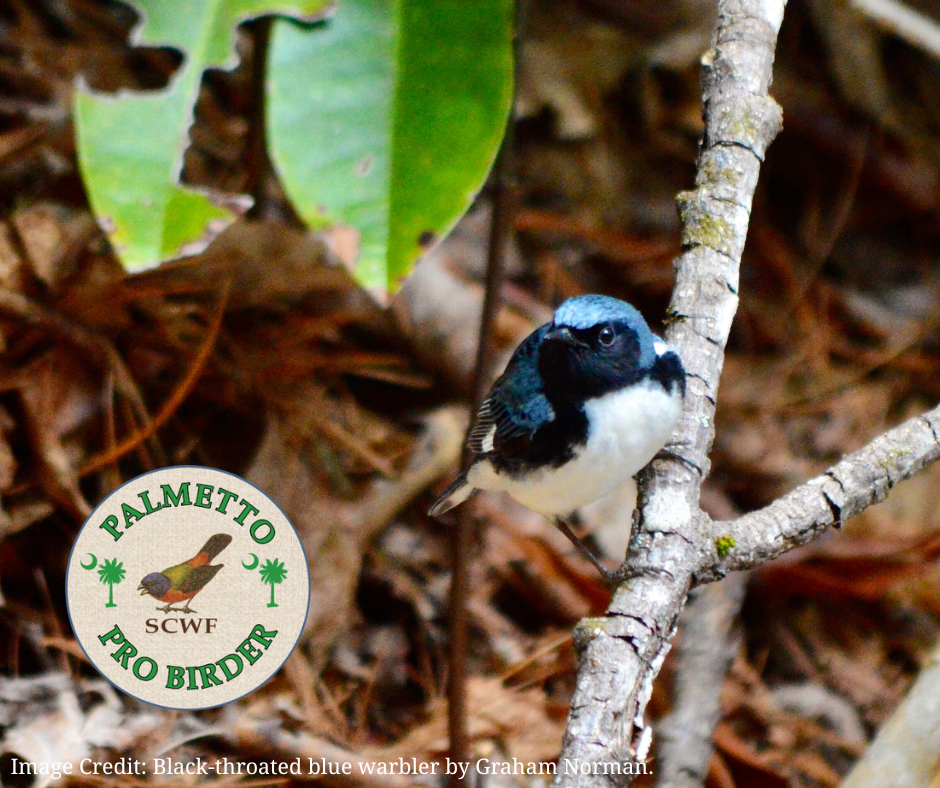
Join Jay Keck, SCWF’s Industry Habitat Manager, for a Pro Birder Paddle on a beautiful, secluded cove on the northwest side of Lake Murray! We will be on the lookout for species such as the belted kingfisher, red-headed woodpecker, yellow-billed cuckoo, black-throated blue warbler, Tennessee warbler. This paddle is limited to six guests, so register early to secure your spot.

Image Credit: Tennessee warbler by Rusty Wilson.


Where:  Prosperity (Crayne’s Landing)

When:  Thursday, October 2nd from 7 am -11 am. (Rain Date – October 3rd.)


Who: This training is open to the public. No prior knowledge is required. Minimum age is 16.  This training will count for one day toward Palmetto Pro Birder certification (8 days needed total).

Jay Keck

Jay has been a passionate nature and bird lover since his early teens. He lives in Chapin, SC with his wife and two boys, and has identified 95 bird species in his yard in three years, as well as 160 species in Lexington county since moving back in September of 2013. He has viewed birds in Spain, Chile, Honduras, and Costa Rica, as well as many areas in SC from the mountains to the coast. Being inspired by SCWF’s mission, he earned his Palmetto Pro Birder certification, and has led bird walks for SCWF as well as Saluda Shoals park, Columbia Audubon, and private organizations. Even when he is golfing, hunting, or fishing, he is secretly birding. At SCWF, Jay coordinates the Wildlife And Industry Together (WAIT) program as well as leading birding classes for the Palmetto Pro Birder & Midlands Master Naturalist programs.

Other Important Notes:

• If available, please bring binoculars & your favorite field guide to Eastern birds.

• After registering, you will receive important correspondence via email. If you change your email between now and then, make sure to notify us.

Cost: The cost is $100.00 per person and limited to the first 6 people that register.

IMPORTANT: Participants should be in good physical shape for this paddle.

Featured Image Credit: Black-throated blue warbler by Graham Norman.