For the first time, SCWF is offering very rare “environmental” prints from Artist Jim Booth in an online auction. Bidding is open now and will continue until December 11th at 12 noon. 100% of the proceeds will benefit the wildlife education and conservation programs of the SCWF.
These 5 unframed prints up for auction are Artist Jim Booth signed and numbered limited edition and very rare “environmental” prints with gold seals and certificates of authenticity (signed & numbered prints limited to 95 copies). Sold out Jim Booth prints regularly appraise at over $1000.
OR, with any donation of $35 or more, you can choose a FREE unframed print from other artists in our “SCWF Print of the Year” collection! Click HERE to see the prints you get to choose from! Then donate through the button at the top of this email and our staff will contact you to choose your print.
2. Click the “Start Bidding” button to register as a bidder. You will need to enter a credit card number to begin bidding. If you are not the highest bidder, you will be charged nothing.
3. Enter your bid on the desired print. You will receive text messages each time you are outbid so you can follow the auction.
4. You may choose to enter a Maximum Bid – our system will continue bidding for you in $15 increments up until your maximum is reached. You will only pay $15 more than someone else’s highest bid (for example, if another person stops bidding at $100, and your maximum is $150, then you will only pay $115.)
Bidding Questions? Call our office at (803) 256-0670, Monday-Friday, 9am-4pm.
Print details: All 5 of these prints are unframed, and dimensions are 31.5″ x 19.5″.
Receiving your print: If you are the highest bidder, we will be happy to ship the print to you, or, you may pick it up between 9-5 Monday through Friday at our office (as we are a small staff who often travel to other parts of the state for education and advocacy purposes, please call the office before coming to pick up your print). You may also pick up the print on December 11th from 4:30-6:30 at our office during our Holiday Open House.
About the artist: Jim Booth, a self-taught artist, has become widely known for his life-like realism. Jim reaches into the viewers’ minds and touches their positive and pleasing thoughts. A very prolific artist, he uses a wide range of themes to communicate with as many people as possible. His art recreates the history of Charleston’s lowcountry. With works that span the millennium, Jim paints scenes of the Civil War, antebellum Charleston, the early 1900’s and into the present with the Citadel, Hurricane Hugo, and the Morris Island Lighthouse. Jim’s exquisite details are a time machine that guides his guest through Charleston’s heritage.
Each year, SCWF produces a magazine to illustrate how your donations are conserving and restoring South Carolina’s wildlife and wildlife habitat through education and advocacy. This year’s magazine has a new look and a new name – “Woods and Waters 2017” showcases beautiful photographs of South Carolina wildlife and landscapes while providing updates on our education events, advocacy projects, and habitat conservation efforts. If you have donated to SCWF or attended one of our events within the last year, you should have received a copy of this magazine in the mail. If not, please feel free to read it online here, and then consider donating through the link at the top of this page to help us continue this vital work
If you have any questions about SCWF or our work, please don’t hesitate to contact our staff via email or phone. We greatly value each and every person who makes our work possible!
We at SCWF are honored to be on this list! Stay tuned for more details about our habitat enhancement projects scheduled for 2018!
November 13, 2017
GREENVILLE, S.C., — The Duke Energy Foundation is investing nearly $500,000 in 14 South Carolina environmental nonprofit organizations.
The grants will fund environmental projects, wildlife conservation efforts and environmental educational programs across the Duke Energy service territory in the state.
“We are dedicated to protecting the natural beauty of South Carolina and being good stewards of the environment,” said Kodwo Ghartey-Tagoe, Duke Energy’s South Carolina president. “By supporting the organizations that do this honorable work, we can help protect and restore wildlife and natural resources, and support quality environmental education programs in our state.”
One of the grants, totaling more than $44,000, will help TreesGreenville coordinate five tree giveaways that help educate homeowners on the right place and right tree to plant in order to improve energy savings.
“Thanks to the Duke Energy Foundation, we’re promoting tree planting and protecting a healthy community forest,” said Joelle Teachy, executive director of TreesGreenville. “Together, we’re giving away trees that are saving energy, improving air quality and providing public health benefits.”
Another grant, totaling $10,000, will help Kalmia Gardens in Hartsville, S.C., bring Pee Dee area school children to the banks of the Black Creek for hands-on environmental education classes to give each of them an introduction to becoming environmental stewards.
“The Duke Energy Foundation grant will enable school children to visit Coker College’s Kalmia Gardens and learn firsthand about the environment,” said Dr. Will Carswell, vice president for external relations at Coker College. “Such trips are often cost prohibitive for many school districts in the area. The grant will also help with supplies and equipment necessary to make these trips a unique hands-on learning experience for so many children. We are indebted to Duke Energy for their support.”
Annually, the Duke Energy Foundation funds nearly $2 million in charitable grants in South Carolina. These grants are distributed across each of its priority areas, including environment, community impact and K-12 education.
Environmental grant recipients These organizations received grants to improve the environment in their local communities:
Anne Springs Close Greenway – $49,850 to bring hands-on environmental outreach education to elementary students in York and Lancaster counties.
Beautiful Places Alliance – $20,000 to help South Carolina State Parks provide expert instruction and hands-on field experiences to students as they explore the Mountain Bridge Wilderness Area.
Children’s Museum of the Upstate – $150,000 to develop curriculum that will build on children’s sense of wonder about nature and invite them to explore wildlife and the world around them at a new satellite museum in Spartanburg.
City of Pickens – $13,000 to create a sensory rain garden located at the Pickens Doodle Park.
Clemson University – $50,000 to expand programs that provide an environmental education on interrelationships of energy production and environmental stewardship for K-12 teachers at the Duke Energy Bad Creek Hydroelectric Station in Salem, S.C.
Florence County – $11,500 to provide environmental educational tools such as kiosks and signs for visitors to Lake City Park.
Kalmia Gardens – $10,000 to help bring Pee Dee area school children that otherwise might not have access to have a firsthand experience with environmental education at Kalmia Gardens.
Newberry Soil and Water Conservation District – $10,000 to assist private landowners in implementing wildlife habitat and water quality improvement practices in the expanded Indian Creek Wildlife Habitat Restoration Initiative area.
Pee Dee Land Trust – $20,000 to expand the Landowner Education Program, which educates private landowners about options for protecting their land and family legacy.
South Carolina Aquarium – $25,000 to support the traveling environmental education outreach program, Rovers, specifically underwriting service to middle school students in Marion County.
South Carolina Waterfowl Association – $27,000 to support Camp Leopold, a school year natural resource conservation and environmental education camp in Pinewood, S.C., that reconnects students to the land community through the use of hands-on environmental education programs.
South Carolina Wildlife Federation – $25,000 to proactively enhance wildlife habitat and offset the loss of prime acreage to commercial and residential development through environmental education programs for landowners.
Ten at the Top – $25,000 to support the Connecting Our Future Initiative, the goal of which is to build a coalition of stakeholders to develop a regional vision for the upstate – designed to increase connectivity while reducing congestion and environmental pollutants.
TreesGreenville – $44,168 for the “Energy Saving Tree” program, which helps residents conserve energy and reduce energy bills through strategic tree planting.
About Duke Energy Headquartered in Charlotte, N.C., Duke Energy is an S&P 100 Stock Index company traded on the New York Stock Exchange under the symbol DUK. More information about the company is available at duke-energy.com.
The Duke Energy News Center serves as a multimedia resource for journalists and features news releases, helpful links, photos and videos. Hosted by Duke Energy, illumination is an online destination for stories about remarkable people, innovations, and community and environmental topics. It also offers glimpses into the past and insights into the future of energy.
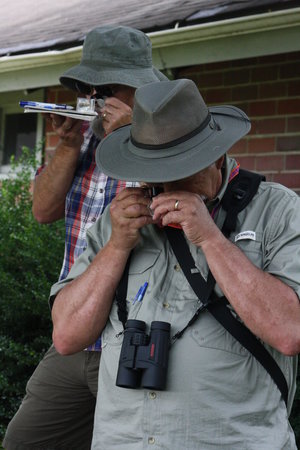
THANK YOU to Dr. John Nelson for leading our “Autumn Botany at Sesqui” class over the weekend and special thanks also to Sesquicentennial State Park for hosting us! Check out our Flickr album for this class HERE.
Here’s a review from one of the class participants:
“I have rarely enjoyed a class more than the one—too short and would love to see a follow up—with Dr. John Nelson. I have had too many classes to count on the structure and parts of a flower. I’ve labeled diagrams, memorized, and correctly identified them on tests over the years. But NEVER had I understood like I did with Dr. Nelson’s skilled teaching. A hand lens. An actual flower. Why should that have been so novel? Seems like pure logic in retrospect, and I’m ashamed I didn’t think to look more closely myself. But I’m so grateful for the opportunity to have been in that particular class. Every Master Gardner and Master Naturalist would have benefited, so I hope you’ll schedule it again. Not just benefited, but have been enthralled, as I was.” -Susan Coleman Fedor
This class was offered as part of SCWF’s Palmetto Outdoor Academy which strives to introduce people of all ages to flora & fauna of South Carolina and outdoor recreation opportunities. To be notified about other upcoming classes & events, join our mailing list HERE!
As the summer comes to a close, I wanted to take a moment to introduce myself. I recently graduated from Columbia College of S.C. and am elated to join an organization that not only has a seasoned and passionate board and staff, but also the support of faithful donors and volunteers throughout the state.
My job encompasses many areas at SCWF, but my biggest responsibilities fall under event planning and membership. My hope for SCWF is that we can continue to grow more effective in boldly representing ALL outdoor enthusiasts. Since my first day in March, I have been gathering ideas from board, staff and many of you about making membership in SCWF more meaningful.
The most immediate way to impact SCWF is through monetary donations, and I wanted to thank all of our current and past donors for their support. With our annual fall membership drive in full swing, now is the time to renew your support for 2017. With your support, SCWF has been able and will continue to vigorously defend and protect our beautiful state and its wildlife through advocacy and education.
As 2018 approaches, know that we are working hard on new and exciting events for you and other supporters. Now, more than ever, is the time to become a member of SCWF so you can help directly support the essential conservation advocacy and unique education opportunities SCWF provides. As an active member of SCWF, you will be among the first to hear of upcoming events and have the opportunity to sign up before our most popular classes fill up.
With your generosity:
-We can and will PURSUE permanent measures to protect our river flows and ground water supplies so critical for outdoor recreation and wildlife.
-We can and will INSIST, as we have done for 87 years, principles of science and biology prevail in management of wildlife and fisheries, not political whim.
-We can and will RE-DOUBLE our efforts in providing opportunities for young people to spend more time outside, learning about and enjoying the natural world.
-We can and will STRENGTHEN our hands-on work with landowners in restoring long-leaf pine forest and other critical habitats for threatened species.
-We can and will CONTINUE to partner with the National Wildlife Federation in protecting public lands in South Carolina as well as in the west.
As you can tell, our plate is full, and we do it all with a staff of six, a volunteer board, and hundreds of volunteers. Without financial support from those who love South Carolina, it just can’t happen. So from the bottom of our hearts, we are grateful for your gifts during our fall membership campaign.
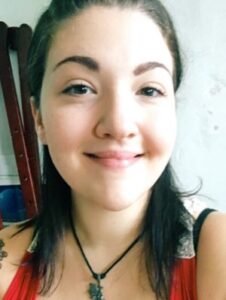
Kristin joined the SCWF team in March 2017 as the new Manager of Development and Events. Her passion for the environment and conservation make her feel right at home as a part of the SCWF team. Kristin is responsible for developing and coordinating SCWF’s fund-raising efforts through cultivation and solicitation of individuals, businesses, industries, and foundations. In her free time, Kristin is an avid runner, participating in multiple races each month. She also enjoys hiking, cooking, and exploring Columbia with her fiancé and their rescue pups, Ellie and Frankie.
The 24th edition of the Women’s Outdoor Retreat was a wonderful success! We had 214 people attend this year’s event, including 51 volunteer instructors & staff. Click here to see photos from the event.
We are also pleased to have the support of several outfitters and organizations – these partnerships enable us to provide a wide variety of activities conducted by a diverse group of expert instructors. A special thank you is due to the numerous individual volunteers who so willingly donate their time to share their knowledge and expertise:
THANK YOU also to the volunteers & staff who helped with all the behind-the-scenes jobs such as Scheduling, registration, water cooler filling, boat loading/unloading, volunteer recruitment, etc. etc. etc.:
EVENT CO-COORDINATORS: Dan Turpin & Sara Green
EXTRAORDINARY RETREAT ASSISTANTS:
Laura Blake-Orr Lynn Cain Harley Carpenter Tina Furmanek, Cabela’s Hugh & Dixie Ham Allison Pederson Emma Sandifer Ginger Snelgrove Lana Stearns, Savannah Lakes Recreation Center Archie & Cathy Thompson Andrea Turpin Kristin Weaver Jennifer Wilkie, Hickory Knob State Park
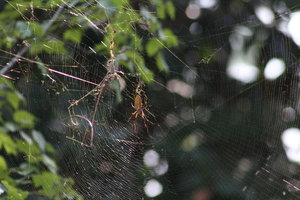
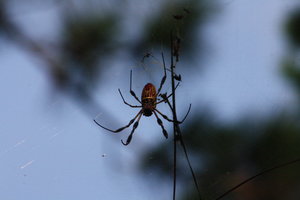
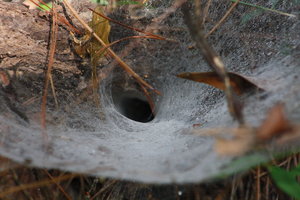
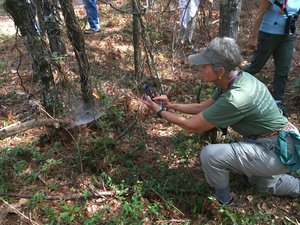
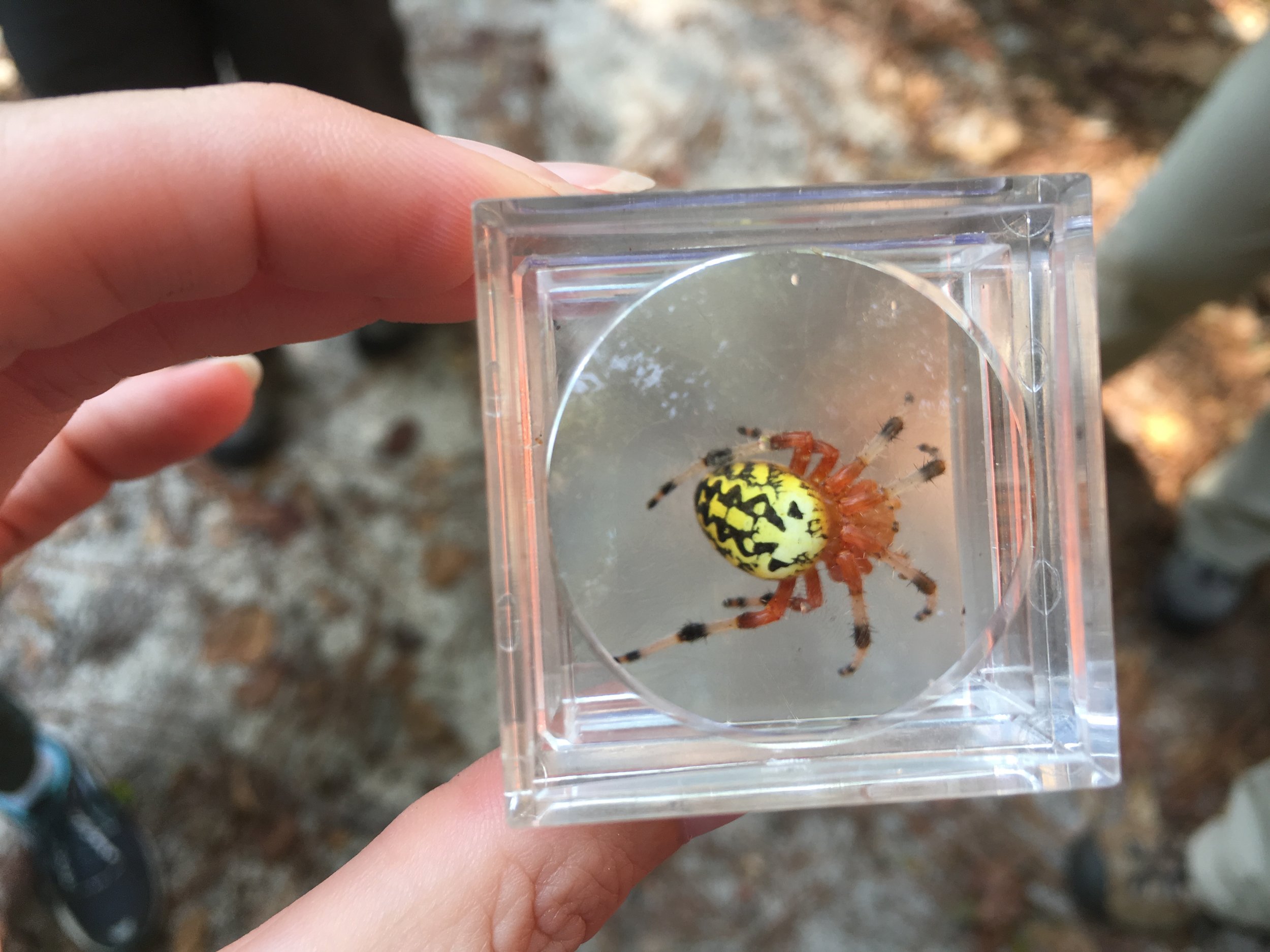
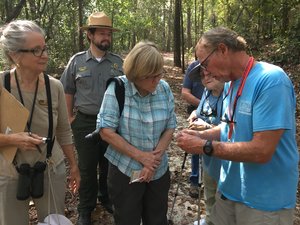
We had a wonderful “Spiders of September” class yesterday – we ended up with quite a long list of species! Huge thanks to Austin Jenkins for leading our group and sharing his wealth of knowledge. Below are a few photos from the event, find more photos in our Flickr album HERE.
My name’s Kristin, and I was hired back in March as SCWF’s new Manager of Development and Events. I’m a Columbia College alum who majored in Writing for Print and Digital Media, so with our Wild Summer’s Night Auction & Wild Game Feast recently behind us, I wanted to bring you a blog post on exactly how my first auction went.
Many thanks again to all of the donors, corporate sponsors, board members, volunteers, and other supporters who made such a successful auction possible!
Planning the Auction:
The Wild Summer’s Night Auction and Wild Game Feast, held at Seawell’s in Columbia, is SCWF’s biggest fundraiser of the year, bringing in about 400 people and a large chunk of our total operating budget. The first I heard of the auction was during my interview at the beginning of March, so it’s been on my mind for quite some time. I knew that as Manager of Events I’d have a big role in planning it, and I definitely had some jitters about going into the process.
Everyone in the office helps out with the auction, but my first major responsibility was securing the items to be auctioned off. Most of the meat for the wild game feast and the items we auction off are donated to us, so there were quite a few people we had to reach out to in the months leading up to the event. The first thing I did was contact past donors to see if they’d be willing to donate again. This was really nerve wracking for me because I didn’t have any experience asking people for things like that.
I was pleasantly surprised, though, by how many people not only were willing to donate, but also were eager to do so. It never ceased to amaze me when I’d ask for a donation and be met with an excited “I’d love to donate!” By the time the auction actually rolled around, we had over 80 auction items that included weekend getaways, paintings, gift packages, gardening packages, kids packages, and pretty much anything else you could think of.
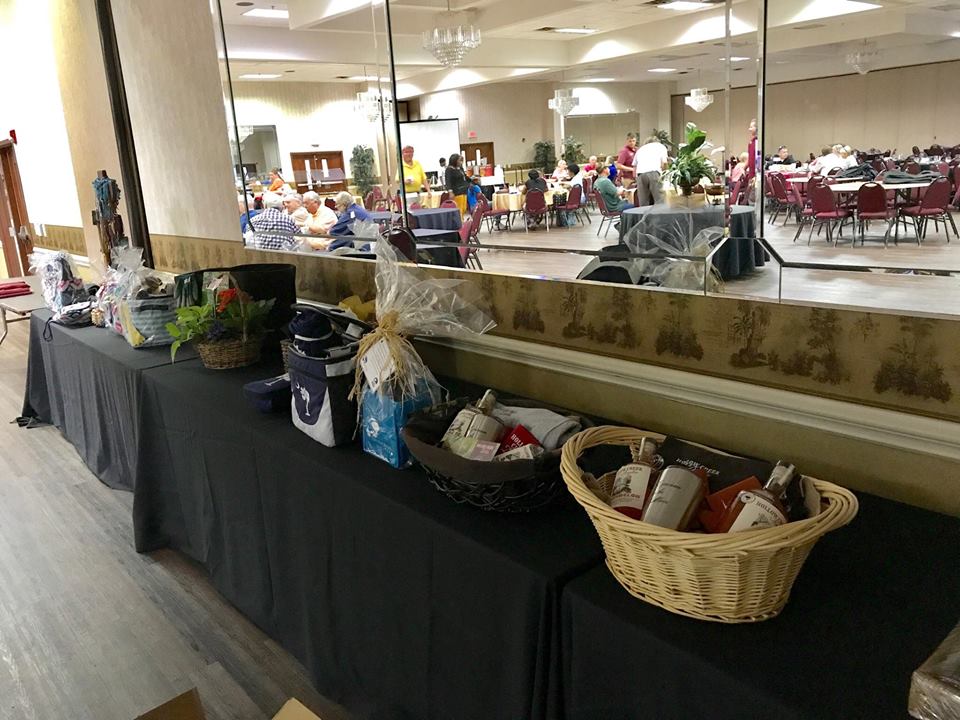
Pre-auction set up picture of some of our packages.
In the weeks leading up to the auction, we also spent our time confirming the wild game donations and arranging for them to be in the right place by the right time, marketing the event so people would actually show up, arranging corporate sponsors, planning raffles, and setting up our mobile bidding system. I constantly felt like I’d done so much and so little all at once, which was an interesting feeling. Though we were busy, the event planning is my favorite part of my job, and it was actually kind of exciting to have so much to do within so little time. (Don’t remind me I said that next year when we’re planning the 2018 auction).
Day of the Auction:
The whole staff essentially worked around the clock getting last minute details in place in the days leading up to the auction, so I was somehow both relieved and horrified when auction day finally arrived. We had set everything up the day before, so I was able to use the morning to make sure all our ducks were in a row. We had an awesome group of volunteers (and our intern, Max) who made set-up smooth sailing for everyone. It was a huge help to everyone, but to me, especially, since they had done this before and didn’t need much directing. Being able to trust that I could give someone a task and it’d be done (and done correctly) while I worked on something else was a huge weight off my already exhausted shoulders.
Some of our check-in volunteers, and our Director of Education (standing in the pink shirt) Sara Green. Photo credit: Ray Nelson.
Right on time, at 6 p.m. guests started arriving. From there, the night was a complete whirlwind. I thought the week leading up to auction went by quickly, but it was nothing in comparison to the auction itself. I found it really neat how much went on at once during this event; there were raffles, live-music, tons of food, an open bar, guest chefs and speakers, and of course, the silent and the live auctions.
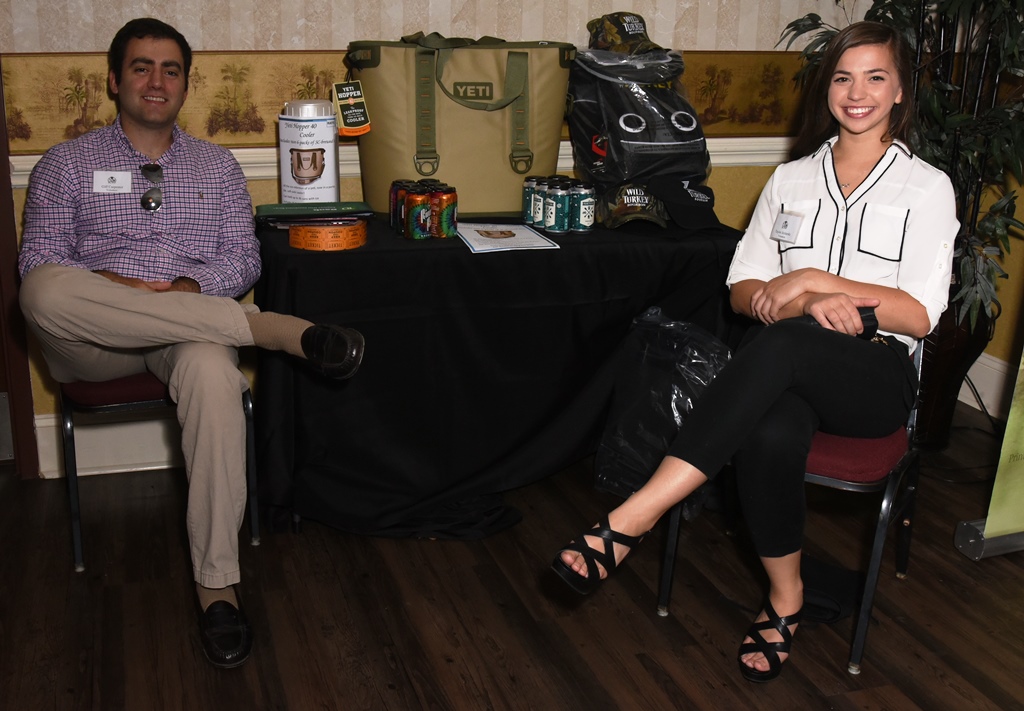
My friends Taylor and Giff helping run the Yeti raffle. Photo credit: Ray Nelson.
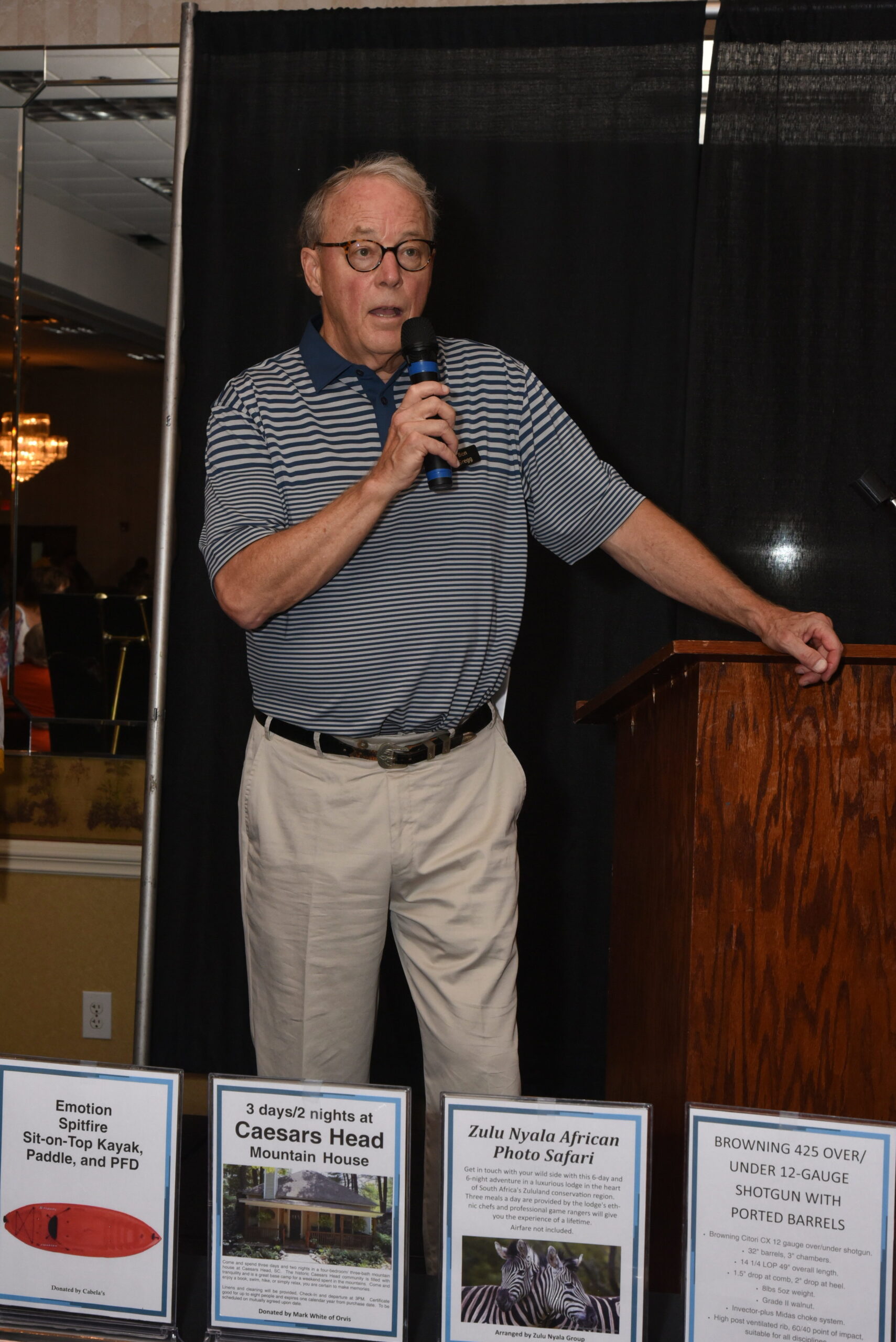
Our Executive Director, Ben Gregg, thanking everyone for coming. Photo credit: Ray Nelson
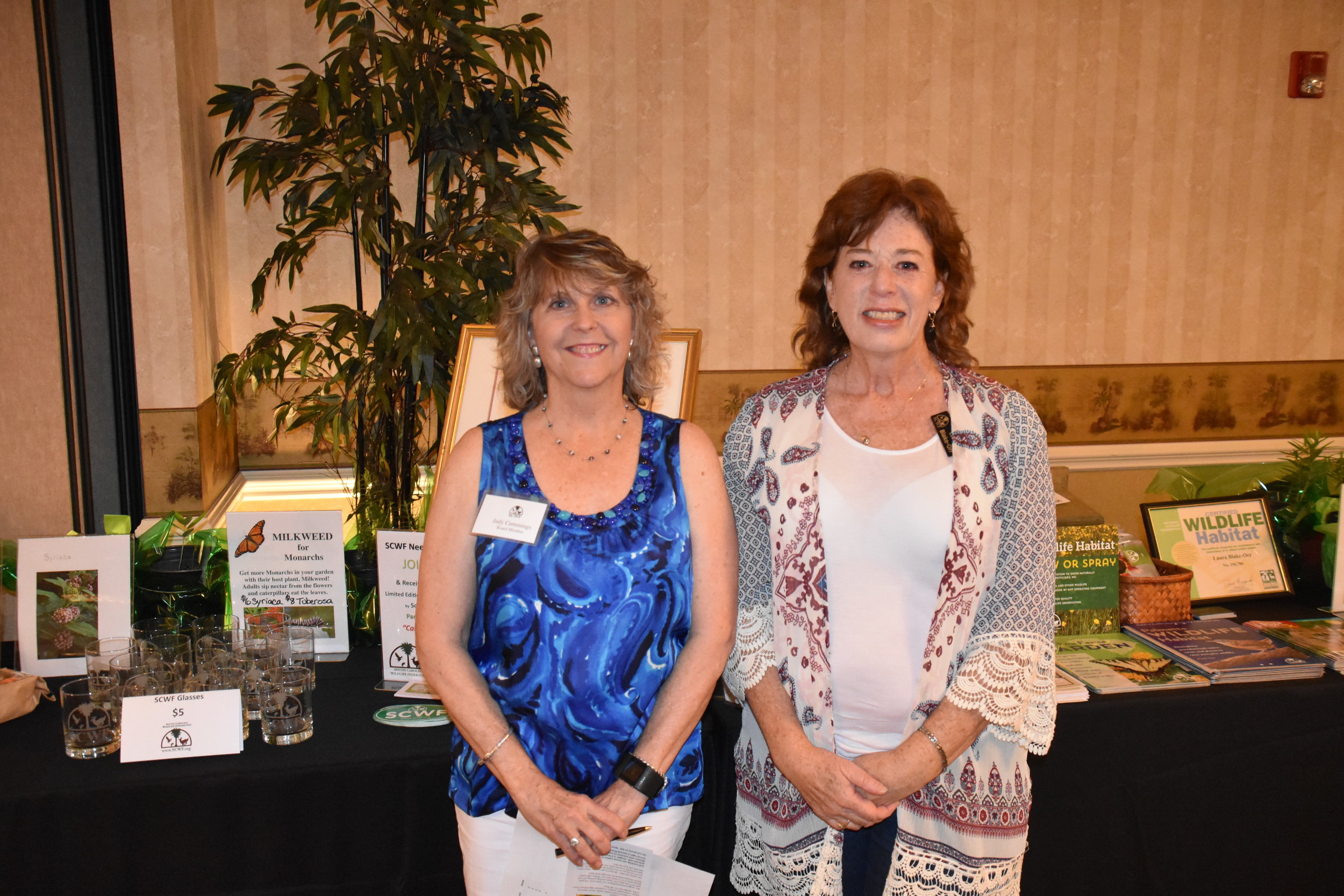
Volunteer Judy Cummings and Wildlife Habitat Manager Laura Blake-Orr. Photo credit: Ray Nelson
Just like with set-up, our volunteers really came through to help run the event seamlessly. We have a very small staff, so if it weren’t for the volunteers we wouldn’t be able to pull something like this off. My predecessor, Harley, was a huge help as usual because she knew how the auction had been run in the past, so she was there to help me with things I would’ve never thought to prepare for (who knew table assignments were so hard? I now remember exactly why we’re skipping assigned tables for my upcoming wedding).
Director of Education Sara Green and former Director of Development Harley Carpenter. Photo credit: Ray Nelson.
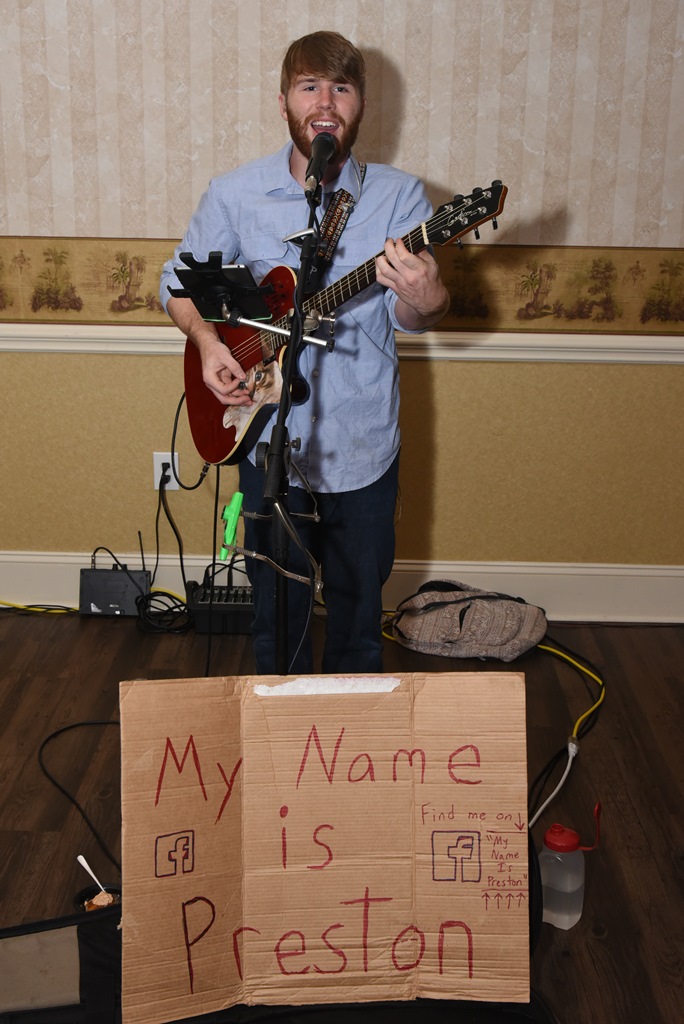
We even had my friend Preston come perform for us this year. Of all the positive feedback I got about the auction afterwards, the most I heard about was how great Preston was. Everyone was super impressed with him and he helped make the event event better.
Preston performing. Photo credit: Ray Nelson
Even with all the help, I was running around all night. Right before the silent auction ended I finally had a chance to sit down and enjoy some of the food, and I’m so glad I did. The wild game feast was incredible. We had fried gator, catfish, chicken marsala, quail perlo, mustard fried venison, venison chili, pulled pork, mac and cheese, coleslaw, and probably more than I didn’t even see.
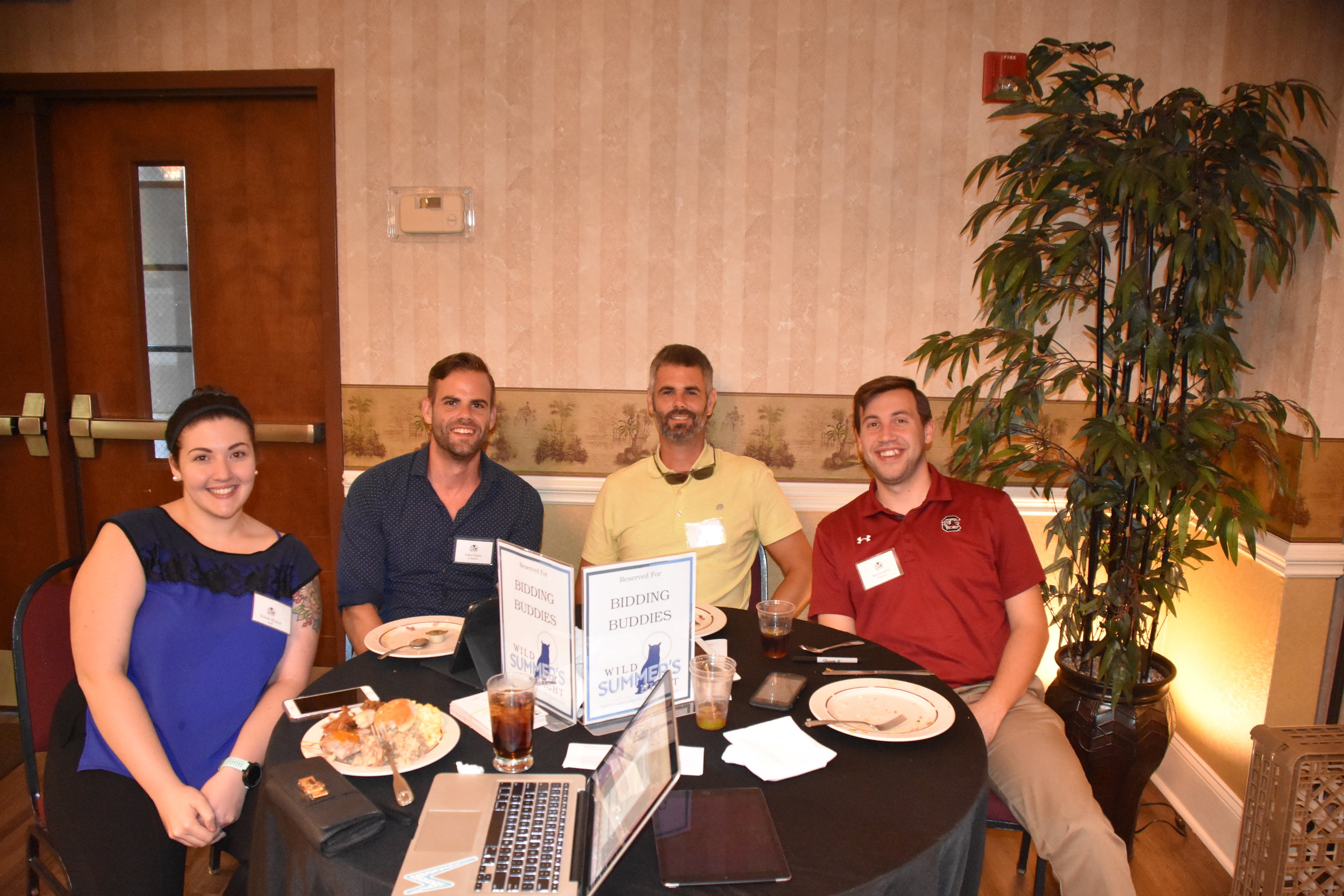
L-R: Me, John Green, Will Green, and my fiancé, Ian Loughlin. Photo credit Ray Nelson.
It’s over already?
Before I knew it, the live auction was finishing up, people were checking out, and the night was over. The staff at Seawell’s is incredible; they handled all the clean up outside of what was ours to take home, and they were pleasant and easy to work with. The event was over at 10 and I was at home, eating a Sonic blast in bed by midnight (no ice cream has ever tasted so good).
I have to admit, the planning was stressful. So it was both a pleasant surprise and a “wait…that’s it?” kinda feeling when it all went by so quickly. By the end of the night, we’d raised over $37,000 (after expenses) for the organization and that was an amazing feeling.
There are things I will suggest be done differently next year, and definitely some things I am more prepared to handle next year. Overall, though, I feel accomplished with what we were able to do this year. I’m very fortunate that my first job out of college put me in a position I wanted to be in—doing something I love for a cause I care greatly about—and surrounded me with coworkers who made the (many, many) extra hours less stressful, and maybe even almost enjoyable 😉
A version of this blog has been cross-posted to my personal blog, The Donut Runner.
CHARLESTON & BEAUFORT COUNTIES, SC – Today, the South Carolina Federal District Court ordered “immediate removal of all sea walls from Harbor Island and Isle of Palms, and orders that these temporary sea walls remain removed during the sea turtle nesting period while this action proceeds.” On Friday, August 11th, Judge Norton heard oral arguments on two pending motions before the Court at the Federal Courthouse in Charleston. Today’s order resolves both motions in favor of the plaintiffs, South Carolina Wildlife Federation (“SCWF”) and Sierra Club, who are represented by the South Carolina Environmental Law Project (“SCELP”).
The South Carolina Department of Health and Environmental Control (“DHEC”) had moved for dismissal of the case, citing an obscure legal doctrine known as Burford abstention for the argument that the case should be dismissed in federal court and resolved in state proceedings instead. In the order, the court found “DHEC’s abstention argument unavailing.” Instead, the court explained that the plaintiffs’ Endangered Species Act violation is a serious cause of action in which the federal court has an “unflagging obligation to exercise its jurisdiction.”
After denying DHEC’s motion to dismiss, the court granted SCELP’s motion for a preliminary injunction. In doing so, the court expressly found that SCWF and Sierra Club “are likely to succeed on the merits of their ESA take claim.” The court found that false crawls caused by the experimental sea walls constitute a take because they “lead to a ‘significant impairment’ in the sea turtles’ breeding patterns.” The court also recognized that the continued use of these experimental sea walls is causing irreparable harm, that it is more equitable to have them taken down while the case is pending than to allow them to remain, and that removal of the seawalls is in the public interest. As the court states: “The sea walls were designated by the South Carolina General Assembly to be research structures and authorized by DHEC for a one-year period. Certainly, it cannot be unforeseen that the sea walls would need to be removed after the research study ended.”
Steve Gilbert, a biologist and the Special Project Manager for SCWF, states: “These Wave Dissipation System (WDS) devices were designed specifically for relatively quick removal during turtle nesting season to reduce or eliminate the harassment of sea turtles by forced ‘false crawls’ (failed nesting attempts) that brought about this suit. Unfortunately, the walls have remained in place for longer than the initial year for which they were authorized for study and they continue to block turtle nesting post study. The study clearly demonstrated that the WDS were not effective for their design purpose and caused more erosion and loss of sand then control areas. They were however effective in causing numerous ‘false crawls’ by turtles. It is important to note that no Incidental Take Permits under the Endangered Species Act for the turtle harassment were sought or granted. The judge’s ruling to require their removal during turtle nesting season is a welcome relief to this situation.”
Chris Hall, Chair of the SC Sierra Club Chapter, states: “I think that the DHEC staff report reflected that these structures do not work, and we have supported the DHEC staff recommendations throughout this process. The DHEC Board blocked the sound decision-making of staff, which is how we ended up with these illegal sea walls continuing to block sea turtle nesting for a third season. This order is a critical step towards good science and law on the protection of sea turtles.”
Michael Corley the SCELP attorney, who argued both motions for SCWF and Sierra Club on Friday, states: “I felt we had a very strong case for a preliminary injunction because of the urgent need for removal during the current nesting season and the favorable law on ESA takes. It feels great to be validated by federal court. We look forward to seeing the walls come down.”
The plastic seawalls were erected after legislative “approval” (via a budget proviso) as a temporary exception to the general ban against seawalls by reason of their experimental nature. These experimental seawalls were installed at Isle of Palms and Harbor Island in 2015 and the thorough study conducted by the Citadel under DHEC supervision reached unequivocal conclusions about the experiment: the structures did not work and actually, like many other seawalls before, worsened erosion in the affected areas. However, the DHEC Board authorized and re-authorized the continuation of the sea wall experiment, compelling our clients to seek relief from federal court.
SCWF is part of a large coalition of National, State and Local groups that have been actively fighting oil and gas exploration and development off of our precious coast. This coalition was very successful in playing a role in the Obama administration denying permits for seismic exploration and removing our coast from the five year lease sale plan. Unfortunately, this victory was short lived as the current administration reversed all the protective decisions of the previous administration and is rushing forward with authorizing seismic testing and developing a new five year lease sale plan that includes all of the Atlantic (as well as the Arctic).
Seismic testing to preliminarily indicate the presence of fossil fuels under our ocean floor is in itself damaging. Proponents argue that “what harm could it do to know what’s there.”
The answer is “lots of harm.” Five companies have applied for permits to do such testing. A large seismic array of airguns is towed behind vessels that fire every 10 to 12 seconds, 24 hours a day for months at noise levels consistent with dynamite explosions. Contrary to industry rhetoric, there has been a great deal of research that demonstrates both physical and behavioral impacts to organisms ranging from small zooplankton food chain communities to invertebrates, fish, and marine mammals.
In addition, no one but the oil industry who buy the seismic data will “know what’s there” as the data is proprietary. The public, state and local governments, and even congress will not benefit from these studies or be able to make better informed decisions about drilling. Also, seismic blasting is not definitive of quantity or type of hydrocarbon resource. Further testing would need to be done by drilling test wells. The great deepwater horizon disaster in the Gulf of Mexico originated from such a test well. Furthermore, SCWF is vehemently opposed to drilling off of our coasts as it would lead to great losses of our fisheries and our tourist industry. Since seismic testing is the first step along the pathway to drilling and is itself harmful, we are also opposed to this harmful practice.
The first step in obtaining a seismic permit is to request Individual Harassment Authorizations for marine mammals from the National Marine Fisheries Service (NMFS). THIS LETTER FROM SCWF provides our comments specific to that NMFS decision making process. NMFS has already made draft decisions indicating that these multiple seismic operations would not unduly harm marine mammals. After our analysis, we believe that that such decision is flawed and have submitted comments accordingly.

 For the first time, SCWF is offering very rare “environmental” prints from Artist Jim Booth in an online auction. Bidding is open now and will continue until December 11th at 12 noon. 100% of the proceeds will benefit the wildlife education and conservation programs of the SCWF.