Keep South Carolina Wild
June 30, 2023
Check out this article about Linda Suber’s certified wildlife habitat in Columbia, SC.
Article by Arlene Marturano SC Garden- based Learning Network on Facebook
Published online in The Columbia Star on June 22, 2023
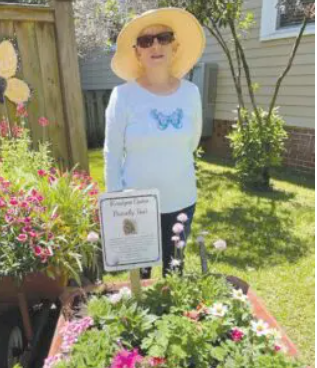
National Pollinator Week June 19-25 is an annual celebration designed to raise awareness of the importance of pollinators and what we can do to protect them. Linda Suber has been celebrating bees, butterflies, flies, wasps, and hummingbirds in her Shandon garden for 15 years by planning and planting pollinator picnics. Menus vary by season and by pollinator preference. The caterpillar café menu grows dill, fennel, and parsley to host black swallowtail caterpillars; snapdragons for buckeyes; violets and pansies for variegated fritillary; and native milkweeds for monarch caterpillars. The nectar café menu includes annuals, biennials, and perennials including balloon flower, beardtongue, canna, clover, coneflowers, coreopsis, cosmos, cuphea, daylilies, hibiscus, hydrangeas, Joe Pye weed, lantana, marigold, pentas, phlox, spiderwort, vitex, and zinnia. Hummingbirds imbibe at bee balm, red bottlebrush, cleome, columbine, Mexican petunias, salvias, and red shrimp plant. Most plants are purchased from Gardener’s Outpost in Columbia and Joyful Butterfly in Blackstock, S.C.
How is urban soil amended? Linda and husband, Von, compost underground in holes using a Dig and Drop method. Von digs a hole 15 inches deep to bury kitchen food scraps. He replaces the soil and is done. The organic matter decomposes underground and the resulting compost enriches the soil and offers nutrients to plants. Grass clippings and dry deciduous leaves are used as mulch year round to control soil temperature and moisture, smother weeds, add nutrients, invite earthworms, and prevent erosion.
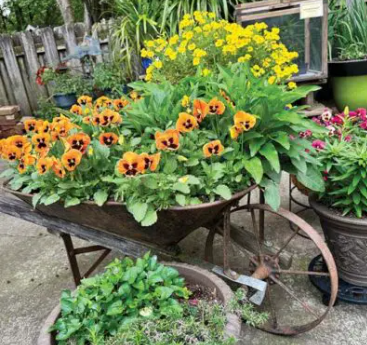
Container plant pots are filled with Miracle Gro potting soil and top-dressed with Stout Ollie compost. Linda uses Fox Farm Tiger Bloom fertilizer with earthworm castings for containers. Rain barrels, hoses, drip line, and underground sprinkler system are used to get water to all areas of the sun-filled garden.
Since pesticides poison pollinators and can cause subtle changes in reproduction, navigation, and memory of bees and other beneficial insects and herbicides destroy pollinator food sources, Suber uses no pesticides or herbicides and advises others to do the same.
The garden is a bird sanctuary for 35 species to fly, feed, sing, and nest. The bird buffet includes millet, sunflower seed, suet, and mealworms. From an ecological perspective moth and butterfly caterpillars are an important protein and fat food source for birds, reptiles, amphibians, and small mammals. Fountains and birdbaths bring feathered friends to drink, bathe, and preen. Cheeky Charlie, a robin, was a longtime visitor.
When Suber’s grandson attended Rosewood Elementary, she invited his second grade class to the garden to observe monarchs in various stages of metamorphosis. Since the life cycle of butterflies is part of the second grade science curriculum, Rosewood second graders continue spring visitation observing the monarch life cycle in a screen cage and rotating among four stations— Pollinator Word Search, Sidewalk Chalk of Life Cycle, Scavenger Hunt, and Pollinator Bee Sticks.
The Suber garden was featured on Columbia Green’s 2023 Spring Festival of Gardens in April. Her garden, named Kaleidoscope, is registered with the Rosalynn Carter Butterfly Trail based in Plains, Ga., with Monarch Watch as a Monarch Waystation and with the S.C. Wildlife Federation as a Wildlife Habitat.
To participate in the citizen science Great Southeastern Pollinator Census August 18-19, register at ggapc.org
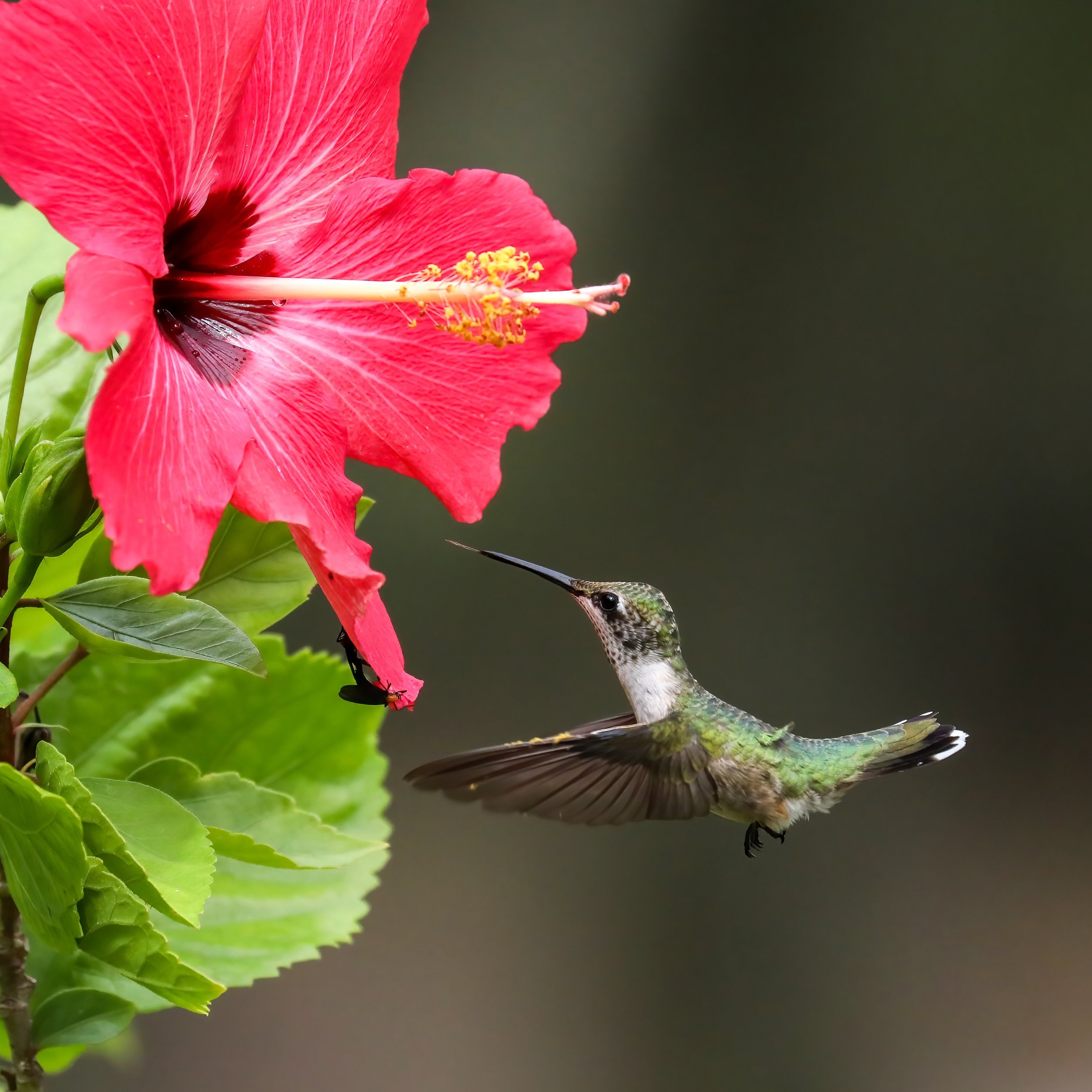
Banner Image Credit: Dinner on Deck by Natalie Chapman.

During the month of May, we continue to celebrate Garden for Wildlife™ Month by spotlighting our Community Habitat team leaders and asking them why they garden for wildlife. Ellen Morton...

Thank you to The State, The Times and Democrat, The Island Packet, Spartanburg Index-Journal, Columbia Star, Island Eye News and KPVI News, for sharing our press release, and links are...

SCWF Government Relations Manager, Trip King The House-Senate Conference Committee on H.4100, the state appropriations bill, met on June 17 to finalized the Conference Report on the FY 2021-2022 state...