Keep South Carolina Wild
January 04, 2018
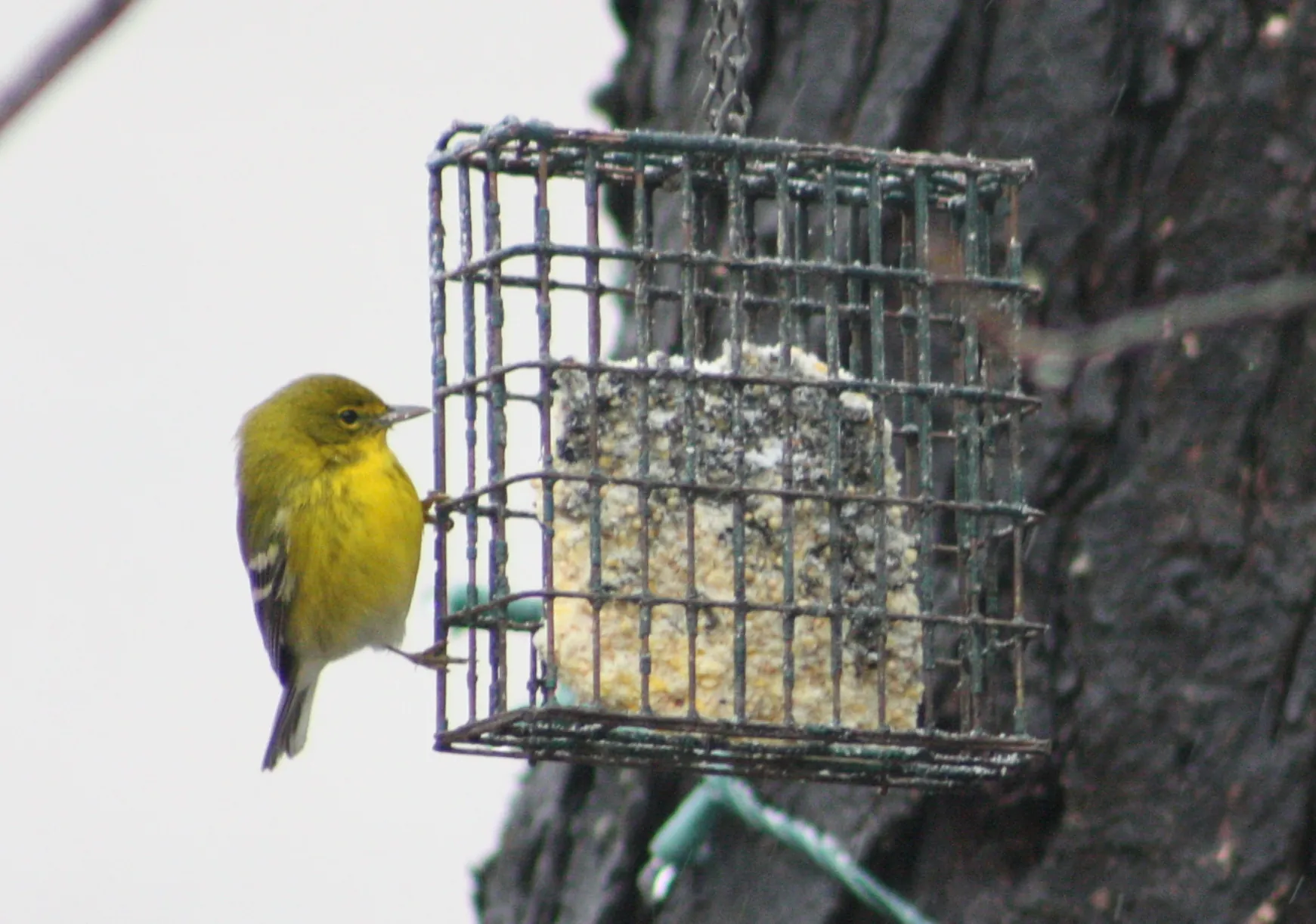
Ninety percent of a bird’s diet consists of insects, even those birds that you see at your feeders. In the winter, the insect population (important source of protein) is low and the availability of berries (important source of fat) is limited. In the spring, birds need lots of energy to build nests and families. You can help by making homemade suet, which birds prefer to the bought kind. Lard can be purchased at many local grocery stores – call ahead to make sure that they have it. If you hang the suet near your other feeders, the birds will discover it quickly!
1 cup lard (animal fat)
1 cup crunchy peanut butter
1 cup whole wheat flour
2 cups quick cook oats (uncooked)
2 cups cornmeal
Optional: dry dog food, raisins, nuts, pretzels, bird seed
Soften lard and peanut butter in microwave, add water, and other ingredients in mix. If mixture is too sticky, add more dog food (high in protein). You can spread the mixture immediately on the bark of trees, on pinecones, or make small cakes by hand on wax paper and refrigerate to solidify. This can be frozen if you make a large amount at one time. Be sure to label it, or your family may mistake it for dessert! When ready to use, place suet cake in wire mesh suet holder, and hang from tree. Suet holders can be purchased at Wild Birds Unlimited, garden centers and feed and seed stores. You can also put it in a mesh onion bag.
Recipe and helpful hints provided by: Val Hutchinson and Bootsie Manning
Tags: Habitat, Birds, Certified Wildlife Habitat, food
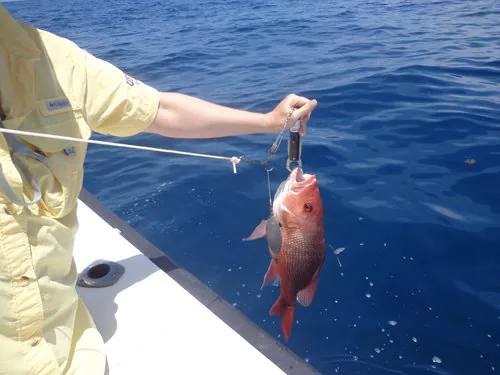
South Carolina Wildlife Federation was recently awarded a federal grant to work with recreational anglers in four states. We will be partnering closely with the South Atlantic Marine Fisheries Council...
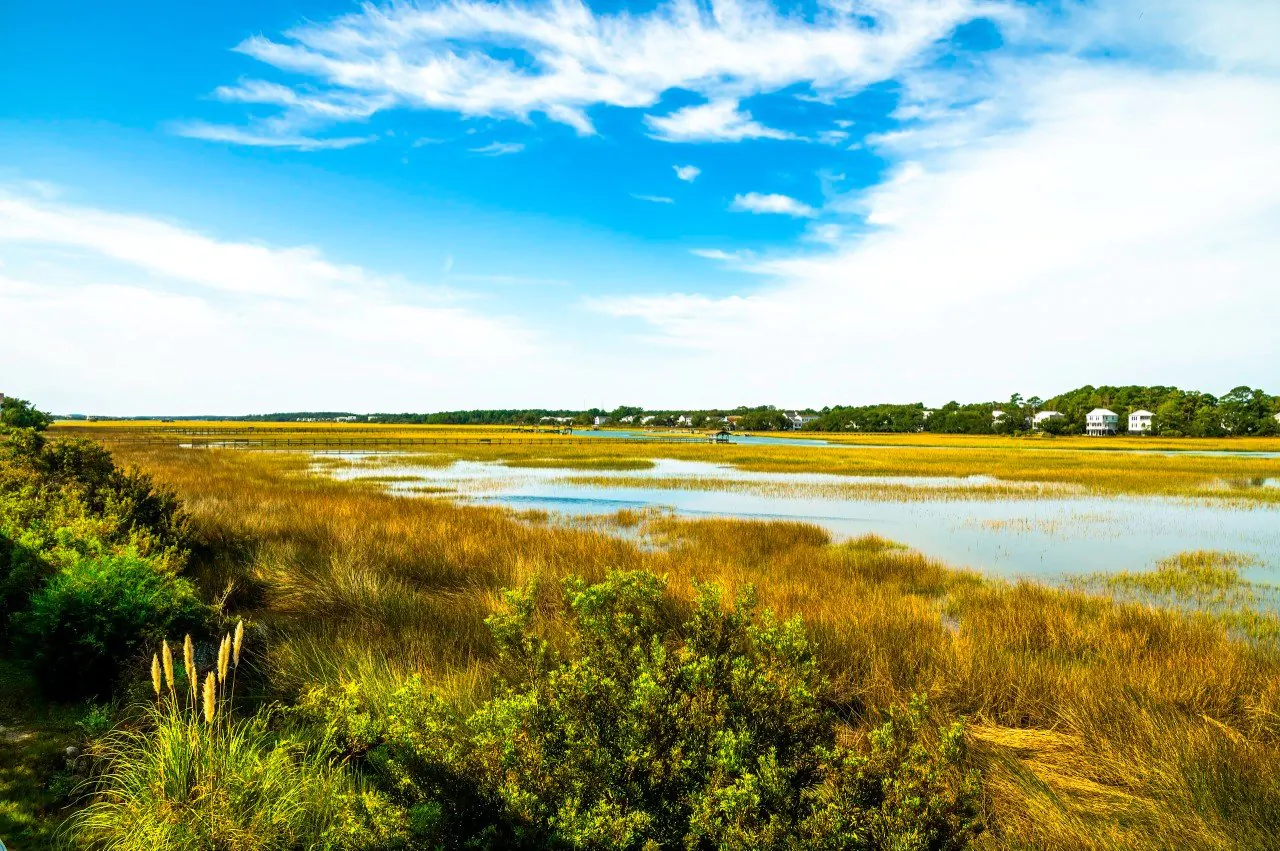
Published December 9th in Post & Courier: https://www.postandcourier.com/opinion/commentary/commentary-we-can-do-better-with-sustainable-development-in-the-lowcountry-heres-how/article_06cf79c6-771f-11ed-a71c-03364e1187ff.html Reviewing several new large developments in the Charleston area, I have become convinced that it is far past time for developers to...
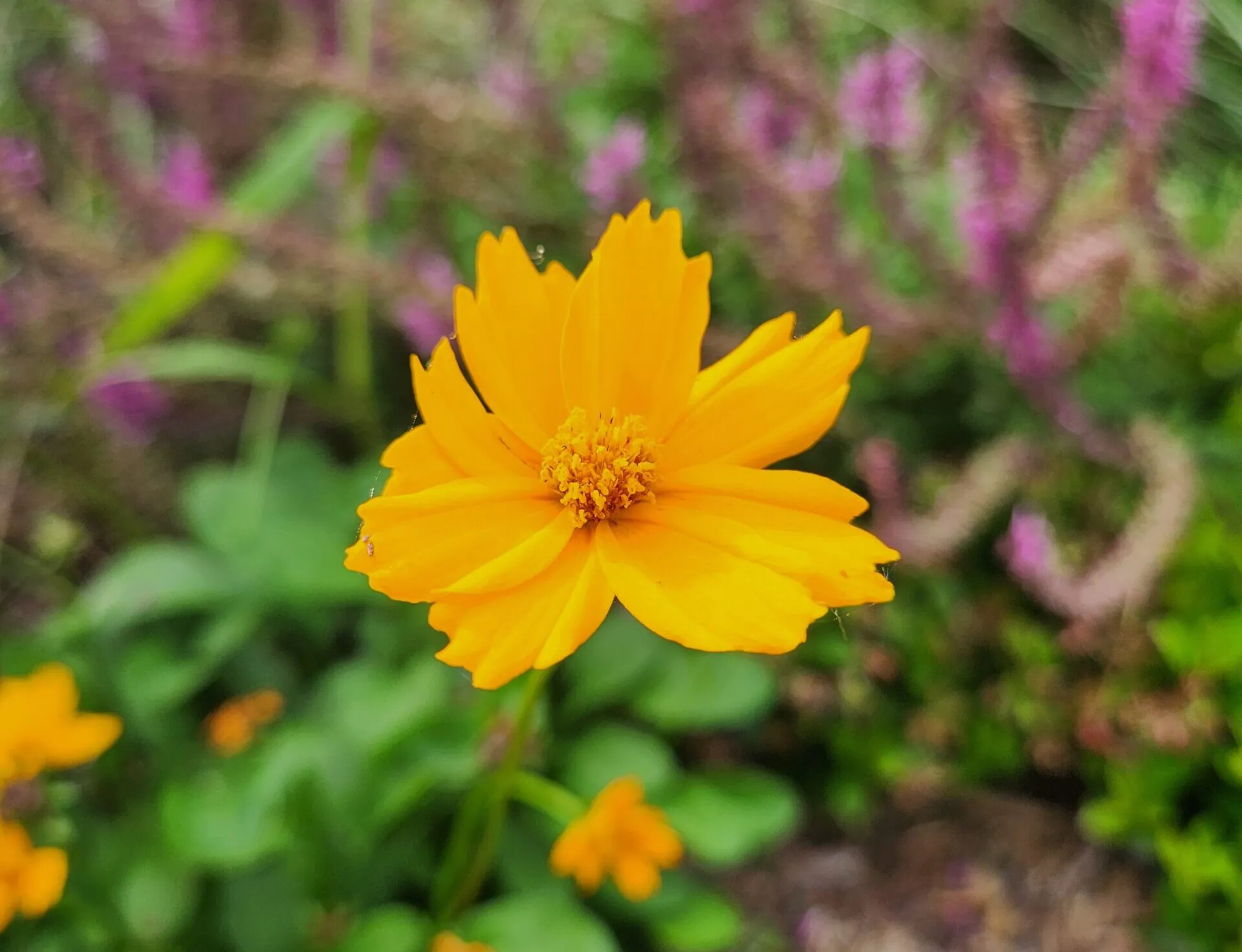
South Carolina takes a huge step forward for wildlife habitat enhancement Native plants have formed symbiotic relationships with native wildlife over thousands of years, and therefore offer the most sustainable...