Keep South Carolina Wild
December 09, 2022
Published December 9th in Post & Courier:
https://www.postandcourier.com/opinion/commentary/commentary-we-can-do-better-with-sustainable-development-in-the-lowcountry-heres-how/article_06cf79c6-771f-11ed-a71c-03364e1187ff.html
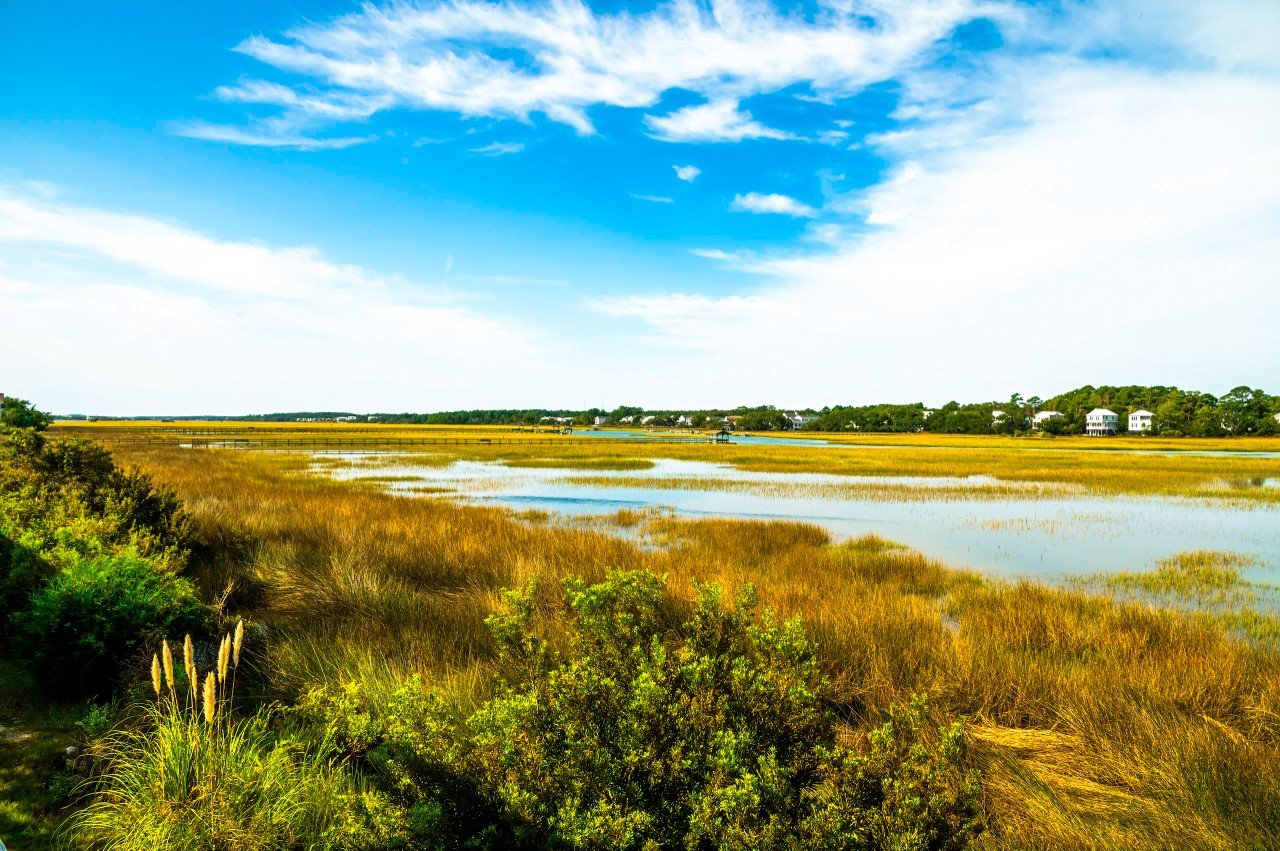
Reviewing several new large developments in the Charleston area, I have become convinced that it is far past time for developers to shift development practices in order to achieve new sustainable development in light of higher flooding potentials and large losses of valuable ecosystem elements.
Two large recently proposed developments (and likely many more I have not reviewed) have been planned with problematic design standard practices. These practices include attempting to fit unrealistically high numbers of dwellings including placing residential dwellings in the 100-year floodplain (which these days is probably now closer to a 50-year floodplain). In addition, these practices result in destruction of large acreages (approximately 200+ acres at each site) of onsite wetlands that provide wildlife habitat and naturally detain, retain and filter runoff destined for our streams and rivers. They also often result in loss of valuable forested habitat, natural drainage and carbon storage patterns and attempt to control onsite flooding by building large retention ponds in areas with a high-water table.
To achieve sustainable development, avoid future flooding in new developments, loss of important habitats, and harmful discharges to our state waters, we must shift our development strategies in many ways.
We can not continue to fill large acreages of wetlands and replace them with retention ponds especially in areas like the Lowcountry that have a high- water table that is often not adequately considered when sizing retention ponds. We also need to have developments utilize pervious surfaces for roads and driveways, elevate houses for water movement where appropriate, consider using constructed wetlands instead of retention ponds when necessary, leave more large trees and wetlands for carbon sequestration and reject building in our floodplains.
Steve Gilbert, of Charleston, is the Special Project Manager for the South Carolina Wildlife Federation.
Published December 9th in Post & Courier:
https://www.postandcourier.com/opinion/commentary/commentary-we-can-do-better-with-sustainable-development-in-the-lowcountry-heres-how/article_06cf79c6-771f-11ed-a71c-03364e1187ff.html
Banner photo by Carl Beard.
Tags: Development, Wetlands, Sustainability, Lowcountry, Flooding, Steve Gilbert, Advocacy
“Best class”, “learned new stuff”, “awesome instructors”...these are some of the comments from our new POWR Up retreat held at Santee State Park and the surrounding area October 13 -...

Included in our Donor Impact Report 2016, you will find updates on our education & conservation programs, news from all staff members, a list of all 2015 donors, winning photos...
For Immediate Release August 25, 2023 Contact: South Carolina Wildlife Federation – Director of Education, BeBe Dalton Harrison – mail@scwf.org Published online: 9/1/23: The Sumter Item 9/1/23: Ground News...