Keep South Carolina Wild
June 30, 2026
One of the best parts of environmental education is that learning never stops. Over the past several weeks, nature enthusiasts from across the state joined us for a series of advanced training opportunities that explored everything from dragonflies and Carolina bays to fireflies and herpetology. These programs welcomed anyone interested in deepening their understanding of South Carolina’s incredible natural heritage while learning directly from experts in the field.
Day of the Dragon
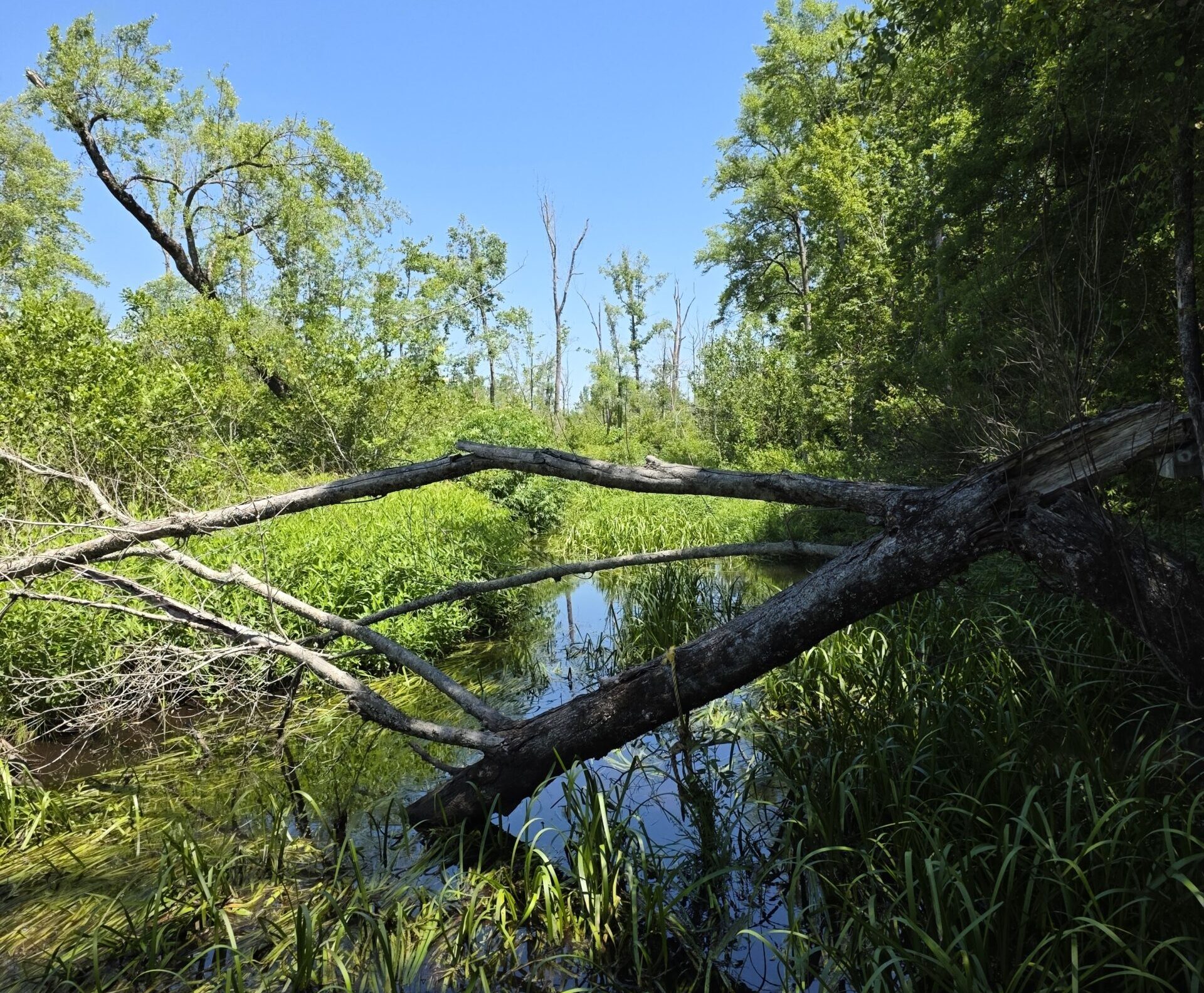
Our Day of the Dragon program was an unforgettable opportunity to immerse ourselves in the fascinating world of dragonflies and damselflies. A special thank you goes to Austin Jenkins for sharing his incredible knowledge and enthusiasm for insects throughout the day.
Participants learned the differences between dragonflies and damselflies, explored their unique life cycles, and discussed the remarkable adaptations that have allowed these ancient insects to thrive for more than 300 million years. We even observed mating behavior on the pond as males guarded females while eggs were being laid.
The diversity of species encountered was impressive. Highlights included Eastern pondhawks, blue dashers, banded pennants, golden-winged skimmers, Amanda’s pennants, little blue dragonlets, sparkling jewelwings, powdered dancers, citrine forktails, variable dancers, and attenuated bluets. we also spotted bright red parasitic mites on little blue dragonlets and a few other aquatic creatures. This class was a fascinating reminder of the complex relationships within wetland ecosystems.
The day wasn’t limited to dragonflies. Participants observed freshwater shrimp, whirligig beetles, caddisfly larvae, water scorpions, creeping water bugs, black-banded sunfish, and even a brown water snake. One of the most memorable moments was watching a water scorpion feeding on a crayfish, showcasing the hidden drama unfolding beneath the water’s surface.
The enthusiasm continued long after the class ended. Participants shared photos, notes, and words of appreciation, with many commenting on their excitement about future opportunities to explore together.
Exploring the Mystery of Carolina Bays
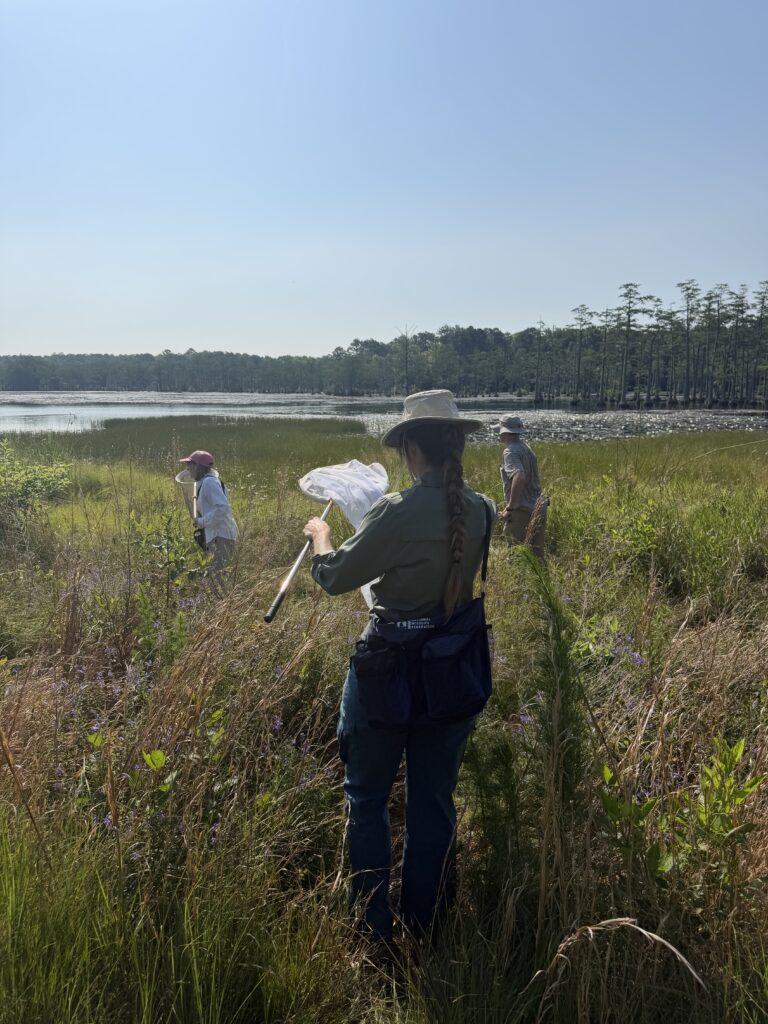
Our Carolina Bays class offered a chance to explore one of the Southeast’s most intriguing and uniquely Carolina landscapes. Led by Austin Jenkins, participants examined the science, history, and ecology behind these elliptical wetlands, which stretch from New Jersey to Florida and number in the thousands across the Coastal Plain.
We discussed the many theories surrounding their formation—from meteorite impacts to ancient shorelines—and learned why the shoreline erosion hypothesis is currently the most widely accepted explanation. Yet, as with many natural wonders, some mysteries remain.
Beyond geology, the class highlighted the tremendous ecological importance of Carolina Bays. These seasonal wetlands provide critical breeding habitat for amphibians and aquatic insects, store and filter water, trap nutrients, and support specialized plant communities. Participants also learned about restoration efforts to plug historic drainage ditches and return natural hydrology to these important ecosystems.
The field experience provided opportunities to observe an incredible diversity of life. Among the plants encountered were longleaf pines, pond cypress, sweetbay, sparkleberry, wiregrass, sphagnum moss, meadow beauty, and the fascinating sticky false foxglove.
Wildlife sightings included red-shouldered hawks, ruby-throated hummingbirds, yellow-billed cuckoos, purple martins, wolf spiders, basilica spiders, white-tailed skimmers, sphinx moths, and Palamedes swallowtails. One particularly memorable moment was watching the distinctive mating “flutter” of the Palamedes swallowtails, a reminder that every visit to these habitats reveals something new.
Firefly Surveys: Community Science After Dark
Few things capture the wonder of a South Carolina summer evening quite like the glow of fireflies. Did you know there’s more than one species of firefly? This year, participants had the opportunity to learn directly from Jory Fleming and Richard Joyce of the Xerces Society through a two-part series focused on firefly conservation and community science.
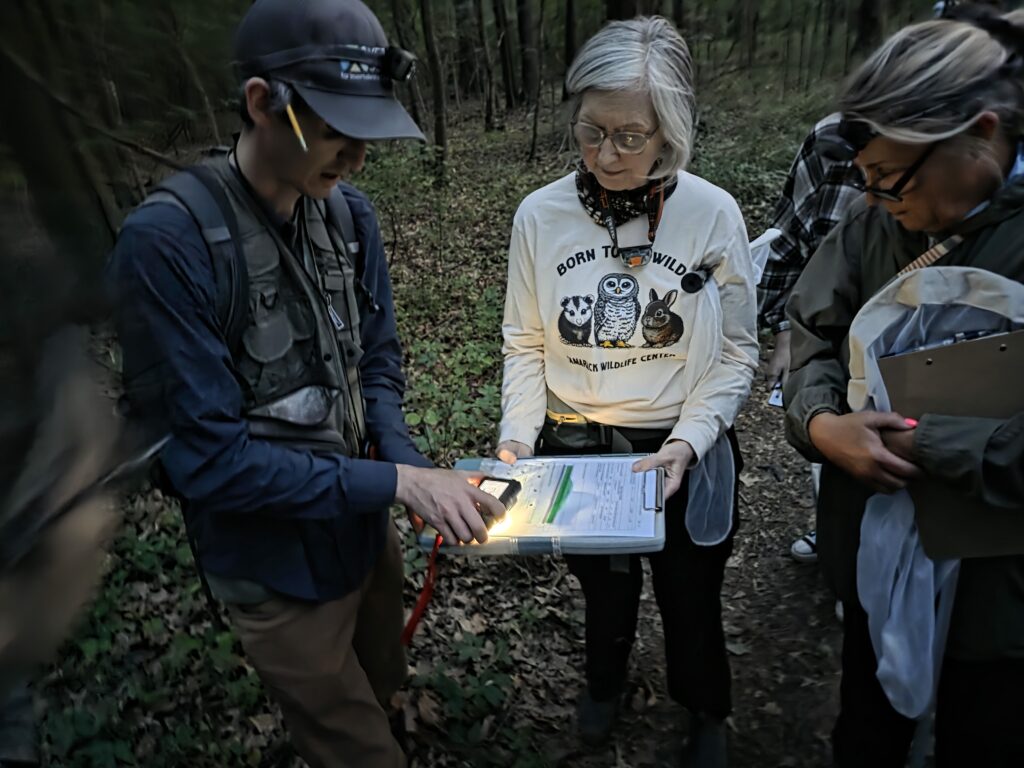
The first session introduced participants to the incredible diversity of fireflies found across the Southeast and the importance of the Firefly Atlas project. Attendees learned how researchers document species distributions, why long-term monitoring matters, and how anyone can contribute meaningful observations to help scientists better understand these beloved insects.
The second session took learning into the field as participants visited two locations around Columbia to collect firefly data firsthand. Guided by Jory and Richard, attendees practiced identifying different species, recording habitat information, documenting flash patterns, and learning the protocols used by professional researchers and community scientists alike.
Beyond simply observing these magical insects, participants gained an appreciation for the careful data collection that supports conservation efforts and helps track changes in firefly populations over time. The experience highlighted how everyday nature enthusiasts can play an important role in protecting biodiversity while fostering a deeper connection to the landscapes around them.
Field Herpetology Adventures
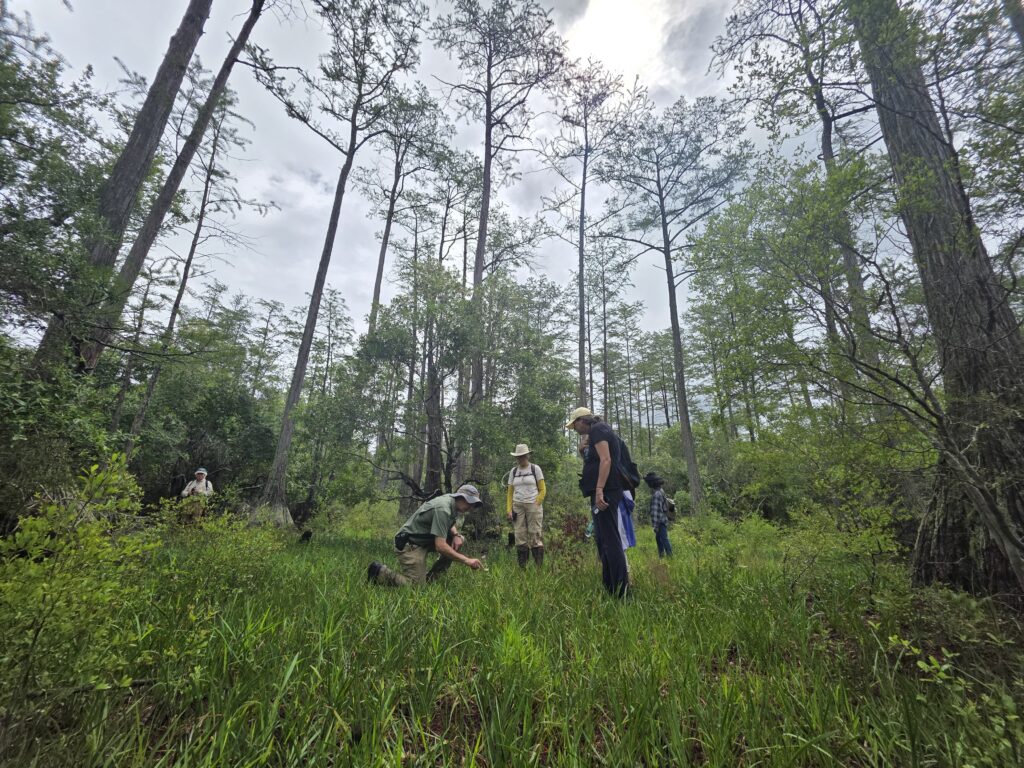
Our Field Herpetology class took participants into Sallyland alongside Jake Zadik and Whit Gibbons for an unforgettable day of discovery. Together, we explored the forests, streams, and wetlands that provide habitat for some of South Carolina’s most fascinating and often elusive reptiles and amphibians.
Participants learned the techniques researchers use to locate, survey, and study herpetofauna while gaining a deeper understanding of the challenges involved in conserving these species and their habitats. From carefully searching stream corridors to examining microhabitats, every step offered opportunities to uncover hidden wildlife.
The day’s finds included two-lined salamanders, mud salamanders, red salamanders, musk turtles, tadpoles in various stages of development, a copperhead, and a ring-necked snake. Each encounter provided valuable lessons about identification, behavior, habitat preferences, and the important ecological roles these animals play.
Learning directly from professionals actively engaged in research gave participants a unique glimpse into the methods scientists use to monitor populations and better understand these secretive creatures. By the end of the day, everyone left with exciting wildlife sightings and a greater appreciation for the remarkable diversity hidden within South Carolina’s forests and waterways.
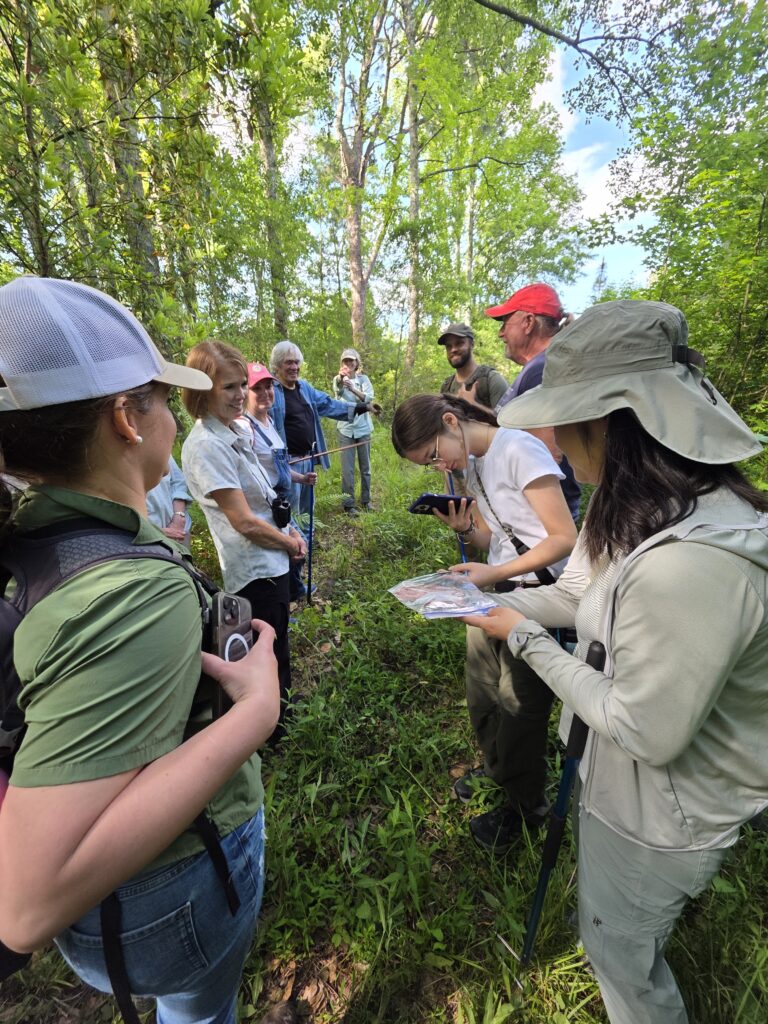
Whether you’re a seasoned naturalist or simply curious about the world around you, these advanced training programs offer opportunities to learn, connect, and explore alongside others who share a passion for wildlife and conservation.
We are incredibly grateful to our instructors, partners, and participants who make these experiences possible. Through hands-on learning, scientific exploration, and a shared sense of wonder, we continue to build a community dedicated to understanding and conserving South Carolina’s rich natural heritage.
We look forward to many more adventures in the field and hope you’ll join us for the next opportunity to discover something new outdoors. To learn more about our nature classes, visit us at https://www.scwf.org/nature-classes/.
Tags: Education, Naturalist, Wetlands, Insects, Dragonfly, Carolina Bay
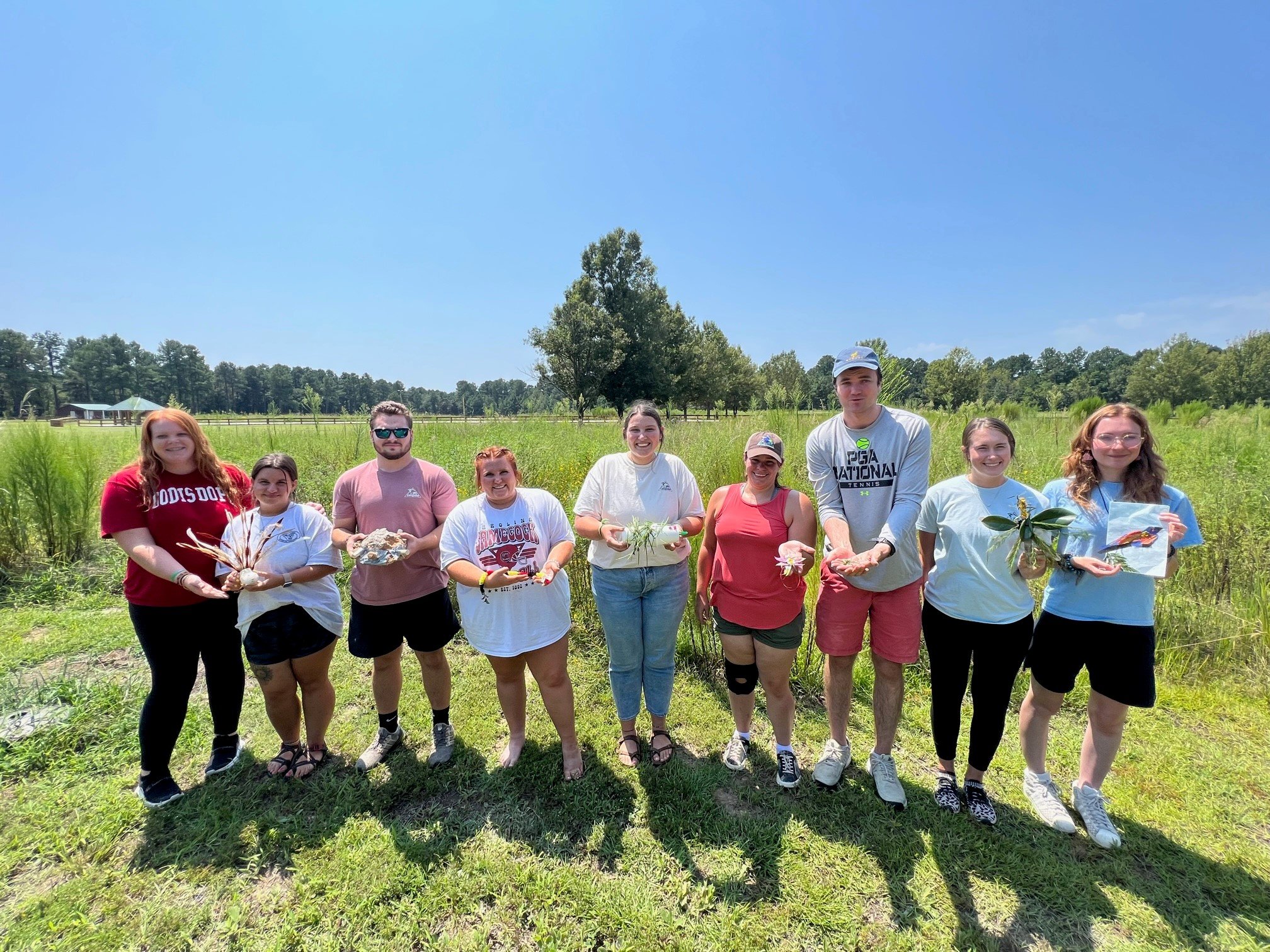
“Oh Deer!”, shouted the instructor as several educators ran across a field recently to find what they needed to survive as a white-tailed deer. This classic activity from Project WILD...

03/05/2025 - Posted by Daniel Island News Attempt to halt Point Hope construction stalls BY: ELIZABETH BUSH, BETH@THEDANIELISLANDNEWS.COM A panel of federal judges has denied an appeal from environmental groups...
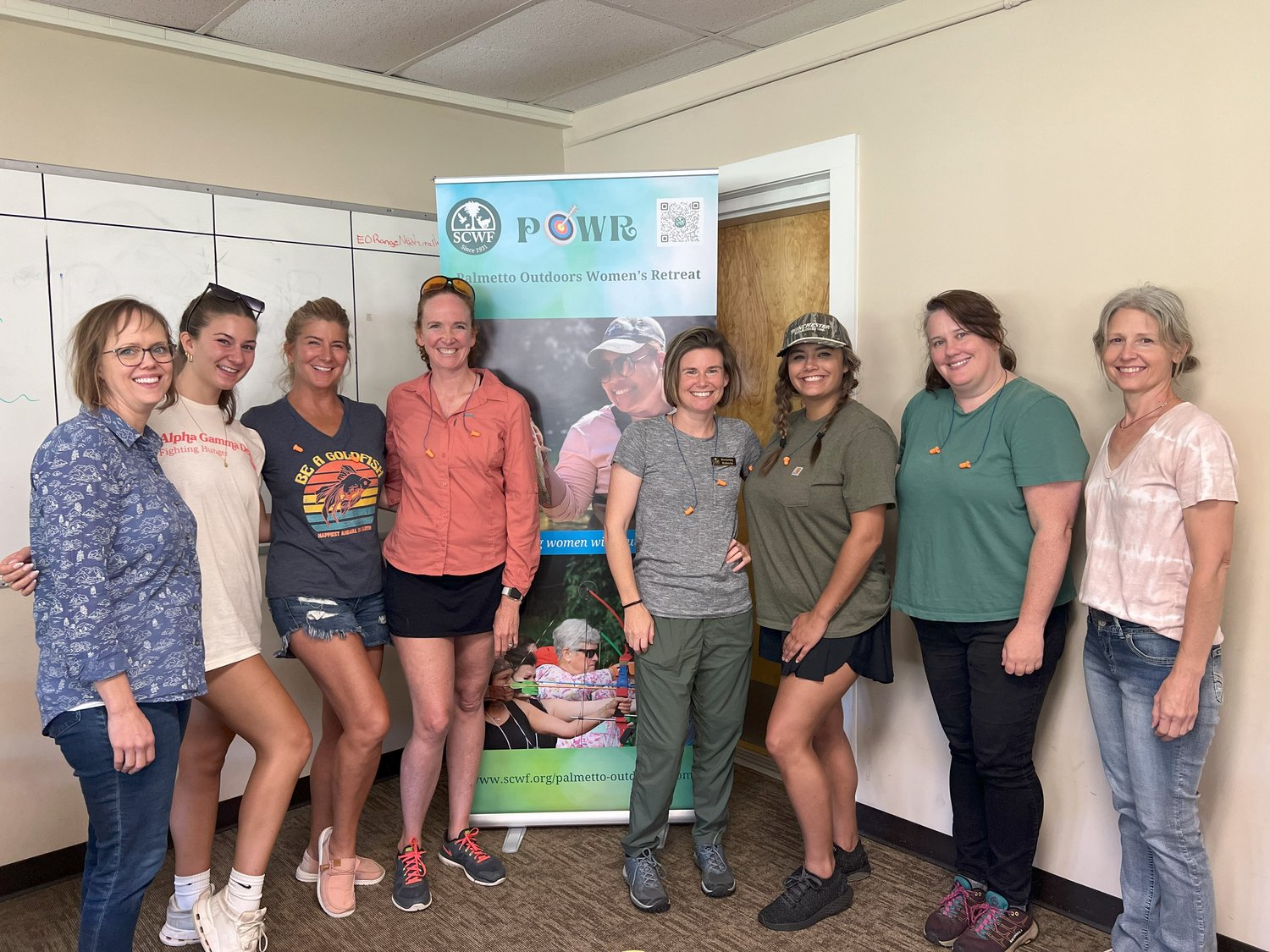
Our POWR+ Shooting Experience participants had an incredible day at DNR’s Wateree Range in Eastover on Monday, August 19th! The participants were welcomed by BeBe Dalton Harrison, SCWF’s Director of...