Keep South Carolina Wild
August 28, 2025
“One reason this program is valuable is because it is accessible for all residents of our state. Also, because SCWF sends these seeds statewide, we are able to offer monarchs many options along their long journey!”
–Connor Chilton, 2025 Monarchs & Milkweed Program Lead
We are thrilled to announce the successful mailing of 5,000 packets of native milkweed seeds to residents across South Carolina, marking the tenth year of the Milkweed for Monarch’s Program! This program allows residents of our state to sign up to receive packets of free native milkweed seeds (Common, Swamp, & Butterfly Milkweed).
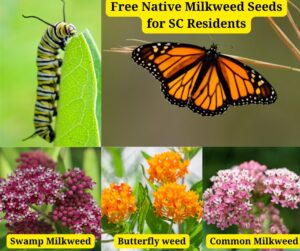
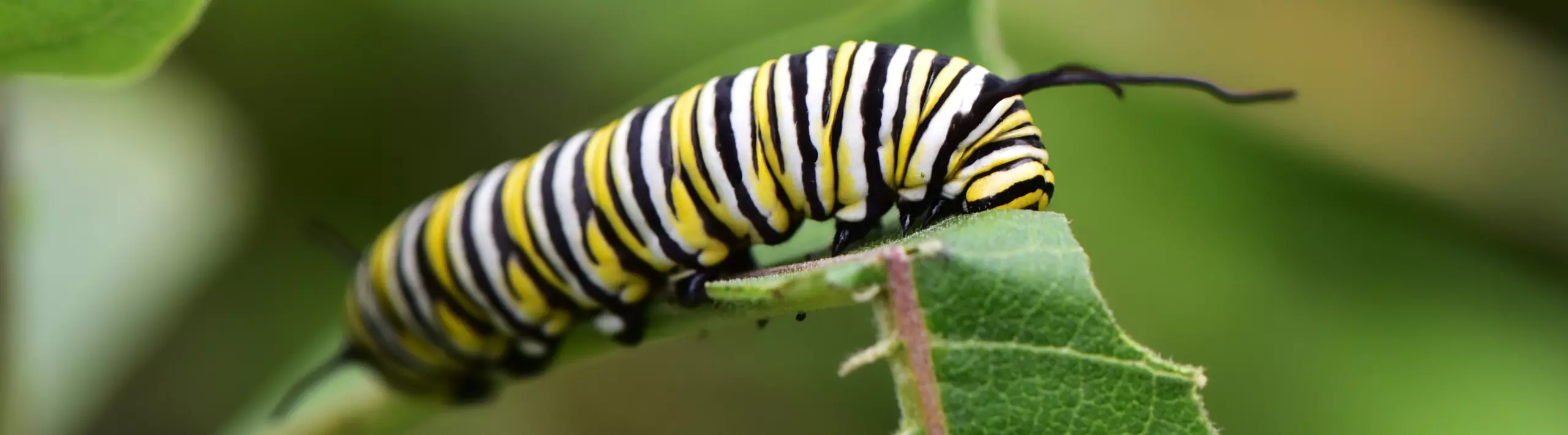
Because monarchs only lay eggs on milkweed plants, they must have native milkweed along their 3,000-mile journey to survive. Over the past twenty years, there has been a sharp decline in the monarch butterfly population along their normal migration routes from Canada to Mexico. During this time, these important pollinators have dwindled by almost 97 percent. Native milkweed plants, however, are the key to helping these iconic pollinators thrive.
This program helps SCWF make a statewide impact for monarchs, and we are so grateful to every single person who signs up to receive a seed packet. We recently received some photos from our milkweed seed recipients, and that is one of our favorite parts of this project! If you have any photos of monarchs that you would like to share with us, you can email us at mail@scwf.org.
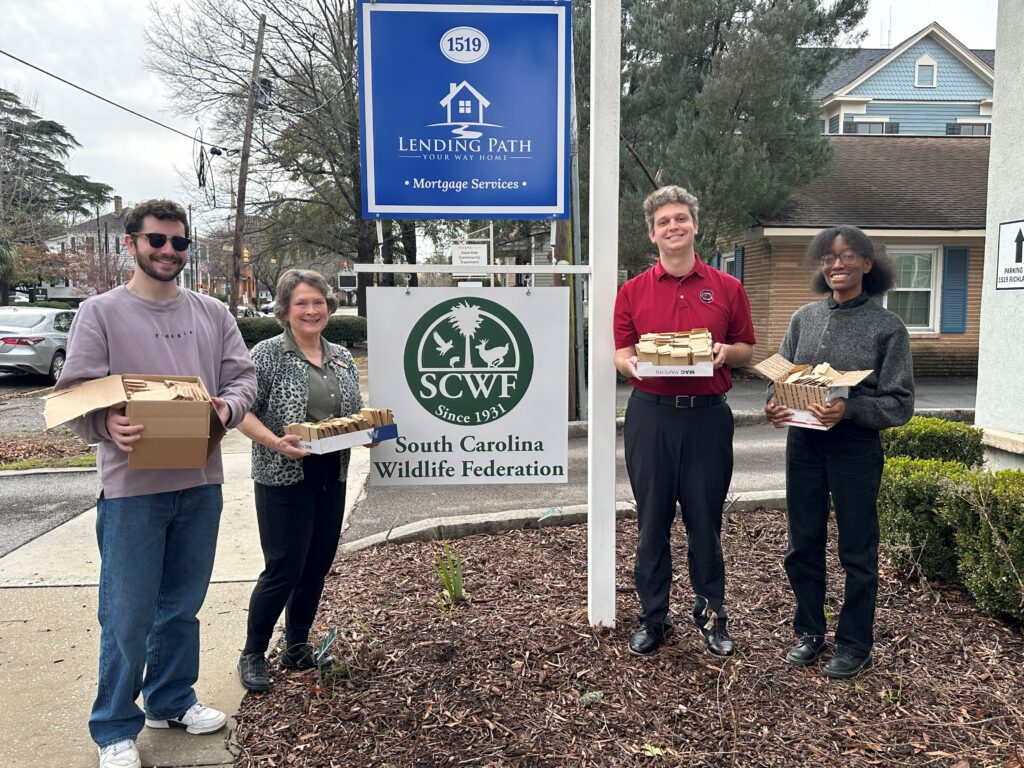


Did you know you can support wildlife by purchasing a Federal Duck Stamp? 98% of each purchase goes directly into protecting wetland habitat through conservation easements, leases, and purchasing of...
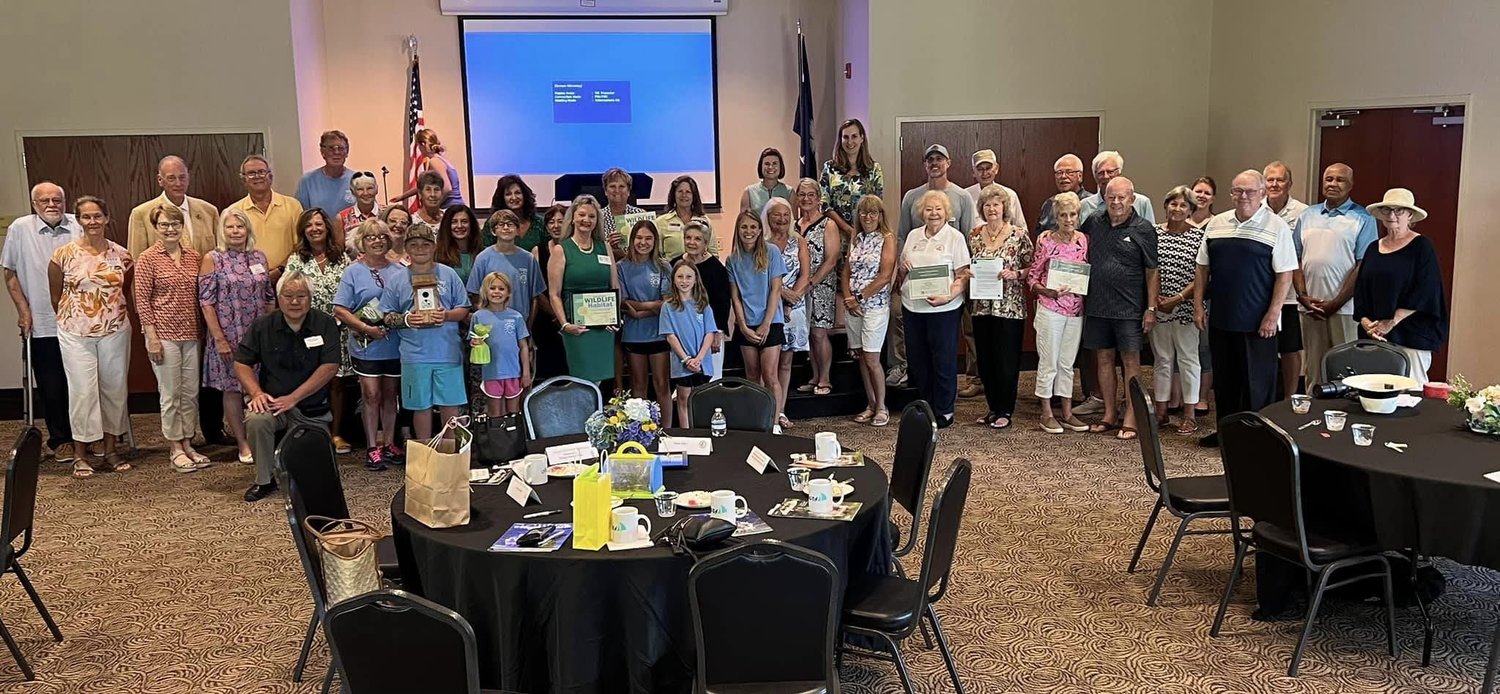
The town of Chapin was recently certified as a Community Wildlife Habitat! Chapin is now the 13th Certified Wildlife Habitat in our state and has joined over 300 other communities...

The South Carolina Wildlife Federation is honored to be in a position to distribute educational grants to full-time students pursuing environmental education at South Carolina schools of higher education. Both...