
Keep South Carolina Wild
June 30, 2023
This year marks the 50th anniversary of the Endangered Species Act! Join us as we highlight species throughout the year that have benefited from this landmark legislation.
Once an abundant pollinator in South Carolina, the rusty patched bumble bee was listed as a federally endangered species in 2017. As a social species, the queen bees are the only members of the colony to survive the winter, and they rely on flowers for food once they emerge in early spring. Check out the ways you can help not only bumble bees, but all pollinators:
Check out our webinars on bees to learn more!
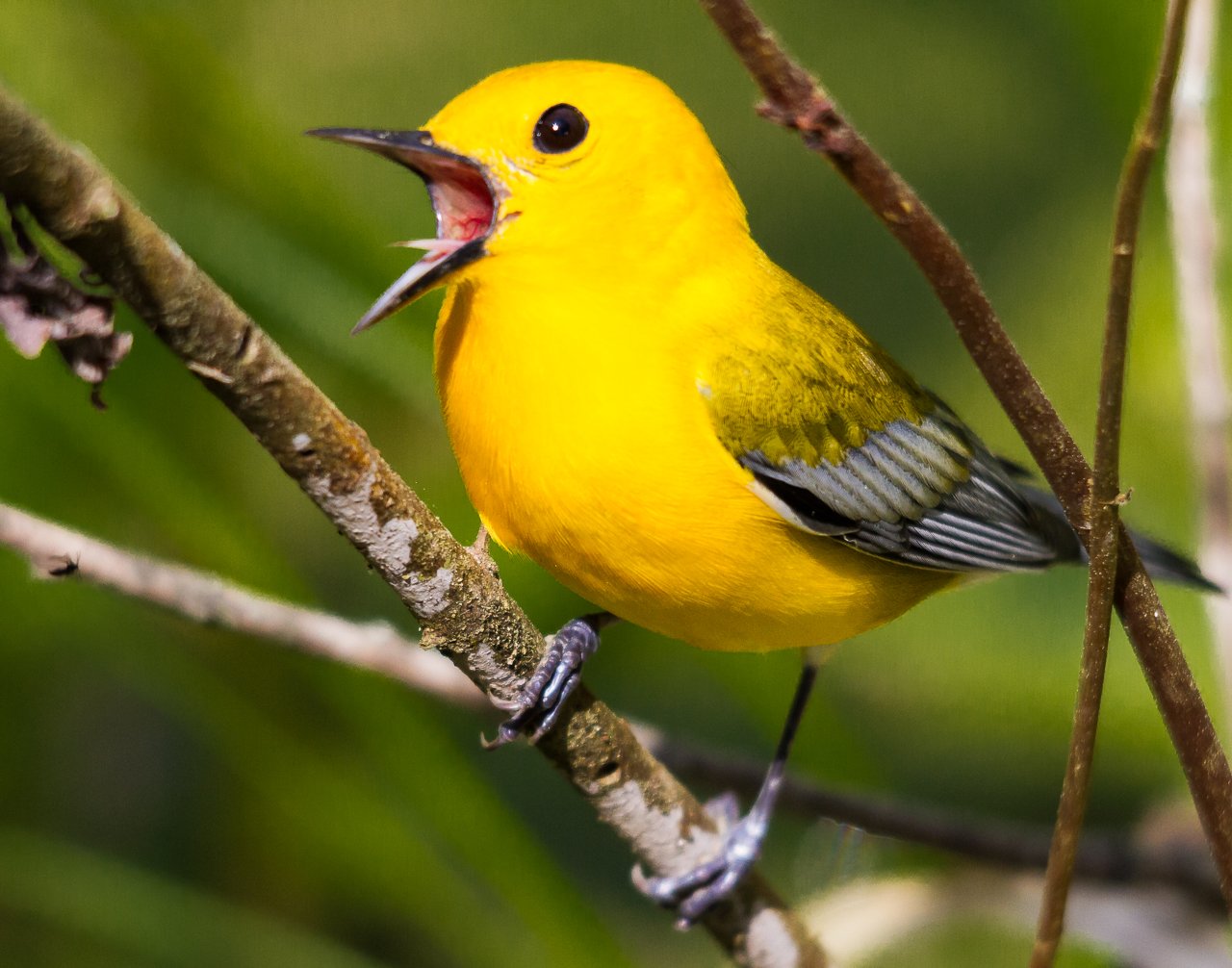
SCWF was honored to be featured in the National Wildlife Magazine’s recent article about our Project Prothonotary! Read more through the links below… Photographs by Zach Steinhauser, a South Carolina-based...

Restoring bird nesting habitat one box at a time In 2019, SCWF launched Project Prothonotary, a state-wide conservation effort to install nest boxes for a beloved, yet declining bird species...
The developer’s proposal would not only exacerbate West Ashley’s notorious flooding, it would destroy more than 200 acres of valuable wetland habitat and create a mixed-use development unaffordable for the...