
Keep South Carolina Wild
June 30, 2021
Published in Post & Courier 06/29/21
BY SARA GREEN AND COLLIN O’MARA
FILE/GRACE BEAHM ALFORD/STAFF
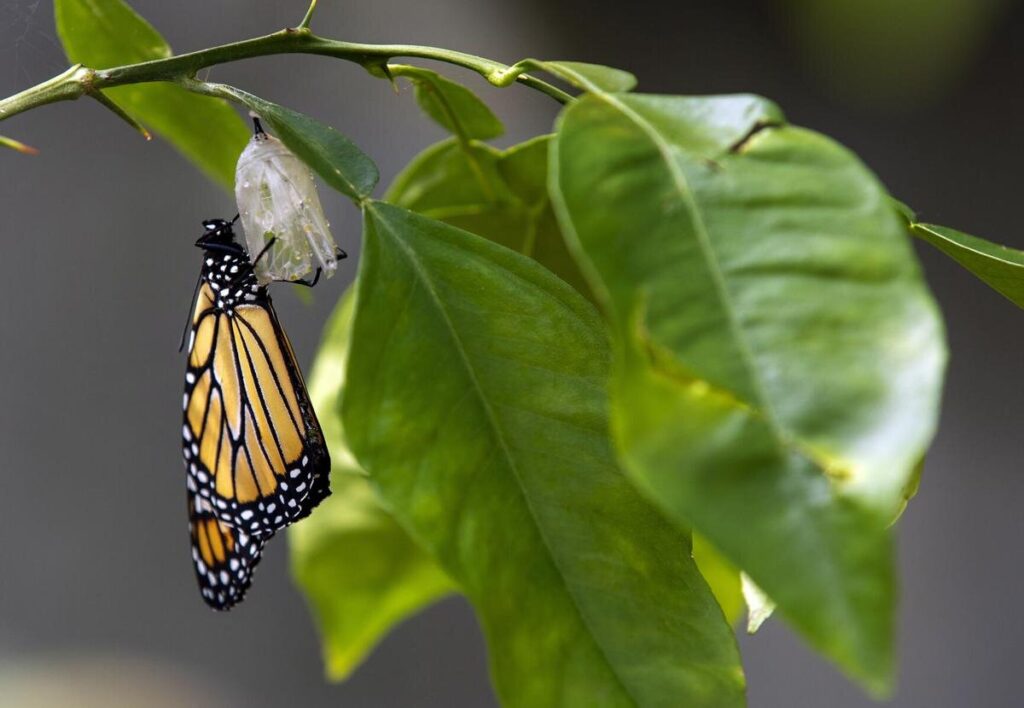
A monarch butterfly hangs onto its chrysalis after hatching in the butterfly house at Cypress Gardens in September.
Over the past year or so, South Carolinians have headed for the outdoors in greater numbers than ever before, exploring the Palmetto State from the Lowcountry to Sassafras Mountain. But even those of us who coped with the stress of the pandemic by spending time in nature may not be fully aware of the wildlife crisis quietly unfolding all around us. Scientists estimate that roughly one-third of America’s wildlife species are at an elevated risk of extinction. Here in South Carolina, the Department of Natural Resources has identified about 800 species of wildlife and plants in need of conservation action. The species at risk are found in every habitat and among all major groups of wildlife — from horseshoe crabs to wood storks.
The good news is that Congress is considering a bold, bipartisan bill that would go a long way to addressing the wildlife crisis while creating jobs in every state and bridging the political divide. The Recovering America’s Wildlife Act (H.R. 2773) — led by Debbie Dingell, DMich., and Jeff Fortenberry, R-Neb. — would direct $1.4 billion of existing federal revenue toward proactive, voluntary, locally led efforts to help fish and wildlife species in decline.
More than 180 representatives from both sides of the aisle cosponsored the bill in the last session.
If passed, the bill would send more than $14 million annually to South Carolina, which would use the money to help the 800 at-risk species by restoring habitat, removing invasive species, addressing wildlife diseases and improving water quality. The bill would also fund wildlife conservation efforts led by tribes, such as the ongoing efforts by the Catawba Indian Nation of South Carolina to restore habitat for the monarch butterfly and reintroduce the federally endangered Schweinitz’s sunflower to their tribal lands.
The Recovering America’s Wildlife Act provides additional funding for federally listed endangered species such as gopher tortoises and red-cockaded woodpeckers. But the main thrust of the bill is intended to prevent wildlife from needing the Endangered Species Act’s federal protections in the first place.
This type of proactive wildlife restoration can make a difference for people and wildlife. The diamondback terrapin was decimated by exploitation for turtle soup in the early 1900s. Threats today now include road mortality, drowning in crab traps and loss of nesting habitat. Coastal residents have a vested interest in restoring robust populations of diamondback terrapins, as they help maintain healthy marshes by feeding on periwinkle snails that can overgraze the marsh. Additionally, healthy marshes protect coastal communities from hurricane storm surges, and provide nursery grounds for shrimp, blue crabs and numerous fish. The diamondback terrapin is just one example of how proactive conservation is good for wildlife, good for taxpayers and good for business by maintaining a healthy ecosystem that feeds us and is crucial to our ecotourism industry.
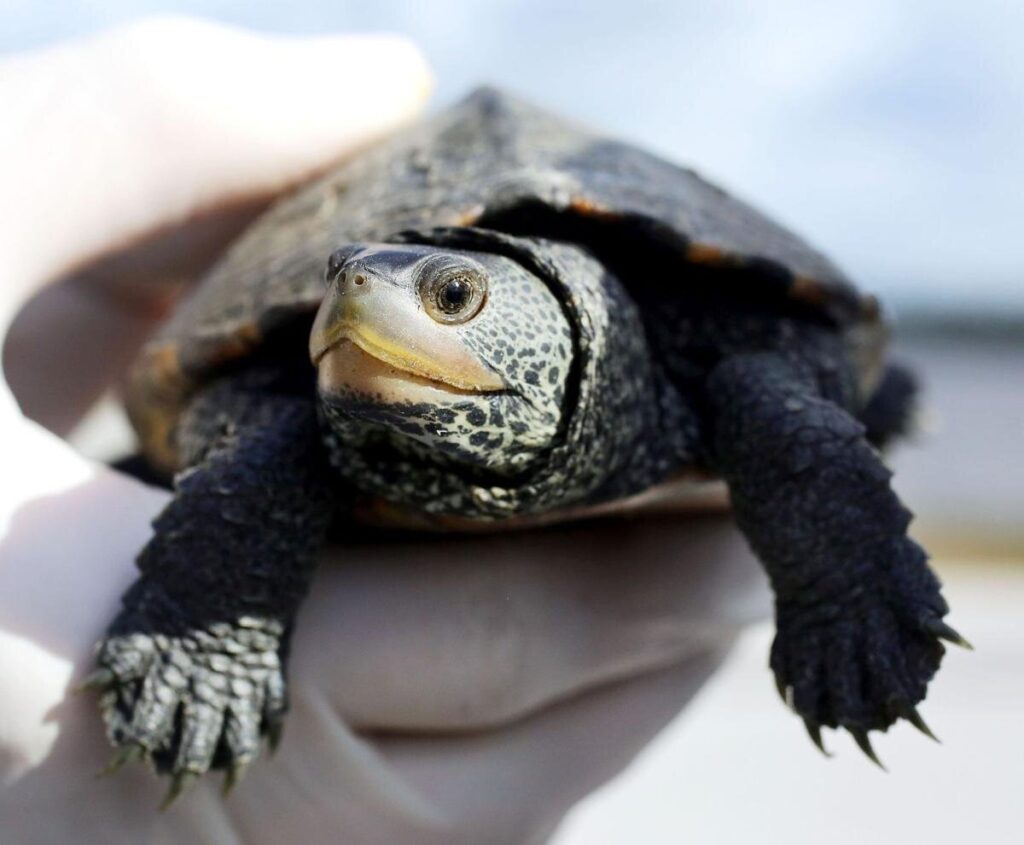
A terrapin turtle is held by a volunteer as it prepares to be measured, weighed and examined during a Department of Natural Resources survey and tracking project in 2016.
The work funded by the Recovering America’s Wildlife Act will be guided by the state’s Wildlife Action Plan, which outlines the actions needed and describes the science behind these recommendations.
The Recovering America’s Wildlife Act would create high-quality jobs today while protecting our state’s wildlife heritage for tomorrow.
This session, we hope all of South Carolina’s congressional delegation from both sides of the aisle — including Sens. Lindsey Graham and Tim Scott — will champion this groundbreaking bill and help it become the law of the land.
Sara Green is the executive director of the South Carolina Wildlife Federation. Collin O’Mara is the president and CEO of the National Wildlife Federation.
Tags: NWF, Wildlife, RAWA, SCDNR, extinction, Congress, biodiversity, terrapin, Recovering

COLUMBIA, S.C. — As part of the Grow Outdoors South Carolina initiative, the South Carolina Department of Social Services (SCDSS) Division of Early Care and Education and the South Carolina...

Finding motivated employees to enhance wildlife habitat, and connect with coworkers and the community, is critical for the success of the Wildlife And Industry Together or WAIT program. Luckily, such...
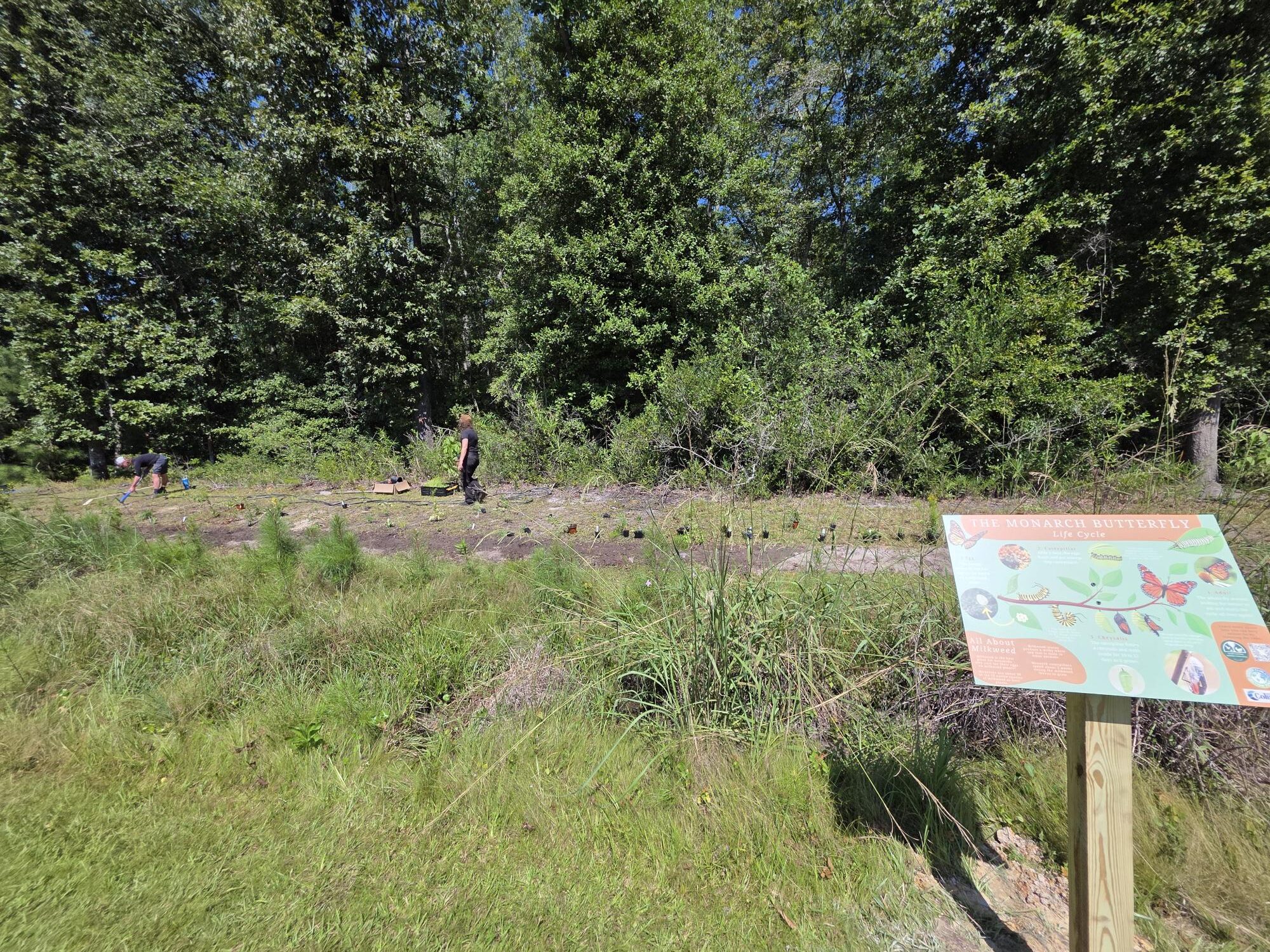
SCWF held an EcoLeaders event at Sesquicentennial State Park in Columbia on Monday, July 21st, where youth planted 750 native plants for wildlife habitat, installed a nesting box for Eastern...