Author: Dana Beach
One of my first experiences visiting the Cainhoy community was in the mid-1980s when I drove out to eat supper at a Cajun restaurant called La Tasha’s. The trip took more than an hour from downtown Charleston — across the old Cooper River Bridge, through Mount Pleasant, up Highway 41, across the Wando River, and then down Cainhoy Road to a modest white building beside a peaceful road in the forest.
At the time, I could not have imagined that within a few decades the Cainhoy peninsula would be practically destroyed — paved over by sprawling development enabled by the city of Charleston.
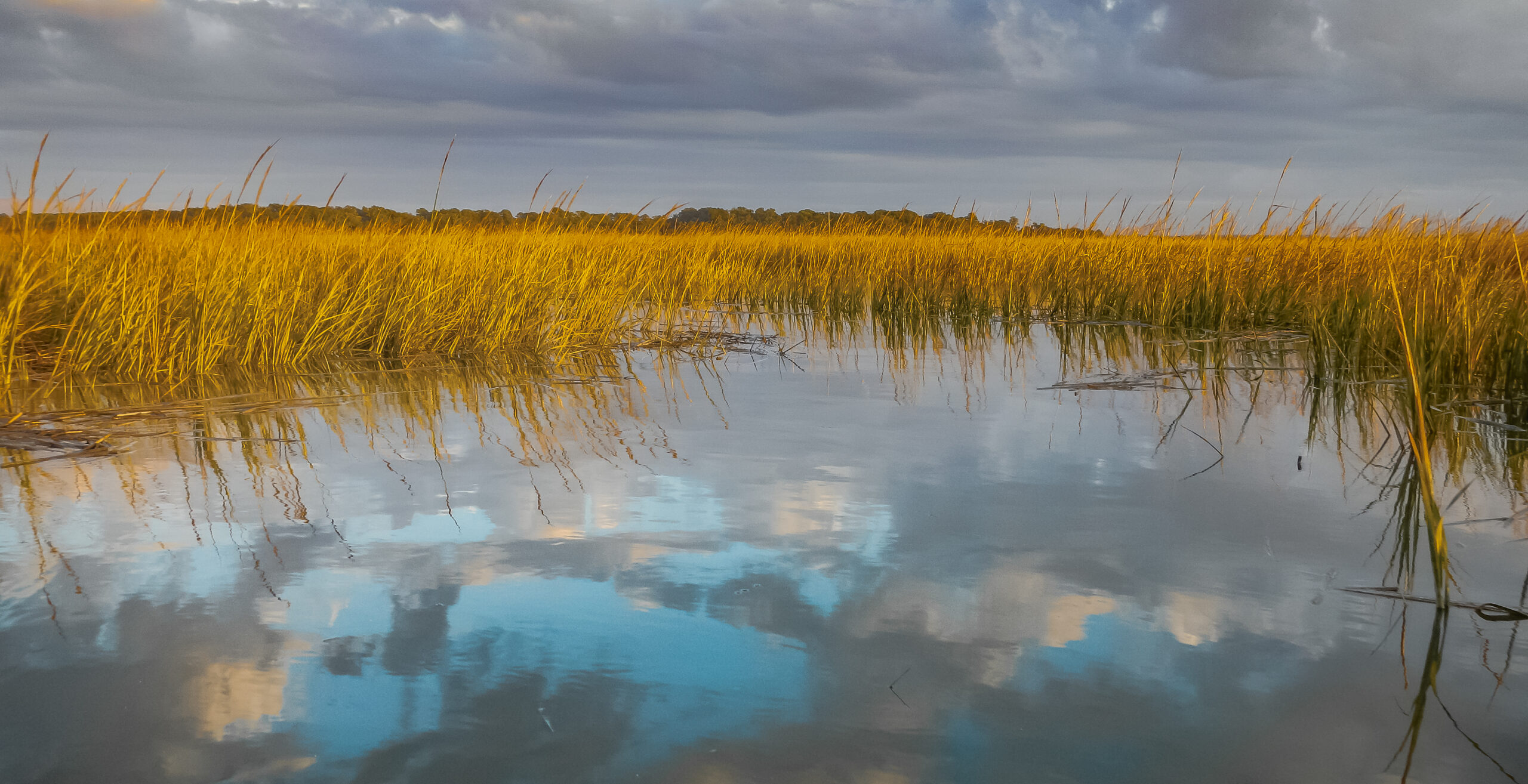
Thirty-five years ago, this peninsula, just to the northeast of historic Charleston, was a remote, authentic and beautiful place: Its people and culture were carefully documented by Charleston journalist and author Herb Frazier in “Behind God’s Back,” a collection of historical notes and personal interviews. Picture majestic live oaks and longleaf pine forests, farm fields, marshes and creeks, interspersed with historic Gullah communities such as Yellow House, St. Thomas and Jack Primus.
For more than a century, Cainhoy residents had made their living mostly from the land and water, farming and raising livestock, or fishing and oystering in the creeks and marshes of the Cooper and Wando rivers. Despite the challenges of life in those days, Cainhoy residents built strong families and resilient communities that have contributed to the Charleston area in countless ways.
Sadly, Charleston has not repaid the favor. Today’s Cainhoy peninsula would be unrecognizable to anyone whose last visit was in 1990. The historic Clements Ferry Road is now a five-lane highway lined with strip malls, gas stations and subdivisions.
Instead of navigating rivers, creeks and familiar roads, residents wade through immobilizing traffic congestion every weekday morning and afternoon.
If today’s traffic problems on the Cainhoy peninsula seem almost intolerable, they don’t begin to approximate the disruption that will plague the area in the coming years. As development progresses on Cainhoy Plantation — now called Point Hope — it will add 9,000 more houses to the peninsula. Clements Ferry Road and Highway 41 will be further burdened by 45,000 to 60,000 additional vehicle trips daily, tripling the number of cars on these roads now.
The Berkeley-Charleston-Dorchester Council of Governments transportation model of the road system is bleak and unequivocal: When Point Hope is built out, these roads will operate at what transportation planners call “Level of Service F.” In lay terms, this means gridlock.
It didn’t have to turn out this way.
In 1991, Charleston Mayor Joe Riley moved to annex Daniel Island into the city. Five years later, the owners agreed to let the city annex the considerably larger Cainhoy Plantation, extending to the border of the Francis Marion National Forest.
The owners were enticed with lavish public subsidies. According to a spokesperson from Daniel Island, “In excess of $250 million has been committed (in the area) by city, county and the state in terms of schools here, the roads, the bridges, water and sewer, public safety and all of those things.”
Perhaps most importantly, Charleston signed a contract with the Guggenheims that restricted the city from substantially modifying the Cainhoy Plantation plan for 50 years. The agreement included the right to build 18,000 houses and condominiums on the property. Thus, the stage was set for the wholesale transformation of one of the most beautiful and historic places in the Southeast.
While the future of Daniel Island was the subject of years of public hearings and benefited from the expertise of some of the nation’s most talented land planners, Cainhoy was afforded no such careful attention. Unlike Daniel Island, the Cainhoy owners began dismembering the property, selling it piecemeal to national tract homebuilders such as Pulte Homes.
For more than two decades conservation groups, along with courageous residents of the Cainhoy community, have advocated for improvements to the development plan that would reduce the crush of traffic and lessen some of the environmental and cultural damage.
The recent protection of Blessing plantation, just up the river, provides an inspirational example of land owners working collaboratively with the community, local government and environmental groups to secure a beautiful destination for centuries to come. In contrast, the Guggenheim family and their development company have consistently rejected virtually every conservation proposal.
It is critical that citizens understand that the unfolding Cainhoy catastrophe was not inevitable nor is it irreversible. There is still time for City Council to make substantial changes to the Cainhoy-Point Hope project — changes that are justified by the threat the development poses to public health, safety and welfare.
But time is of the essence. The fate of the Cainhoy peninsula hangs in the balance.
Dana Beach is a longtime conservation leader who lives in Charleston.
Commentary posted by the Post & Courier, November 25, 2025
Banner image by Peggy Copley.