Keep South Carolina Wild
May 29, 2018
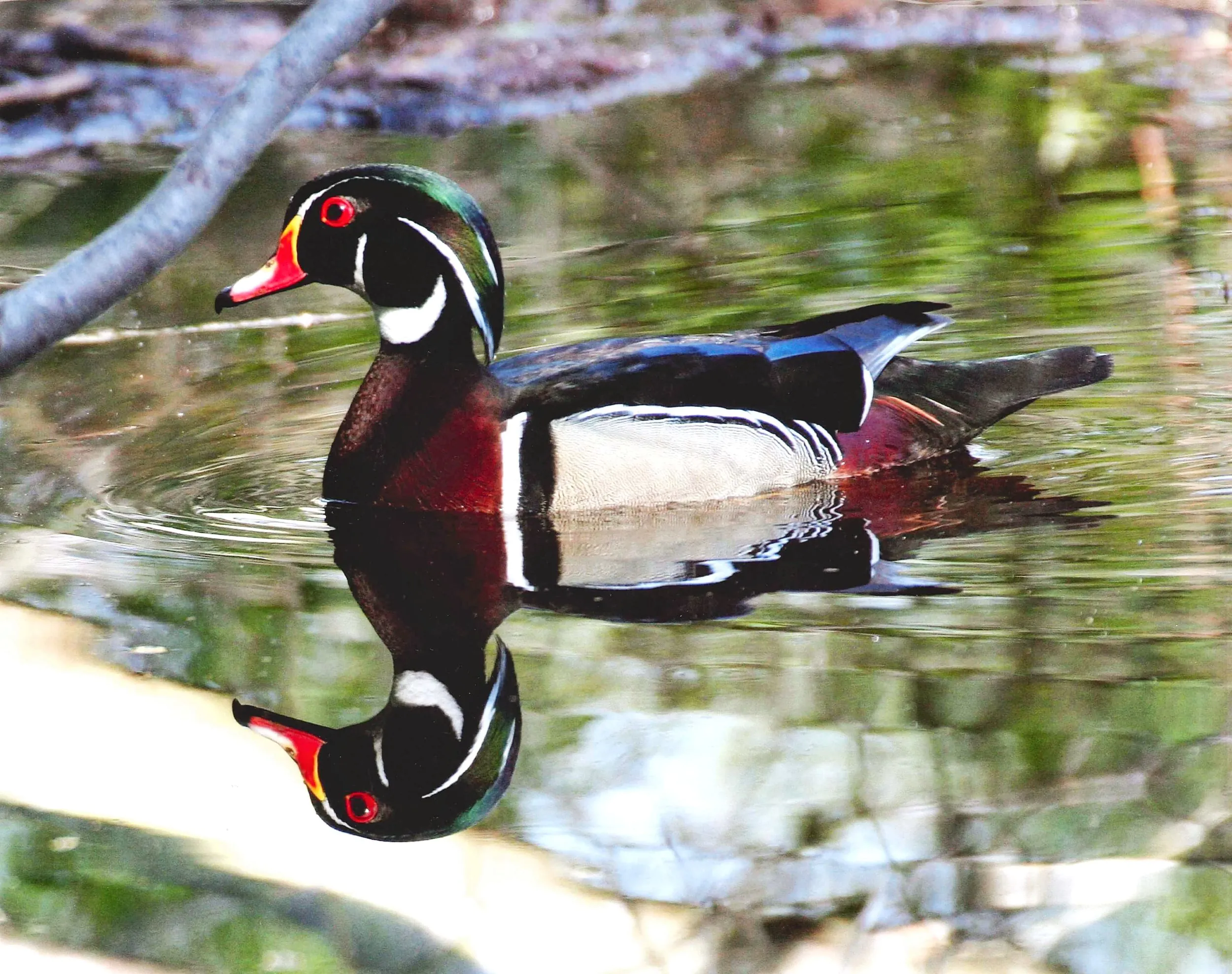
Once threatened with near extinction from habitat destruction and overharvesting, wood duck populations are now steady or increasing. The South Carolina Wildlife Federation is partnering with Duke Energy, SCDNR and the Lake Wateree Association to increase wood duck populations by constructing and erecting 80 wood duck nesting boxes in the on the shorelines of Lake Wateree, Fishing Creek Reservoir, Rocky Creek, Cedar Creek Reservoirs, the Wateree River, and smaller ponds in between.
SCWF will coordinate with property owners, volunteers, biologists, and rangers to determine suitable sites for wood ducks. The goal is to install boxes prior to the start of the 2019 nesting season. Wood ducks begin to pair with each other starting mid-October. Once a nest box is used, it will likely help raise many broods over the years to come. Boxes will be placed in locations that are convenient for monitoring and maintenance.
Volunteer involvement is integral in helping to foster community-wide awareness and appreciation for the project. The wood duck project aims to engage the community in long-term and sustained conservation actions. This project is great for people of all ages. SCWF is actively searching to recruit volunteers to assist in all facets of the project, including nest monitoring, data recording, and witnessing first hand the life cycle of the wood duck.
Photo by Richard Sasnett
Tags: Wildlife, SCDNR, Duke Energy, Wood Ducks, Catawba, Kershaw, Lancaster, Wateree
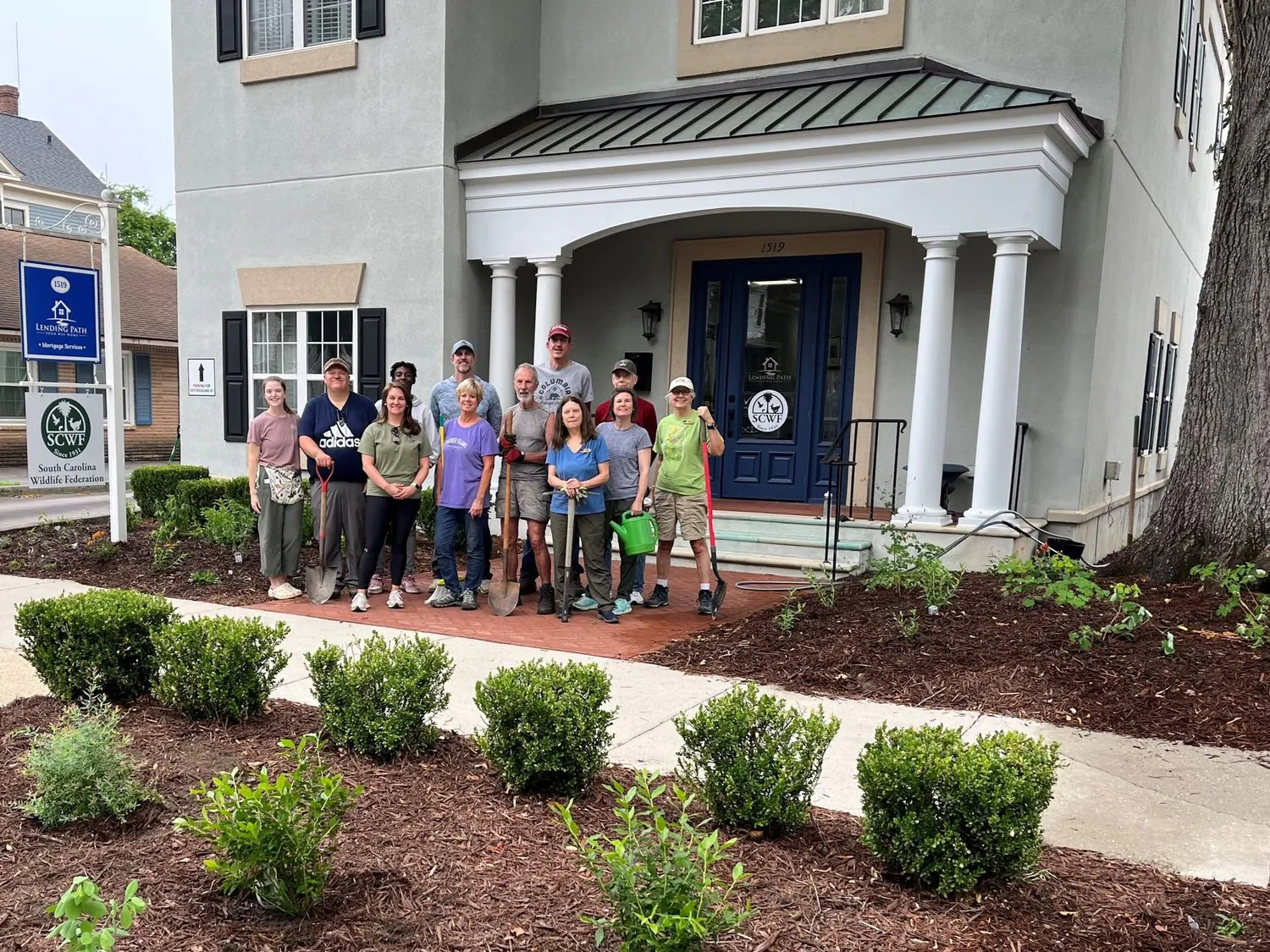
SCWF staff, volunteers, and community partners joined together at the new SCWF office in downtown Columbia to install a habitat garden in honor of Garden for Wildlife™ Month! Part of...
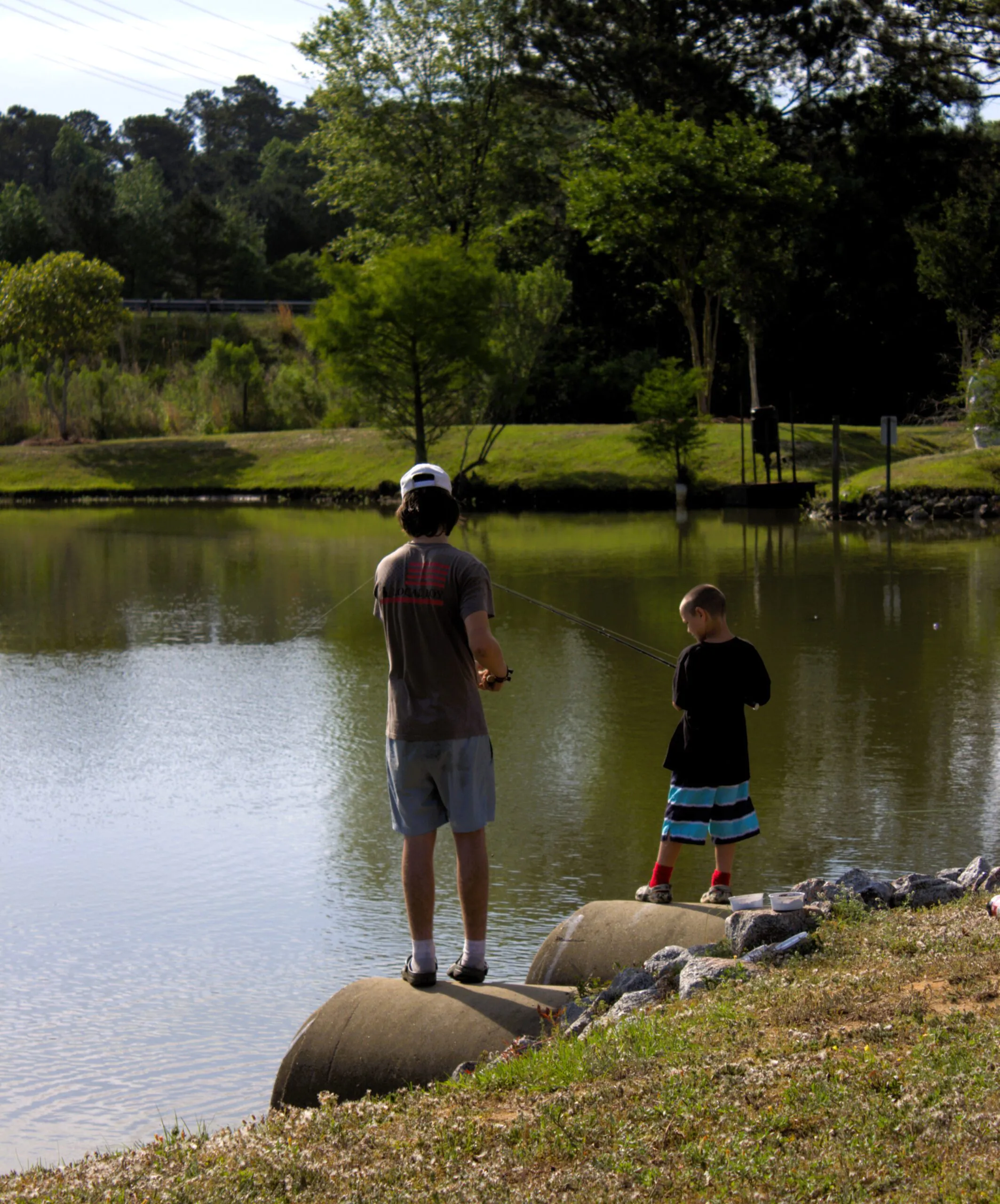
For nearly 20 years, Honda’s S.C. Manufacturing (SCM) facility has been committed to wildlife conservation, completing over 175 activities for Wildlife & Industry Together (WAIT), a South Carolina Wildlife Federation program....
Want to be the first to know about our events, classes, and volunteer opportunties? Sign up here to receive our monthly eNewsletter in your inbox. SCWF is devoted to helping...