
Keep South Carolina Wild
April 04, 2025
Join the challenge! The first person to spot each species below before June 30th and email SCWF at mail@scwf.org wins a free 12 oz. bag of coffee, shipped straight from Birds & Beans. This migratory bird spotting challenge invites guests to try and spot one of the 6 migratory birds that are featured on the Birds & Beans packaging. Each bird is listed below with some tips & tricks about where you can spot them.
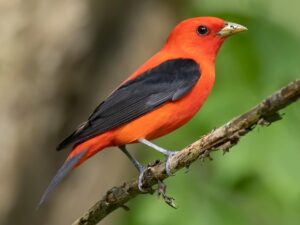
Scarlet tanagers can be found in mature forests and even park-like settings in places like Saluda Shoals Park, golf courses, and even yards with large native hardwood trees. Listen for their raspy song to help you locate them high in the canopy.
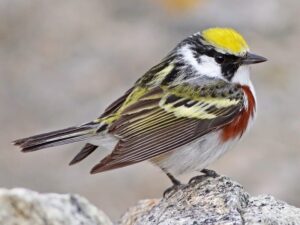
Chestnut-sided warblers can often be found in and around trees where the forest meets an opening. They’re usually found in the mid-levels of trees, as well as low shrubs, so you don’t have to look to high to find them (usually)! Park settings can also be good for this bird. 14 Mile Creek and Archers Lake in Lexington county could prove to be a good spot for these birds.
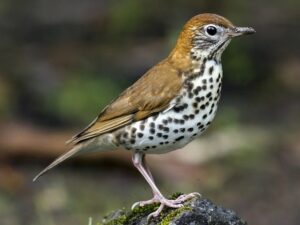
Wood thrush like mature healthy forests. Lynch’s Woods in Newberry and Congaree Creek Heritage Preserve should produce some of these birds in the Midlands. Wood thrush are usually on the ground or up to mid-level on trees. Listen for their song, which is one of the most beautiful of our woods during the breeding season!
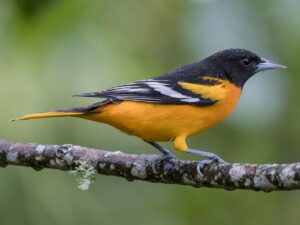
Baltimore orioles are brilliantly orange birds easily seen from a distance due to the male’s color. Once again, any park-like setting could produce one of these birds for you. Look mid to upper canopy for them. These birds are so beautiful, they can be life changing!
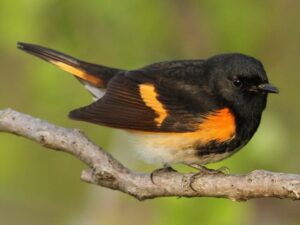
American Redstarts are somewhat easy to find because of their erratic feeding behavior and constant movement. Look around the mid-canopy of hardwood trees in almost any setting in SC, besides open fields. Nature parks, city and town parks, and yards filled with native trees and shrubs should produce an abundance of these birds.
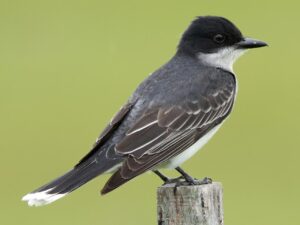
An open field is where you’ll find Eastern Kingbirds! Look for birds sitting on powerlines and in trees at the edge of a clearing, pond, or field. The dark tail with a bright white tail tip is diagnostic for this bird, but don’t get it confused with an Eastern Phoebe! Lakes, ponds, and any farm field could produce this bird for you!
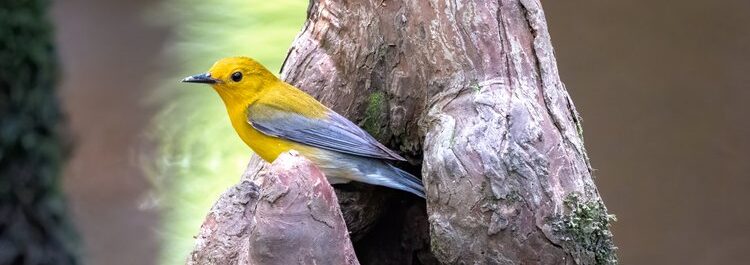
Published by the Post and Courier - https://www.postandcourier.com/politics/prothonotary-warbler-sc-migratory-bird/article_6d26f31c-28ad-4724-ae9f-285943d8628f.html February 11, 2026 By Anna Wilder awilder@postandcourier.com COLUMBIA — Jack Ragley has always been interested in birds. The 9-year-old’s favorite is the...

A recent resolution was passed by the S.C. General Assembly that officially declared the nights of March through May and August through October as "Lights Out Nights in South Carolina Season"...

Thank you to the 25 volunteers who showed up on Saturday, February 1st, to help Eastern bluebirds at Camp Discovery in Blythewood, SC! Camp Discovery’s mission is to engage and...