
Keep South Carolina Wild
August 25, 2023
This year marks the 50th anniversary of the Endangered Species Act! Join us as we highlight species throughout the year that have benefited from this landmark legislation.
The Schweinitz’s sunflower begins blooming in August, continuing until there is frost. It thrives in open, disturbed areas, and can sometimes be found along road-sides. Found only in the piedmont of the Carolinas, this native sunflower is a late summer bloomer that has been on the endangered species list since 1991.
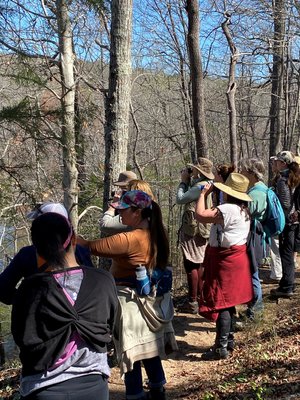
The Community Habitat team at Sun City Carolina Lakes has been doing their part to preserve and restore one of the rarest species in the nation. Working with local parks, garden clubs, universities, and the SC Native Plant Society, this team has incorporated the Schweinitz’s sunflower into their pollinator gardens and are working to distribute seeds throughout their community. You can read more about their efforts to help the population here.
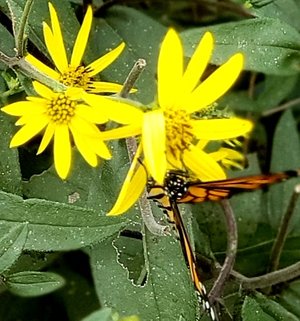
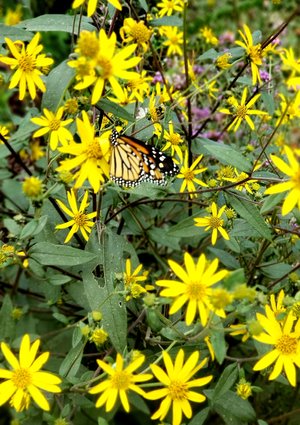
Photos above of Schweinitz’s sunflowers are courtesy of Diane Abel, Sun City Community Habitat leader.
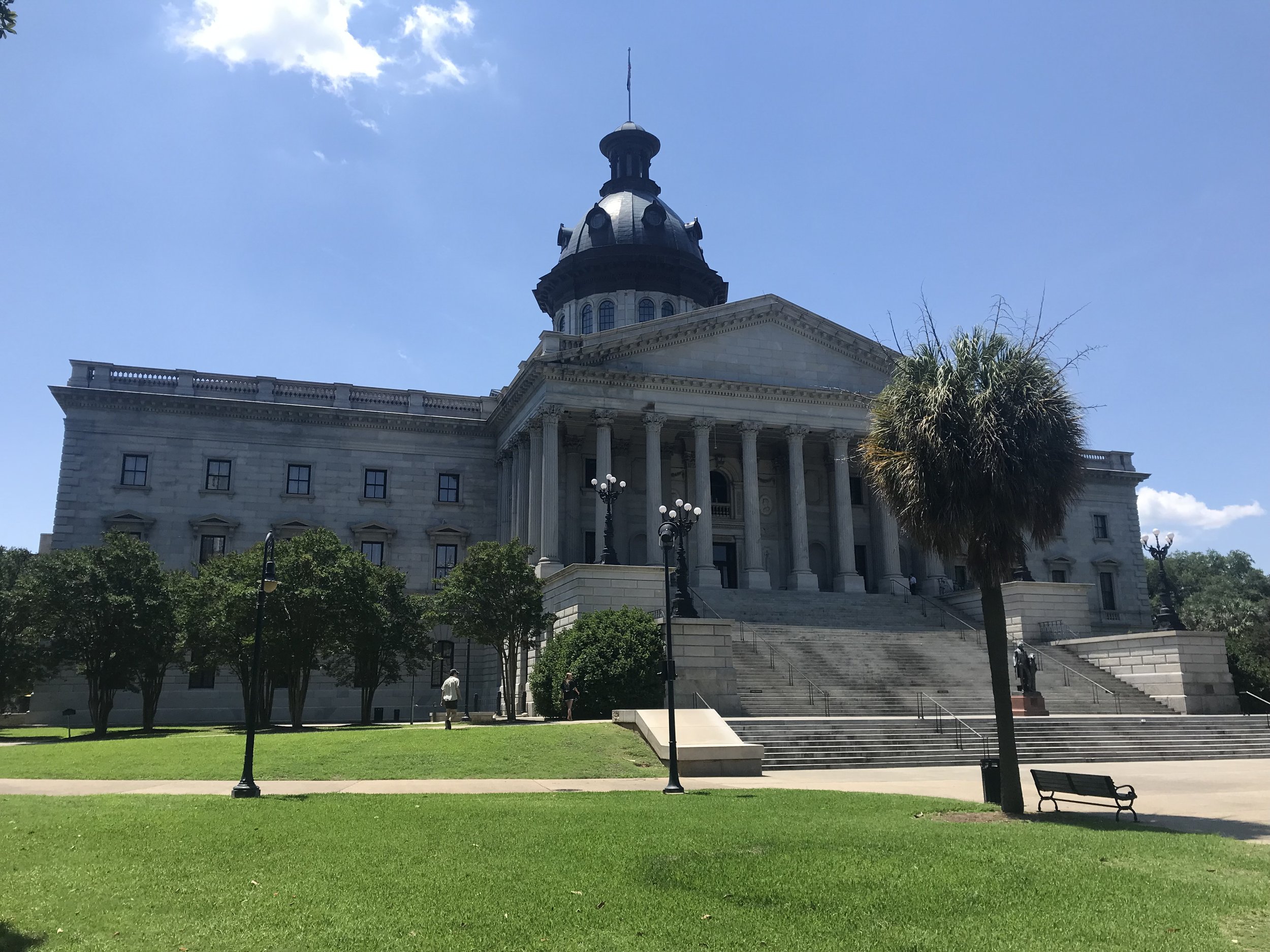
SCWF works diligently with state legislators to protect precious wildlife habitats and ensure that sound scientific data is used to make decisions that affect wildlife. You can visit our State...
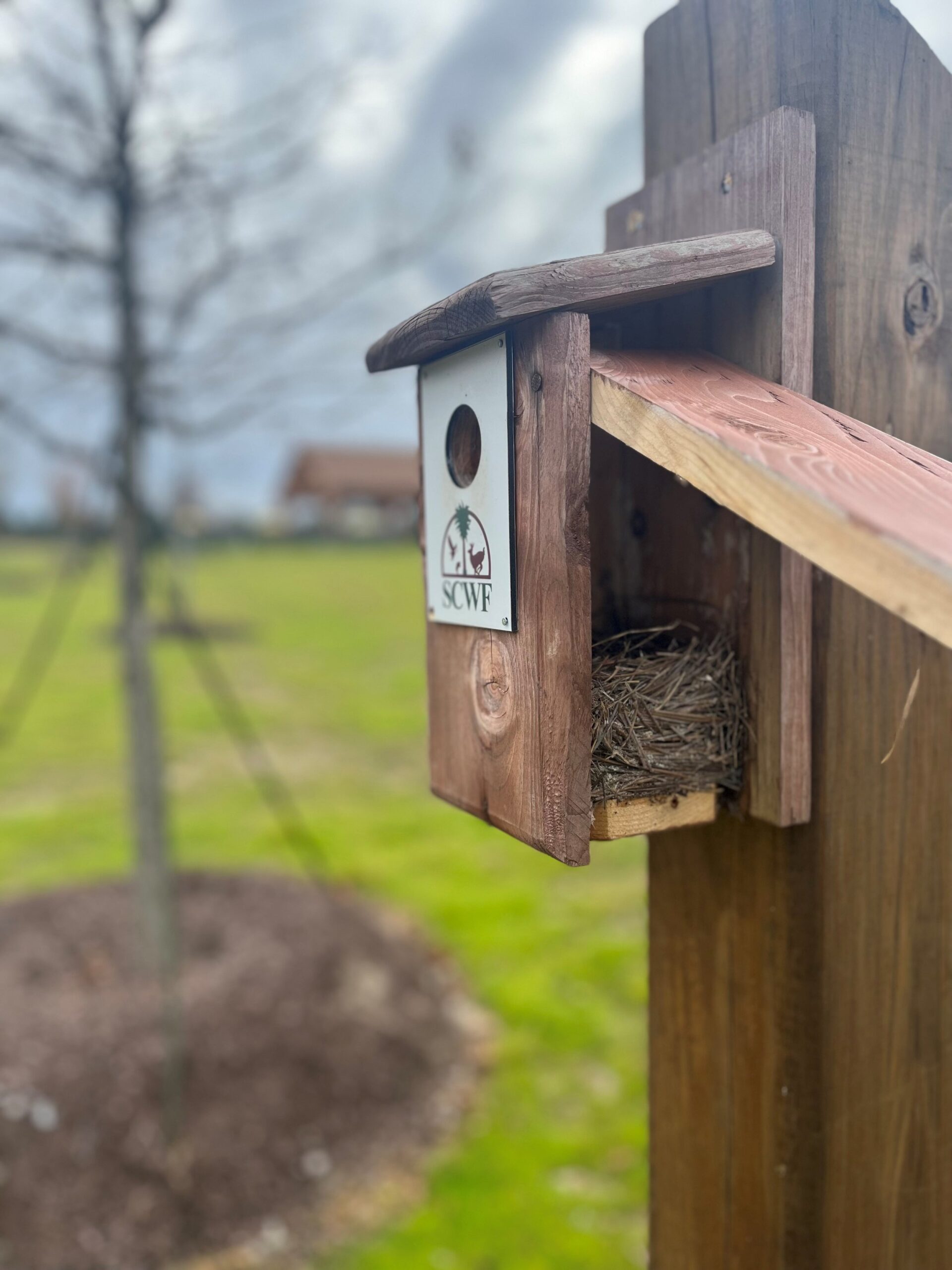
Scott Hicks and the WAIT team from Mark Anthony Brewery have been busy this year assisting with nest box placement throughout the property, as well as providing input and direction...

The South Carolina Wildlife Federation (SCWF) is excited to announce the selection of ten South Carolina teachers to participate in a new pilot project, “Wildlife Connections from the Mountains to...