Keep South Carolina Wild
October 28, 2026
THANK YOU for planting native milkweed for monarch butterflies in South Carolina!
For the 11th year in a row, SCWF was able to increase crucial habitat for monarchs by distributing over 5,000 milkweed packets throughout the state! (Check out our blog post about this year’s program here!)
Monarchs have started moving through our state, so if you planted your seeds this year, be sure to check your milkweed plants for caterpillars now! You may find them in several different sizes or stages as they continue to munch on milkweed and grow. Later, they will move to a nearby shrub, tree, or building to form their chrysalis. They will be in the chrysalis/pupa stage for 8-15 days and will emerge as an adult butterfly! Peak migration for these new adults generally occurs in late October to early November in South Carolina.
We’re proud to share updates from some of our seed recipients gardens:
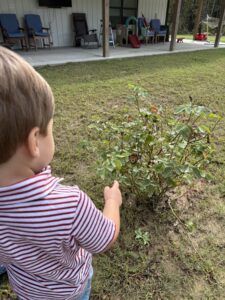
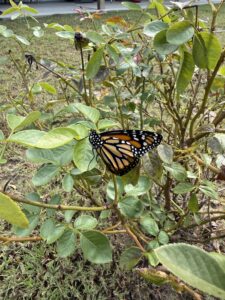
Sherry from Little Mountain: “Many of my seeds germinated and grew well. My milkweed was covered with caterpillars so we had many to come through all stages. My grandchildren enjoyed watching the process by putting the caterpillars in clear cups with milkweed leaves to eat until they turn to the chrysalis. Ours hatched two weeks ago. Milkweed was stripped! I’ve cut the stalks back now. Thank you for the seeds. Looking forward to next year.”
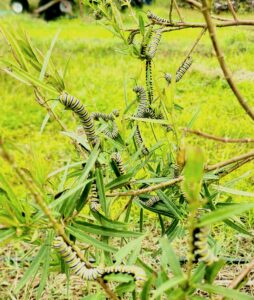
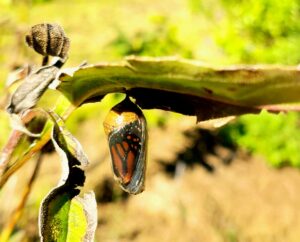
Tyler’s Flower Farm in Loris
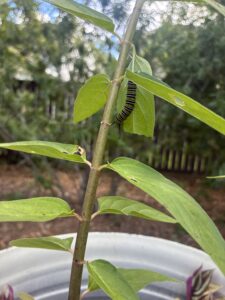
Kim from Hilton Head: “I had success with my seeds this year in Hilton Head!”
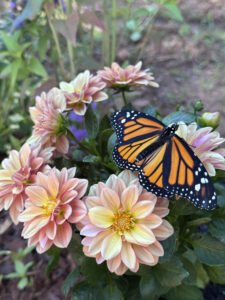
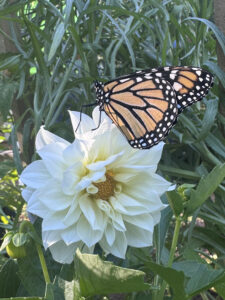
Brenna from York: “We have absolutely loved learning about monarchs through raising them. I received milkweed seeds a few years ago from you guys and this year I found eggs on them! Thank you so much for all you do for the monarchs!”
Here are some additional steps you can take to help monarchs:
Thank you again for your efforts to provide habitat for monarch butterflies! We are grateful to Comporium for their sponsorship of this project, which allowed us to send these packets to SC residents completely free of charge.

Cover Photo: Savannah Jordan

On May 30th, 2026, SCWF helped the South Carolina State Museum install a new Carolina Fence Garden in Columbia, South Carolina. This native garden educates visitors on local wildlife habitats...
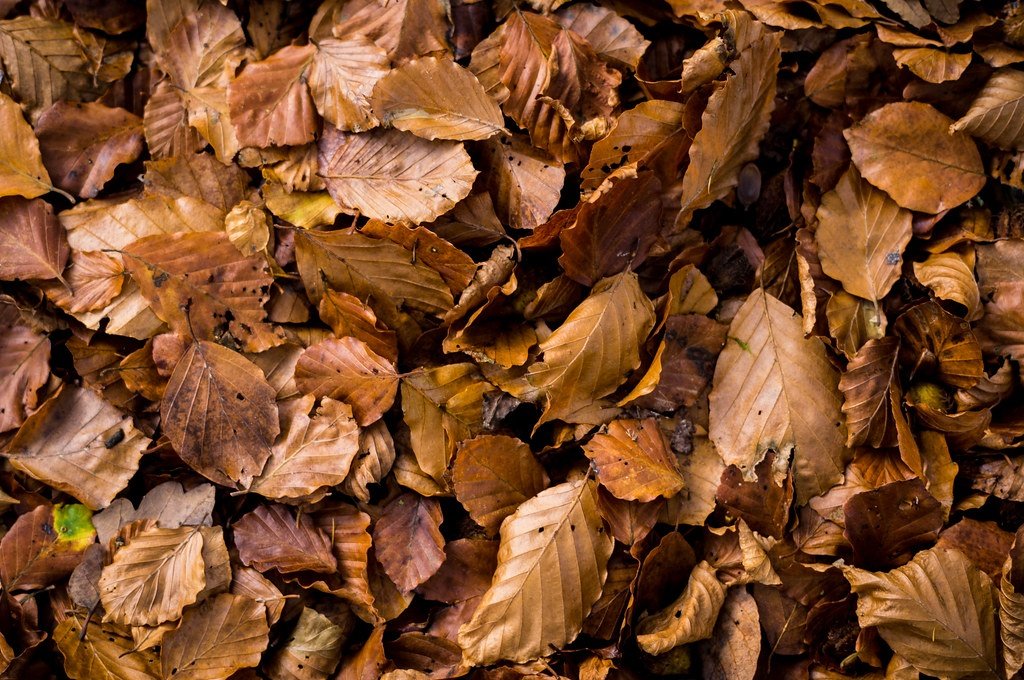
Article by Braelei Hardt, National Wildlife Federation, and Robert Watkins, National Wildlife Federation https://blog.nwf.org/2024/09/how-fallen-leaves-support-moths-and-butterflies/ Published September 26th, 2024 Amid the crunch of autumn leaves underfoot lies a hidden ecosystem where...
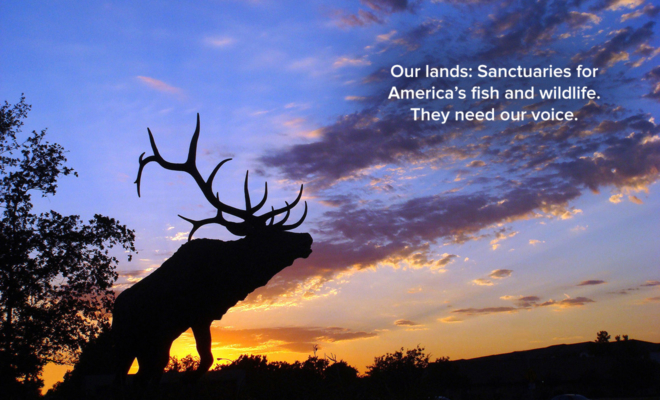
A year ago this week, War was declared on America’s lands when President Trump signed Executive Order 13792. This unprecedented action put 26 National Monuments on the chopping block for...