Keep South Carolina Wild
October 01, 2026
Fall is a great time to slow down, step outside, and take a closer look at the wildlife around us. In September, SCWF hosted two hands-on educational programs that invited participants to do just that. From colorful caterpillars hiding among native plants to intricate spider webs stretching between trees, these often-overlooked creatures play important roles in South Carolina’s ecosystems.
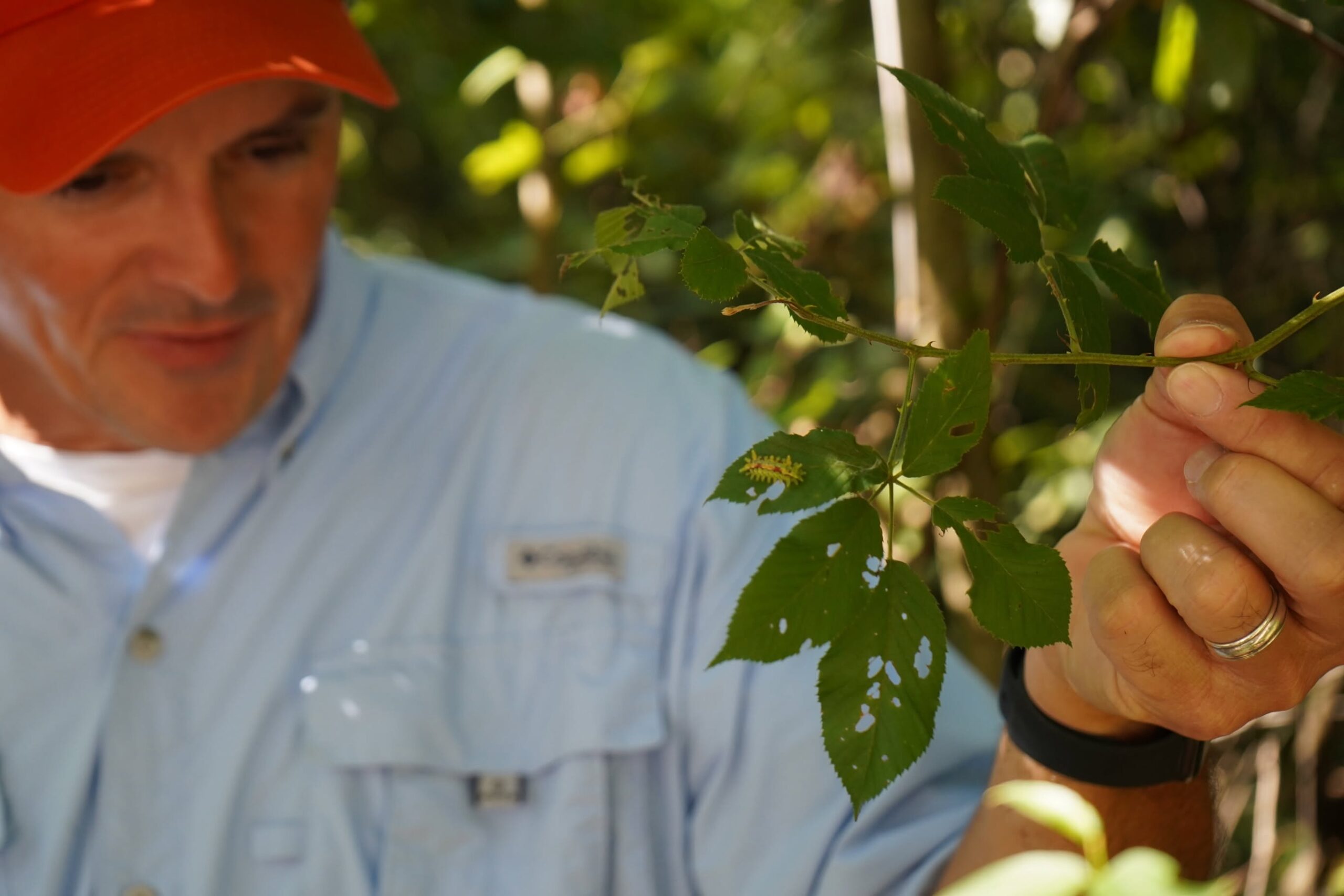
At the SCWF Sumter Wetland Preserve, participants joined Professor Dave Coyle for an up-close look at the many caterpillars that call South Carolina home at our “Things that Flutter and Gorgeous Caterpillars” class. The group discovered a variety of caterpillars, including fall webworms, unicorn prominents, morning glory prominents, clear daggers, rustic sphinxes, bagworms, Palamedes swallowtails, inchworms, spiny oak-slugs, and armyworms. Many of the caterpillars were found on or associated with native plants around them. For example, a rustic sphinx caterpillar was found on American beautyberry, a Palamedes swallowtail was found on swamp red bay, and a spiny oak-slug was found on blackberry.
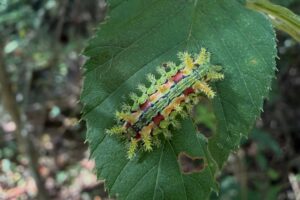
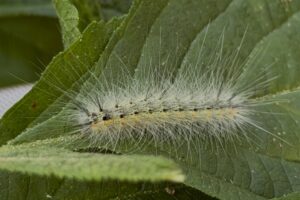
One of the biggest takeaways from the class was the important relationship between caterpillars and plants. While some caterpillars specialize in eating only certain plants, many are generalists that can feed on a variety of species. Providing a diversity of native plants in our yards and landscapes can therefore create valuable habitat for caterpillars and the wildlife that depends on them. And caterpillars are more than just an interesting discovery on a walk. They are an important source of food for birds and other wildlife and play a key role in healthy ecosystems. Participants also spotted several spiders during their exploration, including golden-silk orbweavers, jumping spiders, crab spiders, and other orbweavers — a reminder that there is always more wildlife to discover when we take the time to look closely.
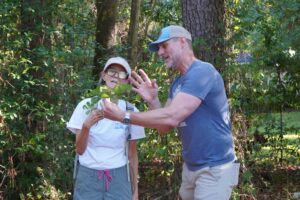
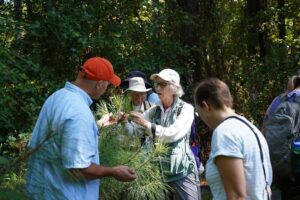
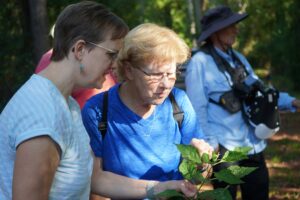
At Goodale State Park, participants joined Professor Austin Jenkins for our “Spiders of September” workshop. The program offered an opportunity to learn more about these fascinating arachnids and take a closer look at the incredible diversity of spiders found throughout South Carolina. The group observed a remarkable variety of spiders, including labyrinth orbweavers, orchard orbweavers, spinybacked orbweavers, green lynx spiders, giant golden orbweavers, jumping spiders, fishing spiders, crab spiders, and several other species.
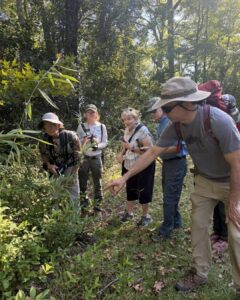
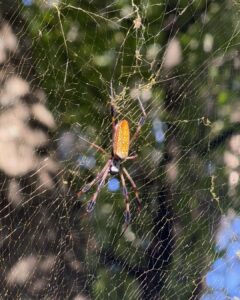
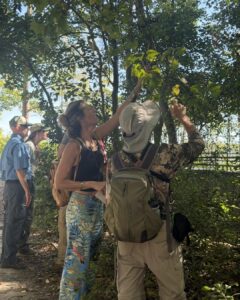
South Carolina is home to hundreds of spider species, each with its own unique behaviors, habitats, and adaptations. Even their webs can provide clues about what kind of spider built them. Orb weavers, for example, construct the familiar circular webs many of us recognize, while funnel-weaving spiders create sheet-like webs that lead into a protected funnel where the spider can hide. The group also learned that spiders are remarkably successful at colonizing new and disturbed habitats. They can be among the first animals to establish themselves in changing environments, making them an important part of the natural world around us. And, of course, no spider class would be complete without a reminder that not everything with eight legs is actually a spider. Participants also spotted harvestmen, commonly known as “daddy longlegs,” which belong to a different group of arachnids.
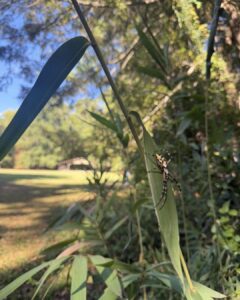
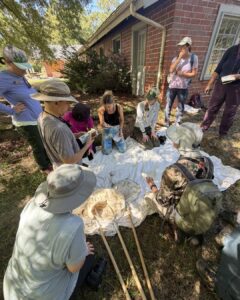
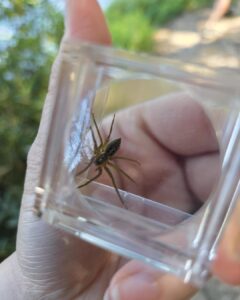
Together these two classes highlighted just how much wildlife can be found in places we might otherwise overlook. A caterpillar tucked beneath a leaf, a spider waiting in its web, or a harvestman moving through the leaf litter may seem small, but each plays a role in the larger ecosystem. Taking the time to observe these animals can help us better understand the habitats around us, and why protecting those habitats matters.
These classes also offered an important reminder about the value of leaving natural areas a little wild. Leaf litter, fallen branches, native plants, and other natural features provide food, shelter, and places for wildlife to live and reproduce. Even something as simple as leaving the leaves in your yard can provide winter shelter for spiders and other small animals.
You don’t have to visit a preserve or state park to discover incredible wildlife. You can create habitat right in your own backyard by incorporating native plants and providing food, water, cover, and places for wildlife to raise their young. Native plants are especially valuable for caterpillars and other insects because they provide the resources they need to complete their life cycles. A wildlife-friendly yard can also attract spiders, birds, butterflies, moths, and countless other species. SCWF’s Certified Wildlife Habitat® program provides resources for creating and improving wildlife habitat at home. By making thoughtful changes to our landscapes, we can create spaces that support wildlife while bringing more of South Carolina’s natural world closer to home.
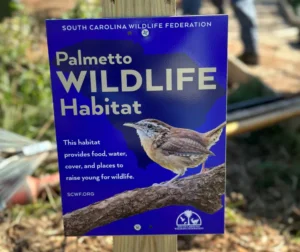
The best way to appreciate wildlife is to take the time to observe it. Look beneath leaves, examine native plants, watch for webs, and pay attention to the small creatures that often go unnoticed. Whether you’re fascinated by caterpillars, curious about spiders, or simply want to learn more about South Carolina’s wildlife, there’s always something new to discover. Thank you to everyone who joined us for these programs, and to Professor Dave Coyle and Professor Austin Jenkins for sharing their knowledge and helping participants see this incredible wildlife from a new perspective.
Interested in joining us for a future program? Visit our events page to see upcoming classes, workshops, and opportunities to get outside and learn more about South Carolina’s wildlife.

For 15 minutes in August, South Carolinians slowed down and paid attention to the flowers around them. Instead of simply passing by a blooming plant, participants watched closely, counting bees,...

We are very excited to announce the winners of the 2025 Plishing Challenge! For the second year in a row, Cyrus Rouggly was the winner for the overall number of...
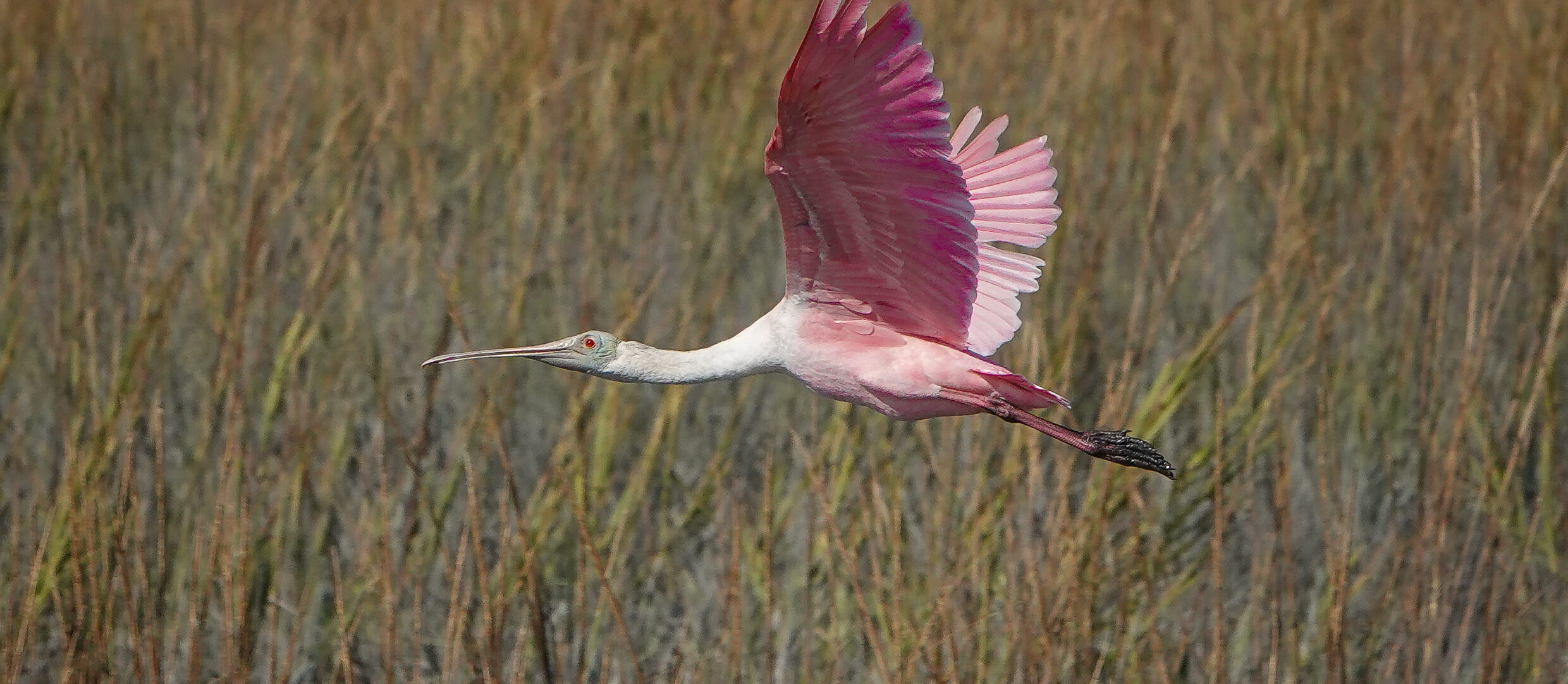
We are excited to announce that Liz List is the winner of the 2026 Forks, Knives, & Spoonbills art contest for her piece, Gathered Around the Plate! This statewide competition,...