Keep South Carolina Wild
May 29, 2026
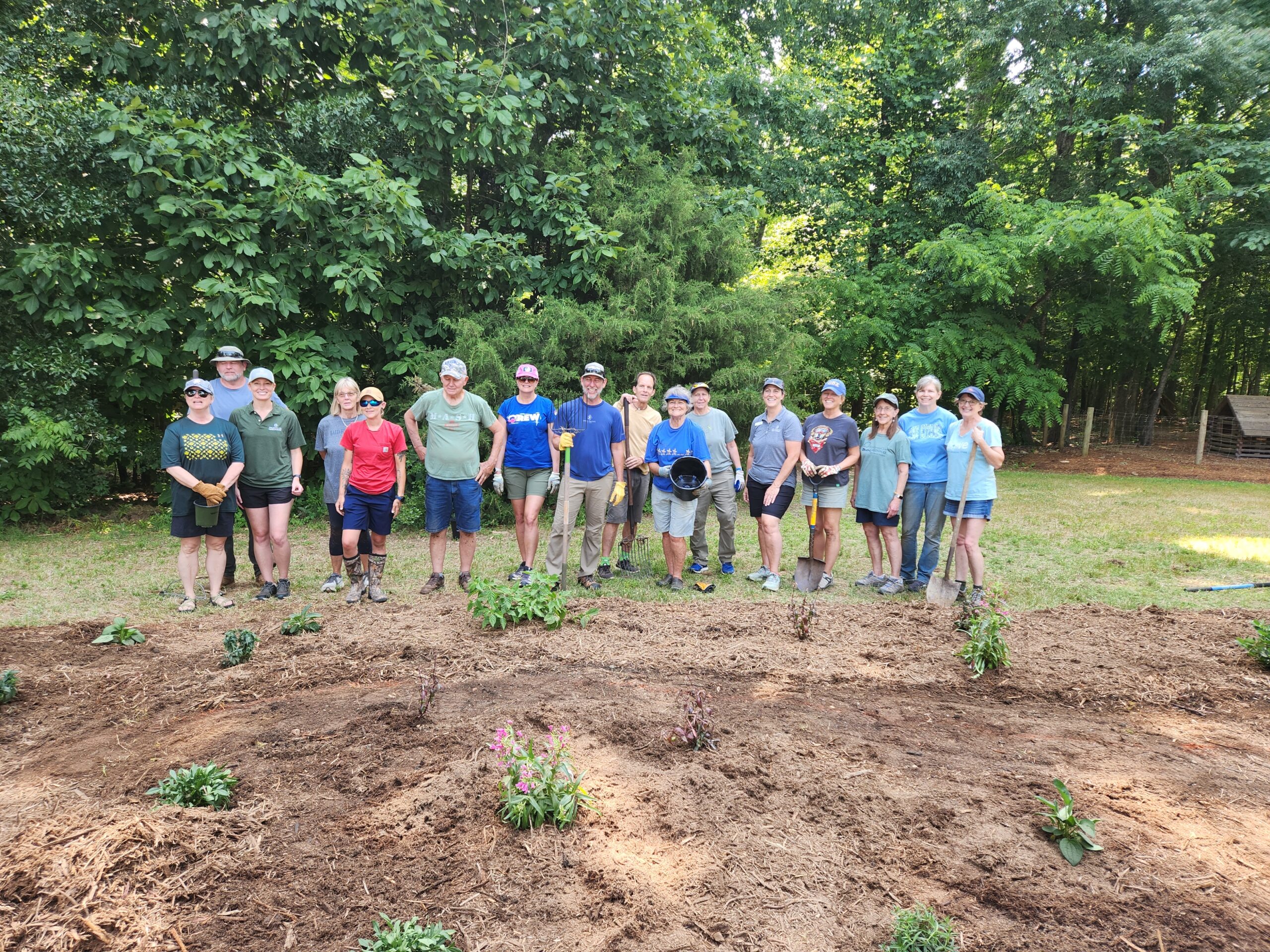
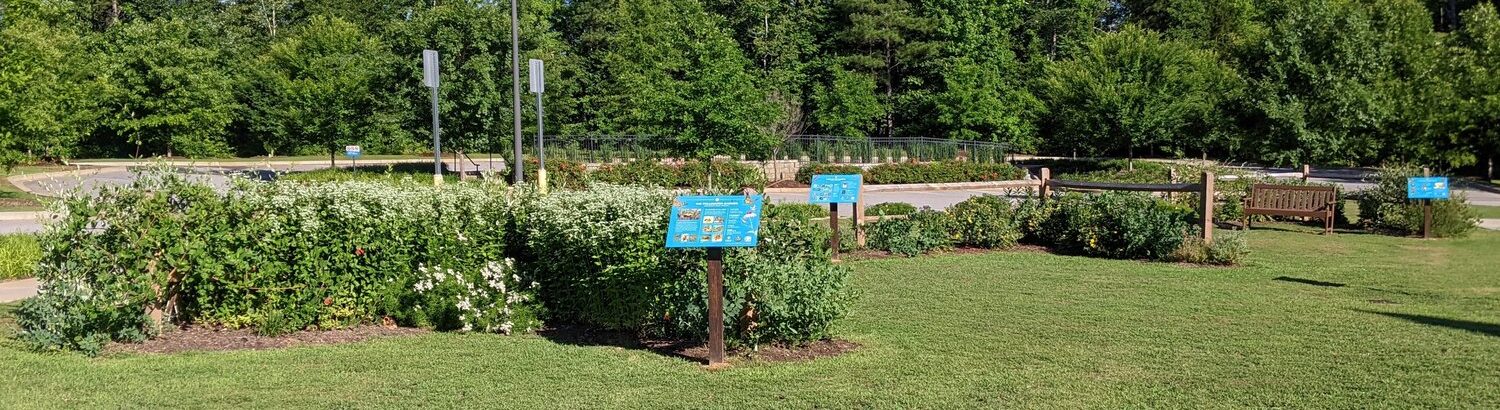
As development increases, the resulting habitat loss is a major challenge that affects many pollinator species in South Carolina. Pollinator gardens provide pollinators and other wildlife with critical habitat that can beautify any space, increase native biodiversity, increase pollination services and biological control of pest insects, and provide community engagement and learning opportunities.
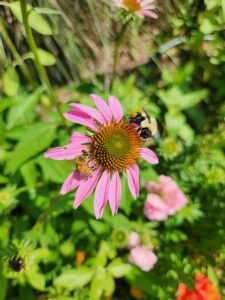
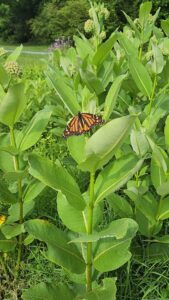
These gardens create and enhance habitat for pollinators and other wildlife by incorporating native flowering plants, which are important sources of food and shelter for bees, butterflies, and countless other species. Native plants are adapted to the region’s climate and require less watering, fertilizer, and use of pesticides. Pollinators also require specific native host plants which provide nutrition and habitat to their larval and adult stages. Milkweed, the host plant for monarch butterflies, was planted in each garden to give the adult females a place to lay their eggs and to provide the caterpillars with a source of food.
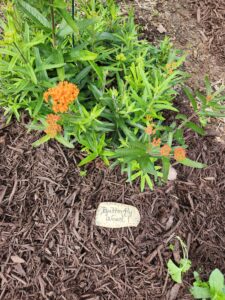
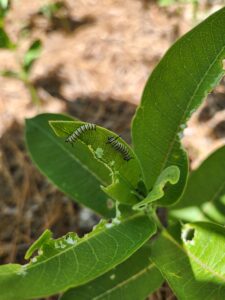
By installing the gardens in public areas, they also serve as demonstration sites to allow community members to connect with imperiled pollinator species and play a part in conservation efforts by replicating the gardens at their own homes. Educational signage was also installed with each garden that displays information about pollinator species, their importance, and how native plant gardens help them.
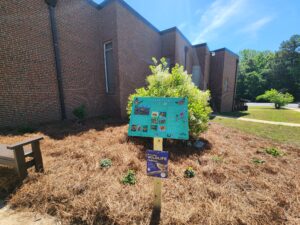
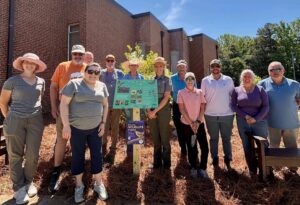
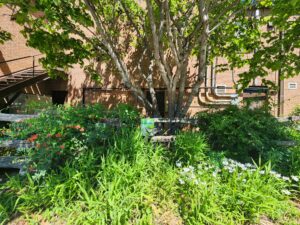
The first garden installation took place at the Museum of York County, where museum staff and volunteers joined to plant a variety of native plant pathways that lead to spaces where nature-themed outdoor musical instruments will be installed late this summer, including a bumblebee, butterfly, firefly, dragonfly, and ladybug. The museum’s garden is also a Certified Wildlife Habitat, which provides natural sources of food, water, cover and places to raise young and is maintained in a sustainable way that incorporates native plants, conserves water, and does not rely on the use of pesticides. The museum received its certification in 2005 and also has created a Carolina Fence Garden.
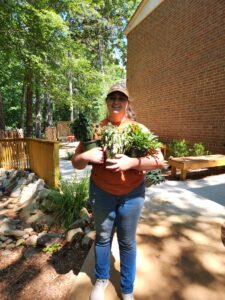
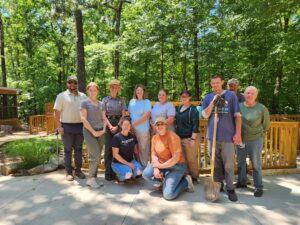
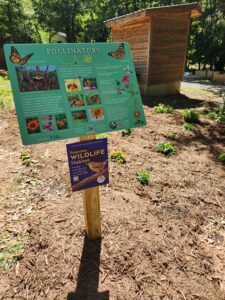
The Catawba Nation is the only federally recognized tribe in South Carolina, and SCWF is honored to partner with the reservation’s Wildlife and Habitat Program on multiple conservation projects, including Project Prothonotary and the Pollinator Garden Project. At the Catawba Nation, reservation staff and volunteers helped to plant a variety of native plants for pollinators at the Cultural Center and at the preschool on the reservation.
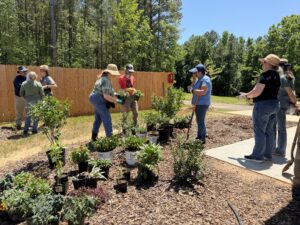
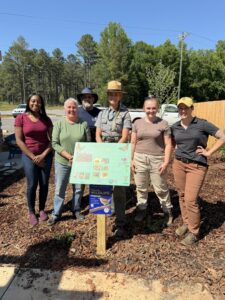
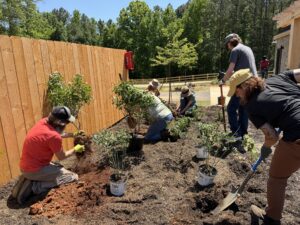
The Catawba Bend Preserve is York County’s newest park, a 1,900-acre preserve in Rock Hill, spanning nearly five miles along the Catawba River. Operated by York County, the preserve offers a serene, natural escape focused on passive outdoor recreation and wildlife conservation. While the preserve is open and walkable, it is designed to be an evolving outdoor destination. Future amenities in various stages of development include mountain biking and disc golf courses, stocked fishing ponds and rebuilt earthen dams, the first mile of a paved, riverfront greenway, primitive tent camping, event spaces, and a motor coach park.
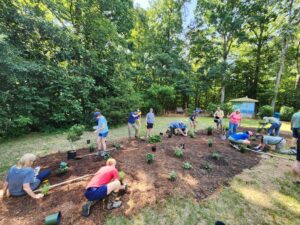
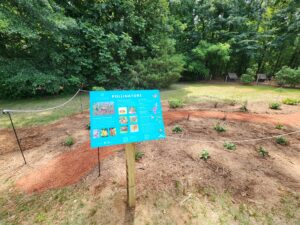
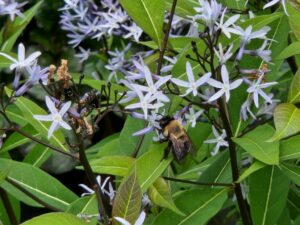
Anne Springs Close Greenway is a 2,100-acre nature preserve in Fort Mill, South Carolina. Dedicated in 1995, it protects native forests, lakes, and pastures from urban development, offering the public a natural escape for outdoor recreation and environmental education. The pollinator garden was installed with the help of staff from the Greenway and volunteers with the Catawba Master Naturalist Program, and it is located next to the Greenway’s Forest Playground. Bluestar (Amsonia) was chosen as one of the focal plants to honor the Greenway’s founder, Anne Springs, who was also a prominent South Carolina conservationist, philanthropist, and outdoor advocate.
To learn more about how to create your own pollinator garden, see our webpage for Enhancing Pollinator Habitat and be sure to follow along with us during the month of June, which is National Pollinator Month!
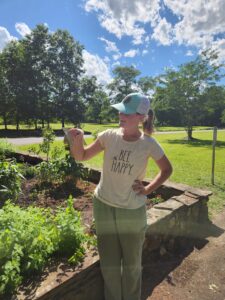
SCWF would like to thank Skyline Design and Landscape for their assistance in the design and installation of the garden, as well as providing all the native plants and materials. SCWF is also grateful for the following partners and volunteers for their involvement: Anne Springs Close Greenway, Catawba Master Naturalist & Alumni group, Museum of York County, Catawba Bend Preserve, York County Parks & Rec, Catawba Indian Nation, and Landsford Canal State Park.

This project was made possible by Duke Energy’s Catawba-Wateree Habitat Enhancement Program.

Banner image by Melissa Sprenne The Richland Library of Ballentine recently held a program on pollinators during National Pollinator week that included a presentation on South Carolina’s native pollinators by...

CHARLESTON & BEAUFORT COUNTIES, SC – Today, the South Carolina Federal District Court ordered “immediate removal of all sea walls from Harbor Island and Isle of Palms, and orders that...
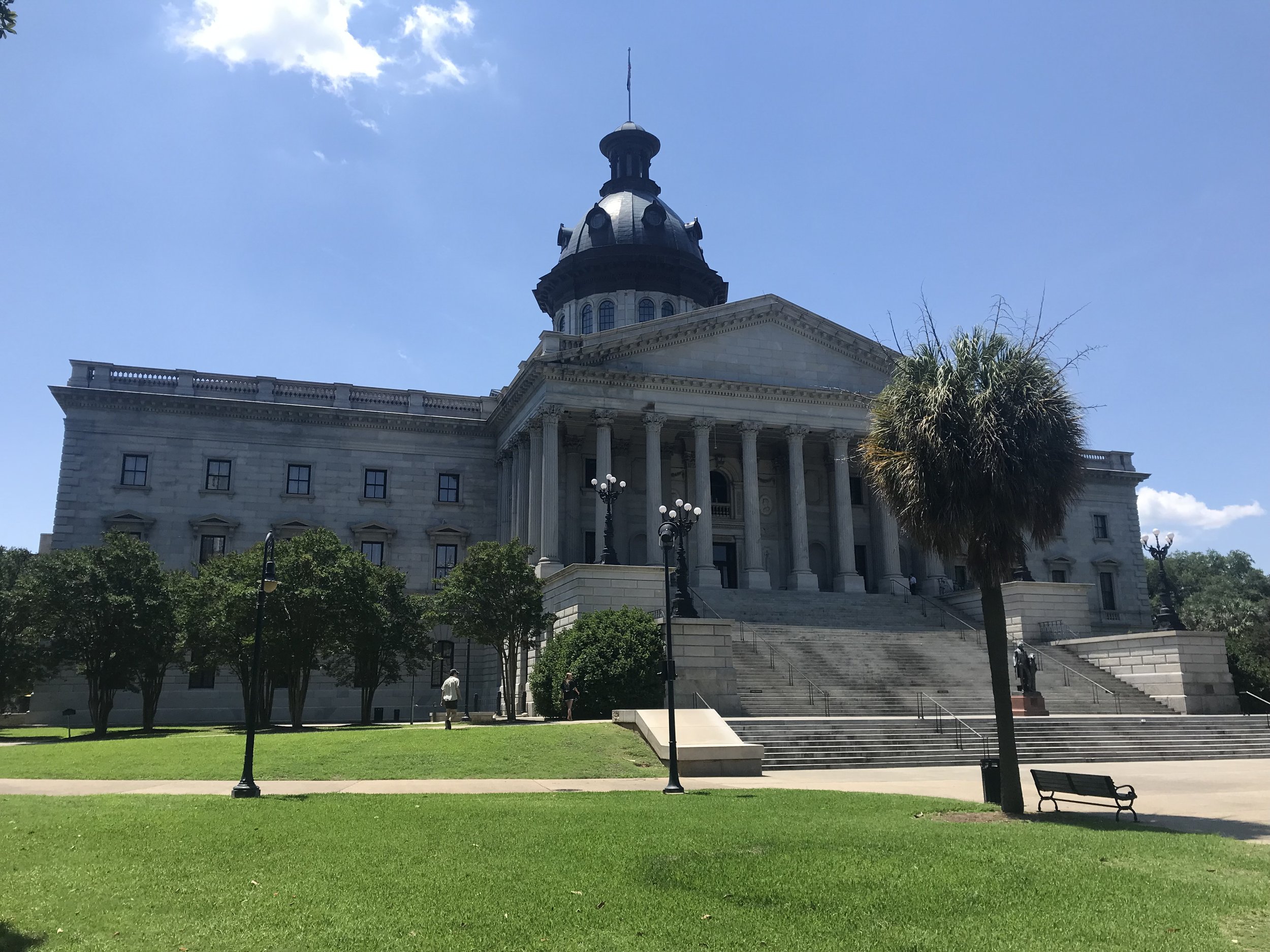
SCWF works diligently with state legislators to protect precious wildlife habitats and ensure that sound scientific data is used to make decisions that affect wildlife. You can visit our State...